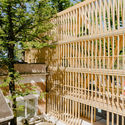
Courtesy of National Pavilion UAE - La Biennale di Venezia
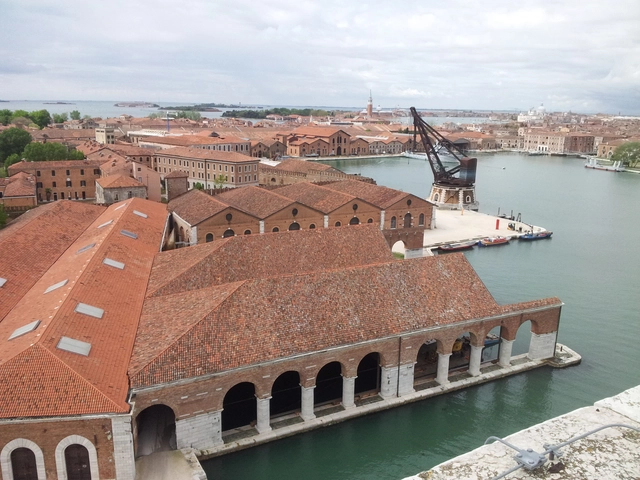
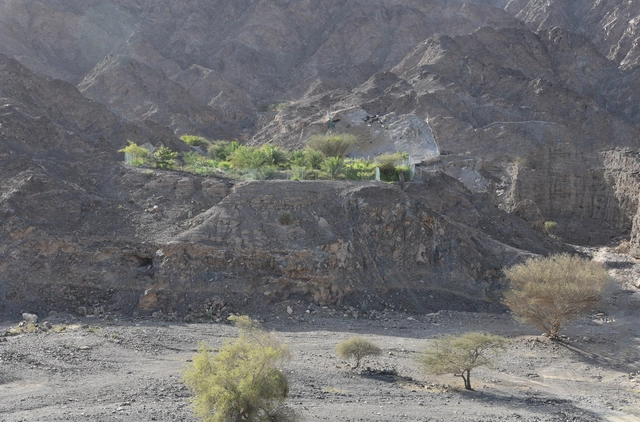
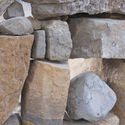
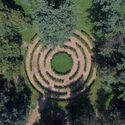
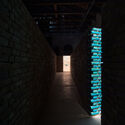
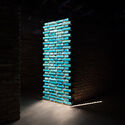
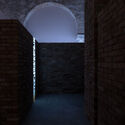
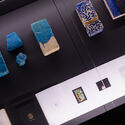
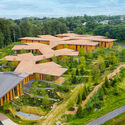
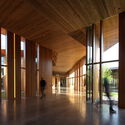
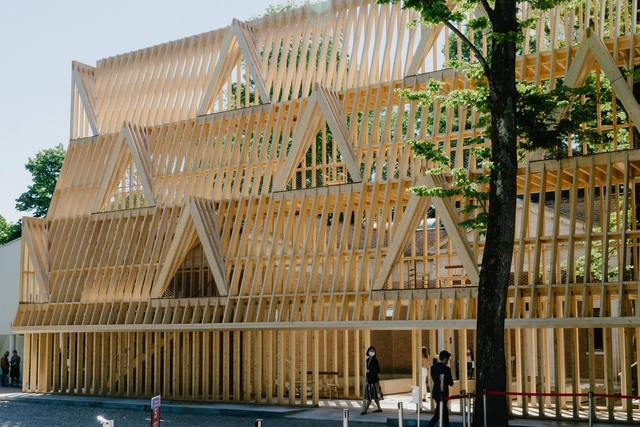
Aridly Abundant is the title of the body of research being exhibited at the UAE National Pavilion at the 18th annual International Architecture Exhibition - La Biennale di Venezia. The Pavilion was curated by Faysal Tabbarah, Associate Dean and Professor of Architecture at the College of Architecture, Art, and Design at the American University of Sharjah. The exhibition explores the possibility of architectural possibilities in, with, and for arid landscapes.
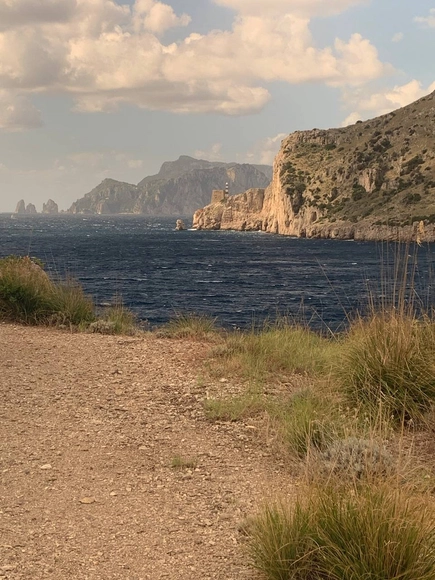
Baia di Ieranto. Image Courtesy of Fosbury Architecture
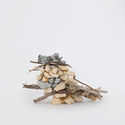
The project for the Italian Pavilion at the 18th International Architecture Exhibition – La Biennale di Venezia will be curated by Fosbury Architecture, a collective composed of Giacomo Ardesio, Alessandro Bonizzoni, Nicola Campri, Veronica Caprino, and Claudia Mainardi. Fosbury Architecture’s vision for the exhibition is based on a research practice that sees design as the result of collective and collaborative work. From January to April, leading up to the opening of the Biennale, nine site-specific interventions titled “Spaziale presenta” are set out to activate different locations across Italy.
Courtesy of Media by Matteo de Mayda/ Courtesy of 18th International Architecture Exhibition – La Biennale di Venezia, The laboratory of the Future
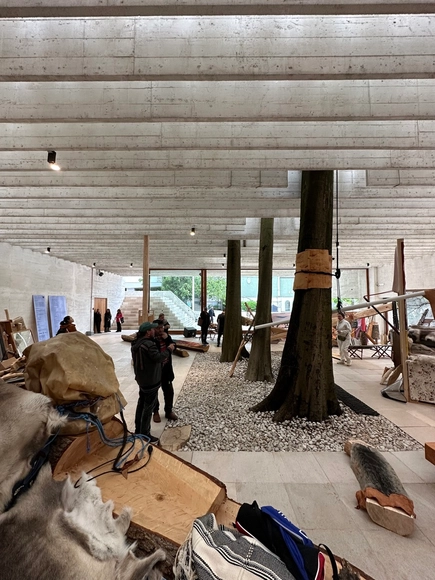
For the 18th International Architecture Exhibition – La Biennale di Venezia, the Nordic Countries Pavilion, representing Finland, Norway, and Sweden, will showcase Girjegumpi, an itinerant collective library project initiated by architect and artist Joar Nango. For over fifteen years, Joar Nango has been assembling an archive of books and materials exploring Indigenous Sámi architecture and design, traditional building knowledge, activism, and decoloniality. The Girjegumpi first opened to the public in 2018, becoming a welcoming space for gathering and promoting the Indigenous culture. In 2023, the library will travel to Venice, where it will be presented in the Nordic Countries Pavilion, designed by Norwegian architect Sverre Fehn.
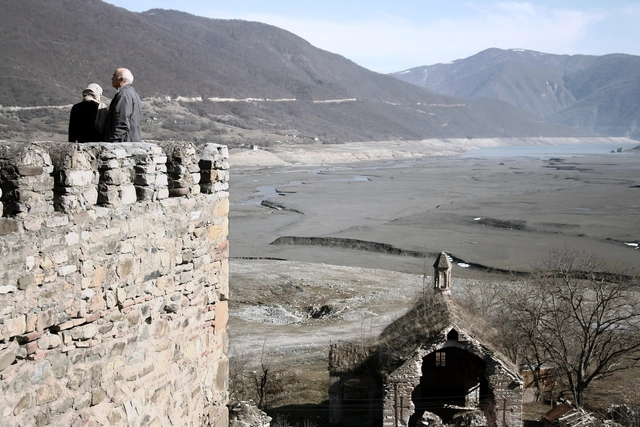
Titled "January, February, March", the Georgian Pavilion at the 2023 Venice Architecture Biennale is curated by the Tbilisi Architecture Biennial. Exploring the relationship between the flow of time and energy, the Georgian intervention "will represent dead and living nature through the story of an artificially altered settlement in the Dusheti region of Georgia". Running from May 20th to November 26th, 2023 in the Giardini, at the Arsenale, and at various sites around Venice, the 18th International Architecture Exhibition investigates "the Laboratory of the Future".
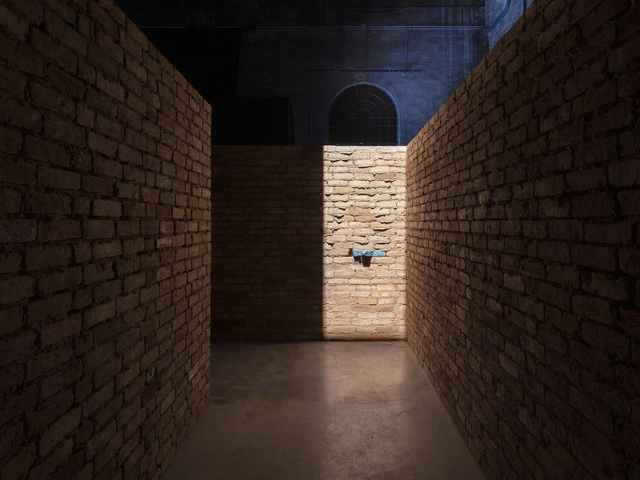
Studio KO as the curator of the Uzbekistan National Pavilion at the 18thVenice Architecture Biennale. Uzbekistan’s response to this year’s overarching theme, Laboratory of the Future, is an exhibition titled “Unbuild Together.” It aims to bring into focus the country’s rich architectural heritage as a potential tool and inspiration for developing a more sustainable future. The curatorial team will include Karl Fournier, Olivier Marty, Jean-Baptiste Carisé, and Sophia Bengebara.
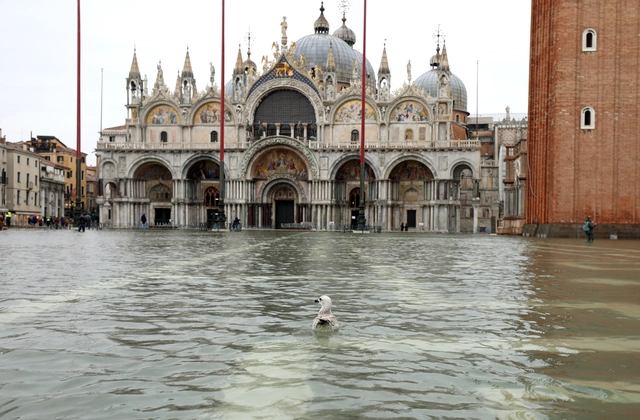
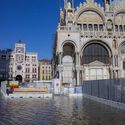
St. Marks Square (Piazza San Marco) during flood (acqua alta). Image via Shutterstock | Ihor Serdyukov
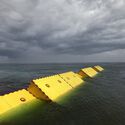
The Italian city installed glass barriers around the 900-year-old church to keep the waters out. The decision was made after near-record flooding in December 2022, preventing a repeat of the November 2019 near-catastrophe that aged parts of the building “20 years in a day,” according to Basilica’s Procuratoria governing body. The temporary structure is fixed until the MOSE system fully works by the end of 2025, protecting the city of Venice, Italy, and the Venetian Lagoon from flooding.
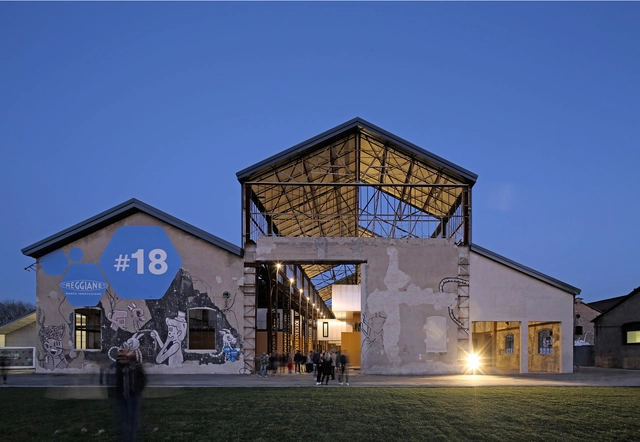
Winner project: Riqualificazione architettonica e funzionale del Capannone 18 nell’area Ex “Officine Reggiane”. Image Courtesy of Dedalo Minosse
The International Award for the Commission of Architecture “Dedalo Minosse” promoted the Italian association for professional Architects returns after three years on hold, to tribute worldwide architects. Firms like ODDO architects, Ryuichi Ashizawa, and The Kresge Foundation - Detroit are some of the winners for their promotion and contribution to the discipline. The Anniversary is also de 12th edition of the Dedalo Prize, which will be held From September 16 to October 2, 2022, in Vicenza, Italy. The event will host forums and workshops about and around the city, opening with the spectacular award ceremony at the iconic Teatro Olimpico, and continuing with a Multimedia exhibition at the Basilica Palladiana.
Following several initiatives to tackle the tourism and architectural heritage crisis, Venice authorities have announced that as of January 16th, 2023, visitors will have to book a visiting slot and an entrance fee to see the historic canal city. The newly proposed ticketing system, which is claimed to be the first of its kind in the world, hopes to control its "over-tourism" crisis, a challenge that has been affecting the lagoon's ecosystem, urban development, and local population.
dixit algorizmi - the garden of knowledge. Image Courtesy of Uzbekistan National Pavilion by Gerda_studio
The 59th International Art Exhibition - La Biennale di Venezia has officially opened its doors to the public on the 23rd of April, 2022. Titled "The Milk of Dreams”. the exhibition is welcoming more than 210 artists from 58 countries, to showcase over a thousand artworks and installations that promote art, science, research, and ecological transition from the environmental humanities.
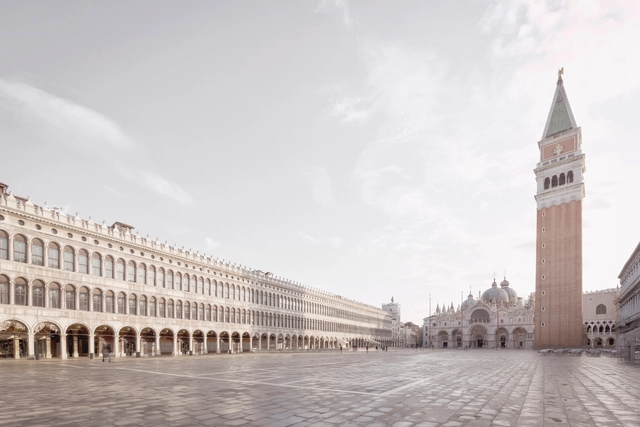
After an extensive five-year restoration carried out by David Chipperfield Architects and Generali, the iconic Procuratie Vecchiein St. Mark's Square has opened again to the city, with an installation by Italian artist Edoardo Tresoldi. Titled "Monumento", the artwork responds to the new socially-driven functions presented by the vast space, "renewing the language of the monumental column and the values to which society aspires in order to reflect its own epoch".
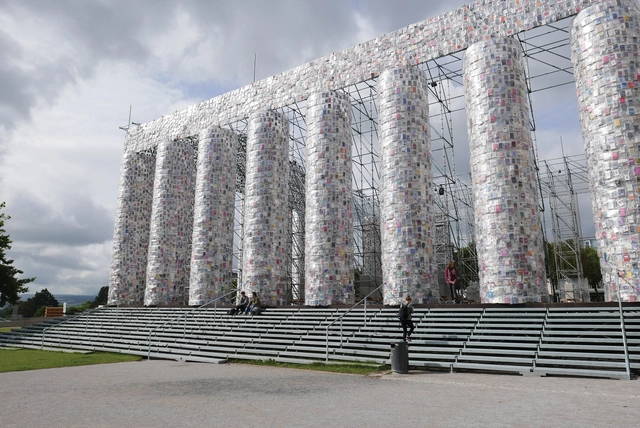
Marta Minujín, Parthenon of Books, Dokumenta 14, Kassel, Germany, 2017. Image by Anne-Catrin Schultz.. Image Courtesy of Real and Fake in Architecture–Close to the Original, Far from Authenticity?
The term “fake” has been in the media frequently in the early 21st century, referring to headlines and fictional statements that are perceived as real and are influencing public opinion and action. Replacing the historically more common term “propaganda,” fake news aims at misinformation and strives to “damage an agency, entity, or person, and/or gain financially or politically, often using sensationalist, dishonest, or outright fabricated headlines.” Tracing fake news and differentiating “real” information from personal opinions and identifying intentional (or unintentional) deceit can be complicated. It is similarly complex to trace the duality of fake and real in the built world. To explore the larger context of fake statements in architecture and environmental design, a look at the definition of fake and related terms might be necessary.
Architect Cino Zucchi (b. 1955) grew up and practices in Milan, Italy. He was trained at MIT in Cambridge and the Politecnico di Milano, but claims to be largely self-taught, although influenced by such of his countrymen as Aldo Rossi and Manfredo Tafuri. He is internationally known for diverse projects across Europe. Many are both abstracted and contextual residential complexes in Italy, particularly in Milan, Bologna, Parma, Ravenna, and, most notably, in Venice. Zucchi’s D residential building in Giudecca, attracted international attention and praise when it was completed in 2003. I met Cino Zucchi last year during the Venice Architecture Biennale; that meeting led to an extensive interview that we recently engaged in over Zoom between New York and the architect’s sunlight and books-filled Milan studio.
In this two-part episode of Design and the City - a podcast on how to make cities more livable – reSITE covers the 17th Venice Architecture Biennale, exploring the question of “How will we live together". Part-one looks into the works of the U.S, Nordic, and Luxembourg Pavilion curators, focusing on their use of timber construction as an answer to the exhibition's theme. Part-two features curator Hashim Sarkis and Greg Lindsay, along with the British and Austrian pavilion curators, as they explore the topic of accessibility.