For this year's edition of the Venice Biennale, the Japan Pavilion invites visitors to reflect on the movement of goods fuelling mass consumption and rethink sustainability and reuse in architecture. Titled Co-ownership of Action: Trajectories of Elements, the project curated by Kadowaki Kozo involves dismantling an old wooden Japanese house and transporting it to Venice to be reconstructed in a new configuration with the addition of modern materials. The exhibition exemplifies how old materials could be given an entirely new existence by putting the current movement of goods in the service of reuse rather than consumption.
The Italian Pavilion for the 17th Venice Architecture Biennale explores the capabilities for transformation and adaptation of Italian communities in an attempt to define tangible solutions to current global challenges. Titled "Resilient Communities", the exhibition curated by Alessandro Melis presents Italian research and innovation across many fields, exploring ideas for improving the conditions of the built environment and addressing climate change, with the hope of defining the building blocks for a sustainable future.
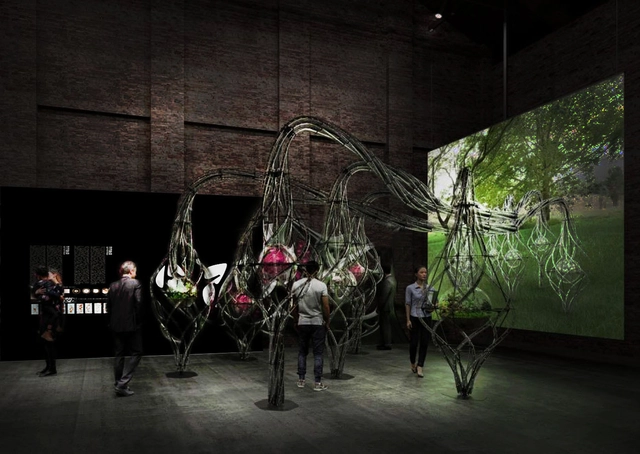
Wael Al Awar and Kenichi Teramoto, both principals of Dubai-based Waiwai design, have been appointed as the curators for the National Pavilion of the UAE at the 2021 Venice Biennale. Entitled Wetland, the exhibition presents an experimental solution to the critical environmental impact of the construction industry. The intervention will present a large-scale prototype structure created from an innovative, environmentally friendly cement made of recycled industrial waste brine. The exhibitionwill open to the public at the 17th International Architecture Exhibition of the Venice Biennale from Saturday, May 22nd to Sunday, November 21st, 2021.
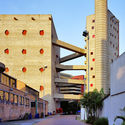
The Hungarian Pavilion at the 17th Venice Biennale explores the often challenging socialist architecture and looks at how this heritage could be reconsidered and given a new future. Titled Othernity – Reconditioning our Modern Heritage, the exhibition curated by Dániel Kovács presents twelve iconic modern buildings of Budapest and the visions of twelve architecture practices from Central and Eastern Europe for their reconditioning. The Hungarian Pavilion's project looks into how architecture can build on its past to foster resilience, sustainability and strong cultural identities.
The Russian Federation Pavilion for the 2021 Venice Biennale explores the role of cultural institutions across physical and digital spaces. Titled Open, the program investigates the subject on multiple fronts, from the renovation of its physical architecture to the research into the social role of virtual environments and a collection of perspectives on the new ways of thinking in the institutional realm. The contribution builds on the Open? project, which debuted in May 2020 and continued throughout the year as a virtual platform for creatives and thinkers.
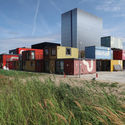
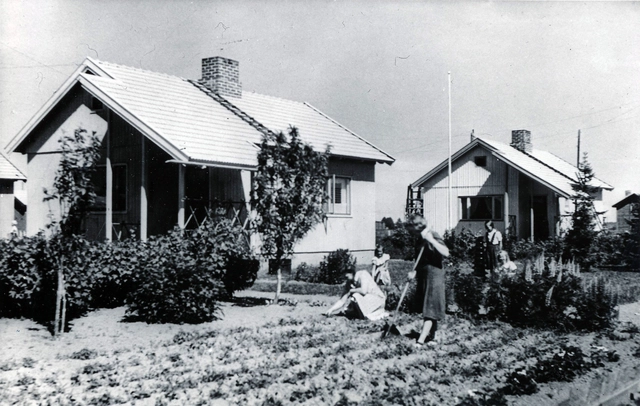
For the 17th International Architecture Exhibition of La Biennale di Venezia, Finland's Pavilion revisits a moment in local history when a refugee crisis led to new ways of building and a reconfiguration of domestic space, which ended up influencing different places around the world. Titled New Standards, the exhibition curated by Laura Berger, Philip Tidwell and Kristo Vesikansa presents the story of Puutalo Oy, an industrial enterprise specialized in prefabricated wooden buildings that set new standards for residential design in the 20th century and created Finland's most widespread architectural export.
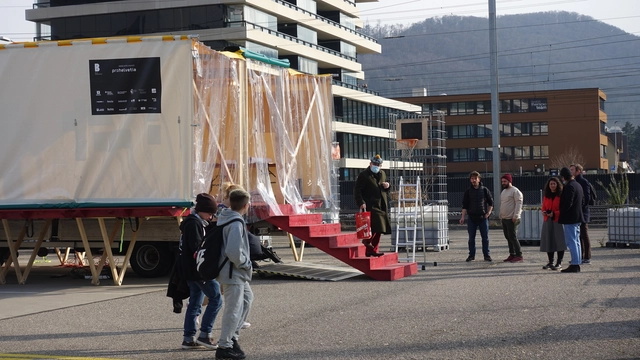
Titled Oræ -Experiences on the Border, (oræ, Latin for “borders”) the Swiss contribution to the 17th Venice Biennale explores the spatial and political dimension of the country’s border, investigating the social implications of this inhabited territory. Created by a Geneva-based team of architects and artists comprising Mounir Ayoub and Vanessa Lacaille from Laboratoire d’architecture, as well as filmmaker Fabrice Aragno and artist sculptor Pierre Szczepanski, the exhibition details a series of participative processes performed along the Swiss border that investigate the frontier and its inhabitants, revealing the poetic character of the space.
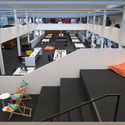
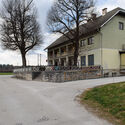
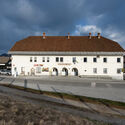
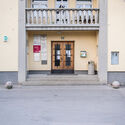
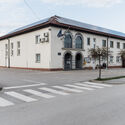
Slovenia's contribution to the 17th Venice Architecture Biennale explores interior public spaces as vital social infrastructure through the lens of the local cooperative centre typology. Titled "The Common in Community", the exhibition curated by Blaž Babnik Romaniuk, Martina Malešič, Rastko Pečar and Asta Vrečko details the architectural spaces of social interaction built after WWII in rural and suburban Slovenia, which continue to serve their purpose as local community centres to this day.
For the 17th international architecture exhibition – la biennale di Venezia 2021, Denmark is creating a water cyclic system that connects people with each other and with nature. The national pavilion, titled “Con-nect-ed-ness”, is curated by Marianne Krogh and Lundgaard & Tranberg Architects, and will be on display from May 22nd to November 21st, 2021.
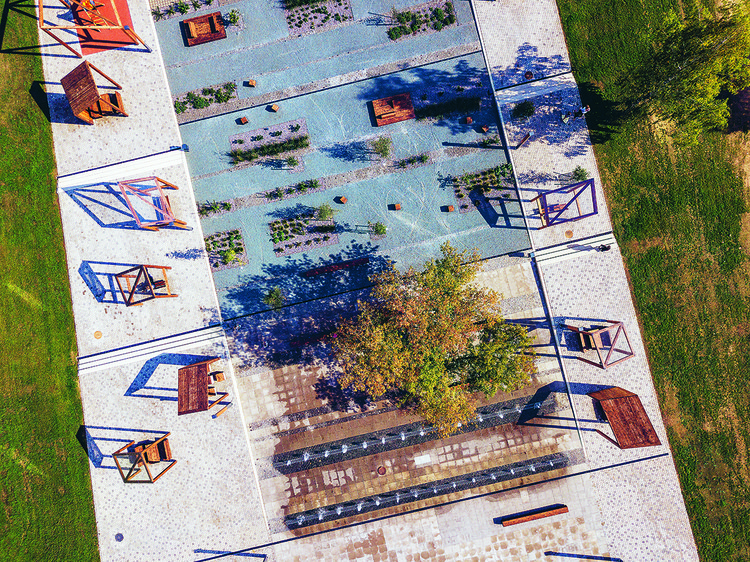
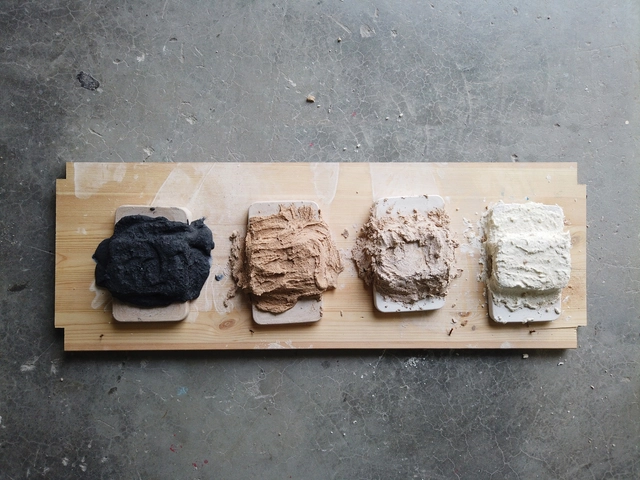
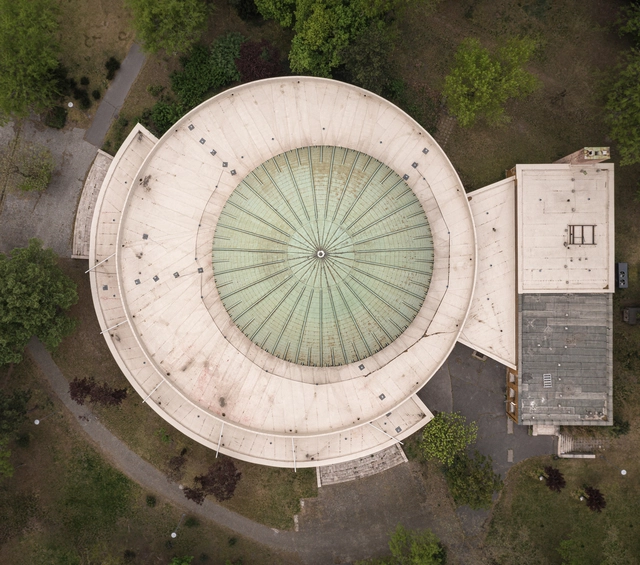
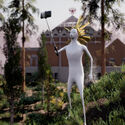
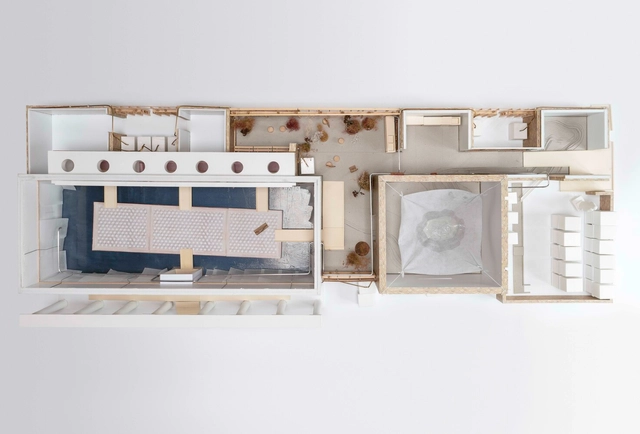
Titled "Trouble in Paradise", the Polish pavilion at the 17th International Architecture Exhibition – La Biennale di Venezia, will explore the countryside and observe how rural areas are an important element of building sustainable human environments, given the crises the world is surrounded with today. Curated by PROLOG +1 along with an international group of architects and artists, the national pavilion will be on physical display at the Giardini di Venezia, and online from May 22nd to November 21st, 2021.
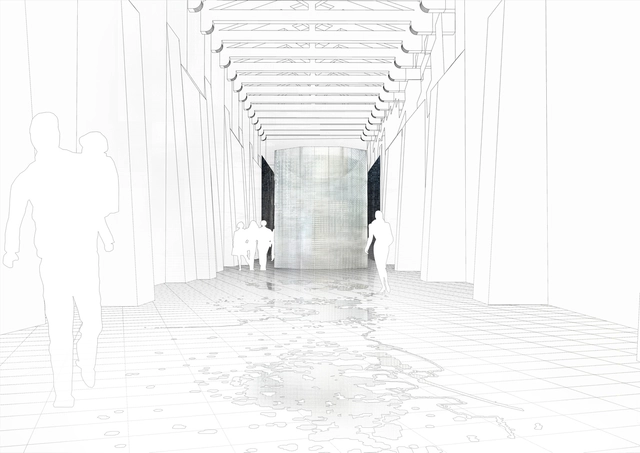
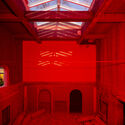
Entitled “A Roof for Silence”, the Lebanese Pavilion at the 17th International Architecture Exhibition – La Biennale di Venezia, will investigate the question of living together, tackling the issue of coexistence through a questioning of the spaces of silence, and by putting into dialogue architecture, painting, music, poetry, video and photography. Curated by Hala Wardé, founder of HW architecture, in collaboration with Etel Adnan and Fouad Elkoury, the national pavilion will be on display at the Magazzino del Sale (Zattere), from May 22nd to November 21st, 2021.
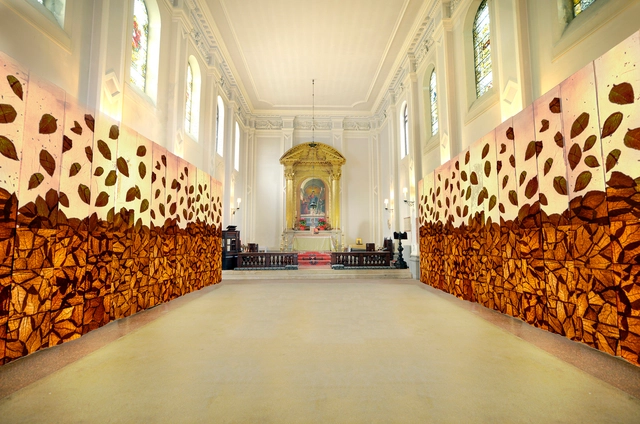
Conexión by Lidia León Cabral. Image Courtesy of Dominican Republic Pavilion
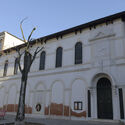
For the 17th Venice Architecture Biennale, the Dominican Republic presents the exhibition CONEXIÓN by artist and architect LiLeón (Lidia León Cabral) and art critic Roberta Semeraro. Hosted at Venice's Anglican Church, the project lies at the intersection of art and interior architecture, and is inspired by "the bond between the Dominican Republic and Mother Earth".
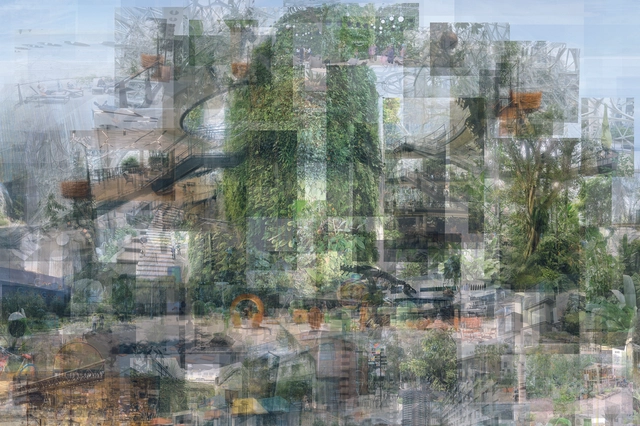
For the 17th international architecture exhibition – la biennale di Venezia 2021, Austria is creating a platform of debate around how we envision the architecture of the future. In fact, the Austrian contribution, entitled “Platform Austria”, curated by Peter Mörtenböck and Helge Mooshammer, seeks to articulate the profound changes established by the development of digital platforms in our built environment.
The Estonian Centre for Architecture is presenting the exhibition “Square! Positively shrinking” curated by Jiří Tintěra, Garri Raagmaa, Kalle Vellevoog, Martin Pedanik, and Paulina Pähn, in the Pavilion of Estonia at the 17th International Architecture Exhibition of La Biennale di Venezia. Hosted in the Arsenale complex, the project will “explore the role of high-quality urban space in enhancing the future development of small towns that are in jeopardy of depopulation, […] sparking a debate on the lesser-known facet of urbanization”.
Mahalla: Urban Rural Living. Image Courtesy of Christ & Gantenbein
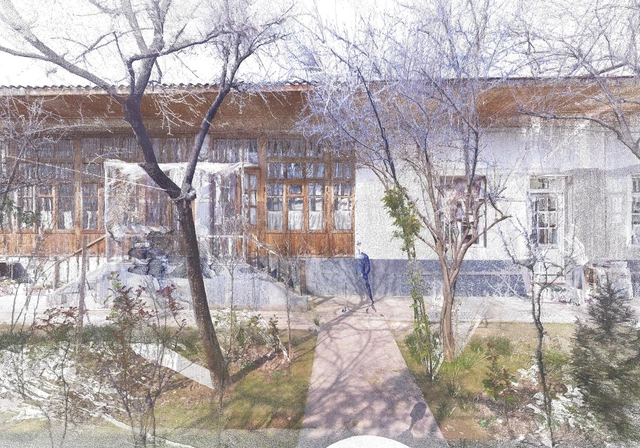
“Mahalla: Urban Rural Living” is the first participation of the Republic of Uzbekistan at the 17th International Architecture Exhibition – La Biennale di Venezia. Open to the public from May 22 to November 21, 2021, at Quarta Tesa, Arsenale, the exhibition is curated by Emanuel Christ and Christoph Gantenbein, professors of architecture and design at ETH Zurich, and founding partners of Christ & Gantenbein.
ELEMENTAL presents a sneak peek of its contribution to "How will we live together?" at the Venice Architecture Biennale 2021. Recently, violence has increased in the historical Mapuche-Chilean conflict, that is why the architectural office proposed to build places that recover the old tradition of parleys, spaces to meet in order to settle differences and discuss terms for an armistice.





















.jpg?1618821691&format=webp&width=640&height=580)
.jpg?1618821707 "© Wiktoria Wojciechowska")
.jpg?1618821715 "© Patrycja Wojtas")
.jpg?1618821737 "© Patrycja Wojtas")
.jpg?1618821691 "© Michał Sierakowski")
.jpg?1618821691)