1. ArchDaily
  2. Urban Tranformation

Urban Tranformation: The Latest Architecture and News

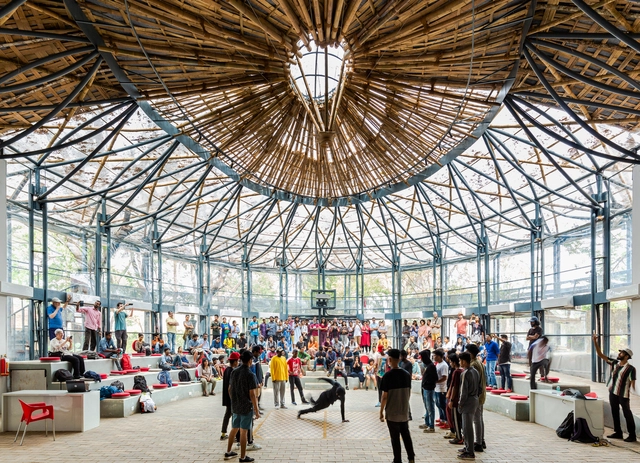
Heat as a Design Partner: Trees, Soil, and Wind Corridors as Cooling Infrastructure

"By 2050, almost every child in the world — nearly 2.2 billion children — will be exposed to frequent heat waves." UNICEF's warning is often read as a public health forecast, but it is also a challenge to architecture and the way cities are built. As extreme heat intensifies across Asia, Europe, and beyond, thermal comfort should not be reduced to merely an indoor service delivered by machines. Air-conditioning has become a life-support system for many cities, especially in dense, humid, and rapidly urbanizing regions. Yet to rely on it as the default answer is to treat heat as something that can simply be moved elsewhere (and in the process generating extra heat) — expelled from interiors into streets, service alleys, energy grids, and the atmosphere. Its expansion increases energy demand, produces waste heat, and reinforces unequal access to comfort.

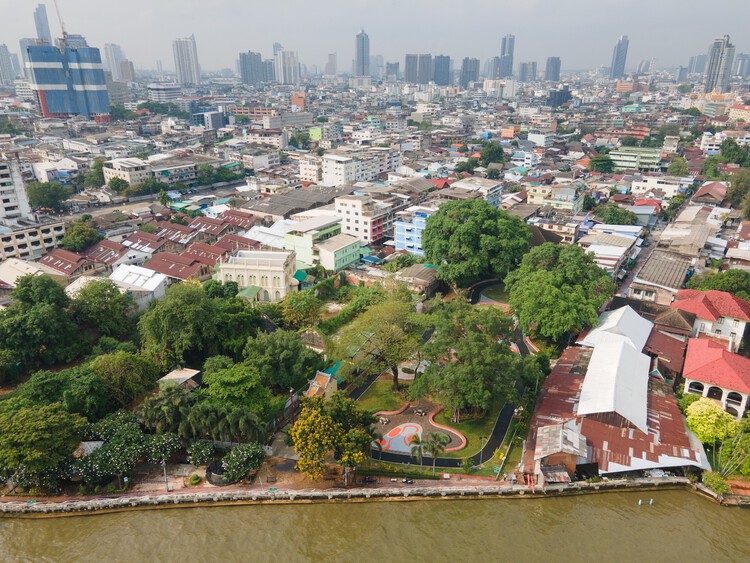
Heat, however, does not stop at the human body. It reorganizes the wider urban ecosystem: trees struggle with compacted soil and radiant paving; birds and insects lose habitat when planting is reduced to decorative greenery; aquatic systems warm, microbial life shifts, and materials absorb and release heat long after the sun has set. Heat is not simply a climatic problem to be escaped indoors. It is an urban actor that reshapes public space, labor, mobility, planting, material choices, and the fragile relationships between human and nonhuman life.

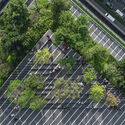
Heat as a Design Partner: Trees, Soil, and Wind Corridors as Cooling Infrastructure - Image 1 of 4Heat as a Design Partner: Trees, Soil, and Wind Corridors as Cooling Infrastructure - Image 2 of 4Heat as a Design Partner: Trees, Soil, and Wind Corridors as Cooling Infrastructure - Image 3 of 4Heat as a Design Partner: Trees, Soil, and Wind Corridors as Cooling Infrastructure - Image 4 of 4Heat as a Design Partner: Trees, Soil, and Wind Corridors as Cooling Infrastructure - More Images+ 18

Logistics Landscapes: The Architecture of the 24-Hour Supply Chain

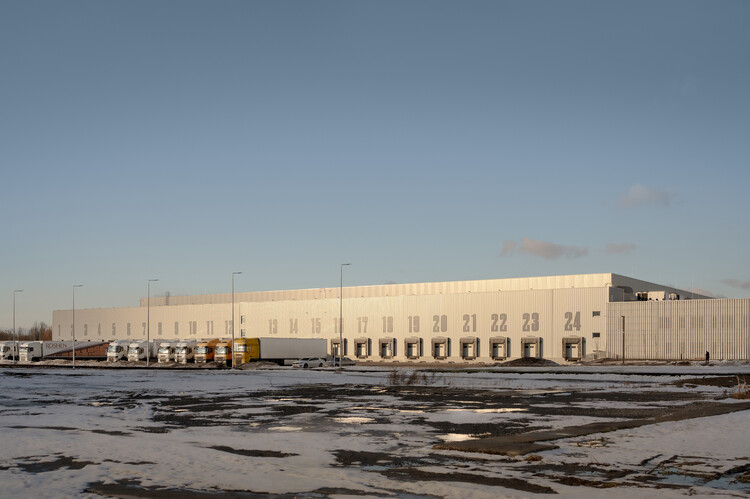
At the edge of most cities, beyond the ring roads and interchanges, a different kind of architecture is taking shape. It is not designed to be seen, visited, or remembered. It does not gather people; it moves things. Inside, thousands of parcels travel continuously, being sorted, lifted, scanned, and dispatched with minimal interruption. These buildings rarely enter architectural discourse, yet they are among the most consequential spaces of our time. The defining typology of the 21st century is increasingly the warehouse.

The scale of this transformation is difficult to grasp because it unfolds horizontally, across territories rather than skylines. Global warehouse space now exceeds tens of billions of square feet, expanding rapidly alongside the rise of e-commerce. During the COVID-19 pandemic, demand for logistics infrastructure accelerated by several years, compressing future growth into an already strained present. In India, the warehousing sector continues to grow at double-digit rates, reshaping peri-urban land into storage and distribution corridors. Logistics is no longer a background system; it is a territorial condition.

Logistics Landscapes: The Architecture of the 24-Hour Supply Chain - Image 1 of 4Logistics Landscapes: The Architecture of the 24-Hour Supply Chain - Image 2 of 4Logistics Landscapes: The Architecture of the 24-Hour Supply Chain - Image 3 of 4Logistics Landscapes: The Architecture of the 24-Hour Supply Chain - Image 4 of 4Logistics Landscapes: The Architecture of the 24-Hour Supply Chain - More Images+ 9

Making Infrastructure Visible: When Systems Become Architecture

For centuries, large-scale infrastructure operated in the background. Ports, power plants, and energy facilities were positioned at the edges of cities, designed primarily for efficiency, and rarely considered part of civic life. Their function was indispensable, yet their architectural presence remained secondary. These structures supported urban growth and global exchange while maintaining a spatial distance from everyday urban experience.

Today, this condition is gradually shifting. As global trade intensifies and energy systems expand in complexity, the buildings that coordinate and house these networks are becoming more visible within the urban landscape. Rather than remaining neutral containers for technical operations, they begin to assert spatial identity. Infrastructure is no longer only operational; it is increasingly institutional, symbolic, and urban. The architecture that supports these systems now participates in how cities project themselves.

Making Infrastructure Visible: When Systems Become Architecture - Image 1 of 4Making Infrastructure Visible: When Systems Become Architecture - Image 2 of 4Making Infrastructure Visible: When Systems Become Architecture - Image 3 of 4Making Infrastructure Visible: When Systems Become Architecture - Image 4 of 4Making Infrastructure Visible: When Systems Become Architecture - More Images+ 6

Eduardo Souto de Moura and OODA Reveal Design for a New High-Rise Tower in Tirana, Albania

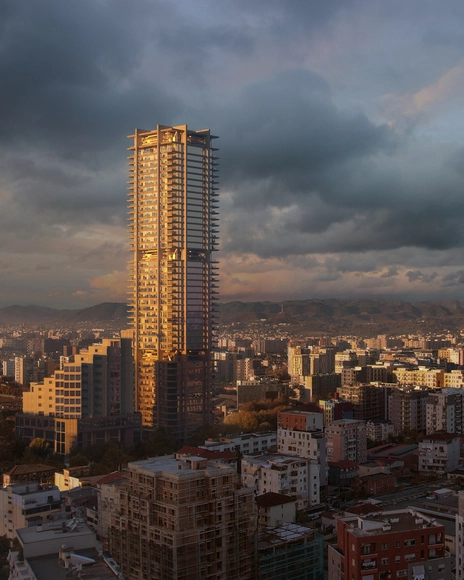
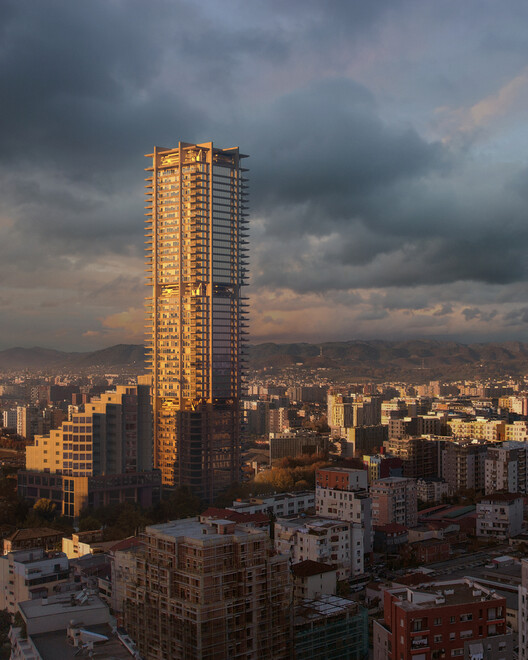
Eduardo Souto de Moura and OODA have unveiled the design of the Oricon Tower, a 180-meter mixed-use skyscraper planned for Tirana, Albania. Located near OODA's recently completed Bond Tower, the project is part of the city's ongoing transformation under the Tirana 2030 Masterplan, which envisions a denser and more connected urban core. The tower will house offices, residences, retail areas, and a hotel, contributing to the city's evolving skyline and serving as a new urban gateway between Tirana's historic center and its expanding western districts.

Eduardo Souto de Moura and OODA Reveal Design for a New High-Rise Tower in Tirana, Albania - Image 1 of 4Eduardo Souto de Moura and OODA Reveal Design for a New High-Rise Tower in Tirana, Albania - Image 2 of 4Eduardo Souto de Moura and OODA Reveal Design for a New High-Rise Tower in Tirana, Albania - Image 3 of 4Eduardo Souto de Moura and OODA Reveal Design for a New High-Rise Tower in Tirana, Albania - Image 4 of 4Eduardo Souto de Moura and OODA Reveal Design for a New High-Rise Tower in Tirana, Albania - More Images+ 14

A Tale of Two Cities: The Role of Art in Kochi and Kassel's Cultural Revival

Subscriber Access | 

Along India's southwest coast dotted with a mix of colonial architecture and ancient heritage, the city of Kochi stands as a relic of foreign influence. A previously colonized town by the Portuguese, Dutch, and British now breathes new life into its built landscape. Across the world, in the German city of Kassel, the scars of World War II are etched into the environment, deep under its revived cultural soul. Both Kochi and Kassel, though worlds apart in geography and history, shared a commonality: the power of art and festivals to heal. In the aftermath of historical trauma, these cities found renewal in the creative expression of artists from around the globe.

A Tale of Two Cities: The Role of Art in Kochi and Kassel's Cultural Revival - Image 1 of 4A Tale of Two Cities: The Role of Art in Kochi and Kassel's Cultural Revival - Image 2 of 4A Tale of Two Cities: The Role of Art in Kochi and Kassel's Cultural Revival - Image 3 of 4A Tale of Two Cities: The Role of Art in Kochi and Kassel's Cultural Revival - Image 4 of 4A Tale of Two Cities: The Role of Art in Kochi and Kassel's Cultural Revival - More Images+ 3

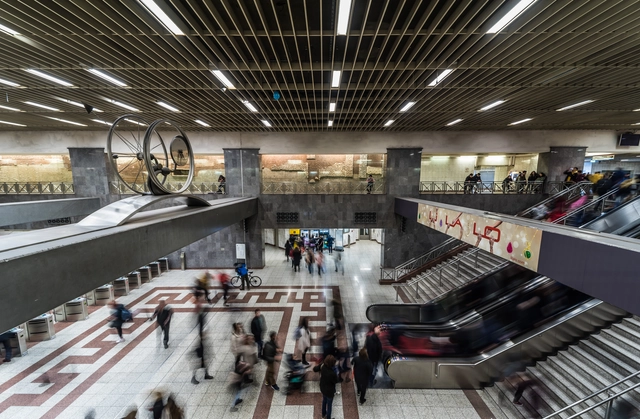
Athens Plans to Grow Its Metro Infrastructure by a Third to Reduce Automobile Traffic

The project for implementing a fourth metro line in the Greek capital began in 2021, with the purpose of reducing the need for automobiles in the crowded city. As the 15-station new line is estimated to transport 340,000 passengers a day, up to 53,000 cars could be taken off the roads each day. While the opening of the line may be five years away, work has now begun to refurbish seven urban squares which will become stations. Despite public support for the initiative, the project has also led to some controversy, with residents fearing gentrification.

KCAP’s Dynamic Masterplan for Heidelberg, Germany Moves Forward

The PHVision Masterplan for Heidelberg in Germany has been approved by the City Council. Located on the site of the Patrick-Henry-Village (PHV) in Heidelberg, the 100-hectare development, designed by KCAP can now move forward, transforming the former military area into a new quarter, establishing the knowledge city of the future.

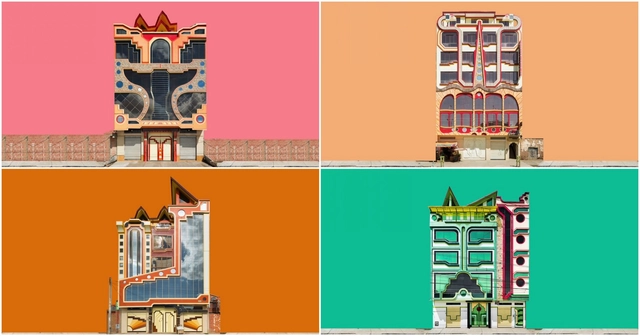
New Documentary on Freddy Mamani Explores the Connection Between Architecture and Cultural Identity

Soon you will be able to satisfy your wanderlust free from altitude sickness; on Wednesday October 4th, the Architecture Film Festival Rotterdam will see the world premiere of the documentary Cholet: The Work of Freddy Mamani. From director Isaac Niemand comes the story of Bolivia's unlikely architectural phenomenon, and one of ArchDaily’s 2015 leaders in architectural design and conceptualization.