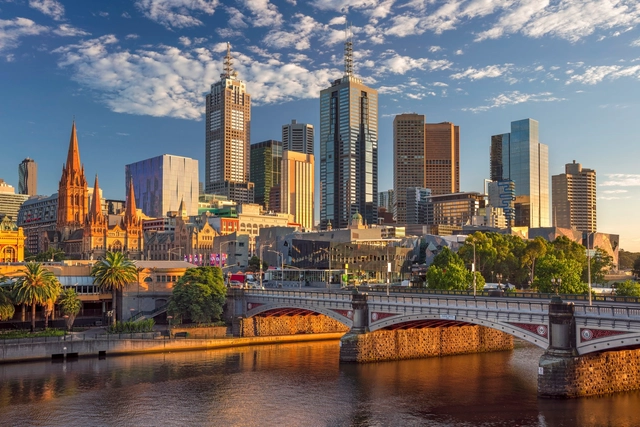
For the third year in a row, Melbourne has been selected as one of the top five most liveable cities in the world. The city is widely viewed as the leading architectural hub in Australia for its unique street culture and diverse design expression, with its layers and bold mix of architectural styles. From the very well-restored Victorian era edifices with their intricate ornamentation and detailing to the adjoining Contemporary landmarks, the city seems to achieve a nice balance of all typologies and design movements, while still being very inviting and engaging to its citizens.
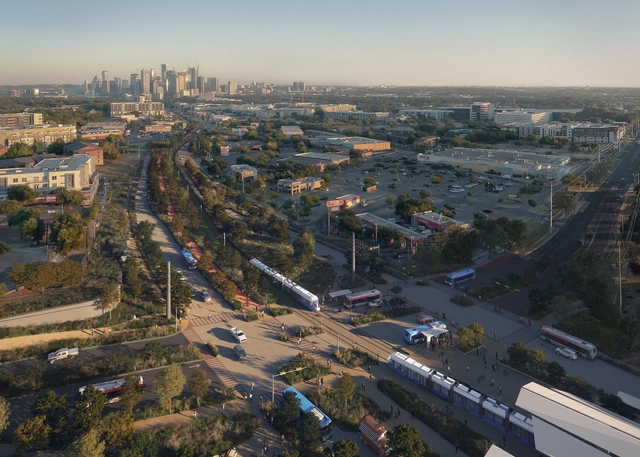
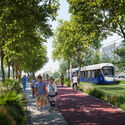
In March 2023, the AustinTransit Partnership (ATP) announced the selection of UNStudio, HKS, and Gehl to lead the architecture and urban design of Project Connect, an expansion of Austin's public transportation system in Texas, United States. Led by ATP, the system aims to connect communities, enhance public spaces, and integrate with the city's evolving urban fabric. The design framework, developed by the four entities, establishes the foundation for how the light rail will interact with Austin's neighborhoods. The design team states that the project's priorities are in people-first infrastructure and the creation of dynamic public spaces, which they seek to reflect in the newly unveiled images. As a voter-approved initiative, Project Connect actively encourages public participation, allowing Austin residents to provide feedback throughout its development.
This month's architecture news highlights a strong focus on sustainability, adaptive reuse, and innovative community-centered design. From environmentally responsiveurban developments to cultural and recreational spaces, architects are redefining how buildings interact with their surroundings. Notable examples include 3XN's Sydney Fish Market redevelopment, which integrates public accessibility with climate-sensitive design, and CambridgeSeven's Seneca Park Zoo expansion, which blends conservation efforts with immersive visitor experiences. Whether it's the creation of high-performance sports facilities in Portland or the transformation of historic sites into contemporary hubs, these projects showcase the evolving role of architecture in shaping communities. Read on to discover the latest architectural news and developments.
Kiev, Ukraine / Statue of Berehynia on the top of Independence Monument on the Maidan Nezalezhnosti. Image via Shutterstock
On the 24th of February 2022, Russia launched a large-scale invasion of Ukraine. Set to become Europe’s largest refugee crisis and armed conflict in this century, so far, this war has mobilized people across the world in order to exert pressure on authorities and put a stop to the armed hostilities. Individuals, as well as institutions in the architectural field, have taken part in these acts of solidarity, issuing statements, condemning actions, and even halting their work in Russia. From the UIA to MVRDV to Russian Institutions such as Strelka, the architecture world is denouncing the acts of violence and supporting an immediate cease of fire.
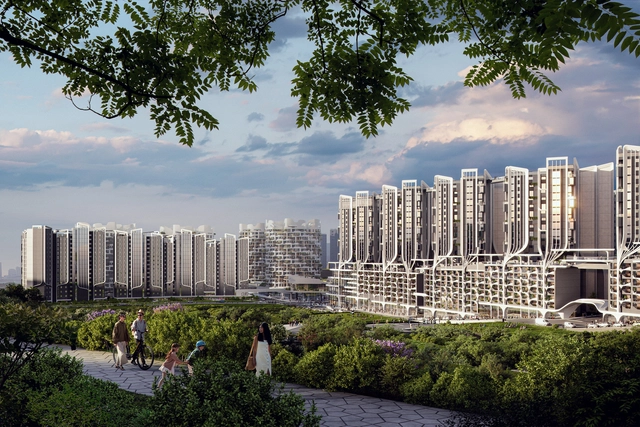
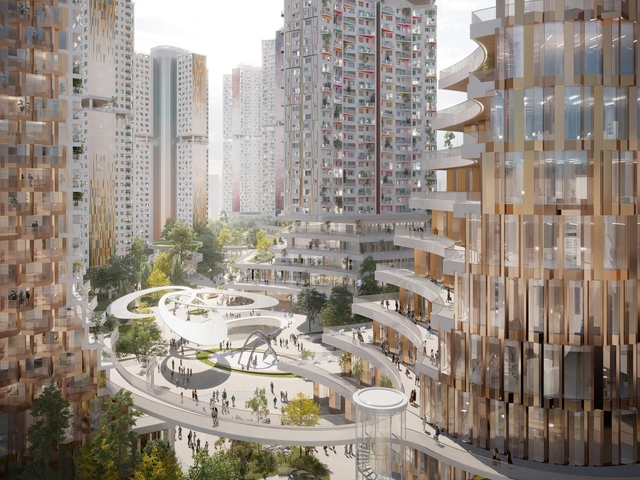
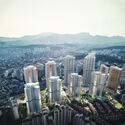
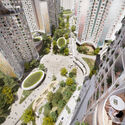
UNStudio has revealed the design for Project H1, a tech-assisted masterplan for a 10-minute neighbourhood in Seoul that would cater to the digital economy. The project transforms an industrial site and railyard into a dense mixed-use urban environment containing all the amenities of contemporary living within a 10-minute walk. This pedestrian-friendly, diverse neighbourhood is complemented by a digital infrastructure developed by UNSense, providing a framework for managing energy production and consumption, local food production, and the shared use of communal spaces.
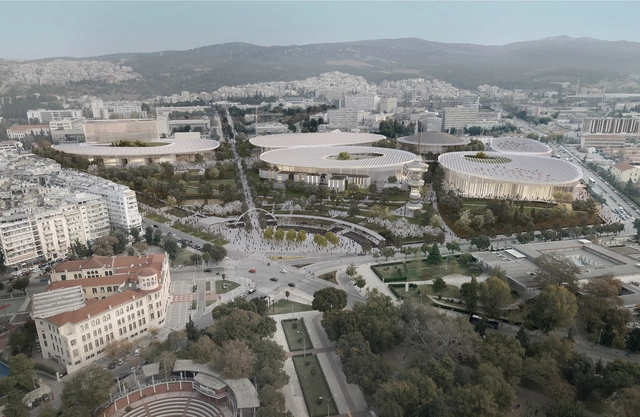
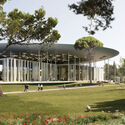
The winning proposal for redesigning Thessaloniki’s ConfEx fairground features a series of pavilions with large overhanging roofs that float within a park, creating the infrastructure for international events while providing locals with a robust public space. Designed by Sauerbruch Hutton, together with Gustafson Porter + Bowman as landscape architects and Elena Stavropoulou, the project builds on the existing network of landmarks creating a new hybrid landscape that caters to the Northern Greek city’s goal of becoming the region’s primary business and tourist attraction.
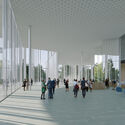
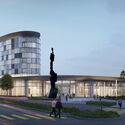
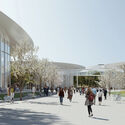
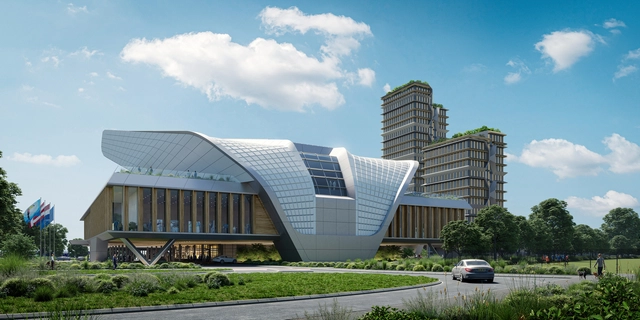
UNStudio is part of the consortium that recently won the competition for a new congress and conference centre in the Netherlands, a project intended to further establish the Brainport Eindhoven region as one of Europe’s leading technology hubs. The Elysion Congress Centre expands an exiting, similarly programmed venue, striving for low impact on the surroundings while incorporating numerous sustainable features.
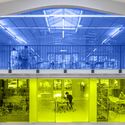
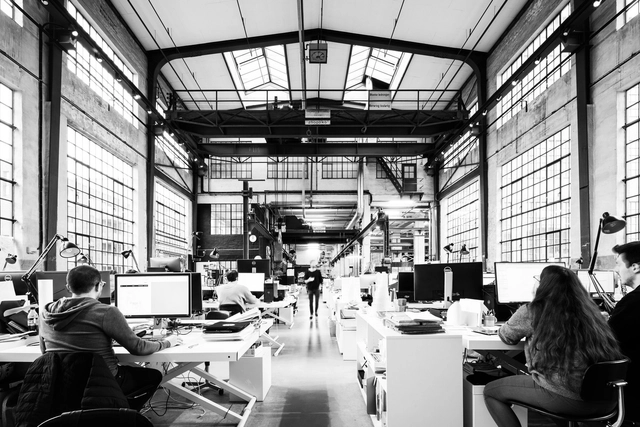
Seeking to give insights into the architectural creative centers of the world, Rainer Taepper created an architectural book that doesn’t feature buildings and plans. Looking behind the scenes, the architecture photographer highlighted both the working spaces of international design firms and the creative people, who contribute to the conception of a building.
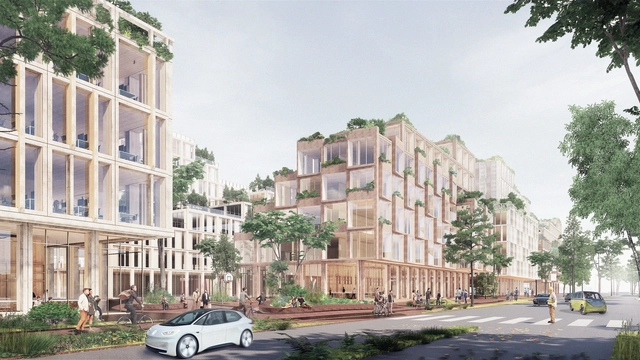
Creating new standards for a more connected and livable city, Henning Larsen has designed a New Masterplan for Wolfsburg, Germany. The new prototype for urbanism across the European continent diffuses new energy in the city center. Selected to design the project in a competition in 2019 that included competitors UNStudio and Bjarke Ingels Group, Henning Larsen’s proposal for phase 1 is expected to reach completion by 2023.
Henning Larsen’s concept was selected as the winning design in the international competition for the redevelopment of Cockle Bay Park in central Sydney. The project, co-led by the GPT Group and AMP Capital was chosen from six shortlisted designs by UN Studio + Cox Architecture, Woods Bagot, Grimshaw, FJMT, and Wilkinson Eyre.
Design and the City is a podcast by reSITE about how we can use design to make cities more livable and lovable. Every week, a new episode will be released featuring speakers that explore the future of our cities, like Thomas Heatherwick from Heatherwick Studios, Chris Precht from Studio Precht, Leona Lynen from Haus der Statistik and Yosuke Hayano from MAD Architects among others.
Either as singular outcroppings or as part of a bustling center, skyscrapers are neck-craning icons across major city centers in the world. A modern trope of extreme success and wealth, the skyscraper has become an architectural symbol for vibrant urban hubs and commercial powerhouses dominating cities like New York, Dubai, and Singapore.
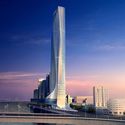
While skyscrapers are omnipresent, 2018 introduced new approaches, technologies, and locations to the high-rise typology. From variations in materiality to form, designs for towers have started to address aspects beyond simply efficiency and height, proposing new ways for the repetitive form to bring unique qualities to city skylines. Below, a few examples of proposals and trends from 2018 that showcase the innovative ideas at work:
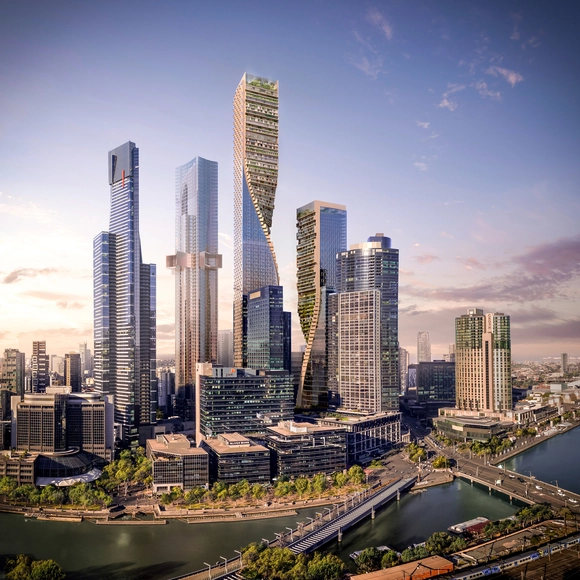
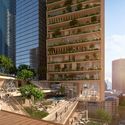
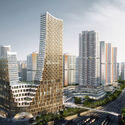
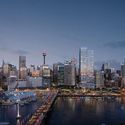
Green Spine / UNStudio + Cox Architecture . Image Courtesy of UNStudio / Cox Architecture
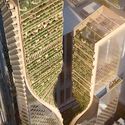
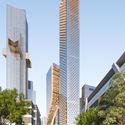
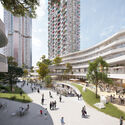
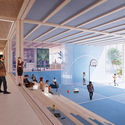
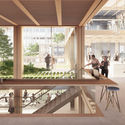
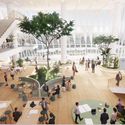
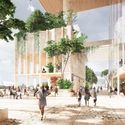
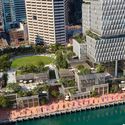
UNStudio and Cox Architecture have officially been announced as the winners of Melbourne’s landmark Southbank Precinct overhaul. Selected from a range of high-profile offices, including BIG, OMA, and MAD, UNStudio's vision for the $2 billion project includes a pair of twisted towers called Green Spine. As the largest single-phase project in the history of Victoria, Australia, the Green Spine is designed as a state-of-the-art, mixed-use environment centered around innovation in architecture and design.
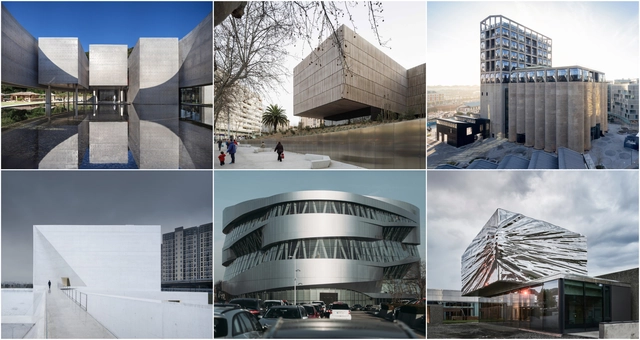
Not all architects get the opportunity to design a museum. Between budget, scale and factors external to the field of architecture, designing a museum--and actually getting it built-- may mark the pinnacle of one's professional trajectory.
These public buildings provide an invaluable service to the communities in which they are located; from education to commemoration and (occasionally) the provision of public space, museums are "shining lights" in which architecture plays a fundamental role.
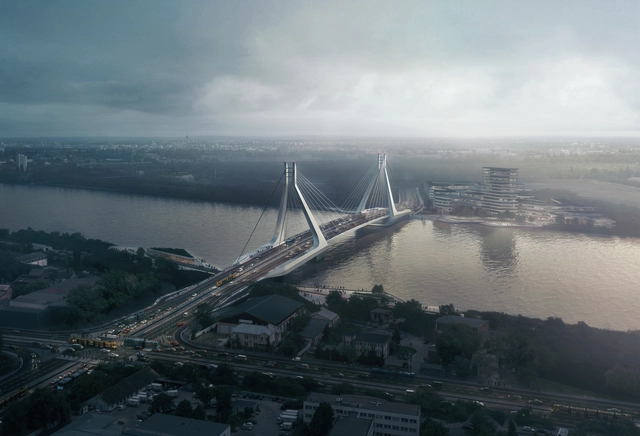
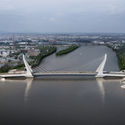
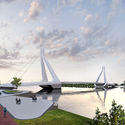
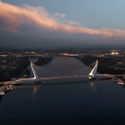
UNStudio, in collaboration with Buro Happold Engineering, has won an international competition for the design of a new bridge spanning the River Danube in the Hungarian capital of Budapest. Their scheme will serve as a blueprint for the "Galvani Bridge" connecting South Buda and Csepel, balancing graceful aesthetics with strong performance.
The competition for the bridge was conceived with the goal of decreasing the 600,000-strong daily traffic load on existing bridges across the Danube by 40,000. As well as easing traffic congestion, the bridge is intended to embody a liveable, loveable, healthy image of 21st-century Budapest.
The shortlist for a new landmark project in Melbourne has been announced, comprising award-winning global architects such as Bjarke Ingels Group, MVRDV, and OMA. For the “Southbank by Beulah” mixed-use development, the shortlisted architects will engage in a design competition working in collaboration with local Australian firms, each producing a design proposal for Melbourne’s BMW Southbank site.
With an end value in excess of $2 billion, Southbank by Beulah will be the first large-scale private project adhering to the Australian Institute of Architecture guidelines, while the design competition will be chaired by a jury of seven regarded individuals from academic, architectural, property and government sectors.
https://www.archdaily.com/893437/big-oma-and-mvrdv-among-shortlisted-firms-for-melbourne-landmark-competitionNiall Patrick Walsh
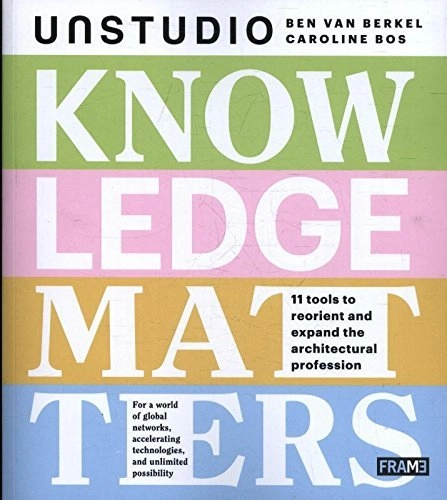
Last week ArchDaily attended the 2016 World Architecture Festival (WAF) in Berlin. Following his opening keynote address, we talked to Ben van Berkel of UN Studio who spoke of his interest in using technology in architecture to improve not only user experience, but to affect qualitative aspects of design itself. Together with his partner Caroline Bos, Van Berkel recently published Knowledge Matters, a book positioned "to help architects to run a better studio and to share knowledge."
Description via Amazon. The profession "architect" has expanded in recent years, not just in terms of the cultural influences, but equally with respect to scientific advances. The inventive economy has also led to new lifestyle choices and a new role for the architect and architectural practice. We talk of an architecture that is either pre-crisis or post-crisis, the latter resulting in a call for responsible architecture (affordable, sustainable, attainable, and healthy).

















MIR_(1)-1600px.jpg?1584527161&format=webp&width=640&height=580)
MIR_(1)-1600px.jpg?1584527161)
.jpg?1544768630)



.jpg?1544768953)