As major cultural events, institutional transformations, and new architectural commissions unfold across different geographies, this week's discourse highlights how architecture operates at the intersection of public life, creativity, and long-term adaptation. With Milan Design Week 2026 foregrounding process, experimentation, and citywide participation, the projects and initiatives emerging this week point to a broader shift toward openness, accessibility, and experiential engagement across disciplines and urban contexts. Ongoing investments in cultural infrastructure, from new museums to large-scale renovations and competition-winning proposals, further underscore how institutions continue to recalibrate their spatial and social roles in response to evolving environmental, technological, and cultural demands.
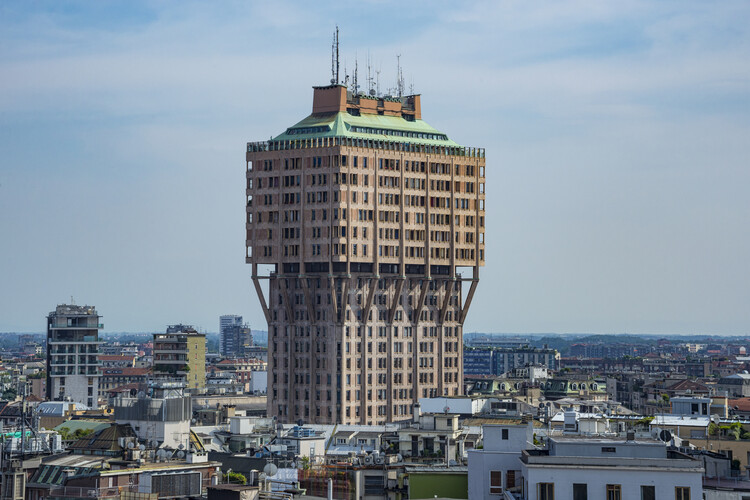
Architecture this week reflects the intersections of legacy, authorship, and social responsibility, as practices navigate questions of identity, recognition, and public engagement. Legal rulings, major competition shortlists, and large-scale urban proposals illustrate how architecture continues to operate across cultural, institutional, and environmental arenas. From sustainability-driven landmarks and transformative waterfront developments to iconic commercial towers, projects demonstrate approaches to ecological strategies and public programming. At the same time, global observances such as World Hearing Day highlight how spatial design shapes inclusion and accessibility, reminding the profession that the built environment can influence participation, learning, and well-being for diverse communities.
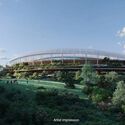
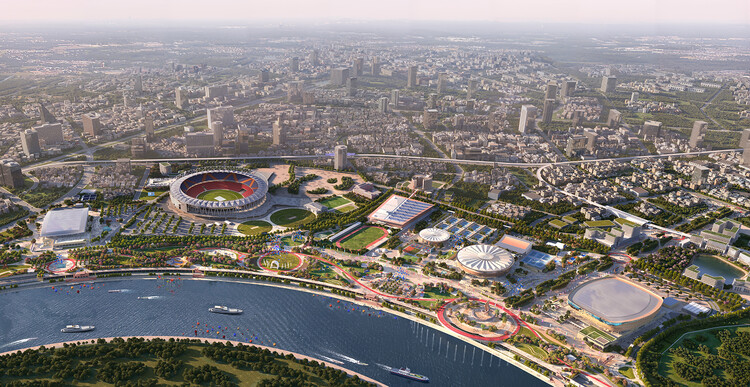
BDP, Cox Architecture, and Collage Design have unveiled the master plan for the 350-acre Sardar Vallabhbhai Patel Sports Enclave in Ahmedabad, India. Positioned on the Sabarmati Riverfront and structured around the 132,000-seat Narendra Modi Stadium, the world's largest stadium by capacity, the project proposes a large-scale sports district integrating international competition venues with public landscapes and community facilities. Conceived as both an events precinct and an urban park, the development is intended to accommodate the 2030 Commonwealth Games centenary event, following Ahmedabad's selection as host city.
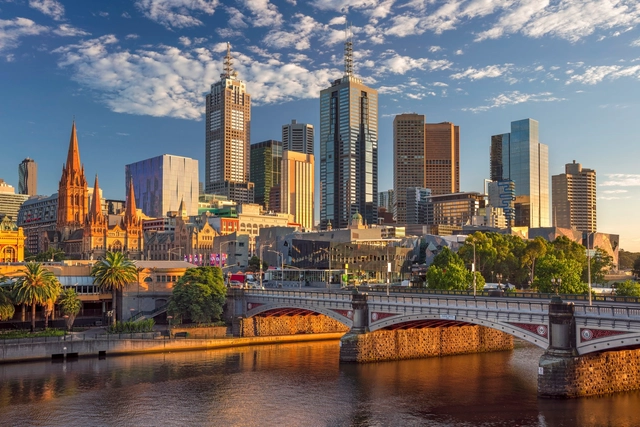
For the third year in a row, Melbourne has been selected as one of the top five most liveable cities in the world. The city is widely viewed as the leading architectural hub in Australia for its unique street culture and diverse design expression, with its layers and bold mix of architectural styles. From the very well-restored Victorian era edifices with their intricate ornamentation and detailing to the adjoining Contemporary landmarks, the city seems to achieve a nice balance of all typologies and design movements, while still being very inviting and engaging to its citizens.
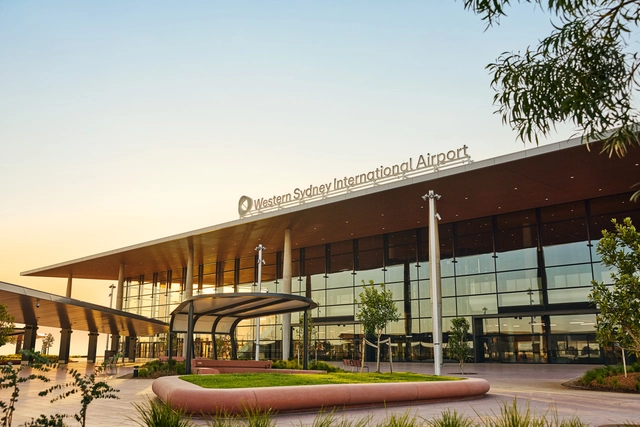
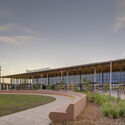
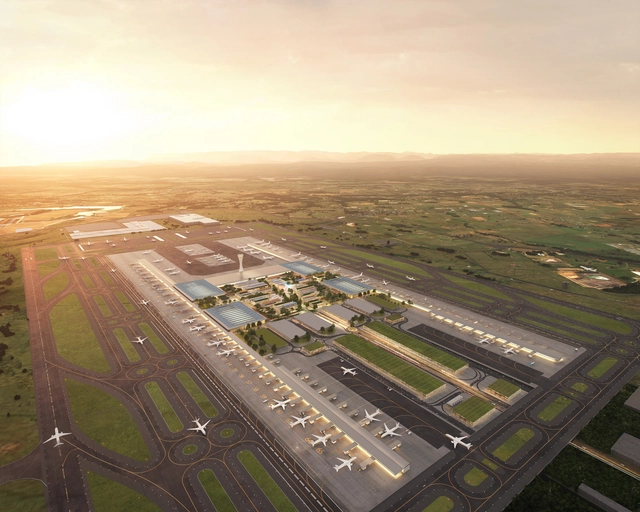
Western Sydney International Airport. Image Courtesy of Western Sydney International Airport
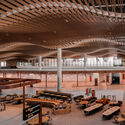
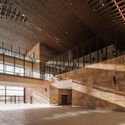
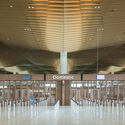
The first photos of the recently completed Western Sydney International (Nancy-Bird Walton) Airport (WSI) have just been unveiled, marking the delivery of Australia's first major airport in over half a century. The design was developed with Zaha Hadid Architects and COX Architecture involved in the initial design concept, and Woods Bagot as the leading design and delivery as part of Multiplex's design team. The terminal presents a new model for airport design, one that is grounded in its setting, responsive to its context, and oriented toward the future of travel. Located in Badgerys Creek on the Cumberland Plain, the terminal is positioned to serve as a long-term gateway to Greater Sydney. While major construction has concluded, final fit-outs of the terminal's retail precinct and airline lounges will be completed closer to the airport's official launch, as commercial agreements continue to progress. Western Sydney International Airport is on track to begin operations, including domestic, international, and air cargo services, in late 2026.
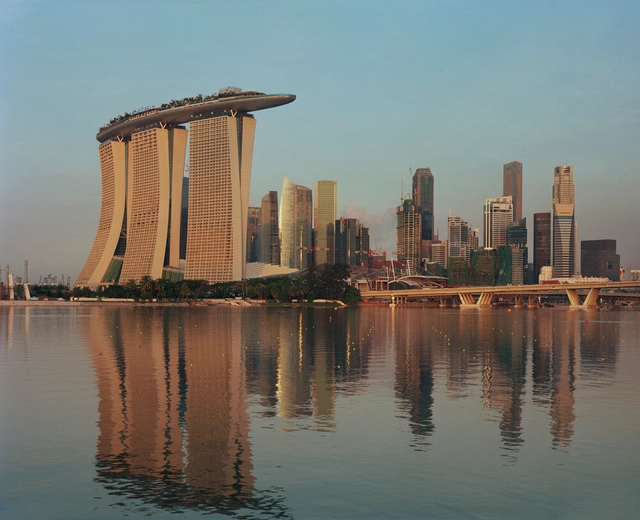
Courtesy of Safdie Architects | Marina Bay Islands
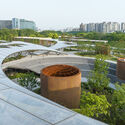
Nestled in the heart of Southeast Asia, Singapore stands as a beacon of sustainable urbanization. According to the 2016 Green City Index, the city-state of Singapore was the greenest city in Asia at one point. Renowned as the "City in a Garden," Singapore has intertwined lush greenery, verdant parks, and new environmental policies into its urban fabric/ After gaining independence in 1965, the city-state stands as a testament to how urban life can integrate with nature.
Deutsches Architekturmuseum (DAM) has announced the International High-Rise Award 2024/25. Selected from more than 1,000 new high-rises worldwide dating from the past two years, the nominated projects are located in 13 counties from 5 continents. In autumn, the five finalists will be announced, followed by the winner announcement scheduled for November 12, 2024. The main objective of the award is to highlight good practices in the ongoing trend of mixed-use high-rises.
With the increase in the construction of high-rises, special features such as the introduction of greenery in the design, unusual shapes, or the construction of clusters of towers, have become the new normal. DAM’s research this year also shows a growing eco-awareness, as the focus in high-rise construction is increasingly on the use of existing buildings. While the majority of tall buildings continue to be erected in China, followed by the USA, Australia, and Singapore have emerged as new hubs of high-rise architecture.
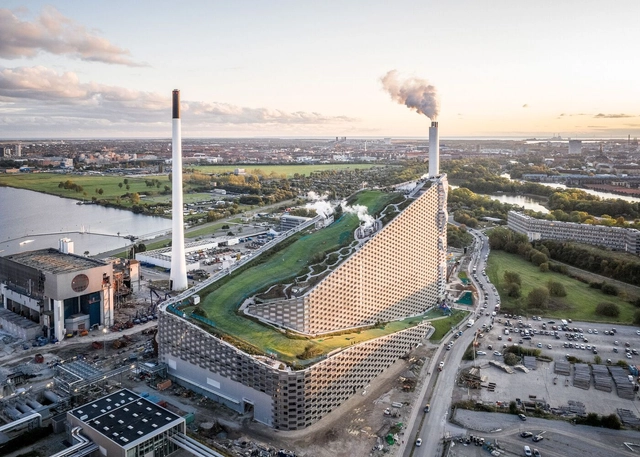
World Architecture Festival has revealed the winners for this year’s categories, highlighting buildings and landscapes completed across the world between 2019 and 2021. Chosen from almost 500 shortlisted projects from 62 countries, the winning projects showcase exemplary contributions to the built environment reflecting this edition’s theme: ‘Resetting the City: Greening, Health and Urbanism’. In addition to the completed buildings categories, the annual award also announced Copenhill, designed by Bjarke Ingels Group, as the 2021 World Building, while SLA was awarded Landscape of the Year for its design of Al Fay Park.
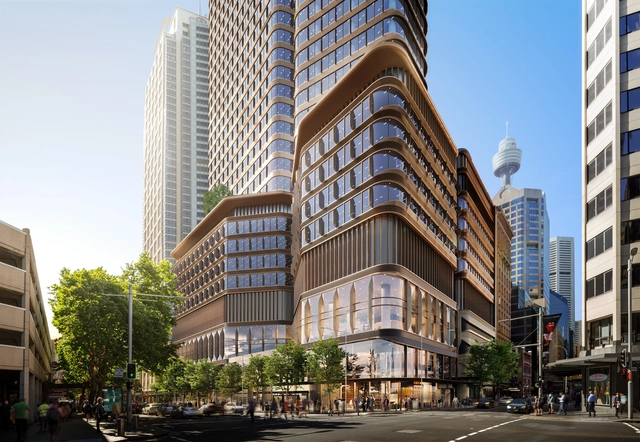
Pitt Street Over Station Development, Sydney. Image Courtesy of Foster + Partners
Foster + Partners has revealed visuals for its Pitt Street OSD and metro station design in Sydney, Australia. Stretching out underground across an entire city block, the over station development in the center of the city puts in place a 39-story office building and “creates a vibrant mixed-use hub offering flexible space with an elevated lobby and retail plaza in the heart of Sydney’s retail, dining, and entertainment precinct”.
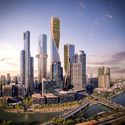
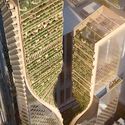
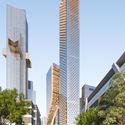
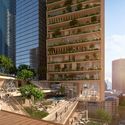
The Victorian State Government has given official approval for the Southbank project, in Melbourne, with construction scheduled for next year. Set to become Australia’s tallest tower, the building is conceived by Dutch firm UNStudio and local firm Cox Architecture.
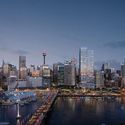
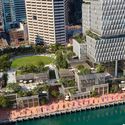
Henning Larsen’s concept was selected as the winning design in the international competition for the redevelopment of Cockle Bay Park in central Sydney. The project, co-led by the GPT Group and AMP Capital was chosen from six shortlisted designs by UN Studio + Cox Architecture, Woods Bagot, Grimshaw, FJMT, and Wilkinson Eyre.
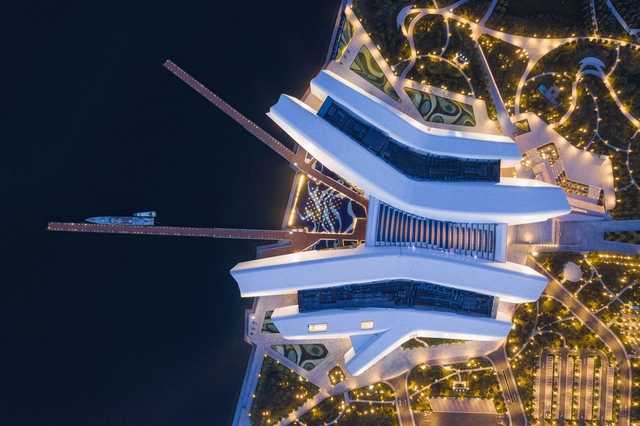
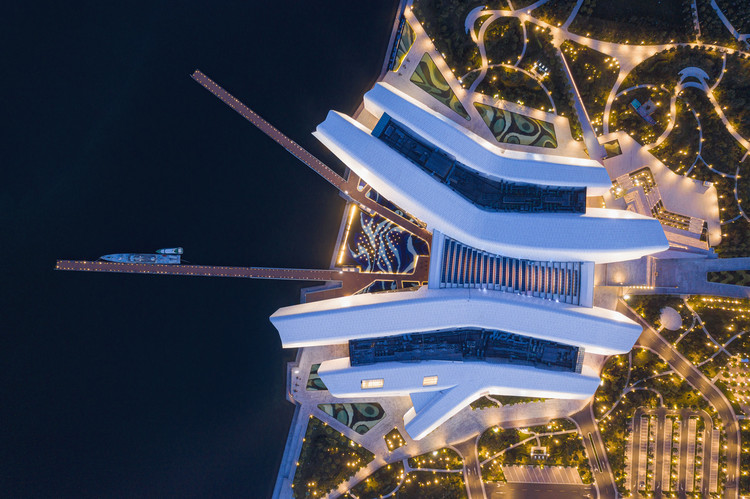
China’s latest landmark, the National Maritime Museum is now open to the public. 6 years in the making, the project is first of its kind. Designed by COX Architecture, after winning the international design competition back in 2013, the museum is located in the recently developed Binhai New Area, in the city district of Tianjin.
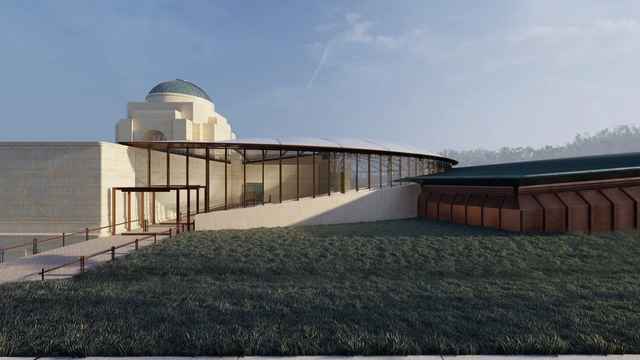
The AWM or the Australian War Memorial will undergo a series of development and refurbishments works, in order to renovate its galleries and its buildings. COX architecture will design the new Anzac Hall with its connection to the main structure, while Scott Carver will be in charge of the southern entrance.
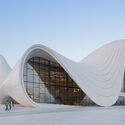
Selected from forty national and international applicants, Zaha Hadid Architects and Cox Architecture won the international design competition for the new Western Sydney Airport (WSA).
Either as singular outcroppings or as part of a bustling center, skyscrapers are neck-craning icons across major city centers in the world. A modern trope of extreme success and wealth, the skyscraper has become an architectural symbol for vibrant urban hubs and commercial powerhouses dominating cities like New York, Dubai, and Singapore.
While skyscrapers are omnipresent, 2018 introduced new approaches, technologies, and locations to the high-rise typology. From variations in materiality to form, designs for towers have started to address aspects beyond simply efficiency and height, proposing new ways for the repetitive form to bring unique qualities to city skylines. Below, a few examples of proposals and trends from 2018 that showcase the innovative ideas at work:
Videos
65 Federal Street. Image Courtesy of Woods Bagot
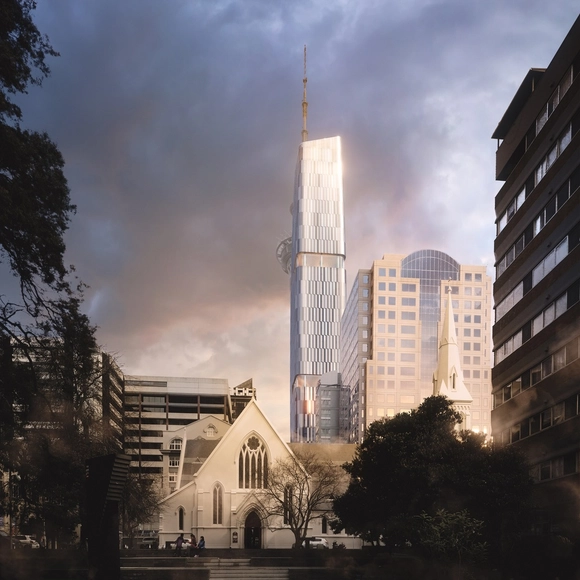
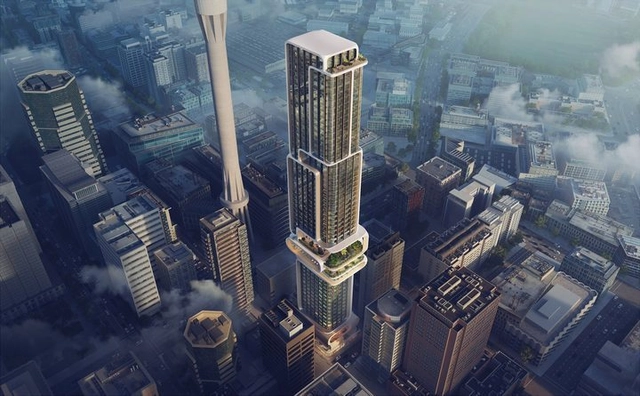
Woods Bagot and Peddle Thorp have been announced as the winners of the international competition to create a new high-rise tower in central Auckland. Drawn from five finalists including Warren and Mahoney, Cox Architecture, Zaha Hadid Architects, and Elenberg Fraser, the winning design will stand 180m high. The building design is inspired by New Zealand’s natural landscape and the country’s unique geology and fauna.
Auckland Tower. Image Courtesy of Zaha Hadid Architects
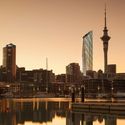
The international design competition to create a new high-rise tower in central Auckland has announced five finalists. The five teams include Warren and Mahoney, Cox Architecture, Zaha Hadid Architects, Elenberg Fraser and Woods Bagot. The landmark tower competition is run by Melbourne-based property development company ICD Property. Each of the teams were asked to complete two versions of their design, one following current city Unitary Plan rules and one version that could be built given more open planning parameters.
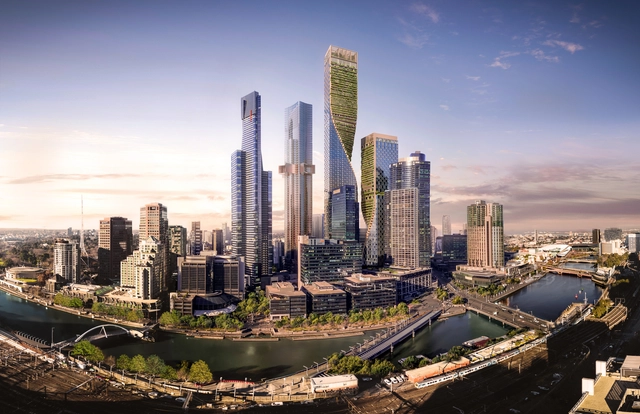
Green Spine / UNStudio + Cox Architecture . Image Courtesy of UNStudio / Cox Architecture
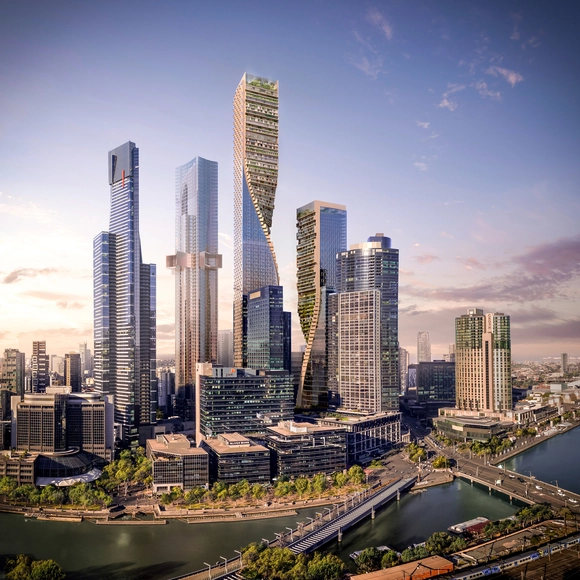
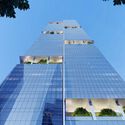
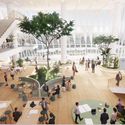
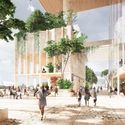
UNStudio and Cox Architecture have officially been announced as the winners of Melbourne’s landmark Southbank Precinct overhaul. Selected from a range of high-profile offices, including BIG, OMA, and MAD, UNStudio's vision for the $2 billion project includes a pair of twisted towers called Green Spine. As the largest single-phase project in the history of Victoria, Australia, the Green Spine is designed as a state-of-the-art, mixed-use environment centered around innovation in architecture and design.











MIR_(1)-1600px.jpg?1584527161&format=webp&width=640&height=580)
MIR_(1)-1600px.jpg?1584527161)






.jpg?1544768630)


.jpg?1544768953)