1. ArchDaily
  2. Textures

Textures: The Latest Architecture and News

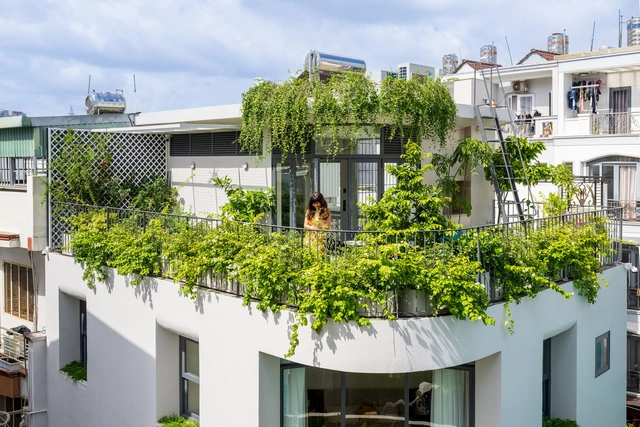
Urban Sanctuaries: Creating Peaceful Homes Amidst City Chaos

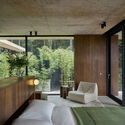
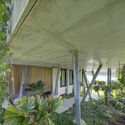
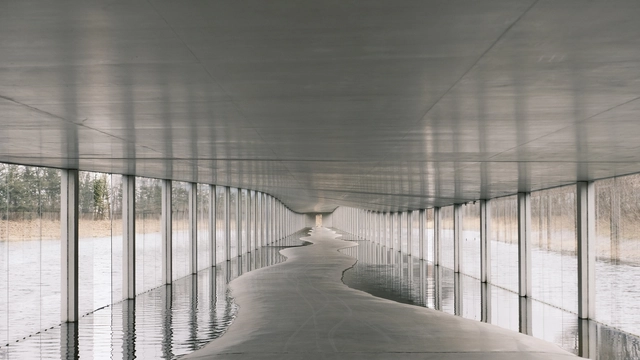
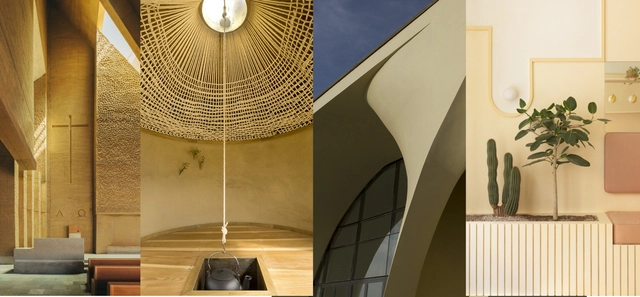
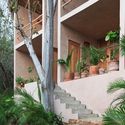
"Feeling at home" is more than just an expression—it is the sense of warmth and comfort that transforms a space into a true refuge. To achieve this, elements like color, texture, lighting, and materials play a crucial role in shaping an environment that fosters relaxation and well-being. Backed by research in environmental psychology and neuroscience, the connection between physical spaces and human behavior highlights how architecture can directly influence the atmosphere, turning chaos into tranquility.

Urban Sanctuaries: Creating Peaceful Homes Amidst City Chaos - Image 1 of 4Urban Sanctuaries: Creating Peaceful Homes Amidst City Chaos - Image 2 of 4Urban Sanctuaries: Creating Peaceful Homes Amidst City Chaos - Image 3 of 4Urban Sanctuaries: Creating Peaceful Homes Amidst City Chaos - Image 4 of 4Urban Sanctuaries: Creating Peaceful Homes Amidst City Chaos - More Images+ 13

Elemental Shores in the Asia-Pacific: Concrete Recasts the Beach House

Subscriber Access | 

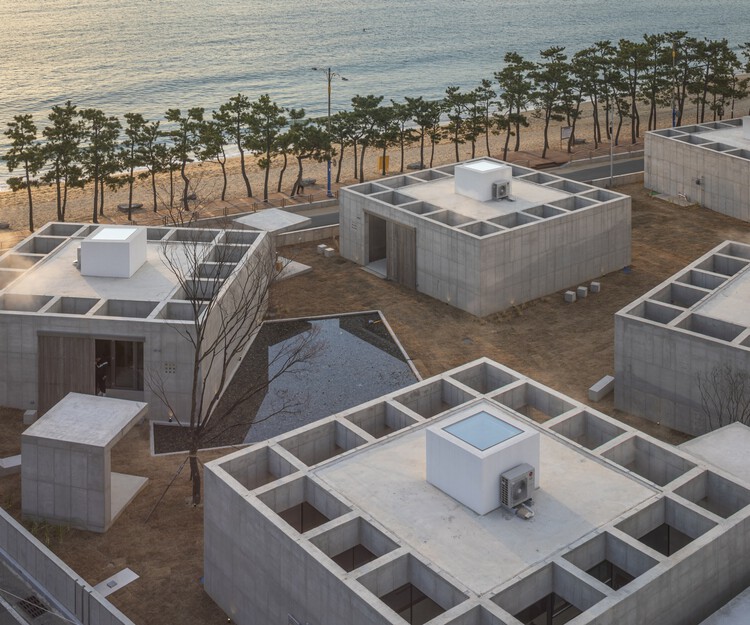
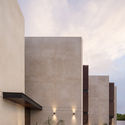
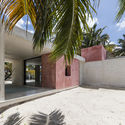
Living by the beach has long been a defining aspiration—drawn by the promise of tempered nature, privacy, and immediate access to the water. Historically, beach houses tended to be rustic and pared back: partly because servicing remote sites and delivering materials was difficult, and partly because their charm lay in being closer to the elements—simpler, rougher, more direct.

Accordingly, many early beach houses were built in timber. Wood offered clear advantages: it was lightweight, adaptable, quick to work with, and could be erected with minimal heavy machinery. While timber weathers and fares poorly in salt-laden humidity, exterior-grade lumber carries a raw, natural character that reinforced the appeal of the beach-house ideal.

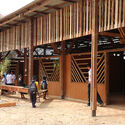
Elemental Shores in the Asia-Pacific: Concrete Recasts the Beach House - Image 1 of 4Elemental Shores in the Asia-Pacific: Concrete Recasts the Beach House - Image 2 of 4Elemental Shores in the Asia-Pacific: Concrete Recasts the Beach House - Image 3 of 4Elemental Shores in the Asia-Pacific: Concrete Recasts the Beach House - Image 4 of 4Elemental Shores in the Asia-Pacific: Concrete Recasts the Beach House - More Images+ 32

Environments of Curiosity: Translating Pedagogy into Architectural Form in Montessori, Waldorf, and Beyond

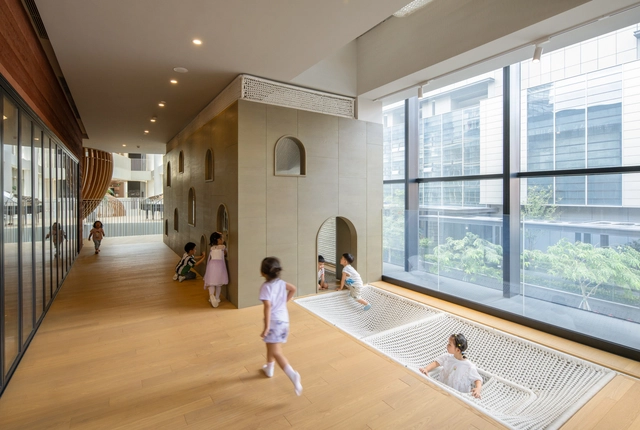
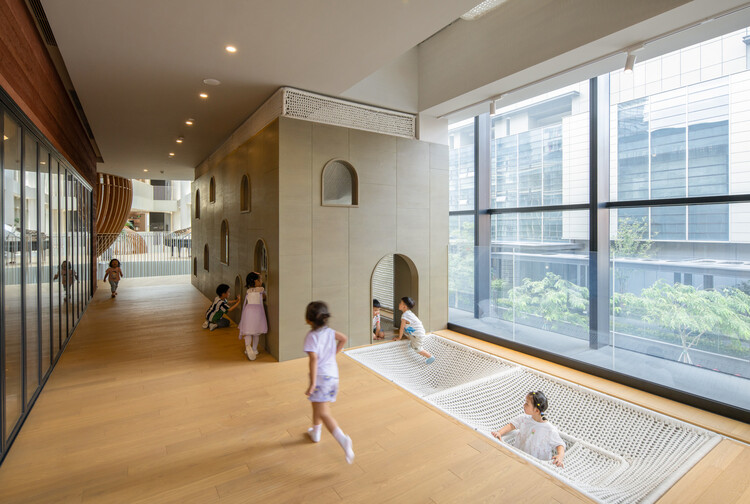
Children encounter space differently from adults. For them, the world is not yet rationalized into function and circulation but is experienced through emotion and curiosity. Where adults may navigate rooms through habit, children inhabit them through immediacy. A patch of sunlight becomes an event. The curve of a hallway invites wandering. The sound of footsteps on wood or the softness of fabric beneath fingertips is not background but information. What adults may dismiss as peripheral moments quietly mediates their sense of safety, autonomy, belonging, and possibility. Architecture is an opportunity for pedagogy to become physical.
Environments of Curiosity: Translating Pedagogy into Architectural Form in Montessori, Waldorf, and Beyond - Image 1 of 4Environments of Curiosity: Translating Pedagogy into Architectural Form in Montessori, Waldorf, and Beyond - Image 2 of 4Environments of Curiosity: Translating Pedagogy into Architectural Form in Montessori, Waldorf, and Beyond - Image 3 of 4Environments of Curiosity: Translating Pedagogy into Architectural Form in Montessori, Waldorf, and Beyond - Image 4 of 4Environments of Curiosity: Translating Pedagogy into Architectural Form in Montessori, Waldorf, and Beyond - More Images+ 45

Concrete as a Medium for Emotion and Expression in Architecture

 | Sponsored Content

Concrete is anything but a consensus. Some love it, others hate it. It can feel as tough as granite or soft as velvet — all depending on whose hands are doing the shaping. Treated with engineering precision or a touch of artistic flair, concrete stops being just a material and starts acting alive. It plays with light, surprises with texture, and somehow gives form to silence. Although dense and structural, concrete can take on an almost immaterial presence: light, ethereal, and contemplative. In certain spaces, it seems to disappear, dissolving into the shadows or vibrating with the surrounding light. More than just a construction element, it becomes a language, capable of evoking emotion, spirituality, and time.

Taming Nature: How Architecture is Redefining Its Relationship with the Environment

Integrating natural elements into architectural design has long been a fundamental pursuit in creating comfortable, sustainable environments that enhance both individual well-being and the relationship between buildings and their surrounding context. In areas with vast landscapes, incorporating natural elements is essential for seamlessly connecting architecture with its site. Conversely, in dense urban environments dominated by built structures, introducing greenery becomes also increasingly vital, reintroducing nature into the so-called "concrete jungle."

However, beyond conventional landscape features—such as water fountains, green walls, gardens, or courtyards—architects are redefining what it means to build with nature. The focus has shifted toward deeply integrating architecture with its natural surroundings, creating immersive spatial experiences that blur the boundaries between the built and the organic - in a way, "taming" nature. When successfully executed, these designs go beyond fostering well-being or promoting a healthy lifestyle; they evoke a profound sense of tranquility, power, and harmony, transforming the way we perceive and inhabit space.

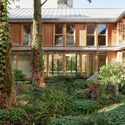
Taming Nature: How Architecture is Redefining Its Relationship with the Environment - Image 1 of 4Taming Nature: How Architecture is Redefining Its Relationship with the Environment - Image 2 of 4Taming Nature: How Architecture is Redefining Its Relationship with the Environment - Image 3 of 4Taming Nature: How Architecture is Redefining Its Relationship with the Environment - Image 4 of 4Taming Nature: How Architecture is Redefining Its Relationship with the Environment - More Images+ 23

Stainless Steel in Interior Design: Transforming Spaces with Industrial Elegance

Subscriber Access | 

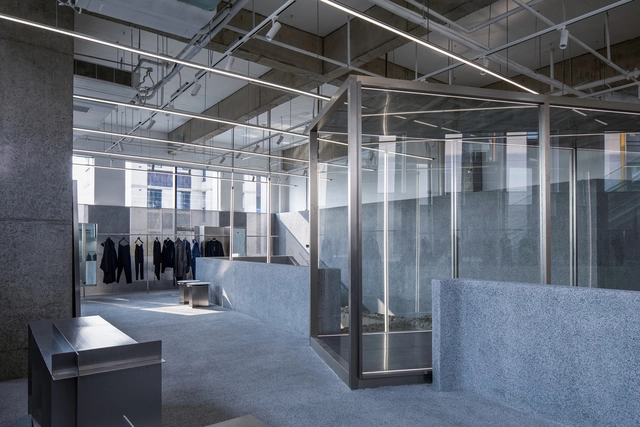
As we close the chapter on 2024, a review of ArchDaily's extensive database projects highlights a few standout interior design trends that defined the year. Among these is the use of stainless steel, often paired with concrete and shades of grey, creating interiors with a refined, industrial elegance. This article delves into the increasing prominence of stainless steel as an interior element, exploring its applications, pairings, and growing appeal despite lingering perceptions of its cold, industrial nature.

Stainless Steel in Interior Design: Transforming Spaces with Industrial Elegance - Image 1 of 4Stainless Steel in Interior Design: Transforming Spaces with Industrial Elegance - Image 2 of 4Stainless Steel in Interior Design: Transforming Spaces with Industrial Elegance - Image 3 of 4Stainless Steel in Interior Design: Transforming Spaces with Industrial Elegance - Image 4 of 4Stainless Steel in Interior Design: Transforming Spaces with Industrial Elegance - More Images+ 16

A Layered Architecture: Adaptive Reuse Projects That Reframe the Past Through Bold Material Contrasts

Subscriber Access | 

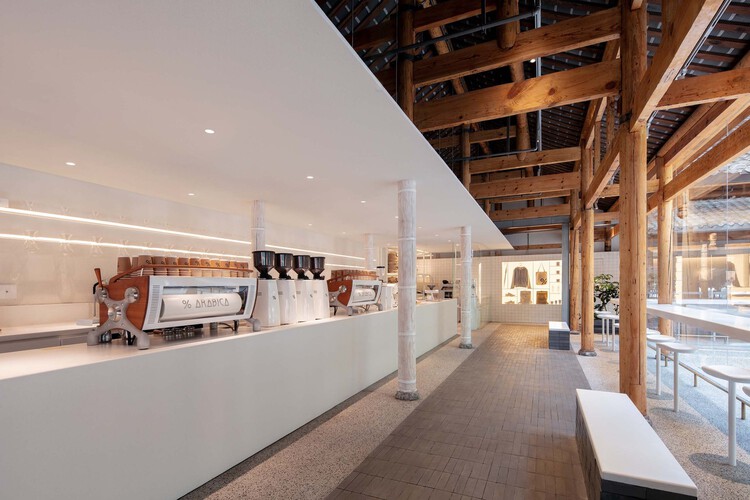
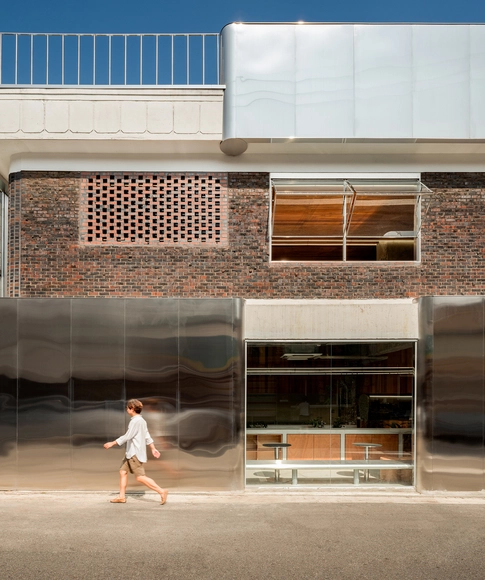
In recent decades, the term "adaptive reuse" has gained tremendous popularity as an eco-friendly construction approach. But what if there was something more poetic about reframing a space and its stories for new users? These architects show that once-deemed disposable facades, walls, and textures can obtain new meaning through bold and clever juxtapositions. These adaptations proudly display their conversions and layers of historical patina under them as a batch of honor and speak to the permanence of buildings and their impermanence in use and interpretation. Through subtle formal moves and daring material choices, they transformed structures that would have been otherwise demolished and reimagined them in new and intriguing ways.

A Layered Architecture: Adaptive Reuse Projects That Reframe the Past Through Bold Material Contrasts - Image 1 of 4A Layered Architecture: Adaptive Reuse Projects That Reframe the Past Through Bold Material Contrasts - Image 2 of 4A Layered Architecture: Adaptive Reuse Projects That Reframe the Past Through Bold Material Contrasts - Image 3 of 4A Layered Architecture: Adaptive Reuse Projects That Reframe the Past Through Bold Material Contrasts - Image 4 of 4A Layered Architecture: Adaptive Reuse Projects That Reframe the Past Through Bold Material Contrasts - More Images+ 5

Color in Hospitality Design: 20 Restaurant Interiors that Set the Right Tone

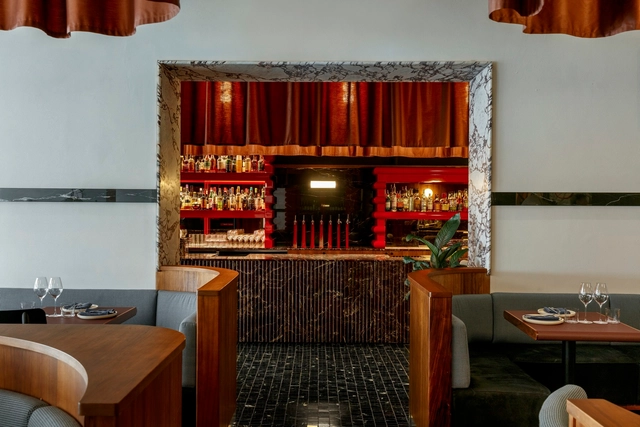
In the competitive world of restaurants – particularly at a time when influencers are gaining more and more control over the sphere of fine dining –, creating a memorable meal experience is crucial for attracting and retaining customers. While factors like food quality and service certainly play pivotal roles in making diners return to their eatery of choice, the impact that restaurant interiors can have on an establishment's longevity should not be overlooked. Among the various elements contributing to a memorable ambiance, color takes center stage. We delve into the significance of striking the right tone in restaurant design through 20 projects from our ArchDaily database.

Color in Hospitality Design: 20 Restaurant Interiors that Set the Right Tone - Image 5 of 4Color in Hospitality Design: 20 Restaurant Interiors that Set the Right Tone - Image 1 of 4Color in Hospitality Design: 20 Restaurant Interiors that Set the Right Tone - Image 2 of 4Color in Hospitality Design: 20 Restaurant Interiors that Set the Right Tone - Image 3 of 4Color in Hospitality Design: 20 Restaurant Interiors that Set the Right Tone - More Images+ 21

Exploring Local Material in Contemporary Architecture: PWDC Transforms Building Surfaces in Nigeria

Subscriber Access | 

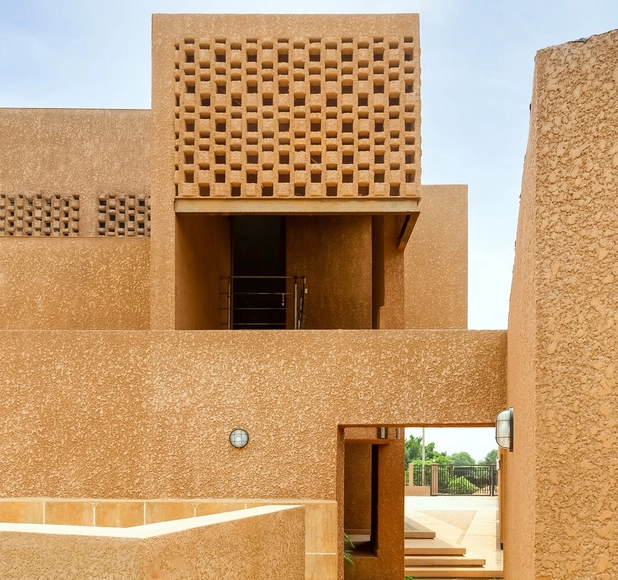
In Lagos, a city with a complex urban fabric that includes historical buildings and vast interpretations of contemporary architecture, lies PatrickWaheed Design Consulting (PWDC). This design practice, Co-led by Adeyemo Shokunbi, aims to contribute to a Nigerian architectural language through the renaissance of local materials. Through explorations anchored in local laterite, they have developed the material as a modern finishing technique, investigated its potential as a natural dye, discovered new ways to employ its thermal properties, and now build the research prospect of other local materials. I had the opportunity to speak with Architect Shokunbi, who discussed the initial inspirations and investigations during the construction of two building projects (Mad House & Abijo Mosque) in Lagos. These projects brought the Laterite finishing technique to life and now help build the case for a Nigerian architectural language.

Exploring Local Material in Contemporary Architecture: PWDC Transforms Building Surfaces in Nigeria - Image 1 of 4Exploring Local Material in Contemporary Architecture: PWDC Transforms Building Surfaces in Nigeria - Image 2 of 4Exploring Local Material in Contemporary Architecture: PWDC Transforms Building Surfaces in Nigeria - Image 3 of 4Exploring Local Material in Contemporary Architecture: PWDC Transforms Building Surfaces in Nigeria - Image 4 of 4Exploring Local Material in Contemporary Architecture: PWDC Transforms Building Surfaces in Nigeria - More Images+ 15

“I Think of My Work as Imploding Rather than Exploding:” in Conversation with Michael Rotondi of Roto Architects

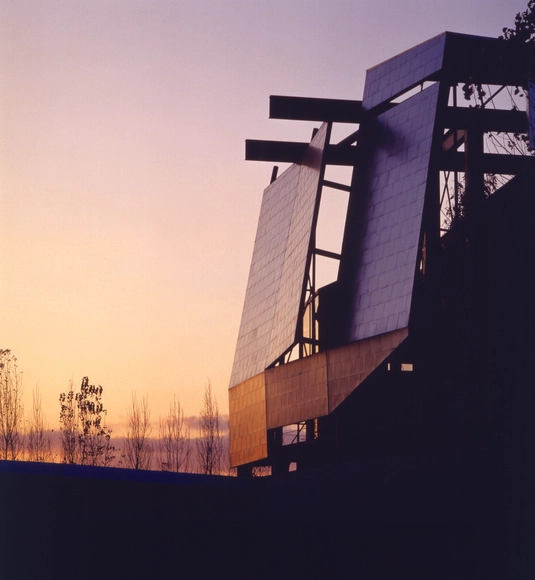
Michael Rotondi’s buildings—museums, civic centers, education facilities, monasteries, restaurants, and residences—evoke kinetic mechanisms that fold, hinge, twist, and split open. They express the architect’s feelings, thinking, and mood at the time they had been designed, and, on some occasions, during their assembly and construction. Rotondi was born in 1949 in Los Angeles.

He established his RoTo Architects, a research-based firm in his native city, in 1991 after co-heading Morphosis for 16 years with Thom Mayne. Parallel to his practicing career, the architect has been teaching and lecturing at SCI-Arc, Southern California Institute of Architecture, which he co-founded in 1972, led its graduate program from 1978-1987, and was the school’s second director for a decade from 1987 to 1997.

“I Think of My Work as Imploding Rather than Exploding:” in Conversation with Michael Rotondi of Roto Architects - Image 1 of 4“I Think of My Work as Imploding Rather than Exploding:” in Conversation with Michael Rotondi of Roto Architects - Image 2 of 4“I Think of My Work as Imploding Rather than Exploding:” in Conversation with Michael Rotondi of Roto Architects - Image 3 of 4“I Think of My Work as Imploding Rather than Exploding:” in Conversation with Michael Rotondi of Roto Architects - Image 4 of 4“I Think of My Work as Imploding Rather than Exploding:” in Conversation with Michael Rotondi of Roto Architects - More Images+ 21

AkzoNobel selects "Wild Wonder" as the Color of the Year 2023, Inspired by Nature and Harvested Crops

Inspired by the warm tones of harvested crops, Wild Wonder was selected as Color of the Year 2023 by AkzoNobel. Extensive research conducted by AkzoNobel, including color experts and international design professionals, identified the "Wonders of the Natural" swatch at the heart of global social and design. This trend is inspired by nature as people are re-evaluating their relationship with the environment as the source of everything in their lives. # d0c599, or pale yellow/ olive green, captures the moment's mood and conveys serenity and positivity after these recent years of uncertainty and despair.

AkzoNobel selects "Wild Wonder" as the Color of the Year 2023, Inspired by Nature and Harvested Crops - Image 1 of 4AkzoNobel selects "Wild Wonder" as the Color of the Year 2023, Inspired by Nature and Harvested Crops - Image 2 of 4AkzoNobel selects "Wild Wonder" as the Color of the Year 2023, Inspired by Nature and Harvested Crops - Image 3 of 4AkzoNobel selects "Wild Wonder" as the Color of the Year 2023, Inspired by Nature and Harvested Crops - Image 4 of 4AkzoNobel selects Wild Wonder as the Color of the Year 2023, Inspired by Nature and Harvested Crops - More Images+ 14

The Rustic Beauty of the Chukum in Modern Mexican Architecture

Subscriber Access | 

The Rustic Beauty of the Chukum in Modern Mexican Architecture - Image 1 of 4The Rustic Beauty of the Chukum in Modern Mexican Architecture - Image 2 of 4The Rustic Beauty of the Chukum in Modern Mexican Architecture - Image 3 of 4The Rustic Beauty of the Chukum in Modern Mexican Architecture - Image 4 of 4The Rustic Beauty of the Chukum in Modern Mexican Architecture - More Images+ 34

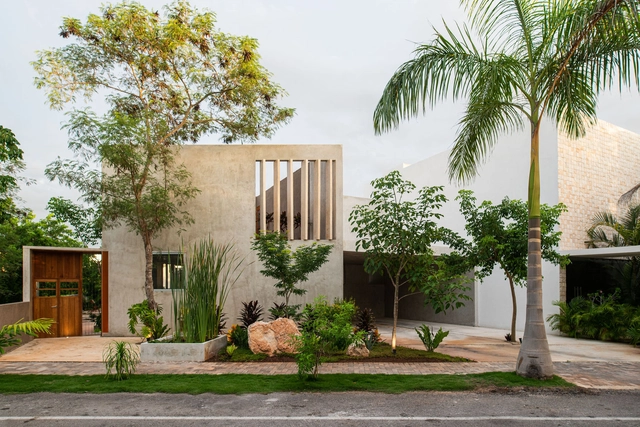
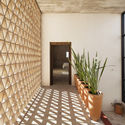
In Yucatan, architects are reviving an ancient Mayan stucco technique for contemporary buildings, merging modern architecture with regional history and culture. The technique is called “chukum,” a term derived from the colloquial name for the Havardia albicans tree native to Mexico. Made with chukum tree bark, the material has several defining qualities that separate it from traditional stucco, including impermeable properties and a natural earthy color. Though chukum initially fell out of use following Spanish conquest of the Maya civilization, it was rediscovered and reemployed by Salvador Reyes Rios of the architecture firm Reyes Rios + Larrain Arquitectos in the late 1990’s, initiating a resurgence of use in the area.

Glass in Retail & Commercial Architecture: Texture, Brightness and Color

Subscriber Access | 

Nowadays, new technologies for the treatment of glass provide new ways to use this material in architecture. Applied indoors, specifically in retail stores, glass in its different textures, colors, finishes and levels of transparency can allow the unobstructed view of certain products, hide more private areas without blocking the passage of light, and attract the attention of customers as focal points, among many other uses.

Review below a selection of applications in commercial projects.

Uniqueness Through Hand Embossing: A Vibrant Interplay of Light and Shadow

Innovative and sustainable products made of natural raw materials, such as the new large size façade panels Texial, are borne of ingenuity and expertise. The fine surface structure gives the appearance of a fabric and is always one-of-a-kind because it is embossed by hand.

Arquitectura à Moda do Porto: Episode 5 - the Varied Textures of Porto

Subscriber Access | 
Arquitectura à Moda do Porto: Episode 5 - the Varied Textures of Porto  - Image 2 of 4

We teamed up with Building Pictures, Filipa Figueira and Tiago Vieira to feature weekly episodes of their video series “,” which highlights Porto’s most significant buildings over the last 20 years.

The series was launched in December 2013 and is comprised of 10 episodes, each focusing on a different theme: light, stairs, balconies, nature, textures, doors, windows, skylights, pavements and structures.

Last week we presented the series’ fourth episode on Porto's natural environment, and now we present Episode 5 – Textures. Read the producers’ description of the video after the break.