1. ArchDaily
  2. Studio Olafur Eliasson

Studio Olafur Eliasson: The Latest Architecture and News

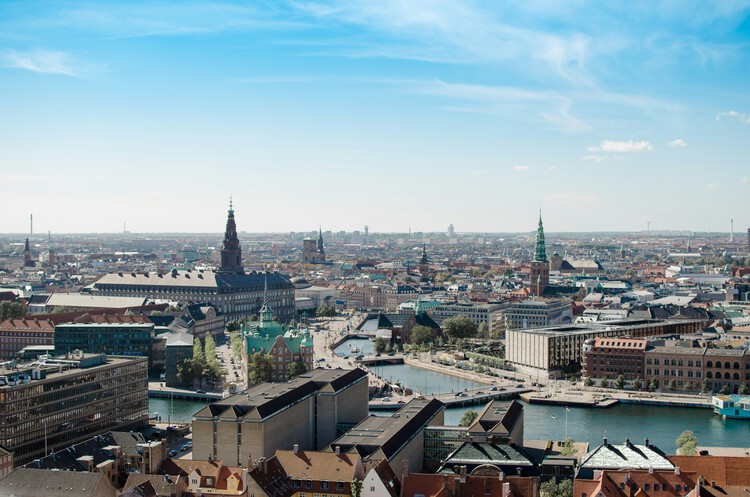
Copenhagen Architecture City Guide: 44 Projects Defining the Capital of Human-Scale Design

Subscriber Access | 

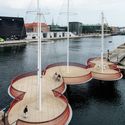
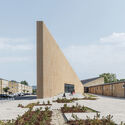
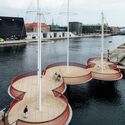
Copenhagen is long famous as the global capital of human-scale design and livability. Today, the city has widened its focus and is an active space where mid-century Scandinavian modernism meets the modern demands of climate adaptability, material circularity, radical conservation, and neighborhood density. During the first-ever Copenhagen Architecture Biennial, in 2025, the city transformed into a global platform for dialogue under the theme "Slow Down," exploring how architecture can respond to global pressures by rethinking the pace of change. And this year's 13th edition of the 3daysofdesign Festival will explore the theme of "Make This Moment Matter", encouraging the global design community to step away from digital noise and mass production to focus on the present.
Copenhagen Architecture City Guide: 44 Projects Defining the Capital of Human-Scale Design - Image 1 of 4Copenhagen Architecture City Guide: 44 Projects Defining the Capital of Human-Scale Design - Image 2 of 4Copenhagen Architecture City Guide: 44 Projects Defining the Capital of Human-Scale Design - Image 3 of 4Copenhagen Architecture City Guide: 44 Projects Defining the Capital of Human-Scale Design - Image 4 of 4Copenhagen Architecture City Guide: 44 Projects Defining the Capital of Human-Scale Design - More Images+ 43

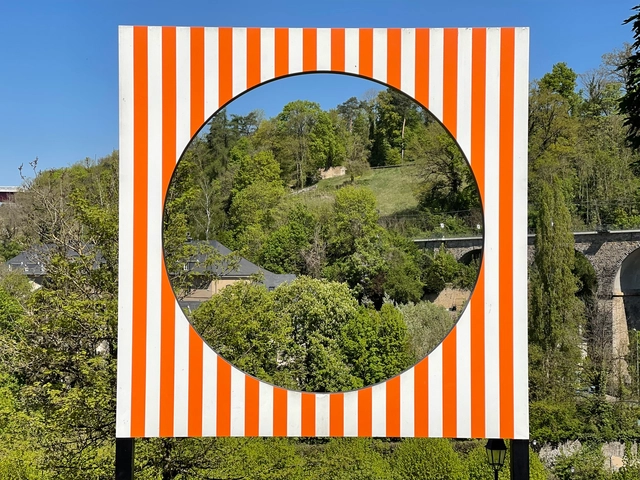
Learning from Artists: New Perspectives on Public Space

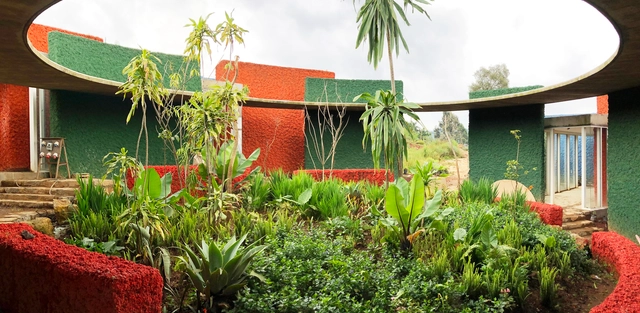
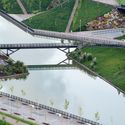
Public space has long been central to architectural thought, often framed in terms of planning, infrastructure, and regulation. From Haussmann's Paris to contemporary masterplans, architects have worked to define and formalise collective life through spatial tools. Yet, outside of these frameworks, artists have continuously offered alternative ways of understanding and inhabiting public space—ways that rely not on construction or permanence, but on presence, perception, and participation. Through actions, objects, or atmospheres, artists engage the city as a site of friction and imagination. These gestures challenge architectural conventions and invite artists to reconsider public space not as a solved form, but as a contingent and open process.

Learning from Artists: New Perspectives on Public Space - Image 1 of 4Learning from Artists: New Perspectives on Public Space - Image 2 of 4Learning from Artists: New Perspectives on Public Space - Image 3 of 4Learning from Artists: New Perspectives on Public Space - Image 4 of 4Learning from Artists: New Perspectives on Public Space - More Images+ 18

Towards an Architecture of Many Intelligences: How Collective Knowledge Shapes the Built Environment

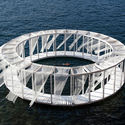
As architecture navigates a rapidly changing world shaped by ecological urgency, social transformation, and technological acceleration, the notion of intelligence is shifting. No longer confined to individual cognition or artificial computation, intelligence can emerge from cultural memory, collective practices, and adaptive systems. In this broader sense, architecture becomes a field of convergence, where natural, artificial, and social intelligences intersect to offer new ways of designing and building.

Vernacular traditions embed generations of environmental knowledge, often transmitted through materials, construction techniques, and spatial logics finely tuned to local conditions; participatory platforms expand decision-making to wider communities to take part in shaping their environments, redistributing agency in the design process; and computational processes simulate and respond to complex data in real time bringing the capacity to analyse, simulate, and respond to complex variables — whether environmental, social, or behavioural — offering new forms of adaptability.

Towards an Architecture of Many Intelligences: How Collective Knowledge Shapes the Built Environment - Image 1 of 4Towards an Architecture of Many Intelligences: How Collective Knowledge Shapes the Built Environment - Image 2 of 4Towards an Architecture of Many Intelligences: How Collective Knowledge Shapes the Built Environment - Image 3 of 4Towards an Architecture of Many Intelligences: How Collective Knowledge Shapes the Built Environment - Image 4 of 4Towards an Architecture of Many Intelligences: How Collective Knowledge Shapes the Built Environment - More Images+ 25

Designing for the Performing Arts: Architecture as a Stage for Experience

Subscriber Access | 

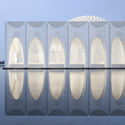
Theaters, concert halls, and opera houses are more than just venues — they are meticulously orchestrated environments where architecture, technology, and human emotion converge. Unlike conventional buildings, these spaces must accommodate a dynamic interplay between acoustics, sightlines, stage mechanics, and audience engagement, all while maintaining an architectural identity that resonates with performers and spectators alike. Whether it is the immersive embrace of a vineyard-style concert hall or the grandeur of a proscenium theater, every design decision shapes how performances are experienced and remembered.

The recently published SET PIECES: Architecture for the Performing Arts in Fifteen Fragments by Diamond Schmitt Architects explores these complexities through case studies and reflections. Inspired by its insights, this article examines essential design considerations for performance spaces, from acoustic engineering to the evolving role of theaters in urban life.

Designing for the Performing Arts: Architecture as a Stage for Experience - Image 1 of 4Designing for the Performing Arts: Architecture as a Stage for Experience - Image 2 of 4Designing for the Performing Arts: Architecture as a Stage for Experience - Image 3 of 4Designing for the Performing Arts: Architecture as a Stage for Experience - Image 4 of 4Designing for the Performing Arts: Architecture as a Stage for Experience - More Images+ 60

Beyond Form: How Light and Shadow Define Architectural Atmosphere

Architecture is often defined by its physical form, materials, and structural elements, but light and shadow truly shape the experience of space. These elements influence perception, guide movement, and evoke emotional responses, transforming static structures into dynamic environments. Throughout history, architects have harnessed the interplay of light and shadow, using it as a fundamental design tool to create atmosphere and meaning.

Beyond Form: How Light and Shadow Define Architectural Atmosphere - Image 1 of 4Beyond Form: How Light and Shadow Define Architectural Atmosphere - Image 2 of 4Beyond Form: How Light and Shadow Define Architectural Atmosphere - Image 3 of 4Beyond Form: How Light and Shadow Define Architectural Atmosphere - Image 4 of 4Beyond Form: How Light and Shadow Define Architectural Atmosphere - More Images+ 48

Olafur Eliasson’s Site-Specific Installation “Shadows Travelling on the Sea of the Day” Opens in Doha, Qatar

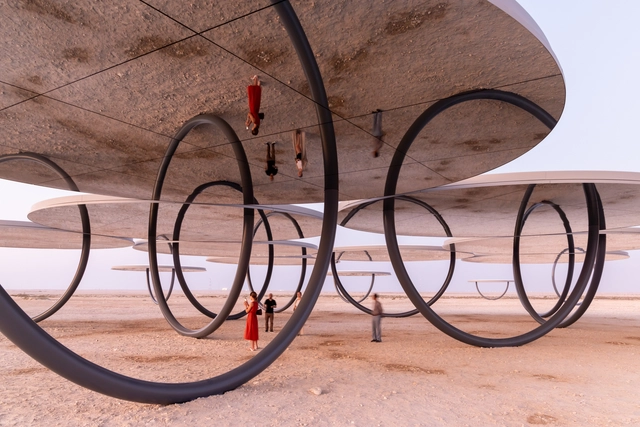
The internationally recognized artist Olafur Eliasson has inaugurated his most recent public art installation in Doha, Qatar. The installation, titled “Shadows Travelling on the Sea of the Day”, can be reached by diving through the rugged desert landscape northwards from Doha, past Fort Zubarah, and the village of Ain Mohammed. The artwork is visible from afar, but it is best experienced when approached on foot. Its hospitable shadows reward the journey.

Olafur Eliasson’s Site-Specific Installation “Shadows Travelling on the Sea of the Day” Opens in Doha, Qatar - Image 1 of 4Olafur Eliasson’s Site-Specific Installation “Shadows Travelling on the Sea of the Day” Opens in Doha, Qatar - Image 2 of 4Olafur Eliasson’s Site-Specific Installation “Shadows Travelling on the Sea of the Day” Opens in Doha, Qatar - Image 3 of 4Olafur Eliasson’s Site-Specific Installation “Shadows Travelling on the Sea of the Day” Opens in Doha, Qatar - Image 4 of 4Olafur Eliasson’s Site-Specific Installation “Shadows Travelling on the Sea of the Day” Opens in Doha, Qatar - More Images

Urban Waterways: The Dynamics of Canal Architecture

Subscriber Access | 

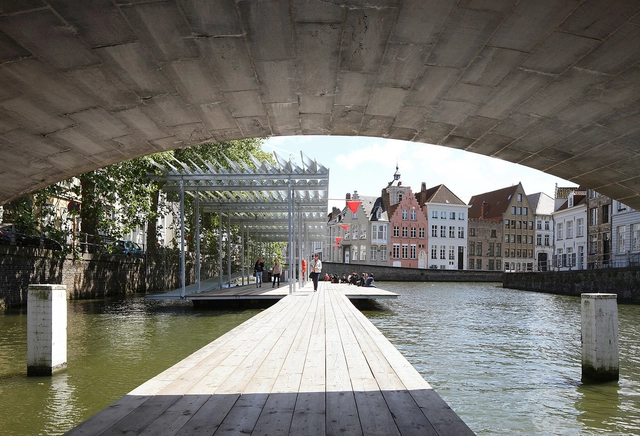
Architecture remains in constant tension with natural forces. Designed around gravity, climate, and time, buildings are always part of larger systems. Throughout the world, designers have tried to mitigate natural forces by constructing hybrid spaces and structures, artificial areas where nature meets the manmade. Embodying this relationship, canals reflect a desire to direct nature and its flows. Today, these fluid spaces are opening up to new programs, projects that explore modern life and urban vitality.

Urban Waterways: The Dynamics of Canal Architecture - Image 1 of 4Urban Waterways: The Dynamics of Canal Architecture - Image 2 of 4Urban Waterways: The Dynamics of Canal Architecture - Image 3 of 4Urban Waterways: The Dynamics of Canal Architecture - Image 4 of 4Urban Waterways: The Dynamics of Canal Architecture - More Images+ 4

Carlo Ratti Associati and Olafur Eliasson Design World's Largest Crowdsourced Mosaic

Carlo Ratti Associati and Olafur Eliasson Design World's Largest Crowdsourced Mosaic - Image 1 of 4Carlo Ratti Associati and Olafur Eliasson Design World's Largest Crowdsourced Mosaic - Image 2 of 4Carlo Ratti Associati and Olafur Eliasson Design World's Largest Crowdsourced Mosaic - Image 3 of 4Carlo Ratti Associati and Olafur Eliasson Design World's Largest Crowdsourced Mosaic - Image 4 of 4Carlo Ratti Associati and Olafur Eliasson Design World's Largest Crowdsourced Mosaic - More Images+ 4

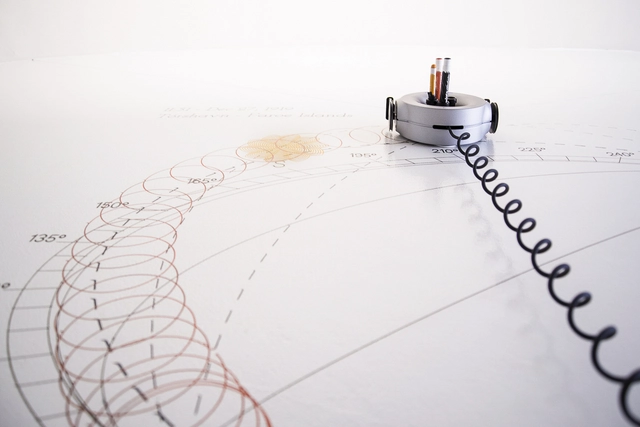
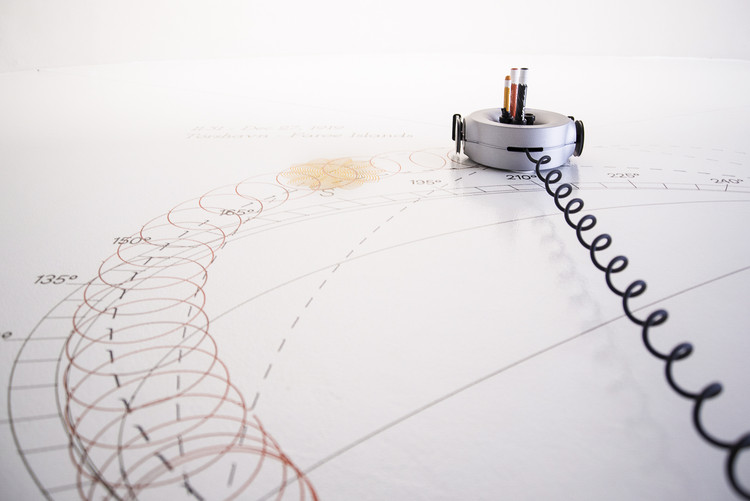
Carlo Ratti Associati's spin-off company Scribit has partnered with leading artist Olafur Eliasson's Little Sun non-profit to draw a crowdsourced illustration of the sun's path in thousands of people's homes. Write&erase robot Scribit works as a smart vertical plotter to create illustrations inspired by sun path charts. The two teams hope to bring the climate crisis center stage and instigate change for the future of the planet.

Life after Serpentine: Second Lives of Architecture's Famed Pavilions

If the surest sign of summer in London is the appearance of a new pavilion in front of the Serpentine Gallery, then it’s perhaps fair to say that summer is over once the pavilion is taken down. The installations have gained prominence since its inaugural edition in 2000, acting as a kind of exclusive honor and indication of talent for those chosen to present; celebrated names from the past names include Zaha Hadid, Rem Koolhaas, and Olafur Eliasson.

Life after Serpentine: Second Lives of Architecture's Famed Pavilions - Image 1 of 4Life after Serpentine: Second Lives of Architecture's Famed Pavilions - Image 2 of 4Life after Serpentine: Second Lives of Architecture's Famed Pavilions - Image 3 of 4Life after Serpentine: Second Lives of Architecture's Famed Pavilions - Image 4 of 4Life after Serpentine: Second Lives of Architecture's Famed Pavilions - More Images+ 15

Celebrate World Water Day With These 20 Designs That Feature Water Elements

Subscriber Access | 
Celebrate World Water Day With These 20 Designs That Feature Water Elements - Image 5 of 4
© Fernando Guerra | FG + SG

March 22 is World Water Day, an annual international celebration launched and organized by the United Nations. The goal of the day is to raise awareness about a wide range of water-based issues from around the world. This year’s theme is “Nature From Water”, which invites everyone to think about how nature can provide solutions to the water challenges we face today.

To celebrate World Water Day this year, we’ve rounded up 20 of our favorite projects that utilize water as a central design feature. Whether it be Zumthor's Thermal Vals or Chritso and Jeanne-Claude's Floating Piers, water has been playing an important role in architectural design and in demarcating the boundaries of nature against our built environment.
Celebrate World Water Day With These 20 Designs That Feature Water Elements - Image 1 of 4Celebrate World Water Day With These 20 Designs That Feature Water Elements - Image 2 of 4Celebrate World Water Day With These 20 Designs That Feature Water Elements - Image 3 of 4Celebrate World Water Day With These 20 Designs That Feature Water Elements - Image 4 of 4Celebrate World Water Day With These 20 Designs That Feature Water Elements - More Images+ 16

Olafur Eliasson To Bring LEGO Installation "The Collectivity Project" To The High Line

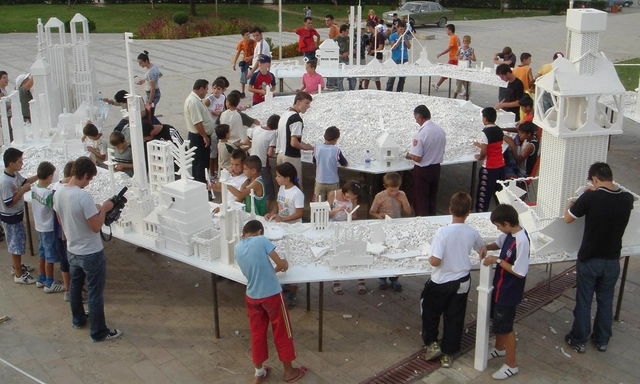
As part of their series of "Panorama" exhibits being presented this year, Friends Of The High Line have announced that they will host Olafur Eliasson's installation, "The Collectivity Project" from May 29th until September 30th this year on the High Line at West 30th Street. The installation, which has previously traveled to Tirana, Oslo, and Copenhagen, features an interactive imaginary cityscape made of over two tons of white LEGO bricks, with visitors invited to design, build and rebuild new structures as they see fit.

In a twist to the installation's usual presentation, High Line Art has invited high-profile architects who are working in the vicinity of the High Line to contribute one "visionary" LEGO design for the installation's opening, with BIG, David M. Schwarz Architects, Diller Scofidio + Renfro, James Corner Field Operations, OMA New York, Renzo Piano Building Workshop, Robert A.M. Stern Architects, Selldorf Architects, SHoP, and Steven Holl Architects all contributing one building which the public will then be able to adapt, extend or work around.

Video: Olafur Eliasson Gives Advice to Young Creatives

"Be very sensitive to where you are, in what times and in what parts of the world, and how that constitutes the artistic practice," says Danish-Icelandic artist Olafur Eliasson in this recent video from Louisiana Channel. In Advice to the Young, Eliasson deliberates on creative practice, urging young artists to take risks and produce meaningful work. "Just because you think about a work of art," says Eliasson, "it is not necessarily a work of art." Most recently, Eliasson has made headlines for his immersive exhibition Riverbed at the Louisiana Museum of Modern Art which explores the intersection between nature and the built environment. Revered as one of the world's leading sculptural and installation artists, Eliasson is adamant that the practice of working with art remains to be "very fierce, very strong and very robust."

Video: Olafur Eliasson Discusses the Authorship of Reality in "Riverbed" Exhibition

Subscriber Access | 

"There are no real things. This is it. We are living in models and that's how it will always be and has always been... Who has authorship of reality? Who is then real?"
In this new video from Louisiana Channel, Olafur Eliasson meditates on the deeply philosophical questions posed by his provocative exhibition, Riverbed. Discussing themes such as the currency of trust, the authorship of reality through choice of perception, and the intricate relationships between museum, art, artist, and viewer, Eliasson sits within his own artificial landscape and recounts the deep inquiries that drive his work. Describing his views on the complexity of trust in the foundational value of the museum as an institution, Eliasson argues for the empowerment of the public. "If an audience feels trusted," he states, "then they dare to get involved."

Video: Three Writers On Olafur Eliasson's Riverbed

Subscriber Access | 

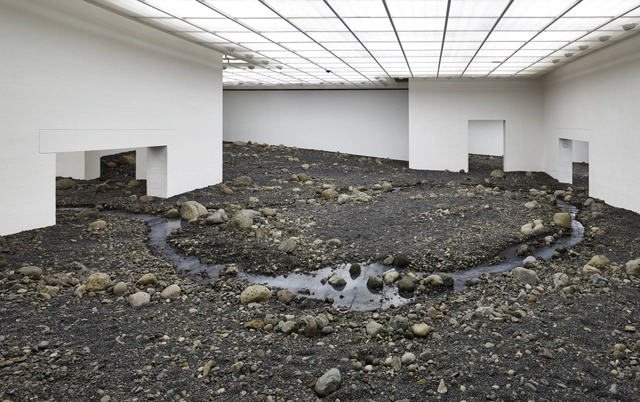
In this video from the Louisiana Museum of Modern Art's Lousiana Channel, three acclaimed writers - Sjón, James McBride and Daniel Kehlmann - talk about their experience of Olafur Eliasson's Indoor Riverbed at the Danish museum. Sjón describes how he felt when he saw 180 tons of rock from his home country of Iceland filling the room, saying "It was like a moment in a dream, when you enter a room and something is not right, but familiar."

Olafur Eliasson Creates an Indoor Riverbed at Danish Museum

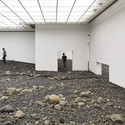
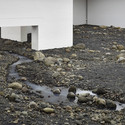
Blurring the boundaries between the Natural world and the Manmade in one wide, sweeping gesture, Danish-Icelandic artist Olafur Eliasson's first solo exhibit, aptly titled Riverbed, brings the Outdoors in.

Recreating an enormous, ruggedly enchanting landscape, complete with riverbed and rocky earth, the artist draws heavily from site-specific inspiration. The Louisiana Museum of Modern Art's location on the Danish coast lends a raw, elemental and powerful character that extends into the building as a major intervention, transforming into a work of art.

Olafur Eliasson Creates an Indoor Riverbed at Danish Museum - Image 1 of 4Olafur Eliasson Creates an Indoor Riverbed at Danish Museum - Image 2 of 4Olafur Eliasson Creates an Indoor Riverbed at Danish Museum - Image 3 of 4Olafur Eliasson Creates an Indoor Riverbed at Danish Museum - Image 4 of 4Olafur Eliasson Creates an Indoor Riverbed at Danish Museum - More Images+ 4