1. ArchDaily
  2. Olafur Eliasson

Olafur Eliasson: The Latest Architecture and News

Learning from Artists: New Perspectives on Public Space

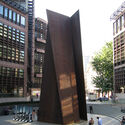
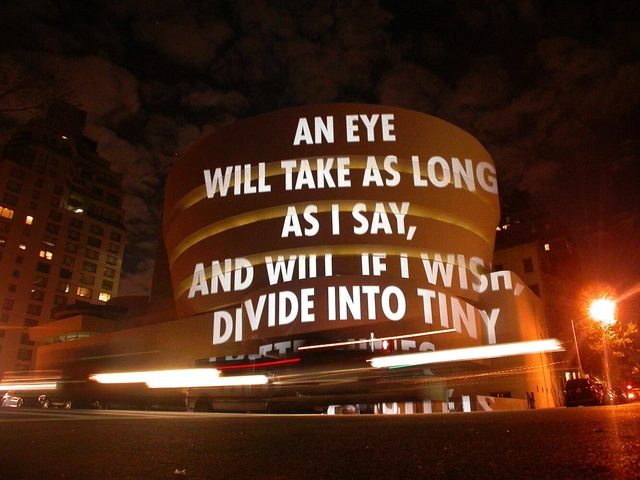
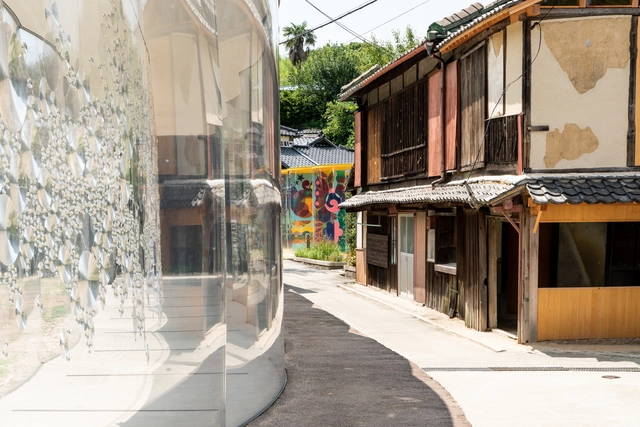
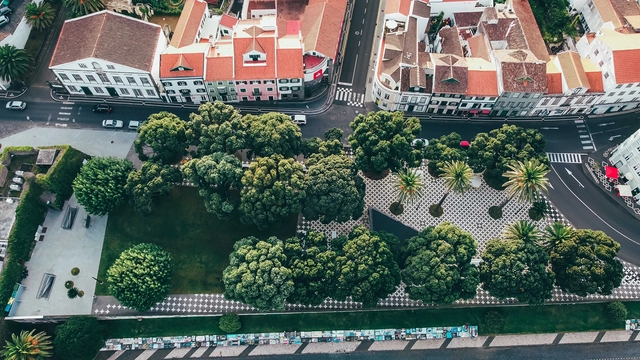
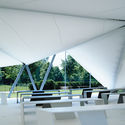
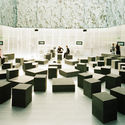
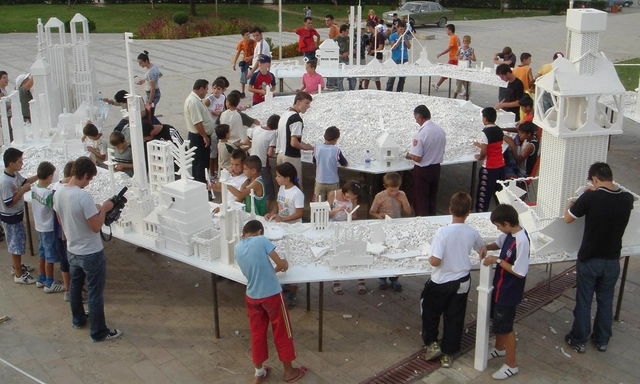
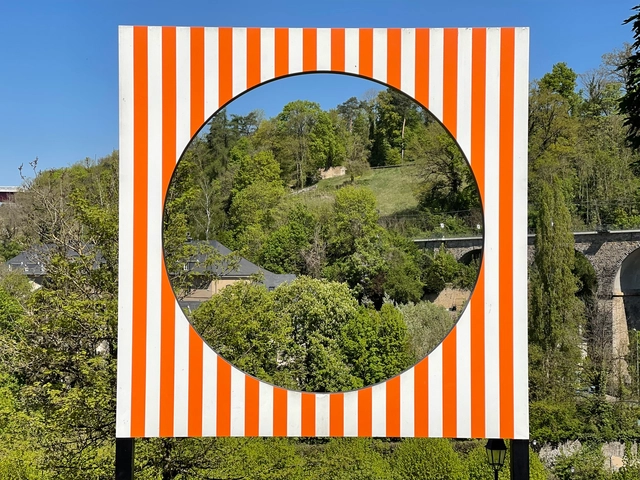
Public space has long been central to architectural thought, often framed in terms of planning, infrastructure, and regulation. From Haussmann's Paris to contemporary masterplans, architects have worked to define and formalise collective life through spatial tools. Yet, outside of these frameworks, artists have continuously offered alternative ways of understanding and inhabiting public space—ways that rely not on construction or permanence, but on presence, perception, and participation. Through actions, objects, or atmospheres, artists engage the city as a site of friction and imagination. These gestures challenge architectural conventions and invite artists to reconsider public space not as a solved form, but as a contingent and open process.


Learning from Artists: New Perspectives on Public Space - Image 1 of 4Learning from Artists: New Perspectives on Public Space - Image 2 of 4Learning from Artists: New Perspectives on Public Space - Image 3 of 4Learning from Artists: New Perspectives on Public Space - Image 4 of 4Learning from Artists: New Perspectives on Public Space - More Images+ 18

Towards an Architecture of Many Intelligences: How Collective Knowledge Shapes the Built Environment

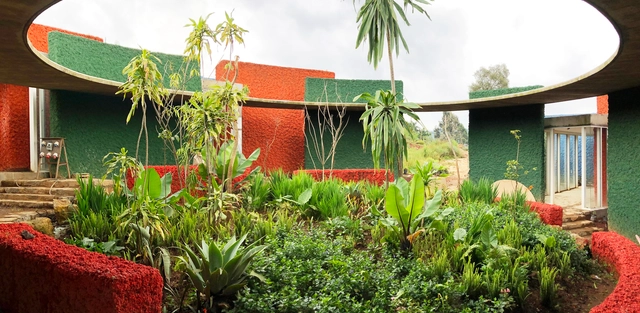
As architecture navigates a rapidly changing world shaped by ecological urgency, social transformation, and technological acceleration, the notion of intelligence is shifting. No longer confined to individual cognition or artificial computation, intelligence can emerge from cultural memory, collective practices, and adaptive systems. In this broader sense, architecture becomes a field of convergence, where natural, artificial, and social intelligences intersect to offer new ways of designing and building.

Vernacular traditions embed generations of environmental knowledge, often transmitted through materials, construction techniques, and spatial logics finely tuned to local conditions; participatory platforms expand decision-making to wider communities to take part in shaping their environments, redistributing agency in the design process; and computational processes simulate and respond to complex data in real time bringing the capacity to analyse, simulate, and respond to complex variables — whether environmental, social, or behavioural — offering new forms of adaptability.

Towards an Architecture of Many Intelligences: How Collective Knowledge Shapes the Built Environment - Image 1 of 4Towards an Architecture of Many Intelligences: How Collective Knowledge Shapes the Built Environment - Image 2 of 4Towards an Architecture of Many Intelligences: How Collective Knowledge Shapes the Built Environment - Image 3 of 4Towards an Architecture of Many Intelligences: How Collective Knowledge Shapes the Built Environment - Image 4 of 4Towards an Architecture of Many Intelligences: How Collective Knowledge Shapes the Built Environment - More Images+ 25

Designing for the Performing Arts: Architecture as a Stage for Experience

Subscriber Access | 

Theaters, concert halls, and opera houses are more than just venues — they are meticulously orchestrated environments where architecture, technology, and human emotion converge. Unlike conventional buildings, these spaces must accommodate a dynamic interplay between acoustics, sightlines, stage mechanics, and audience engagement, all while maintaining an architectural identity that resonates with performers and spectators alike. Whether it is the immersive embrace of a vineyard-style concert hall or the grandeur of a proscenium theater, every design decision shapes how performances are experienced and remembered.

The recently published SET PIECES: Architecture for the Performing Arts in Fifteen Fragments by Diamond Schmitt Architects explores these complexities through case studies and reflections. Inspired by its insights, this article examines essential design considerations for performance spaces, from acoustic engineering to the evolving role of theaters in urban life.

Designing for the Performing Arts: Architecture as a Stage for Experience - Image 1 of 4Designing for the Performing Arts: Architecture as a Stage for Experience - Image 2 of 4Designing for the Performing Arts: Architecture as a Stage for Experience - Image 3 of 4Designing for the Performing Arts: Architecture as a Stage for Experience - Image 4 of 4Designing for the Performing Arts: Architecture as a Stage for Experience - More Images+ 60

Beyond Form: How Light and Shadow Define Architectural Atmosphere

Architecture is often defined by its physical form, materials, and structural elements, but light and shadow truly shape the experience of space. These elements influence perception, guide movement, and evoke emotional responses, transforming static structures into dynamic environments. Throughout history, architects have harnessed the interplay of light and shadow, using it as a fundamental design tool to create atmosphere and meaning.

Beyond Form: How Light and Shadow Define Architectural Atmosphere - Image 1 of 4Beyond Form: How Light and Shadow Define Architectural Atmosphere - Image 2 of 4Beyond Form: How Light and Shadow Define Architectural Atmosphere - Image 3 of 4Beyond Form: How Light and Shadow Define Architectural Atmosphere - Image 4 of 4Beyond Form: How Light and Shadow Define Architectural Atmosphere - More Images+ 48

Renzo Piano's Istanbul Modern, the First Museum of Modern and Contemporary Art in Türkiye, Opens to the Public

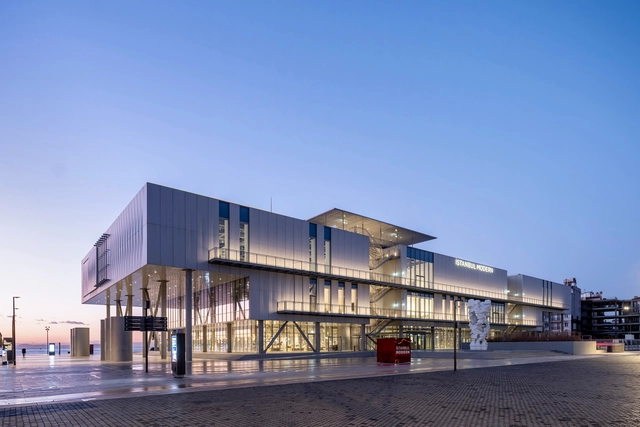
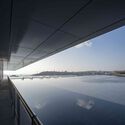
Designed by Renzo Piano Building Workshop, a new building for Istanbul Modern, Türkiye’s first museum of modern and contemporary art, will open to the public on May 4th, 2023. The official opening ceremony of the museum is set to take place at a later date. The museum, measuring over 10,500 square meters, is located on the Karaköy waterfront, a historic district at the intersection of the Bosphorus and Golden Horn. The new building offers spaces for temporary exhibitions, interdisciplinary educational programs, film screenings, and an extensive art collection.

Renzo Piano's Istanbul Modern, the First Museum of Modern and Contemporary Art in Türkiye, Opens to the Public - Image 1 of 4Renzo Piano's Istanbul Modern, the First Museum of Modern and Contemporary Art in Türkiye, Opens to the Public - Image 2 of 4Renzo Piano's Istanbul Modern, the First Museum of Modern and Contemporary Art in Türkiye, Opens to the Public - Image 3 of 4Renzo Piano's Istanbul Modern, the First Museum of Modern and Contemporary Art in Türkiye, Opens to the Public - Image 4 of 4Renzo Piano's Istanbul Modern, the First Museum of Modern and Contemporary Art in Türkiye, Opens to the Public - More Images+ 1

Light as Matter: 10 Artists Transform Space with Lighting

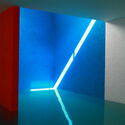
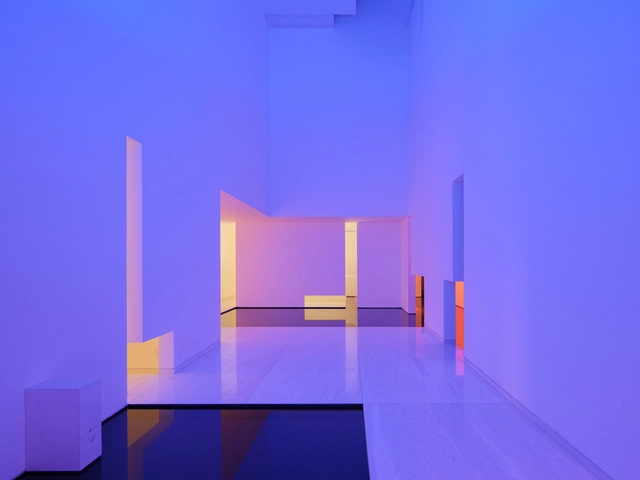
Light has been present in art for centuries. To think of the Baroque or Gothic without this element would be impossible. However, in the 20th century, artists began to explore light qualities and transformed them into a means of materializing art. Sculptures, immersive installations, and ways of shaping the environment through light, its colors and intensities brought new spatial perceptions by establishing a unique relationship with architecture.

Light as Matter: 10 Artists Transform Space with Lighting - Image 1 of 4Light as Matter: 10 Artists Transform Space with Lighting - Image 2 of 4Light as Matter: 10 Artists Transform Space with Lighting - Image 3 of 4Light as Matter: 10 Artists Transform Space with Lighting - Image 4 of 4Light as Matter: 10 Artists Transform Space with Lighting - More Images+ 4

7 Lighting Trends and How They Are Illuminating Today’s Interior Spaces

Luis Barragán’s legacy lies in the way he uses light and color. Tadao Ando's sensitive approach to natural light established his own architectural language. James Turrell's dramatic interior transformations explore a unique perception of visual experiences where "light is not a tool to enable vision but rather something to look at itself". Olafur Eliasson's immersive installations play with the psychology of viewers using just light, water, and air. These architects and designers, among others, have reimagined how light is perceived, inspiring generations of architects to follow suit with the way they understand and employ light.

7 Lighting Trends and How They Are Illuminating Today’s Interior Spaces - Image 3 of 47 Lighting Trends and How They Are Illuminating Today’s Interior Spaces - Image 1 of 47 Lighting Trends and How They Are Illuminating Today’s Interior Spaces - Image 2 of 47 Lighting Trends and How They Are Illuminating Today’s Interior Spaces - Image 17 of 47 Lighting Trends and How They Are Illuminating Today’s Interior Spaces - More Images+ 16

Munich Architecture City Guide: From Skyscrapers to Small Pavilions, Brutalism to Art Nouveau

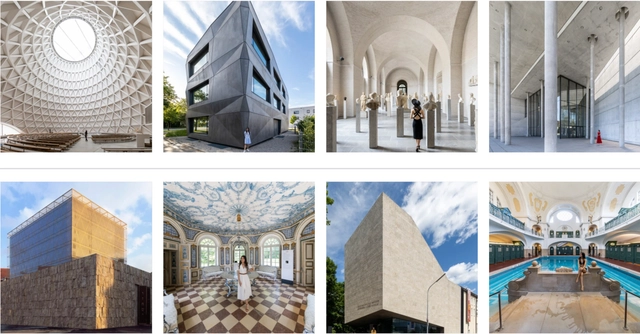
Munich – Bavaria’s capital since 1506 – is a city with layers and layers of history. Its many years as a rising architectural epicenter have left an interesting and unique mix of buildings. From Middle Age churches and cathedrals to contemporary synagogues. From skyscrapers to small pavilions. Brutalism to Art Nouveau. Munich’s architecture is truly extensive and marvelous.

Though not acknowledging Munich’s beer wonders would be wrong, the only mention of this substance would be in the stunning buildings (like the new Paulaner HQ by Hierl Architekten) that contain them. Yes, other aspects of the city are grandiose, but let’s focus on Munich’s top attraction: its architecture.

Munich Architecture City Guide:  From Skyscrapers to Small Pavilions, Brutalism to Art Nouveau - Image 1 of 4Munich Architecture City Guide:  From Skyscrapers to Small Pavilions, Brutalism to Art Nouveau - Image 2 of 4Munich Architecture City Guide:  From Skyscrapers to Small Pavilions, Brutalism to Art Nouveau - Image 3 of 4Munich Architecture City Guide:  From Skyscrapers to Small Pavilions, Brutalism to Art Nouveau - Image 4 of 4Munich Architecture City Guide:  From Skyscrapers to Small Pavilions, Brutalism to Art Nouveau - More Images+ 20

Olafur Eliasson’s Site-Specific Installation “Shadows Travelling on the Sea of the Day” Opens in Doha, Qatar

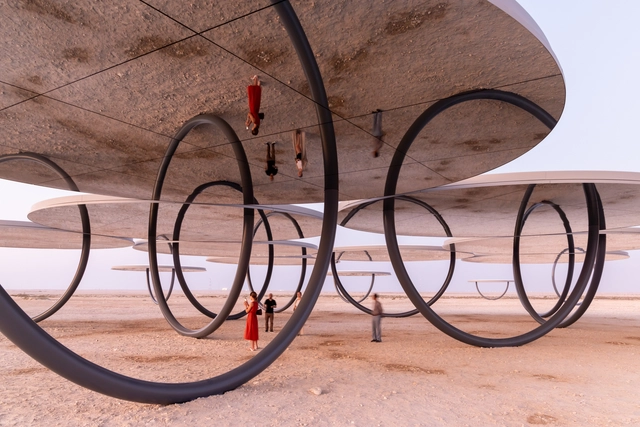
The internationally recognized artist Olafur Eliasson has inaugurated his most recent public art installation in Doha, Qatar. The installation, titled “Shadows Travelling on the Sea of the Day”, can be reached by diving through the rugged desert landscape northwards from Doha, past Fort Zubarah, and the village of Ain Mohammed. The artwork is visible from afar, but it is best experienced when approached on foot. Its hospitable shadows reward the journey.

Olafur Eliasson’s Site-Specific Installation “Shadows Travelling on the Sea of the Day” Opens in Doha, Qatar - Image 1 of 4Olafur Eliasson’s Site-Specific Installation “Shadows Travelling on the Sea of the Day” Opens in Doha, Qatar - Image 2 of 4Olafur Eliasson’s Site-Specific Installation “Shadows Travelling on the Sea of the Day” Opens in Doha, Qatar - Image 3 of 4Olafur Eliasson’s Site-Specific Installation “Shadows Travelling on the Sea of the Day” Opens in Doha, Qatar - Image 4 of 4Olafur Eliasson’s Site-Specific Installation “Shadows Travelling on the Sea of the Day” Opens in Doha, Qatar - More Images

Olafur Eliasson's Studio Other Spaces Designs Wine Tasting Pavilion in California

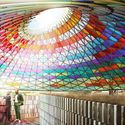
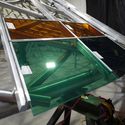
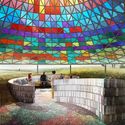
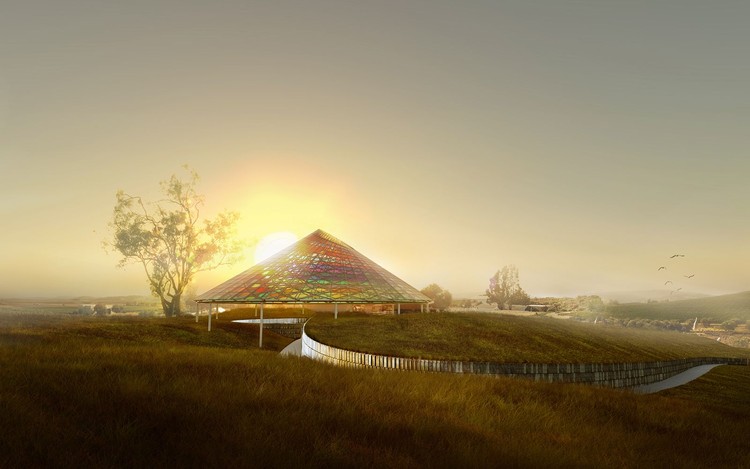
Studio Other Spaces, founded by artist Olafur Eliasson and architect Sebastian Behmann, has unveiled its wine tasting pavilion for California wine producer The Donum Estate. The design weaves together various elements of the site in what the designers describe as a vertical panorama, and essentializes a vertical cut through the landscape and the conditions that make for a thriving vineyard, proposing a holistic experience addressing all senses. The roof’s colored glass tiles represent an abstract calendar depicting the yearly averages of parameters such as wind intensity, temperature and humidity.

Olafur Eliasson's Studio Other Spaces Designs Wine Tasting Pavilion in California - Image 1 of 4Olafur Eliasson's Studio Other Spaces Designs Wine Tasting Pavilion in California - Image 2 of 4Olafur Eliasson's Studio Other Spaces Designs Wine Tasting Pavilion in California - Image 3 of 4Olafur Eliasson's Studio Other Spaces Designs Wine Tasting Pavilion in California - Image 4 of 4Olafur Eliasson's Studio Other Spaces Designs Wine Tasting Pavilion in California - More Images+ 19

New Exhibition Co-Curated by Kazuyo Sejima Explores the Art and Architecture Programme Reviving the Island of Inujima

A new exhibition at the Japan House in London explores the large-scale art and architecture project driving the transformation of the Japanese island of Inujima for the past 13 years. Titled Symbiosis: Living Island, the show co-curated by the project's artistic director Yūko Hasegawa and architect Kazuyo Sejima showcases how the innovative scheme of accessible art, pavilions and creative projects brought together artists and locals in the effort to revitalize and secure a future for this island in the Seto Inland Sea confronted with diminishing population. Running from 21 May to 4 September 2022, the exhibition takes visitors on a journey around the island that illustrates the transformative impact of the Inujima' Art House Project' through architectural models, photography, videos and testimonies of the residents.

New Exhibition Co-Curated by Kazuyo Sejima Explores the Art and Architecture Programme Reviving the Island of Inujima - Image 1 of 4New Exhibition Co-Curated by Kazuyo Sejima Explores the Art and Architecture Programme Reviving the Island of Inujima - Image 2 of 4New Exhibition Co-Curated by Kazuyo Sejima Explores the Art and Architecture Programme Reviving the Island of Inujima - Image 3 of 4New Exhibition Co-Curated by Kazuyo Sejima Explores the Art and Architecture Programme Reviving the Island of Inujima - Image 4 of 4New Exhibition Co-Curated by Kazuyo Sejima Explores the Art and Architecture Programme Reviving the Island of Inujima - More Images+ 3

New European Bauhaus Calls for Examples and Ideas to Help Shape the Initiative

Last September, the EU launched the New European Bauhaus, an initiative designed to transform the built environment into a more sustainable one with higher social value. The project, shaped through an unprecedented co-design process, is now calling for architects, students, specialists, and citizens to share ideas, examples and challenges to help define the movement's concrete steps.

New European Bauhaus Calls for Examples and Ideas to Help Shape the Initiative - Image 1 of 4New European Bauhaus Calls for Examples and Ideas to Help Shape the Initiative - Image 2 of 4New European Bauhaus Calls for Examples and Ideas to Help Shape the Initiative - Image 3 of 4New European Bauhaus Calls for Examples and Ideas to Help Shape the Initiative - Image 4 of 4New European Bauhaus Calls for Examples and Ideas to Help Shape the Initiative - More Images+ 2

Carlo Ratti Associati and Olafur Eliasson Design World's Largest Crowdsourced Mosaic

Carlo Ratti Associati and Olafur Eliasson Design World's Largest Crowdsourced Mosaic - Image 1 of 4Carlo Ratti Associati and Olafur Eliasson Design World's Largest Crowdsourced Mosaic - Image 2 of 4Carlo Ratti Associati and Olafur Eliasson Design World's Largest Crowdsourced Mosaic - Image 3 of 4Carlo Ratti Associati and Olafur Eliasson Design World's Largest Crowdsourced Mosaic - Image 4 of 4Carlo Ratti Associati and Olafur Eliasson Design World's Largest Crowdsourced Mosaic - More Images+ 4

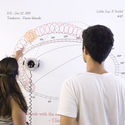
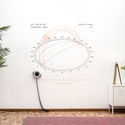
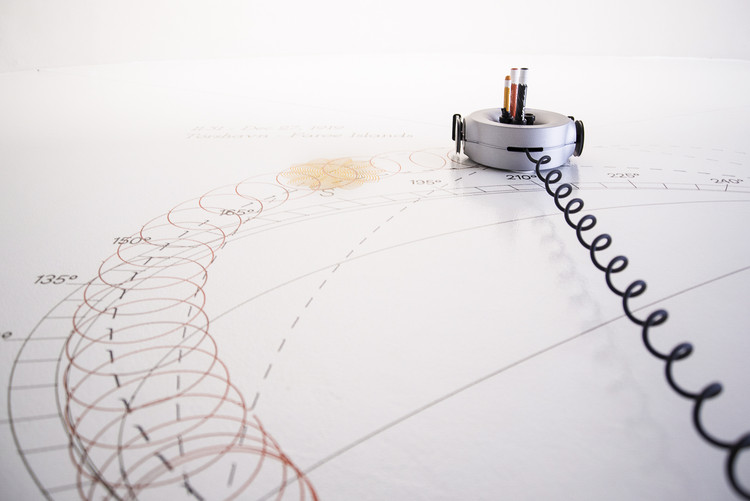
Carlo Ratti Associati's spin-off company Scribit has partnered with leading artist Olafur Eliasson's Little Sun non-profit to draw a crowdsourced illustration of the sun's path in thousands of people's homes. Write&erase robot Scribit works as a smart vertical plotter to create illustrations inspired by sun path charts. The two teams hope to bring the climate crisis center stage and instigate change for the future of the planet.

LEGO vs Architecture: BBC Film Explains How It's All Connected

Can you even call yourself an architect if you don’t have an old box of LEGO that you can’t bare to throw out stored away in an attic somewhere?

LEGO has become a part of architecture’s collective conscience – an inspiration, a modeling tool, a nostalgic driver, a raison d'être for architects who grew up piecing worlds together and imagining alternative realities. With the completion of BIG’s LEGO House in Billund, LEGO is once again in the spotlight. But, as this short documentary explains, it never really left.

Norman Foster Foundation Includes Aravena, Ive and Other Leading Names in Their 2017 "Future is Now" Conference

Subscriber Access | 
Norman Foster Foundation Includes Aravena, Ive and Other Leading Names in Their 2017 "Future is Now" Conference - Image 4 of 4
© Norman Foster Foundation

Last month the Norman Foster Foundation, created to promote "interdisciplinary thinking and research to help up-and-coming architects, designers and urbanists to anticipate the future," coincided the opening of its new Madrid-based headquarters with an international conference. Future is Now pulled together a broad collection of professionals—including Sir Jonathan Ive, Marc Newson, Olafur Eliasson, Maya Lin, Alejandro Aravena, and Luis Fernández-Galian—who addressed an audience of 1,800 (including 1,100 students) in the Spanish capital's Royal Theater.

Watch the conference in its entirety, or read a summary, after the break.

Video: Olafur Eliasson Gives Advice to Young Creatives

"Be very sensitive to where you are, in what times and in what parts of the world, and how that constitutes the artistic practice," says Danish-Icelandic artist Olafur Eliasson in this recent video from Louisiana Channel. In Advice to the Young, Eliasson deliberates on creative practice, urging young artists to take risks and produce meaningful work. "Just because you think about a work of art," says Eliasson, "it is not necessarily a work of art." Most recently, Eliasson has made headlines for his immersive exhibition Riverbed at the Louisiana Museum of Modern Art which explores the intersection between nature and the built environment. Revered as one of the world's leading sculptural and installation artists, Eliasson is adamant that the practice of working with art remains to be "very fierce, very strong and very robust."

Video: Olafur Eliasson Discusses the Authorship of Reality in "Riverbed" Exhibition

Subscriber Access | 

"There are no real things. This is it. We are living in models and that's how it will always be and has always been... Who has authorship of reality? Who is then real?"

In this new video from Louisiana Channel, Olafur Eliasson meditates on the deeply philosophical questions posed by his provocative exhibition, Riverbed. Discussing themes such as the currency of trust, the authorship of reality through choice of perception, and the intricate relationships between museum, art, artist, and viewer, Eliasson sits within his own artificial landscape and recounts the deep inquiries that drive his work. Describing his views on the complexity of trust in the foundational value of the museum as an institution, Eliasson argues for the empowerment of the public. "If an audience feels trusted," he states, "then they dare to get involved."