1. ArchDaily
  2. Rural Living

Rural Living: The Latest Architecture and News

Inhabited Landscapes: 22 Cultural and Community Centers in Rural Areas

Subscriber Access | 

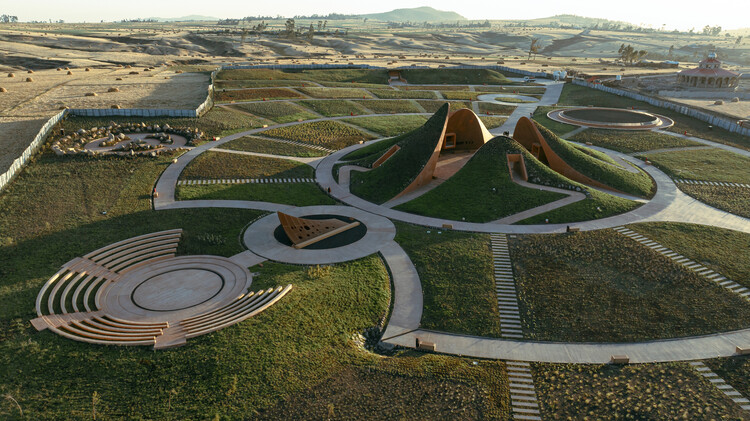
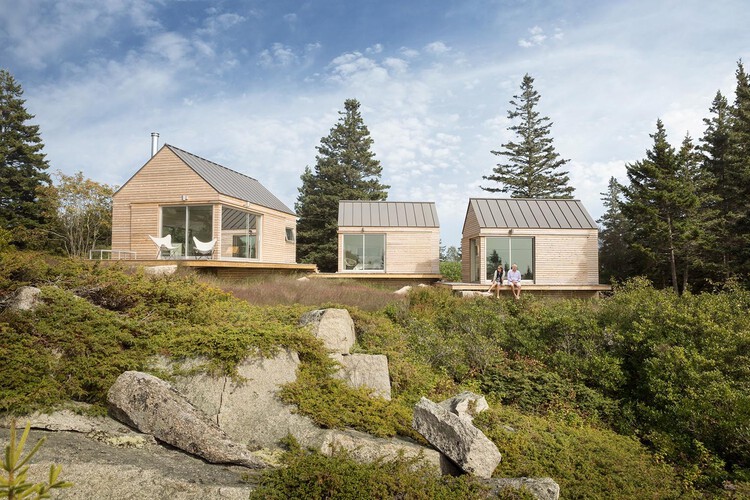
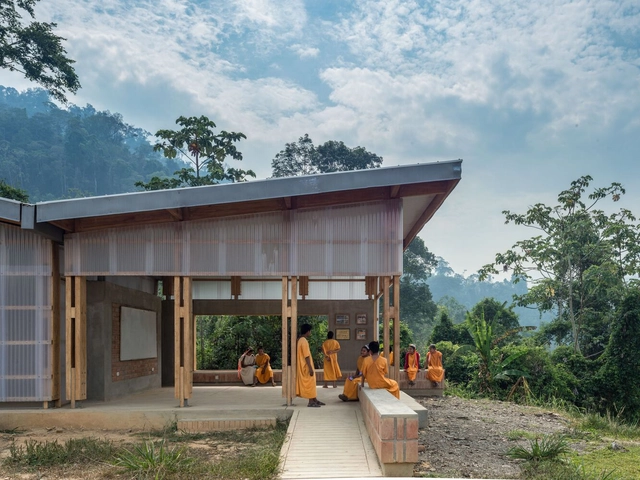
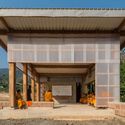
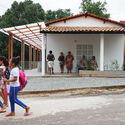
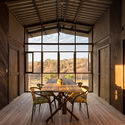
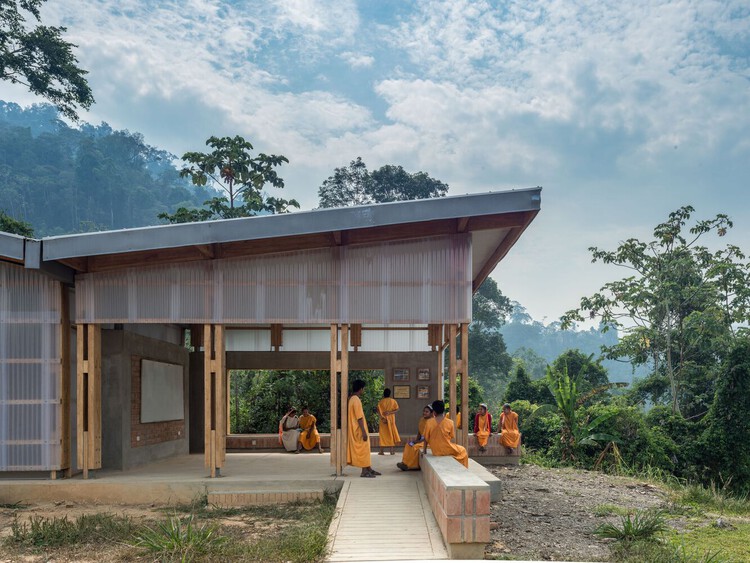
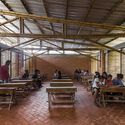
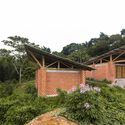
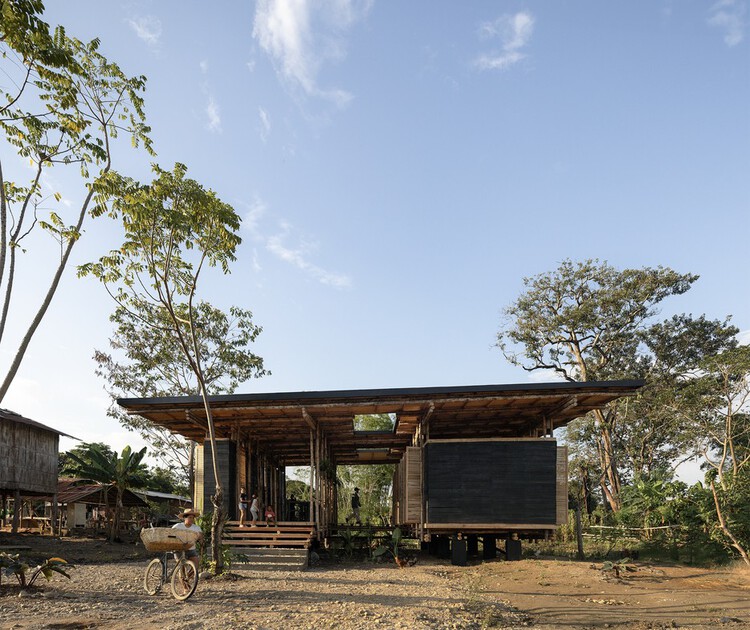
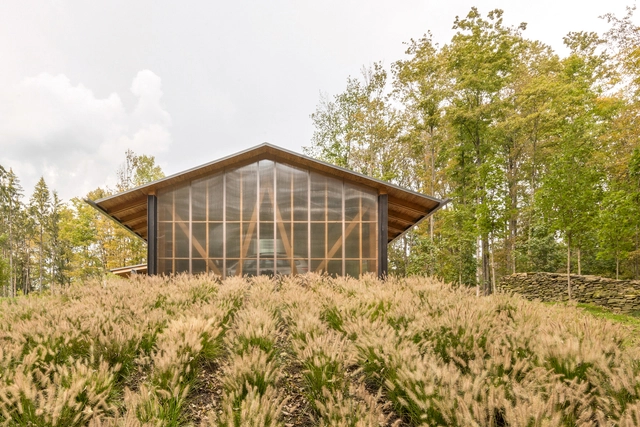
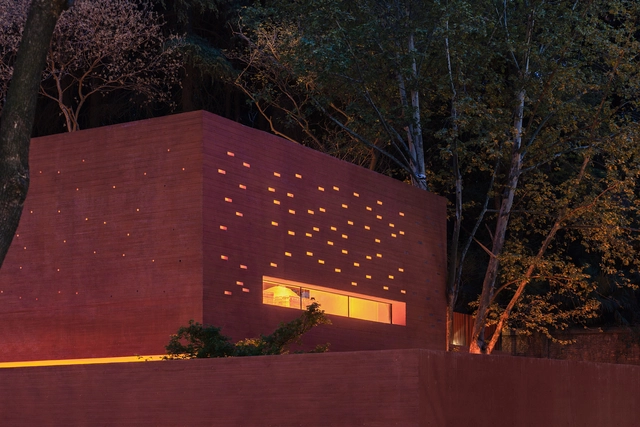
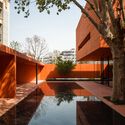
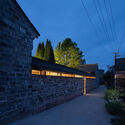
The architecture of cultural and community centers in rural areas around the world has become a rich field for experimentation, where tradition and innovation intersect. Rather than replicating standardized urban models, these projects embrace contemporary approaches tailored to local realities, blending bold design, sustainable technologies, and collaborative processes. Often developed in close partnership with local communities, they draw on regional materials and cultural symbols to create spaces that do more than host activities: they express a collective identity and a profound sense of belonging. By reimagining vernacular knowledge through a modern lens, these buildings support and inspire new ways of living in the countryside.

Inhabited Landscapes: 22 Cultural and Community Centers in Rural Areas - Image 1 of 4Inhabited Landscapes: 22 Cultural and Community Centers in Rural Areas - Image 2 of 4Inhabited Landscapes: 22 Cultural and Community Centers in Rural Areas - Image 3 of 4Inhabited Landscapes: 22 Cultural and Community Centers in Rural Areas - Image 4 of 4Inhabited Landscapes: 22 Cultural and Community Centers in Rural Areas - More Images+ 26

Rural Transportation Hubs: Infrastructure Design, Access, and Regional Mobility

Subscriber Access | 

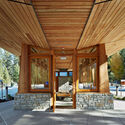
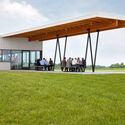
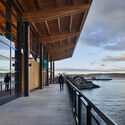
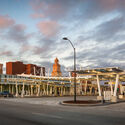
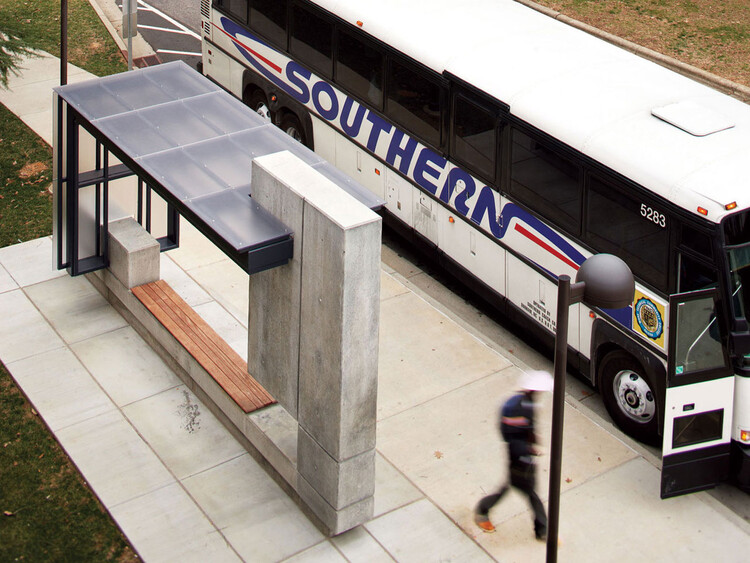
The future of transportation hubs in the United States will not be defined by iconic metropolitan airport terminals and expansive central train stations. Rural communities contain the majority of the nation's road miles, carry nearly half of all truck vehicle miles traveled, and originate two-thirds of rail freight. These realities position rural transportation hubs as vital regional access points and distribution centers that shape national mobility outside models of urban extensions.

Rural transportation hubs in the United States are essential civic and logistical anchors whose success cannot be measured against urban metrics. Instead of replicating transport hubs of dense urban typologies, designers are developing architectural models that reflect rural realities: dispersed populations, freight-dominant infrastructure, modest multimodality, safety challenges, and social access needs. In many rural regions, a modest airport terminal sustains economic viability, a rail transfer facility connects resource-based industries to national markets, and a regional bus depot provides access to employment, education, and essential services.

Rural Transportation Hubs: Infrastructure Design, Access, and Regional Mobility - Image 1 of 4Rural Transportation Hubs: Infrastructure Design, Access, and Regional Mobility - Image 2 of 4Rural Transportation Hubs: Infrastructure Design, Access, and Regional Mobility - Image 3 of 4Rural Transportation Hubs: Infrastructure Design, Access, and Regional Mobility - Image 4 of 4Rural Transportation Hubs: Infrastructure Design, Access, and Regional Mobility - More Images+ 44

Rural Futures: The Projects and Installations That Reimagined the Countryside in 2025

For several years now, the countryside has ceased to function merely as a picturesque counterpoint to the city and has instead become an active laboratory for new relationships between territory, landscape, and people. Here, environmental urgency meets collective memory; ancestral techniques converse with architectural experimentation; and local communities act as curators of their own territory. Contemporary rurality emerges less as a geography and more as a culture—inscribed in ways of life that care for the environment.

It is a vast rural expanse spread across the planet, assuming different expressions depending on context—from Asian rice fields to African agricultural settlements, from small European farms to the large estates and agro-extractive communities of the Americas. Yet, beneath this plurality, is there something that unites them? And, more importantly, how might architecture illuminate this quiet thread?

Rural Futures: The Projects and Installations That Reimagined the Countryside in 2025 - Image 1 of 4Rural Futures: The Projects and Installations That Reimagined the Countryside in 2025 - Image 2 of 4Rural Futures: The Projects and Installations That Reimagined the Countryside in 2025 - Image 3 of 4Rural Futures: The Projects and Installations That Reimagined the Countryside in 2025 - Image 4 of 4Rural Futures: The Projects and Installations That Reimagined the Countryside in 2025 - More Images+ 13

Guesthouses and Lessons in Generosity: Spaces of Hospitality in Rural America

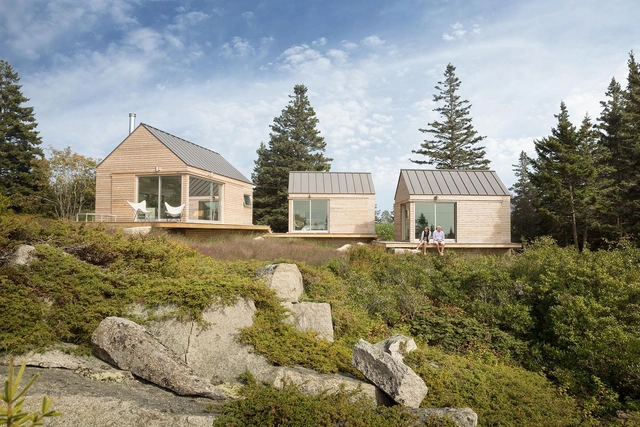
Spaces of hospitality are a mirror to how different cultures articulate generosity, care, belonging, and identity. In busy city settings, this is reflected in hotels, service systems, and curated amenities that directly shape the visitor experience. These spaces translate care into measurable forms, where success is correlated with efficiency, luxury, and brand identity.

In rural America, hospitality operates with a different logic. In these environments, care is grounded in labor and community, while directly responding to the specific ecological and cultural geographies. Distance, limited infrastructure, and close social networks demand forms of architecture that are flexible and self-sufficient. Designs respond to shifting weather, local materials, and a culture where support often begins with neighbors. In this landscape, architectural thresholds of hospitality emerge in responsive, yet unexpected, ways.

Guesthouses and Lessons in Generosity: Spaces of Hospitality in Rural America - Image 1 of 4Guesthouses and Lessons in Generosity: Spaces of Hospitality in Rural America - Image 3 of 4Guesthouses and Lessons in Generosity: Spaces of Hospitality in Rural America - Image 2 of 4Guesthouses and Lessons in Generosity: Spaces of Hospitality in Rural America - Image 4 of 4Guesthouses and Lessons in Generosity: Spaces of Hospitality in Rural America - More Images+ 39

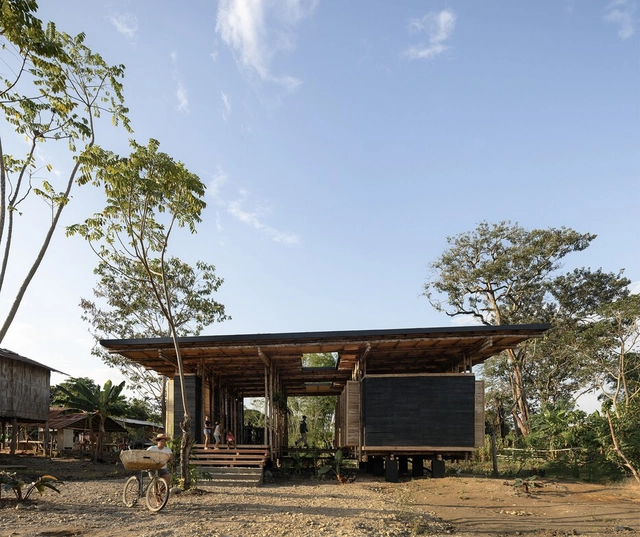
Rural Lab: Latin America's Countryside as a Space for Experimentation

What if the future of architecture lies not in the cities, but beyond them? For decades, urbanization has dominated both discourse and statistics. We are constantly bombarded with data confirming the prevalence of urban life, but we rarely ask the opposite question: what did those who moved to the cities leave behind? What remains alive and evolving far from urban centers?

The countryside—long underestimated—is now emerging as fertile ground for possibility. More than a “marginalized space,” rural Latin America today asserts itself as a true laboratory for architectural, social, and ecological experimentation. From agroecological communities to low-impact technologies, from relationships between humans, machines, and other living beings to locally grounded solutions for global challenges—such as the climate crisis, food security, and migration—the rural world is actively and inventively reshaping its own future.

Rural Lab: Latin America's Countryside as a Space for Experimentation - Image 7 of 4Rural Lab: Latin America's Countryside as a Space for Experimentation - Image 1 of 4Rural Lab: Latin America's Countryside as a Space for Experimentation - Image 8 of 4Rural Lab: Latin America's Countryside as a Space for Experimentation - Image 10 of 4Rural Lab: Latin America's Countryside as a Space for Experimentation - More Images+ 9

Longevity Through Renewal: The Enduring Wisdom of Hong Kong's Water Villages

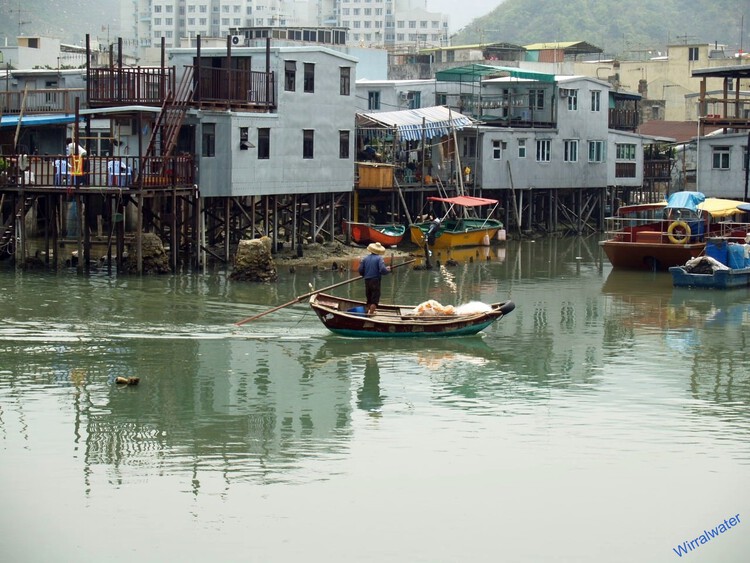
While Hong Kong is widely celebrated for its iconic harbor view, glittering skyline, and fast-paced urban lifestyle, its origins tell a different story—one deeply rooted in its relationship with water. Before transforming into a dense, vertical metropolis, Hong Kong's architectural identity was closely tied to its maritime context. Today, the city is often associated with slender, glass-clad towers that symbolize modernity. While visually striking in their pursuit of height and form, many of these buildings appear disconnected from their immediate environment, often overlooking natural site conditions, ecological responsiveness, and contextual sensitivity.

Historically, however, this was not the case. Hong Kong's earliest built environments—rural fishing villages in areas like Tai O, Aberdeen, and Shau Kei Wan—emerged through organic, community-driven spatial practices that engaged closely with their surroundings. These coastal and riverside settlements developed architectural systems tailored to the marine environment and to the rhythms of fishing life. Villages were sited around water, and construction strategies were adapted to fluctuating tides, terrain, and social use.

Longevity Through Renewal: The Enduring Wisdom of Hong Kong's Water Villages - Image 1 of 4Longevity Through Renewal: The Enduring Wisdom of Hong Kong's Water Villages - Image 2 of 4Longevity Through Renewal: The Enduring Wisdom of Hong Kong's Water Villages - Image 3 of 4Longevity Through Renewal: The Enduring Wisdom of Hong Kong's Water Villages - Image 4 of 4Longevity Through Renewal: The Enduring Wisdom of Hong Kong's Water Villages - More Images+ 13

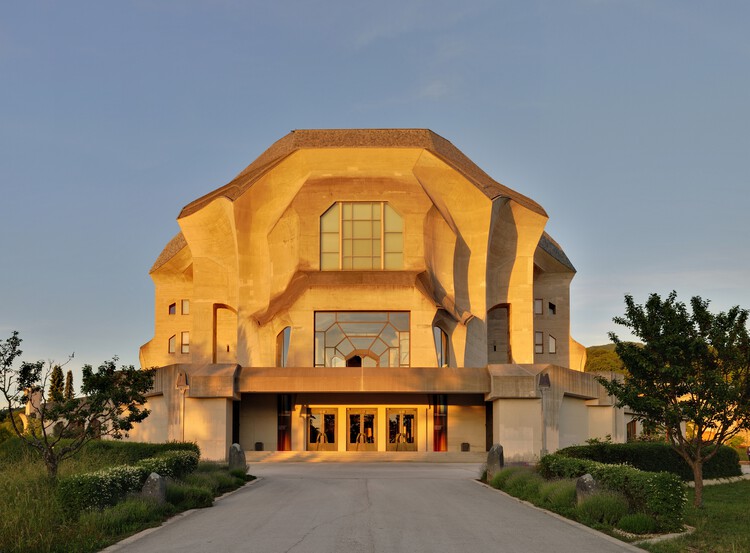
Living Cycles in Regenerative Architecture: Lessons from the Goetheanum

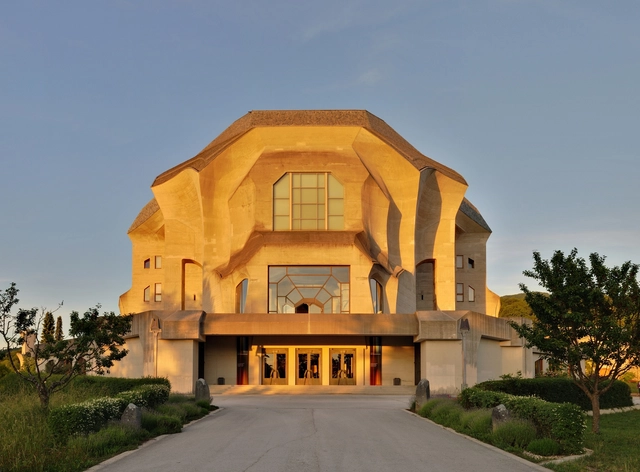
As climate uncertainty and ecosystem changes reshape design priorities, architecture plays an increasingly active role in these discussions, rather than merely observing. Within this perspective, the idea of making a "re" encourages a conscious step back to rethink, reconnect, and realign the relationship between buildings and their environments. This approach, central to regenerative architecture, extends beyond specific technologies or scales, encompassing everything from master plans that aim to re-naturalize cities to national pavilions that combine art and science.

What is the way forward? On the one hand, many current discussions emphasize technology; on the other, there are approaches that, rather than being in opposition, complement one another and broaden the range of possibilities, drawing on tradition, ancestral knowledge, and a profound understanding of the environment. Among these perspectives, the work of Rudolf Steiner and the anthroposophical movement, developed in the early 20th century, offers a vision and insights that connect architecture with ecological rhythms, materials, and community life.

Living Cycles in Regenerative Architecture: Lessons from the Goetheanum - Image 1 of 4Living Cycles in Regenerative Architecture: Lessons from the Goetheanum - Image 2 of 4Living Cycles in Regenerative Architecture: Lessons from the Goetheanum - Image 3 of 4Living Cycles in Regenerative Architecture: Lessons from the Goetheanum - Image 4 of 4Living Cycles in Regenerative Architecture: Lessons from the Goetheanum - More Images+ 9

From Extraction to Regeneration: Architecture's Role in Rural Developments in Latin America

Rural areas have long played a foundational role in the social and economic development of nations. Until the 18th century, they were the primary sites of production and social organization. However, the Industrial Revolution brought profound structural shifts that reshaped this landscape. Industry took center stage, anchoring itself in urban environments and establishing a hierarchical, binary view of rural versus urban, agriculture versus industry. Within this new paradigm, two opposing narratives gained prominence: one predicted the decline of rural life in the face of urbanization and economic progress; the other envisioned its persistence and eventual renewal. Today, it is clear which of these predictions has come to pass.

From Extraction to Regeneration: Architecture's Role in Rural Developments in Latin America - Image 1 of 4From Extraction to Regeneration: Architecture's Role in Rural Developments in Latin America - Image 2 of 4From Extraction to Regeneration: Architecture's Role in Rural Developments in Latin America - Image 3 of 4From Extraction to Regeneration: Architecture's Role in Rural Developments in Latin America - Image 4 of 4From Extraction to Regeneration: Architecture's Role in Rural Developments in Latin America - More Images+ 9

Mid-Century Modernism and East Coast Ruralism: A Study of Adaptive Design

Mid-century modernism, celebrated for its simplicity, functionality, and direct connection with nature, is often associated with urban and suburban environments. However, its principles found fertile ground in the rural landscapes of the United States East Coast. The post-war architectural movement, characterized by innovative materials, clean lines, and harmony with natural surroundings, reveals its adaptability in the hands of architects and craftsmen working in rural regions of the East Coast. Although associated with metropolitan areas, its adoption in rural settings reveals a compelling story of cultural and environmental adaptation.

Mid-Century Modernism and East Coast Ruralism: A Study of Adaptive Design - Image 1 of 4Mid-Century Modernism and East Coast Ruralism: A Study of Adaptive Design - Image 2 of 4Mid-Century Modernism and East Coast Ruralism: A Study of Adaptive Design - Image 3 of 4Mid-Century Modernism and East Coast Ruralism: A Study of Adaptive Design - Image 4 of 4Mid-Century Modernism and East Coast Ruralism: A Study of Adaptive Design - More Images+ 11

The Evolution of Scenery: How MIX Architecture Redefines Contemporary Spaces in China

Selected as one of ArchDaily's Best New Practices for 2024, Mix Architecture bases in Nanjing, China, took their approaches honed from rural China to the city, dealing with projects across different scales that stay true to the identity of the communities they work in, but with a contemporary character that is dealing with projects across different scales that stay true to the identity of the communities they work in, but with a contemporary character that is setting the bar for Chinese architecture. They responded sincerely to the site, to the construction, to the functional needs, and to the expression of sociality. From the name of their studio, one can observe that they are an inclusive design studio.

In an interview with ArchDaily, they summarise their design practice as 'the evolution of scenery', each time drawing design information from the site, not just responding to nature or culture, but becoming part of the landscape. This allows even the casual viewer without a professional background in architecture to perceive the atmosphere created by the design. Treating architecture as a social event, each design maximizes the use of local resources under limited conditions to bring about a relatively good result, responding to the environment, the cultural heritage, the materials, the craftsmanship of the workers, the type of function of the space and the real needs of the owner.

The Evolution of Scenery: How MIX Architecture Redefines Contemporary Spaces in China - Arch Daily InterviewsThe Evolution of Scenery: How MIX Architecture Redefines Contemporary Spaces in China - Arch Daily InterviewsThe Evolution of Scenery: How MIX Architecture Redefines Contemporary Spaces in China - Arch Daily InterviewsThe Evolution of Scenery: How MIX Architecture Redefines Contemporary Spaces in China - Arch Daily InterviewsThe Evolution of Scenery: How MIX Architecture Redefines Contemporary Spaces in China - More Images+ 25

Restoring a Symbol of Collective Memory: Holcim Award Winner Xu Tiantian Discusses the Impact of Adaptive Reuse

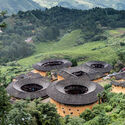
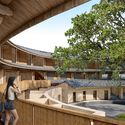
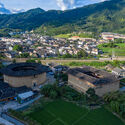
In the mountain valleys of China’s Fujian Province, thousands of large, rammed earth fortresses lay abandoned. Once used for both defense and collective housing, the tulou typology is an integral part of the region’s cultural heritage, with 46 of them being recognized by UNESCO as World Heritage Sites. Despite this, the rural communities surrounding them have struggled to find new roles and purposes for these buildings. Going beyond the need for conservation, architect Xu Tiantian of DnA_Design and Architecture set out to develop and adapt this heritage to reintroduce it into community life. The Fujian Tulou | Adaptive Reuse project recently won the Gold Prize of Holcim Awards 2023 for Asia-Pacific, recognized for creating “an exemplary model for building conservation initiatives.” In a video interview for ArchDaily, Xu Tiantian discusses the principles that underpin this initiative and the potential outcomes of adaptive reuse in rural communities.

Restoring a Symbol of Collective Memory: Holcim Award Winner Xu Tiantian Discusses the Impact of Adaptive Reuse - Image 1 of 4Restoring a Symbol of Collective Memory: Holcim Award Winner Xu Tiantian Discusses the Impact of Adaptive Reuse - Image 2 of 4Restoring a Symbol of Collective Memory: Holcim Award Winner Xu Tiantian Discusses the Impact of Adaptive Reuse - Image 3 of 4Restoring a Symbol of Collective Memory: Holcim Award Winner Xu Tiantian Discusses the Impact of Adaptive Reuse - Image 4 of 4Restoring a Symbol of Collective Memory: Holcim Award Winner Xu Tiantian Discusses the Impact of Adaptive Reuse - More Images+ 4

World Habitat Awards 2024 Recognize Housing Initiatives that Empower Communities

International non-profit organization World Habitat, in partnership with UN-Habitat, has announced the World Habitat Awards 2024. The prizes strive to highlight projects that demonstrate novel and transformative approaches to housing that incorporate principles of climate change adaptation and community-driven solutions. This year, 8 projects have been selected, out of which 2 projects were recognized with the Gold World Habitat Award.

World Habitat Awards 2024 Recognize Housing Initiatives that Empower Communities - Image 1 of 4World Habitat Awards 2024 Recognize Housing Initiatives that Empower Communities - Image 2 of 4World Habitat Awards 2024 Recognize Housing Initiatives that Empower Communities - Image 3 of 4World Habitat Awards 2024 Recognize Housing Initiatives that Empower Communities - Image 4 of 4World Habitat Awards 2024 Recognize Housing Initiatives that Empower Communities - More Images+ 10

Indoor-Outdoor Homes in Lithuania: 20 Projects with Oversized Windows that Invite Nature

Subscriber Access | 
Indoor-Outdoor Homes in Lithuania: 20 Projects with Oversized Windows that Invite Nature - Image 23 of 4
Cedar House / arches. Image © Norbert Tukaj

Lithuania's architectural narrative is a mosaic of diverse influences and styles, representing its historical evolution, cultural heritage, and resilience through changing times. Despite a focus on traditional craftsmanship, functional minimalism, and sustainable materials, the country's design language has been profoundly influenced by its geopolitical position and historical events, resulting in a blend of styles from different periods. A key factor that cuts across all expressions, however, is Lithuanian architecture's seamless connection with its natural surroundings.

Indoor-Outdoor Homes in Lithuania: 20 Projects with Oversized Windows that Invite Nature - Image 1 of 4Indoor-Outdoor Homes in Lithuania: 20 Projects with Oversized Windows that Invite Nature - Image 2 of 4Indoor-Outdoor Homes in Lithuania: 20 Projects with Oversized Windows that Invite Nature - Image 3 of 4Indoor-Outdoor Homes in Lithuania: 20 Projects with Oversized Windows that Invite Nature - Image 4 of 4Indoor-Outdoor Homes in Lithuania: 20 Projects with Oversized Windows that Invite Nature - More Images+ 19

Building for a Growing Population: Shifting the Focus to Rural India

Subscriber Access | 

India recently overtook its sub-continental neighbor, China, to become the most populous country in the world with a demography of over 1.4286 billion people. As data from the United Nations also estimates an annual population growth rate of 0.7%, the country’s built environment is set to interact with a new discourse of demography and present its own perspective on how to build for billions. It is set to engage with new challenges of infrastructure, transportation, and adequate housing, which on the surface will force cities to constantly expand as a response to these dynamic needs. However, a critical look at the population distribution within the country reveals that the majority of Indians still live in rural areas as it caters to 65% of the population despite increasing rural-urban migration. This suggests a nudge in a different direction. One where the design and development of the rural areas take precedence over the cities. One that explores architecture in rural areas, its relationship with the cities, and its future as a primary framework to house the exploding population.

Building for a Growing Population: Shifting the Focus to Rural India - Image 1 of 4Building for a Growing Population: Shifting the Focus to Rural India - Image 2 of 4Building for a Growing Population: Shifting the Focus to Rural India - Image 4 of 4Building for a Growing Population: Shifting the Focus to Rural India - Image 5 of 4Building for a Growing Population: Shifting the Focus to Rural India - More Images+ 6

Escaping the Urban Jungle: 10 Exemplary Design of Guesthouses in China

A border city can be classified as an urban agglomeration close to the boundary of two countries, states, or regions. Nowadays, as our cities are rapidly expanding and our transportation modes continually upgrading, the boundary between cities and rural areas has been constantly pushed and redefined.

Valentino Gareri Atelier Proposes a New Model of 3D Printed Residential Village

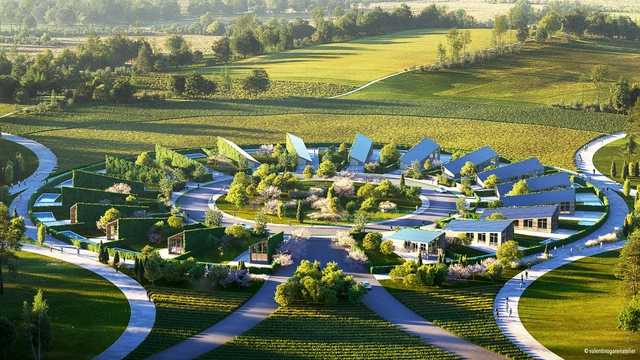
Valentino Gareri Atelier have joined forces with technology and wellness consultant Steve Lastro of 6Sides and global wellness real estate innovators Delos to create Sunflower Village, a humanistic and sociological approach to residential technology & community living. The proposed residential village includes 19 homes arranged in a sunflower composition that 'follows the sun'.

Valentino Gareri Atelier Proposes a New Model of 3D Printed Residential Village - Image 1 of 4Valentino Gareri Atelier Proposes a New Model of 3D Printed Residential Village - Image 2 of 4Valentino Gareri Atelier Proposes a New Model of 3D Printed Residential Village - Image 3 of 4Valentino Gareri Atelier Proposes a New Model of 3D Printed Residential Village - Image 4 of 4Valentino Gareri Atelier Proposes a New Model of 3D Printed Residential Village - More Images+ 4

Ksaraah Residence / Taliesyn Design & Architecture

Ksaraah Residence / Taliesyn Design & Architecture - Exterior Photography, HousesKsaraah Residence / Taliesyn Design & Architecture - Interior Photography, Houses, FacadeKsaraah Residence / Taliesyn Design & Architecture - Interior Photography, Houses, Bedroom, TableKsaraah Residence / Taliesyn Design & Architecture - Exterior Photography, Houses, FacadeKsaraah Residence / Taliesyn Design & Architecture - More Images+ 42

The Polish Pavilion at the 2021 Venice Biennale, Curated by PROLOG +1, Explores the Future of the Countryside

Titled "Trouble in Paradise", the Polish pavilion at the 17th International Architecture Exhibition – La Biennale di Venezia, will explore the countryside and observe how rural areas are an important element of building sustainable human environments, given the crises the world is surrounded with today. Curated by PROLOG +1 along with an international group of architects and artists, the national pavilion will be on physical display at the Giardini di Venezia, and online from May 22nd to November 21st, 2021.

The Polish Pavilion at the 2021 Venice Biennale, Curated by PROLOG +1, Explores the Future of the Countryside - Image 1 of 4The Polish Pavilion at the 2021 Venice Biennale, Curated by PROLOG +1, Explores the Future of the Countryside - Image 2 of 4The Polish Pavilion at the 2021 Venice Biennale, Curated by PROLOG +1, Explores the Future of the Countryside - Image 3 of 4The Polish Pavilion at the 2021 Venice Biennale, Curated by PROLOG +1, Explores the Future of the Countryside - Image 4 of 4The Polish Pavilion at the 2021 Venice Biennale, Curated by PROLOG +1, Explores the Future of the Countryside - More Images+ 8