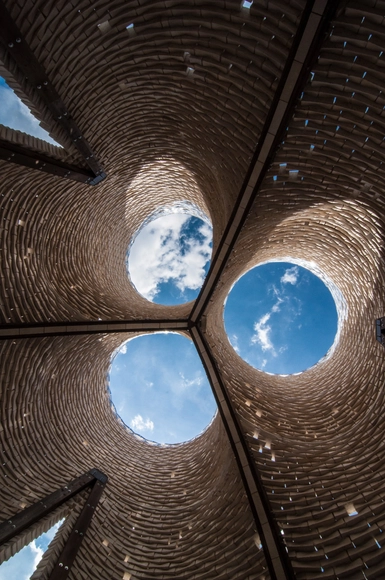
Two weeks and over 85,000 nominations later, the finalists of this year's Building of the Year Awards are in. The selection is much like the ArchDaily audience that chose it: diverse in geography, generous in ideas, and precise in intent. With projects from 46 countries, in a variety of typologies and scales, they present a beautiful snapshot of the current architectural moment.
We invite you to sit back, browse, and vote for your ultimate favorites. Below, you will find all of the 75 finalists in their respective categories. Voting is open until February 18th at 18:00 EST. Thank you—your participation is key to making this the world's largest community-driven architecture award.
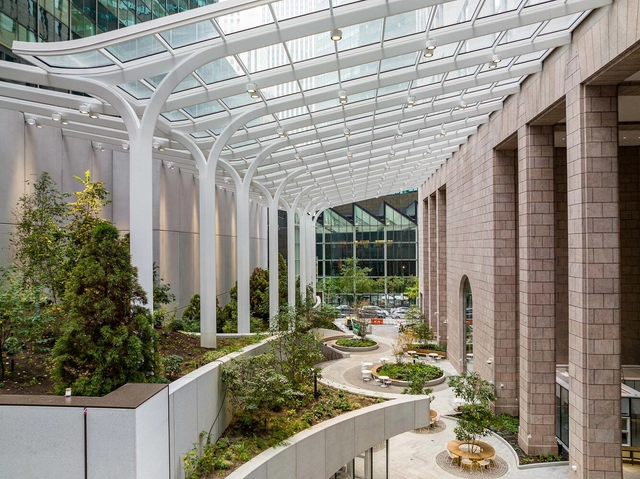
550 Madison Avenue (née the AT&T Building, more recently Sony Plaza) is among the more recognizable figures on New York’s skyline. Designed by architect-provocateur Philip Johnson, the 37-story skyscraper stands out thanks to its curious headgear: a classical pediment broken by a circular notch, inviting frequent comparisons to the top of a Chippendale grandfather clock. A singular, if largely inoffensive presence on today’s icon-heavy streetscape, the design was positively shocking on its debut in 1979, when Johnson himself appeared on the cover of Time holding a model of the project, then still four years from completion. The image heralded the arrival of something new in American architecture: the fading of the flat-crowned Modernist towers of the midcentury and the onset of the Postmodernist wave.
Metropolitans take pride in their storied cultural venues, the chroniclers of intellectual acumen and architectural achievement. While these icons revel in their ornate design, immersive grandiosity, and dramatic acoustics, the pandemic has introduced numerous challenges to the rules of assembly.
Recognizing changes in the rituals of attending a show—from procession and gathering to engagement—architects and cultural leaders are designing the next generation of performance venues while asking the question: How does architecture solve issues raised by a building’s inherent purpose? Is it possible to maintain the essence of a venue through gentle yet effective changes in people’s habits? The answers seem to rely on updating the auditorium culture (which dates as far back as the Colosseum) with contemporary design solutions rooted in new technologies.
https://www.archdaily.com/976581/what-will-post-pandemic-performance-venues-look-likeOsman Can Yerebakan
Fotografiska Museum has announced its expansion to three new locations in Berlin, Shanghai and Miami, to be housed within existing buildings redesigned by Herzog & De Meuron, Neri&Hu and Rockwell Group. A former department store in Berlin's Jewish Quarter, a 1946 factory building in Miami and a historically significant warehouse complex in Shanghai are the future Fotografiska venues set for completion in 2022 and 2023. Together with the existing locations in Stockholm, Tallin and New York, these will form the world's largest private art museum in terms of size, number of locations, and exhibitions per year.
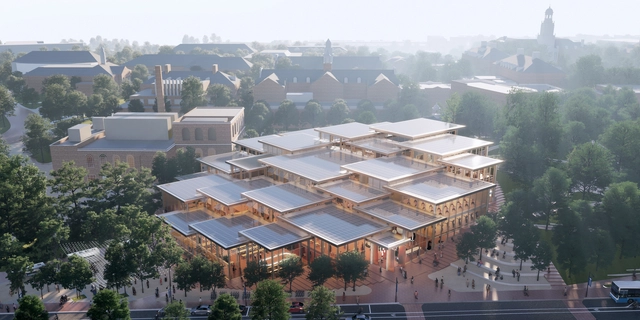
Johns Hopkins University has selected BIG to design its new Student Center, regenerating the heart of its campus and reviving the social experience, from a shortlisted list of 4 offices, after a months-long international competition. Entitled “The Village”, the proposal is an “open, modern, and welcoming facility envisioned as a social engagement hub for all members of the Hopkins community”.
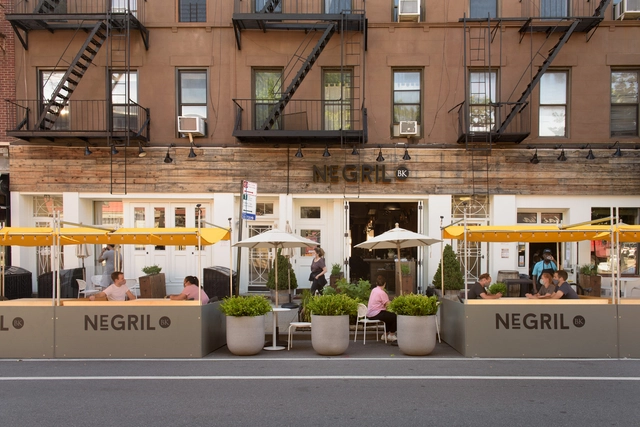
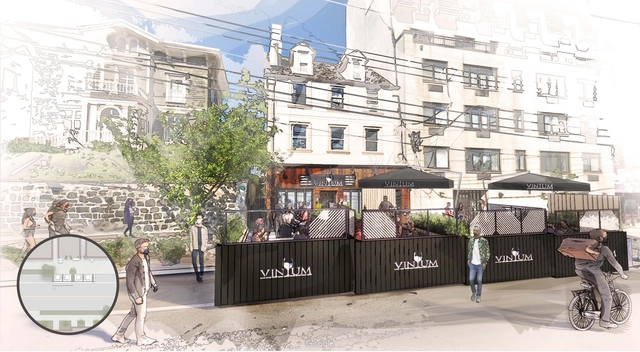
Outdoor dining has proven to be something of a lifeline for restaurants not only in New York but around the country, as indoor dining remains far out of reach at this point in the novel coronavirus crisis. Faced with restrictive mandates, however, architects, planners, and restaurateurs across the U.S. have been forced to come up with creative ways to keep patrons uninfected while assembling aesthetically pleasing outdoor dining areas.
In order to ensure a proper transition into post COVID-19, architects, public health experts, and engineers are generating design guidelines to provide people with new secure, and efficient resources. Finding a balance between optimizing operations and keeping people safe, the strategies tackle the built environment that surrounds us, from restaurants and outdoor dining, to streets, offices, and retail.
Addressed to city officials, owners, and employers, the tools developed help to reopen the world, while reducing the risk of COVID-19 transmission, promoting social distancing standards, and enhancing wellbeing. Discover in this article a roundup of design guidelines securing a safe post coronavirus transition.
David Rockwell and his team at Rockwell Group proposed an open streets initiative, a template for outdoor dining, in order to help bars and restaurants reopen post-pandemic. The design strategies illustrate practical solutions to make everyone feel safe.
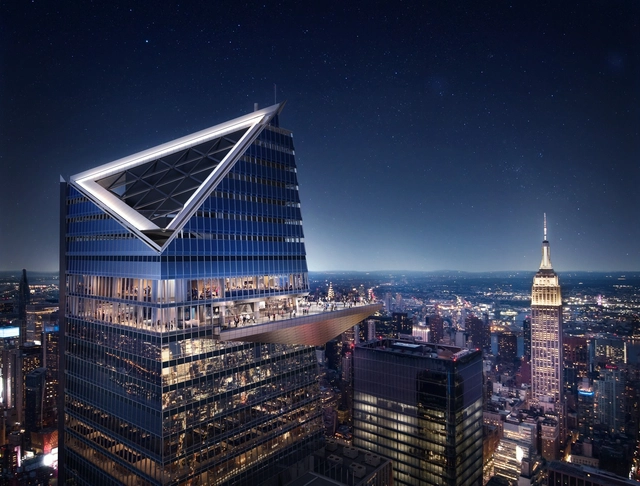
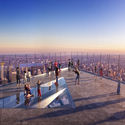
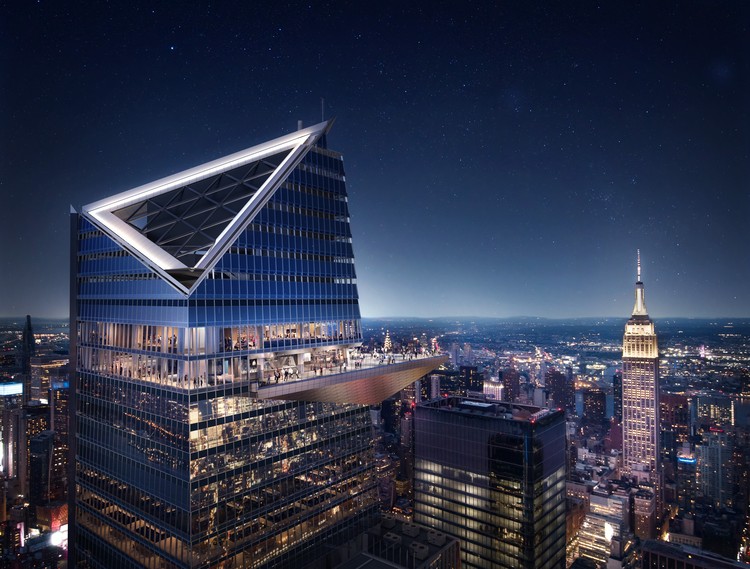
The highest outdoor observation deck in the western hemisphere is set to open in March of 2020 in New York City. Designed by Kohn Pedersen Fox (KPF), the Edge cantilevers 80 feet from the 100th floor of 30 Hudson Yards. At a record-setting height of 1,131 feet, Edge will reveal never-before-seen views of The City, Western New Jersey and New York State spanning up to 80 miles.
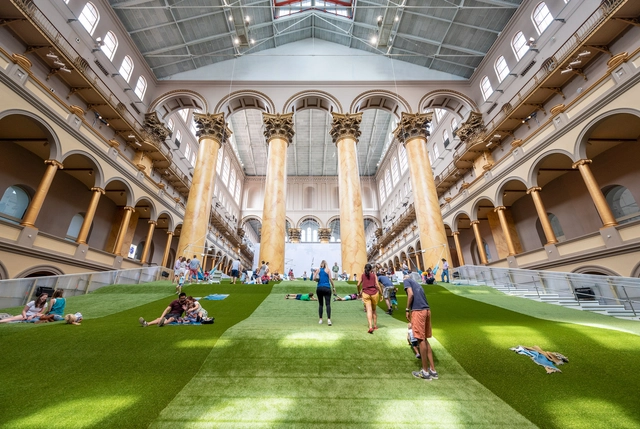
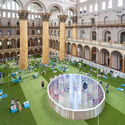
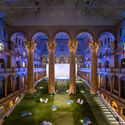
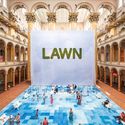
The LAB at Rockwell Group has partnered with The National Building Museum to present the 2019 Summer Block Party installation LAWN. Designed to be an immersive installation taking up the entirety of the Museum’s Great Hall, the project presents a series of interactive experiences for all ages. The lawn itself is programmed with summer entertainment and activities, including movie nights, yoga, and meditation. By creating custom software, the LAB also developed an Augmented Reality game alongside the installation.
The LAB at Rockwell Group has partnered with The National Building Museum to present the 2019 Summer Block Party installation Lawn. Designed to be an immersive installation taking up the entirety of the Museum’s Great Hall, the project will present interactive experiences for all ages. The lawn itself will be programmed and activated throughout the day with summer entertainment and activities, including movie nights, yoga, and meditation. By creating custom software, the LAB has also developed an Augmented Reality game alongside the installation.
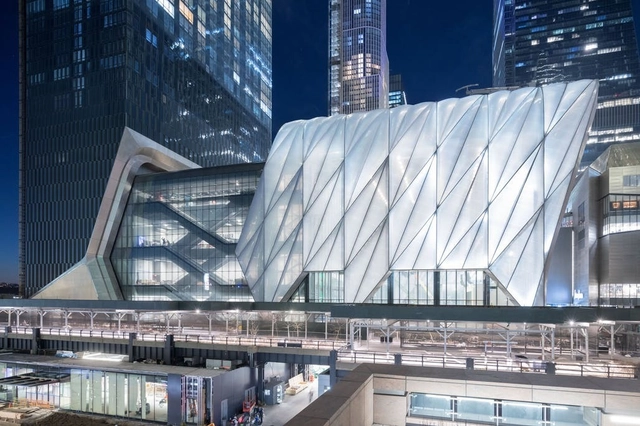
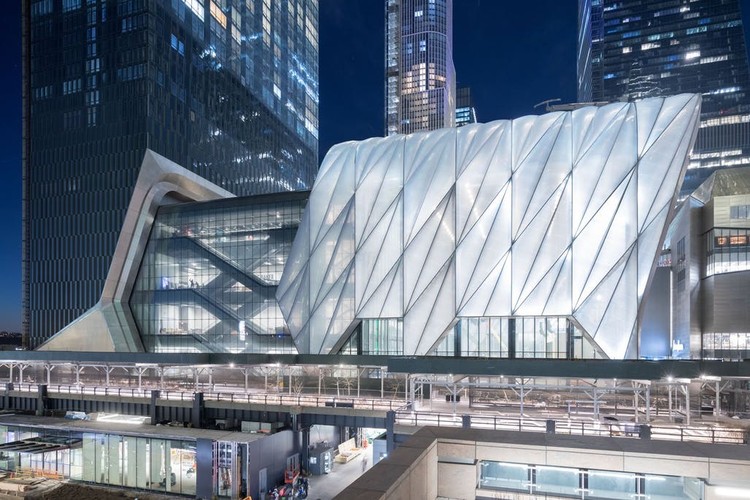
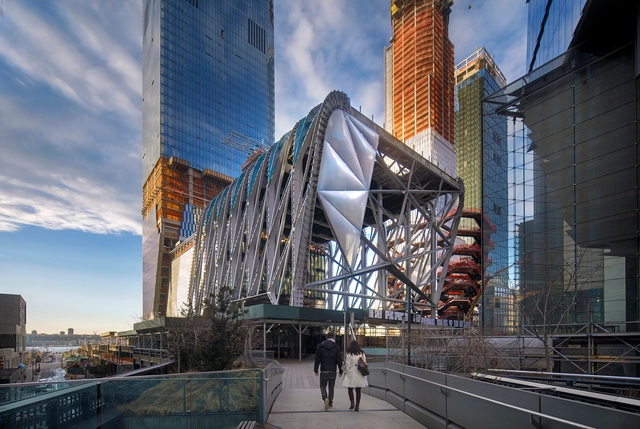
Diller Scofidio + Renfro and Rockwell Group's iconic Shed has opened after more than a decade in the making in New York City. The building features a 120-foot telescopic shell in Hudson Yards that can extend out from the base building when needed for larger performances. Clad in ethylene tetrafluoroethylene (ETFE) “pillows,” the project is connected to the High Line on 30th Street to bring performances and art to the city's newest neighborhood,
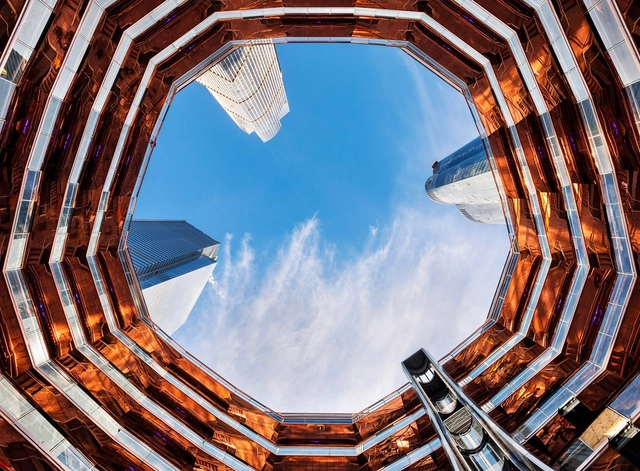
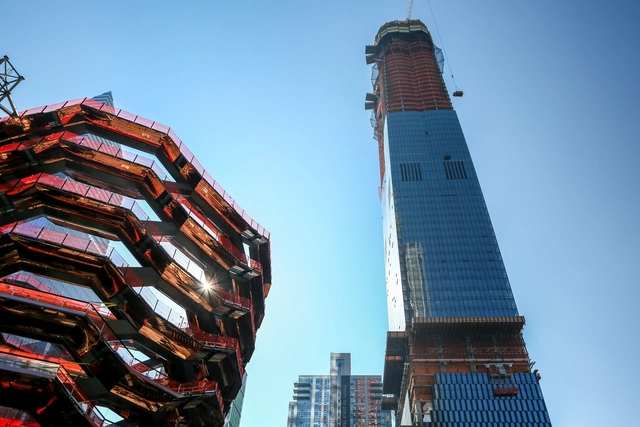
New York City’s Hudson Yards has opened its doors to the public, and the reviews are flooding in. Built on Midtown Manhattan’s West Side, the project is New York’s largest development to date and the largest private real estate venture in American history, covering almost 14 acres of land with residential towers, offices, plazas, shopping centers, and restaurants. A host of architecture firms have shaped the development, including BIG, SOM, Diller Scofidio + Renfro, Rockwell Group, and many others.
Read on to find out how critics have responded to Hudson Yards so far.
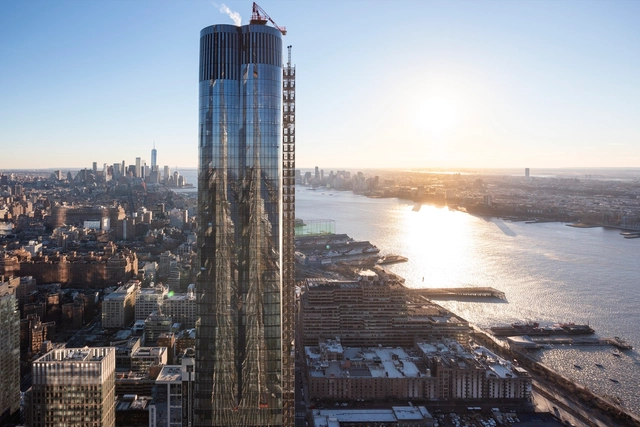
Construction has completed on Diller Scofidio + Renfro (Lead Architect) and Rockwell Group's (Lead Interior Architect) 15 Hudson Yards, an 88-story skyscraper marking the first residential project in the Manhattan masterplan. The scheme is now open with 60% of residential units already sold, totaling over $800 million in sales.
"In architecture, in buildings, in a restaurant for instance, we extract the story."
In the latest from Crane.tv, New York City is examined through a miniseries highlighting the work of David Rockwell in celebration of the Rockwell Group’s 30th anniversary. The retrospective collection visits the original Nobu restaurant, industrial Shinola store, innovative Chef’s Club, and groundbreaking Imagination Playground, while Rockwell shares his approach to creating spaces that are responsive to their occupants.
Fast Company has announced who they believe to be the most innovative practices in architecture for 2015. Topping this list is the online remodeling community Houzz, the BIG powerhouse and David Benjamin’s The Living. See the complete list, after the break, and let us know who you believe is the world’s most innovative firms in the comment section below.
In honor of Rockwell Group’s 30th year of design, Forbes has published a profile on its founder, American architect David Rockwell, detailing his life, work and thoughts on the power of theater. “My mother, Joanne, played a great role in forming my interest in design,” stated Rockwell. “She first introduced me to the excitement and spectacle of live theater, which has had a profound impact on my life and work. These productions really opened my eyes to the power of design to create emotional connections between people and their environment.” Read the complete article, here.
The Rockwell Group takes advantage of a cross-disciplinary approach, with a diverse array of projects ranging from large-scale buildings to product and set design. In this article by Shannon Sharpe, originally posted on Metropolis Magazine as "The Rockwell Way"we learn seven ways that the Rockwell Group has achieved creative success. Read the full article below to discover what drives this particular firm and how it could serve as an inspiration to anyone in the field of design.
How does the magic happen at Rockwell Group? “Pixie dust,” quips Marc Hacker, the firm’s in-house “Thinker.” All jokes aside, there is some truth here. From the animated Quan Yin statue in TAO Downtown to the shifting set of Kinky Boots, to the child-directed free play of the Imagination Playground, a distinct sense of magic imbues every one of these projects. All of them are driven not so much by a look, or even a sensibility, but by the endlessly curious creative process that shaped them. “I know this sounds trite, but it’s not about what’s true now,” says founder and president David Rockwell. “It’s about asking, ‘what if?’” What if an architect could be as experimental as a chef? What if the stage set became a character? What if your environment could transform with every step?
In the Rockwell Group world, asking “What if?”—also the title of a new book being released by Metropolis Books in December to commemorate the firm’s 30th anniversary—has led to an embrace of design at all scales. “On a given day, we could be working on an exhibition, a park, a master plan, an airport interior, a children’s hospital, and a night-club,” Rockwell says. “That confluence of things is probably what makes us most unique.” The process behind these projects —the Rockwell way—is really a set of permissions to roam and explore.