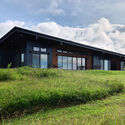
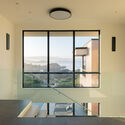
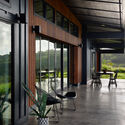
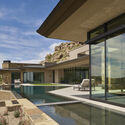
What makes a home resilient? Extreme weather events are becoming increasingly frequent around the world. From power outages, hurricanes, and earthquakes to wildfires, floods, and droughts, the world is experiencing a process of transformation and adaptation that requires collaboration among diverse disciplines. The role of architecture in the built environment reflects an opportunity to rethink how homes perform under changing environmental conditions—not only by anticipating the unexpected. Designing for resilience means thinking holistically, considering material choices, energy systems, landscaping, and construction details that anticipate disruption and help homes recover quickly. It involves creating architecture that evolves with the environment, is worth preserving, and endures for years and generations.
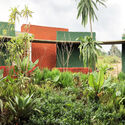
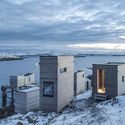
Vana Vasa Resort by MJ Kanny Architect, Steel Architectural Awards ASEAN 2024 Winner. Image Courtesy of NS BlueScope
The Steel Architectural Awards ASEAN 2026 is a regional architectural awards program presented by NS BlueScope to recognize built projects that demonstrate architectural excellence through the use of coated steel solutions. Under the theme Shaping Resilient Futures: Timeless Design with Coated Steel, the program highlights projects across Indonesia, Malaysia, Thailand, and Vietnam, progressing from the Country Awards to ASEAN-level recognition. This article explains how the two-stage pathway works, what categories are included, and how projects are assessed through Design Excellence, Innovation, and Sustainability.
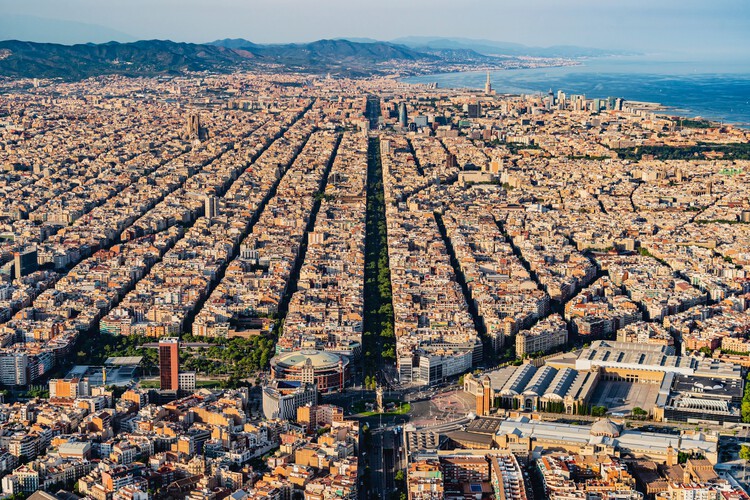
This week's review focuses on concrete responses to shared urban challenges, including housing affordability, long-term resilience, and the role of cultural and material innovation in shaping cities. The selection spans regulatory measures affecting housing markets in European cities, high-density residential and mixed-income proposals in New York, and major renewal and planning efforts in London, Barcelona, Ulaanbaatar, and Drammen. It also highlights research-driven and built projects in Chicago, Buenos Aires, Las Vegas, and Riyadh that explore circular construction, adaptive reuse, and new models for cultural and public infrastructure. Together, these worldwide projects offer a snapshot of how architecture and urban planning are addressing immediate pressures while laying the groundwork for more resilient and inclusive urban futures across diverse geographic and cultural contexts.
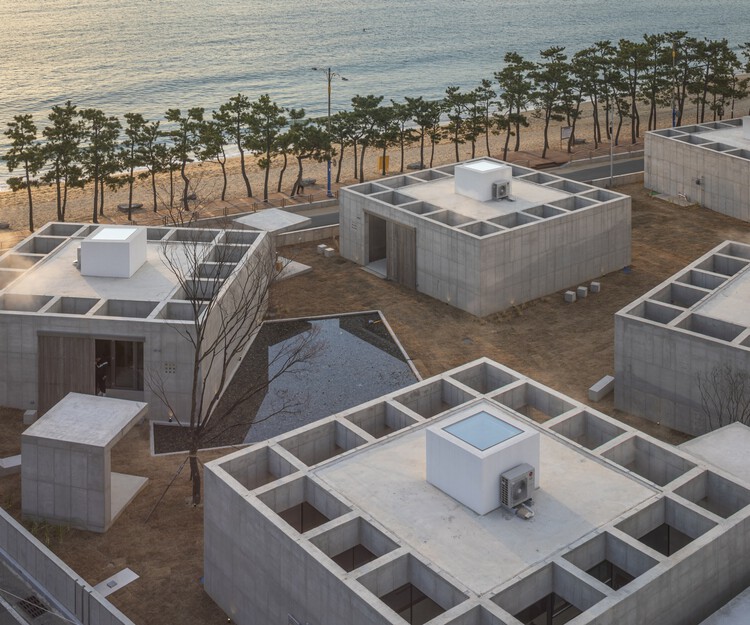
Living by the beach has long been a defining aspiration—drawn by the promise of tempered nature, privacy, and immediate access to the water. Historically, beach houses tended to be rustic and pared back: partly because servicing remote sites and delivering materials was difficult, and partly because their charm lay in being closer to the elements—simpler, rougher, more direct.
Accordingly, many early beach houses were built in timber. Wood offered clear advantages: it was lightweight, adaptable, quick to work with, and could be erected with minimal heavy machinery. While timber weathers and fares poorly in salt-laden humidity, exterior-grade lumber carries a raw, natural character that reinforced the appeal of the beach-house ideal.
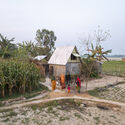
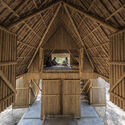
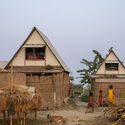
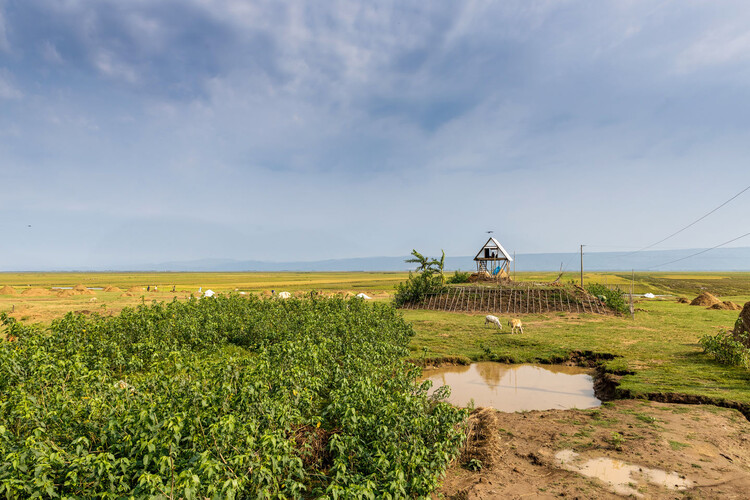
In the low-lying deltas of Bangladesh, water defines both life and loss. Every year, millions are forced to rebuild after floods wash away their homes, crops, and livelihoods. In these precarious territories, the act of building has become an act of resilience. It is here that Khudi Bari emerges as a modest yet radical proposal. Designed by Marina Tabassum Architects, the project provides a lightweight, modular, and affordable dwelling for communities displaced by climate change. Recognized as one of the winners of the 2025 Aga Khan Award for Architecture, it represents a form of architecture that empowers rather than imposes.
Aristotle is credited with the proverb "One swallow does not make a summer." In nature, the arrival of these migratory birds often announces the change of seasons, a universal symbol of renewal and hope. Yet it is only when many take flight that the true warmth of summer begins. The same can happen in architecture: an isolated project, however exemplary, rarely changes a reality on its own. When, however, a work teaches, inspires, and can be replicated, it becomes the harbinger of something greater.
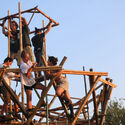
Initiatives that combine simple technologies, local materials, and participatory processes show how building can also be an act of learning. Structures and bricks shape places of mutual teaching, where architects and residents share knowledge and build together, multiplying skills and strengthening bonds. These projects point to the possibility of a collective summer, a future in which knowledge spreads as widely as the walls that shelter it.
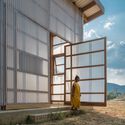
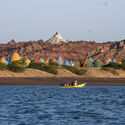
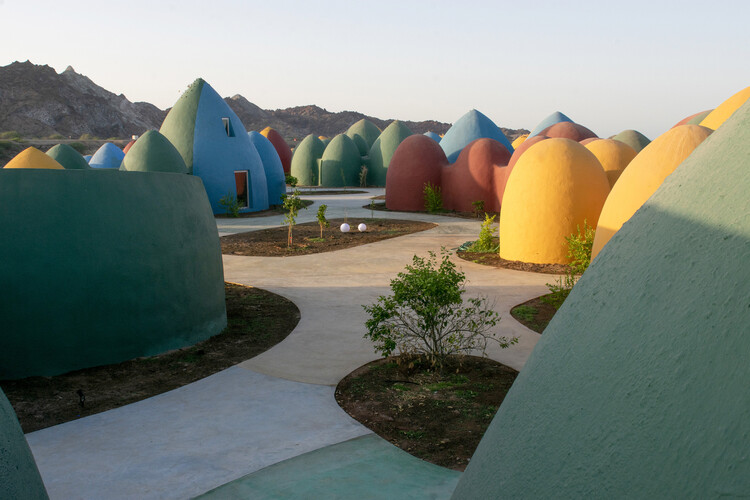
Hormuz Island, located in Iran, was a strategically significant port in the Persian Gulf, characterized by its landscape of colorful mountains. Despite its tourist appeal, the island faces significant socio-economic problems, with the local population having historically faced economic hardship. In response, the Majara Complex by ZAV Architects was conceived not merely as a building but as a deliberate architectural intervention designed to give control, opportunity, and economic benefit directly to the local community. To do this, the project channeled investment into local human resources and prioritized accessible construction techniques, creating a pathway for localized wealth creation. This allowed the Majara Complex to be one of the recipients of the Aga Khan Award for Architecture in 2025.
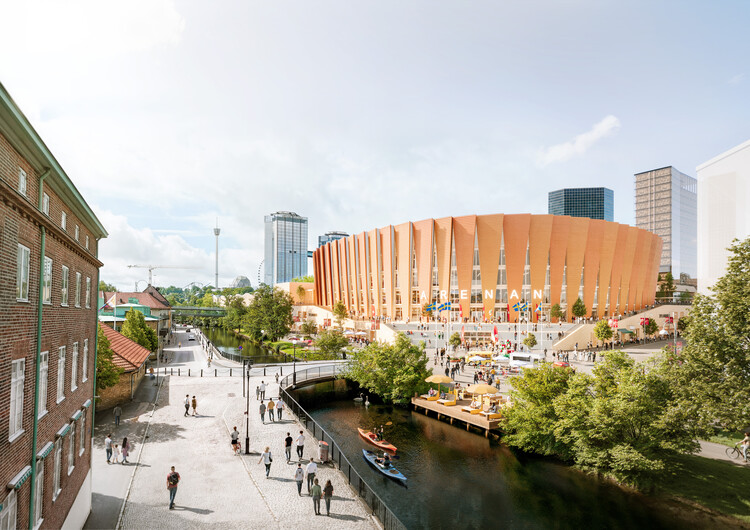
Gothenburg's New Arena Quarter. Image Courtesy of White Arkitekter
This week, architectural conversations were shaped by themes of resilience, equity, and cultural relevance, brought into focus by World Architecture Day. Across global contexts, the discipline continues to expand its understanding of strength, not only as structural endurance but as a framework for inclusive, adaptable, and environmentally conscious design. From strategies for gender-equitable public space to new commissions grounded in memory and reconciliation, recent developments reflect how architecture is increasingly positioned as a tool for social engagement and long-term stewardship in the face of ongoing global challenges.
Today, on the first Monday of October, we celebrate World Architecture Day. This year, the International Union of Architects (UIA) has set the theme "Design for Strength," a powerful call to action that resonates deeply with the UN's focus on urban crisis response. In a world facing unprecedented environmental and social disruptions, this theme challenges us to move beyond temporary fixes. It asks: How can our buildings and cities not only withstand shocks but also foster equity, continuity, and resilience?
While the concept of strength in architecture can easily evoke images of reinforced concrete and steel, a more profound interpretation is emerging, one that defines strength not as mere rigidity, but as a holistic capacity to endure and adapt. This includes many facets, from ecological resilience and stewardship to long-lasting concepts of social resilience or the long-lasting conservation of existing urban structures, all contributing to a built environment more able to respond to the multitude of crises faced by cities worldwide.
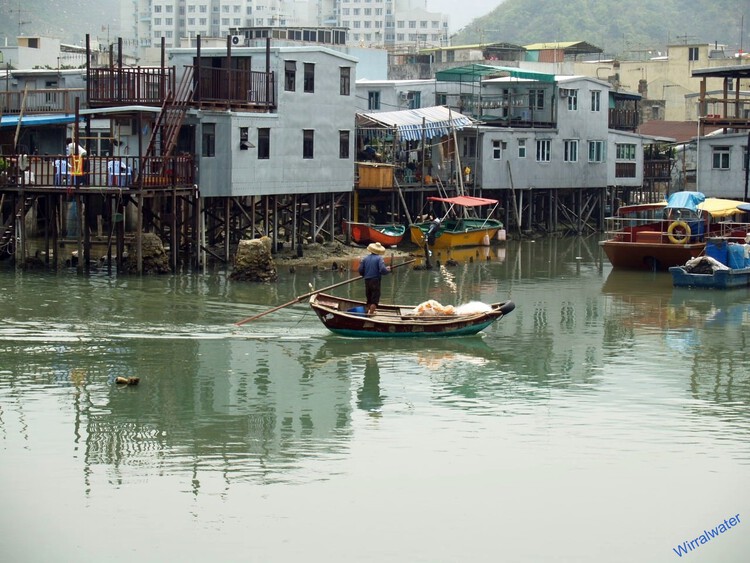
While Hong Kong is widely celebrated for its iconic harbor view, glittering skyline, and fast-paced urban lifestyle, its origins tell a different story—one deeply rooted in its relationship with water. Before transforming into a dense, vertical metropolis, Hong Kong's architectural identity was closely tied to its maritime context. Today, the city is often associated with slender, glass-clad towers that symbolize modernity. While visually striking in their pursuit of height and form, many of these buildings appear disconnected from their immediate environment, often overlooking natural site conditions, ecological responsiveness, and contextual sensitivity.
Historically, however, this was not the case. Hong Kong's earliest built environments—rural fishing villages in areas like Tai O, Aberdeen, and Shau Kei Wan—emerged through organic, community-driven spatial practices that engaged closely with their surroundings. These coastal and riverside settlements developed architectural systems tailored to the marine environment and to the rhythms of fishing life. Villages were sited around water, and construction strategies were adapted to fluctuating tides, terrain, and social use.
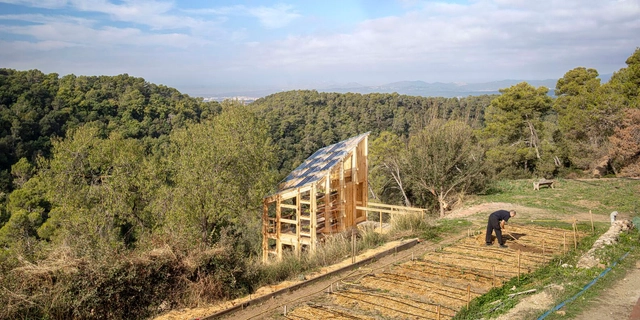
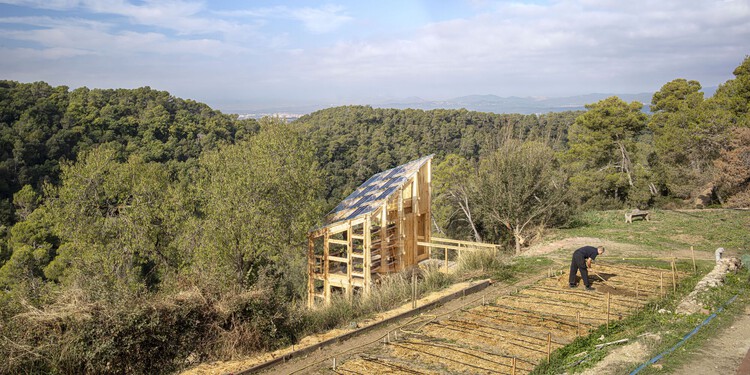
Facing an interconnected planetary climate crisis, biodiversity loss, and resource depletion, regenerative design emerges as a pathway toward building resilient and ecologically attuned rural futures. At the intersection of architecture, agriculture, and local ecosystems, new models of resilient, self-sufficient agricultural practices are emerging. These projects are not grand industrial systems but small-scale, precise, and deeply contextual architectural interventions that create spaces that foster sustainable cultivation while respecting environmental rhythms, local materials, and community knowledge.
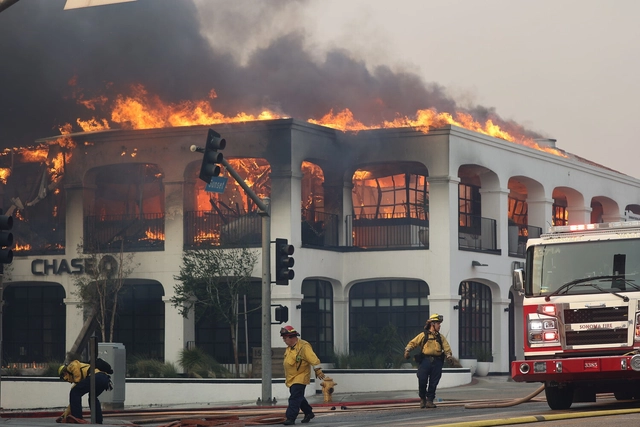
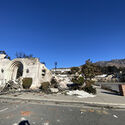
It has been nearly three weeks since one of California's most devastating wildfires began, triggering an immense effort to combat the blaze and mitigate further damage. As firefighters work to contain the remaining flames, the city braces for its first significant winter rainfall, raising concerns about flooding and landslides that may exacerbate the already extensive destruction.
Amid these challenges, the wildfire has spurred widespread reflection at local and global levels. Discussions have emerged on topics such as the insurance system, firefighting infrastructure, water resources, global warming's role in high-wind fire conditions, and the impact of landscape design, particularly the use of non-native vegetation.
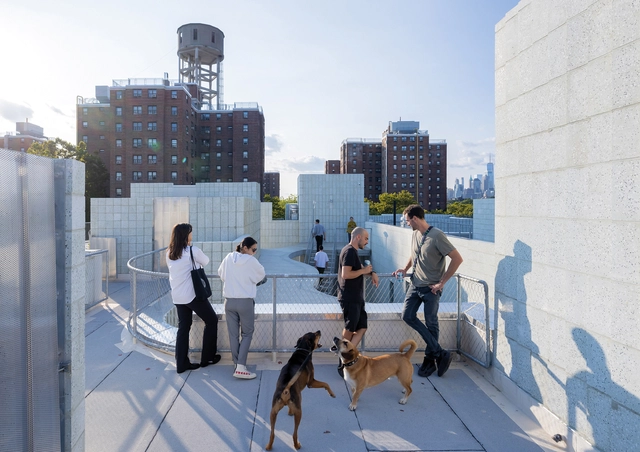
SO-IL (Solid Objectives – Idenburg Liu) is an architectural design firm based in Brooklyn, New York, founded in 2008 by Florian Idenburg and Jing Liu. Known for an architecture deeply engaged with social, cultural, and environmental contexts, the studio focuses on exploring innovative materials, creating fluid spatial experiences, and prioritizing ecological sustainability. SO-IL's work spans various scales and program types, reflecting their versatile approach to design. In 2024, their housing project 450 Warren in Brooklyn was selected as ArchDaily's Building of the Year by the audience in the housing category.
In their latest book, In Depth: Urban Domesticities Today, SO-IL explores the evolving concept of home in contemporary urban contexts, transforming it "from a source of vulnerability into a tool for empowerment." The book redefines domesticity as an active and shared experience and examines how architects can address pressing urban challenges such as affordability, density, and sustainability. SO-IL's work advocates for flexible, resilient housing that fosters community while integrating ecological and social dimensions. ArchDaily spoke with the architects about the innovative solutions and ideas presented in the book, delving into how their projects challenge conventional systems and envision a future where architecture is a tool for empowerment.
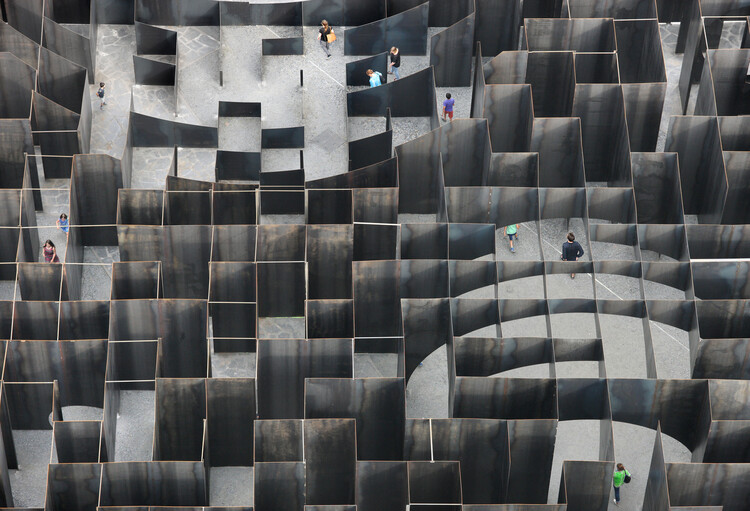
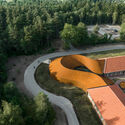
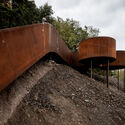
In architectural design, materials convey narratives, shaping how spaces are perceived and experienced. Weathering steel, often known by its genericized trademark name, Corten steel, stands out for its ability to evolve, transforming into a medium that tells its own story. It represents a group of steel alloys that form a stable external layer of rust that replaces the need for paint to protect the steel while allowing it to develop in time. Its weathered patina serves as more than a functional shield; it becomes an aesthetic language, a testament to the interplay between architecture and nature. This ever-changing surface bridges the ephemeral and the enduring, offering architects a material that grows richer with age.
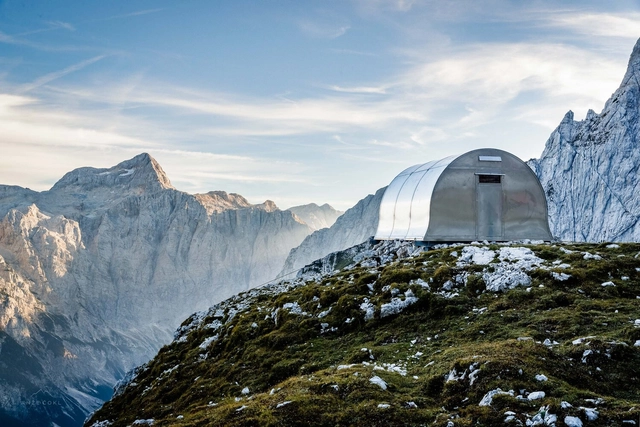
Mountainous and high-altitude regions are considered to be among the most fragile ecosystems on Earth. From melting glaciers to land erosion, these environments face mounting threats from climate change, making it imperative to reimagine how architecture and its supporting infrastructure are designed for such places.
About a decade ago, the term "resilience planning" became ubiquitous in climate circles. That shift, in the wake of increasingly unpredictable events, was shaped in part by the Rockefeller Foundation's 100 Resilient Cities program, a six-year, $160 million effort to establish chief resilience officers in cities all over the world. Out of that program, which ended in 2019, emerged its successor, Resilient Cities Catalyst (RCC), a New York–based nonprofit engaged in what it calls "capacity building" projects. For Climate Week, I talked to Sam Carter, one of RCC's founding principals, about his definition of resilience, the organization's planning and philanthropic method, and the challenge of scaling up climate efforts.
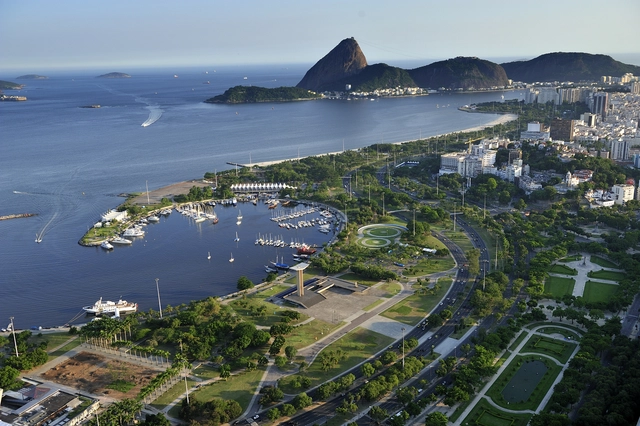
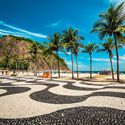
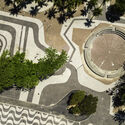
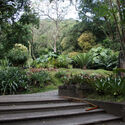
From the 1930s to the 1990s, Burle Marx's work anticipated many of today's concerns about sustainability and urban well-being. Long before terms like "sustainable design" or "green infrastructure" became commonplace, Burle Marx was already advocating for the use of native plants, recognizing their role in creating self-sustaining ecosystems that required minimal intervention. His projects often transformed neglected urban areas into vibrant, ecologically balanced spaces that not only improved the environment but also enhanced the quality of life for city dwellers.