PVC, as the synthetic material Polyvinyl Chloride is called, or Polyvinyl Chloride, is one of the most produced plastics in the world, reaching 40 million tons per year. Its application is quite varied and in construction it has found different branches, serving both as an input for infrastructure and for finishing.
If the maxim "the first impression is the one that stays" is taken seriously, in architecture, the entrance hall takes on a fundamental importance. This small space, in addition to welcoming the house, can also gain several other functions: storing objects, housing a waiting and reading area, distributing the movement of the residence, displaying a painting. Finally, there are several possibilities to think about and occupy this environment, so here we present three design guidelines that can help you when thinking about it.
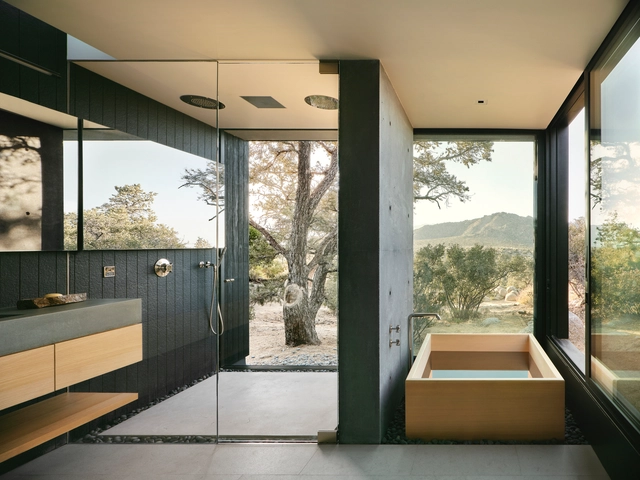
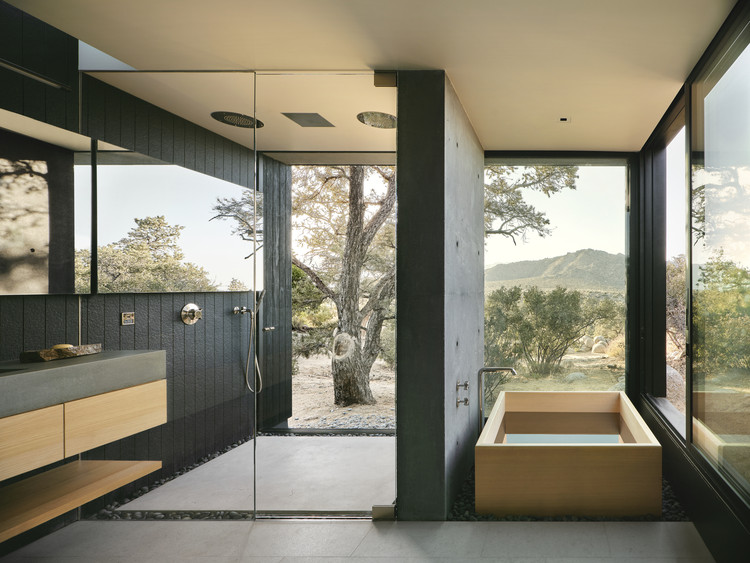
Despite being the smallest rooms of houses, bathrooms have always been one of the most challenging and critical to design, which often left them fairly simplified. The past few years, however, saw these spaces undergo significant change; what was once only limited to functionality, ease of maintenance, and privacy, is now being given a strong character with pops of color, classic fixtures, and patterned surfaces. Similarly for public bathrooms, where "functionality" and "ease of maintenance" are now complimented with aesthetics, technology, and high quality finishing. In this interior focus, we explore the three main bathroom typologies used in residential projects, and look at how architects have employed them through 12 examples.
Bohem Project by Team Group. Image Courtesy of Team Group
This week’s curated selection of Best Unbuilt Architecture highlights private residential projects submitted by the ArchDaily community. From a residential quarter comprising eight urban villas, to private getaways in the suburbs of Hyderabad, India, this round up of unbuilt projects showcases how architects design private spaces that combine locality and functionality in structures that cater to the residents’ lifestyles and behaviors. The article also includes projects from Iran, the United States, Thailand, and Greece.
In the architectural conversations taking place today, sustainability is a key topic of interest. Architecture firms embrace the term as a key part of their design ethos, and architecture schools globally have integrated designing “green” architecture as a core component of their curriculums. This sustainability conversation has also filtered down into more individual actions one can take within their immediate context. Online, for instance, guides abound on how you can make your home more eco-friendly and energy-efficient.
John Chapman House. Image Courtesy of Plus Architecture
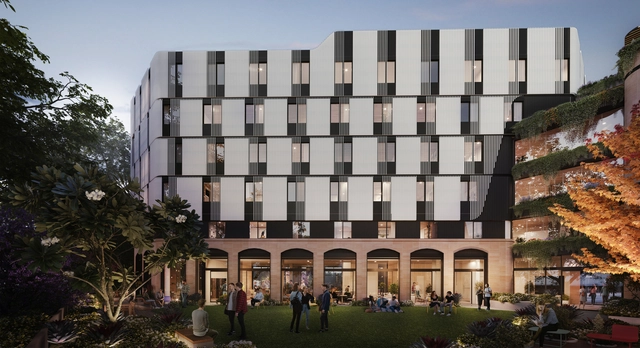
Student housing takes on many forms around the world, but most commonly, it’s envisioned as close quarters in a bleakly designed dormitory. While prospective students choose universities based on academic rigor, athletic programs, extracurricular activities, and future career opportunities, they’re now wanting to know what living on and off-campus will be like- and it has forced designers to rethink the traditional designs of dormitories into something more innovative that better reflects what students want (and expect) in their university homes.
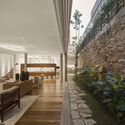
The side setbacks configure the distance that must be between the building and the side boundary of the land. Master plans, building codes or zoning laws determine the minimum clearance that must be observed to ensure that the building takes advantage of better aeration, sunlight and permeability. Although this feature brings several qualities to the built environment, many people do not know how to take advantage of the space given by the setback and, often, it becomes just a passageway.
Disney, the multinational entertainment and media conglomerate announced its new addition to its Signature Experiences Program. Titled "Cotino", part of its new Storyliving by Disneyventure, the master plan is Disney's first master-planned community project, and will feature distinctly-designed housing units and neighborhoods, along with commercial and civic amenities and man-made beaches in the heart of Rancho Mirage, California's Coachella Valley.
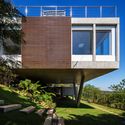
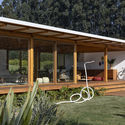
The strategy of raising houses off the ground gained popularity in the 1920s when Le Corbusier announced structures on pilotis as one of the 5 points of modern architecture. A great contribution, especially in the urban issue, as it enables the creation of a free space with greater connection between the public sphere of the street and the private sphere of the building. His iconic Villa Savoye is a paradigmatic example of the use of pilotis that preserves the natural terrain and, as Le Corbusier himself said, places the house on the grass like an object, without disturbing anything. In addition, the pilotis also served as a strategy for the flow of vehicles, which can be seen in Lina Bo Bardi’s equally emblematic Casa de Vidro and its slender steel tubes. Arranged in a modulation of four modules in width by five in depth, they maintain the house as a transparent floating box in the midst of nature, respecting the terrain and assisting in the building's thermal comfort by allowing air circulation.
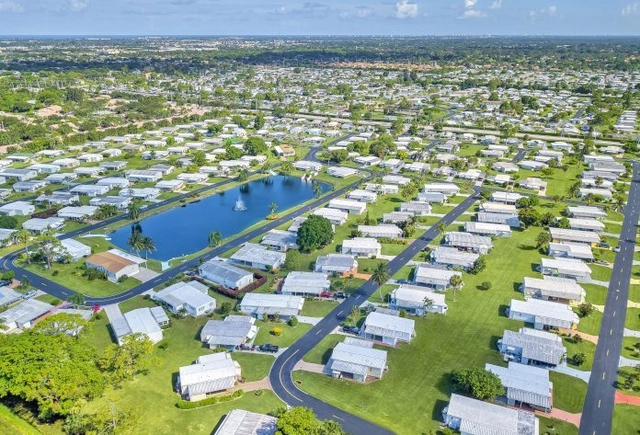
Royal Manor Mobile Home Park. Image Courtesy of MH Village
The future of manufactured homes may reinvent the form of something that already widely exists- trailer parks. All across the United States, these small homes are being reimagined by architects by utilizing more sustainable materials, inventive construction techniques, and value engineering to create affordable homes and reinvent the once negative connotation that surrounded this housing typology.
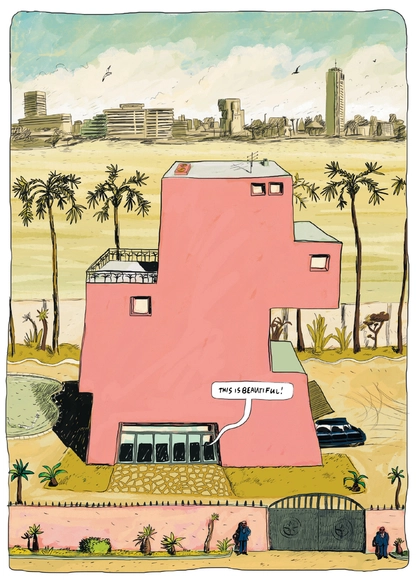
Modernist House - From Aya: Life in Yop City by Marguerite Abouet and Clément Oubrerie, translated by Helge Dasche. Image Courtesy of Drawn & Quarterly
The comic strip, la bande dessinée, the graphic novel. These are all part of a medium with an intrinsic connection to architectural storytelling. It’s a medium that has long been used to fantasise and speculate on possible architectural futures, or in a less spectacular context, used as a device to simply show the perspectival journey through an architectural project. When the comic strip meshes fiction with architectural imagination, however, it’s not only the speculation on future architectural scenarios that takes place. It’s also the recording and the critiquing of the urban conditions of either our contemporary cities or the cities of the past.
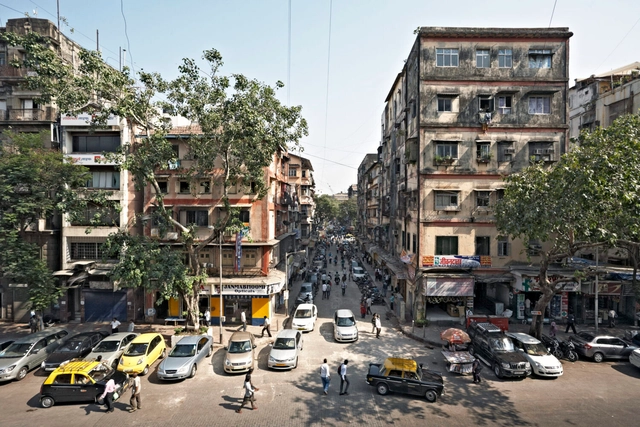
Kinetic Cities, courtesy RMA Architects. Image Courtesy of RMA Architects
Rahul Mehrotra is an urbanist, educator, and founding principal of Mumbai- and Boston-based Rahul Mehrotra Architects (RMA Architects). Across India, Mehrotra has designed projects that range from master plans to weekend houses, factories, social institutes, and office buildings. Over decades, his endeavors in urban activism have culminated in the founding of the firm’s Architecture Foundation, which focuses on creating “awareness of architecture in India” through research, publication, exhibitions, and inclusive public dialogue surrounding architectural ethics and values.
Whether it's by sharing a meal at a restaurant or preparing a home-cooked meal together, food does in fact, bring people together. With that in mind, architects placed kitchens at the heart of homes, giving residents a space to cook, dine, and spend quality time with their families and friends. However, not all homes can fit spacious kitchens, some are too small and others don't have the proper spatial configuration for it. In this interior focus, we will explore how architects and designers opted for different kitchen layouts based on different spatial and user needs.
The built environment we inhabit can be hostile, both on an individual architectural scale and in a wider urban context. Homeless people, for instance, are dissuaded from resting on public benches by the menacing presence of spikes and other forms of exclusionary design. From a global lens, we see the impact that borders have amidst anti-immigration hostility, imposingly exemplified by the Melilla border fence on the Morocco-Spain border. This “hostility” can be found in a large number of settlements around the world, settlements that have been formed as a result of organic migration or settlements predicated on control – like company towns.
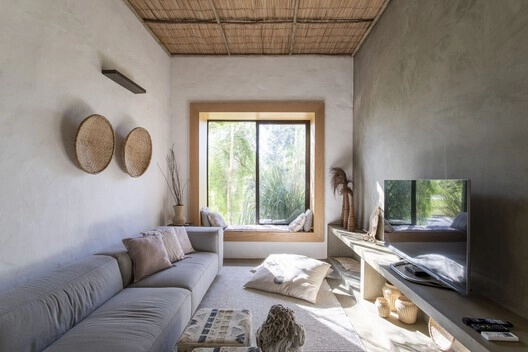
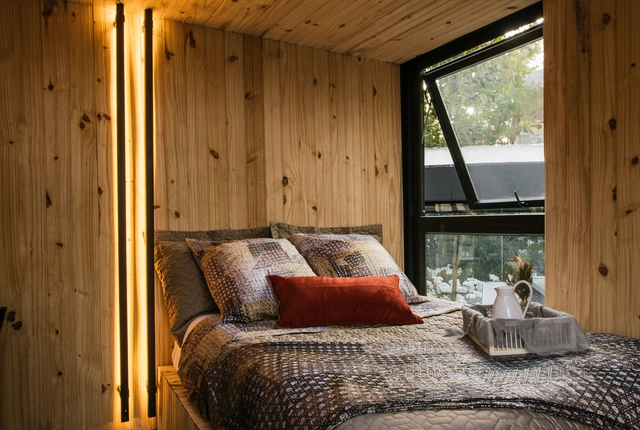
Designing houses in tropical climates, as is the case in Brazil, means paying special attention to openings, both in relation to the functioning and conviviality of the house, as well as in relation to issues of environmental comfort. In this article we bring you 16 Brazilian homes that take advantage of their strategic openings to create cozy, stunning, well-lit and ventilated environments.
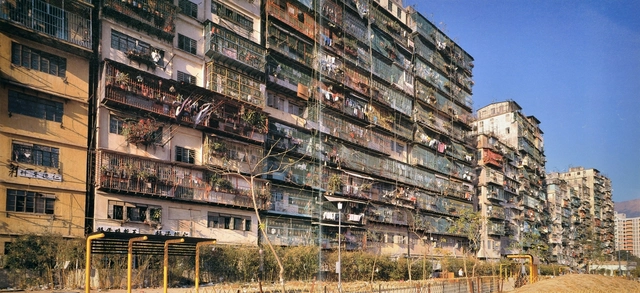
Kowloon Walled City, Hong Kong. Image Courtesy of 'City of Darkness Revisited’
Cities are growing, and they are growing upwards. This is far from just being a contemporary phenomenon of course – for more than a century, high-rises have been an integral part of urban settlements worldwide. This growing of cities encompasses a complex web of processes – advancements in transport links, urbanisation, and migration to mention a few. This growth of cities, however, is all too often linked with governmental failure to adequately support all facets of the urban population. Informal settlements are then born – people carving out spaces for themselves to live amidst a lack of state support.






.jpg?1647368273&format=webp&width=640&height=580)


.jpg?1647368273)













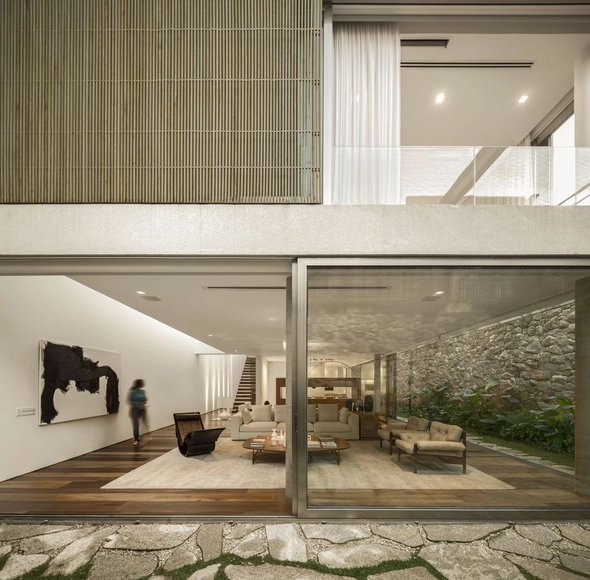
.jpg?1642689075 "Casa Redux / Studio MK27 - Marcio Kogan + Samanta Cafardo. © Fernando Guerra | FG+SG")