If you haven't gotten a chance to visit Brasília, Joana França's photographic projects offer a comprehensive interpretation of the capital of South America's most populous country. França has dedicated a significant part of her career as an architecture photographer to the pursuit of amassing an impressive archive of images of the city planned by Lúcio Costa and Oscar Niemeyer.
We recently published an exceptional selection França's aerial photographs of Brasília divided by scale - residential, monumental, gregarious and bucolic. These overhead views solidify what, in theory, is already evident: the city lacks human scale, or the human scale of Brasília is just vast and (perhaps) not very human at all.
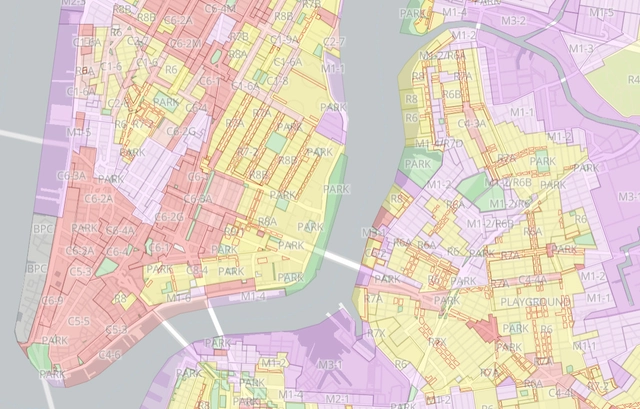
Land use and zoning laws have been a trending topic in recent years, gaining significant public attention across the United States. People are beginning to rethink the ways that our cities have been planned, seeking ways to improve their quality of life- and it often stems from codes and policies that dictate what can be built and where. Zoning that is too restrictive often makes it difficult for developers to build necessary projects such as multi-family housing. But when zoning is too loose, it creates neighborhoods that aren’t walkable and don’t have a strong sense of community.
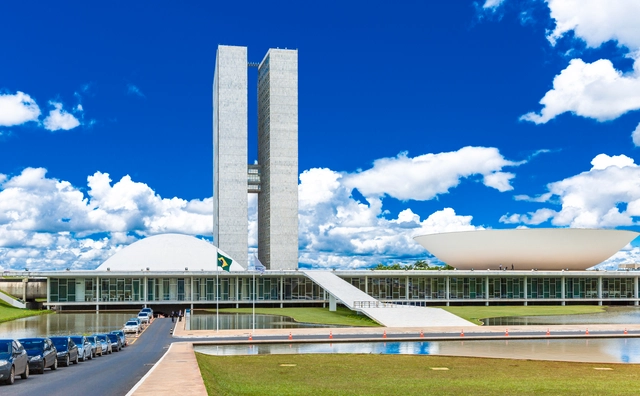
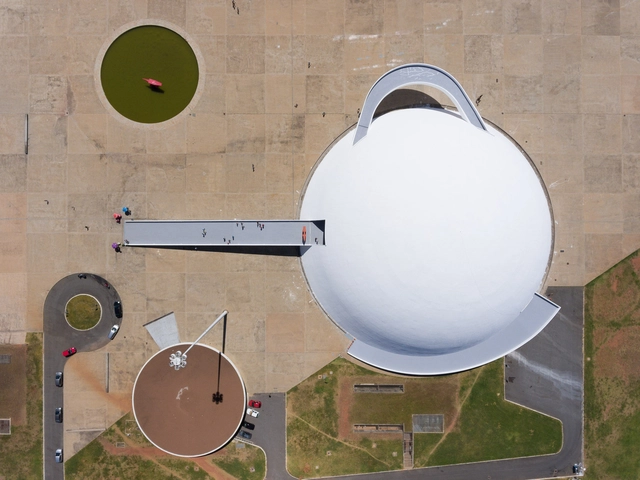
Located at the head of the abstract bird-shaped city plan by Lúcio Costa, and as the only building within the central greensward of the eastern arm of the Monumental Axis, the palace of the National Congress (Congresso Nacional) enjoys pride of place among Oscar Niemeyer’s government buildings in Brasília. The most sober of the palaces on the Plaza of the Three Powers, the National Congress reflects the strong influence of Le Corbusier, while hinting at the more romantic and whimsical forms that characterize Niemeyer’s trademark Brazilian Modernism.
"What characterizes and gives meaning to Brasilia is a game of three scales... the residential or everyday scale... the so-called monumental scale, in which man acquires a collective dimension; the urbanistic expression of a new concept of nobility... Finally the gregarious scale, in which dimensions and space are deliberately reduced and concentrated in order to create a climate conducive to grouping... We can also add another fourth scale, the bucolic scale of open areas intended for lakeside retreats or weekends in the countryside." - Lucio Costa in an interview with Jornal do Brasil, November 8, 1961.
Photographer Joana França shared with us an impressive series of aerial photographs of the national capital of Brazil, Brasilia. The photoset is divided into four sub-series each presenting a scale: residential, monumental, gregarious and bucolic.
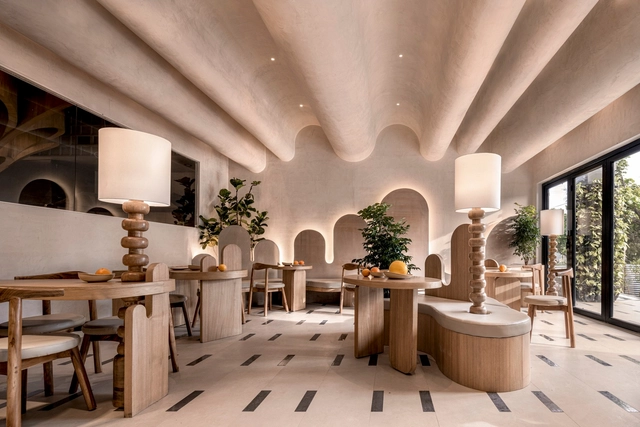
Interior design has progressively become a subject of interest among architects and designers. Having spent more time indoors recently, practitioners have been experimenting with their spaces and exploring different approaches to scale, comfort, and aesthetics. Much like everything else, design is highly influenced by external factors; any change to people's lifestyle influences how they respond to it, whether consciously or subconsciously. And while this dynamic is often seen in fashion or graphic design, it has been noticeable in interior design as well. Following years of linear, clean-cut, and refined spaces, curved silhouettes were revived, becoming one of the dominating interior design trends across the world.
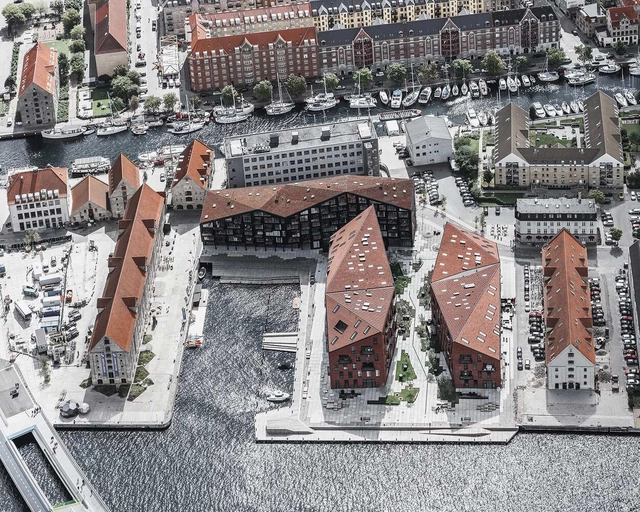
When we google 'housing in Copenhagen', the first thing that pops up are the most common questions asked by users: how much does it cost to live in Copenhagen? Is it difficult to find housing in Copenhagen? It's true, living here is significantly more expensive than the European average, especially in its most central district: Indre By. Although the housing prices are adapted to the salaries of its citizens –and the quality of life index is consistent with this high cost–, it's still complex for a foreigner to settle permanently in the city.
However, there is a serious commitment from the authorities and stakeholders to kindly open the city to new inhabitants, offering affordable housing designed by its best architects –both in suburbs and in refurbished downtown areas. In 2023, Copenhagen will be the UNESCO-UIA World Capital of Architecture and the host of the UIA World Congress of Architects, so a large number of people will be able to see firsthand what it's like to inhabit the city in projects of great architectural quality, which not only integrate wisely into its vibrant urban life, but also propose innovative ways of living.
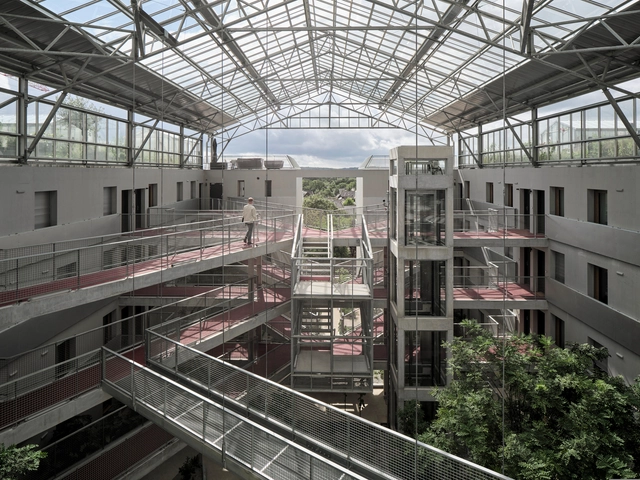
The demolition of the Pruitt-Igoe housing project will be 50 years old in 2022. Many ideas of how to live collectively have changed since then. Check out some housing projects in which the placement values encounters and community living.
The Pruitt-Igoe Housing Project, designed by Minoru Yamasaki, is considered a landmark of modernist architecture. Its high towers, inspired by Le Corbusier's Unité d'Habitation, which totaled almost 3000 units, set out to fill about half of the government-indicated housing deficit in the 1950s in St. Louis, USA. Besides the innovative architectural project, the government also bet on an interracial coexistence that involved poor and vulnerable strata of society - in the middle of the segregationist period in the United States.
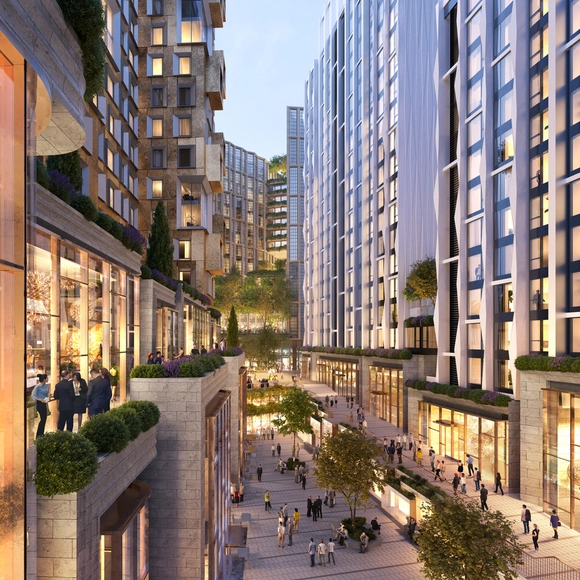
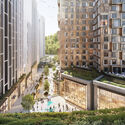
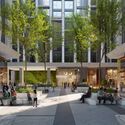
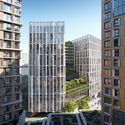
International architecture office KPF has unveiled the design for Parkside Seoul, a new mixed-use neighborhood planned for the South Korean capital designed to complement the surrounding natural elements and pay homage to Yongsan Park. The 482,600 square meter development is composed of a layered exterior envelope that encompasses various programs and public amenities with the purpose of enhancing the residents’ experience of space. Besides the residential units, the complex includes office and retail spaces, and hospitality facilities along with public and green spaces.
2022 has again resulted in diverse coverage on ArchDaily in an eventful year, from speculating on building materials of the future to analyzing the narrative role that architecture plays in literature. A selection of articles from this year is found below, organized into four over-arching topics.
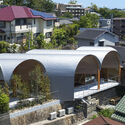
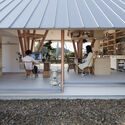
One of the first decisions to be made when designing a house is where to place it on the site. Whether it's a large or small plot, house placement impacts the architecture of the building itself and its relation with the neighborhood. Therefore, it must be carefully thought out and designed.
As 2022 winds down, ArchDaily brings together the highlights of architecture in a series of retrospectives. As part of this effort, the Projects Team turns to one of the most popular categories among readers—residential architecture—with the objective of gathering the houses that represent the best of a vast world of architectural production according to our worldwide audience.
Aging means learning to live with dependence - physical, social, or spatial - and in this long process, which cannot even be measured in years, it is increasingly understood that aging is closely related to genetics, lifestyle, location, and socioeconomic group. Therefore, this very diverse process varies according to each individual, to different interests as well as abilities and preferences in the way of life.
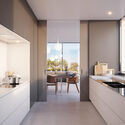
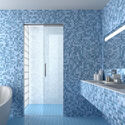
Once popular in Victorian architecture, pocket doors fell out of fashion in the mid-1920s and hinged doors soon became the norm. In recent years, however, a renewed interest in space-saving and design-forward solutions has brought pocket doors back into the limelight. What used to be an overlooked architectural feature is now becoming increasingly common in modern interiors, along with its creative flair and countless functions. These sleek, sliding doors can efficiently divide rooms, create seamless transitions, save space and contribute to a unique, sophisticated and stylish look. All of this while adding a slight touch of poetry to the home; sliding silently into the wall, pocket doors invite users to step through and explore what lies beyond, creating a strong sense of mystery and intrigue.
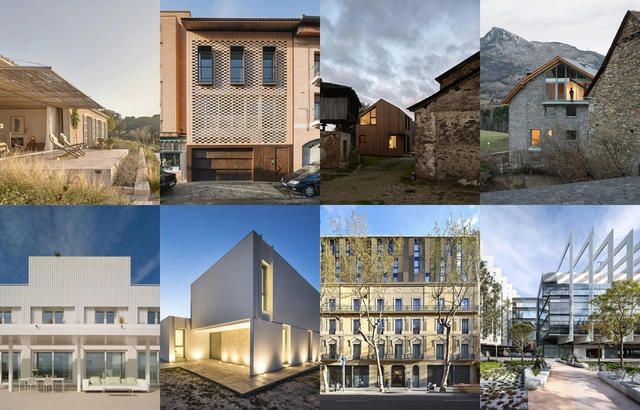
The following Spanish buildings illustrate how it is possible to tackle sustainability from several perspectives. In one way or another, their architects and designers have succeeded in transforming what was an imperial necessity into the project's main strength.
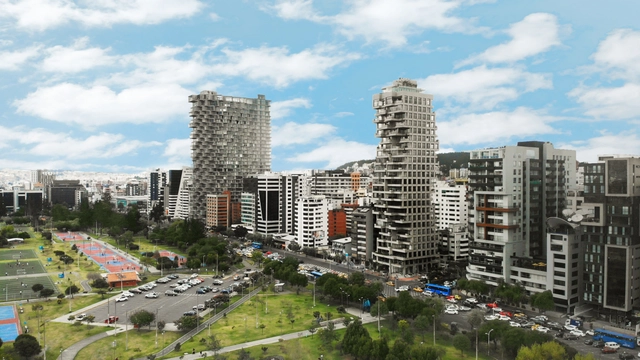
Quito-based developer Uribe Schwartzkopf unveiled two residential projects in the capital of Ecuador: IQON designed by Bjarke Ingels Group, and QORNER, by Safdie Architects. IQON represents BIG’s first project in South America and the tallest building in Quito. QORNER proposes a mix of residences of varying dimensions, complete with amenities such as private terraces, gyms, spas, and pools. To create an engaging interface with the city fabric, a mix of shops, restaurants, and commercial spaces are proposed at the street level.
According to a survey by the Brazilian Association for Recycling of Construction and Demolition Waste (ABRECON), there has been an increase in the recycling of construction and demolition waste (C&D) in Brazil in recent years. According to the 2015 report, 21% of the total C&D was recycled in the country that year, while in 2013 the rate was 19%.
The outlook is promising but not yet ideal, and the growth of recycled C&D materials is still considered small. In Brazil, construction waste can represent between 50% and 70% of the total municipal solid waste. This means, we still need to advocate for a more common practice of material recycling and reuse in architecture, especially in Brazil.
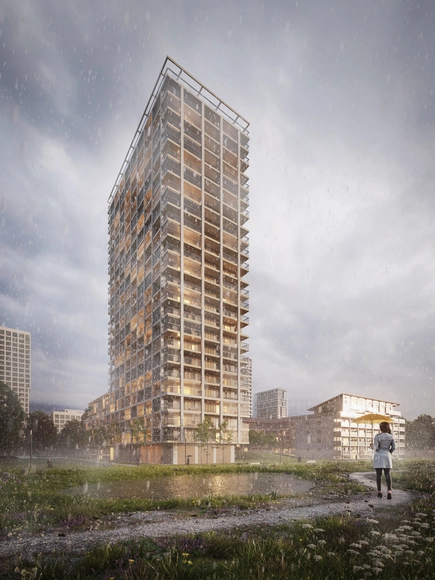
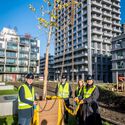
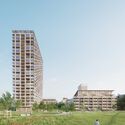
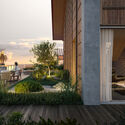
Shigeru Ban has just launched the office’s most recent project in Nieuw Zuid in Antwerp, Belgium. Named Ban, after its creator, and in collaboration with Bureau Bouwtechniek, the complex puts in place a 25-story residential tower and a separate building, creating a total of 295 residential units. During the breaking ground ceremony, the architect also inaugurated an exhibition of images highlighting his humanitarian work in conflict and disaster areas, in near proximity to the construction site.
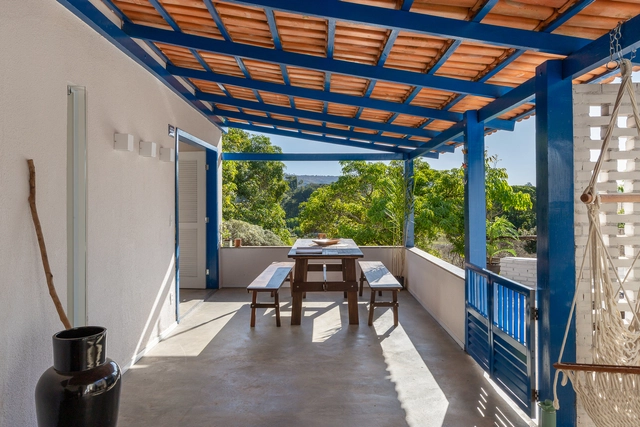
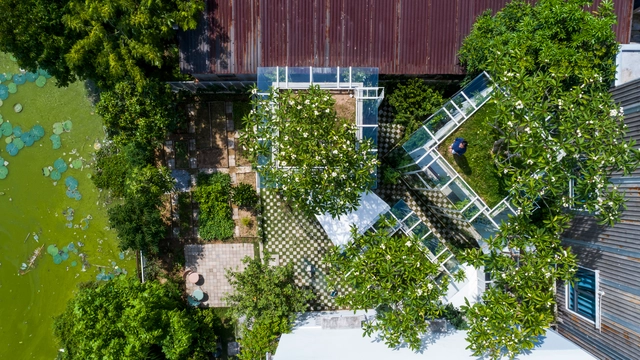
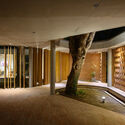
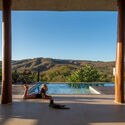
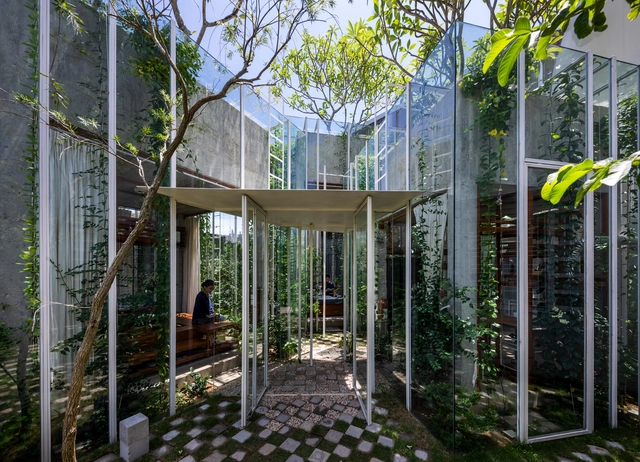
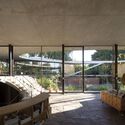
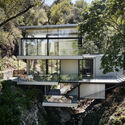
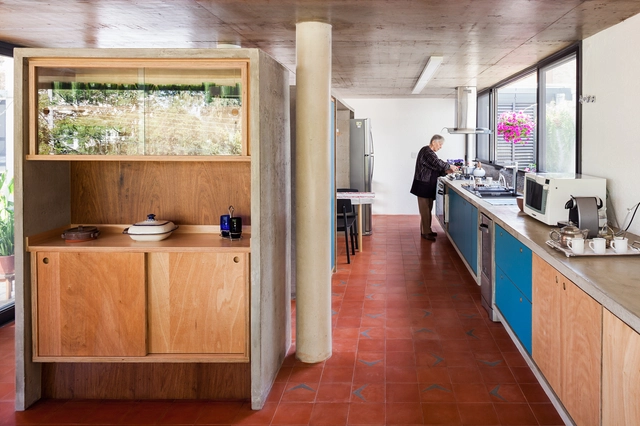
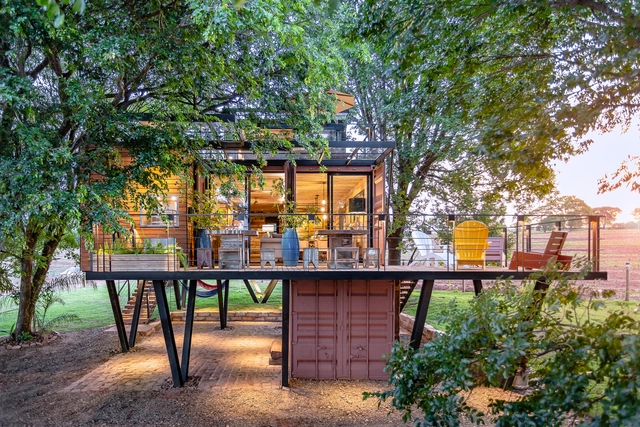
Brazil is one of the largest countries in the world, covering an area that goes from the Equator to beyond the Tropic of Capricorn, presenting a wide variety of climates and vegetation, which implies in the diverse natural landscape, flora and fauna for which the country is known. Residential architecture, when considered from its location, must adapt to the conditions of the surroundings, transforming its design according to the climate and morphology. We have gathered below a selection of Brazilian houses that respond to the natural environment in which they are located.


























.jpg?1600352094 "Flamboyant Residence / Perkins+Will. Image: © Nelson Kon")