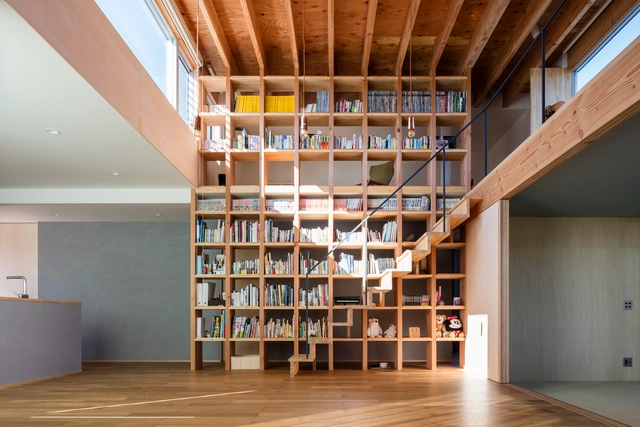
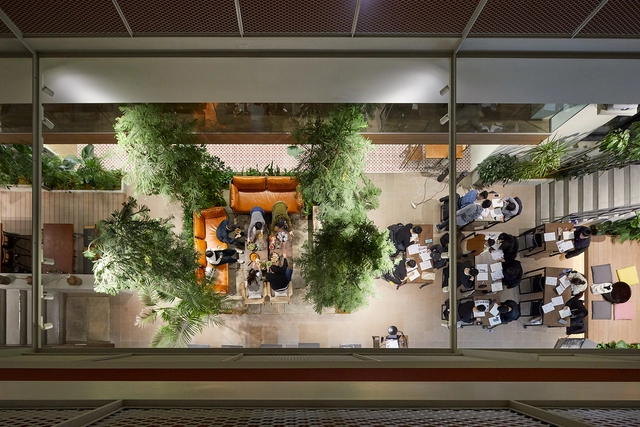
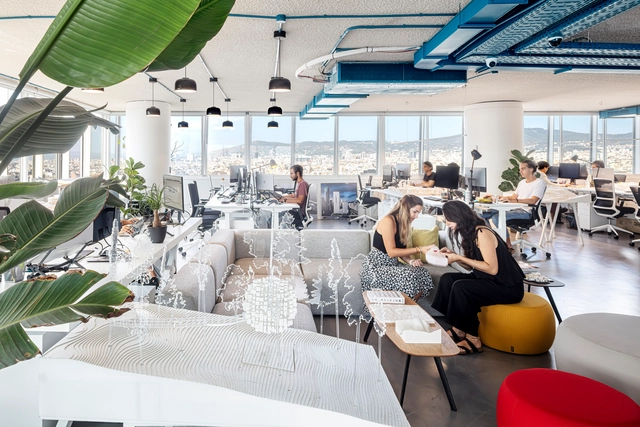
When Airbnb began nearly 15 years ago, it offered a new and innovative solution to book short-term stays without any hassle. By renting out a spare room or an entire apartment, it provided an alternative to traditional hotel models which were often overpriced and overbooked. Airbnb now faces many critics as the company quickly grew, offering hundreds of thousands of stays around the globe, but not without a handful of negative experiences. Now, planners and policymakers are beginning to see the effects of the abundance of Airbnb listings and how it impacts a growing housing crisis.
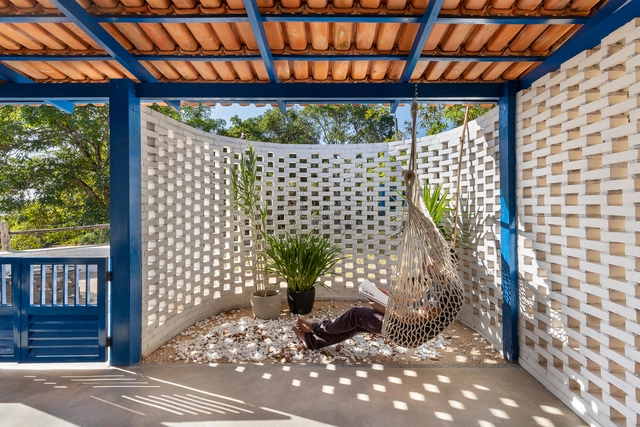
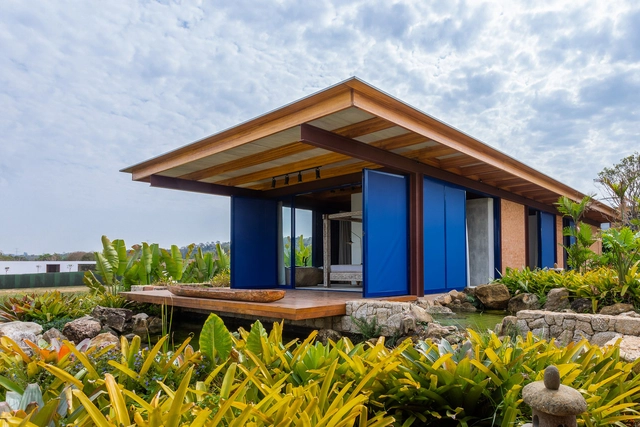
Country houses usually are found in remote areas, therefore, they often demand placement strategies that respect the context and dialogue with the landscape while bringing more thermal comfort and natural lighting. Most of the time, these solutions bring passive strategies that, along with the choice of materials and construction techniques, can provide an even more sustainable project. Get to know seven Brazilian residences that are examples of this theme.
There are several constructive technologies to configure the structural system of a building. From the 1960s onwards, the adoption of techniques that enabled the interaction between different materials became increasingly common, diversifying the design language and seeking the main advantages each element has to face certain situations. Over the years, some mix concrete, wood, stones or steel.
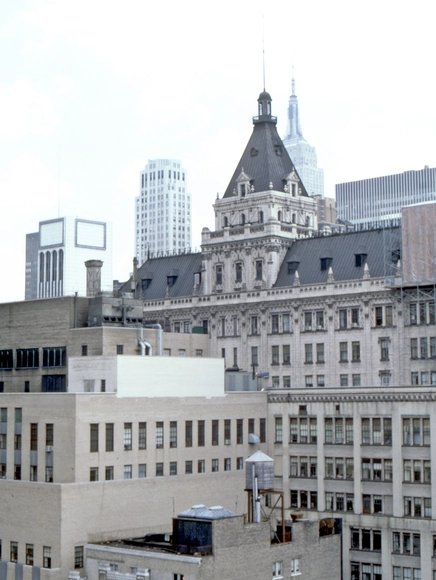
This file is licensed under the Creative Commons Attribution-Share Alike 3.0 Unported license.The New York Times Building, 1984. Image via Wikimedia
The hosts and producers of the Uncertain Things podcast, Adaam James Levin-Areddy, and Vanessa M. Quirk, conduct interviews with experts with a variety of experiences to answer the question, “Now what? How did we get here and what is next?”. In this episode with Michael Kimmelman, they touch upon many interesting subjects, namely, The New York Times institution and its evolution, Kimmelman’s new book the Intimate City, and our overall understanding of communities in cities.
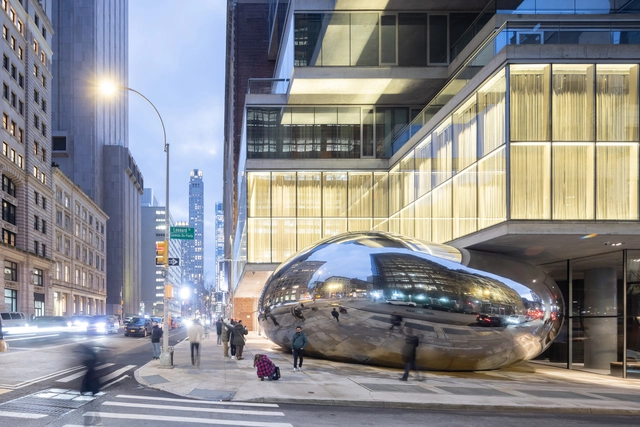
On January 31st, construction scaffolding and barriers were disassembled from the site at 56 Leonard Street, revealing Anish Kapoor’s first permanent artwork in New York City. The 48-foot-long, 19-foot-tall, 40-ton sculpture is nestled partially beneath the Herzog & de Meuron-designed residential building in the Tribeca neighborhood in Lower Manhattan. The mirrored sculpture is reminiscent of Kapoor;’s work called Cloud Gate, also known as “The Bean,” in Chicago, US.
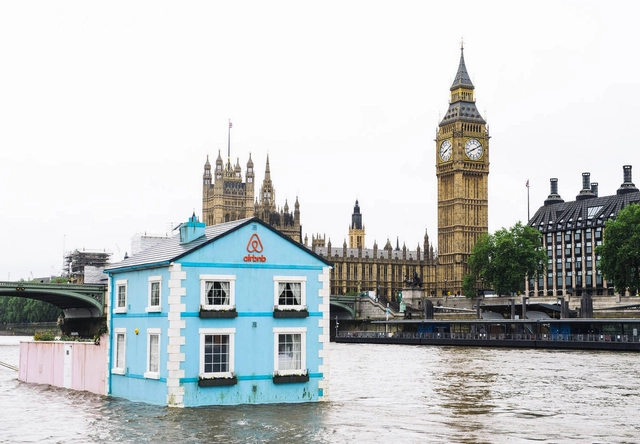
Airbnb has long been a reliable way to find a homestay. Since its inception in 2008, the site has hosted more than 7 million homes around the world where travelers can stay in a room, or rent an entire house out for themselves. Recently, many cities have been cracking down on short-term stays, citing safety issues, false listings, and rising property prices which push people out of their homes when housing becomes used just for Airbnb rentals. What are cities doing about these issues? What is Airbnb doing to help remediate them? And will Airbnb be viable for much longer?
After two weeks of voting in our 14th edition of the Building of the Year Awards, our readers have narrowed down over 4,500 projects to just 75 finalists across 15 categories, casting over 100,000 votes. This year's awards celebrate the very best in design, innovation, and sustainability from around the globe, with the shortlist featuring an exceptional range of projects, from a house in a favela to cutting-edge cultural centers and innovative public spaces that are sure to impress. As a crowdsourced award, we are proud to say that your selections are a true reflection of the state of architecture, and this year's finalists are no exception.
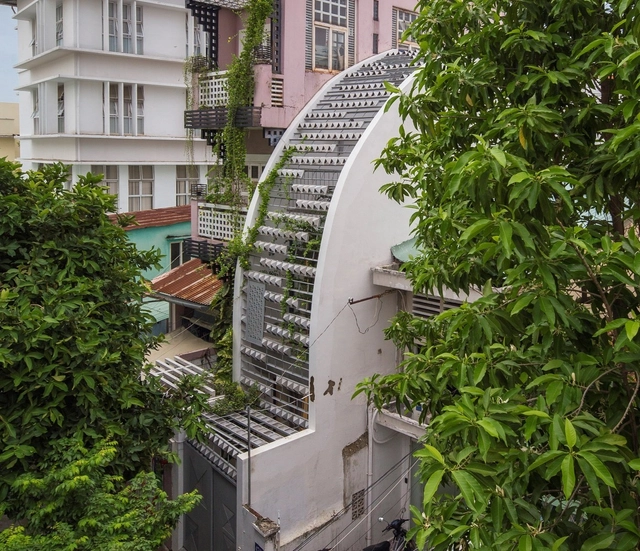
Walking down the streets of cities like Hanoi and Saigon in Vietnam, you might encounter houses with surprisingly narrow facades in contrast to the stacking of three to five floors, with windows for ventilation and natural light only on the front facade. These are the famous traditional Tube Houses. According to ancient popular culture, this type of housing emerged due to property taxes being based on the width of the facade, but the true reason is to optimize land use, allowing a larger number of plots in the same square.
However, this legacy is now being recreated in contemporary designs by Vietnamese architects. Old facades give way to innovative solutions featuring atriums for natural lighting and ventilation, courtyards and interior gardens, greenery incorporated into different environments, split-levels, etc., allowing for high-quality spaces. With that in mind, we have put together a selection of Tube Houses, together with their respective section drawings. Check out below:
Foster + Partners and Uruguay-based firm Ponce de León Arquitectos have unveiled The Edge, a residential project comprised of eight apartments in Montevideo's coastal landscape in Uruguay.
Overall Winner- Shadow Housing- Jeffrey Liu and Haylie Chan. Image Courtesy of Arch Out Loud
A home is one of the most significant architectural typologies that we experience throughout our lives. Largely serving as a significant private space, a home represents safety, ownership, and a sense of respite away from the rest of the world. It’s also historically been a place of routine, where we both begin and end our day, following the same patterns through different rooms of a home that we utilize. We can expect to sleep in our bedrooms, relax in a living room, cook in a kitchen, and eat in a dining room.
Despite the initially slow and arduous process of molding glass into shape, mankind has used the material for thousands of years. According to archaeological evidence, the first human-made glass tools and jewelry were found in Eastern Mesopotamia and Egypt around 3500BC — and after the invention of the blowpipe in Syria in the 1st century BC and the Western Industrial Revolution made mass production easier, the material's signature traits of transparency and durability could finally be applied on a large scale in architecture and design.
Fast forward to the present day, and the use of glass for building facades and windows is well documented. But what about once we move inside? By treating glass for different levels of transparency, cleverly positioning it within a room, or employing its reflective surface to their advantage, interiors can benefit just as much from the material as exteriors.
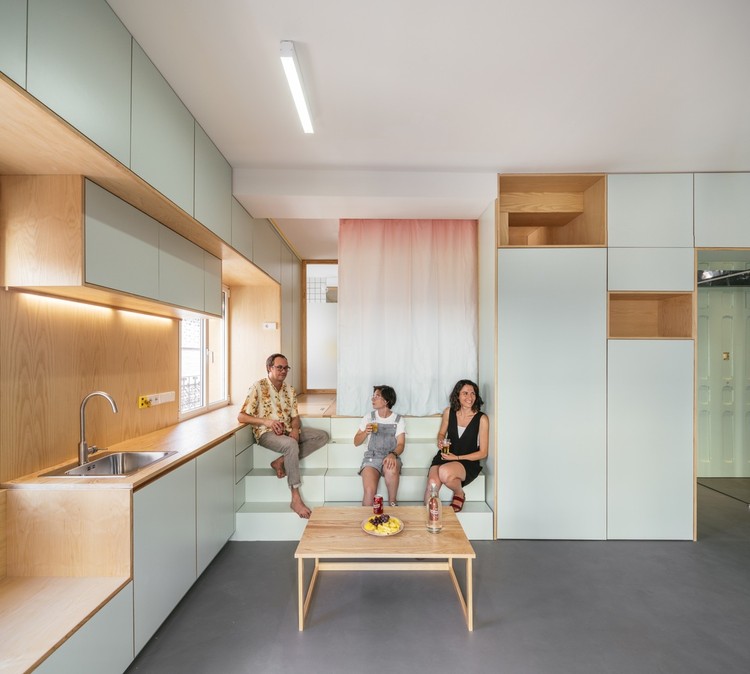
Designing the interior of an apartment when you have very little space to work with is certainly a challenge. We all know that a home should be as comfortable as possible for its inhabitants, but when we have only a few square meters to work with and the essential functions of the home to distribute, finding an efficient layout is not easy. Following our popular selection of houses under 100 square meters, we've gone one better: a selection of 30 floor plans between 20 and 50 square meters to inspire you in your own spatially-challenged designs.
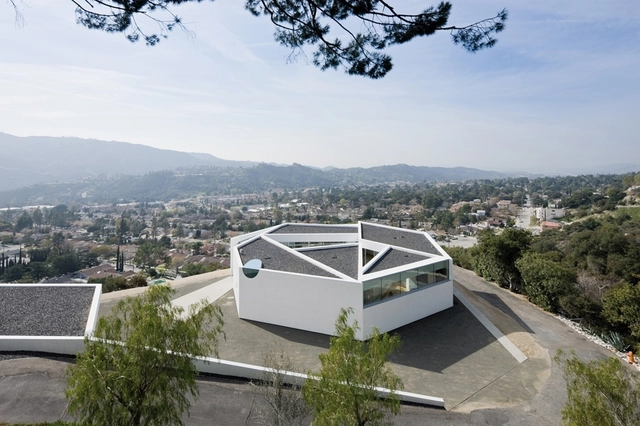
Los Angeles is a city of dreams. Known across the United States and the world, L.A. embodies both freedom and experimentation, defined as much by its freeways as its diversity. It is also a city of houses. Single-family homes cover almost half of Los Angeles, and as the city continues to evolve, architects have explored new ideas on modernity and daily life through the single-family typology.
Around 10 million people live in L.A. County, and Los Angeles itself has become one of the world's most ethnically diverse cities. The built environment reflects the nature of its residents, home to some of the most iconic residential and cultural architecture in the world. Los Angeles has its own dose of Lautner, Schindler, Wright, and Neutra. It's a city that has long embodied multiplicity and progressive forms, from the Eames House and Gehry's Residence to the iconic Stahl House. Through the lens of photographer Julius Shulman, many homes came to represent not only new residential styles but also the postwar culture of Southern California.
If ancient Hellenic sources are to be believed, hanging gardens have existed at least since antiquity when the famous Hanging Gardens of Babylon were described by writers such as Herodotus and Philo of Byzantium. Today, vertical gardens have proliferated alongside the interest in indoor plants and gardens, especially in suitable climates. This trend in architecture reflects a simultaneous uptick in interest toward sustainability and a more pastoral, back-to-nature lifestyle. In the projects listed below, several of the architects mention moving forward from an industrial past—with its concomitant environmental effects—toward a better future, or at least a secluded, fresh, and natural outpost amidst the chaos of modern city life. Indoor gardens, and the visual allure of hanging plants and climbing vines, provide the setting for such a life. These vertical designs simultaneously conserve space and embed the plants within the atmosphere of the house, ensuring the space feels as much like a garden as it does a comfortable home.
Home spaces filled with clutter and mess can be mentally exhausting, making it impossible to relax with the weight of life visually bearing down on an interior. ‘Tidy space, tidy mind’ as the idiom instructs, and home environments that focus on clean lines – either with a minimalist lifestyle, decluttering, or expansive and well-organized storage systems – cultivate a more meditative mindset. Perhaps, however, the demonization of clutter and these are, characterless spaces it creates, can get a little, well, boring.
So-called ‘clutter’ can still spark joy when given an opportunity, however. So whether they hold treasured memories in photo frames, bookcases of stories not just in print, proud achievements, inspiring equipment, or functional items kept close to hand, open storage elements like shelving, doorless cabinetry, or hanging hooks and pegs can create decorative, textured and, most importantly, personalized surfaces.
The interest in co-living is on the rise, a direction emphasized by the merger between the largest co-living operator in the US, Common, and their European equivalent, Habyt. The two companies manage more than 4,000 apartments in the US and 7,000 apartments in Europe and Asia, as reported by The Wall Street Journal. The term co-living refers to a modern form of group housing where residents share communal spaces for socializing, cooking, and gathering, and have access to shared amenities such as cleaning services or dog walking.
Keen to shape buildings and cities in Southern Europe, BIG has opened its latest office in Barcelona, Spain. Led by partner, João Albuquerque, the studio is seeking to create positive change and integrate into the city and the Spanish community. With a couple of projects spanning from the west to the east of the Mediterranean region, most notably Farfetch, and Fuse Valley campus in Portugal, the Joint Research Center in Sevilla for the European Commission, and the Gastronomy Open Ecosystem for Basque Culinary Center, BIG Barcelona is in constant evolution.
ArchDaily had the chance to talk to BIG Barcelona Partner João Albuquerque about the inception of the Barcelona office, his journey at BIG, and the firm's upcoming projects and involvement within the Spanish and Southern European markets.
Tu Casa by Lutolli Architects + Partners. Image Courtesy of Lutolli Architects + Partners
Architects play an important role in creating healthy, functional and aesthetically pleasing environments. Interior design represents a natural continuation of the same prerogative, and its importance has been accentuated in recent years, from the lockdown forcing many people to remain indoors for extended periods of time, to the rise of remote work. The task of the interior designer is not decorating spaces, but planning for an effective use of space, understanding the needs of the user and highlighting the intrinsic qualities of a space. Acoustics, lighting, material properties and proportions all play a role in achieving a coherent and enjoyable interior space.
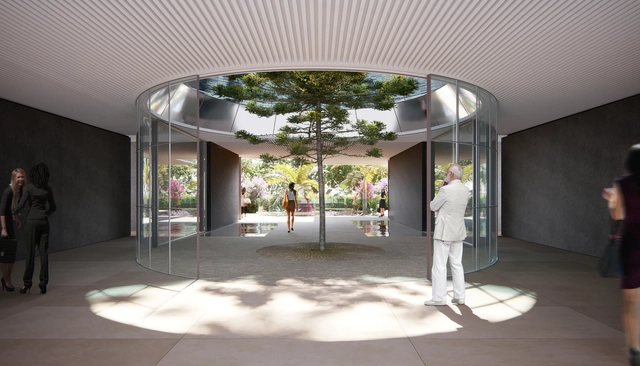
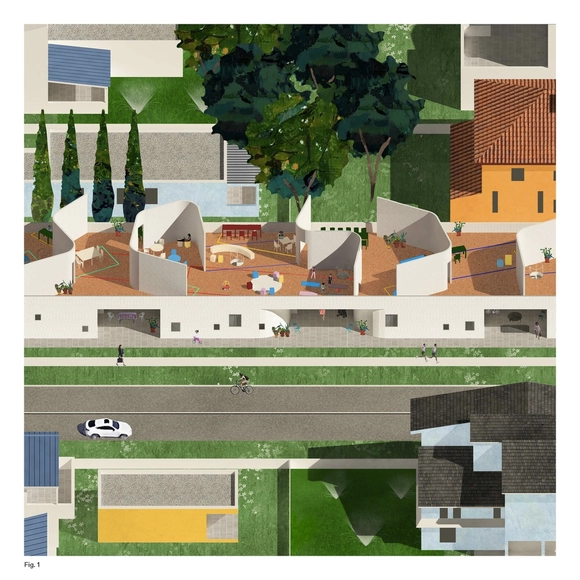
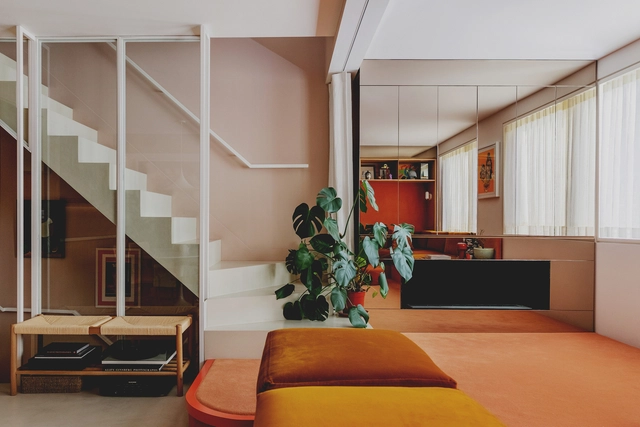
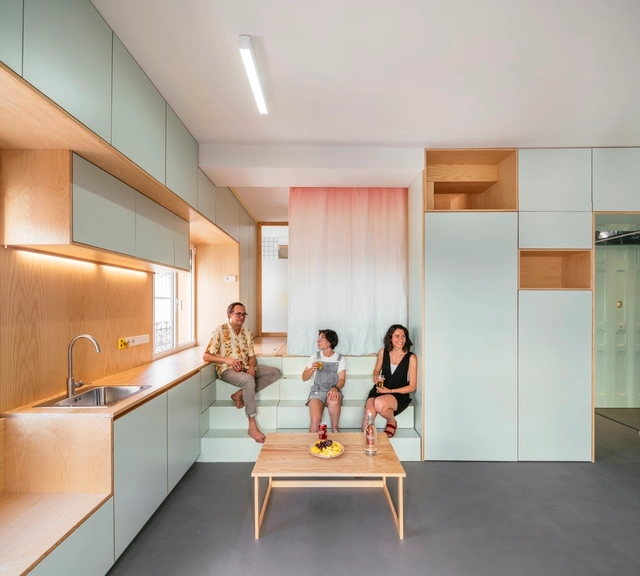
This week’s curated selection of Best Unbuilt Architecture highlights interior design projects submitted by the ArchDaily community. From a pastel-colored library in Turkey to a renovated symphony hall in San Diego, US, this selection of unbuilt projects showcases how architects design interior spaces by integrating textures, materials, light, and color in well-proportioned spaces. The article includes projects from Turkey, US, Switzerland, Indonesia, UK, and Denmark.


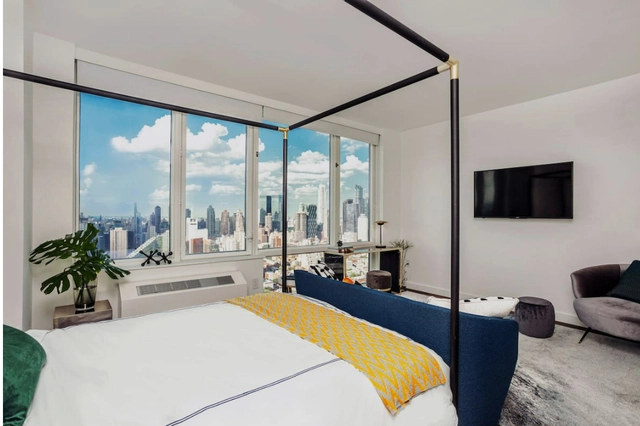




















_-18.02.2020-.jpg?1609783836 "Ster House / DELUTION. Image Courtesy of Delution Architect")