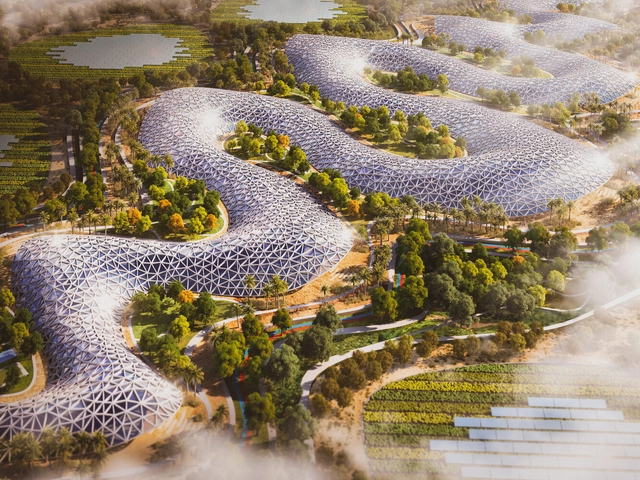
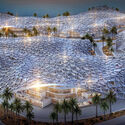
URB to develop the world's largest agritourism destination in Dubai, providing food security and to foster sustainability of the local communities, heritage, and cultural landscapes. In line with the city's ambition of making its rural areas restorative land facilities, "Agri Hub" targets to create 10,000 new jobs across various sectors, including a new agricultural research institute and a public farm for educational and retail purposes.
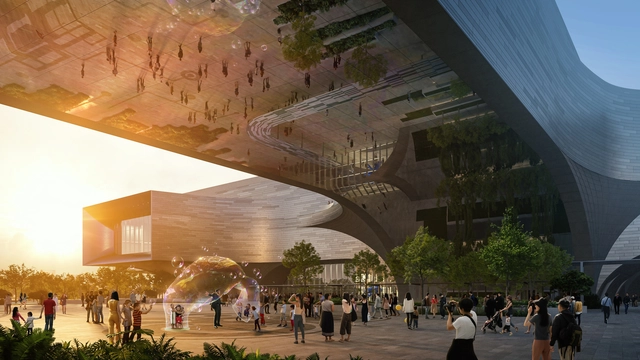
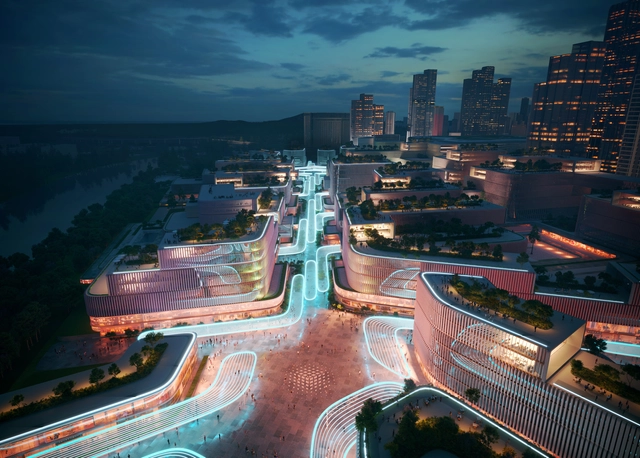
Zaha Hadid Architects and Architects 61 unveiled the design for the new Science Center in the Jurong Lake District, Singapore. The 52,460 square meters complex aims to make science, technology, engineering, and mathematics (STEM) more accessible through specialized amenities, educational programs, and interactive experiences. The building is expected to open in 2027, which also marks the 50th anniversary of the Science Center and aligns with the Singapore Green Plan 2030.
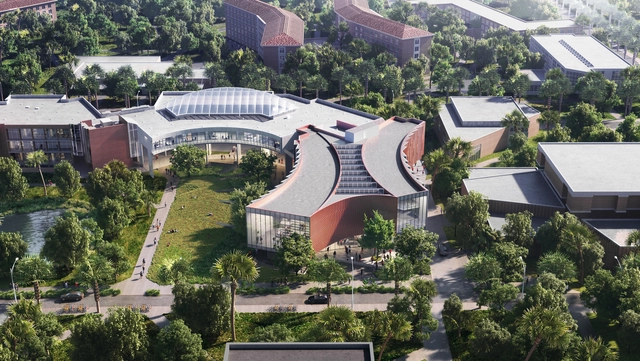
Architecture and design practice Brooks + Scarpa has announced that the new Ramos Collaboratory Building for the University of Florida’s School of Design Construction and Planning has broken ground. This extension will add nearly 50,000 square feet (4,600 square meters) of educational spaces to the existing college, which is also undergoing significant remodeling. The new building will include reconfigurable, multi-functional spaces where the students, faculty, and staff can collaborate both formally and informally. The building is anticipated to be completed in early 2025.
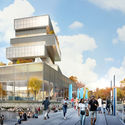
A new urban tech district is planned for the Creekside of Al Jaddaf area in Dubai. Developed by URB, the district aims to generate over four thousand jobs in urban technologies, education, and training, while also welcoming entrepreneurs to encourage a collaborative tech ecosystem. The district will provide facilities for training, research, conferences, business incubations, shared-desk spaces, and dedicated offices. It will also be home to an urban tech institute, which hopes to drive innovation by investing in applied research and by enabling public-private partnerships.
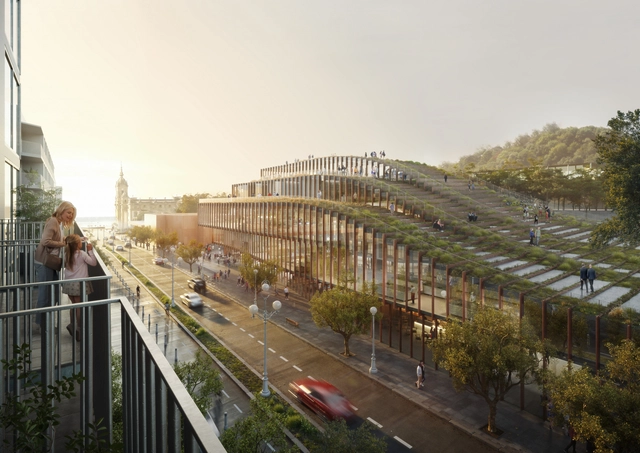
Selected among five invited architects including OMA, Snøhetta, 3XN, and Toyo Ito & Associates., the BIG-designed building for the Basque Culinary Center, is a new food tech hub located in San Sebastian, Spain. TheGastronomy Open Ecosystem (GOe) is in fact a 9,000 m2 project that seeks to push forward the art and science of gastronomic innovation, bringing together food start-ups, researchers, and chefs. Currently in progress, the building will focus on the development of alternative proteins, agricultural robotics, the prevention of food waste, and much more.
Cavatina Concert Hall by Cavatina. Image Courtesy of Cavatina
The diversity of civic spaces in cities and rural areas have continuously showcased how strongly they explore human connections regardless of program, construction technique, scale, and geography. Ranging from educational facilities and museums, to art centers, libraries, religious halls, and memorials, these projects have enriched urban fabrics with cultural programs that have provided members of the community with places to learn, entertain, create, and unwind.
This week’s curated selection of Best Unbuilt Architecture highlights cultural projects submitted by the ArchDaily community from across the world. From a water management system that targets the natural crises in Egypt to a structurally intertwined memorial in the United States, this round up of unbuilt projects showcases how architects responded to the contextual and spatial needs of their projects through innovative and local solutions. The article also includes projects from Italy, China, Uruguay, Poland, Iran, Hungary, Russia, and the United Kingdom.
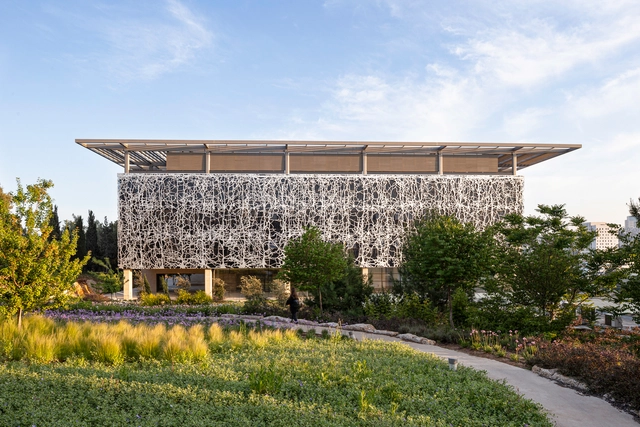
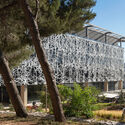
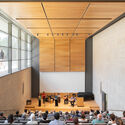
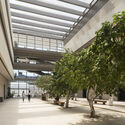
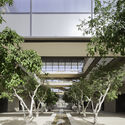
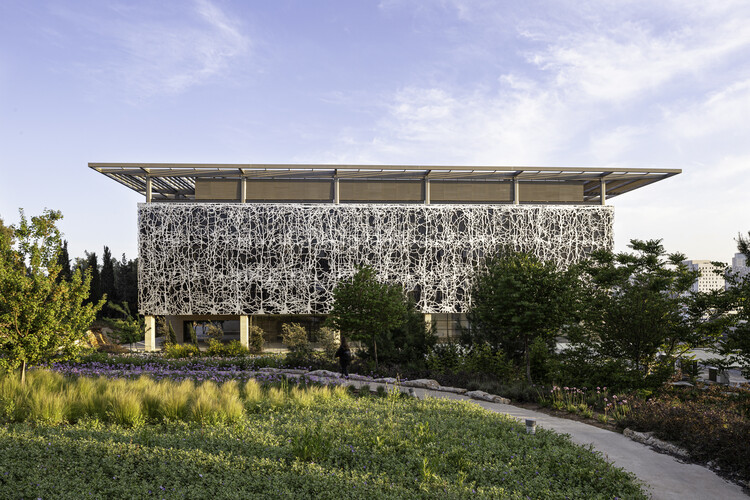
Foster + Partners has recently completed the Edmond and Lily Safra Center for Brain Sciences, a new research facility within the Hebrew University of Jerusalem campus. The design features an array of flexible laboratories arranged in two parallel wings around an open central courtyard, which recreates the surrounding landscape through its citrus trees and water stream. The distinctive facade screen represents the neurological brain structure, as drawn by Spanish neuroscientist Santiago Ramon y Cajal at the beginning of the 20th century.
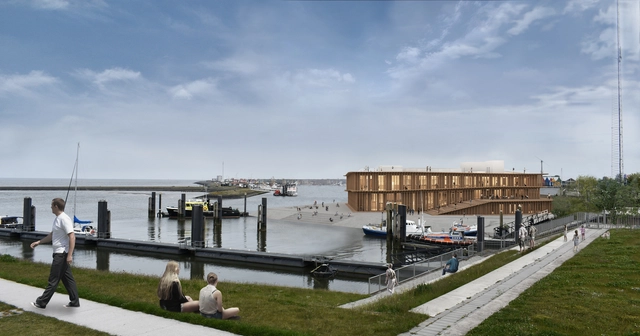
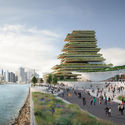
After the Wadden Sea Center in Denmark and the Trilateral Wadden Sea World Heritage Partnership Center in Germany, the Wadden Sea World Heritage Center marks Dorte Mandrup’s third project in this unique environment. Created as a spiraling movement upwards and around, rising from the harbor, the Wadden Sea World Heritage Center is a “working field station that wants to engage visitors and aims at making them active participants”.
Zaha Hadid Architects has designed the future of Huanggang Port Area, creating a hub of scientific research and collaboration in industries in Shenzhen, China. The new proposed master plan puts in place “an important node of the Guangzhou-Shenzhen Science and Technology Corridor”, through the reconstruction of the port building as well as the transformation of its empty lots into the national center for technology innovation.
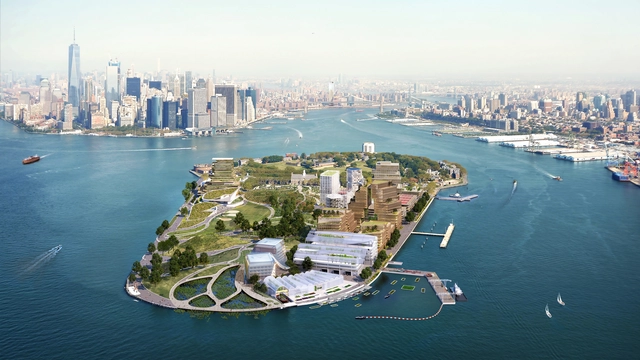
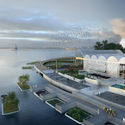
Focusing on research, education, and public engagement, the Trust for Governors Island unveiled plans to develop a climate solutions center, designed by WXY Architecture + Urban Design. Inspired by the unique environment of the island, the project will generate a public living laboratory, cementing NYC’s position as a leader in climate change action.
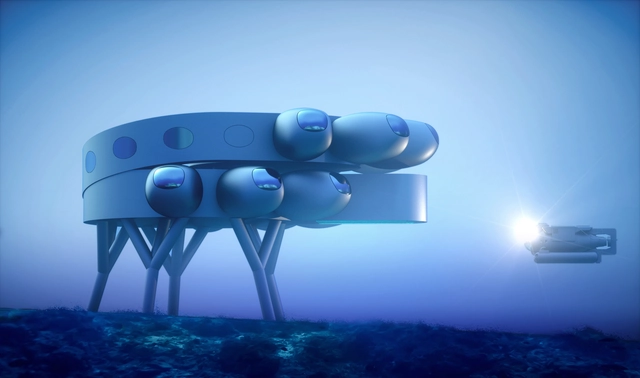
Bringing together technical experts in different fields to address issues of global importance, Fabien Cousteau, first grandson of Jacques-Yves Cousteau, and the Fabien Cousteau Ocean Learning Center (FCOLC) announced the inception of PROTEUS, “the world’s most advanced underwater scientific research station and habitat to address humanity’s most critical concerns”. Conceived as the underwater version of the International Space Station, the project is designed by Yves Behar and fuseproject.
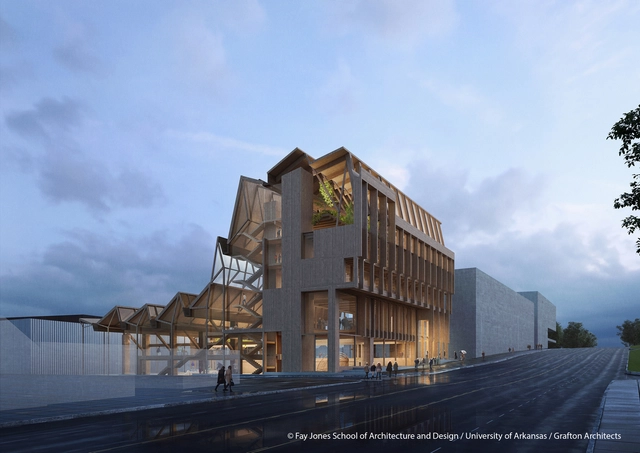
Courtesy of Fay Jones School of Architecture and Design, University of Arkansas / Grafton Architects
Grafton Architects was selected as the winning firm to design the Anthony Timberlands Center for Design and Materials Innovation at the University of Arkansas. In collaboration with Modus Studio for the planned campus design research center, the design on the project is scheduled to begin this summer.
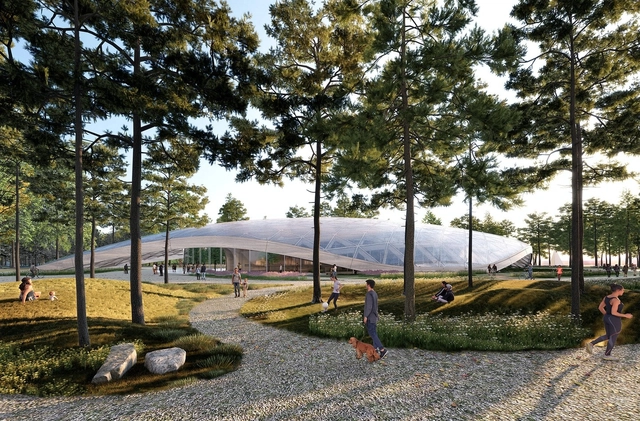
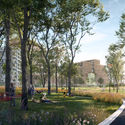
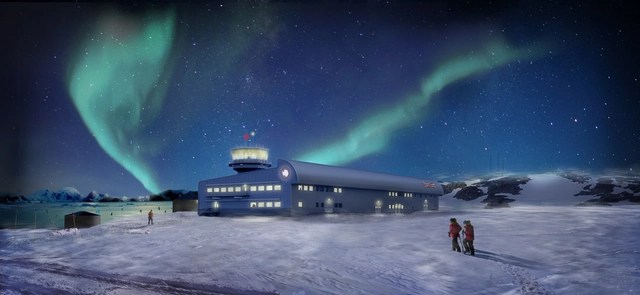
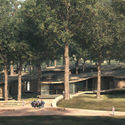
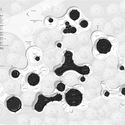
The National Architectural Competition for the Research, Rescue, and Rehabilitation Center for the Sea Turtles in Iztuzu Beach, organized by the Ministry of Environment and Urbanisation of Turkey, selects KÂAT Architects to design the environmentally sensitive facility.
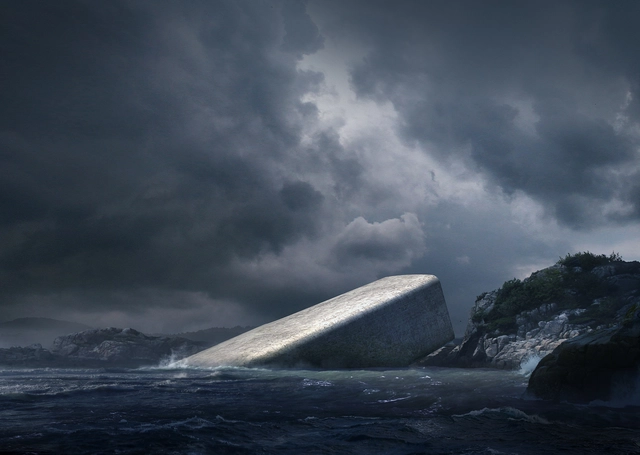
Snøhetta have revealed designs for Europe's first underwater restaurant in the coastal village of Båly, in Norway. The structure, which also houses a marine life research center, teeters over the edge of a rocky outcrop, semi-submerged in the ocean. Built from concrete, the monolithic structure will come to rest on the sea bed five meters below the water's surface; here, it will "fuse" with the ecosystem of the concealed shoreline. Below the waterline, the restaurant’s enormous acrylic windows will frame a view of the seabed.
https://www.archdaily.com/882130/snohetta-unveils-designs-for-europes-first-underwater-restaurantAD Editorial Team
Montréal’s CCA (Canadian Centre for Architecture), the international museum and research center which was founded by Phyllis Lambert in 1979 and is currently directed by Mirko Zardini, has launched a new iteration of its website. The organisation’s new online presence has been conceived as an active editorial project which aims for more than dissemination of information alone; rather, it will take positions and—being organised around several themes such as “The Planet is the Client,” “Origins of the Digital” and “Technology Sometimes Falls Short”—will reflect the CCA’s ongoing research interests.
This interview with Zardini has been conducted by Steffen Boddeker (currently Director of Communications at Columbia University Graduate School of Architecture, Planning and Preservation – GSAPP), who has worked with the CCA as a communications and online consultant overseeing its web presence since 2006.











_-_West_Elevation.jpg?1641304390 "So Close , So Far Cultural Center by Shahab Shariat. Image Courtesy of Shahab Shariat")





.jpg?1576843118&format=webp&width=640&height=580)
.jpg?1576843076 "Courtesy of KÂAT Architects")
.jpg?1576843118)