1. ArchDaily
  2. Pritzker Prize 2026

Pritzker Prize 2026: The Latest Architecture and News

Distraction in Architecture: In Conversation with 2026 Pritzker Laureate Smiljan Radić

Subscriber Access | 

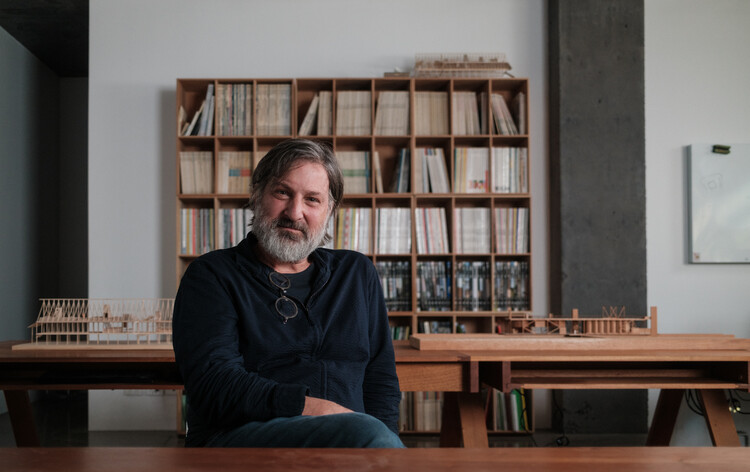
"I want to start by thanking architecture itself." With these words, Chilean architect Smiljan Radić, the 55th laureate of the Pritzker Architecture Prize, opened his acceptance speech in Mexico City. Reflecting on what he calls "distractions," he thanked the many encounters that have accompanied him throughout his life and practice: from art, cities, materials, structures, and compositions to landscapes, poetry, nature, forms, stories, and memories. He spoke about what, within them, provoked him and the marks they left on his architectural imagination.

From the black light in Chandigarh and the interior of San Salvatore in Rialto, to the heaps of stone on the Croatian island of Brač; from the fallen columns of the Temple of Poseidon and the abandoned shires scattered across Chile, to People Meet in Architecture, Kazuyo Sejima's 2010 Venice Architecture Biennale, the traveling Chilean circus, and the silence of the water within the cisterns of Hagia Sophia, his speech unfolded as a tribute to moments, encounters, and distractions. A collage of memories and impressions that, together, shaped the architect he became.

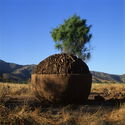
Distraction in Architecture: In Conversation with 2026 Pritzker Laureate Smiljan Radić - Image 1 of 4Distraction in Architecture: In Conversation with 2026 Pritzker Laureate Smiljan Radić - Image 2 of 4Distraction in Architecture: In Conversation with 2026 Pritzker Laureate Smiljan Radić - Image 3 of 4Distraction in Architecture: In Conversation with 2026 Pritzker Laureate Smiljan Radić - Image 4 of 4Distraction in Architecture: In Conversation with 2026 Pritzker Laureate Smiljan Radić - More Images+ 5

Smiljan Radić to Lead 2026 Pritzker Laureate Lecture and Panel on “Architecture: Distraction and Knowledge”

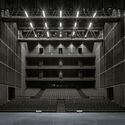
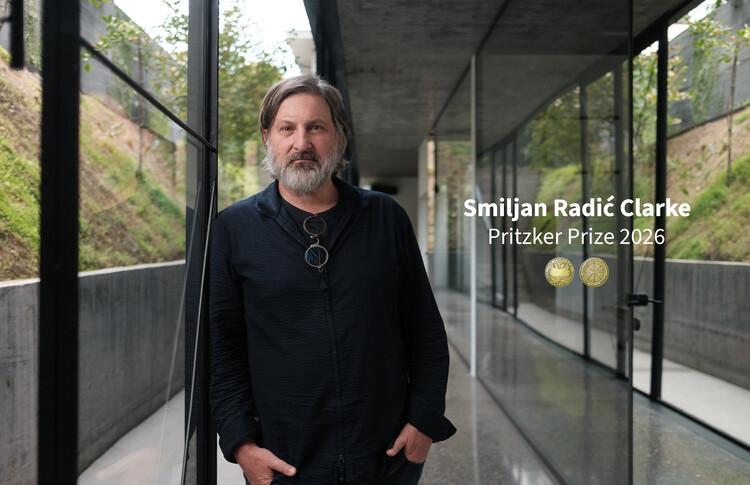
On March 12, the Chilean architect of Croatian descent, Smiljan Radić Clarke, was awarded the 2026 Pritzker Architecture Prize. The jury highlighted his "unorthodox approach to design," which "may initially appear unusual, unexpected, even rebellious; yet, far from producing alienation or estrangement, his anti-canonical stance feels fresh and unprecedented. It conveys the unmistakable sensation of encountering something new." This recognition will be celebrated with the annual Pritzker Architecture Prize Laureate Lecture and Panel Discussion, to be held in Mexico City at the Universidad Nacional Autónoma de México (UNAM), at the Faculty of Architecture's Teatro Estefanía Chávez, on May 12, 2026.
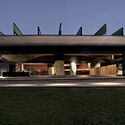
Smiljan Radić to Lead 2026 Pritzker Laureate Lecture and Panel on “Architecture: Distraction and Knowledge” - Image 1 of 4Smiljan Radić to Lead 2026 Pritzker Laureate Lecture and Panel on “Architecture: Distraction and Knowledge” - Image 2 of 4Smiljan Radić to Lead 2026 Pritzker Laureate Lecture and Panel on “Architecture: Distraction and Knowledge” - Image 3 of 4Smiljan Radić to Lead 2026 Pritzker Laureate Lecture and Panel on “Architecture: Distraction and Knowledge” - Image 4 of 4Smiljan Radić to Lead 2026 Pritzker Laureate Lecture and Panel on “Architecture: Distraction and Knowledge” - More Images

Smiljan Radić: Material Explorations Between Ephemerality and Permanence

Subscriber Access | 

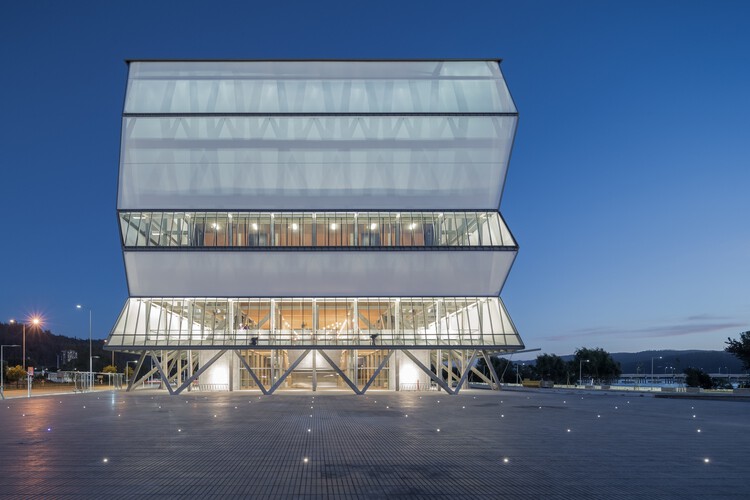
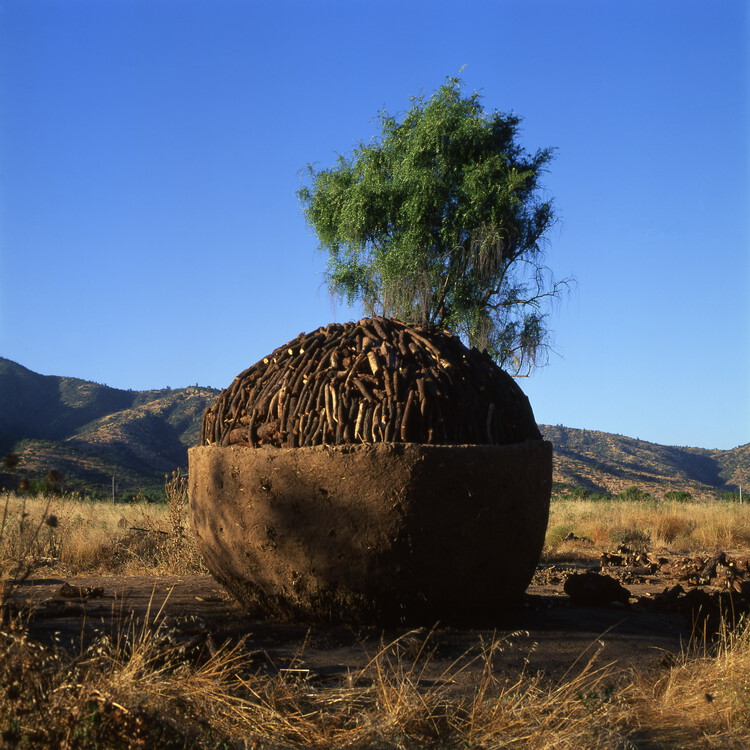
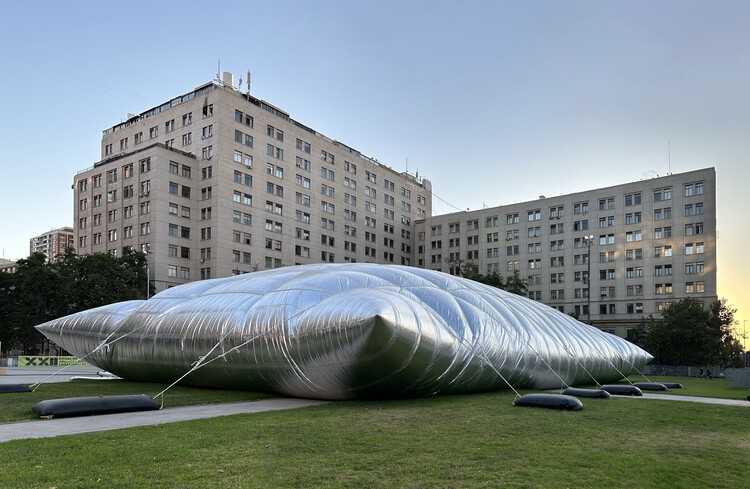
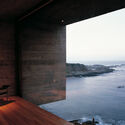
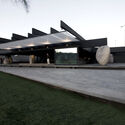
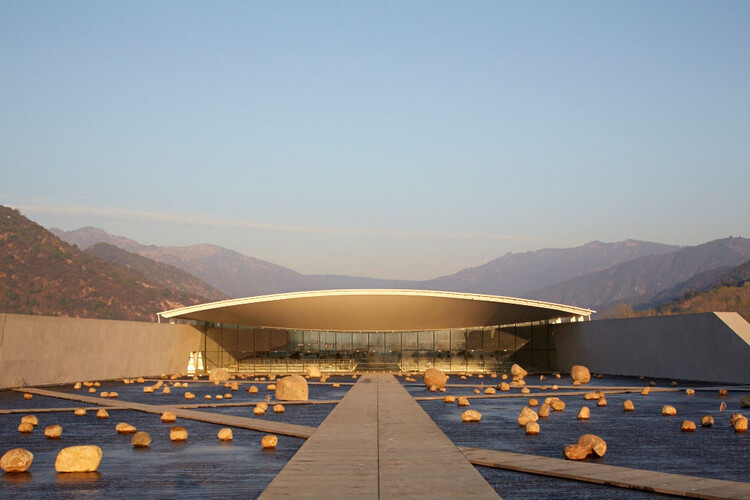
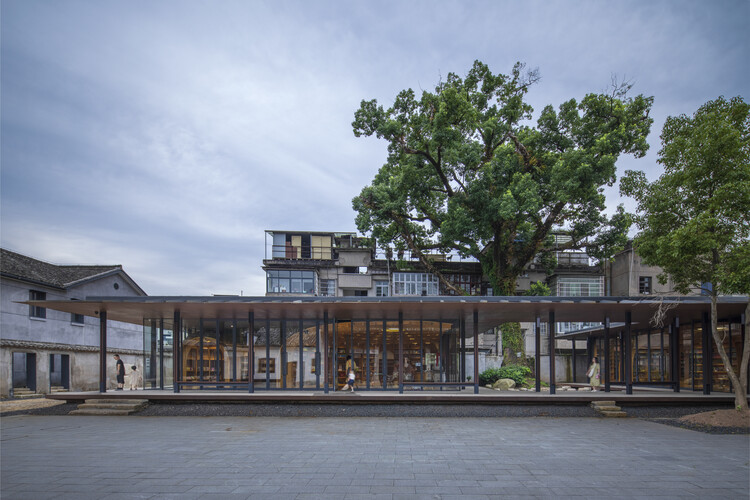
Chilean architect Smiljan Radić Clarke has developed a body of work that resists easy categorization. His buildings often seem both ancient and provisional, carrying a monumental presence while retaining an unexpected sense of fragility. Stone, concrete, timber, fabric, and fiberglass are combined in unexpected ways, producing architectures that hover between permanence and ephemerality. Rather than pursuing a stable formal language, the 2026 Pritzker laureate approaches architecture as an open field of experimentation, where material behavior and structural perception are constantly tested.

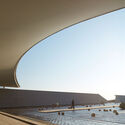
Smiljan Radić: Material Explorations Between Ephemerality and Permanence - Image 1 of 4Smiljan Radić: Material Explorations Between Ephemerality and Permanence - Image 2 of 4Smiljan Radić: Material Explorations Between Ephemerality and Permanence - Image 3 of 4Smiljan Radić: Material Explorations Between Ephemerality and Permanence - Image 4 of 4Smiljan Radić: Material Explorations Between Ephemerality and Permanence - More Images+ 24

Who Is Smiljan Radić Clarke? 10 Things to Know About the 2026 Pritzker Architecture Laureate

Smiljan Radić Clarke, the 2026 Pritzker Prize winner, is a contemporary Chilean architect known for his experimental approach to design, with a practice that balances the elemental with the intimate, the monumental with the fragile. Over the course of more than three decades, Radić has developed an architecture that resists repetition and conventional stylistic categorization, favoring instead deeply site-specific, materially attuned, and culturally reflective interventions.

His work negotiates between permanence and impermanence, memory and imagination, creating buildings that are as much about human experience and emotion as they are about structure and form. Across residences, cultural institutions, and temporary installations, Radić's architecture foregrounds the interplay between context, materials, and the subtle gestures that shape how spaces are inhabited and perceived.

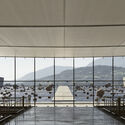
Who Is Smiljan Radić Clarke? 10 Things to Know About the 2026 Pritzker Architecture Laureate - Image 1 of 4Who Is Smiljan Radić Clarke? 10 Things to Know About the 2026 Pritzker Architecture Laureate - Image 2 of 4Who Is Smiljan Radić Clarke? 10 Things to Know About the 2026 Pritzker Architecture Laureate - Image 3 of 4Who Is Smiljan Radić Clarke? 10 Things to Know About the 2026 Pritzker Architecture Laureate - Image 4 of 4Who Is Smiljan Radić Clarke? 10 Things to Know About the 2026 Pritzker Architecture Laureate - More Images+ 11

Smiljan Radić Clarke: Get to Know the 2026 Pritzker Winner's Work

The 2026 Pritzker Price Award has been awarded this year to the Chilean architect of Croatian descent, Smiljan Radić Clarke. Born in Santiago, Chile, in 1965, his practice evokes a geography of extremes, shaped by the tectonic tension between the staggering weight of the Andes and the seismic instability of the territory. After graduating from the Pontifical Catholic University of Chile and pursuing further studies in aesthetics in Venice, Smiljan Radić Clarke established his base in Santiago. From there, he has developed one of the most singular visions in contemporary architecture. His work privileges the intensity of the moment through a fragile architecture. Within it, the building operates as a temporary and tactile refuge that places the spectator in a state of aesthetic uncertainty, oscillating between ancestral ruin and avant-garde artefact.

Smiljan Radić Clarke: Get to Know the 2026 Pritzker Winner's Work - Image 1 of 4Smiljan Radić Clarke: Get to Know the 2026 Pritzker Winner's Work - Image 2 of 4Smiljan Radić Clarke: Get to Know the 2026 Pritzker Winner's Work - Image 3 of 4Smiljan Radić Clarke: Get to Know the 2026 Pritzker Winner's Work - Image 4 of 4Smiljan Radić Clarke: Get to Know the 2026 Pritzker Winner's Work - More Images+ 59

Smiljan Radić Clarke Receives the 2026 Pritzker Prize, The Artist of Unspoken Architecture

Chilean architect Smiljan Radić Clarke has been announced as the laureate of the 2026 Pritzker Architecture Prize, regarded as one of the highest honors in the field of architecture. The award recognizes Radić for a body of work that explores architecture through material experimentation, spatial perception, and a careful engagement with landscape and context. Born in Santiago, Chile, where he continues to live and work, Radić leads the practice Smiljan Radić Clarke, established in 1995. As the second Chilean to receive the prize, after Alejandro Aravena in 2016, he joins a distinguished list of previous laureates, including Liu Jiakun in 2025, Riken Yamamoto in 2024, David Chipperfield in 2023, and Diébédo Francis Kéré in 2022.

Radić's architecture operates within a territory where the phenomenological experience of space precedes explanation. His buildings often appear quiet, elemental, and resistant to easy verbal interpretation, encouraging visitors to experience them through movement, atmosphere, and perception rather than through formal expression. 

Smiljan Radić Clarke Receives the 2026 Pritzker Prize, The Artist of Unspoken Architecture - Image 32 of 4Smiljan Radić Clarke Receives the 2026 Pritzker Prize, The Artist of Unspoken Architecture - Image 3 of 4Smiljan Radić Clarke Receives the 2026 Pritzker Prize, The Artist of Unspoken Architecture - Image 33 of 4Smiljan Radić Clarke Receives the 2026 Pritzker Prize, The Artist of Unspoken Architecture - Image 5 of 4Smiljan Radić Clarke Receives the 2026 Pritzker Prize, The Artist of Unspoken Architecture - More Images+ 32

Rotterdam’s Sustainability Landmark and Brisbane’s 2032 Olympic Stadium: This Week’s Review

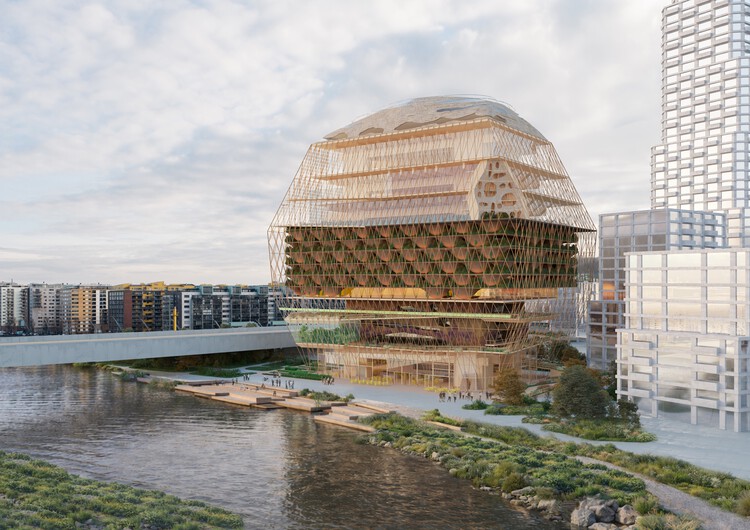
Architecture this week reflects the intersections of legacy, authorship, and social responsibility, as practices navigate questions of identity, recognition, and public engagement. Legal rulings, major competition shortlists, and large-scale urban proposals illustrate how architecture continues to operate across cultural, institutional, and environmental arenas. From sustainability-driven landmarks and transformative waterfront developments to iconic commercial towers, projects demonstrate approaches to ecological strategies and public programming. At the same time, global observances such as World Hearing Day highlight how spatial design shapes inclusion and accessibility, reminding the profession that the built environment can influence participation, learning, and well-being for diverse communities.

Rotterdam’s Sustainability Landmark and Brisbane’s 2032 Olympic Stadium: This Week’s Review - Image 1 of 4Rotterdam’s Sustainability Landmark and Brisbane’s 2032 Olympic Stadium: This Week’s Review - Image 2 of 4Rotterdam’s Sustainability Landmark and Brisbane’s 2032 Olympic Stadium: This Week’s Review - Image 3 of 4Rotterdam’s Sustainability Landmark and Brisbane’s 2032 Olympic Stadium: This Week’s Review - Image 4 of 4Rotterdam’s Sustainability Landmark and Brisbane’s 2032 Olympic Stadium: This Week’s Review - More Images+ 11

ArchDaily’s Readers Select Who Should Win the 2026 Pritzker Prize

As the architecture community looks ahead to the announcement of the 2026 laureate of the Pritzker Architecture Prize, anticipation once again gathers around what is widely regarded as the profession's highest honor. Founded in 1979 by Jay Pritzker and administered by the Hyatt Foundation, the prize recognizes a living architect whose body of work demonstrates a consistent and significant contribution to humanity and the built environment.

ArchDaily’s Readers Select Who Should Win the 2026 Pritzker Prize - Image 1 of 4ArchDaily’s Readers Select Who Should Win the 2026 Pritzker Prize - Image 2 of 4ArchDaily’s Readers Select Who Should Win the 2026 Pritzker Prize - Image 3 of 4ArchDaily’s Readers Select Who Should Win the 2026 Pritzker Prize - Image 4 of 4ArchDaily’s Readers Select Who Should Win the 2026 Pritzker Prize - More Images+ 7

London’s Brutalist Heritage and Australia’s New City: This Week’s Review

This week's news brings together developments in professional recognition, cultural programming, and large-scale urban strategy, reflecting the multiple scales at which architecture shapes contemporary discourse. As the field anticipates the next Pritzker Architecture Prize announcement, conversations around authorship, civic responsibility, and long-term impact unfold alongside the American Institute of Architects' 2026 Honorary Fellowship appointments, situating individual achievement within broader institutional frameworks. At the same time, updates from Riyadh to London foreground the role of architecture in both enabling new cultural platforms and safeguarding post-war heritage. Complementing these narratives, the reassignment of the 2029 Asian Winter Games and progress on expansive public landscapes highlight how cities are aligning infrastructure delivery, environmental resilience, and territorial planning with long-term economic and social agendas.

London’s Brutalist Heritage and Australia’s New City: This Week’s Review - Image 1 of 4London’s Brutalist Heritage and Australia’s New City: This Week’s Review - Image 2 of 4London’s Brutalist Heritage and Australia’s New City: This Week’s Review - Image 3 of 4London’s Brutalist Heritage and Australia’s New City: This Week’s Review - Image 4 of 4London’s Brutalist Heritage and Australia’s New City: This Week’s Review - More Images+ 7

Who Should Win the 2026 Pritzker Prize?

As the architecture community looks ahead to the announcement of the 2026 Pritzker Architecture Prize, anticipation is once again building around who will be named this year's laureate. While the official date has yet to be confirmed, the annual reveal traditionally takes place in early March, marking one of the most closely watched moments in the architectural calendar. Established in 1979 by the Hyatt Foundation, the Pritzker Architecture Prize is widely regarded as "the profession's highest honor." Each year, it recognizes a living architect, or architects, whose work demonstrates a consistent and significant contribution to humanity and the built environment. Over the decades, the award has reflected shifting priorities within the discipline, highlighting practices engaged with social equity, environmental responsibility, material experimentation, and cultural continuity.