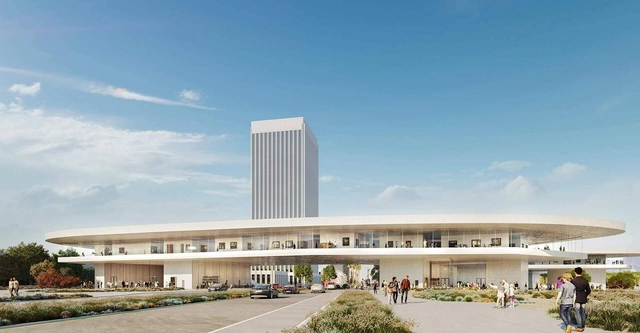
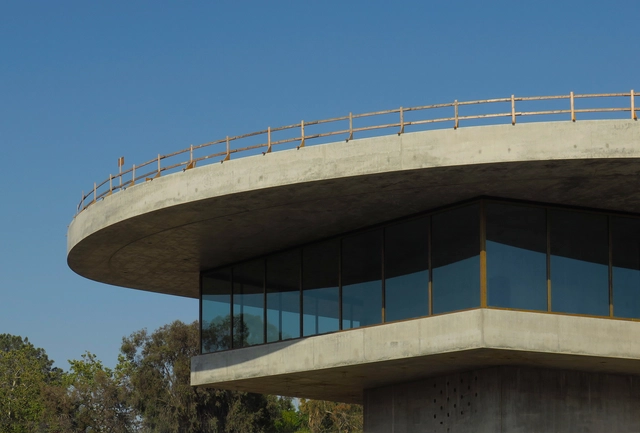
Paul Clemence has released a new series of images showcasing the ongoing construction works in The Los Angeles County Museum of Art (LACMA). Undergoing massive transformations, including a new building by Swiss architect Peter Zumthor, the LACMA is the largest art museum in the western United States. Approved in 2019, Zumthor’s design, known as the David Geffen Galleries, aims to modernize the museum’s campus.
Museums reveal local and shared heritage. As cultural institutions embedded in the fabric of modern life, each museum serves as a window into history and human exchange. Made to promote understanding and provoke new ideas, these monumental buildings are inspired by spatial exploration. With some of the most influential museum projects in the world, Germany is home to a range of diverse institutions showcasing unique approaches to curating, taxonomy and spatial organization.
This year's architectural contributions, which were on display across the busy streets of Milan, Brera design district and botanical garden, Alcova, BASE, and other cultural venues, highlighted this year's Milan Design Week theme of sustainability and environmental awareness with respect to furniture production.
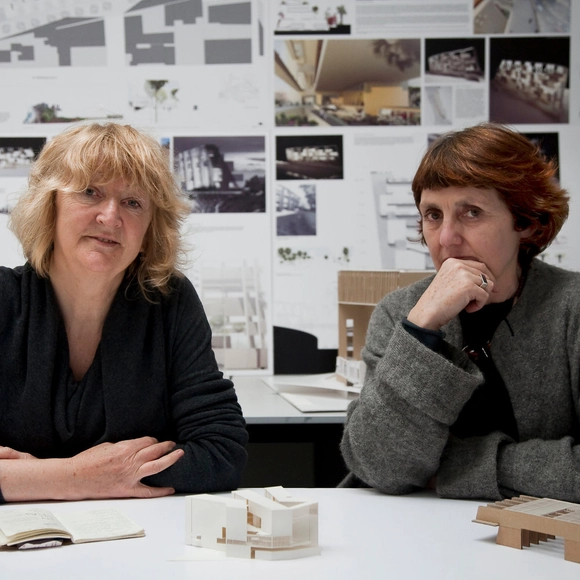
This year, architecture’s highest honor, the Pritzker Prize, has been granted to Grafton Architects, a Dublin-based architectural firm mainly ran by female partners Yvonne Farrell and Shelley McNamara. For the first time ever in its 42-year history, due to the constraints set by Covid-19 global pandemic, the organizers of the Pritzker Prize decided to use Livestream the award ceremony. Having reached the end of 2020, ArchDaily has summed up what current and previous Pritzker Prize winners have accomplished during this turbulent year.
Building in nature constitutes a contradiction, as architecture enables immersive access to the landscape, while at the same time, natural landmarks are being slowly engulfed by tourists. The human presence in natural landscapes is an interplay of scales, a juxtaposition of archetypal shelters against the vast sceneries, as well as a negotiation between access to the landscape and environmental conservation. Exploring a variety of attitudes and formal strategies, the following takes a look at what could be learned from the experiences and design philosophies of several architects and practices that have perfected ways of addressing architecture in the landscape.
As architects rely heavily on imagery to convey abstract information to a broad audience, there is a recurrent conversation on the role of visualizations in architecture and how they impact the general perception of the built environment.
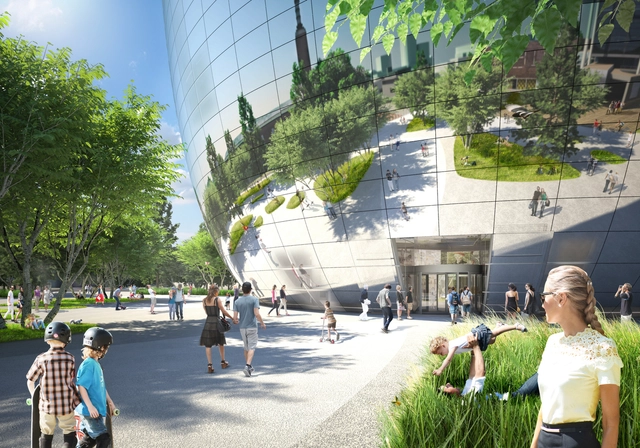
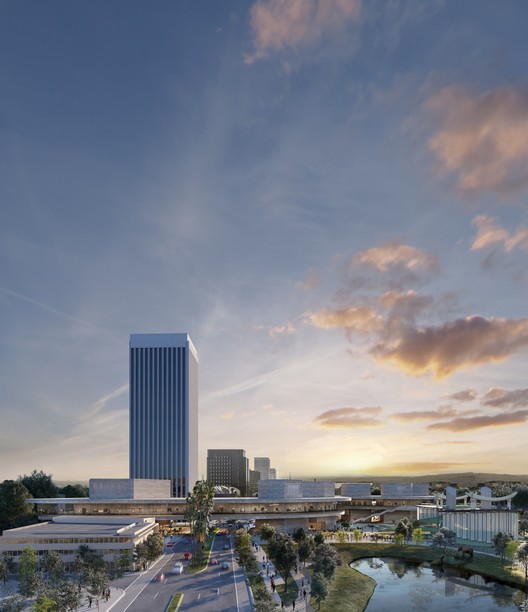
LACMA Expansion by Peter Zumthor . Image Courtesy of Atelier Peter Zumthor & Partners / The Boundary
Conducted by The Citizens’ Brigade to Save LACMA, a recent poll revealed that only 5% approve of the current Peter Zumthor-designed scheme for a new LACMA, 50% Support the renovation of the existing buildings, and 85% favor encyclopedic collection in one location. The public survey also highlighted 3 designs selected out of the shortlisted six proposals of the “LACMA Not LackMA” competition.
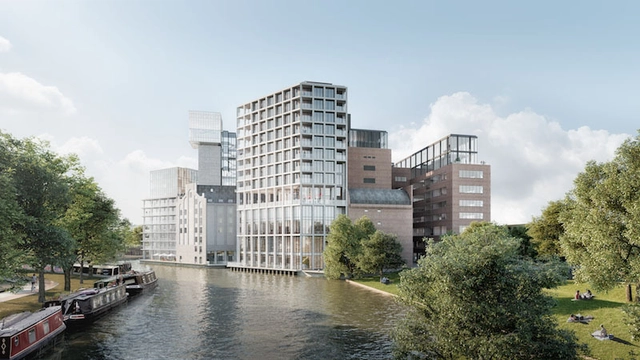
Part of a bigger vision and a master plan by Peter Zumthor, Studio Akkerhuis’ new 55.000 square meter project in Leiden’s 19th-century flour mill complex is under construction. With a landscape by Piet Oudolf and Lola, the development that recently won the "Future Project - Commercial Mixed Use” at WAF, will include shops, galleries, apartments, workspaces, a hotel, and a spa.
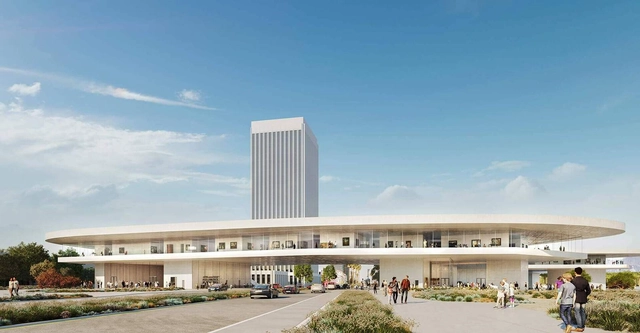
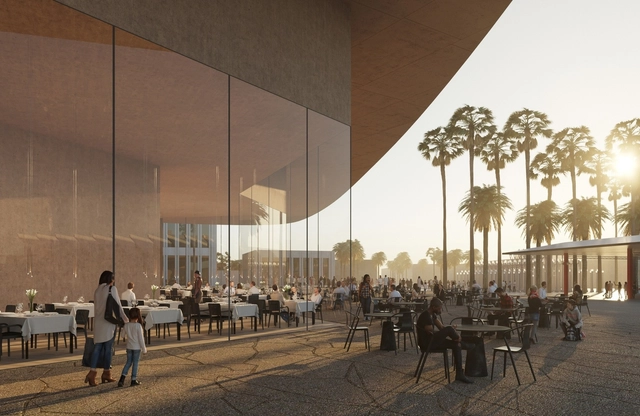
LACMA Expansion. Image Courtesy of Atelier Peter Zumthor & Partners / The Boundary
Peter Zumthor has gained approval for a paired-back design for the LACMA expansion in Los Angeles. The proposal for the Los Angeles County Museum of Art was part of a final environmental impact report submitted for the $650-million project. Undergoing a series of changes over previous years, the latest design will still branch over Wilshire Boulevard with amorphous, sand-colored concrete galleries. The new expansion plan reduces both the expansion's size and footprint.
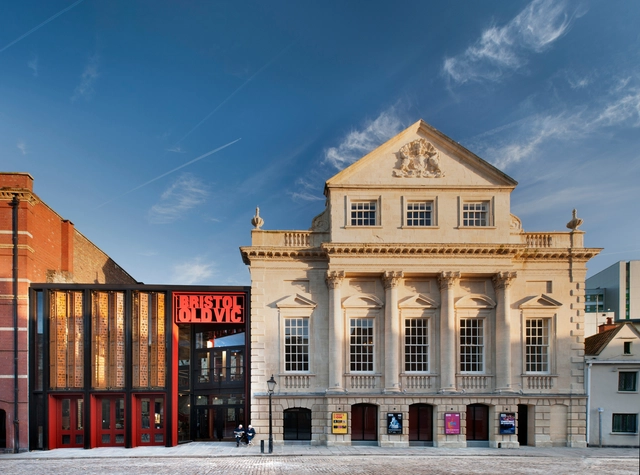
The Royal Institute of British Architects have announced fourteen buildings shortlisted from 48 entries for this year's RIBA South West Awards. The work includes six projects are by new and established practices based in the South West, as well as a series of new and reconfigured houses. All shortlisted buildings will be assessed by a regional jury with the winning buildings announced at an awards ceremony this May.
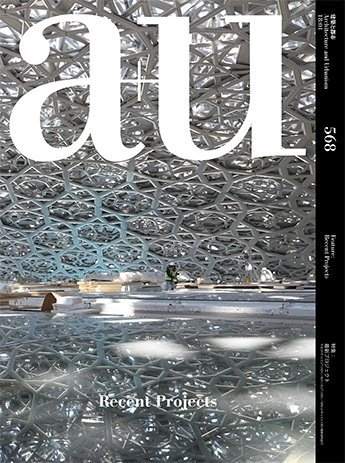
This edition of a+u introduces the 23 recent works of architecture and technology that emerged from their relationship with the urban structure or the development history. In this issue, we focus our attention on the process of conceiving and realizing the projects driven by various motivations and tactics. We invite readers to look beyond the confinement of a single building and examine the works on their possibilities to be in use for a long time.
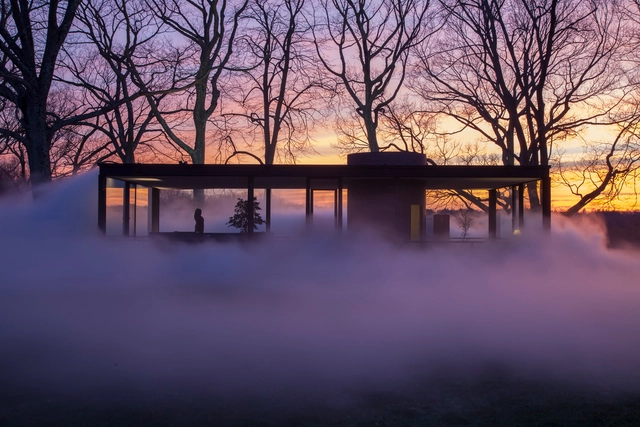
Taking photographs in fog can be an experience as chaotic as it is enchanting. Although working with this phenomenon can be risky, since fog dramatically modifies the available light and the atmosphere of a scene, if you know how to take advantage of it, the result can lead to perfect photographs. Below is a selection of 10 images from prominent photographers such as Kevin Scott, Richard Barnes, and Koichi Torimura.
In 1986, Peter Zumthor completed one of his first projects: a shelter over an Ancient Roman archaeological site in Chur, (Graubünden, Switzerland). Now over three decades old, this film by ArcDog captures the building and the preserved excavations that it sits around with a quiet sophistication. With only timber lamella to allow in light and ventilative air, the project stands as a testament to Zumthor's sensitive architectural approach.
https://www.archdaily.com/884003/explore-peter-zumthors-1986-shelter-for-roman-ruins-in-quiet-solitudeAD Editorial Team
Two large-scale US cultural projects have, this week, announced major updates relating to the renovation of existing buildings – and both involve, to a greater and lesser extent, American business magnate, media mogul, and philanthropist David Geffen.
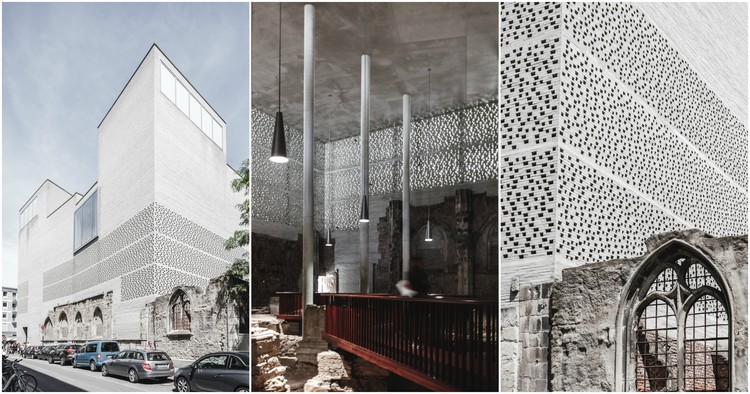
In this series of images, photographer Rasmus Hjortshøj has captured the Kolumba Museum by renowned architect Peter Zumthor in Cologne, Germany. The museum, constructed atop the ruins of a Gothic church destroyed during World War II, was a response to a competition that aimed to protect the remains of the Gothic work and create a space to house the art collection of the archbishopric of Cologne. In his winning design, Zumthor fused the existing ruins with modern architecture ideal for religious art in an elegant and minimalist way.
With his photographs, Rasmus Hjortshøj offers a tour of Zumthor's design, portraying the building within its urban context, while examining the architect's dedication to detail.
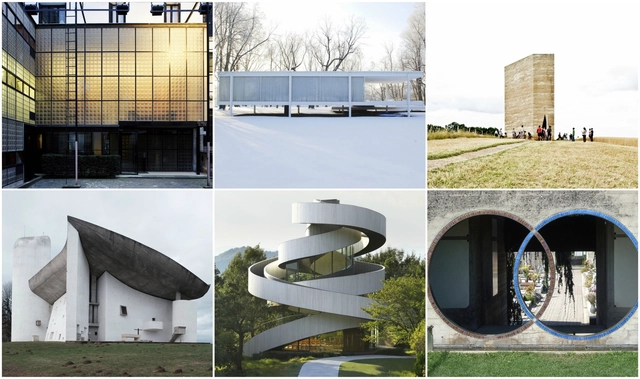
Visiting architectural masterpieces by the greats can often feel like a pilgrimage of sorts, especially when they are far away and hard to find. Not everyone takes the time to visit these buildings when traveling, which makes getting there all the more special. With weird opening hours, hard-to-reach locations and elusive tours we thought we’d show a selection from our archives of masterpieces (modernist to contemporary) and what it takes to make it through their doors. Don’t forget your camera!









.jpg?1603313837&format=webp&width=640&height=580)


.jpg?1603313837)