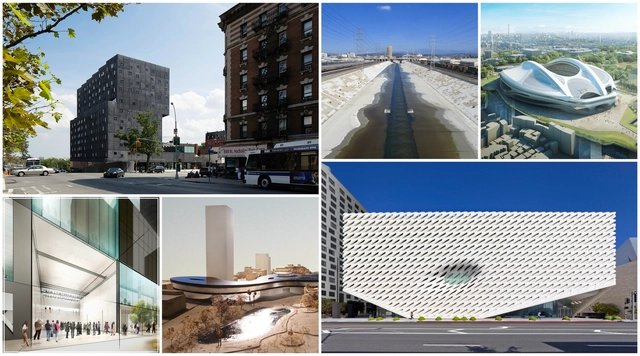
Had the worst jury ever? Failed your exams? Worry not! Before you fall on your bed and cry yourself to sleep—after posting a cute, frantic-looking selfie on Instagram, of course (hashtag so dead)—take a look at this list of nine celebrated architects, all of whom share a common trait. You might think that a shiny architecture degree is a requirement to be a successful architect; why else would you put yourself through so many years of architecture school? Well, while the title of "architect" may be protected in many countries, that doesn't mean you can't design amazing architecture—as demonstrated by these nine architects, who threw convention to the wind and took the road less traveled to architectural fame.
Designing a museum is always an exciting architectural challenge. Museums often come with their own unique needs and constraints--from the art museum that needs specialist spaces for preserving works, to the huge collection that requires extensive archive space, and even the respected institution whose existing heritage building presents a challenge for any new extension. In honor of International Museum Day, we’ve selected 23 stand-out museums from our database, with each ArchDaily editor explaining what makes these buildings some of the best examples of museum architecture out there.
House for Art and Pavilion (right-hand side), View from the Berower Park. Image Courtesy of Atelier Peter Zumthor & Partner
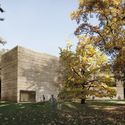
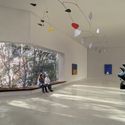
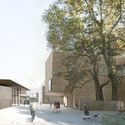
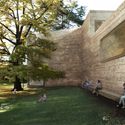
Atelier Peter Zumthor has revealed conceptual designs for their CHF 100 million ($100 million USD) addition of the Beyeler Foundation in Riehen, Switzerland, just outside of the city of Basel. Located on land formerly off-limits to the public, the extension will add an array of new event and gallery spaces to the existing museum, designed by Renzo Piano Building Workshop and opened in 1997.
Drawing from the “village-like character” of Riehen, the addition will consist of three, relatively small new buildings that blend harmoniously into the museum’s nature-filled setting: a stoic building for administration and service, a glass pavilion for events, and a grand House for Art. Together, their arrangement will help to create a subtle link between the new and old areas of the site.
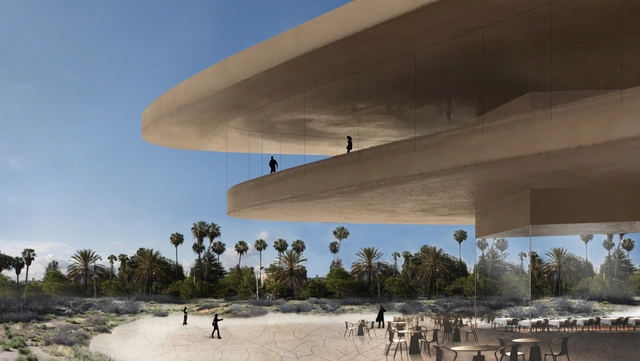
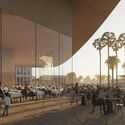
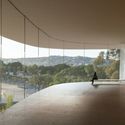
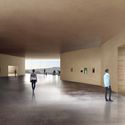
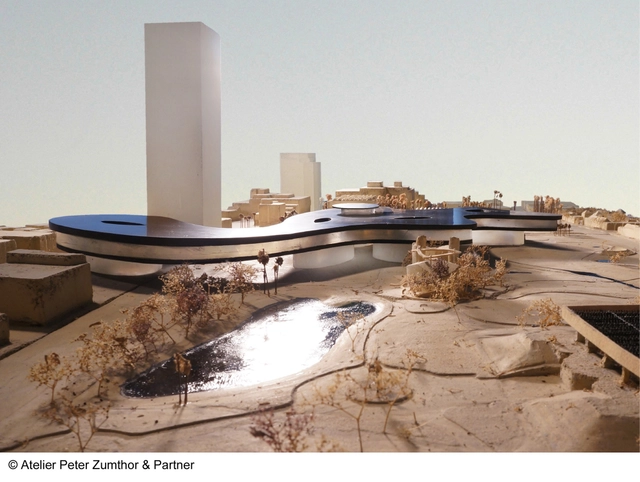
The Los Angeles County Museum of Art (LACMA) has released the newest renderings of their planned Atelier Peter Zumthor-led $600 million renovation, and one thing in particular stands out: the building is no longer black.
While the third major revision to the design sees the building retain the overall shape of its previous iteration, many aspects have changed, including how the floating mass touches the ground and the facade’s new sandy color.
In one of his 1922 travel essays for the Toronto Star Ernest Hemingway wrote, in a typically thewy tone, of “a small, steep country, much more up and down than sideways and all stuck over with large brown hotels built [in] the cuckoo style of architecture.” This was his Switzerland: a country cornered in the heartland of Europe and yet distant from so much of its history. A nation which, for better or worse and particularly over the course of the 20th Century, has cultivated and become subject to a singularly one-dimensional reputation when it comes to architectural culture and the built environment.
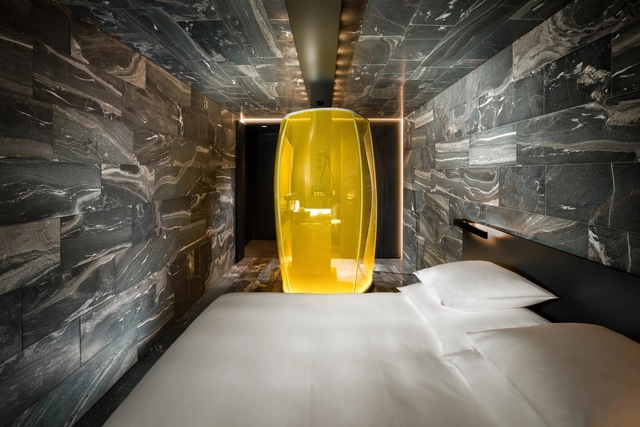
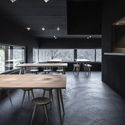
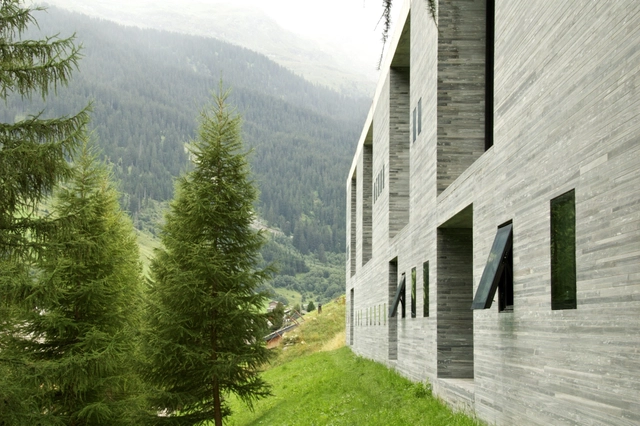
Four top architects – Thom Mayne (Morphosis), Tadao Ando, Kengo Kuma and Peter Zumthor – have been tapped to contribute designs for the new “House of Architects” at the 7132 Hotel in ValsSwitzerland. The latest addition to the hotel, The House of Architects features a lobby and entrance also designed by Morphosis Architects, and 7 room designs centered around a single material.
Below is an excerpt of the cover story of this month’s Surface magazine: an in-depth look at Peter Zumthor’s recently completed Allmannajuvet Zinc Mine Museum, featuring exclusive quotes from the architect himself.
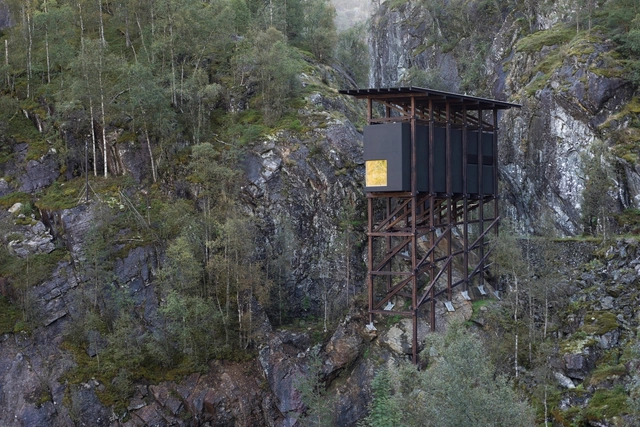
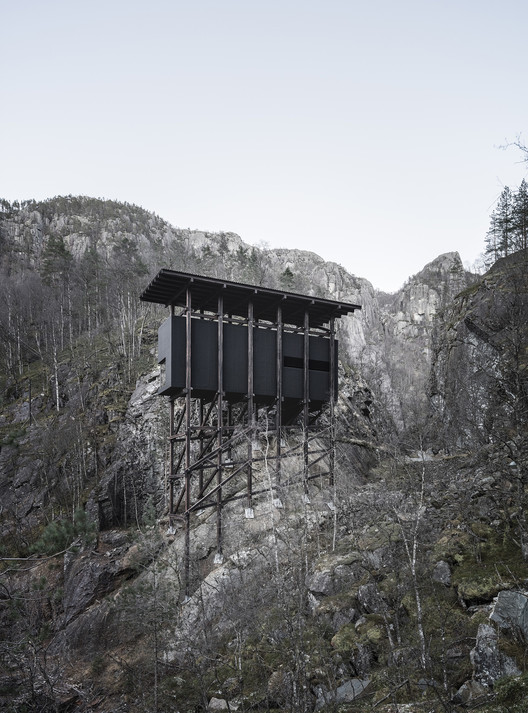
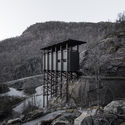
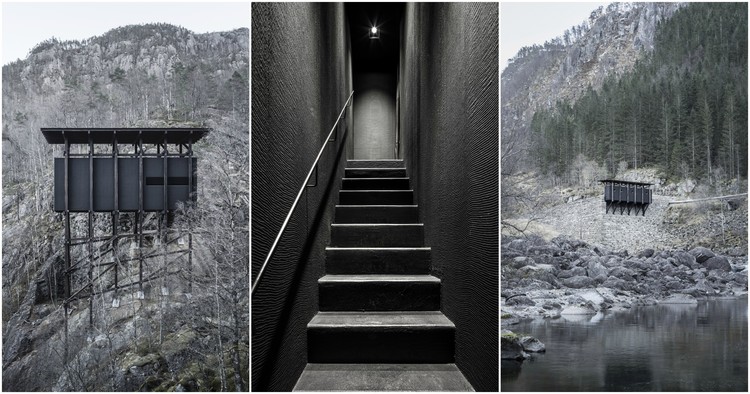
The first thing you notice when you arrive at the new Allmannajuvet Zinc Mine Museum outside Sauda, Norway, is that it looks nothing like a museum—or at least, what we think of as a museum. On a steep site framed by elegantly rugged walls of dry stone, three black, shed-like and zinc-roofed structures look far too small to house exhibits, much less hordes of visitors. But this isn’t a museum in the conventional sense. Consisting of a service building with restrooms, a café, and a gallery—all perched on tall timber supports—it’s more a memorial to those who toiled in the zinc mine that operated on the site from 1881 to 1899 in the spectacularly beautiful Allmannajuvet Ravine. The mine and its accompanying trail were long ago abandoned, the original buildings a distant memory.
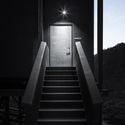
After previously documenting the Bruder Klaus Field Chapel, photographer Aldo Amoretti once again captures the grounded simplicity of Peter Zumthor, this time with images of his Allmannajuvet Zinc Mine Museum in Sauda, Norway. The three-building campus calls upon the aesthetics of the country's abandoned zinc mines from the 1800s, evoking the toilsome labor of the workers in its rough stone and exposed joint work. The museum is situated on one of Norway's National Tourist Routes and was commissioned by the state as part of an effort to increase tourism in the region. As such, the buildings are poised in and above the landscape, providing views of the natural gorge that unfold as visitors move through Zumthor's dark, shaftlike interiors.
Amoretti's photos express the modesty of the project, from the blackness of the interior galleries to the thin stilts that support the buildings within their rocky surroundings. The museum structures are suspended in balance with the harsh, gray climate—a noble representation of the working conditions of the miners the project aims to memorialize.
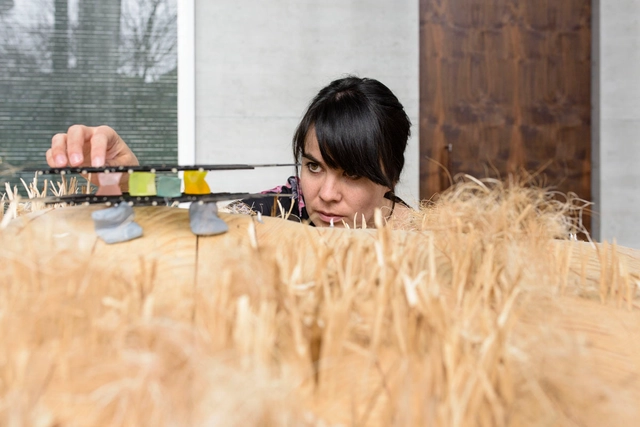
Cabral examines a model of the tea chapel. Image Courtesy of Gloria Cabral and Peter Zumthor/Rolex Mentor and Protégé Arts Initiative
In May last year, the Rolex Mentors & Protégés initiative announced a surprising partnership in its name: Paraguayan architect Gloria Cabral was to spend a year working alongside the famously elusive Swiss master Peter Zumthor. The differences between the two architects - from the languages they spoke to the age of their respective careers - were obvious from the outset. But as explored in this article by Paul Clemence, originally published by Metropolis Magazine as "Intuitive Connection," over the past year they've been discovering that the things that they have in common run far deeper.
It was an unlikely pair. He is a well-established architect with a long career, working out of a small town tucked deep in the mountainous Graubünden canton in Switzerland; she is at the beginning of a promising career in Asunción, Paraguay’s capital and largest city. They did not even share a common language, yet they connected through something more binding than the spoken word: an intuitive sense of space—and their work ethic.
The Louisiana Channel recently made a trip to the hometown of Peter Zumthor for an extensive and rare video interview on the Swiss architect's life journey, passion for learning, and how "different kinds of silence" help him reach his potential.
In the mid-1980s, after literature had long been held hostage by postmodernist irony and cynicism, a new wave of authors called for an end to negativity, promoting a "new sincerity" for fiction. Gaining momentum into the 1990s, the movement reached a pinnacle in 1993 when, in his essay E Unibus Pluram: Television and U.S. Fiction, pop-culture seer David Foster Wallace, a proponent of this "new sincerity," made the following call to action: “The next real literary ‘rebels’ in this country might well emerge as some weird bunch of anti-rebels, born oglers who dare somehow to back away from ironic watching, who have the childish gall actually to endorse and instantiate single-entendre principles... These anti-rebels would be outdated, of course, before they even started. Dead on the page. Too sincere. Clearly repressed. Backward, quaint, naive, anachronistic. Maybe that’ll be the point. Maybe that’s why they’ll be the next real rebels. Real rebels, as far as I can see, risk disapproval. The old postmodern insurgents risked the gasp and squeal: shock, disgust, outrage, censorship, accusations of socialism, anarchism, nihilism. Today’s risks are different. The new rebels might be artists willing to risk the yawn, the rolled eyes, the cool smile, the nudged ribs, the parody of gifted ironists, the ‘Oh how banal.'"
Architecture, ever in debt to the styles and ideas of other art forms, could learn a thing or two now from the resuscitation of American fiction at the turn of the millennium. It too is enduring an identity crisis, mired by pessimism and uncertainty - a reality made painfully clear this past January when a New York Times Op-Ed by Steven Bingler and Martin C. Pedersen, How to Rebuild Architecture, divided camps and made the design world fume. In the editorial, the authors spoke vehemently of an architectural profession that has become mired by egos and been disconnected from public needs. Things quickly got ugly, critics wrestled with critics and subsequently the public got involved. What no one seemed to take into account is that this type of hounding is at the core of the problem. In its current landscape the discipline has struggled with its past, been deferential to its present, and wrestled with the uncertainty of its future. In a moment when we have become addicted to despondency, can anyone win?
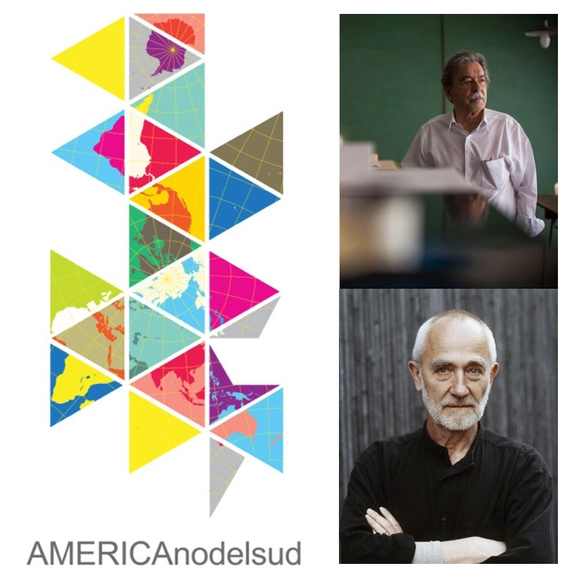
AMERICAnodelsud is an organization committed to social equality, promoting investigations and the development of new knowledge within the field of architecture. One of their main objectives is to raise funds to sponsor projects that will bridge the social exclusion gap.
Architects Alejandro Aravena (Santiago, Chile), Solano Benitez (Asuncion, Paraguay), Angelo Bucci (Sao Paulo, Brazil), Rafael Iglesia (Rosario, Argentina), José María Saez (Quito, Ecuador) and Ricardo Sargiotti (Córdoba, Argentina) held the first convention in 2013. Through the 'america[no] del sur' tour, which consisted of three conferences held in different cities in Argentina, they sought to raise the necessary funding.
On April 15th and 17th, Asunción, Paraguay will host the upcoming fundraiser, which Peter Zumthor and Paulo Mendes da Rocha have already agreed to attend in order to support the cause. Without a doubt, the presence of these two internationally-renowned architects will greatly helpraise the funds needed by AMERICAnodelsud to follow through with their commitment.
Read AMERICAnodelsud's charter for this year's edition, written by Solano Benitez, below.
https://www.archdaily.com/613458/zumthor-and-mendes-da-rocha-join-americanodelsud-conference-in-paraguayPola Mora
A group of five high-profile jurors, lead by Louisa Hutton of Berlin-based Sauerbruch Hutton, have issued a statement through the Swiss Society of Engineers and Architects (SIA) denying any support of Morphosis’ appointment to design the 7132 Hotel in Vals, Switzerland. According to reports, the jury had “significant question marks” regarding the chosen design, ultimately leading to the high-profile competition’s termination when the jury failed to recommend a winner. This seems to be a result of the client and jury’s inability to find common ground.
Peter Zumthor and the Los Angeles County Museum of Art (LACMA) have revealed a revised design for the museum's $650 million new home on Museum Row in Los Angeles. The new design still features the sinuous glass and grey concrete slab raised a full story off the ground, but under the new proposal part of the museum would bridge Wilshire Boulevard to touch down on what is currently a car park opposite.
The change comes in response to criticisms that the previous design would put the neighboring La Brea Tar Pits at risk, threatening their status as an active paleontological research site and a popular tourist destination. The shape of the new design removes this risk by withdrawing from the boundary with the adjacent tar pits, without compromising on floor space in the museum.
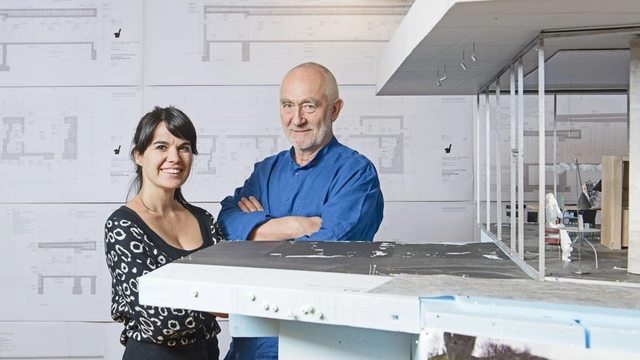
Peter Zumthor with protege Gloria Cabral. Image Courtesy of Rolex Mentor and Protege Arts Initiative
Peter Zumthor has chosen to mentor Paraguayan architect Gloria Cabral as part of the Rolex Mentor and Protégé Arts Initiative. Cabral, a partner at Asuncion-based Gabinete de Arquitectura, will spend a year collaborating with the Swiss architect, who has dedicated his expertise in an effort to learn, create and grow with the young talent.
Describing Cabral’s work to reveal an original spirit, Zumthor stated: “In Gloria’s work and attitude I sense a keen interest in the physical experience of architecture, which makes it exciting for me to collaborate with her.”
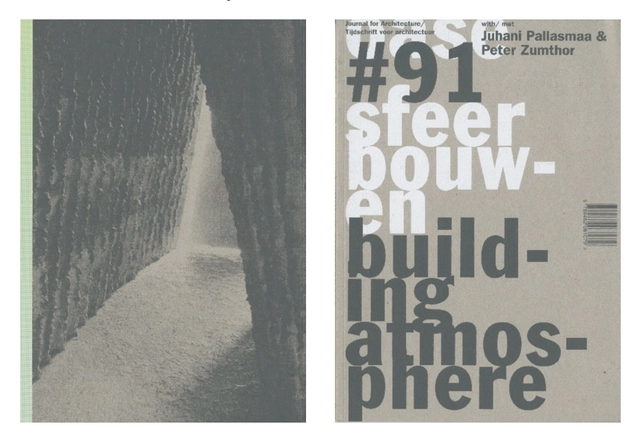
In OASE's91st edition, Building Atmospheres, the elusive craft of creating, capturing and understanding 'atmosphere' in architecture is explored in a carefully chosen collection of themed essays by Peter Zumthor, Juhani Pallasmaa and philosopher Gernot Böhme. Zumthor, famous for his 1996 text Atmospheres, identifies and discusses "a series of themes that play a role in his work in achieving architectonic atmosphere". Alongside this, the OASE team have visited his studio and interviewed him about the current relevance of his writing and how he captures 'atmosphere' in his design process.
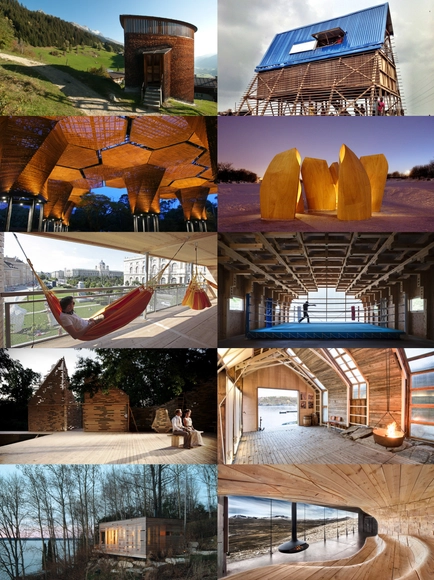
To celebrate the launch of ArchDaily Materials, our new product catalog, we've rounded up 10 awesome projects from around the world that were inspired by one material: wood. Check out the projects after the break...