-
Architects: Dietsch Vilaça, Hauptstadt-Studio.Berlin
- Year: 2025
-
Professionals: Bysteel
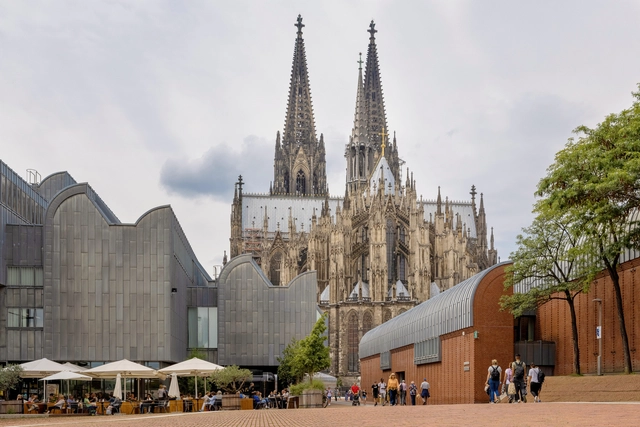
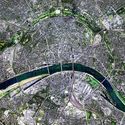
With its culturally and historically rich context, the city of Cologne, also called Köln by its locals, is considered one of the most important centers in West Germany. Nestled on the banks of the Rhine River, the city unfolds its architectural narrative through the interplay between historical landmarks, and contemporary interventions. In the old town, the medieval Cologne Cathedral, a UNESCO World Heritage Site and the tallest cathedral in the world, dominates the skyline. The cityscape is also shaped by the Twelve Romanesque churches of Cologne.
Beyond its historical core, Cologne embraces modernity with structures such as the Kranhaus buildings or Renzo Piano’s Weltstadthaus. The tapestry of architectural styles is further underlined by interventions such as Peter Zumthor’s Kolumba Museum, integrating the ruins of a late-Gothic church destroyed during World War II into a tranquil space dedicated to the contemplation of art and history.
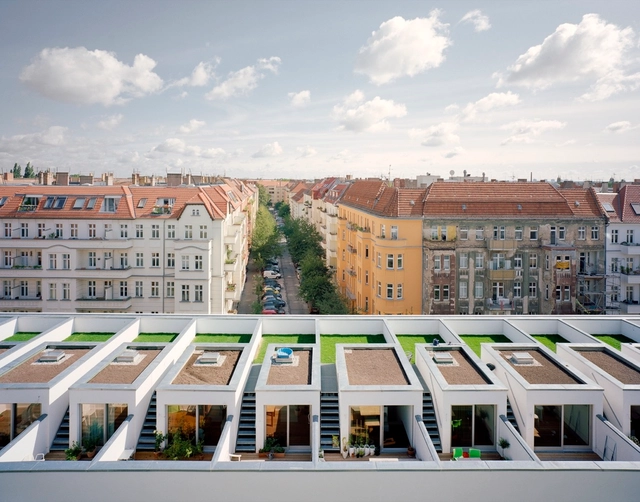
Designing a typical residential building rarely involves its future residents. Often created by property developers in response to predefined market demands, the projects are rarely optimized for livability. An emerging development system that began in Germany aims to change this dynamic and reposition the residents at the core of the new housing developments. The Baugruppe system, German for "building group," proposes an alternative approach to housing that allows groups of individuals to come together to design and construct their residential spaces, bypassing traditional developers to create personalized and sustainable living environments.
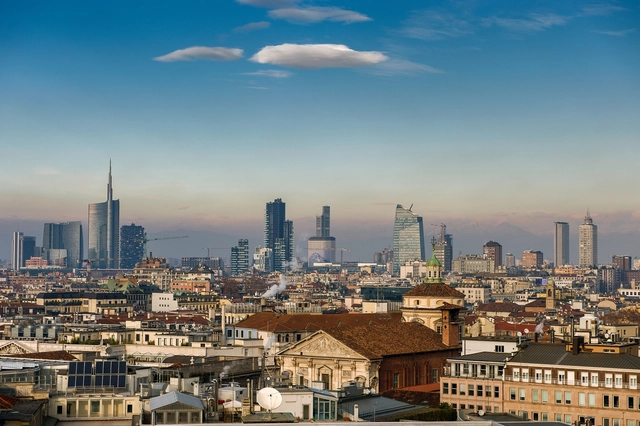
Tourism, as an urban and architectural phenomenon, has grown to encompass more than just sightseeing; it engages visitors with the social, cultural, and economic narratives that cities tell through their built environments. In celebration of World Tourism Day 2024, this collection of city guides highlights the role of architecture in shaping the urban tourism experience. Today, cities around the world stand as testaments to human ingenuity, historical preservation, and modern innovation. In fact, each city's versatile architecture offers a window into a city's identity, drawing millions of visitors each year who seek to understand how these spaces shape everyday life and collective memory.
In 2024, many cities have seized the world's collective imagination, each with its unique narrative waiting to be uncovered. Whether one finds themselves meandering through London, admiring Paris, or immersing in the cultural treasures of Sharjah, the story is always there to be unraveled. From Amsterdam's canals to Cairo's rich historical layers, Barcelona's avant-garde architecture, the liveliness of Santiago to the ancient marvels of Rome, and the diverse Istanbul to the bustling Bangkok – each city serves as a testament to the enduring spirit of human civilization.

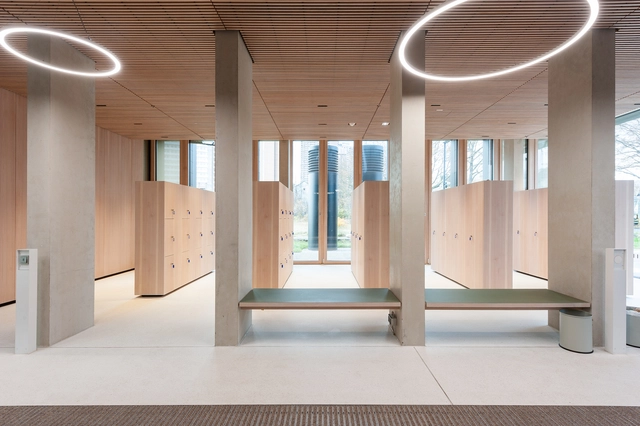
Selecting materials for an architectural project is an art form in itself. From the ruggedness of stone to the transparency of glass, materials and their unique qualities can set the tone, influence the mood and define the atmosphere of any interior. They have the power to transform a cold, sterile room into a warm and inviting sanctuary or a modern and sleek environment. Functionality and comfort are also closely tied to material selection; for example, durable, low-maintenance materials like terrazzo are an ideal choice for high-traffic areas, while the softness of carpet or fabric can provide a sense of coziness in hospitality settings.
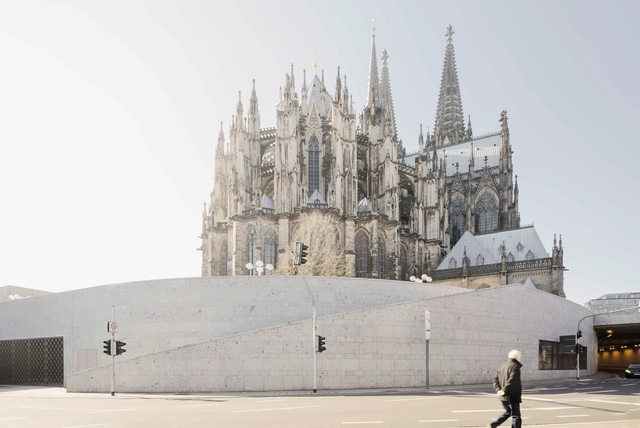
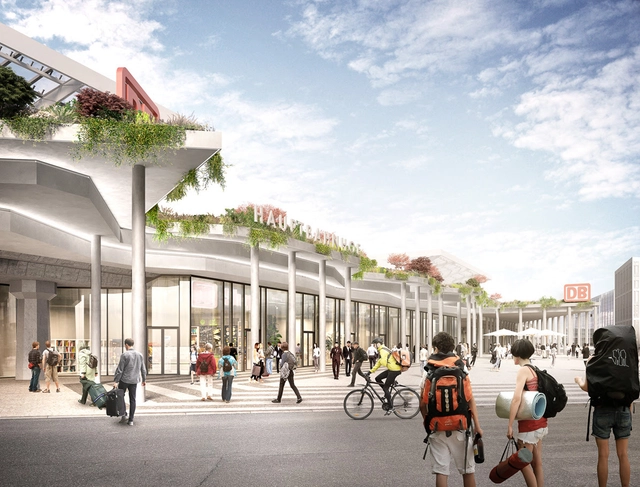
J. Mayer H. has won a competition to design the new façade of Cologne Main Station on Breslauer Platz in Germany. The design proposal frames the sides of the rail station with an all-around façade that offers an innovative use of space by making the best of the site's circulation and natural resources. The intervention will feature rooftop landscaping with local flowers and greenery, rainwater collection, protection from rain, wind, and sunlight, and a visual emphasis on the station's points of access.
.jpg?1630568377 "Courtesy of Bloomimages")
.jpg?1630568367 "Courtesy of Bloomimages")

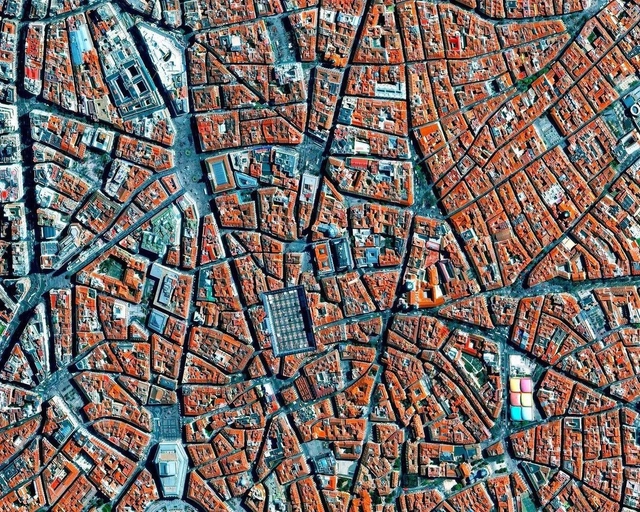
In his book Breve Historia del Urbanismo (Brief History of Urbanism), Fernando Chueca Goitia states that the medieval city appeared at the beginning of the 11th century and flourished only between the 12th and 13th centuries. According to the author, this growth was closely linked to the development of commerce that allowed permanent occupations, resulting in a city no longer composed mainly of travelers. In other words, the bourgeoisie was formed thanks to the most diverse activities - craftsmen, tradesmen, blacksmiths, longshoremen - which stimulated the development of the medieval city.


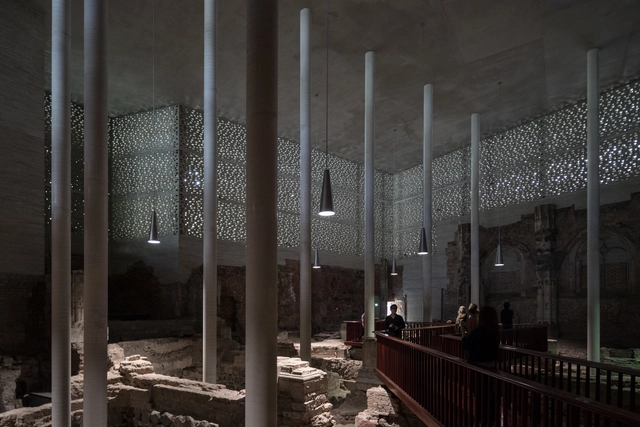
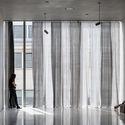
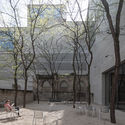
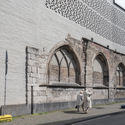
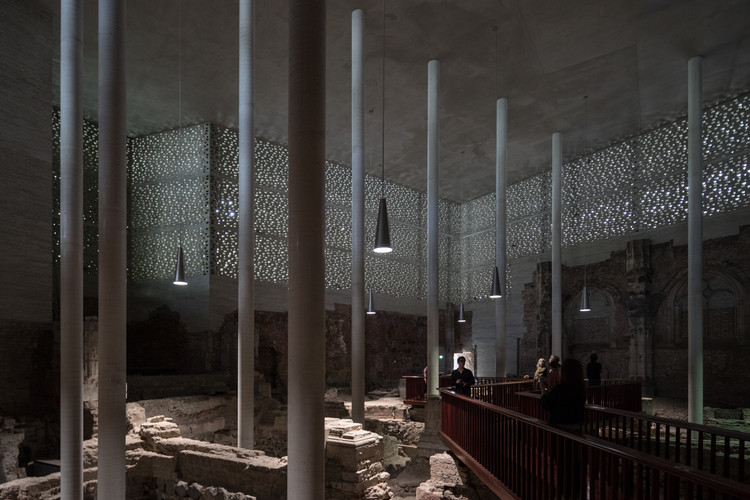
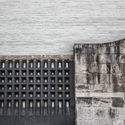
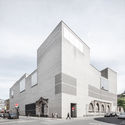
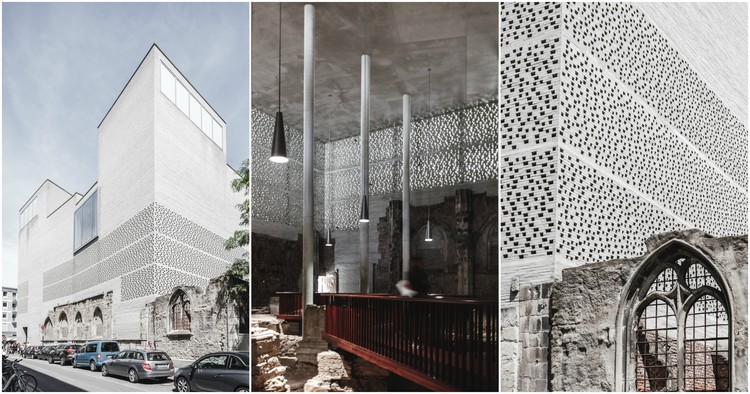
Peter Zumthor's quiet, technically pristine, and beautifully detailed work has long been an inspiration for architects. His Kolumba Museum, located in Cologne, Germany, a city that was almost completely destroyed in World War II, houses the Roman Catholic Archdiocese’s collection of art which spans more than a thousand years. Zumthor’s design delicately rises from the ruins of a late-Gothic church, respecting the site’s history and preserving its essence.


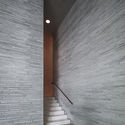
In this series of images, photographer Rasmus Hjortshøj has captured the Kolumba Museum by renowned architect Peter Zumthor in Cologne, Germany. The museum, constructed atop the ruins of a Gothic church destroyed during World War II, was a response to a competition that aimed to protect the remains of the Gothic work and create a space to house the art collection of the archbishopric of Cologne. In his winning design, Zumthor fused the existing ruins with modern architecture ideal for religious art in an elegant and minimalist way.
With his photographs, Rasmus Hjortshøj offers a tour of Zumthor's design, portraying the building within its urban context, while examining the architect's dedication to detail.
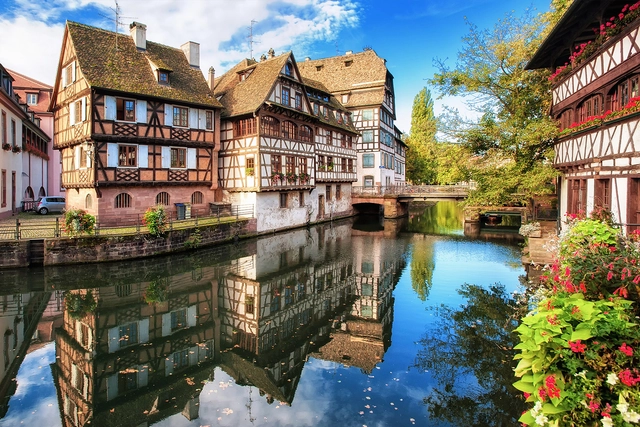
Discover the beauty of the Rhine and enjoy as you cruise along this scenic ribbon of river through Germany, France and The Netherlands on an eight-day journey with Architectural Adventures.
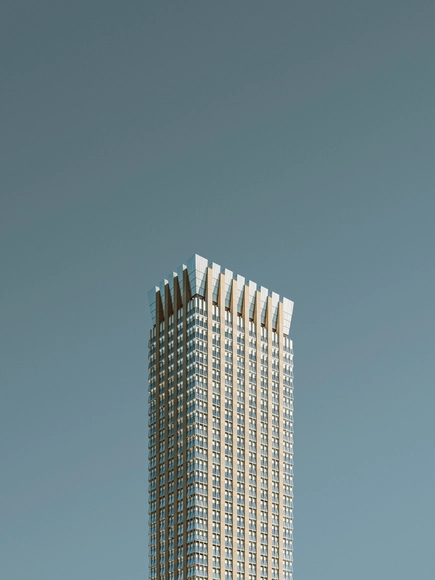
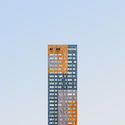
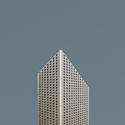
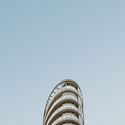
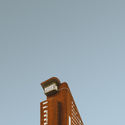
Florian W. Mueller's Singularity series is, in the photographer's own words, "just the building – reduced to the max." These deceptively simple shots of the summits of skyscrapers from around Europe and North America, each set against in infinite gradient of sky, are symbols of architecture's effort to reach ever higher in evermore unique ways. For Mueller, who is based in Cologne, they are an attempt at abstraction. In isolation—and especially when viewed together—they are remarkably revealing as studies of form and façade.