-
Architects: LaBoqueria
- Area: 2500 m²
- Year: 2026
-
Manufacturers: Fetdeterra, Madergia

ArchDaily invites you to the launch of the 6th edition of its Next Practices Awards. Taking place during Design Week Mexico, the event will explore how emerging practices are expanding architecture's capacity to act and produce change: from the tools and knowledge they work with to the social, environmental, cultural, and material realities they engage with.
Hosted at the iconic Design House in Mexico City, and in conjunction with Design Week Mexico and Cesantoni, the launch will feature a live conversation between three winners of the 2026 edition and two previous winners from Mexico, and will be moderated by ArchDaily.


This week, we revisited the ideas currently shaping the design of 21st-century cities, with a view toward a longer timeframe than that which characterised modern design. These examples of today's urban design point toward the cities of tomorrow, seeking to reflect collective memory and social identity while addressing the climate challenges we face today. From a new museum in Panama drawing on Latin American architectural tradition to an inflatable installation on Paris's oldest bridge over the Seine, built and not-yet-built projects rescue architecture as a repository of collective memory, while others explore its transformative potential through the lens of contemporary well-being. In this weekly news compilation, we present ongoing projects from Panama, numerous African countries, France, Canada, Italy, Australia, and the United States.

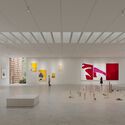
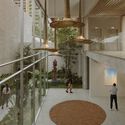
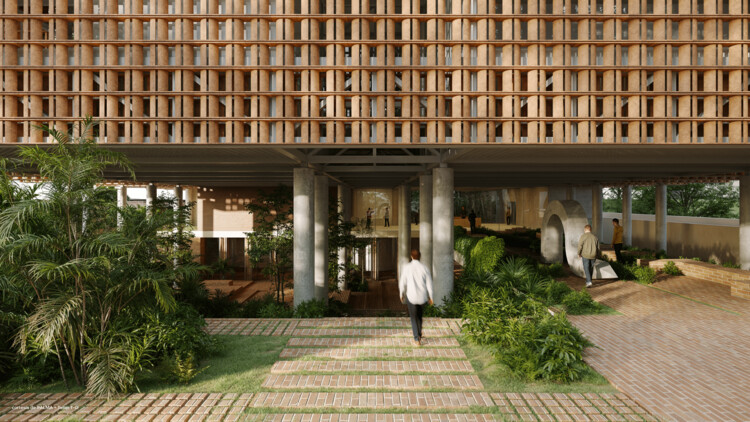
Following an international design competition launched in January 2026, the Museum of Contemporary Art of Panama (MAC Panamá) announced the selection of Mexican architects Palma + Taller TO to design its new building. The museum is described as "a new cultural infrastructure open to the city, conceived from the identity, climate, and landscape of Panama." The future museum headquarters will be located in the corregimiento of San Francisco, to consolidate the area as a hub of cultural activity. The selection criteria involved the relationship between the museum and the city, prioritizing proposals with integrated elements for community engagement and framing the building as a cultural infrastructure, enriching the contemporary urban environment of Panama City.

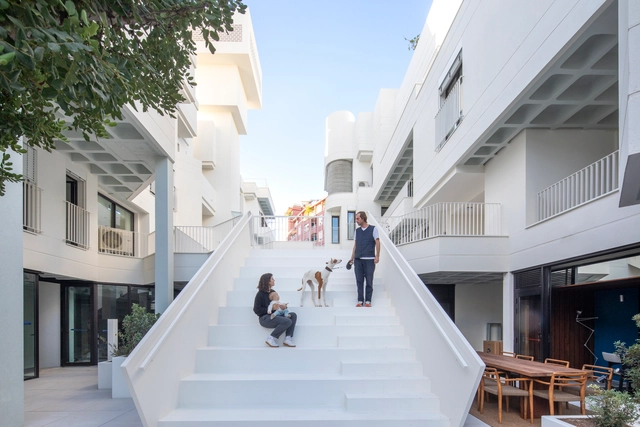
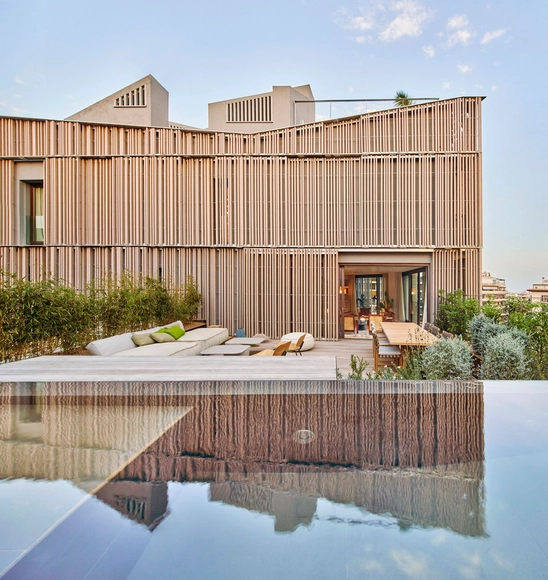
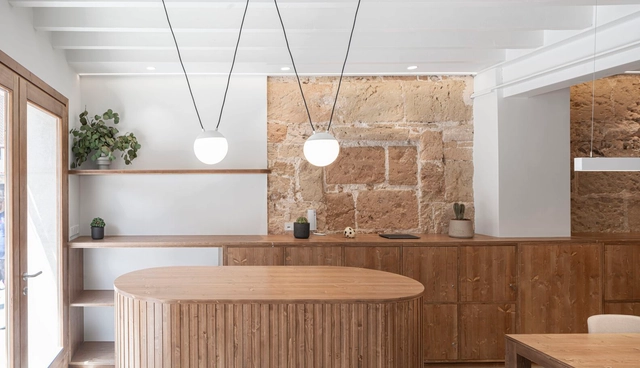
With over 100,000 votes cast during the last three weeks, we are happy to present the winners of the 2022 ArchDaily Building of the Year Awards. This peer-based, crowdsourced architecture award showcases projects chosen by ArchDaily readers who filtered thousands of projects down to the 15 best works featured on ArchDaily in 2021.
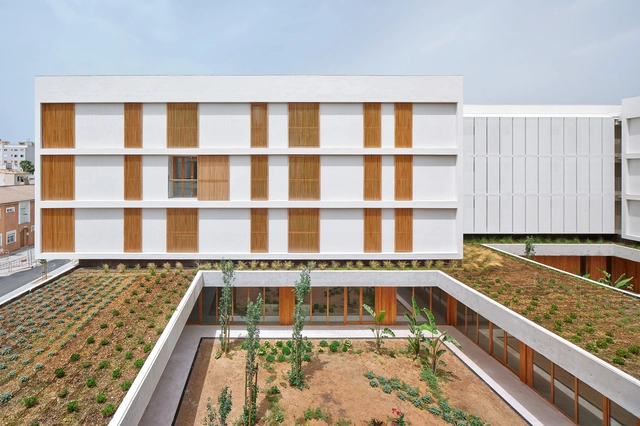
As in previous years, the winners showcase a wide spectrum of different types of building, giving an insight into how diverse the profession has become in recent decades. High-profile practices take their place as ever, with winners such as MVRDV's Housing project in Bordeaux and Kengo Kuma's Casa Batllo's installation, showing that establishment firms are still able to make their mark, as in more traditional award systems. Alongside these are previously unsung heroes, such as PALMA and HANGHAR with their project, Types of Spaces. Among the winners, we also find Ca'n Terra House by ENSAMBLE STUDIO and Plaza of Kanagawa Institute of Technology by Junya Ishigami + Associates, extremely creative projects that today challenge their typologies.
But for all their many beautiful differences, the winners share a crucial element in common: they represent the values of our mission, to bring inspiration, knowledge, and tools to architects everywhere. Neither ArchDaily nor the Building of the Year Awards would be possible without the continued generosity of the firms that choose to publish their projects with ArchDaily every year, or without the engaged readers who take part in the voting process.
The 2022 Building of the Year Awards is brought to you thanks to Dornbracht, renowned for leading designs for architecture, which can be found internationally in bathrooms and kitchens.