1. ArchDaily
  2. Palaces

Palaces: The Latest Architecture and News

A Narrative of Cultural Resilience: The Evolution of the Estonian Academy of Sciences

Subscriber Access | 

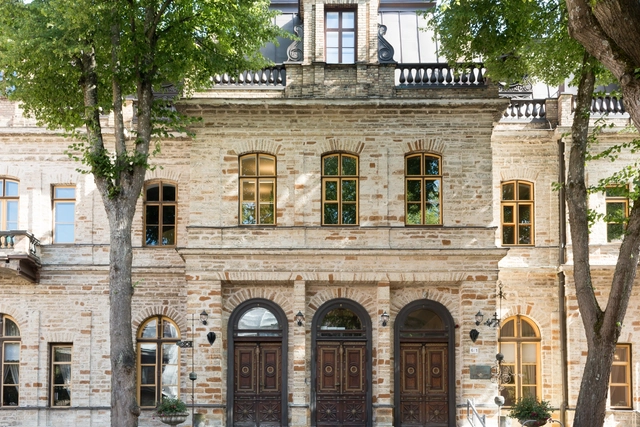
In the heart of Tallinn, where history weaves through cobblestone streets and ancient towers, stands the Ungern-Sternberg Palace — a monument that bridges the opulent past of Estonia's aristocracy with the vibrant world of contemporary academia. Now home to the Estonian Academy of Sciences, this historic building embodies Estonia's enduring dedication to knowledge and cultural preservation. Through Open House Tallinn, which highlights the city's architectural heritage, the palace's significant history, and remarkable architectural details are brought to a wider audience, offering unique insight into Estonia's cultural resilience.

Constructed in the 19th century as a symbol of aristocratic power, the palace has transformed from a private residence into a national hub of intellectual life. Its grand halls, once the scene of lavish gatherings, now foster scientific and academic pursuits, illustrating how heritage architecture can evolve alongside societal change.

A Narrative of Cultural Resilience: The Evolution of the Estonian Academy of Sciences - Image 1 of 4A Narrative of Cultural Resilience: The Evolution of the Estonian Academy of Sciences - Image 2 of 4A Narrative of Cultural Resilience: The Evolution of the Estonian Academy of Sciences - Image 3 of 4A Narrative of Cultural Resilience: The Evolution of the Estonian Academy of Sciences - Image 4 of 4A Narrative of Cultural Resilience: The Evolution of the Estonian Academy of Sciences - More Images+ 17

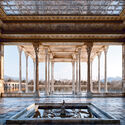
Looking into Lost Persian Architecture through Safavid Manuscripts

Looking into Lost Persian Architecture through Safavid Manuscripts - Image 9 of 4
Yusuf and Zulaikha (Yusuf pursued by Potiphar's wife), miniature by Behzād, 1488. Image

From the 14th to the 16th century, Iran had witnessed growth and affluence under the Timurid and Safavid dynasties. During this period, many mosques, palaces and pavilions were commissioned and contributed to sites of veneration and pilgrimage. However not many of these key architectural realms survived and few historical texts exist to relay the intricacies of the architecture of that time.

What remained were some dispersed manuscripts from the Shahnameh and other renowned illustrated stories or poems that represented the moral values and aesthetics of that period. Inadvertently these initial renders became the main representation of a unique and fantastic Islamic architecture.

Looking into Lost Persian Architecture through Safavid Manuscripts - Image 1 of 4Looking into Lost Persian Architecture through Safavid Manuscripts - Image 2 of 4Looking into Lost Persian Architecture through Safavid Manuscripts - Image 3 of 4Looking into Lost Persian Architecture through Safavid Manuscripts - Image 4 of 4Looking into Lost Persian Architecture through Safavid Manuscripts - More Images+ 6

AD Classics: Palais des Papes / Pierre Poisson & Jean de Louvres

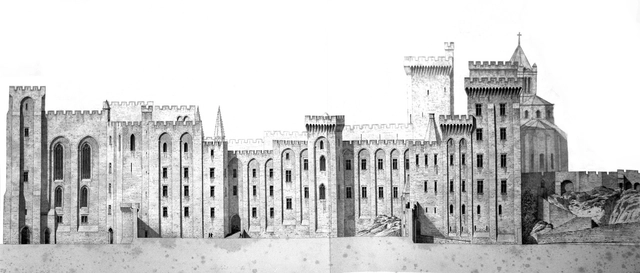
While the Roman Catholic Church is synonymous with the Eternal City (and Italian capital), the greatest monument from its medieval heyday actually stands in southern France. The relic of the Papacy’s brief departure from Rome, the Palais des Papes (“Palace of the Popes”) in Avignon is the largest Gothic palace ever built. Constructed in two main phases by two of its residents, the Palais des Papes is a grandiose architectural expression of the wealth and power of the eleven popes who called Avignon their home and base of power.

AD Classics: Palais des Papes / Pierre Poisson & Jean de Louvres - Religious Buildings, Facade, Arcade, ArchAD Classics: Palais des Papes / Pierre Poisson & Jean de Louvres - Religious Buildings, Courtyard, Facade, Arch, ArcadeAD Classics: Palais des Papes / Pierre Poisson & Jean de Louvres - Religious Buildings, Facade, CityscapeAD Classics: Palais des Papes / Pierre Poisson & Jean de Louvres - Religious BuildingsAD Classics: Palais des Papes / Pierre Poisson & Jean de Louvres - More Images+ 14

Photographer Mirna Pavlovic Captures the Decaying Interiors of Grand European Villas

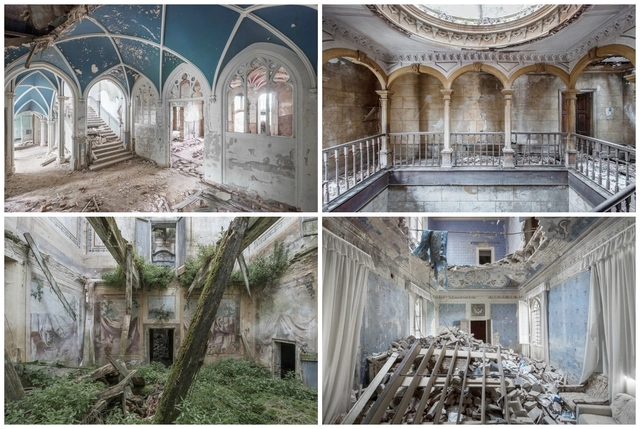
Architectural photographer Mirna Pavlovic has an obsession with abandoned places. For her, their appeal lies in their ability to exist on a different temporal plane from the rest of reality – both impossibly ancient and frozen in the present.

“They are never truly dead, yet never really alive,” Pavlovic explains. “Precariously treading along the border between life and death, decay and growth, the seen and the unseen, the past and the present, abandoned places confusingly encompass both at the same time, thus leaving the ordinary passer-by overwhelmed with both attraction and revulsion.”

For her latest series, Dulcis Domus, Pavlovic trekked over fences and past “no trespassing” signs to capture the once-glorious villas, palaces and castles of Europe that have now been left to decay, slowly returning to the Earth that existed before them. Through photography, Pavlovic attempts to highlight social issues through an aestheticised approach, allowing viewers to “see with fresh eyes what lies beneath those spots that we pass by on the street.”

Continue reading to see a selection of photographs from the series – hover over the images to see where each villa is located.