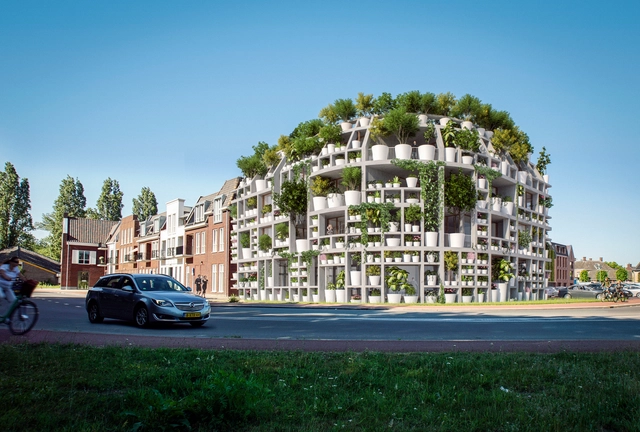
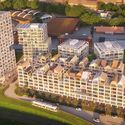
MVRDV has designed an office and residential building on a corner lot next to the Dommel river in the Dutch village of Sint-Michielsgestel. Made with a facade that takes the form of potted plants, the project uses a gridded “rack” system to cover the building’s entire exterior in a variety of plants. Designed with MVRDV’s co-architect, Van Boven Architecten, the team wanted to create a landmark project for the village while also being socially conscious and environmentally progressive.
For its 9th edition, the Moscow Urban Forum continues to consolidate as one of the world’s most relevant urban conferences, bringing together a diverse group of architects, urbanists, city mayors, government officials, economists, developers, academics, citizens, and professionals from diverse fields and nationalities.
While Pierre de Meuron’s main keynote puts focus on ongoing developments in the city of Moscow, by showcasing the ambitious scheme to redevelop the Badaevskiy Brewery, the lectures and presentations acknowledged the diverse areas that shape the city, including topics such as mental health, lifestyle of the millennial generation, evolution of work, or delivery platforms. The evolution of the role of the architect was present, with a growing number of professionals now working on startups in the tech, infrastructure, real estate, construction, and mobility sectors, the new city makers.
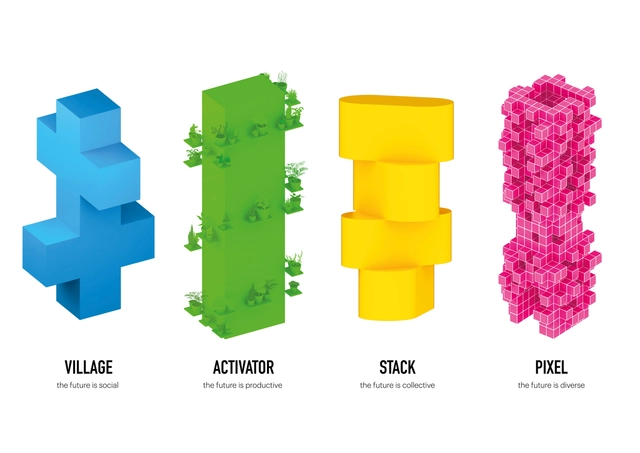
Opening on July 5th, “Architecture Speaks: The Language of MVRDV” will provide an immersive, diverse, multimedia experience for visitors to the Tyrolean Architecture Center (aut) in Innsbruck, Austria. The exhibition centers around a spatial intervention of 4 towers constructed inside the aut’s Adambräu Building, a former brewhouse. Each tower embodies a word that represents key concepts in MVRDV’s designs: stack, pixel, village, and activator. “Architecture Speaks” aims to present the concepts in an approachable, engaging manner, with the colorful towers enhanced by images, text, models, drawings, videos, audio, and interactive elements to present MVRDV’s projects.
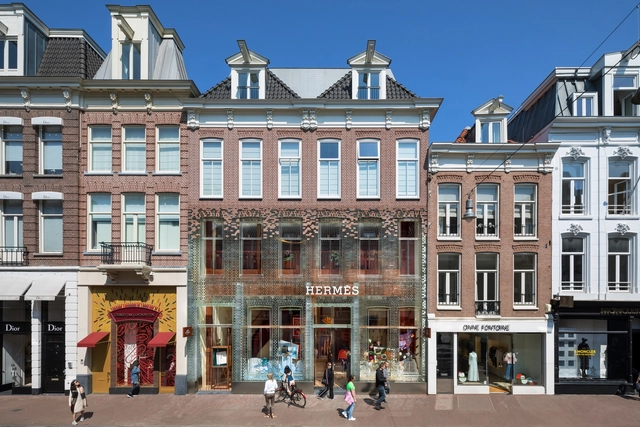
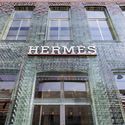
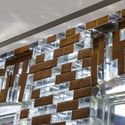
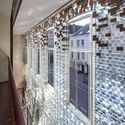
Dutch design practice MVRDV has reopened their 2016 project Crystal Houses with a new tenant and façade. Located on the high-end shopping street PC Hooftstraat, Crystal Houses initially hosted a temporary store for Chanel. The project’s jewel-like façade was proposed as a way for Amsterdam to be home to distinctive, upmarket flagship stores without compromising the city’s historical character. Now the project has been renovated and re-opened for French luxury brand Hermès.
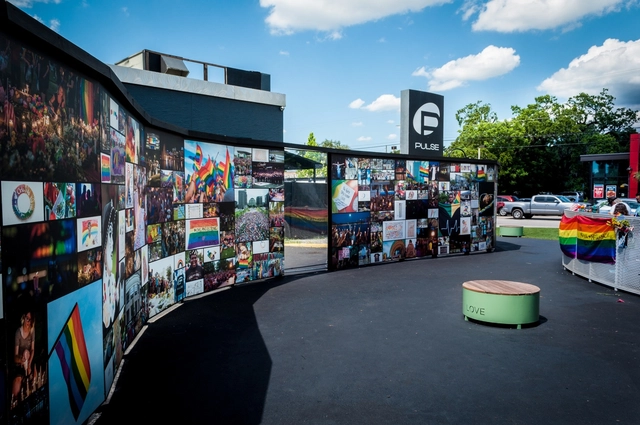
The shortlist has been announced for the design of the National Pulse Memorial & Museum in Orlando, Florida, honoring the 49 people killed during the Pulse nightclub shooting on June 12th, 2016. Established by Dovetail Design Strategists for the onePULSE Foundation, the open, two-stage international competition seeks to honor those killed while also supporting the families, survivors, and first responders.
https://www.archdaily.com/918366/high-profile-architects-shortlisted-for-pulse-nightclub-shooting-memorialNiall Patrick Walsh
More than 80,000 votes were cast over the last two weeks and, after careful review, the results of the 2019 ArchDaily Building of the Year Awards presented by Unreal are in. Building of the Year, which itself celebrated ten years this year, is the largest peer-based crowdsourced architecture award in the world, showcasing the projects chosen by you, our readers, as the most significant of the year.
This is no mean feat. More than 4000 projects were in contention this year, challenging readers to carefully consider a wide variety of projects across type, scale, and location. 4000 projects were whittled to 75 finalists; 75 have now been reduced to the 15 winners - one for each typological category.
The results are as diverse as the architecture itself. Well-known names are, as in years past, present among the bunch, among them Zaha Hadid Architects, MVRDV, and Heatherwick Studio. For London-based Heatherwick, their win marks the second consecutive year they have taken top honors for a refurbishment-based project. But less-renowned names dominate the ranks of the winners this year. Innocad’s serenely simple office building for a real estate company elevates what corporate architecture can be while the technical and material mastery of Sameep Padora’s Maya Somaiya Library is enough to make any architect look twice. The library is, in fact, one of two Indian projects to take top honors this year - a strong first year showing for the nation whose design talent seems finally to be coming to the fore.
But for all their many beautiful differences, the winners share a crucial element in common: they represent the values of our mission, to bring inspiration, knowledge, and tools to architects everywhere. Building of the Year - indeed, ArchDaily itself - would not be possible without the generosity of firms and readers as invested in our mission as we are. We give our profound thanks to all who participated this year, no matter the form. Congratulations to all the winners!
MVRDV has broken ground on a wholesale market for fruit and vegetables in Tainan, Taiwan. Defined by a terraced, accessible green roof, the open-air market will serve as both an important hub in Taiwan’s supply chain, and a destination for meeting, socializing, and taking in views of the surrounding landscape.
Named the “Tainan Xinhua Fruit and Vegetable Market,” the MVRDV scheme transforms an often-prosaic aspect of the food industry into a public experience of food and nature. Located in a strategic position between the city and mountains, with good public transport links, the scheme sits at a convenient node for traders, buyers, and visitors.
https://www.archdaily.com/912704/construction-of-mvrdvs-landscaped-food-market-begins-in-taiwanNiall Patrick Walsh
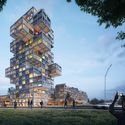
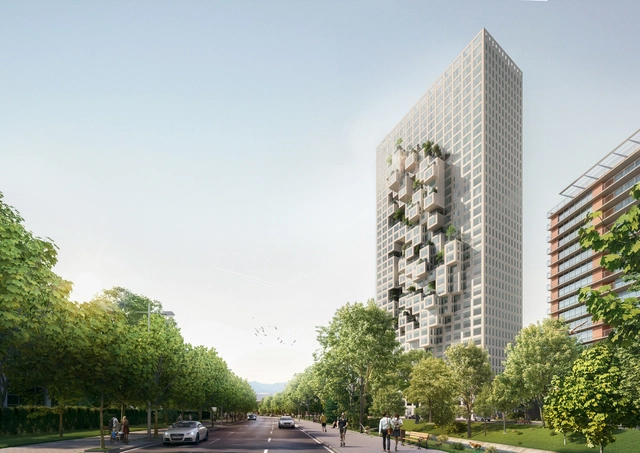
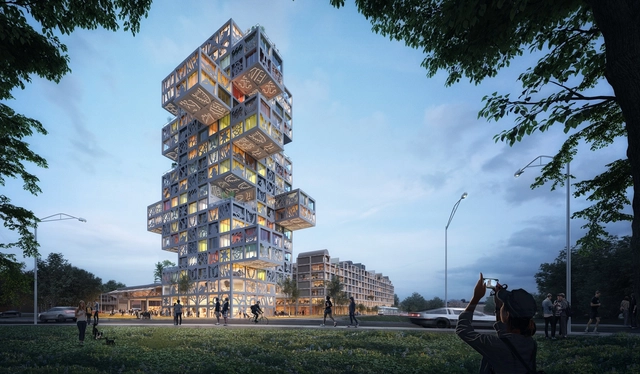
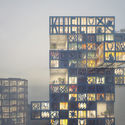
Construction has begun on MVRDV’s “Downtown One,” a 140-meter-tall mixed-use skyscraper for the Albanian capital city of Tirana. Set to become Albania’s tallest building, the 37-story scheme is defined by its “relief of cantilevered houses and offices, which form a pixelated map of Albania, each representing a town or city.”
Situated in the center of the city, on the Bajram Curri Boulevard, the scheme intends to boost the economy of the capital through a mix of apartments, shops, offices, and restaurants. In addition to manifesting as a map of Albania when viewed from afar, the iconic cantilevers also generate spectacular panoramic views of the city and mountains, and create a connection between residents of this “vertical village.”
https://www.archdaily.com/911557/mvrdvs-tirana-tower-forms-a-pixelated-map-of-albaniaNiall Patrick Walsh
In 2020, the French city of Marseille is set to host Manifesta 13, the European Biennial of Contemporary Art. In preparation for the event, MVRDV has collaborated with thinktank The Why Factory (directed by MVRDV co-founder Winy Maas) in unveiling “The Grand Puzzle,” a 1200-page interdisciplinary pre-biennial research study of the urban potential for Marseille.
MVRDV produced the study through deep analyses of the city, such as interviews and spatial data, culminating in suggestions for possible urban interventions. As part of this engagement, the firm worked with The Why Factory, founded as “the think tank on the future city” at Technical University Delft, who collaborated with local architecture and design schools on the study. Having received overwhelmingly positive feedback, the work will now be “contextualized, analyzed, and refined as it becomes a tool for Marseillais to imagine possible futures for their city.” In addition, the study will serve as a point of inspiration for artistic and cultural interventions both before and during the Manifesta biennial.
https://www.archdaily.com/911441/mvrdv-and-the-why-factory-develop-a-future-grand-puzzle-of-marseille-for-manifesta-13Niall Patrick Walsh
Hyde Park Residence. Image Courtesy of Romain Ghomari
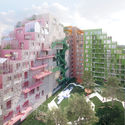
Manuelle Gautrand has designed a 400 unit mixed housing block for the futuristic Hyde Park district in Amsterdam. The homes are divided into nine buildings that make up "thematic" houses organized around a landscaped island core. Each house stands unique, made of different volumes, materials, colors and heights. Formed around the idea of a village, the project aims to develop ambitious environmental goals while bringing people together to rethink urban life.
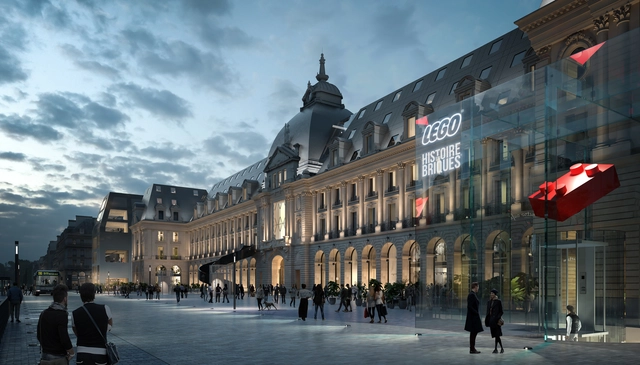
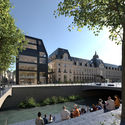
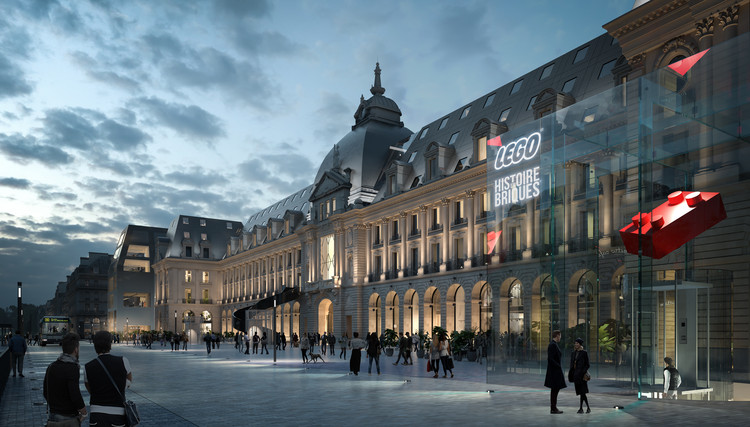
MVRDV has won a competition to renovate and extend the Palais du Commerce in Rennes, France. Developed in collaboration with co-architects Bernard Desmoulin and developers Frey and Engie Avenue, the transformation of the historic landmark will “signify a renaissance for both the building and its surroundings.”
The MVRDV scheme will reactivate both the Place de la Republique and the Palais, turning a former public building into a centerpiece of the city’s main commercial street as was originally intended. While being respectful to the existing building, the MVRDV proposal adopts a critical approach to its drawbacks, such as transparency and accessibility.
MVRDV have released details of their proposed mixed-use complex, designed to redevelop a post-industrial site in Kiel, Germany. The 65,000-square-meter proposal will adopt a flexible design system as opposed to a fixed, unchangeable plan, thus allowing the scheme to adapt to future demands as the design development progresses.
Labeled the “KoolKiel,” MVRDV’s scheme will occupy an existing large, single-story building previously used to store chains of ships, and for the printing of Germany’s famous Werner comics in the 1980s. The site’s current use as a hub for media and creative industries, and its resulting charismatic identity, has strongly influenced the MVRDV scheme, with the retention of the existing structure and lively, playful exterior spaces.
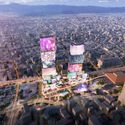
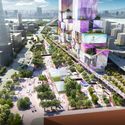
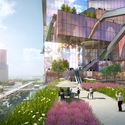
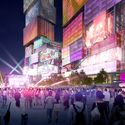
MVRDV have released images of their ambitious design for the Taipei Twin Towers, set to revitalize the central station area of the Taiwanese capital. The two towers are characterized by a “pile of blocks” that create a vertical urban neighborhood, complete with interactive media facades.
The site is currently occupied by the city’s main station, containing railway, airport lines, metro networks, and underused parks and plazas. Under the MVRDV scheme, the two towers will be built over the top of the station, offering retail, offices, two cinemas, two hotels, and the unification and redevelopment of surrounding plazas.
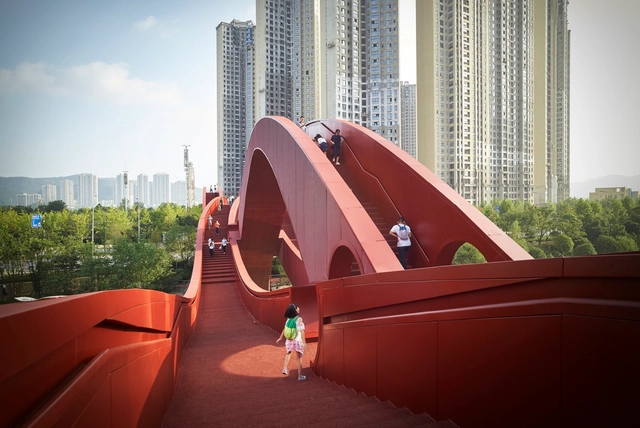
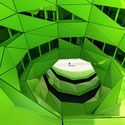
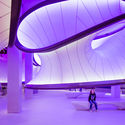
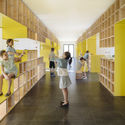
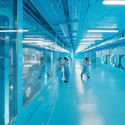
This week, colorful projects are here to steal the show. Few architects have dared to use color in their works, however, when done so the results can be incredible. Here is a selection of 15 images from prominent photographers such as Gregori Civera, Julien Lanoo and Subliminal Image that show us the huge potential of color.
2017 was a momentous year for Chinese architecture. From Tianjin Binhai Library taking the internet by storm with images of its terraced "sea of bookcases", to Alvar Aalto Medal recognizing Zhang Ke of standardarchitecture for his professional accomplishments. China has retained a remarkable presence in the global architecture scene.
So many of our readers around the world celebrate Chinese New Year and welcome fresh beginnings in the Year of the Dog, we would like to take a look back at 2017 and share with you the most visited projects from China. This is a collection of projects coming from world-famous practices such as MVRDV and MAD Architects, and also from the younger, local talents who have demonstrated great potential in bringing positive changes to China’s built environment.
https://www.archdaily.com/889257/the-best-chinese-architecture-of-2017Joanna Wong
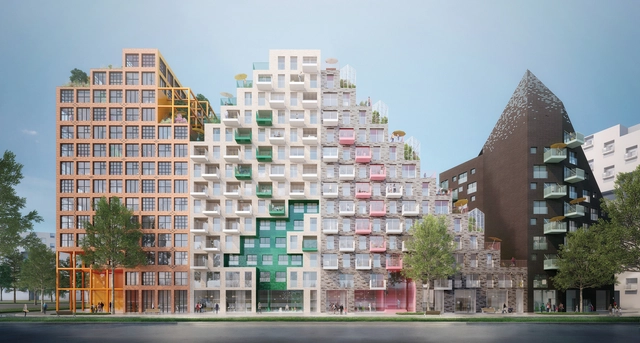
MVRDV has revealed the design of Weenapoint, a new mixed-use development for the firm’s home city of Rotterdam, The Netherlands.
Located in the Rotterdam Central District adjacent to Rotterdam Central Station, the 50,000-square-meter scheme will add to the recent transformation of the Weenapoint complex led by developer Maarsen Groep. The third and final phase of the master plan, MVRDV’s proposal will add 17,000 square meters of office space, a life-filled commercial plinth and up to 300 residential units.
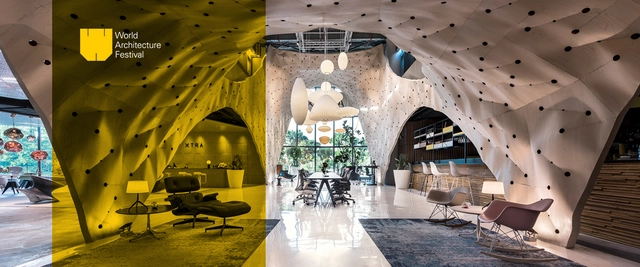
It's time to get your applications ready! Now in its 11th year, the World Architecture Festival will take place in Amsterdam from November 28 to 30. Organizers expect nearly 500 architectural practices to compete for prizes in over 30 categories. The event moves to the historic Dutch city following two years in Berlin.
The Festival is the world's largest live architecture awards event--all shortlisted architecture projects are presented in person by the architects to an esteemed panel of judges. And this year, nearly half of the 120 judges are expected to be women.
https://www.archdaily.com/889305/submit-your-project-for-the-2018-world-architecture-festival-awardsAD Editorial Team
#donotsettle is an online video project created by Wahyu Pratomo and Kris Provoost about architecture and the way it is perceived by users. They visit buildings, make videos and write extended stories in their exclusive column on ArchDaily, #donotsettle Extra.
Yes, that library. The images of the Tianjin Binhai Library have appeared everywhere, from architecture blogs and news broadcasts to going completely viral on social media. We had to go see it and show you what the space is really like. So, we teamed up with MVRDV who sent us to Tianjin to see it up close.
Tianjin Binhai Library, designed by MVRDV, is part of the bigger master plan for the new Binhai Cultural Center (masterplanned by Germany’s GMP). The building has seen phenomenal success on social media reaching all corners of the world. Since the opening, the number of visitors has been constantly increasing, with many of them coming from way beyond Tianjin. It is a library as destination point, redefined.






.jpg?1551873413&format=webp&width=640&height=580)


.jpg?1551873565 "The open-air market will also be an important social hub. Image © MVRDV")
.jpg?1551873413 "The Tainan Xinhua Fruit and Vegetable Market elevates a prosaic part of the supply chain into a place for the public to experience food . Image © MVRDV")
.jpg?1551873413)
.jpg?1550236481 "© MVRDV / REDVERTEX")

.jpg?1550072614&format=webp&width=640&height=580)







.jpg?1519240599&format=webp&width=640&height=580)
.jpg?1519240713 "View of the plinth. Image © Mozses")
.jpg?1519240623 "View from street. Image © MVRDV")
.jpg?1519240576 "Corner view. Image © Mozses")
.jpg?1519240651 "Night view. Image © MVRDV")
.jpg?1519240599)