


-
Architects: longwave studio
- Area: 112 m²
- Year: 2026
-
Manufacturers: fritzhansen

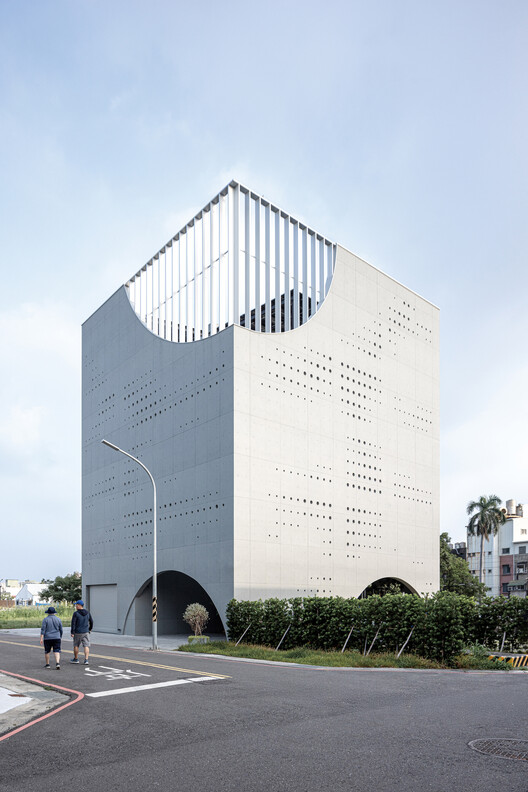
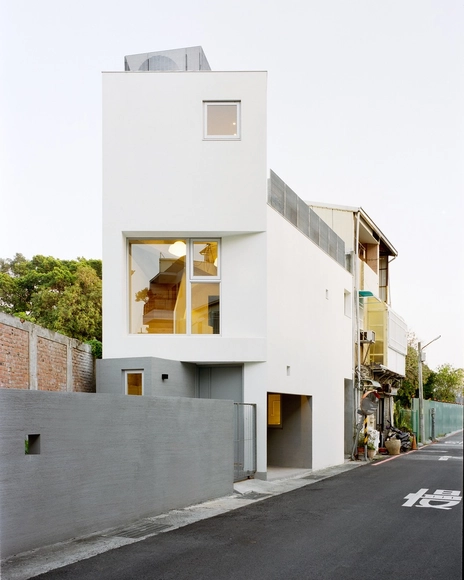
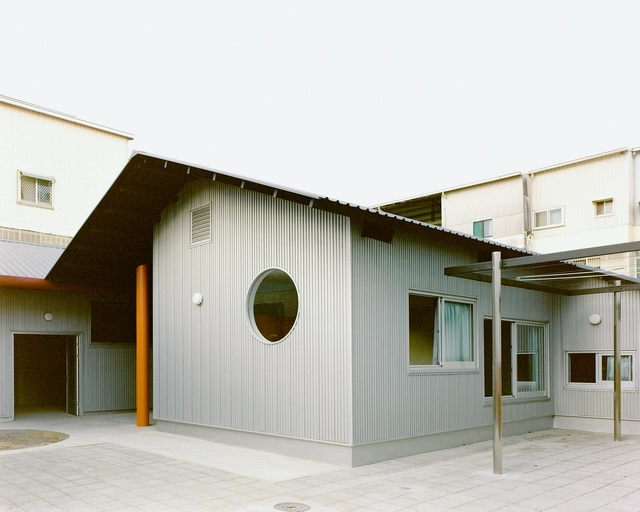
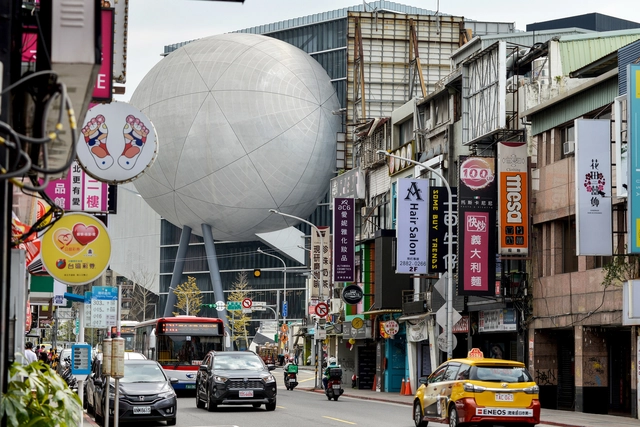
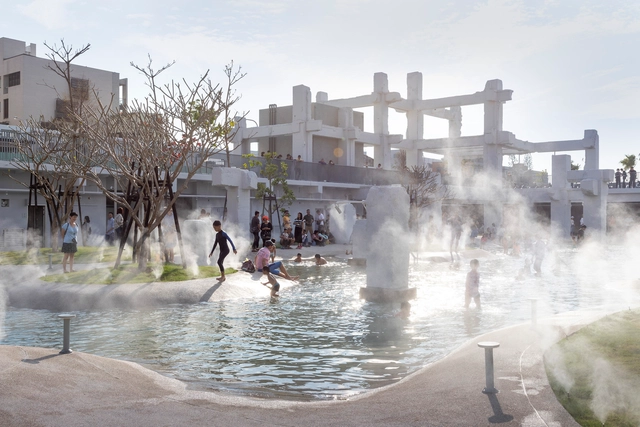
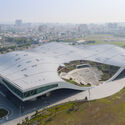
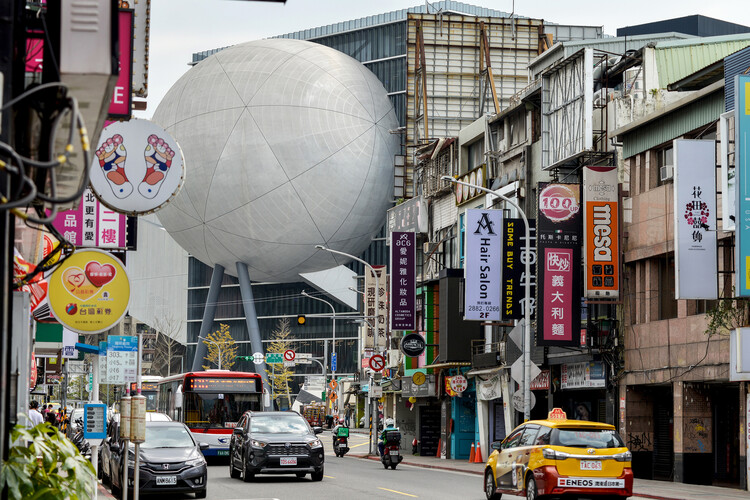
In most situations, architects navigate a complex web of construction codes, airspace regulations, and numerous other rules that dictate the form and execution of a project. However, cultural architecture often presents a unique opportunity for more daring and expressive designs. These projects frequently garner support from local governments, unlocking possibilities for formal explorations that might otherwise remain unrealized. In this regard, cultural architecture serves a dual purpose: enriching the community and establishing iconic landmarks that define the identity of their city or region. This ambition has certainly manifested in Taiwan. Situated in the heart of East Asia, this island nation boasts a remarkable array of formal explorations by both international and Taiwanese architects.
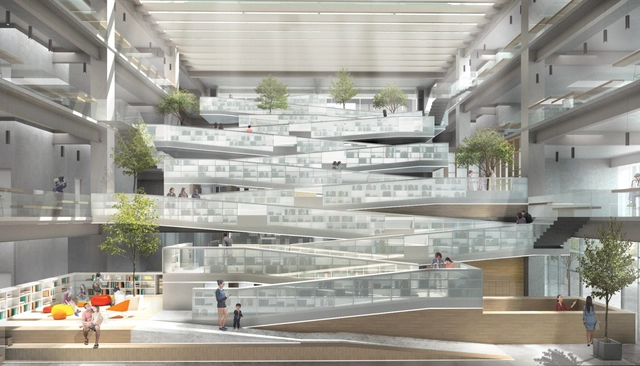
At the 19th International Architecture Exhibition - La Biennale di Venezia 2025, the collateral event titled "NON-Belief: Taiwan Intelligens of Precarity" is curated by Cheng-Luen Hsueh and co-curators Ping-Sheng Wu, Meng-Tsun Su, and Sung-Chang Leo Chiang, working alongside a team from the NCKU Department of Architecture. In line with the Biennale's main theme, "Intelligens. Natural. Artificial. Collective.", the exhibition explores the idea of "precarious intelligens," a form of resilience shaped by the intersection of natural disasters, geopolitical challenges, globalization, and an uncertain future.
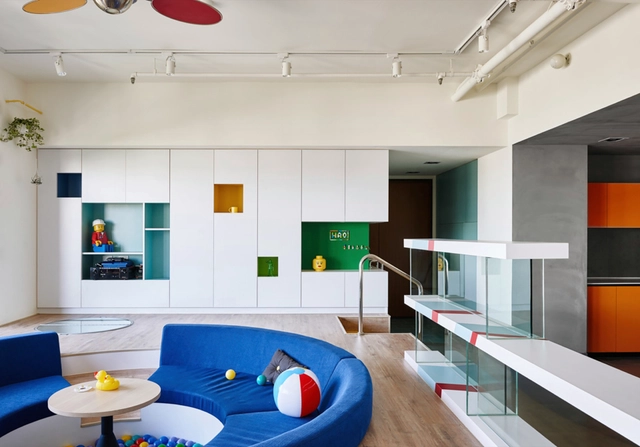
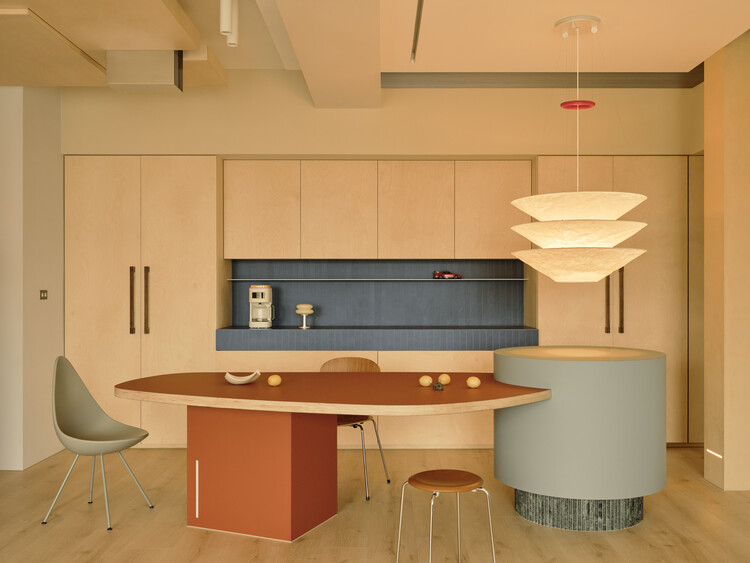
Despite its small size, the island of Taiwan is densely populated, with more than 80% of its people living in urban areas. Available space is often limited, particularly in major cities like Taipei, Taichung, and Kaohsiung. Therefore, designers face the ongoing challenge of creating interiors that feel spacious, functional, and visually appealing despite their sometimes compact footprints. Rather than seeing these limitations as constraints, architects embrace them as opportunities to experiment with smart layouts and multi-functional furniture that enhances livability.
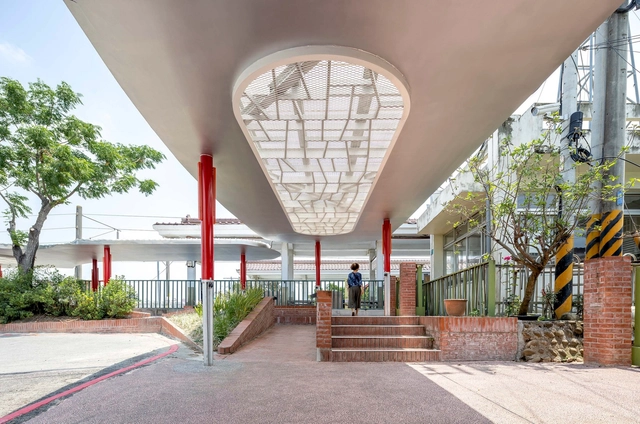
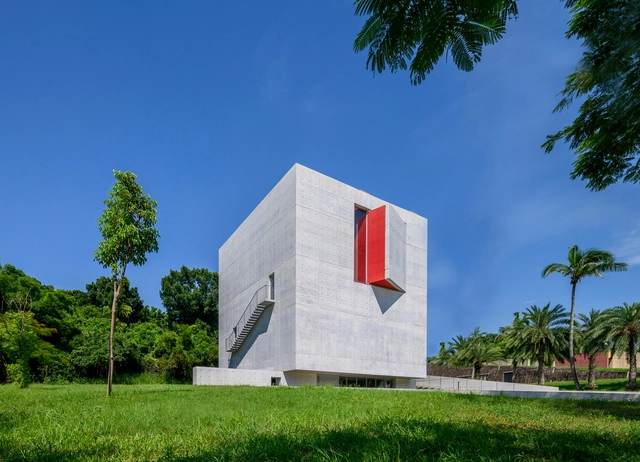
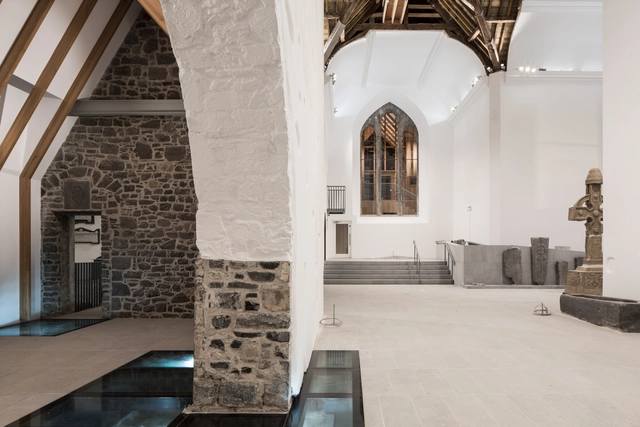
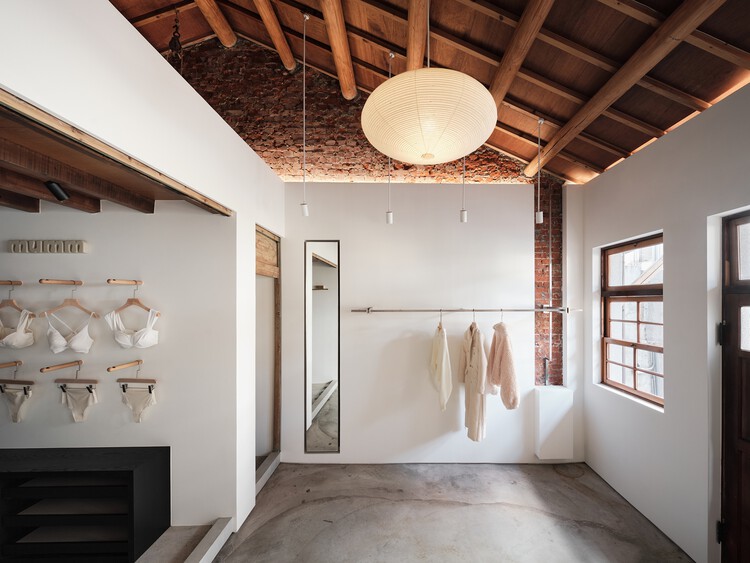
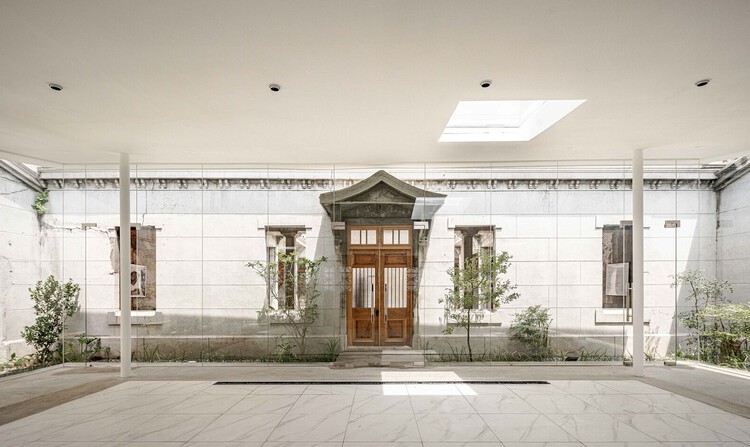
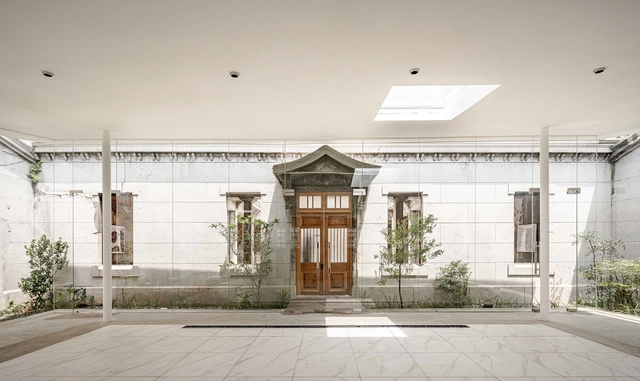
The dawn of the Anthropocene has thrown the idea of adaptive reuse into the limelight: effectively the pinnacle of urban regeneration and revitalization. It utilizes the presence of existing buildings with historic and cultural value and re-purposes them to be functional. Essentially a form of architectural salvage; a sustainable and viable means of rebuilding.
Recent events such as the pandemic has highlighted inequalities in our cityscape, the inadequate segments in a state of disuse and disrepair. Adaptive reuse can replenish these areas and create new cultural hotspots, encouraging activity and creating vibrant and healthy mixed-use environments.
Below is a diverse selection of cultural hotspots using Adaptive Reuse