1. ArchDaily
  2. Mental Health

Mental Health: The Latest Architecture and News

On World Health Day: How Architecture Shapes Well-Being in Everyday Spaces

Observed annually on April 7, World Health Organization's World Health Day draws attention to global health priorities while situating them within broader environmental and societal contexts. Established following the first World Health Assembly in 1948 and observed since 1950, the day has evolved into a platform for addressing the shifting conditions that shape health, from local systems of care to planetary-scale challenges. The 2026 edition, held under the theme "Together for health. Stand with science," calls for renewed engagement with scientific knowledge as a basis for collective action. The year-long campaign emphasizes collaboration in protecting the health of people, animals, plants, and the planet, foregrounding the One Health approach as a framework for understanding their interdependence.

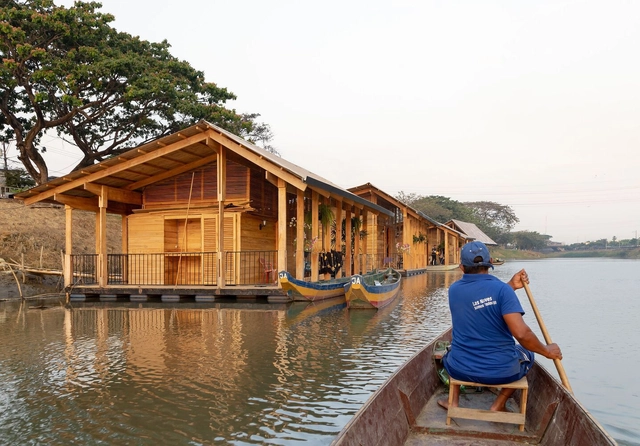
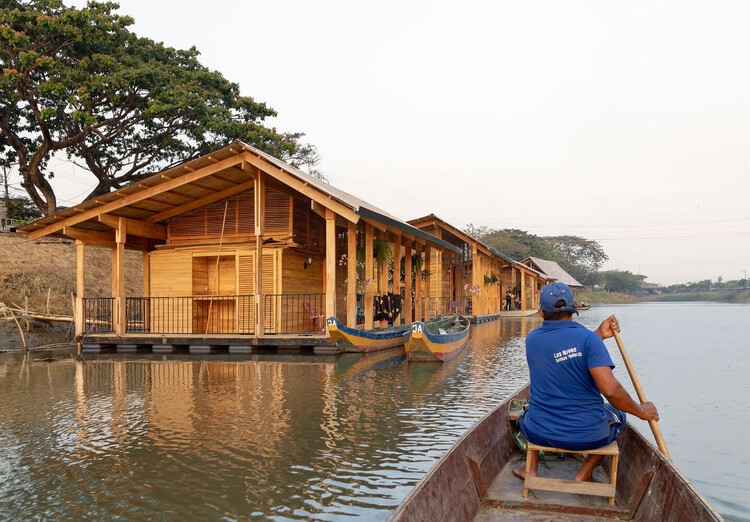
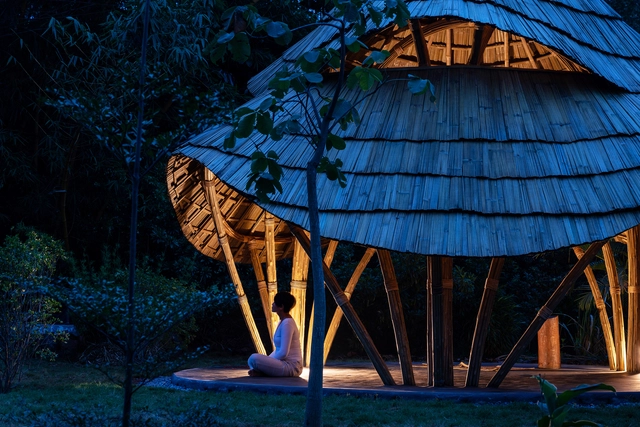
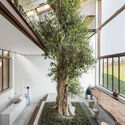
On World Health Day: How Architecture Shapes Well-Being in Everyday Spaces - Image 1 of 4On World Health Day: How Architecture Shapes Well-Being in Everyday Spaces - Image 2 of 4On World Health Day: How Architecture Shapes Well-Being in Everyday Spaces - Image 3 of 4On World Health Day: How Architecture Shapes Well-Being in Everyday Spaces - Image 4 of 4On World Health Day: How Architecture Shapes Well-Being in Everyday Spaces - More Images+ 9

Architecture that Shapes Health: Lessons of Design and Well-Being in 2025

Health has become a central concern in architecture, planning, and design, driven by a growing awareness of how the built environment influences physical, mental, social, and environmental well-being. In 2025, this awareness moved beyond specialized building types or performance metrics and became central to architectural decision-making, informing how spaces are conceived, built, and inhabited across diverse contexts. Architects are no longer treating health as an external requirement but as an integral condition of everyday life.

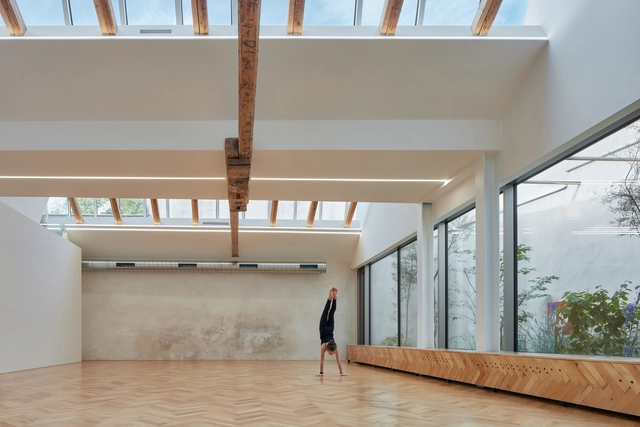
Architecture that Shapes Health: Lessons of Design and Well-Being in 2025 - Image 1 of 4Architecture that Shapes Health: Lessons of Design and Well-Being in 2025 - Image 2 of 4Architecture that Shapes Health: Lessons of Design and Well-Being in 2025 - Image 3 of 4Architecture that Shapes Health: Lessons of Design and Well-Being in 2025 - Image 4 of 4Architecture that Shapes Health: Lessons of Design and Well-Being in 2025 - More Images+ 14

To Live Well in High-Density Cities: Connections of Urban Density and Public Health

As the global population continues to surge, cities become increasingly complex ecosystems, dense and bustling environments home to millions of people. Today, more than half of the world's population lives in cities, which is expected to grow dramatically in the coming decades. This rapid urbanization presents a complex set of challenges for the architects and planners tasked with creating spaces that can accommodate urban residents' lives.

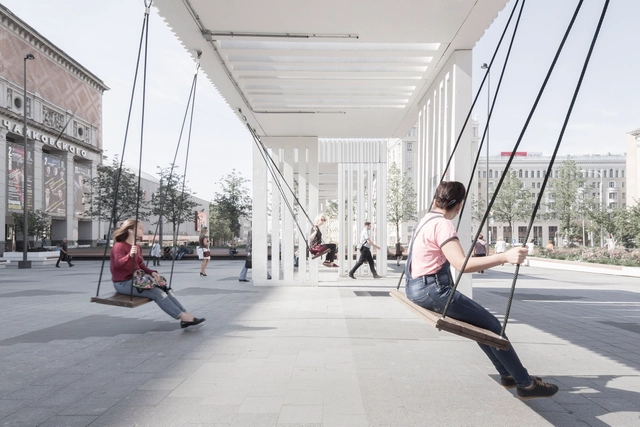
To Live Well in High-Density Cities: Connections of Urban Density and Public Health - Image 1 of 4To Live Well in High-Density Cities: Connections of Urban Density and Public Health - Image 2 of 4To Live Well in High-Density Cities: Connections of Urban Density and Public Health - Image 3 of 4To Live Well in High-Density Cities: Connections of Urban Density and Public Health - Image 4 of 4To Live Well in High-Density Cities: Connections of Urban Density and Public Health - More Images+ 10

Architectures of Care: Healing Spaces Across Cultures

Around the world, different cultures have developed unique ways of understanding and experiencing healing. Far from being merely a physical process, healing encompasses emotional, spiritual, social, and architectural dimensions. Healing spaces—whether physical, symbolic, or natural—reflect each culture's values, beliefs, and ways of life. Exploring these cultural approaches not only broadens our perspective on health but also encourages us to reconsider how we design environments that nurture care and well-being.

Architectures of Care: Healing Spaces Across Cultures - Image 1 of 4Architectures of Care: Healing Spaces Across Cultures - Image 2 of 4Architectures of Care: Healing Spaces Across Cultures - Image 3 of 4Architectures of Care: Healing Spaces Across Cultures - Image 4 of 4Architectures of Care: Healing Spaces Across Cultures - More Images+ 12

Wellbeing and Slow Spaces: Can Architecture Distort the Way We Experience Time?

A good conversation can make time feel like it's passing more quickly. But is this effect solely due to the verbal exchange, or could our perception of time be shaped by the spatial conditions surrounding us? There are environments that, due to their scale, distribution, and atmosphere, are conducive to meeting, listening, or pausing, thereby influencing the human experience. Perhaps it's not the words we share, but the space in which we speak that truly shapes our understanding of time. Some sociological theories about our society and the built environment go beyond considering it as a mere physical container and suggest that architecture, in its very duality, can act as both an inhibitor and a catalyst for our temporal experiences, impacting our wellbeing.

The Science of Design: How Neuroscience can Help Architects Shape the Built Environment

In recent years, the integration of neuroscience and architecture has revolutionized our understanding of how built environments influence human well-being, behavior, and cognition. This interdisciplinary field, known as neuroarchitecture, explores the connections between spatial design, brain function, and psychology, offering insights into creating environments that promote health, creativity, and emotional resilience.

The Science of Design: How Neuroscience can Help Architects Shape the Built Environment  - Image 1 of 4The Science of Design: How Neuroscience can Help Architects Shape the Built Environment  - Image 2 of 4The Science of Design: How Neuroscience can Help Architects Shape the Built Environment  - Image 3 of 4The Science of Design: How Neuroscience can Help Architects Shape the Built Environment  - Image 4 of 4The Science of Design: How Neuroscience can Help Architects Shape the Built Environment  - More Images+ 9

The Vessel Reopens at Hudson Yards, New York, with New Safety Measures After Three-Year Closure

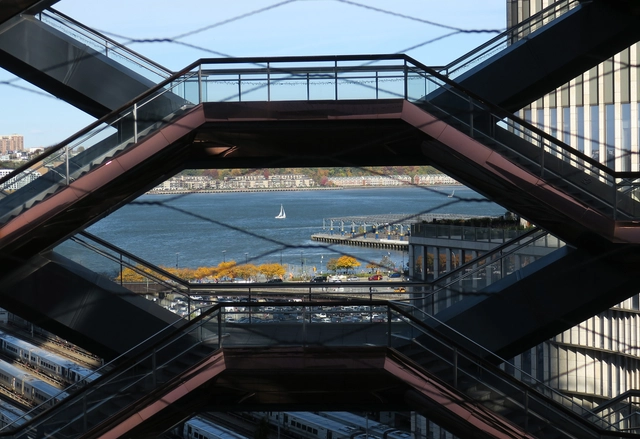
In October 2024, "The Vessel" at Hudson Yards in New York City reopened to the public after being closed for nearly three years due to multiple suicides. Originally designed by Heatherwick Studio and opened in 2019, the 150-foot monumental staircase was closed in January 2021 after four individuals, all under the age of 25, tragically took their own lives within an 18-month span. This photo series by Paul Clemence captures "The Vessel" as it reopens, offering a fresh look at its design and renewed role in the city.

The Vessel Reopens at Hudson Yards, New York, with New Safety Measures After Three-Year Closure - Image 1 of 4The Vessel Reopens at Hudson Yards, New York, with New Safety Measures After Three-Year Closure - Image 2 of 4The Vessel Reopens at Hudson Yards, New York, with New Safety Measures After Three-Year Closure - Image 3 of 4The Vessel Reopens at Hudson Yards, New York, with New Safety Measures After Three-Year Closure - Image 4 of 4The Vessel Reopens at Hudson Yards, New York, with New Safety Measures After Three-Year Closure - More Images+ 13

Green Therapy: How Does Nature Contribute to Healing Hospitalized Patients?

Connection with nature has become increasingly important in architectural theory and practice in recent years, especially after the COVID-19 pandemic, which emphasized the role of natural environments in healing. During this time, many scientific studies highlighted the positive effects of green spaces on human well-being, whether in workplaces, homes, or urban areas. With these proven benefits, it is clear that incorporating natural elements into hospital designs is crucial, creating spaces that provide vital support for patients facing physical or mental challenges.

Green Therapy: How Does Nature Contribute to Healing Hospitalized Patients? - Image 4 of 4Green Therapy: How Does Nature Contribute to Healing Hospitalized Patients? - Image 1 of 4Green Therapy: How Does Nature Contribute to Healing Hospitalized Patients? - Image 2 of 4Green Therapy: How Does Nature Contribute to Healing Hospitalized Patients? - Image 3 of 4Green Therapy: How Does Nature Contribute to Healing Hospitalized Patients? - More Images+ 4

Practice Design Reveals India Autism Center as a Model of Inclusive and Accessible Design

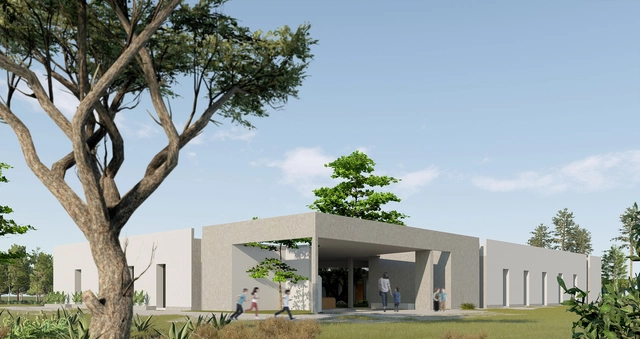
The India Autism Center (IAC), situated in Sirakole, West Bengal, represents a new perspective in accessible design and inclusivity. Designed to meet the specific needs of individuals with autism spectrum disorder (ASD) and related conditions, the center embodies a comprehensive approach to neurodiverse living. Developed by Practice Design, an architectural firm based in Mumbai and Kolkata, the 52-acre project is expected to be completed by 2030. It aims to create a supportive community where individuals with autism can realize their full potential through a variety of tailored services.

Practice Design Reveals India Autism Center as a Model of Inclusive and Accessible Design - Image 1 of 4Practice Design Reveals India Autism Center as a Model of Inclusive and Accessible Design - Image 2 of 4Practice Design Reveals India Autism Center as a Model of Inclusive and Accessible Design - Image 3 of 4Practice Design Reveals India Autism Center as a Model of Inclusive and Accessible Design - Image 4 of 4Practice Design Reveals India Autism Center as a Model of Inclusive and Accessible Design - More Images+ 5

World Autism Day: 5 Projects Crafted for Differently-Abled Bodies

Subscriber Access | 

In the realm of architecture, inclusivity and accessibility have emerged as pivotal pillars in design philosophy. In honor of World Autism Day, this curated collection recognizes the evolution of architecture’s response to differently-abled bodies. The history of disability in architecture is deeply intertwined with advocacy and activism. In fact, a group of pioneering students named “The Rolling Quads” spearheaded a movement for disability rights in 1972 in California. This grassroots activism has not only reshaped the physical world but also catalyzed broader conversations about social justice in architectural design.

In commemorating World Autism Day, it is crucial to acknowledge the impact of design on the lives of individuals with disabilities. Whether it’s the Autism Garden in Iran by Hajm.e.Sabz, the Sycamore at Northgate Park Hospital in the United Kingdom, or the Home for The Homeless, each of these projects celebrates diverse needs and seeks to foster a sense of belonging and empowerment for all.

World Autism Day: 5 Projects Crafted for Differently-Abled Bodies - Image 1 of 4World Autism Day: 5 Projects Crafted for Differently-Abled Bodies - Image 2 of 4World Autism Day: 5 Projects Crafted for Differently-Abled Bodies - Image 3 of 4World Autism Day: 5 Projects Crafted for Differently-Abled Bodies - Image 4 of 4World Autism Day: 5 Projects Crafted for Differently-Abled Bodies - More Images+ 3

Colors of the Favela: The Transformative Impact of Painting on Communities

In the perception of many, the favela embodies contradictory and opposed representations. For those outside its boundaries, the favela is frequently associated with crime, poverty, or illness. Yet, it is also regarded as the aesthetic embodiment of a nation, serving as the birthplace of culturally renowned elements worldwide, such as samba in the case of Brazil.

Colors of the Favela: The Transformative Impact of Painting on Communities - Image 1 of 4Colors of the Favela: The Transformative Impact of Painting on Communities - Image 2 of 4Colors of the Favela: The Transformative Impact of Painting on Communities - Image 3 of 4Colors of the Favela: The Transformative Impact of Painting on Communities - Image 4 of 4Colors of the Favela: The Transformative Impact of Painting on Communities - More Images

Designing for Happiness: Exploring the Connection between Architecture and Mental Health

While not entirely dependent on one another, the relationship between architecture and mental well-being is an important topic, as designers and architects can contribute to creating a more enjoyable environment for everyone. From strategies to enhance mental health in shared workspaces to the ways in which architecture can contribute to preventing cognitive decline, understanding the potential impact of environmental neurosciences and the ways they apply to architecture is an essential skill for our profession.

Designing for Happiness: Exploring the Connection between Architecture and Mental Health - Image 1 of 4Designing for Happiness: Exploring the Connection between Architecture and Mental Health - Image 2 of 4Designing for Happiness: Exploring the Connection between Architecture and Mental Health - Image 3 of 4Designing for Happiness: Exploring the Connection between Architecture and Mental Health - Image 4 of 4Designing for Happiness: Exploring the Connection between Architecture and Mental Health - More Images+ 12

How Environmental Neuroscience is Shaping Architecture and Urban Planning

Environmental neuroscience is an emerging field devoted to studying the impact of social and physical environments on brain processes and behaviour. From the various opportunities for social interaction to noise levels and access to green spaces, the characteristics of the urban environment have important implications for neural mechanisms and brain functioning, thus influencing our physical state. The field paints a different image of how cities impact our health and well-being, thus providing a new, scientific layer of understanding that could help architects, urban planners, and decision-makers create more equitable urban environments.

How Environmental Neuroscience is Shaping Architecture and Urban Planning - Image 1 of 4How Environmental Neuroscience is Shaping Architecture and Urban Planning - Image 2 of 4How Environmental Neuroscience is Shaping Architecture and Urban Planning - Featured ImageHow Environmental Neuroscience is Shaping Architecture and Urban Planning - Image 3 of 4How Environmental Neuroscience is Shaping Architecture and Urban Planning - More Images

Architecture for Preventing Cognitive Decline: Contributions from Neuroscience to Healthy Aging

Subscriber Access | 

Cognitive decline is a growing public health concern that affects millions of people around the world. Amid an aging population, strategies that help prevent or mitigate cognitive deterioration become increasingly relevant to support healthy aging and maintaining independence for longer. Studies in the field of neuroscience applied to architecture (neuroarchitecture) have shown that the physical environment, both internal and external, public and private, plays a fundamental role in this aspect [1]. In this sense, architects and urban planners can direct their projects to create solutions that significantly contribute to this objective.

Architecture for Preventing Cognitive Decline: Contributions from Neuroscience to Healthy Aging - Image 1 of 4Architecture for Preventing Cognitive Decline: Contributions from Neuroscience to Healthy Aging - Image 2 of 4Architecture for Preventing Cognitive Decline: Contributions from Neuroscience to Healthy Aging - Image 3 of 4Architecture for Preventing Cognitive Decline: Contributions from Neuroscience to Healthy Aging - Image 4 of 4Architecture for Preventing Cognitive Decline: Contributions from Neuroscience to Healthy Aging - More Images

Healthy Spaces: The Rise of Wellness Design in 2022

The year 2022 saw a rise in conversation around health and well-being. Two years after the start of the COVID-19 pandemic, the architecture industry is more informed about healthy building practices and equipped to drive forward impactful solutions. World Architecture Day 2022 was themed around “Architecture for well-being”, paralleling the designation of 2022 as the UIA Year of Design for Health in buildings and cities. As we wind up the year, ArchDaily explores “healthy spaces” as a trend along with insights that will last well into the future.

Healthy Spaces: The Rise of Wellness Design in 2022 - Image 1 of 4Healthy Spaces: The Rise of Wellness Design in 2022 - Image 2 of 4Healthy Spaces: The Rise of Wellness Design in 2022 - Image 3 of 4Healthy Spaces: The Rise of Wellness Design in 2022 - Image 4 of 4Healthy Spaces: The Rise of Wellness Design in 2022 - More Images+ 1

Poetics of Space and Mental Health: How Architecture Can Help Prevent Suicides

According to the latest survey carried out by the World Health Organization - WHO, in 2019 there were more than 700,000 suicides worldwide. In Brazil, records approach 14,000 cases per year, that is, on average 38 people commit suicide per day. In this context, “Yellow September” was created in Brazil, the largest anti-stigma campaign in the world that encourages everyone to actively act in the awareness and prevention of suicide, a topic that is still seen as taboo.

Poetics of Space and Mental Health: How Architecture Can Help Prevent Suicides - Image 1 of 4Poetics of Space and Mental Health: How Architecture Can Help Prevent Suicides - Image 2 of 4Poetics of Space and Mental Health: How Architecture Can Help Prevent Suicides - Image 3 of 4Poetics of Space and Mental Health: How Architecture Can Help Prevent Suicides - Image 4 of 4Poetics of Space and Mental Health: How Architecture Can Help Prevent Suicides - More Images+ 7

Care Beyond Biopolitics

Subscriber Access | 

What would it mean to design buildings that exceed the economic accountings of liberal biopolitics, that instead offer an entirely different rationale for supporting health? In the years that Michel Foucault conceptualized the term biopolitics, he was part of a constellation of researchers and architects who developed care praxes that defined the value of life and its maintenance through a desire-based calculus. The welfare state institutions of architect Nicole Sonolet in particular—mental hospitals, public housing complexes, and new village typologies built mainly in postwar France and postcolonial Algeria from the 1950s to the 1980s—were designed not only to support but to center the needs of people often excluded from design processes. Sonolet’s mental health centers for residents of Paris’s 13th arrondissement, in particular, were key projects for discovering a design practice tied to the provision of care for its own sake.

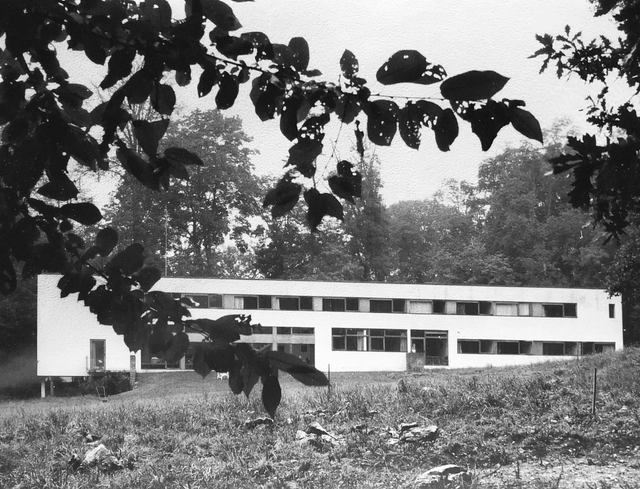
Care Beyond Biopolitics - Image 1 of 4Care Beyond Biopolitics - Image 2 of 4Care Beyond Biopolitics - Image 3 of 4Care Beyond Biopolitics - Image 4 of 4Care Beyond Biopolitics - More Images+ 3

Have Gardens Become a Privilege?

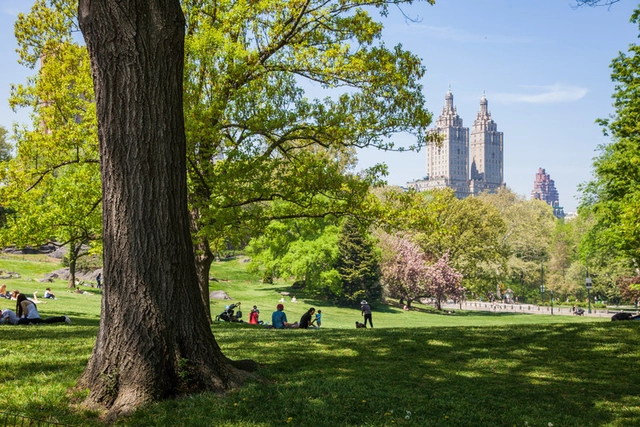
Whether it is a small balcony, access to green space or a private garden, the outdoor space has become a privilege for many, especially upon the dawn of the Covid-19 pandemic and the multiple lock down periods that followed. Green space in the city is constantly under threat, particularly since governments seek to increase housing densities in order to feed a growing demand for suburban development. As a result, the garden and access to green/outdoor spaces has decreased in recent times, as priorities lie in housing as many as possible, often with disregard to beneficial features such as access to outdoor areas in residential developments.

In terms of living conditions the lack of access to these spaces presents evident inequalities, uncovered during periods of lock down and restrictions during the pandemic. People were confined to their homes and local outdoor spaces, where they could exercise. Those who had access to these public spaces and had their own gardens/external space were very lucky in the sense that they were able to enjoy an element of the outside. While those less fortunate in flats and areas of depravity faced claustrophobic and demoralizing conditions, contained within the shell of their homes. 

Have Gardens Become a Privilege? - Image 1 of 4Have Gardens Become a Privilege? - Image 2 of 4Have Gardens Become a Privilege? - Image 3 of 4Have Gardens Become a Privilege? - Image 4 of 4Have Gardens Become a Privilege? - More Images+ 2