1. ArchDaily
  2. Low Waste Design

Low Waste Design: The Latest Architecture and News

From Overlooked Waste to Circular Opportunity: Plastics in Construction

Subscriber Access | 

Like the famous Russian Matryoshka doll, opening a package often feels like uncovering endless layers. Inside a cardboard box, there might be molded Styrofoam, then several plastic air pillows, and finally, individual plastic wrapping around each piece. Even a small product can leave behind a trail of plastic waste far larger than its size. Now imagine this logic applied to a construction site where every component, every delivery of materials, often arrives wrapped in multiple layers of protection. What already seems excessive in retail becomes monumental when repeated daily on large construction projects.

From Overlooked Waste to Circular Opportunity: Plastics in Construction - Image 1 of 4From Overlooked Waste to Circular Opportunity: Plastics in Construction - Image 2 of 4From Overlooked Waste to Circular Opportunity: Plastics in Construction - Image 3 of 4From Overlooked Waste to Circular Opportunity: Plastics in Construction - Image 4 of 4From Overlooked Waste to Circular Opportunity: Plastics in Construction - More Images+ 3

Environmental Politics: Lydia Kallipoliti’s Approach to Transforming Architecture through Ecological Pedagogies

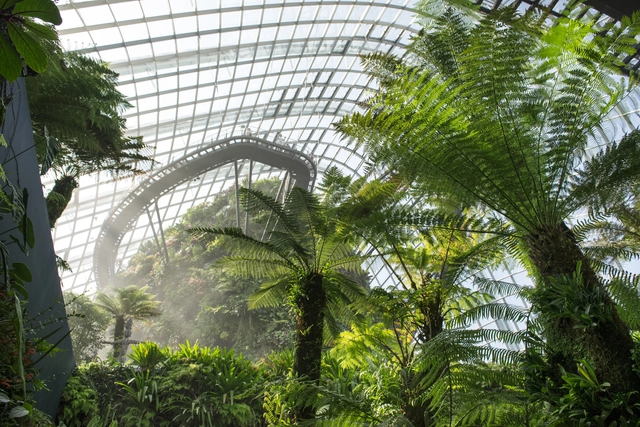
Lydia Kallipoliti is a recognized architect, author, and educator whose pioneering research has transformed the way architecture engages with the pressing challenges of sustainability, technology, and environmental politics. As an Associate Professor at Columbia University's Graduate School of Architecture, Planning, and Preservation (GSAPP), Kallipoliti's approach to architectural education encourages students to confront critical issues such as waste, reuse, and closed-loop systems. Her pedagogical philosophy empowers students to see design not only as an aesthetic or functional pursuit but as a powerful tool for addressing global ecological crises, urging them to think systemically and creatively about the future of the built environment.

In addition to her role in academia, Kallipoliti has authored influential works such as The Architecture of Closed Worlds and Histories of Ecological Design: an Unfinished Cyclopedia, which delve deeply into the relationship between architecture and environmental politics. Her research and writings have sparked discourse on methods for architects to reconsider traditional design paradigms and embrace sustainability as a core tenet of architectural practice.

Environmental Politics: Lydia Kallipoliti’s Approach to Transforming Architecture through Ecological Pedagogies - Image 1 of 4Environmental Politics: Lydia Kallipoliti’s Approach to Transforming Architecture through Ecological Pedagogies - Image 2 of 4Environmental Politics: Lydia Kallipoliti’s Approach to Transforming Architecture through Ecological Pedagogies - Image 3 of 4Environmental Politics: Lydia Kallipoliti’s Approach to Transforming Architecture through Ecological Pedagogies - Image 4 of 4Environmental Politics: Lydia Kallipoliti’s Approach to Transforming Architecture through Ecological Pedagogies - More Images+ 4

Less Waste or More Value: 8 Architecturally Relevant Interventions at the 2021 Dutch Design Week

Subscriber Access | 

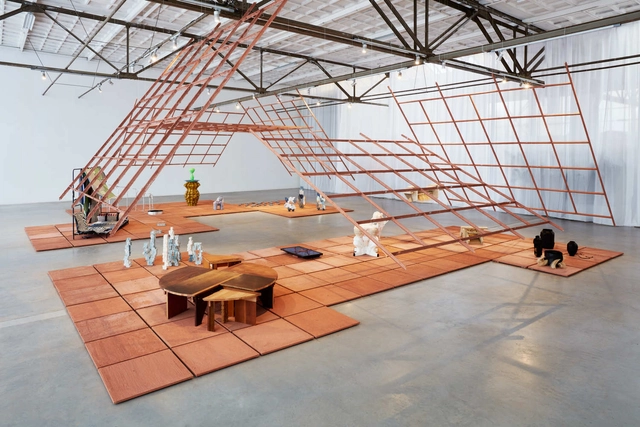
Under the theme of 'The Greater Number', the Dutch Design Week (DDW) returns with a physical edition from the 16 until the 24th of October 2021 in Eindhoven, the Netherlands. The largest design event in Northern Europe has decided for its comeback to tackle the notion of less consumption, less production, and less waste. Knowing that this is not always possible, the design happening also calls for more sustainable products with more value.

Striving to change the behavior of consumers and manufacturers, Dutch Design Week organized lectures, debates, and exhibitions, from which ArchDaily selected 8 architecturally relevant interventions to underline. Highlighting ideas that can shape a positive future, the list is mostly focused on future cities, while also tackling notions such as adapted realities, connected living, interactive experiences, and designing society.

Less Waste or More Value: 8 Architecturally Relevant Interventions at the 2021 Dutch Design Week - Image 1 of 4Less Waste or More Value: 8 Architecturally Relevant Interventions at the 2021 Dutch Design Week - Image 2 of 4Less Waste or More Value: 8 Architecturally Relevant Interventions at the 2021 Dutch Design Week - Image 3 of 4Less Waste or More Value: 8 Architecturally Relevant Interventions at the 2021 Dutch Design Week - Image 4 of 4Less Waste or More Value: 8 Architecturally Relevant Interventions at the 2021 Dutch Design Week - More Images+ 10

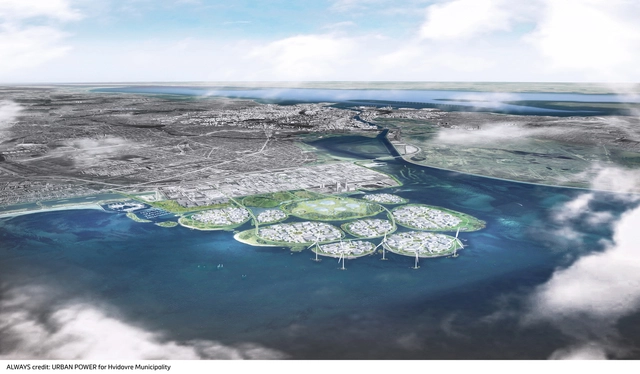
The Eco-Friendly Floating Cities of the Future

As the world population grows, designers look to develop the seas. Architecture and planning firm, URBAN POWER strategically designed nine man-made islands off the southern coast of Copenhagen to combat many of the city’s impending challenges. The islets, called Holmene, address demands for tech space, fossil-free energy production, flood barriers, and even public recreation space.

The Project in a Small Japanese Village Setting the Standard for Zero-Waste Architecture

Subscriber Access | 

Nestled in the steep gorges and river valleys of Japan’s Tokushima prefecture is Kamikatsu - a small town seemingly like any other. But Kamikatsu, unlike its neighbors (or indeed, most towns in the world), is nearly entirely waste-free.

Since 2003 - years before the movement gained widespread popularity - the town has committed to a zero-waste policy. The requirements are demanding: waste must be sorted in more than 30 categories, broken or obsolete items are donated or stripped for parts, unwanted items are left in a store for community exchange. But the residents’ efforts over the years have paid off- nearly 80% of all the village’s waste is recycled.

The Project in a Small Japanese Village Setting the Standard for Zero-Waste Architecture - Image 1 of 4The Project in a Small Japanese Village Setting the Standard for Zero-Waste Architecture - Image 2 of 4The Project in a Small Japanese Village Setting the Standard for Zero-Waste Architecture - Image 3 of 4The Project in a Small Japanese Village Setting the Standard for Zero-Waste Architecture - Image 4 of 4The Project in a Small Japanese Village Setting the Standard for Zero-Waste Architecture - More Images+ 15