What will the future of steel be? How can this material build the foundation for sustainable economic development and the transition to a low-carbon society?
Steel plays an essential role in modern societies, shaping countless aspects of daily life and supporting sustainable development through its contribution to the built environment, transportation, and energy infrastructure. From automobiles and buildings to cargo ships and refrigerators, steel is a durable and versatile engineering and construction material with a distinctive strength-to-weight ratio compared with other building materials. By offering fast, durable, and flexible solutions with temperature control and resistance to extreme weather conditions, steel has become an integral part of modern construction systems. Its long-term performance also places it at the center of the debate on how to transition toward a lower-carbon world.
The steel produced today can therefore be viewed as the foundation of communities for decades to come, supporting from the expansion of renewable energy to the transition toward a more circular economy. According to the World Steel Association (via BlueScope Sustainability Report FY2025), the steel industry directly employs more than 6 million people and indirectly supports more than 49 million jobs worldwide. Today, the total amount of steel in use exceeds 215 kilograms per person, and by 2050, global steel consumption is expected to increase by approximately 20 percent from current levels to meet the needs of a growing population.
Against this backdrop, BlueScope's goal of achieving net zero Scope 1 and Scope 2 greenhouse gas emissions by 2050, together with its 2030 emissions intensity reduction targets, is driving its decarbonization initiatives and projects. Achieving these goals is contingent on five key enablers: technology evolution, raw materials supply, firmed and affordable renewable energy, competitively priced green hydrogen, and supportive public policy. In this context, steel systems align with the commitment to environmental stewardship by prioritizing both the protection of the natural environment and the long-term viability of shared natural resources.
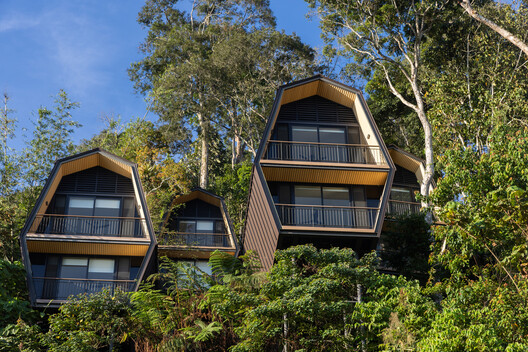
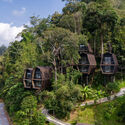
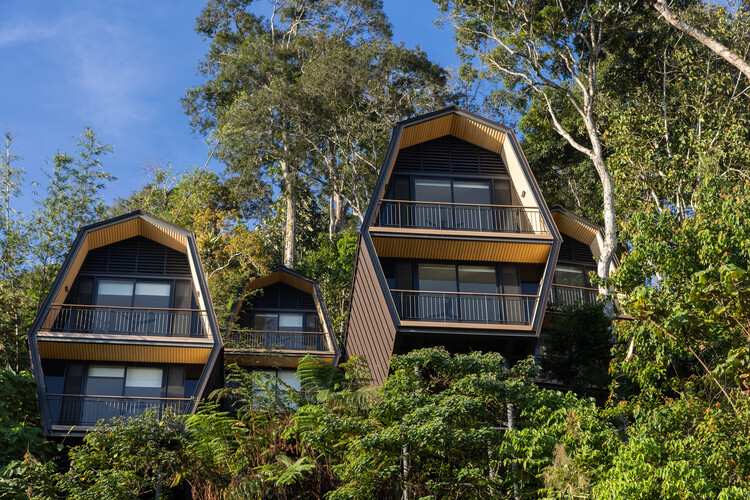
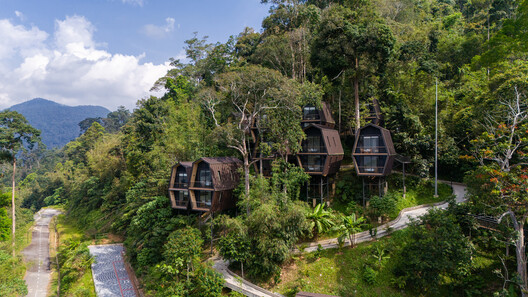
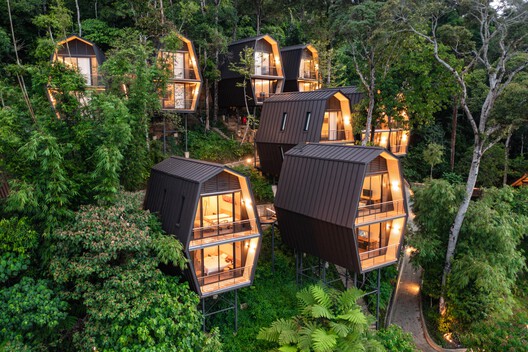
An example of this approach is the VanaVasa Resort in Malaysia, winner of the 2024 BlueScope Steel Architectural Award and the 2024 ASEAN BlueScope Steel Architectural Award. Located on the hills of Tanarimba (Janda Baik), the resort was designed to respect its natural surroundings, with the buildings carefully integrated among the existing rainforest trees. The complex includes 10 rooms with pool and facilities, and 20 chalet-style accommodations. Built on a steeply sloping site with more than 32,000 square feet of constructed area, the project was developed in two phases, with the chalet zone scheduled for construction one year after completion of the first phase.
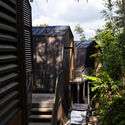
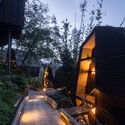
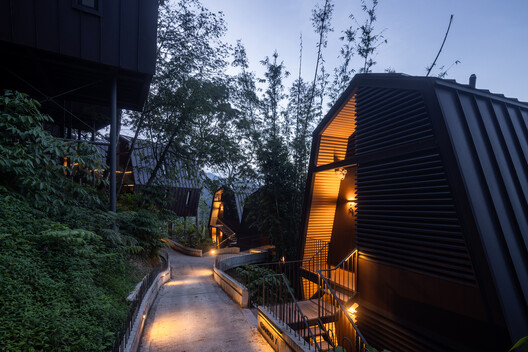
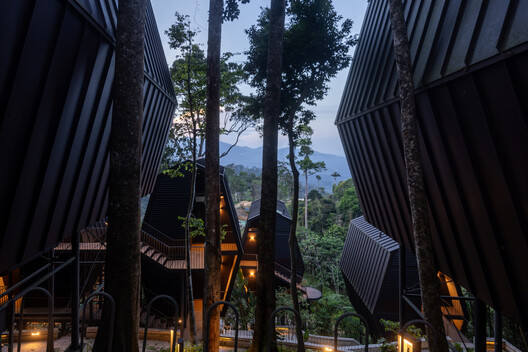
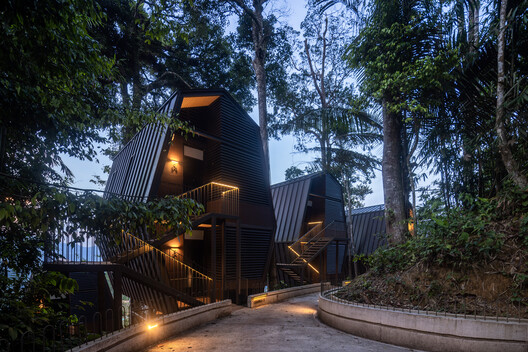
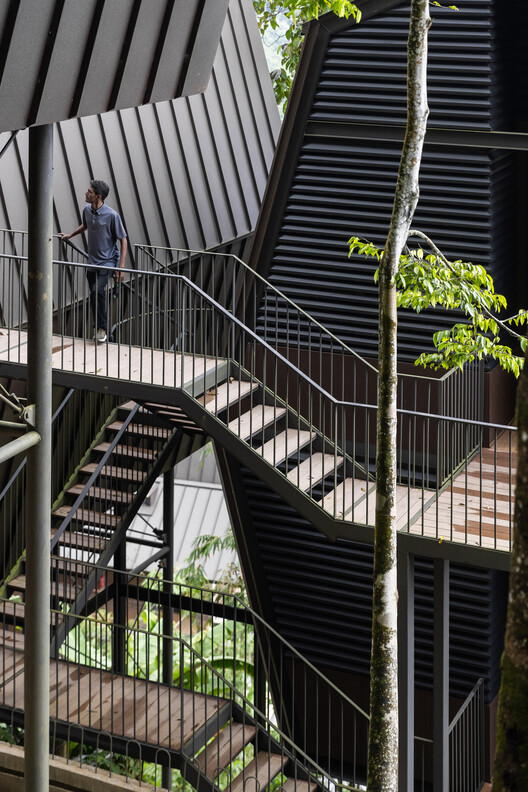
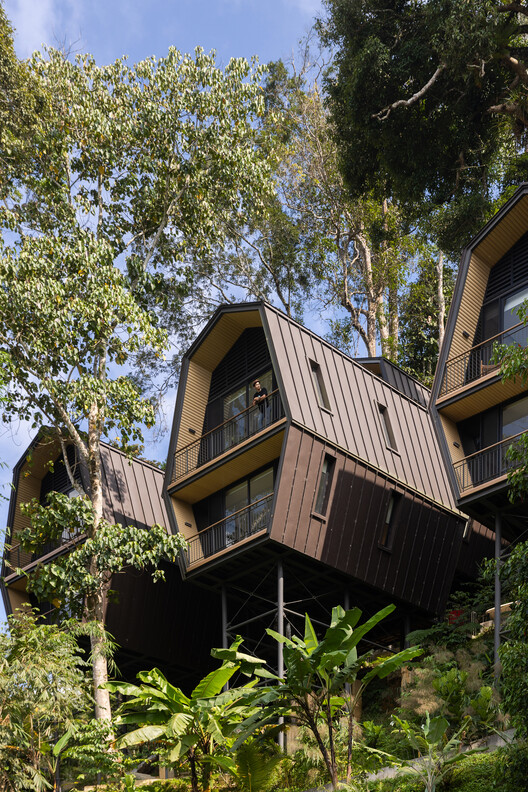
Completed in 2023, the project was designed to preserve the existing vegetation and avoid the steepest areas of the site. As an eco-friendly development, its design followed sustainable principles and earned a GreenRE Gold certification. For example, the complex does not use air conditioning, instead maximizing natural ventilation. While materials such as concrete, exposed brick, and bamboo composite were selected for the construction, the chalets were built using prefabricated steel structures. This approach allowed for on-site assembly without the need for concrete or wet masonry work. As a result, the natural terrain was preserved by eliminating the need for temporary access roads that would have altered the site's natural slopes.
Dismantle, Reuse: A Path to Circularity
Because steel can be recycled repeatedly without losing its properties, it is a fundamental material in the circular economy and plays a vital role in the transition to renewable energy. A circular steel economy leverages the material's strength, durability, and recyclability to design products that can be repaired, reused, remanufactured, or recycled rather than discarded.
Alongside a range of sustainable initiatives, the steel structures and BlueScope's metal roofs of VanaVasa Resort blend seamlessly into their natural surroundings. Designed by M J Kanny Architect, the resort arranges its glamping-inspired chalets in a staggered layout, creating narrow floor plans that fit within the spaces between the existing trees.
This demonstrates how steel in buildings can serve multiple purposes and function as a material bank, with each component retaining value beyond its initial use. Similarly, circular design principles can be applied in a variety of ways, from modular construction using lightweight, high-strength steel to reduce material consumption to advanced coatings that extend the lifespan of building components.
Several factors are driving this transition toward circularity, including designing for recovery by avoiding contaminants and improving sorting and waste-processing technologies; enhancing data and traceability through environmental product declarations (EPDs), digital material passports, eco-labels, and certification systems; promoting reuse and adaptive reuse; expanding modular and prefabricated construction; advancing product and manufacturing innovation through products such as life-extending coatings or thinner steel products that support dematerialization; encouraging the use of local and sustainable materials; and fostering supportive public policy and cross-sector collaboration.
How Durability Interacts With Maintenance
In addition to being reusable, steel often requires relatively low levels of maintenance throughout its service life. By reducing material consumption and facilitating disassembly and reuse, products such as COLORBOND® steel can support long-span structures, off-site fabrication, and efficient on-site assembly while minimizing maintenance requirements.
The relationship between reuse and maintenance is also reflected in some lightweight, durable steel systems. These structures are typically screw-fastened and manufactured to precise specifications using specialized software, helping to minimize on-site cutting and material waste. Any steel scrap generated throughout the value chain can be recovered and returned to the steelmaking process, reducing waste during both manufacturing and construction. Lower maintenance requirements can also extend the service life of buildings, helping conserve the resources and energy that would otherwise be required for repair, replacement, or reconstruction.
Environmental Improvements as Construction Allies
Beyond the recyclability of the material itself, BlueScope's manufacturing process focuses on optimizing existing operational assets and increasing the use of recovered materials from the ground up and from a broader systems perspective. The company's material-efficiency performance in 2025 demonstrated that, consistent with previous years, 52 percent of its crude steel production came from recovered and recycled steel scrap.
By prioritizing resource efficiency and driving environmental improvements, steel components that support the transition to renewable energy contribute to climate resilience. The same is true for roofing materials that maintain high solar reflectance. For example, COLORBOND® steel with THERMATACH® technology helps reduce roof temperatures, keeping interiors cooler while mitigating the urban heat island effect.
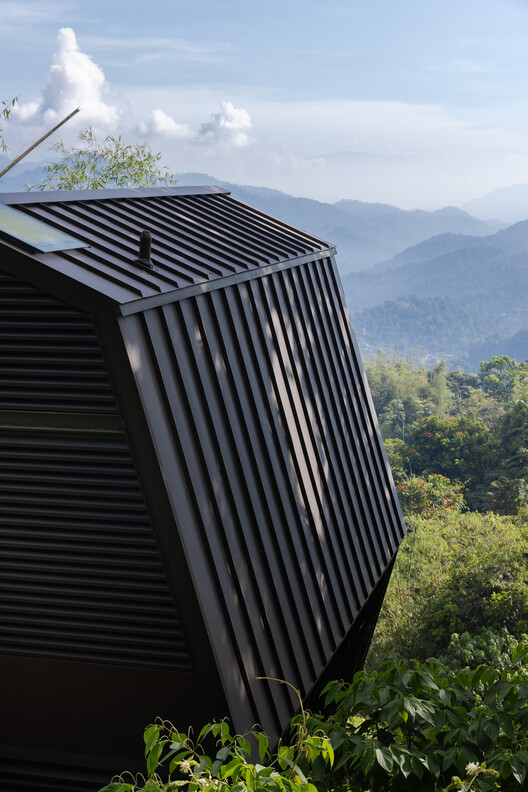
In keeping with its environmentally conscious approach, VanaVasa Resort incorporates a range of sustainable initiatives, including rainwater harvesting for irrigation and the use of natural groundwater to supply a fish pond. The buildings are oriented to minimize exposure to the western sun, while insulated roofs provide extra thermal protection. The restaurant's open design and bamboo screens promote natural airflow, and roof openings in the guest rooms ensure cross ventilation.
Additional eco-friendly features include water-efficient fixtures, low-VOC materials, LED lighting, and minimal landscape intervention to preserve the site's natural, jungle-like character. The absence of fences also allows local wildlife to move freely throughout the resort.
Beyond construction decisions, design feasibility, and individual client requirements, selecting materials that embrace these principles throughout their sourcing and manufacturing processes reinforces the industry's commitment to environmental responsibility. Reducing embodied carbon, using renewable energy, increasing recycled content, and collaborating across the value chain are all approaches that support durability, material efficiency, and adaptive reuse. By prioritising circularity and resource efficiency throughout a product's life cycle, these practices can contribute to climate transition, resilience, and longer-lasting built environments.


