1. ArchDaily
  2. London

London: The Latest Architecture and News

Contemporary Architecture and the Modern City

This article was originally published on Common Edge.

"O beautiful, for spacious skies, for amber waves of grain, has there ever been another place on earth where so many people of wealth and power have paid for and put up with so much architecture they detested as within thy blessed borders today?"

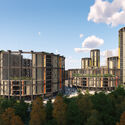
Tom Wolfe wrote this in his 1981 book From Bauhaus to Our House. The conflict between modern and traditional design has barely abated since, as is evident in this recent article. In the U.S., modern buildings are often met with community aversion, for familiar reasons: their perceived coldness and lack of contextual sensitivity, the impact on local character, and the loss of historical continuity. But on another level, the critique against modern design finds even more purchase on the larger scale: the city. Modern U.S. cities reek of traffic congestion and pollution, social inequality and gentrification, a loss of community and cultural spaces, and a lack of usable open space.


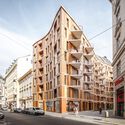
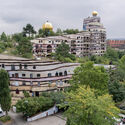
Contemporary Architecture and the Modern City - Image 1 of 4Contemporary Architecture and the Modern City - Image 2 of 4Contemporary Architecture and the Modern City - Image 3 of 4Contemporary Architecture and the Modern City - Image 4 of 4Contemporary Architecture and the Modern City - More Images

OMA and David Chipperfield Selected Among the 5 Finalists of the British Museum Architecture Competition

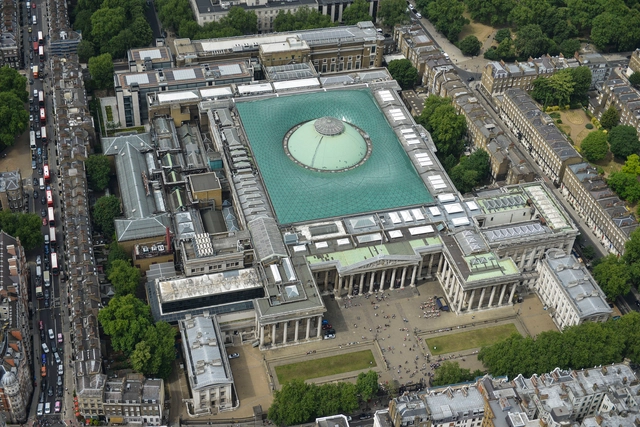
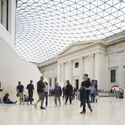
The British Museum has shortlisted five architect-led teams for the final stage of its International Architectural Competition, a significant milestone in the museum's ambitious plan to renovate its Western Range Galleries. The teams—6a Architects, David Chipperfield Architects, Eric Parry Architects and Jamie Fobert Architects, Lina Ghotmeh — Architecture, and OMA—were selected from over 60 global entries and will now compete to reimagine a substantial portion of the museum's gallery space.

OMA and David Chipperfield Selected Among the 5 Finalists of the British Museum Architecture Competition - Image 1 of 4OMA and David Chipperfield Selected Among the 5 Finalists of the British Museum Architecture Competition - Image 2 of 4OMA and David Chipperfield Selected Among the 5 Finalists of the British Museum Architecture Competition - Image 3 of 4OMA and David Chipperfield Selected Among the 5 Finalists of the British Museum Architecture Competition - Image 4 of 4OMA and David Chipperfield Selected Among the 5 Finalists of the British Museum Architecture Competition - More Images+ 1

RIBA Presents "Difficult Sites: Architecture Against the Odds" Exhibition in London, UK

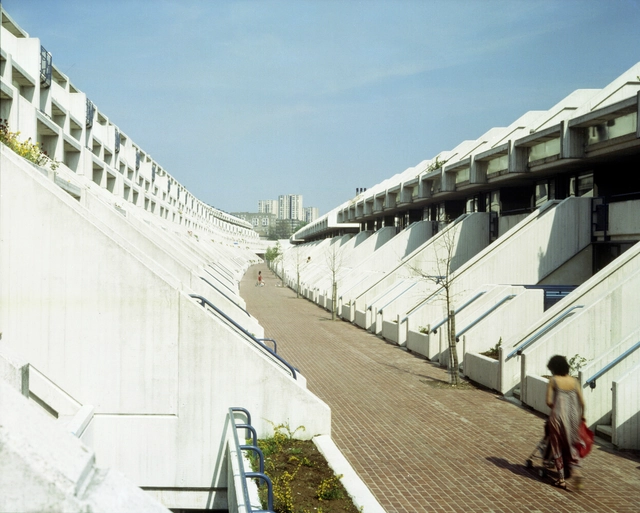
The Royal Institute of British Architects (RIBA) have just announced the news of their latest exhibition titled "Difficult Sites: Architecture Against the Odds." Showcasing "architectural achievement in the face of tricky and uncompromising sites," the exhibition will take place at the RIBA Architecture Gallery, 66 Portland Place, London, from October 11, 2024, to March 29, 2025. The showcase features prominent works from renowned architects like Sir Nicholas Grimshaw, Neave Brown, and Lord Norman Foster, as well as contemporary practices such as Tonkin Liu, KnoxBhavan, and Carmody Groarke.
RIBA Presents "Difficult Sites: Architecture Against the Odds" Exhibition in London, UK - Image 1 of 4RIBA Presents "Difficult Sites: Architecture Against the Odds" Exhibition in London, UK - Image 2 of 4RIBA Presents "Difficult Sites: Architecture Against the Odds" Exhibition in London, UK - Image 3 of 4RIBA Presents "Difficult Sites: Architecture Against the Odds" Exhibition in London, UK - Image 4 of 4RIBA Presents Difficult Sites: Architecture Against the Odds Exhibition in London, UK - More Images+ 14

An Experimental School in Switzerland and a Wood Art Center in Poland: 8 Unbuilt Cultural and Educational Projects by Established Firms

Subscriber Access | 

Educational and cultural centers serve as pivotal spaces where communities engage with knowledge, creativity, and shared experiences. As architectural programs, they offer unique opportunities to explore how physical environments can foster learning, cultural expression, and social interaction. The significance of these projects lies not just in their function but in how they reflect the values and aspirations of society. When established architecture firms take on these projects, their design choices become a lens through which we can examine contemporary approaches to space, place, and community, offering a glimpse into the evolving role of architecture in shaping educational and cultural landscapes.

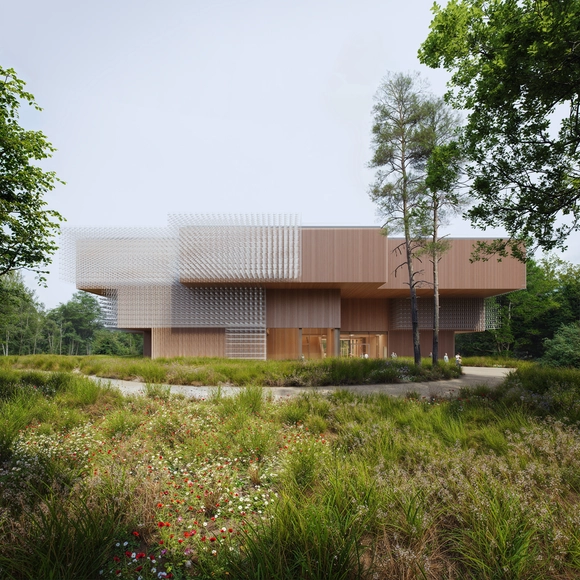
Among this week's curated list of unbuilt projects submitted by established architecture practices, fala atelier’s project for a school in Broc, Switzerland, stands out with its sensitive integration of Alpine architectural elements; WXCA’s Xylopolis Centre in Poland reflects a deep contemplation on humanity’s relationship with nature, while KPF’s life sciences building in London and Jones Studio’s Water Education Center in Arizona further exemplify how architecture can address contemporary societal needs, from fostering innovation ecosystems to educating the public on critical environmental issues.

An Experimental School in Switzerland and a Wood Art Center in Poland: 8 Unbuilt Cultural and Educational Projects by Established Firms - Image 20 of 4An Experimental School in Switzerland and a Wood Art Center in Poland: 8 Unbuilt Cultural and Educational Projects by Established Firms - Image 34 of 4An Experimental School in Switzerland and a Wood Art Center in Poland: 8 Unbuilt Cultural and Educational Projects by Established Firms - Image 33 of 4An Experimental School in Switzerland and a Wood Art Center in Poland: 8 Unbuilt Cultural and Educational Projects by Established Firms - Image 7 of 4An Experimental School in Switzerland and a Wood Art Center in Poland: 8 Unbuilt Cultural and Educational Projects by Established Firms - More Images+ 32

Crafting Communities Through Architecture: Inside IDK's Collaborative Design Practice

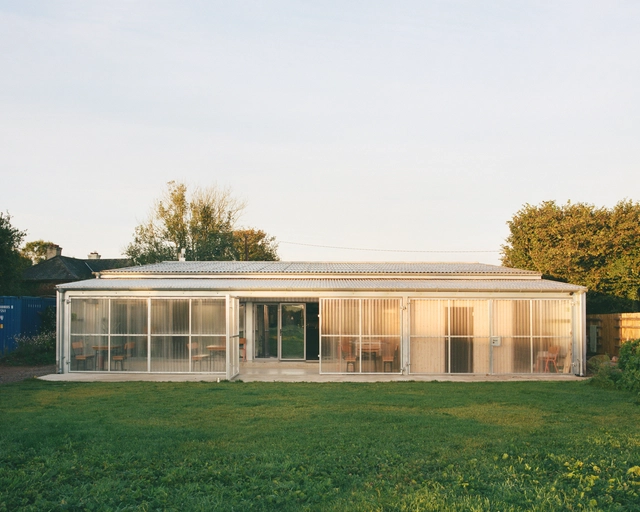
Selected by ArchDaily as one of the Best New Practices of 2024, IDK is injecting a fresh and dynamic approach to building communities with quality architecture. Mike Lim, James Pockson and Roddy Bow met while studying for their master's degree in Architecture at the Royal College of Art (RCA and founded their architecture practice, IDK in London in 2019. The three, driven by a strong mission, to help communities and progressive institutions, organizations and cultures thrive – have been researching and delivering community-oriented projects that embody experimental building with a holistic approach. Their work focuses on nurturing social development, with an emphasis on ecological awareness, local material use, smart resource and budget management, respectful refurbishments, and designing only what is necessary without "over-building."

Crafting Communities Through Architecture: Inside IDK's Collaborative Design Practice - Image 1 of 4Crafting Communities Through Architecture: Inside IDK's Collaborative Design Practice - Image 2 of 4Crafting Communities Through Architecture: Inside IDK's Collaborative Design Practice - Image 3 of 4Crafting Communities Through Architecture: Inside IDK's Collaborative Design Practice - Image 4 of 4Crafting Communities Through Architecture: Inside IDK's Collaborative Design Practice - More Images+ 8

Triangle House / Child Graddon Lewis

Triangle House  / Child Graddon Lewis - Exterior Photography, Renovation, FacadeTriangle House  / Child Graddon Lewis - Interior Photography, Renovation, Kitchen, Table, Chair, CountertopTriangle House  / Child Graddon Lewis - Interior Photography, Renovation, Kitchen, Table, CountertopTriangle House  / Child Graddon Lewis - Exterior Photography, Renovation, Facade, HandrailTriangle House  / Child Graddon Lewis - More Images+ 19

  • Area Area of this architecture project Area:  117
  • Year Completion year of this architecture project Year:  2020
  • Manufacturers Brands with products used in this architecture project
    Manufacturers:  AutoDesk

RIBA Announces the Shortlist for the 2024 Stirling Prize

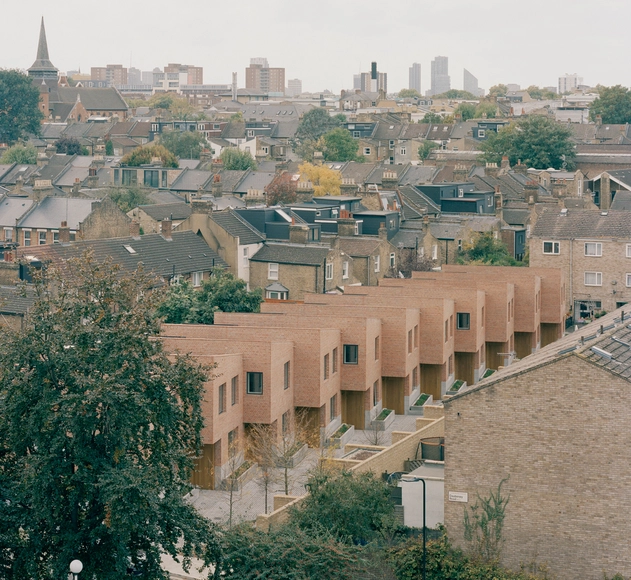
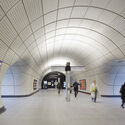
The Royal Institute of British Architects (RIBA) has revealed the six shortlisted projects for the 2024 RIBA Stirling Prize. Awarded annually since 1996, this represents one the most important architecture prizes in the United Kingdom, striving to reward and highlight projects that envision a more inclusive future and engage actively with current challenges of the built environment. The selected works range in scale and program, from a national art gallery to an inclusive rural retreat, major urban regeneration projects, and even a London underground line. While some of the selected architects have received previous awards, including Mikhail Riches for the Goldsmith Street in 2019 and Jamie Fobert for New Tate St Ives in 2018, other architects such as Clementine Blakemore Architects and Al-Jawad Pike are at their first nomination.

RIBA Announces the Shortlist for the 2024 Stirling Prize - Image 1 of 4RIBA Announces the Shortlist for the 2024 Stirling Prize - Image 2 of 4RIBA Announces the Shortlist for the 2024 Stirling Prize - Image 3 of 4RIBA Announces the Shortlist for the 2024 Stirling Prize - Image 4 of 4RIBA Announces the Shortlist for the 2024 Stirling Prize - More Images+ 25

London School of Architecture / IDK

London School of Architecture  / IDK - Interior Photography, Restoration, Table, ChairLondon School of Architecture  / IDK - Interior Photography, Restoration, TableLondon School of Architecture  / IDK - Interior Photography, Restoration, Table, ChairLondon School of Architecture  / IDK - Interior Photography, Restoration, Table, Lighting, ChairLondon School of Architecture  / IDK - More Images+ 15

A Decade of Redefining Experience Retail: 15 Apple Stores Designed by Foster + Partners in City Centers

Subscriber Access | 

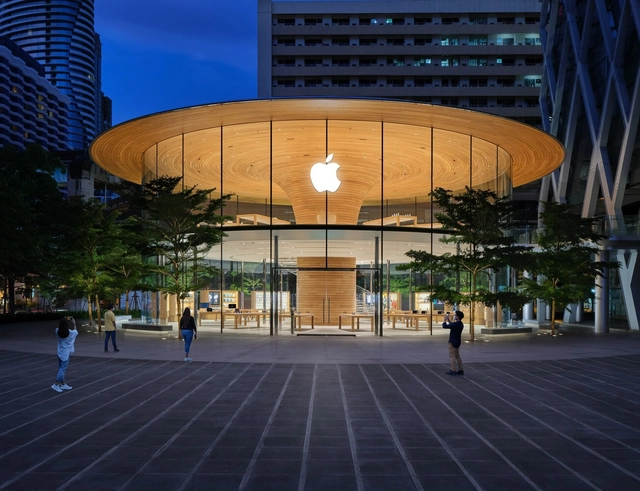
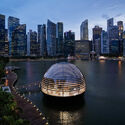
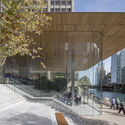
In 2001, Apple issued its Retail Store Manifesto, proclaiming its ambition to use retail to convince people that “Macintosh offers a much simpler, richer, and more human-centered computing experience” despite retail stores being unpopular among technology companies at the time. This vision has shaped Apple’s unique approach to retail, transforming its stores into environments beyond shopping. Since the inception of its first store, Apple has redefined the retail experience, emphasizing customer engagement and education and creating a community around its products. The stores “have become the embodiment of the Apple lifestyle.” This is done through products displayed on tables for easy access and mid-height furniture clusters in an open plan to foster interaction and visual orientation within the more prominent “Apple community.”

A Decade of Redefining Experience Retail: 15 Apple Stores Designed by Foster + Partners in City Centers - Image 1 of 4A Decade of Redefining Experience Retail: 15 Apple Stores Designed by Foster + Partners in City Centers - Image 2 of 4A Decade of Redefining Experience Retail: 15 Apple Stores Designed by Foster + Partners in City Centers - Image 3 of 4A Decade of Redefining Experience Retail: 15 Apple Stores Designed by Foster + Partners in City Centers - Image 4 of 4A Decade of Redefining Experience Retail: 15 Apple Stores Designed by Foster + Partners in City Centers - More Images+ 11

KPF Set to Transform Foster + Partners Designed HSBC Tower in London’s Canary Wharf

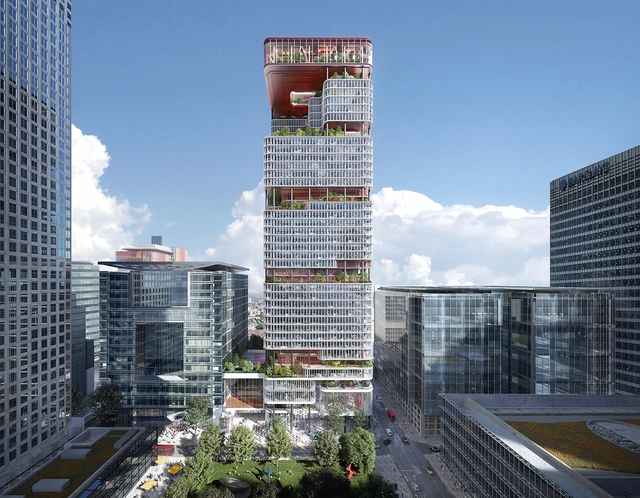
Kohn Pedersen Fox (KPF) has announced an expansive project to redevelop and refurbish the Foster + Partners designed 8 Canada Square building, also known as HSBC Tower, in Canary Wharf, London. Following an international competition, the remodeling plans include removing large parts of the 42-story building to introduce terraces and additional functions. According to Canary Wharf Group and the Qatar Investment Authority, this represents the largest transformation of an office tower into a sustainable mixed-use building. The project is set to begin in 2027, after the expiry of the HSBC lease.

KPF Set to Transform Foster + Partners Designed HSBC Tower in London’s Canary Wharf - Image 1 of 4KPF Set to Transform Foster + Partners Designed HSBC Tower in London’s Canary Wharf - Image 2 of 4KPF Set to Transform Foster + Partners Designed HSBC Tower in London’s Canary Wharf - Image 3 of 4KPF Set to Transform Foster + Partners Designed HSBC Tower in London’s Canary Wharf - Image 4 of 4KPF Set to Transform Foster + Partners Designed HSBC Tower in London’s Canary Wharf - More Images

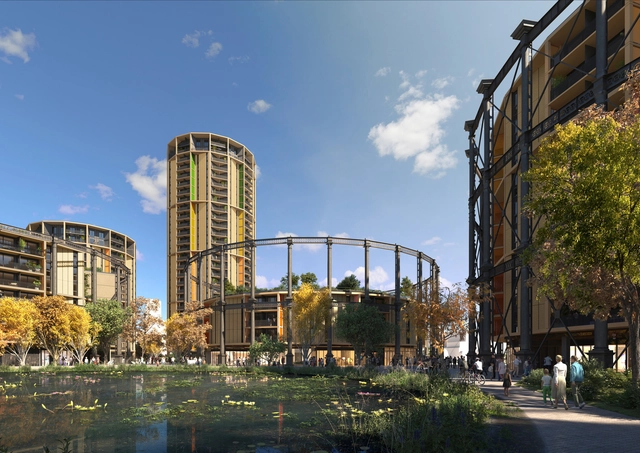
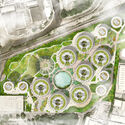
RSHP Transforms 150-Year-Old Victorian Gasholders into a Mixed-Use Residential Hub in London, UK

RSHP’s design proposal for the Bromley-By-Bow Gasworks regeneration project has just been approved by the London Borough of Newham’s Strategic Development Committee. The 23-acre site dates back to the 1870s, housing the largest collection of Victorian gasholders worldwide, making the project one of the largest regeneration proposals in the Lower Lea Valley in London. After three years of design development, the scheme reimagines the gas holders into a mixed-use development offering new high-quality residential architecture.

RSHP Transforms 150-Year-Old Victorian Gasholders into a Mixed-Use Residential Hub in London, UK - Image 1 of 4RSHP Transforms 150-Year-Old Victorian Gasholders into a Mixed-Use Residential Hub in London, UK - Image 2 of 4RSHP Transforms 150-Year-Old Victorian Gasholders into a Mixed-Use Residential Hub in London, UK - Image 3 of 4RSHP Transforms 150-Year-Old Victorian Gasholders into a Mixed-Use Residential Hub in London, UK - Image 4 of 4RSHP Transforms 150-Year-Old Victorian Gasholders into a Mixed-Use Residential Hub in London, UK - More Images+ 4

RIBA Announces the 26 Winners of the 2024 National Awards Showcasing UK's Best New Architecture

The Royal Institute of British Architects (RIBA) has unveiled the 26 winners of the 2024 RIBA National Awards for Architecture, recognizing the finest examples of UK architecture and showcasing the country's design and social trends. Established in 1996, the awards highlight outstanding architectural projects across the UK, from Northern Ireland and Scotland to the south of England. This year's award celebrates projects that feature "inspiring examples of existing buildings and structures that have been given a new lease of life." Recognized for intelligent design and collaboration with clients and local communities, the award winners also showcase innovative construction techniques and thoughtful material selections.

RIBA Announces the 26 Winners of the 2024 National Awards Showcasing UK's Best New Architecture - Image 1 of 4RIBA Announces the 26 Winners of the 2024 National Awards Showcasing UK's Best New Architecture - Image 2 of 4RIBA Announces the 26 Winners of the 2024 National Awards Showcasing UK's Best New Architecture - Image 3 of 4RIBA Announces the 26 Winners of the 2024 National Awards Showcasing UK's Best New Architecture - Image 4 of 4RIBA Announces the 26 Winners of the 2024 National Awards Showcasing UK's Best New Architecture - More Images+ 24

One Ashley Road Building / Alison Brooks Architects

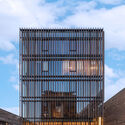
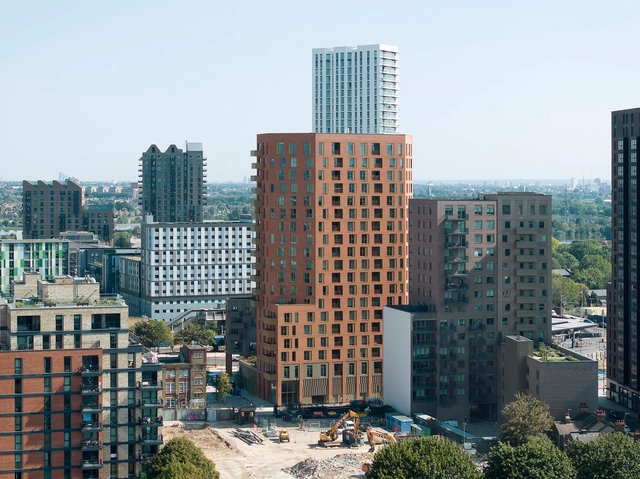
One Ashley Road Building / Alison Brooks Architects - Commercial ArchitectureOne Ashley Road Building / Alison Brooks Architects - Commercial ArchitectureOne Ashley Road Building / Alison Brooks Architects - Commercial ArchitectureOne Ashley Road Building / Alison Brooks Architects - Commercial ArchitectureOne Ashley Road Building / Alison Brooks Architects - More Images+ 24

  • Area Area of this architecture project Area:  20600
  • Year Completion year of this architecture project Year:  2023
  • Manufacturers Brands with products used in this architecture project
    Manufacturers:  Aluprof, Brooksby, CCS Facades, GKE, Galliford Try, +3

Chris Williamson Elected as 2025 RIBA President

The Royal Institute of British Architects (RIBA) has just announced that Chris Williamson has been elected as the next RIBA President. One of the highest positions in UK Architecture, RIBA is a professional body for architects established to promote excellence and provide support and resources to architects and architecture students. As RIBA’s 2025 President, Chris Williamson will take up office as President-Elect from September 2024, followed by a two-year presidential term taking over from Muyiwa Oki beginning September 2025.

The Crescent House / DROO Architects

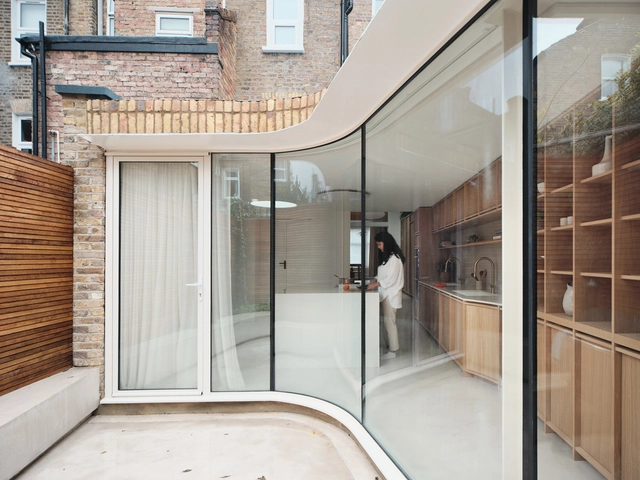
The Crescent House / DROO Architects - Interior DesignThe Crescent House / DROO Architects - Interior Photography, Interior Design, LightingThe Crescent House / DROO Architects - Interior Photography, Interior Design, ChairThe Crescent House / DROO Architects - Interior Photography, Interior Design, Kitchen, Countertop, SinkThe Crescent House / DROO Architects - More Images+ 9

  • Architects: DROO Architects
  • Area Area of this architecture project Area:  250
  • Year Completion year of this architecture project Year:  2022

From White Elephants to Sustainable Venues: The Evolving Story of Olympic Architecture

Subscriber Access | 

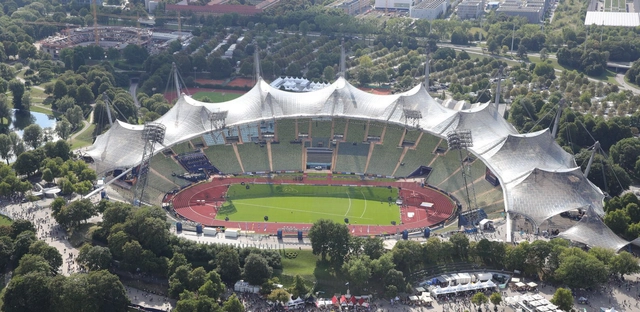
For cities, hosting an Olympic event represents both an honor, an important opportunity for growth, and a significant challenge. With over 200 nations taking part in the Games, the Olympics are the largest sporting competition in the world. Adapting the public and sporting infrastructure to accommodate this sudden influx of people and the scale of these events runs the risk of misunderstanding the cities’ needs after the closing ceremony, often producing “white elephants” that struggle to adapt to the rhythm and necessities of everyday urban life. Urban transformations are often cited as an advantage of hosting the Olympic Games, as cities are incentivized to invest in their traffic infrastructure, housing, and public spaces. One such example is the city of Paris, which introduced its first metro line on the occasion of hosting the second edition of the Olympic Games in 1900.

When it comes to the venues, however, the issue of adaptive reuse becomes a pressing one, as the architecture is challenged to find solutions to transform, accommodating thousands of people during the Olympics, then scaling down to become a financially sustainable part of a city’s sporting offering. Across the world, several Olympic venues have managed to extend their usability after the closing of the games, opening themselves to the local communities and welcoming a more diverse programming of sports and leisure events. While the high construction costs are often difficult to justify, these venues have become markers of local identity and attractive tourist attractions, extending their use decades after welcoming the Olympic crowds.

From White Elephants to Sustainable Venues: The Evolving Story of Olympic Architecture - Image 1 of 4From White Elephants to Sustainable Venues: The Evolving Story of Olympic Architecture - Image 2 of 4From White Elephants to Sustainable Venues: The Evolving Story of Olympic Architecture - Image 3 of 4From White Elephants to Sustainable Venues: The Evolving Story of Olympic Architecture - Image 4 of 4From White Elephants to Sustainable Venues: The Evolving Story of Olympic Architecture - More Images+ 16

Battersea Roof Gardens and 50 Electric Boulevard / Foster + Partners

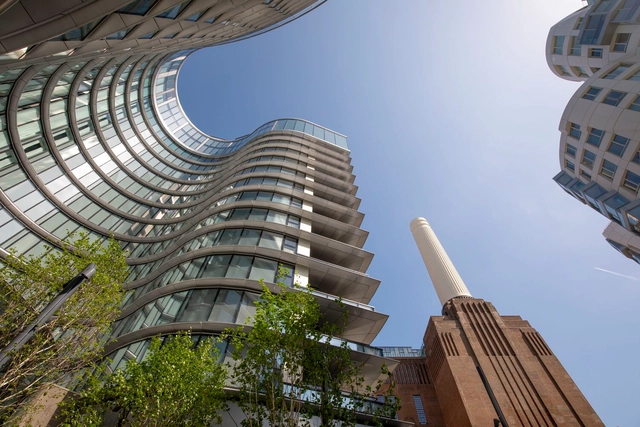
Battersea Roof Gardens and 50 Electric Boulevard / Foster + Partners - BuildingsBattersea Roof Gardens and 50 Electric Boulevard / Foster + Partners - BuildingsBattersea Roof Gardens and 50 Electric Boulevard / Foster + Partners - BuildingsBattersea Roof Gardens and 50 Electric Boulevard / Foster + Partners - Exterior Photography, Buildings, Facade, LightingBattersea Roof Gardens and 50 Electric Boulevard / Foster + Partners - More Images+ 13

Foster + Partners Explores Circularity at The London Festival of Architecture

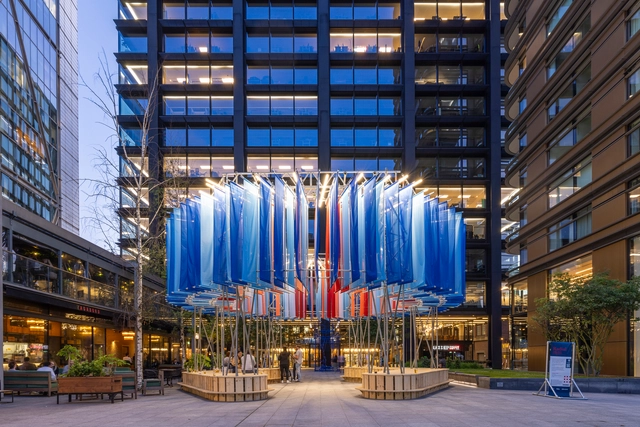
Foster + Partners has just unveiled the opening of “Radial,” a new summer pavilion for the London Festival of Architecture. Situated at Principal Place, an office space also designed by Foster + Partners in London, the pavilion brings new life to the plaza. “Radial” is constructed from readily available and reusable materials, showcasing a commitment to sustainability. The structure also provides a welcoming space for rest and contemplation.

Foster + Partners Explores Circularity at The London Festival of Architecture  - Image 1 of 4Foster + Partners Explores Circularity at The London Festival of Architecture  - Image 2 of 4Foster + Partners Explores Circularity at The London Festival of Architecture  - Image 3 of 4Foster + Partners Explores Circularity at The London Festival of Architecture  - Image 4 of 4Foster + Partners Explores Circularity at The London Festival of Architecture  - More Images+ 4