1. ArchDaily
  2. JDS

JDS: The Latest Architecture and News

Copenhagen Architecture City Guide: 44 Projects Defining the Capital of Human-Scale Design

Subscriber Access | 

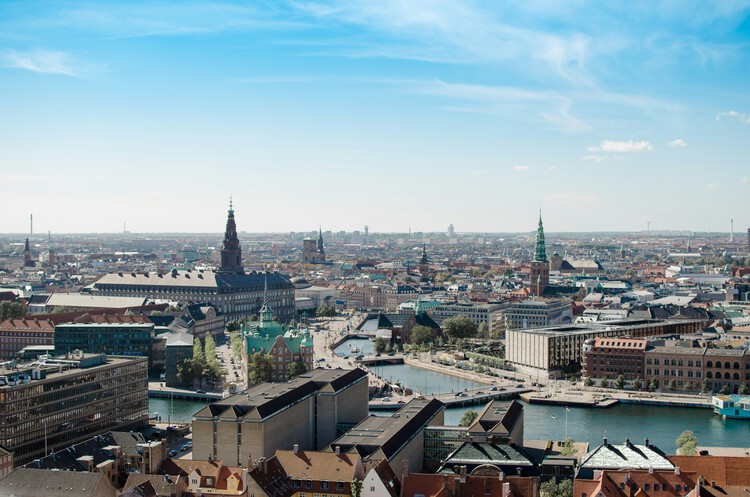
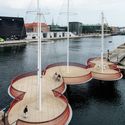
Copenhagen is long famous as the global capital of human-scale design and livability. Today, the city has widened its focus and is an active space where mid-century Scandinavian modernism meets the modern demands of climate adaptability, material circularity, radical conservation, and neighborhood density. During the first-ever Copenhagen Architecture Biennial, in 2025, the city transformed into a global platform for dialogue under the theme "Slow Down," exploring how architecture can respond to global pressures by rethinking the pace of change. And this year's 13th edition of the 3daysofdesign Festival will explore the theme of "Make This Moment Matter", encouraging the global design community to step away from digital noise and mass production to focus on the present.
Copenhagen Architecture City Guide: 44 Projects Defining the Capital of Human-Scale Design - Image 1 of 4Copenhagen Architecture City Guide: 44 Projects Defining the Capital of Human-Scale Design - Image 2 of 4Copenhagen Architecture City Guide: 44 Projects Defining the Capital of Human-Scale Design - Image 3 of 4Copenhagen Architecture City Guide: 44 Projects Defining the Capital of Human-Scale Design - Image 4 of 4Copenhagen Architecture City Guide: 44 Projects Defining the Capital of Human-Scale Design - More Images+ 43

Design Collective EUROPARC Unveils the Winning Proposal for the Renewed European Parliament Building

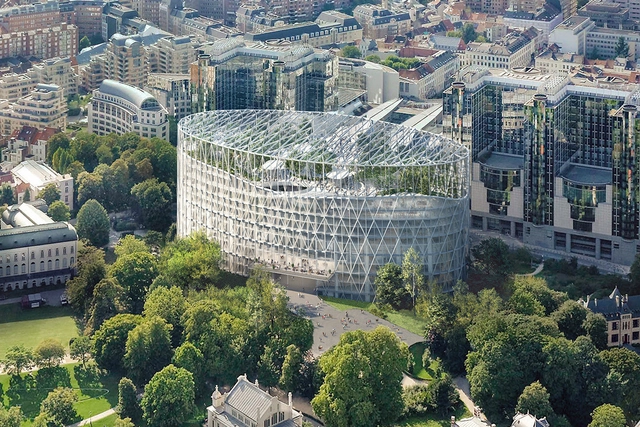
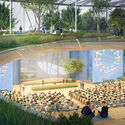
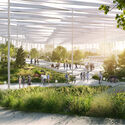
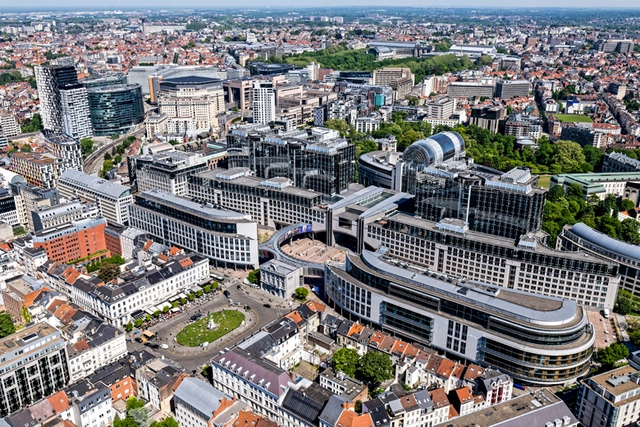
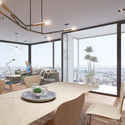
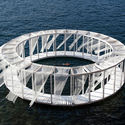
EUROPARC, a pan-European design collective, has been announced as the winners of the international competition to renew the Paul Henri SPAAK Building in Brussels, Belgium. The building housing the Parliament of the European Union has many shortcomings, yet the winners of the competition recognize that demolishing and replacing it might not be a responsible or sustainable solution. The existing building is, therefore, reimagined and adapted better to fit the needs and the identity of the EU. EUROPARC is made up of five architectural studios from five European countries: JDS Architects (DK/BE), Coldefy (FR), CRA-Carlo Ratti Associati (IT), NL Architects (NL), and Ensamble Studio (SP), with the support of engineering companies from UTIL (BE) and Ramboll (DK).

Design Collective EUROPARC Unveils the Winning Proposal for the Renewed European Parliament Building - Image 1 of 4Design Collective EUROPARC Unveils the Winning Proposal for the Renewed European Parliament Building - Image 2 of 4Design Collective EUROPARC Unveils the Winning Proposal for the Renewed European Parliament Building - Image 3 of 4Design Collective EUROPARC Unveils the Winning Proposal for the Renewed European Parliament Building - Image 4 of 4Design Collective EUROPARC Unveils the Winning Proposal for the Renewed European Parliament Building - More Images+ 2

JDS + Coldefy + Carlo Ratti Associati + NL Architects + Ensamble Studio to Renew New EU Parliament Building in Brussels

The European design team integrated by architectural firms JDS Architects, Coldefy, Carlo Ratti Associati, NL Architects, and Ensamble Studio has been announced as the winner of the international design competition for the renewal of the Paul-Henri SPAAK Building, the European Parliament plenary building in Brussels, Belgium.

Does it Pay to Invest in Good Architecture? The Case of 'The Iceberg' in Aarhus, Denmark

Subscriber Access | 

It is often said that architecture only makes projects more expensive; that architects only add a series of arbitrary and capricious complexities that could be avoided to lower costs, suggesting that the project could function exactly the same without them. Is this true in all cases? Although they may be more profitable economically, human beings don't seem to be happy inhabiting cold concrete boxes without receiving sunlight or a breeze every now and then, or in an unsafe neighborhood where there's no possibility to meet your friends and family outdoors. Quality in architecture is a value that sooner or later will deliver something in return.

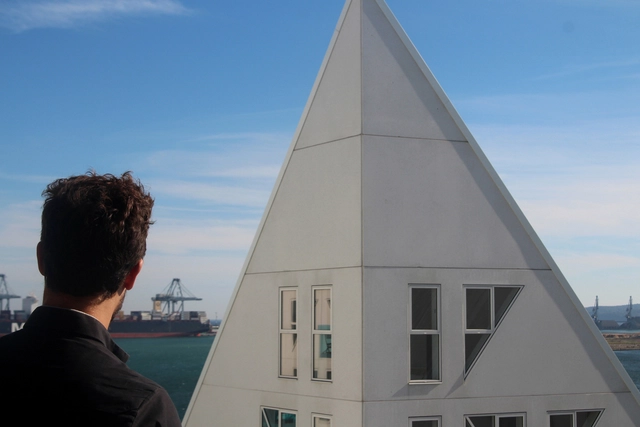
Balance is key, and a good design will never be complete if it's not economically efficient. How do we achieve this ideal? We reviewed the design process for 'The Iceberg' in Aarhus, Denmark, a project that managed to convince the authorities and investors by proposing a high-impact and tight-budget design, which seeks to respond to the objective of guaranteeing the quality of life of its users and their neighbors.

Does it Pay to Invest in Good Architecture? The Case of 'The Iceberg' in Aarhus, Denmark - Image 1 of 4Does it Pay to Invest in Good Architecture? The Case of 'The Iceberg' in Aarhus, Denmark - Image 2 of 4Does it Pay to Invest in Good Architecture? The Case of 'The Iceberg' in Aarhus, Denmark - Image 3 of 4Does it Pay to Invest in Good Architecture? The Case of 'The Iceberg' in Aarhus, Denmark - Image 4 of 4Does it Pay to Invest in Good Architecture? The Case of 'The Iceberg' in Aarhus, Denmark - More Images+ 10

Update: Hangzhou Gateway Tower / JDS Architects

Subscriber Access | 
Update: Hangzhou Gateway Tower / JDS Architects - Featured Image

Back in June, we shared JDS winning mixed use project for Hangzhou, China. Conceptualized as the iconic link that fuses two prominent parts of the city, the Hangzhou H project is a dynamic experiment of formal expression. The tiered volume opens pedestrian connections at the ground level, and supports a generous landscape that functions as a rain water retainer on the roof level. The young firm has just received the necessary building permits, and will begin construction in March of 2012. We’ll keep you covered on the building’s progress, and be sure to view our previous coverage of the winning competition proposal here.

Hangzhou Waves / JDS

Subscriber Access | 
Hangzhou Waves / JDS  - Image 28 of 4
© JDS

JDS has just been awarded first prize for their Hangzhou Waves scheme – a competition entry that called for the design of not one, but two buildings for the financial district of Hangzhou Xintiandi of Hangzhou, China. The two sloping volumes offer different exterior expressions and hold different programmatic entities (a hotel and an office building); yet, the forms are guided by similar attitudes regarding sunlight, green roofs, an active ground plane, etc, which immediately creates a strong relationship between the pair.

More about the winning competition entry after the break.

In Progress: Iceberg / CEBRA + JDS + SeARCH + Louis Paillard

Subscriber Access | 

We’ve been covering CEBRA + JDS + SeARCH + Louis Paillard’s geometric harbor project for Arhus, Denmark. The huge project, which measures over 21,000 sqm, will include mixed dwellings types and commercial space. CEBRA has shared a few short video clips with us, highlighting the progress of the project. This featured clip is shot from the bridge connecting the future harbor promenade across the nearby canal. The grey concrete wall shown is the beginning of the southern facade (the actual floor is on top of the wall) and behind the wall is where the parking is situated.

Another video, as well as a few construction photos, after the break.