1. ArchDaily
  2. Human Centered Design

Human Centered Design: The Latest Architecture and News

The Metrics We Use Decide the Cities We Build: Urban Indicators and Lived Experience

Subscriber Access | 

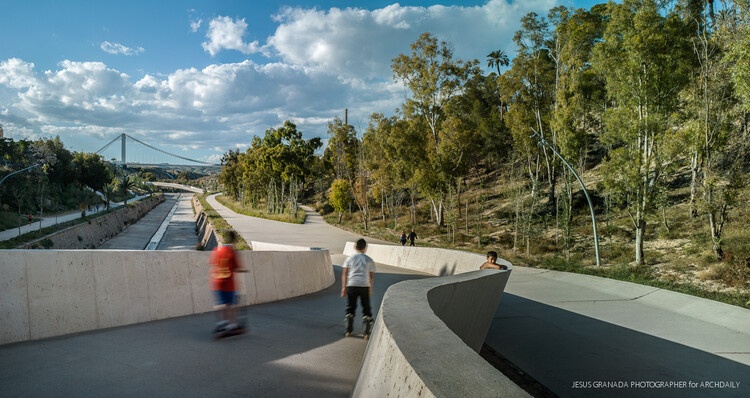
Modern cities are running on performance indicators. They move millions of people each day, concentrate capital, separate land uses, and sustain complex systems of logistics and consumption. In that sense, the city functions as a system to be continually adjusted and optimized.
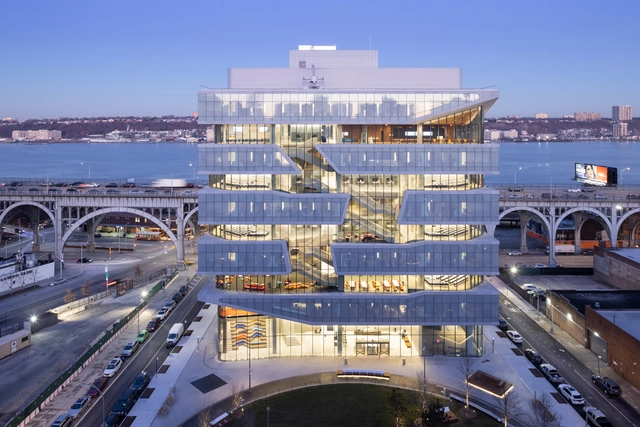
Today's dominant metrics are familiar and widely witnessed: vehicles per hour, average commute times, floor area ratios, parking turnover, housing starts, and tax revenue per parcel of land. These figures describe a city that is legible through efficiency. They are inherited from an industrial logic, where urban space is treated more like a production mechanism than a lived-in environment. In this framing, cities begin to mimic the needs and metrics of a machine.

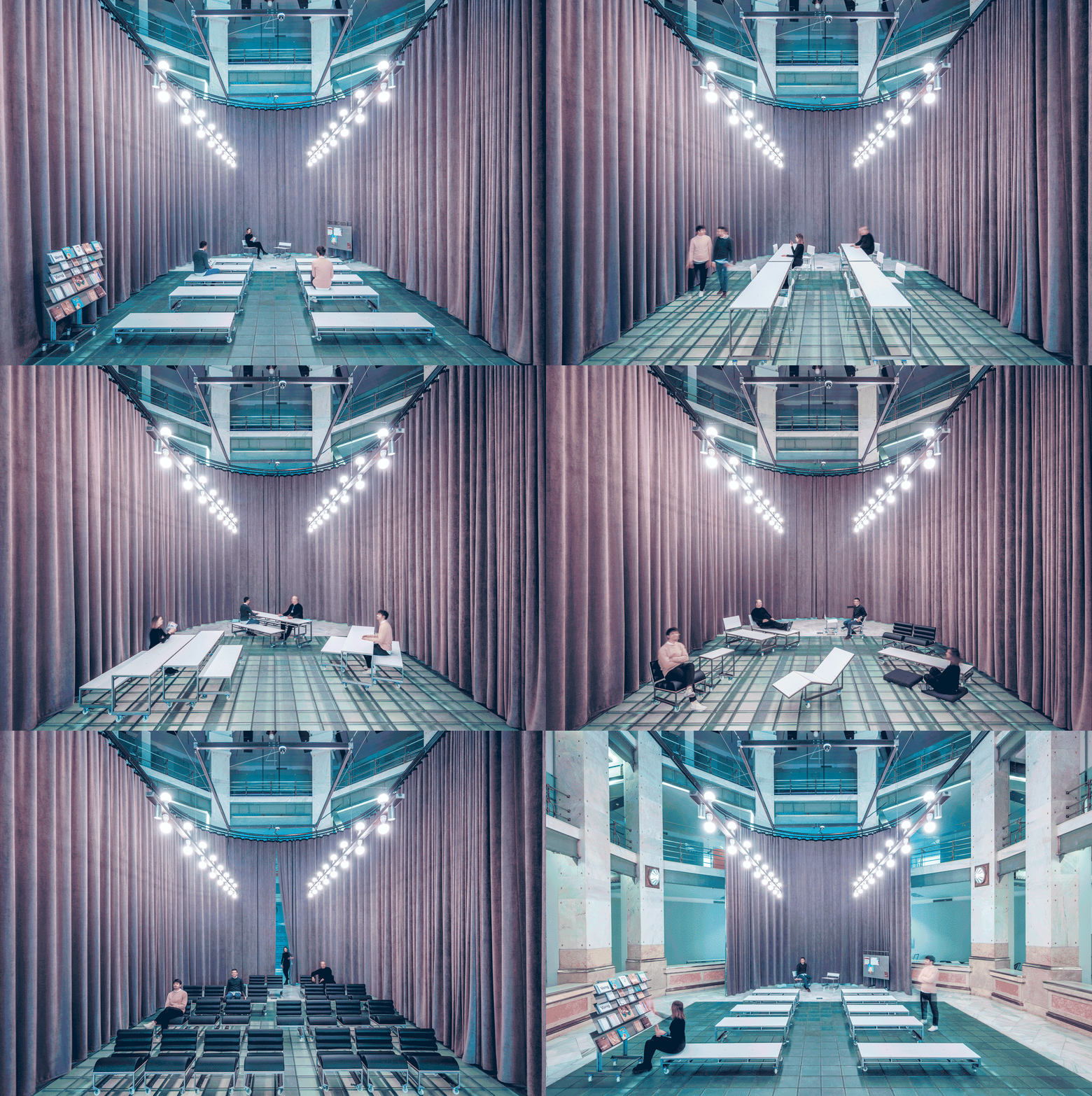
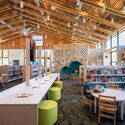
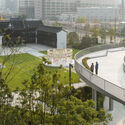
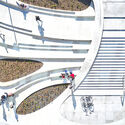
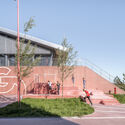
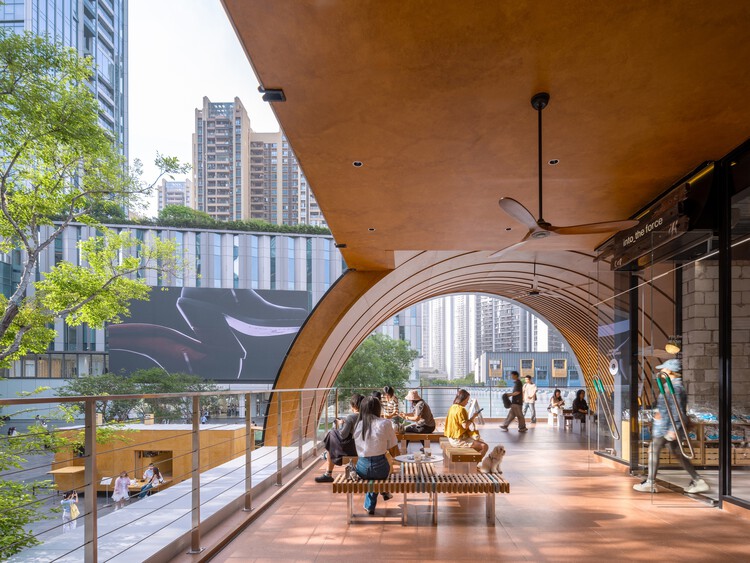
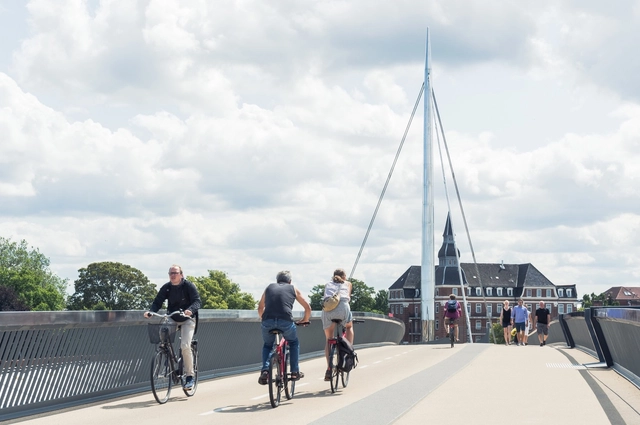
The Metrics We Use Decide the Cities We Build: Urban Indicators and Lived Experience - Image 1 of 4The Metrics We Use Decide the Cities We Build: Urban Indicators and Lived Experience - Image 2 of 4The Metrics We Use Decide the Cities We Build: Urban Indicators and Lived Experience - Image 3 of 4The Metrics We Use Decide the Cities We Build: Urban Indicators and Lived Experience - Image 4 of 4The Metrics We Use Decide the Cities We Build: Urban Indicators and Lived Experience - More Images+ 2

From Warehouse to Innovation Hub: Renovation, Reuse and Human-Centered Design for Lower Environmental Impact

 | Sponsored Content

What happens when you choose reuse over demolition? In Østbirk, Denmark, a 30-year-old timber warehouse has been transformed into a 14,000-square-meter world-class innovation hub for nearly 500 VELUX employees. This article explores how the LKR Innovation House project challenges conventional building practices, preserves material legacy, and offers practical lessons for architects working with existing structures. A new book documents the process through essays, interviews, and photographs.

Designing for Movement in a Workplace Built for Sitting

 | In Collaboration

For all the spatial experimentation of the contemporary workplace, one condition has remained largely unchanged: people are still sitting. Studies suggest that office workers spend up to 89% of their working day seated—close to 36 hours a week—despite decades of ergonomic awareness. As workplaces become more flexible, social, and design-led, this contradiction becomes harder to ignore.

The office is no longer organized around a single mode of operation, nor by a fixed spatial logic. Work has become multifunctional, shifting between collaboration and concentration, collective exchange and individual focus. In response, architecture and interior design are moving away from uniform, repetitive layouts towards environments that reflect the variability of human behavior.

Moving Beyond Metrics Toward Neuroinclusive Daylighting

 | In Collaboration

Loud noises, the continuous hum of equipment, abrupt changes in light, or intense reflections often go unnoticed. For neurodivergent individuals, these stimuli can provoke significant discomfort or even intense physical and cognitive reactions. The term "neurodivergent" refers to people whose neurological functioning differs from what is considered typical, encompassing conditions such as autism, ADHD, and dyslexia, as their brain  processes information differently, particularly in relation to sensory input, attention and emotional regulation. 
Yet light is not only visual, it is neurological. How it enters a space, moves across surfaces, and changes over time can profoundly affect cognitive comfort. Extreme contrasts, glare, direct beam penetration, and rapid variations in brightness require constant adjustment from the visual systems and, for individuals with greater sensory sensitivity, this effort can translate into fatigue, distraction, or discomfort.

Spaces That Feel Back: How Buildings Respond to Human Behavior

Subscriber Access | 

Buildings were always intended to solve a straightforward problem: shelter. Through form and material, they protected occupants from the weather and organized human activity. Modern architecture, along with evolving lifestyles, added new priorities — efficiency, density, structural innovation, and aesthetics. People now demand more from buildings. Occupants increasingly want environments that actively support how they live, work, and feel.

Wellness has become a central concern in modern times. Decades of research in environmental psychology and building science reveal that indoor conditions can profoundly affect human health and behavior. Lighting influences circadian rhythms and sleep patterns. Air quality impacts cognitive performance and respiratory health. Temperature and acoustics shape comfort and concentration.

Spaces That Feel Back: How Buildings Respond to Human Behavior - Image 1 of 4Spaces That Feel Back: How Buildings Respond to Human Behavior - Image 2 of 4Spaces That Feel Back: How Buildings Respond to Human Behavior - Image 3 of 4Spaces That Feel Back: How Buildings Respond to Human Behavior - Image 4 of 4Spaces That Feel Back: How Buildings Respond to Human Behavior - More Images+ 1

“Users Are the Experts on Themselves”: How People Shape the Spaces They Use

 | In Collaboration

Does design guide usage, or does usage guide design? Students struggle to maintain focus, employees flinch under harsh lighting, and occupants withdraw from rigid spaces, often in response to environmental conditions that only become visible once a space is occupied. Light falling across a room, the resonance of sound, the texture of surfaces, or the rhythm of circulation can support focus, calm, or inspire creativity, but each can also inadvertently heighten stress and distraction. Architects and designers are exploring and questioning: how are design decisions informed, and whose knowledge is considered essential in shaping space?
Architecture for Everyone: Reflecting on Accessibility on the International Day of Persons with Disabilities

Every year on 3 December, the International Day of Persons with Disabilities brings renewed attention to the need for inclusive, equitable environments, both socially and spatially. The 2025 theme, "Fostering disability inclusive societies for advancing social progress," highlights how persistent barriers in employment, social protection, and access to services continue to affect more than one billion people worldwide. Within this broader context, the built environment plays a decisive role: architecture can either reinforce exclusion or open pathways toward autonomy, dignity, and participation in daily life.

Architecture for Everyone: Reflecting on Accessibility on the International Day of Persons with Disabilities - Image 1 of 4Architecture for Everyone: Reflecting on Accessibility on the International Day of Persons with Disabilities - Image 2 of 4Architecture for Everyone: Reflecting on Accessibility on the International Day of Persons with Disabilities - Image 3 of 4Architecture for Everyone: Reflecting on Accessibility on the International Day of Persons with Disabilities - Image 4 of 4Architecture for Everyone: Reflecting on Accessibility on the International Day of Persons with Disabilities - More Images+ 4

Designing in Harmony with Nature: Architecture in Urban Wetlands and the Pursuit of Territorial Well-Being

Subscriber Access | 

What does it mean to design while considering the rhythms and cycles of nature? What social relationships and connections with the natural environment can cities foster today and in the future? In the face of a triple environmental crisis driven by climate change, biodiversity loss, and pollution, along with zoonotic pandemics, increasing mental and emotional health issues, and digital hyperconnectivity, Fundación Cosmos proposes to explore learnings, experiences, and tools aimed at connecting people with their territories. Through nature-based urban planning, the intervention in urban wetlands presents an opportunity to enhance, learn from, and conserve natural and cultural heritage in pursuit of a sustainable and resilient future.

Designing in Harmony with Nature: Architecture in Urban Wetlands and the Pursuit of Territorial Well-Being - Image 1 of 4Designing in Harmony with Nature: Architecture in Urban Wetlands and the Pursuit of Territorial Well-Being - Image 2 of 4Designing in Harmony with Nature: Architecture in Urban Wetlands and the Pursuit of Territorial Well-Being - Image 3 of 4Designing in Harmony with Nature: Architecture in Urban Wetlands and the Pursuit of Territorial Well-Being - Image 4 of 4Designing in Harmony with Nature: Architecture in Urban Wetlands and the Pursuit of Territorial Well-Being - More Images+ 37

MAD Architects Presents “Breathing Cells” at the 2025 Seoul Biennale

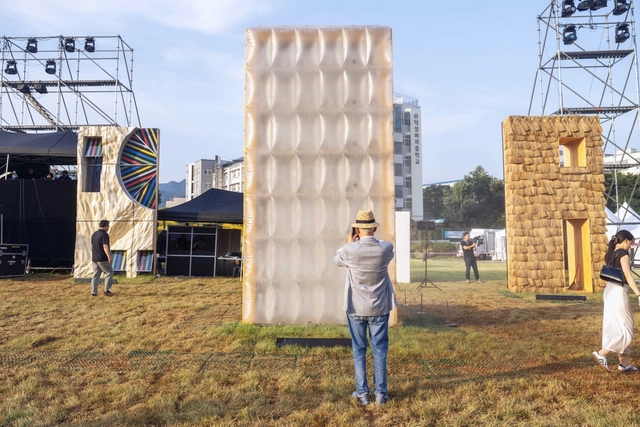
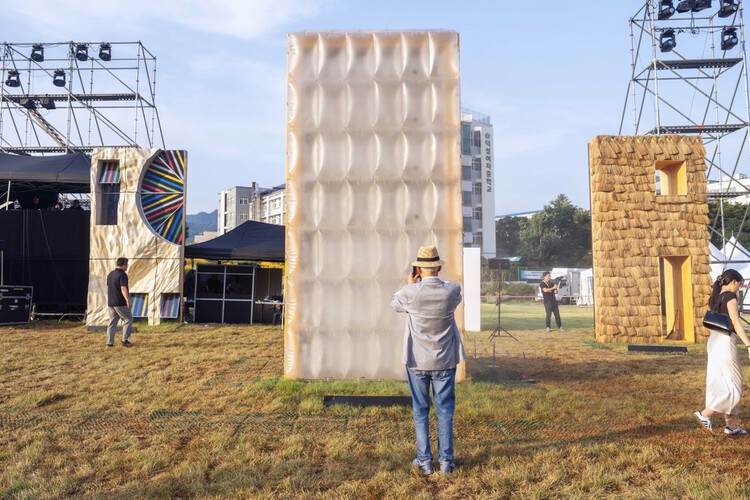
"Breathing Cells," an installation by MAD Architects, is currently on view at Songhyeon Green Plaza in Seoul as part of the 5th Seoul Biennale of Architecture and Urbanism. Invited by Biennale Director Thomas Heatherwick, the installation opened on September 26, 2025, and will remain on display until November 18. Responding to the curatorial theme "Radically More Human," the work presents an alternative vision for future urban environments, one where architecture behaves more like a living organism than a static object.

MAD Architects Presents “Breathing Cells” at the 2025 Seoul Biennale - Image 1 of 4MAD Architects Presents “Breathing Cells” at the 2025 Seoul Biennale - Image 2 of 4MAD Architects Presents “Breathing Cells” at the 2025 Seoul Biennale - Image 3 of 4MAD Architects Presents “Breathing Cells” at the 2025 Seoul Biennale - Image 4 of 4MAD Architects Presents “Breathing Cells” at the 2025 Seoul Biennale - More Images+ 6

Interiors of Pastry Shops and Bakeries: Design Strategies that Integrate Functions, Users, and Materials

Subscriber Access | 

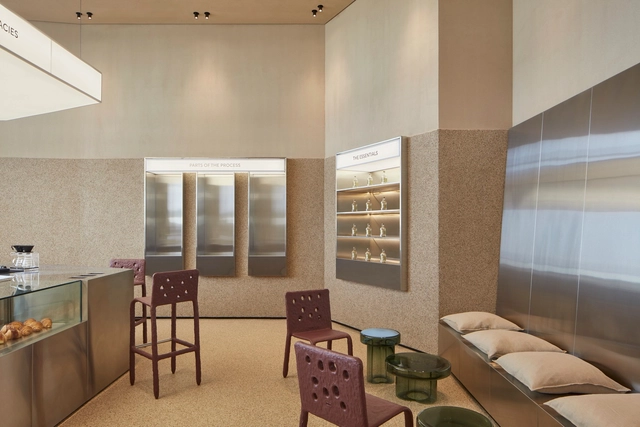
What is the link between architecture and pastry? What design strategies are applied in the contemporary interiors of bakeries and pastry shops? While architecture can serve as inspiration for the design of forms and configurations of edible elements, it also contributes the techniques of descriptive drawing, architectural composition, and staged planning to the culinary language. Focusing their thinking on people and their needs, both disciplines strive for precision, with interior design being a broad field where the use of figures, colors, materials, and various equipment can be explored to enhance user experiences.

Interiors of Pastry Shops and Bakeries: Design Strategies that Integrate Functions, Users, and Materials - Image 1 of 4Interiors of Pastry Shops and Bakeries: Design Strategies that Integrate Functions, Users, and Materials - Image 2 of 4Interiors of Pastry Shops and Bakeries: Design Strategies that Integrate Functions, Users, and Materials - Image 3 of 4Interiors of Pastry Shops and Bakeries: Design Strategies that Integrate Functions, Users, and Materials - Image 4 of 4Interiors of Pastry Shops and Bakeries: Design Strategies that Integrate Functions, Users, and Materials - More Images+ 36

How Are New Design Innovations Shaping Interiors in Spain?

 | Sponsored Content

Innovation is at the core of architecture, expressed through new approaches to design, material experimentation, and, of course, ways of living. As a result, the conception of buildings and indoor spaces is constantly evolving. This evolution is especially evident in regions with a rich cultural heritage, such as Spain, where innovation reinterprets traditional ways of relating to space. This attentiveness to memory and daily life extends into interiors, where each intervention has the potential to actively reshape how people experience a space and open new possibilities for living and interaction.

How Are New Design Innovations Shaping Interiors in Spain? - Image 1 of 4How Are New Design Innovations Shaping Interiors in Spain? - Image 2 of 4How Are New Design Innovations Shaping Interiors in Spain? - Image 3 of 4How Are New Design Innovations Shaping Interiors in Spain? - Image 4 of 4How Are New Design Innovations Shaping Interiors in Spain? - More Images+ 10

How Can Public Space Be Designed for the Neurodiverse Community?

Subscriber Access | 

The noise of overlapping conversations, the flashing lights of a billboard, hurried footsteps on the sidewalk, and the constant hammering of a nearby construction site: public spaces are sometimes experienced as environments where stimuli accumulate and often overwhelm us. Each person perceives and responds to these sensory inputs differently, and recognizing neurodiversity means understanding that some individuals require more time to adapt, slower-paced journeys, or more gradual interactions with their surroundings. These encounters raise fundamental questions about contemporary public space: how can it accommodate the diversity of ways people perceive and inhabit it? How can we envision it as a space that embraces all ways of experiencing it?

How Can Public Space Be Designed for the Neurodiverse Community? - Image 1 of 4How Can Public Space Be Designed for the Neurodiverse Community? - Image 2 of 4How Can Public Space Be Designed for the Neurodiverse Community? - Image 3 of 4How Can Public Space Be Designed for the Neurodiverse Community? - Image 4 of 4How Can Public Space Be Designed for the Neurodiverse Community? - More Images+ 9

Urban Mobility as a System: From Car-Centric to Human-Centered Cities

Subscriber Access | 

Amid the traffic-clogged arteries of Los Angeles, where cars have long ruled the streets, the future of urban mobility is being questioned. The reorientation focuses not on simply removing cars or introducing new technology, but on envisioning the city as an integrated system in which people, places, and vehicles coexist in balance. Automobiles are no longer the unquestioned centerpiece of urban life; instead, they are treated as one component of a broader, multimodal transportation network. Design now seeks to prioritize human needs and experiences over vehicular dominance.

Urban Mobility as a System: From Car-Centric to Human-Centered Cities - Image 1 of 4Urban Mobility as a System: From Car-Centric to Human-Centered Cities - Image 2 of 4Urban Mobility as a System: From Car-Centric to Human-Centered Cities - Image 3 of 4Urban Mobility as a System: From Car-Centric to Human-Centered Cities - Image 4 of 4Urban Mobility as a System: From Car-Centric to Human-Centered Cities - More Images+ 2

The Why, What, and How of Human-Centered and Successful Playground Design

 | Sponsored Content

By Jeanette Fich Jespersen, MA, Head of the KOMPAN Play Institute, Head of the steering committee of the World Playground Research Institute, University of Southern Denmark, Vice-president of International Play Association, Denmark.

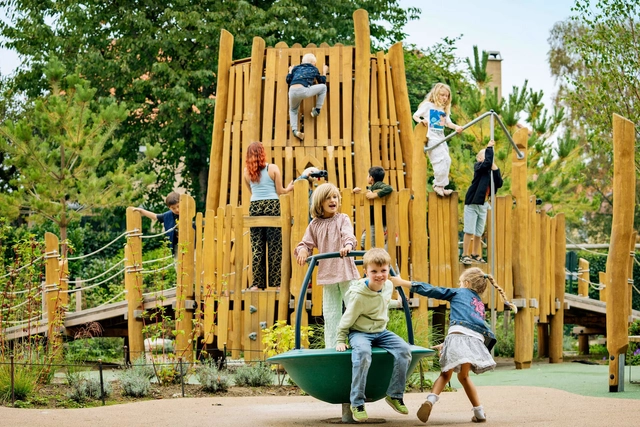
"No, I don't want to go to that playground. It is boring!" This may sound like something no child would ever utter. But children do have strong opinions on what playgrounds they like, from quite early on. The reason why not only parents and caregivers but also city planners and architects should listen and adjust is more critical than ever.

Houses in Argentina: Green Roofs That Blend Architecture and Landscape

Subscriber Access | 

Seeking to create a fluid dialogue between architecture and its surrounding landscape, the study of topography embodies an awareness and exploration of the use of materials, self-sufficient strategies, low-maintenance solutions, and landscape designs that integrate into the natural environment and minimize the environmental impact of projects. Beyond recording variations in elevation, sun orientation, prevailing winds, or drainage slopes of the terrain, several architects in Argentina demonstrate a strong interest in developing architectural solutions capable of adapting to natural geographies and restoring the bond between nature and the human being.

Houses in Argentina: Green Roofs That Blend Architecture and Landscape - Image 1 of 4Houses in Argentina: Green Roofs That Blend Architecture and Landscape - Image 2 of 4Houses in Argentina: Green Roofs That Blend Architecture and Landscape - Image 3 of 4Houses in Argentina: Green Roofs That Blend Architecture and Landscape - Image 4 of 4Houses in Argentina: Green Roofs That Blend Architecture and Landscape - More Images+ 14

Salt as a Building Material: Rethinking the Life of Minerals and Waste in Architecture with Mále Uribe

In response to today's environmental, political, economic, and social challenges, material experimentation in architecture invites us to recognize the importance of researching and analyzing the properties of construction elements, and to understand the role of spatial design and its immediate surroundings. While various textiles, plastics, and even waste from different sources are being recycled and given a new life, the debate around the use of salt as a building material encourages the development of more sustainable practices to reduce the industry’s impact on the environment, as well as to explore the renewed life of discarded minerals and mining waste for implementation in architecture.

Architecture as a Tool for Social Innovation: Human-Centered Design to Combat Loneliness 

Subscriber Access | 

Architecture holds power beyond the creation of buildings - it is a practice that shapes how people live, interact, and thrive within their communities. Architecture can also be a tool for social innovation. Through an understanding of human-centered processes, participatory design, and social sciences, practitioners can address societal challenges such as loneliness, inequality, and public health to equip spaces as vehicles for social equity and engagement. Architecture's role in shaping the future of communities is a direct response to human needs and activated social change.

Architecture as a Tool for Social Innovation: Human-Centered Design to Combat Loneliness  - Image 1 of 4Architecture as a Tool for Social Innovation: Human-Centered Design to Combat Loneliness  - Image 2 of 4Architecture as a Tool for Social Innovation: Human-Centered Design to Combat Loneliness  - Image 3 of 4Architecture as a Tool for Social Innovation: Human-Centered Design to Combat Loneliness  - Image 4 of 4Architecture as a Tool for Social Innovation: Human-Centered Design to Combat Loneliness  - More Images+ 5

Between Wood Craftsmanship and Small-Space Design: Discovering the Work of Madeiguincho in Portugal

Subscriber Access | 

How is it possible to maximize livability in small spaces? What design decisions contribute to functionality and the fulfillment of the inhabitants' essential needs? Over the past decade, small-scale architecture has gained prominence in the quest to find new ways of living in connection with nature and in pursuit of relative self-sufficiency, among other reasons. From minimal homes or tree houses to fine carpentry solutions and sculptures, the Portuguese design studio Madeiguincho is dedicated to developing timber-based projects with the aim of promoting knowledge of wood craftsmanship as both a raw material and a building medium.

Between Wood Craftsmanship and Small-Space Design: Discovering the Work of Madeiguincho in Portugal - Image 1 of 4Between Wood Craftsmanship and Small-Space Design: Discovering the Work of Madeiguincho in Portugal - Image 2 of 4Between Wood Craftsmanship and Small-Space Design: Discovering the Work of Madeiguincho in Portugal - Image 3 of 4Between Wood Craftsmanship and Small-Space Design: Discovering the Work of Madeiguincho in Portugal - Image 4 of 4Between Wood Craftsmanship and Small-Space Design: Discovering the Work of Madeiguincho in Portugal - More Images+ 17