
Call for Entries | 1st Design + AI Hackathon URP 2026: Multifunctional Transformable Furniture
Call for Entries | 1st Design + AI Hackathon URP 2026: Multifunctional Transformable Furniture

Heimtextil Colombia 2026 brings together an international showcase and a knowledge program that highlight a shift in value toward the home and hospitality sectors, where Colombian and Latin American designers are expanding their creative DNA to move up the value pyramid, diversify revenue, and compete in global markets.
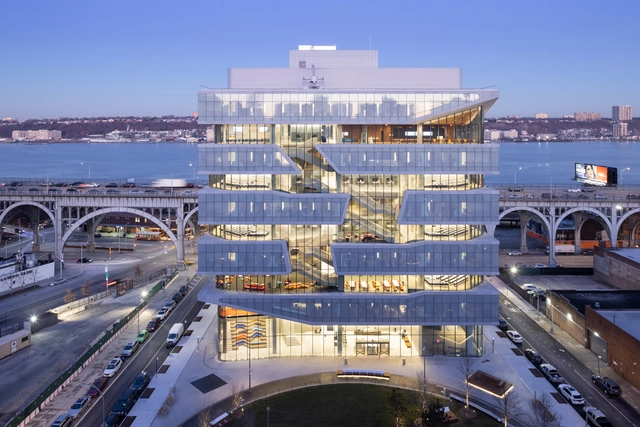
Architecture holds power beyond the creation of buildings - it is a practice that shapes how people live, interact, and thrive within their communities. Architecture can also be a tool for social innovation. Through an understanding of human-centered processes, participatory design, and social sciences, practitioners can address societal challenges such as loneliness, inequality, and public health to equip spaces as vehicles for social equity and engagement. Architecture's role in shaping the future of communities is a direct response to human needs and activated social change.
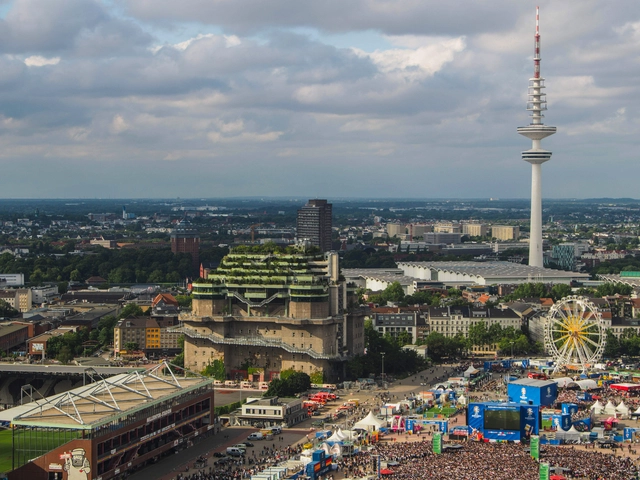
Discussing adaptive reuse involves exploring multiple fields of action and disciplines, interpreting opposing perspectives and opinions from various stakeholders, and even sparking the reactivation or revitalization of certain spaces in favor of communities. In recent years, notable projects have emerged, such as the conversion of factories and industrial warehouses, as well as the transformation of industrial structures into modern offices. Adaptive reuse of existing buildings has continued to evolve and expand globally throughout 2024, aiming to improve the quality of life for residents while also contributing to environmental sustainability.
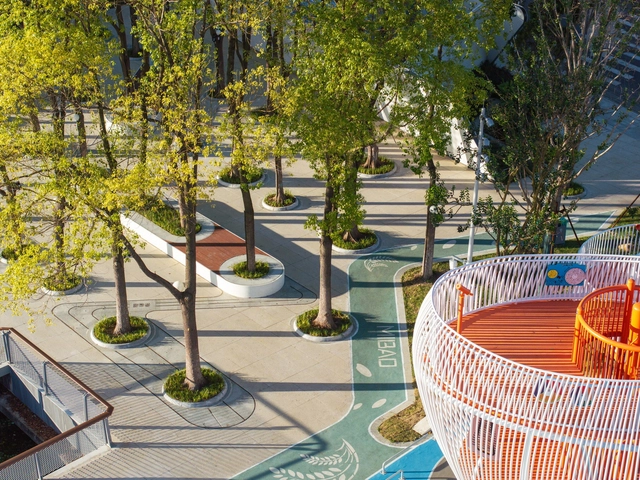
In a quest to enhance and attract new natural experiences to city centers, the design, planning, and revitalization of certain urban spaces align with strategies aimed at improving the quality of life for residents while maintaining a connection with nature rooted in the local landscape. Through technical solutions for wastewater treatment and stormwater drainage, improved accessibility, incorporation of recreational activities, introduction of native vegetation, and more, numerous parks, plazas, and gardens are integrated into urban and rural fabrics. These efforts seek to filter pollution, purify the air, address social issues, and promote experiences that foster connections between nature, biodiversity, and society.


