1. ArchDaily
  2. Housing and Urban Development

Housing and Urban Development: The Latest Architecture and News

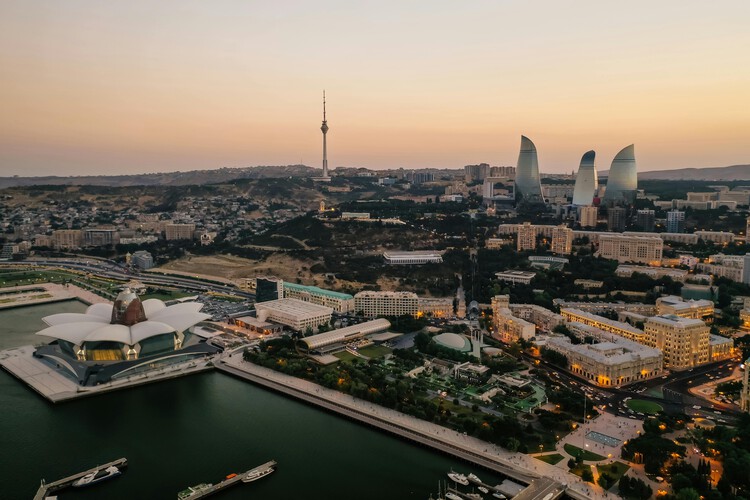
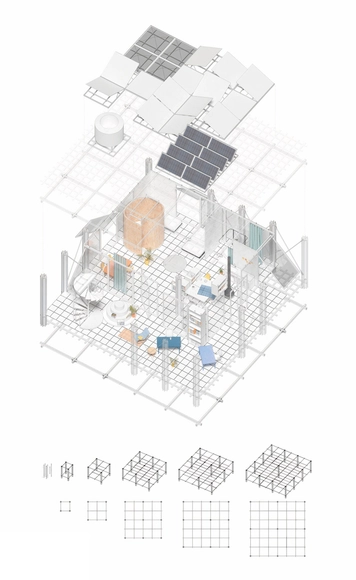
One Week Until WUF13 Begins in Baku: Exploring Safe and Resilient Cities Under the Theme “Housing the World”

Co-organized by UN-Habitat and the Government of Azerbaijan, the thirteenth session of the World Urban Forum 13 will take place in Baku from May 17 to 22, 2026, under the theme "Housing the World: Safe and Resilient Cities and Communities." Convened every two years by UN-Habitat, the World Urban Forum is considered one of the leading international conferences dedicated to urbanization and the future of cities. Bringing together architects, planners, policymakers, researchers, local governments, and civil society organizations, the forum serves as a platform for discussing the challenges shaping contemporary urban environments and the strategies needed to address them.

One Week Until WUF13 Begins in Baku: Exploring Safe and Resilient Cities Under the Theme “Housing the World” - Image 1 of 4One Week Until WUF13 Begins in Baku: Exploring Safe and Resilient Cities Under the Theme “Housing the World” - Image 2 of 4One Week Until WUF13 Begins in Baku: Exploring Safe and Resilient Cities Under the Theme “Housing the World” - Image 3 of 4One Week Until WUF13 Begins in Baku: Exploring Safe and Resilient Cities Under the Theme “Housing the World” - Image 4 of 4One Week Until WUF13 Begins in Baku: Exploring Safe and Resilient Cities Under the Theme “Housing the World” - More Images+ 1

After Le Corbusier: How Southeast Asia Turned the Satellite City Into a Transit Megaproject

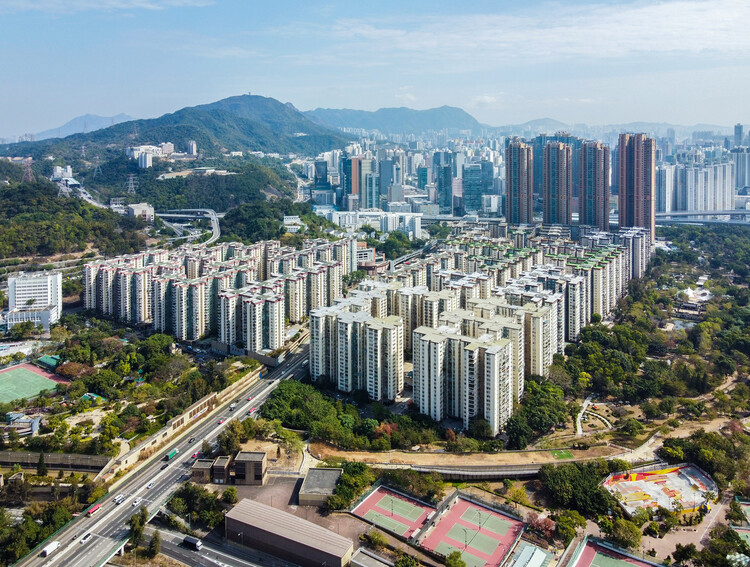
Southeast Asia is often narrated as a kind of architectural playground—an arena where modern and contemporary ideals have been tested at full scale through singular, iconic buildings. One can trace an easy lineage through names that have helped shape the region's skyline imagination: Paul Rudolph's Lippo Centre in Hong Kong and The Concourse in Singapore, I.M. Pei's OCBC Centre and Hong Kong's Bank of China Tower, Norman Foster's Supreme Court of Singapore and the HSBC Main Building in Hong Kong, Ron Phillips' Hong Kong City Hall, Moshe Safdie's Marina Bay Sands. Yet this familiar history—told through objects, colonialism, authorship, and signature forms—risks missing a deeper, more consequential layer of influence: the planning logics and infrastructural frameworks that have quietly structured how these cities expand, densify, and distribute everyday life.

After Le Corbusier: How Southeast Asia Turned the Satellite City Into a Transit Megaproject - Image 1 of 4After Le Corbusier: How Southeast Asia Turned the Satellite City Into a Transit Megaproject - Image 2 of 4After Le Corbusier: How Southeast Asia Turned the Satellite City Into a Transit Megaproject - Image 3 of 4After Le Corbusier: How Southeast Asia Turned the Satellite City Into a Transit Megaproject - Image 4 of 4After Le Corbusier: How Southeast Asia Turned the Satellite City Into a Transit Megaproject - More Images+ 12

European Collective Housing Award Opens for Second Edition

 | Sponsored Content

Collective housing is a hallmark of Europe. The 2nd edition of the award is looking for collective housing projects to highlight their social impact and the policy frameworks that support them. Submissions are free and open until 30 April.

Post-industrial modernity generated a wide range of collective housing models that left a lasting mark on European cities and architectural history: from the Hofs of Vienna and the Weissenhof Siedlung to Le Corbusier's Unité d'habitation and the works presented at Berlin's Interbau.

The excesses of the modern movement cast a long shadow over social housing – a stigma that post-modernity failed to dispel. Yet since the turn of the millennium, new forms of collective housing have re-emerged, reconnecting with welfare-state ideals amid pressures from urbanization, property market tensions and ecological urgency.

Form, Function, and Funding: The High-Tech Urbanism of San Francisco

Subscriber Access | 

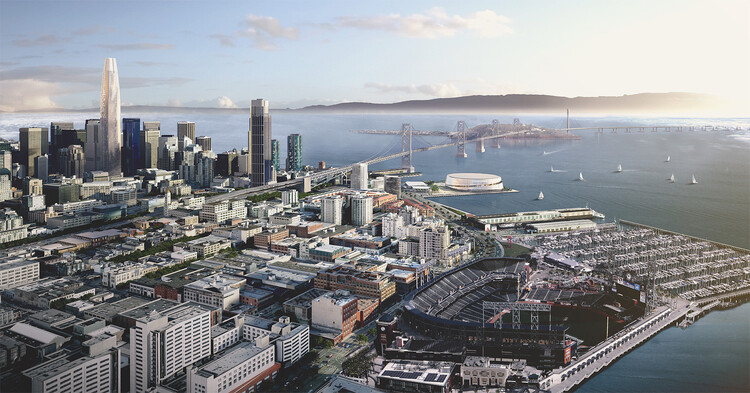
San Francisco is a city that has always remade itself under pressure. Its Victorian streetscapes have survived seismic retrofits and glass towers, its neighborhoods defined as much by change as by its resistance to change. But no force in the city's history has reshaped the built environment as completely, or as quickly, as the technology economy. What began in the postwar sprawl of Silicon Valley migrated north and inscribed its logic onto the skyline and the lives of residents. The result of this logic is an architectural culture of considerable technical refinement and refined material palettes, yet one that remains largely indifferent to the existing population.

The cost of indifference is measurable and mounting. San Francisco must accommodate more than 82,000 additional housing units by 2031 under California's Regional Housing Needs Allocation framework, in a city where median rent already ranks among the highest of any American metropolitan area. Teachers, healthcare workers, and service employees are actively displaced by a real estate market calibrated to a single sector's income levels rather than the city's largest workforce.

Form, Function, and Funding: The High-Tech Urbanism of San Francisco - Image 1 of 4Form, Function, and Funding: The High-Tech Urbanism of San Francisco - Image 2 of 4Form, Function, and Funding: The High-Tech Urbanism of San Francisco - Image 3 of 4Form, Function, and Funding: The High-Tech Urbanism of San Francisco - Image 4 of 4Form, Function, and Funding: The High-Tech Urbanism of San Francisco - More Images+ 25

A Century of Temporary Housing Experiments: Milano–Cortina and the Evolution of Olympic Villages

Subscriber Access | 

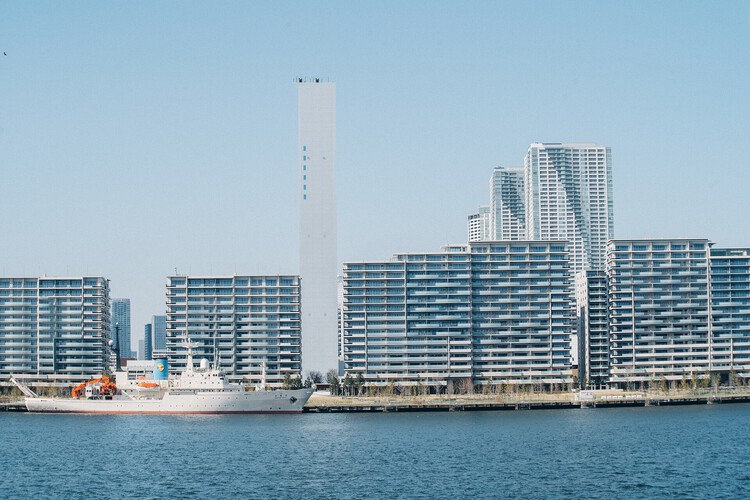
With the Milano–Cortina 2026 Winter Olympics underway, it is worth looking back at how the Olympic Village has evolved from a purely functional solution into a strategic urban project. From improvised housing compounds to key pieces of urban regeneration, Olympic Villages have repeatedly functioned as large-scale experiments in how parts of the city can be built within a short period of time.

Designed under intense time pressure and for a highly specific population, these environments reveal shifting ideas about housing, collective life, and the urban legacy of mega-events. Across different editions, the Olympic Village reflects broader ways in which events, housing, and cities intersect under conditions of urgency.
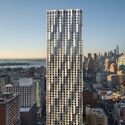
A Century of Temporary Housing Experiments: Milano–Cortina and the Evolution of Olympic Villages - Image 1 of 4A Century of Temporary Housing Experiments: Milano–Cortina and the Evolution of Olympic Villages - Image 2 of 4A Century of Temporary Housing Experiments: Milano–Cortina and the Evolution of Olympic Villages - Image 3 of 4A Century of Temporary Housing Experiments: Milano–Cortina and the Evolution of Olympic Villages - Image 4 of 4A Century of Temporary Housing Experiments: Milano–Cortina and the Evolution of Olympic Villages - More Images+ 14

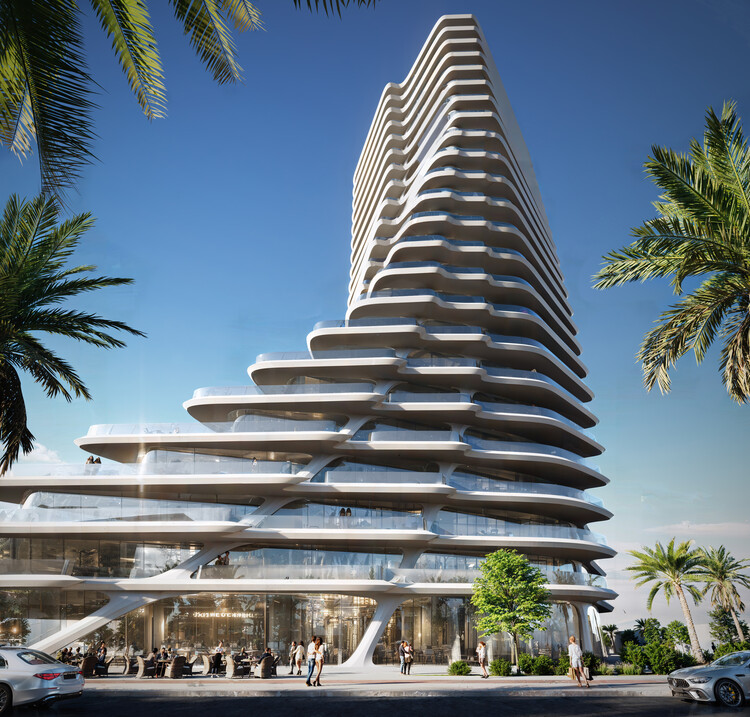
Zaha Hadid Architects Unveils Images of a New Housing Project in Málaga, Spain

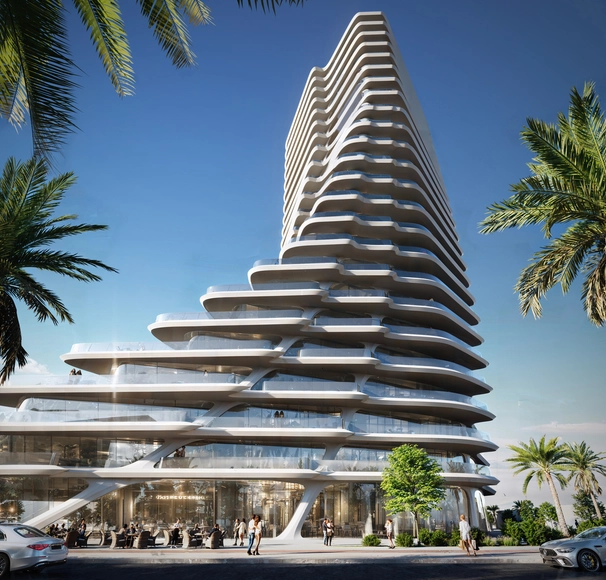
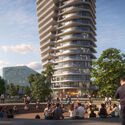
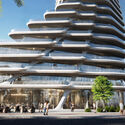
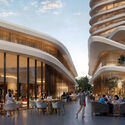
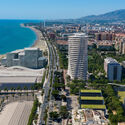
Sierra Blanca Estates, a real estate development firm, has officially announced plans to build a new residential neighborhood in the coastal city of Málaga, Spain. According to the developers, the proposal is intended to address the city's growing demand for housing in the capital of the Andalucía autonomous community, located along the Mediterranean Sea in the southern Iberian Peninsula. The new neighborhood is planned for the El Bulto area and would include a 21-storey building designed by Zaha Hadid Architects.

Zaha Hadid Architects Unveils Images of a New Housing Project in Málaga, Spain - Image 1 of 4Zaha Hadid Architects Unveils Images of a New Housing Project in Málaga, Spain - Image 2 of 4Zaha Hadid Architects Unveils Images of a New Housing Project in Málaga, Spain - Image 3 of 4Zaha Hadid Architects Unveils Images of a New Housing Project in Málaga, Spain - Image 4 of 4Zaha Hadid Architects Unveils Images of a New Housing Project in Málaga, Spain - More Images+ 2

"Luxury Without Context Is Just Excess": Elisa Orlanski Ours on Bridging Design Vision with Market Realities

Subscriber Access | 

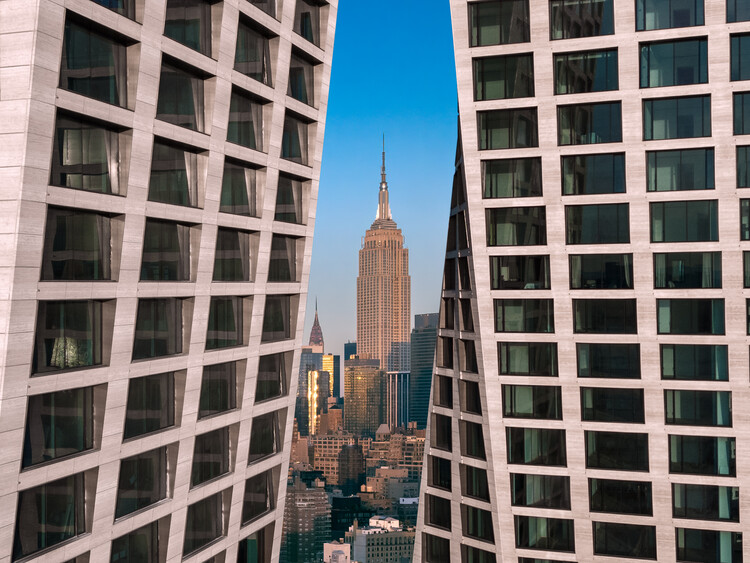
In the complex ecosystem of architectural development, where innovative concepts meet market realities, a distinct role exists to bridge diverse professional interests and realize impactful spaces. Elisa Orlanski Ours exemplifies this function. This is the domain of Elisa Orlanski Ours, a designer, educator, and industry leader. As Chief Planning & Design Officer at Corcoran Sunshine Marketing Group, Elisa founded her department two decades ago. Now, her extensive portfolio spans condominium skyscraper master plans and individual branded villas across continents, including significant New York City developments like Hudson Yards and 220 Central Park South, as well as international developments in collaboration with prominent architectural firms like SHoP Architects, BIG, Herzog & de Meuron, Adjaye Associates, and SO-IL. Her strategic perspective on bringing projects from schematic phase to final sale provides valuable insights into the industry's intricate workings. ArchDaily's Managing Editor, Maria-Cristina Florian, had the opportunity to discuss these critical topics with Elisa in the following interview.

"Luxury Without Context Is Just Excess": Elisa Orlanski Ours on Bridging Design Vision with Market Realities - Image 1 of 4"Luxury Without Context Is Just Excess": Elisa Orlanski Ours on Bridging Design Vision with Market Realities - Image 2 of 4"Luxury Without Context Is Just Excess": Elisa Orlanski Ours on Bridging Design Vision with Market Realities - Image 3 of 4"Luxury Without Context Is Just Excess": Elisa Orlanski Ours on Bridging Design Vision with Market Realities - Image 4 of 4Luxury Without Context Is Just Excess: Elisa Orlanski Ours on Bridging Design Vision with Market Realities - More Images+ 31

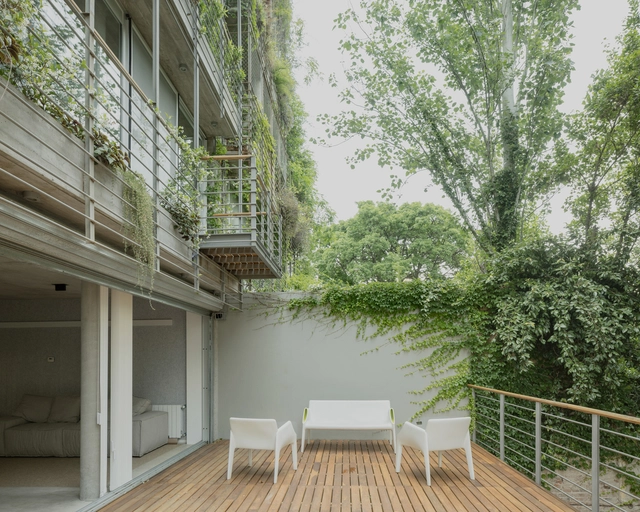
How to Design Residential Urban Terraces: Strategies for Living Well in High Places

Subscriber Access | 

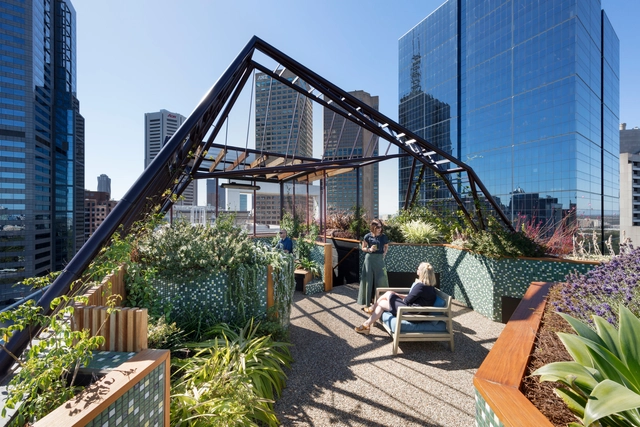
In today’s dense, vertical cities, terraces—often overlooked as mere technical rooftops—are emerging as key spaces for reconnecting with nature, expanding residential functions, and offering moments of collective relief. Particularly in single-family homes located in compact urban areas, these elevated surfaces represent valuable opportunities to increase usable living space without occupying more land. By lifting daily life above street level, terraces open new ways of inhabiting the city, enabling a range of uses from leisure and contemplation to food production and social gathering. In contexts marked by limited green space and strained infrastructure, they hold the potential to generate what landscape architect Catherine Mosbach calls "additional layers of urbanity." Whether imagined as hanging gardens, gathering spots, edible landscapes, or wellness zones, terraces challenge the idea that the city ends at the top floor—inviting us to see the roof as a new kind of ground.

How to Design Residential Urban Terraces: Strategies for Living Well in High Places - Image 1 of 4How to Design Residential Urban Terraces: Strategies for Living Well in High Places - Image 2 of 4How to Design Residential Urban Terraces: Strategies for Living Well in High Places - Image 3 of 4How to Design Residential Urban Terraces: Strategies for Living Well in High Places - Image 4 of 4How to Design Residential Urban Terraces: Strategies for Living Well in High Places - More Images+ 16

Waterfronts, Heritage, and Innovation: Recent Highlights from BIG, Gehl, and More in Architecture Now

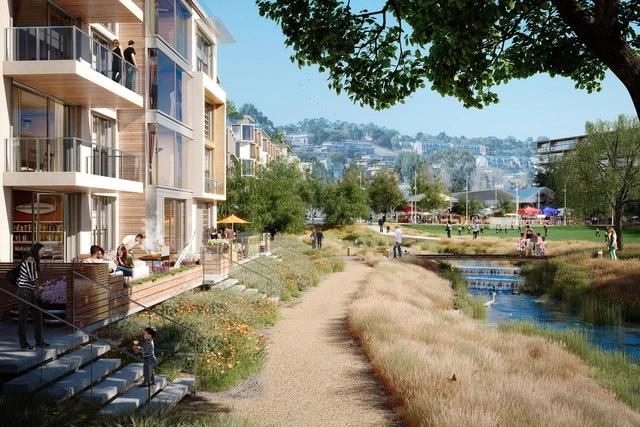
This month, architecture has addressed a wide array of themes, from preserving cultural heritage to designing for adaptability. Around the world, architects are responding to changing needs with solutions that aim to prioritize both functionality and the environment. Notable examples include Gehl, SOM, and Bionic's ambitious redevelopment of San Francisco's India Basin waterfront, which reimagines urban living in harmony with nature, and VOID Studios' collaboration on Kenya's Masai Mara Conservation Centre, a project deeply rooted in ecological and cultural sensitivity. Elsewhere, Nokken and BIG unveiled their "Softshell structure," offering a flexible option for hospitality and residential markets. Meanwhile, the transformation of The Raleigh in Miami Beach by Peter Marino aims to preserve the site's heritage while introducing new standards. These projects, among others, reflect the ever-evolving priorities of the field. Read on to discover the latest news shaping the architectural world.

Waterfronts, Heritage, and Innovation: Recent Highlights from BIG, Gehl, and More in Architecture Now - Image 1 of 4Waterfronts, Heritage, and Innovation: Recent Highlights from BIG, Gehl, and More in Architecture Now - Image 2 of 4Waterfronts, Heritage, and Innovation: Recent Highlights from BIG, Gehl, and More in Architecture Now - Image 3 of 4Waterfronts, Heritage, and Innovation: Recent Highlights from BIG, Gehl, and More in Architecture Now - Featured ImageWaterfronts, Heritage, and Innovation: Recent Highlights from BIG, Gehl, and More in Architecture Now - More Images+ 4

From Modernism to Multiculturalism: The Historical Evolution of Student Housing

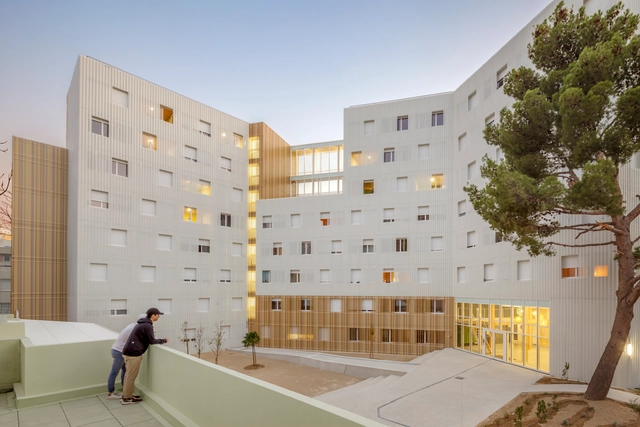
Student housing has undergone a remarkable transformation over the last century. Once seen as a utilitarian necessity, providing shelter and basic amenities for students, this architectural typology has evolved to address increasingly complex societal, cultural, and urban demands. Starting with Le Corbusier's modernist approach at the Cité Universitaire in Paris, student housing has reflected broader trends in architecture, urbanism, and social change.

Today, these buildings must cater to a highly diverse and transient population, navigating the pressures of affordability, density, and the evolving living standards of young adults. With rapid urbanization and increasing student mobility, universities now face the challenge of designing housing that is not only functional but also adaptable to different cultural and social contexts. This has led to more flexible, innovative solutions that promote both privacy and community living.

From Modernism to Multiculturalism: The Historical Evolution of Student Housing - Image 1 of 4From Modernism to Multiculturalism: The Historical Evolution of Student Housing - Image 2 of 4From Modernism to Multiculturalism: The Historical Evolution of Student Housing - Image 3 of 4From Modernism to Multiculturalism: The Historical Evolution of Student Housing - Image 4 of 4From Modernism to Multiculturalism: The Historical Evolution of Student Housing - More Images+ 55

Balcony Design for Urban Living: A Comprehensive Guide

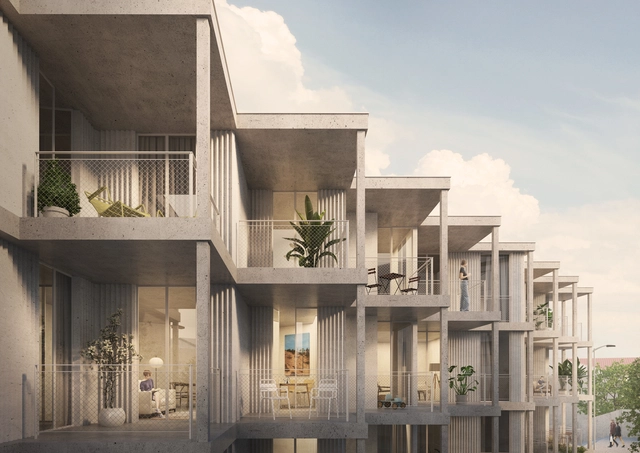
In dense urban living, the ability to connect with the outdoors for enjoyment and for wellbeing becomes starkly important. This became particularly apparent in the COVID-19 pandemic when millions of people across the globe had to be confined to their homes for long periods. Notwithstanding that, as the world increasingly urbanizes, good quality housing design is vital and this includes access to the outside. In a city like London, this need was recognized, and providing an outside space in every dwelling became mandatory around the year 2010. In multi-storey housing, providing outside space usually takes the form of a balcony. The design possibilities are endless, so what are the key considerations when incorporating balconies in an urban residential building?

Balcony Design for Urban Living: A Comprehensive Guide - Image 1 of 4Balcony Design for Urban Living: A Comprehensive Guide - Image 2 of 4Balcony Design for Urban Living: A Comprehensive Guide - Image 3 of 4Balcony Design for Urban Living: A Comprehensive Guide - Image 4 of 4Balcony Design for Urban Living: A Comprehensive Guide - More Images+ 18

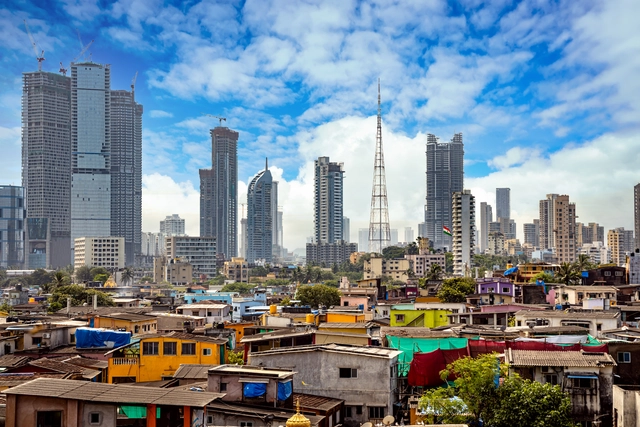
Mega-cities, Mega-projects, and Mega-slums: Exploring Urbanization in India

Subscriber Access | 

As a result of the nation’s ardent aspirations for growth and development, the social, economic, and physical landscape of India has transformed. A significant portion of the region’s population is of working age and comprises a massive market size, making India a land of opportunity especially in the eyes of foreign investors.

Reflecting this context, multiple mega-cities and mega-projects characterize the built environment and push the nation toward superpower status. On the flip side of the coin, these visionary projects along with the trend of rapid urbanization also bring in a range of side effects - the spread of informal settlements and in turn, the challenges to equitable development.

Mega-cities, Mega-projects, and Mega-slums: Exploring Urbanization in India - Image 1 of 4Mega-cities, Mega-projects, and Mega-slums: Exploring Urbanization in India - Image 2 of 4Mega-cities, Mega-projects, and Mega-slums: Exploring Urbanization in India - Image 3 of 4Mega-cities, Mega-projects, and Mega-slums: Exploring Urbanization in India - Image 4 of 4Mega-cities, Mega-projects, and Mega-slums: Exploring Urbanization in India - More Images+ 2

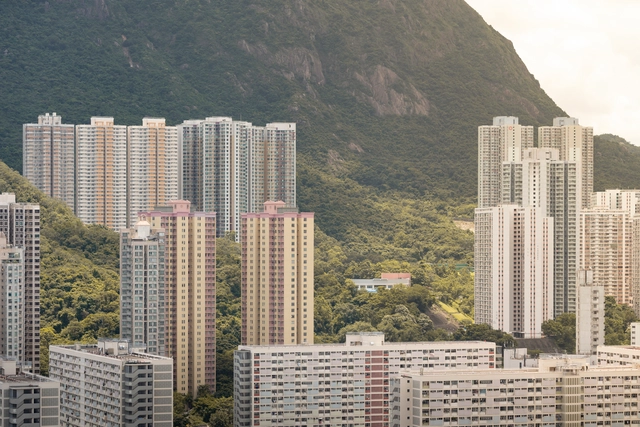
How Dense Is Too Dense? The Future of Social Housing in Metropolises

Subscriber Access | 

Density in cities is often touted as a positive and desirable way to live. Various studies have repeatedly suggested that higher density can lead to better lifestyles, a more sustainable environment, and improved health. In The Death and Life of Great American Cities, journalist Jane Jacobs identifies several possible advantages of density: increased walkability, close-knit communities, and a concentration of resources while maintaining diversity that better serves the population.

Naturally, a higher population density prevents the formation of ghost towns and vacant shops, which can become hotbeds for crime. However, these positive views on dense living environments often rest on optimistic assumptions about urbanism, such as minimal friction among individuals, easily maintained hygiene and a natural formation of diversity.

How Dense Is Too Dense?  The Future of Social Housing in Metropolises - Image 1 of 4How Dense Is Too Dense?  The Future of Social Housing in Metropolises - Image 2 of 4How Dense Is Too Dense?  The Future of Social Housing in Metropolises - Image 3 of 4How Dense Is Too Dense?  The Future of Social Housing in Metropolises - Image 4 of 4How Dense Is Too Dense?  The Future of Social Housing in Metropolises - More Images+ 2

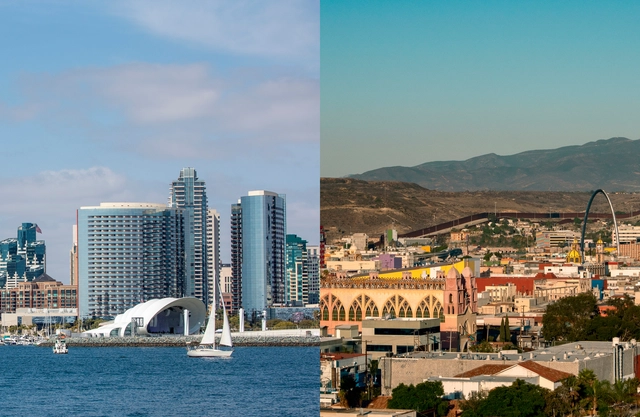
From Borderlines to Blurred Boundaries: San Diego-Tijuana as the World Design Capital 2024

Subscriber Access | 

When drawing, lines are fundamental elements of composition. They delineate space, outline structures, and define boundaries. When it comes to maps and borders, the line acquires a particular meaning, as this "simple" graphic expression marks a powerful division between regions, setting the beginning or the end of a territory. This line has a profound meaning at the limit between Mexico and the United States, where it constantly blurs and questions the border. In these places, multiculturalism is a daily occurrence, with a continuous negotiation of boundaries present in all aspects of life. The dynamic of these borders involves design and the generation of a complex network of interactions and collaborations.

Rather than being divided into Tijuanenses on one side and San Diegans on the other, this particular region stands out as a community whose essence harmonizes with a deep legacy of cross-border collaboration, rather than being seen as cities separated by a line. As the first binational designation in the history of the World Design Capital (WDC) program, the Tijuana-San Diego region shares a common interest in addressing urban, social, and economic issues through design. Thus, via conferences, policy summits, and workshops, the region seeks to enhance the catalyzation of ideas through its designation.

How Can Modular Design Be Used to Revolutionize Housing Architecture?

Housing is a diverse architectural typology whose configuration is determined not only by those who design it but also by the use of those who live in it. Therefore, homes are fundamentally adaptable structures that evolve in line with their time and users, undergoing constant changes manifested in the ways of living. The house conceived today will not be the same as the one built tomorrow, so it becomes necessary to maintain a critical and profound approach to the role it plays in the built environment.

In this sense, modular architecture has consistently presented itself as a dynamic design strategy that has revolutionized housing, developing versatile solutions for sustainable spaces and construction practices. Thus, modular housing has been fertile ground for exploring and deepening ways of inhabiting space and addressing human needs. From the prefabricated catalog houses of the 19th century to the post-World War II housing boom, its evolution reflects both past proposals and the exploration of new concepts for the future.

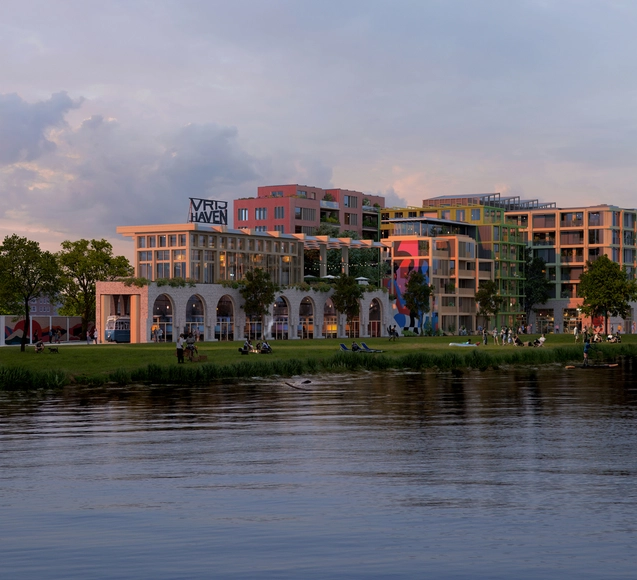
Powerhouse Company Wins Competition for a Diverse Urban Ensemble in Amsterdam, Netherlands

Powerhouse Company, together with Studio Donna van Milligen Bielke & Ard de Vries Architecten, Team V Architecture, Joppe Kusters, and DELVA Landscape Architecture | Urbanism, has won the competition to design a creative urban district in Havenstraat, a well-known fringe area in Amsterdam. Set in a location defined by disused industrial remnants, historic trams, and informal greenery, the area shows its potential in offering space for experimentation, opening itself to local businesses, creatives, and makers to refine its character.

Powerhouse Company Wins Competition for a Diverse Urban Ensemble in Amsterdam, Netherlands - Image 1 of 4Powerhouse Company Wins Competition for a Diverse Urban Ensemble in Amsterdam, Netherlands - Image 2 of 4Powerhouse Company Wins Competition for a Diverse Urban Ensemble in Amsterdam, Netherlands - Image 3 of 4Powerhouse Company Wins Competition for a Diverse Urban Ensemble in Amsterdam, Netherlands - Image 4 of 4Powerhouse Company Wins Competition for a Diverse Urban Ensemble in Amsterdam, Netherlands - More Images+ 7

A Tetris-Like Residence in Iran and a Seaside Apartment Block in Italy: 8 Unbuilt Housing Projects Submitted by the ArchDaily Community

Subscriber Access | 

In every city, urban housing projects represent most of the built environments, reflecting an intricate weave of societal needs and architectural visions. This roundup of unbuilt projects submitted by the ArchDaily Community offers a lens into the dynamic interplay between design constraints and creative opportunities. From the revitalization of urban fragments to the exploration of innovative construction methods, architects navigate a terrain shaped by sustainability imperatives, community inclusivity, and evolving urban dynamics.

The diversity of unbuilt urban housing projects showcased here underscores the breadth of architectural interventions, featuring commitments to sustainability and inclusivity. From projects featuring new building materials such as wooden construction systems to those created to maximize sunlight or engage the larger community, this week’s curated selection showcases unbuilt collective housing projects from around the world.

A Tetris-Like Residence in Iran and a Seaside Apartment Block in Italy: 8 Unbuilt Housing Projects Submitted by the ArchDaily Community - Image 5 of 4A Tetris-Like Residence in Iran and a Seaside Apartment Block in Italy: 8 Unbuilt Housing Projects Submitted by the ArchDaily Community - Image 26 of 4A Tetris-Like Residence in Iran and a Seaside Apartment Block in Italy: 8 Unbuilt Housing Projects Submitted by the ArchDaily Community - Image 32 of 4A Tetris-Like Residence in Iran and a Seaside Apartment Block in Italy: 8 Unbuilt Housing Projects Submitted by the ArchDaily Community - Image 38 of 4A Tetris-Like Residence in Iran and a Seaside Apartment Block in Italy: 8 Unbuilt Housing Projects Submitted by the ArchDaily Community - More Images+ 53

Anne Hidalgo, the Mayor of Paris, Wins the 2023 ULI Prize for Visionaries in Urban Development

Paris Mayor Anne Hidalgo has been awarded the 2023 ULI Prize for Visionaries in Urban Development, one of the most respected honors in global land use and community development. The honor comes in recognition of Mayor Hidalgo’s vision for a more inclusive and sustainable Paris and the global impact of her policies. Hidalgo, the first female Mayor of Paris, is credited with advancing ambitious policies that have reduced Paris’ carbon emissions by 40% in ten years and have increased the percentage of affordable housing. Hidalgo has also been named among Time magazine’s 100 Most Influential People in 2020.

Anne Hidalgo, the Mayor of Paris, Wins the 2023 ULI Prize for Visionaries in Urban Development - Image 1 of 4Anne Hidalgo, the Mayor of Paris, Wins the 2023 ULI Prize for Visionaries in Urban Development - Image 2 of 4Anne Hidalgo, the Mayor of Paris, Wins the 2023 ULI Prize for Visionaries in Urban Development - Image 3 of 4Anne Hidalgo, the Mayor of Paris, Wins the 2023 ULI Prize for Visionaries in Urban Development - Image 4 of 4Anne Hidalgo, the Mayor of Paris, Wins the 2023 ULI Prize for Visionaries in Urban Development - More Images+ 1