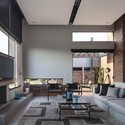
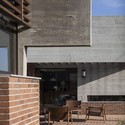
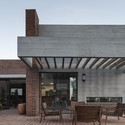
“A House is a place (…) as physical as a set of feelings. (…) a home is a relation between materiality and mastery and imaginative processes, where the physical location and materiality and the feelings and ideas are united and influence each other, instead of being separated and distinct. (…) a house is a process of creation and comprehension of ways of living and belonging. A house is lived, as well as imagined. The meaning of house and the way it materially manifests itself, it´s something that is created and recreated in an unceasingly way through every day domestic tasks, which are themselves connected to the spacial imaginary of the house”1
The sentence above is the starting-point of the current reflection, in an exercise that will mark meaningfully my approach to the way of projecting houses.
Our home will always be the place for which we feel the deepest affection, no matter where we are. Home is our ‘little world’ where we dream of getting condensed after a hard day at work.’ Home is the place where we desire to be after a long vacation, to be able to feel the warmth of the walls surrounding us. Home is a very important link between a man and his idea of safety. It is the envelope that represents privacy, comfort and stability in our lives. It is that one place of permanence and consistency where we can ‘slow’ down and shield ourselves from the onslaught of a fast, chaotic world.
This week’s curated selection from our readers’ submissions focuses on some of the essential components of our present-day cities.
Featuring the best-unbuilt architecture, the article highlights adaptive reuse projects that transformed abandoned warehouses and factories, a street design in Luxembourg, a regenerative master plan in Seoul, and an emergency family accommodation to temporarily house those in need. Moreover, the roundup distinguishes a library in South Korea and an extension of a museum in Helsinki, because the cultural aspect is an integral part of our urban environment.
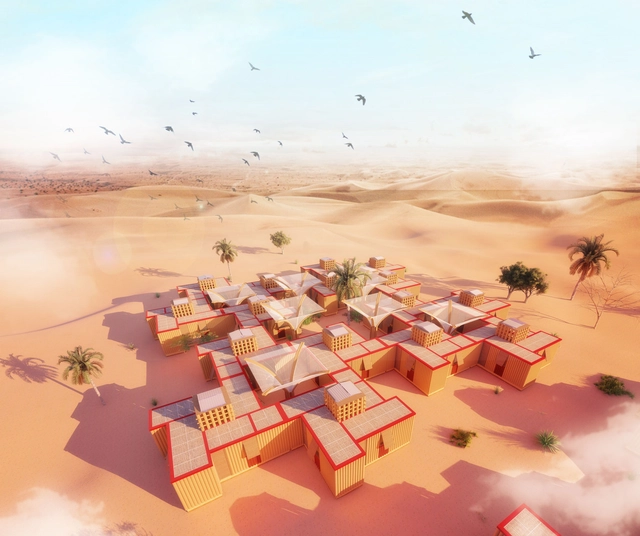
The House Challenge 2019 has released the results of this year’s competition that gathered entries from all over the world. With a theme focusing on the Desert House, applicants designed new and original concepts for temporary housing in this harsh environment.
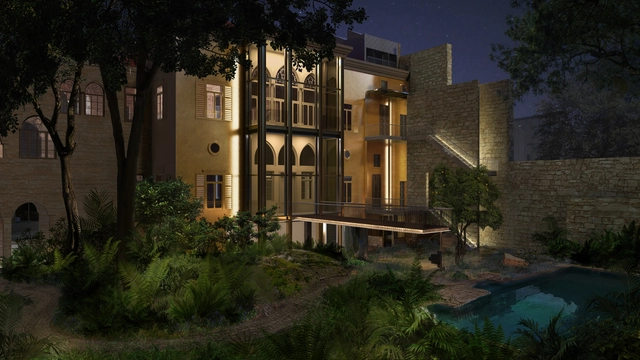
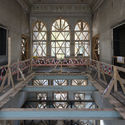
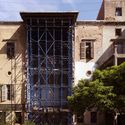
AKK Architects, an architecture practice founded by architect Annabel Karim Kassar, with offices in Beirut, Dubai, and London, is transforming a historical 19th-century Lebanese home into a contemporary family home. Bayt K was shortlisted for the WAF future projects awards under House category.
Designing a home will always be the true challenge for an architect. With these projects, the architect needs to fulfill the user's wishes, while simultaneously reinvent new ways of living the day-to-day. Therefore, it is no surprise that residential works are the most popular project category on ArchDaily.
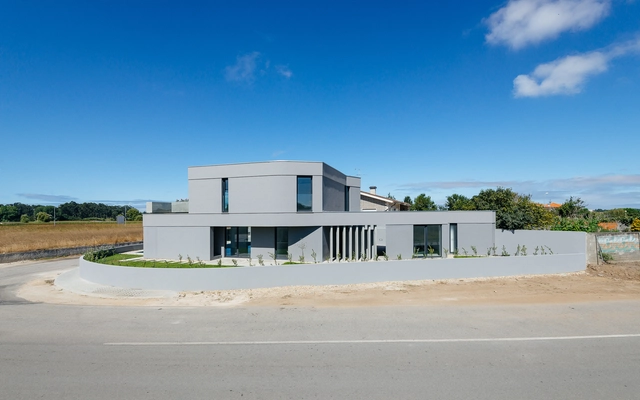
We've recently passed the halfway point of 2019, and already, we've published more than 1,000 houses, offering projects with a variety of scales, contexts, and typologies. An immense diversity of possibilities that showcase the creativity of architects and serve as a great source of inspiration for those seeking references for their own residential project.
In the list below, you'll find the houses that arouse the most interest in our audience. Check out the 50 most popular homes of 2019 (so far).
https://www.archdaily.com/921425/the-50-best-houses-of-2019-so-farArchDaily Team
Registration: Sep 30, 2019 Submission: Oct 1, 2019 Language: English Location: Worldwide/Concept Prizes: Cash Prize 1st for $500, 2nd for $300, 3rd for $200 Type: Open/Awards/International
“An idea is salvation by imagination.” - Frank Lloyd Wright, Architect.
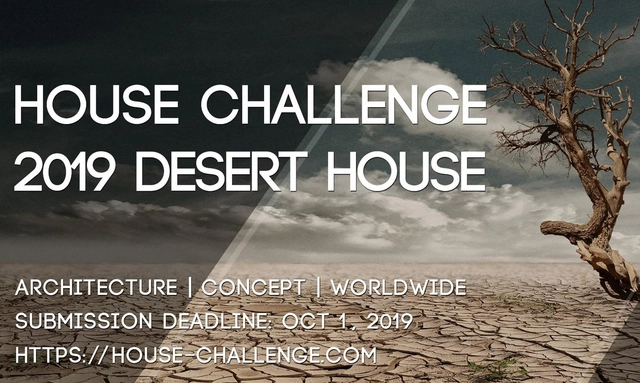
HOUSE CHALLENGE is pleased to announce its annual international design competition: House Challenge 2019 - Desert House. The competition is designed to challenge and seek the creation of a temporary dwelling with ideas and concepts in architectural design, landscape design and site planning. The aim of this competition is to promote our ideas of exploring the possibilities for living in harsh environments, as well as simultaneously raising awareness of the environmental sustainability.
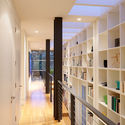
We are accustomed to seeing photographs in which architecture is recorded without any occupants, or perhaps captured only with models who give scale to the spaces shown. However, in recent years architectural photographers have increasingly decided to humanize the houses they document, presenting not only their architecture, but also those who inhabit these buildings. In this week's best photos, we present a selection of 15 houses captured by renowned photographers such as Luc Roymans, Adrien Williams and Fernando Schapochnik.
reTH!NKING team is delighted to introduce the new competition Sahara Eco House, The competition consists of the realization of a project that provides a new concept of housing in the existing environment based on the concepts of use of passive techniques that will provide a home with comfort and sufficient architectural quality.
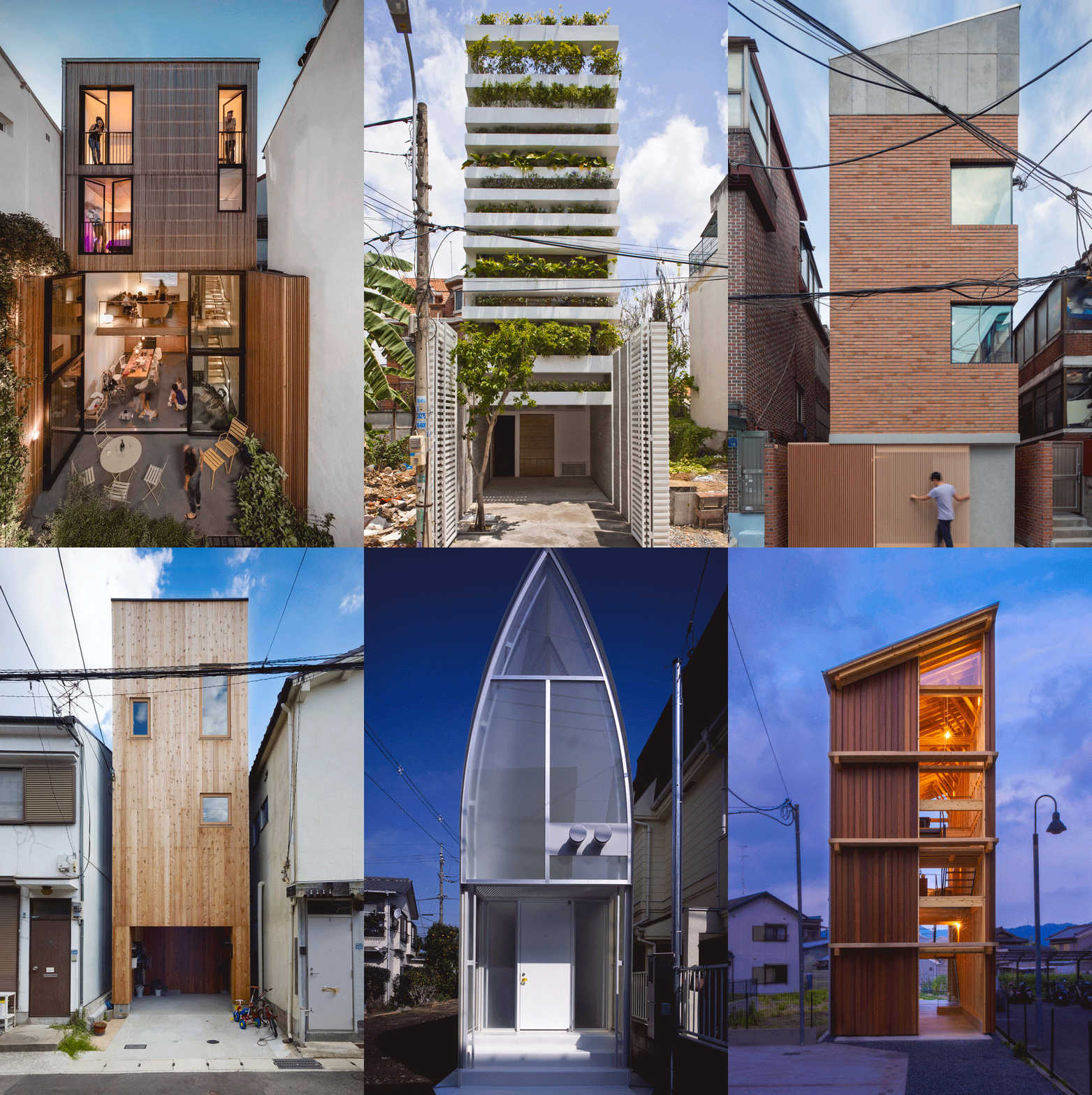
Skinny houses have a wider appeal than their footprint would suggest. With cities becoming denser, and land becoming rare and expensive, architects are increasingly challenged to design in urban infill spaces previously overlooked. Although designing within these unusual parameters can be difficult, they often require an individual, sensitive response, which can often lead to innovative, playful, even inspiring results. With that in mind, here are 22 houses with a narrow footprint, and a broad impact.
“Less is only more where more is no good.” — Frank Lloyd Wright, American architect.
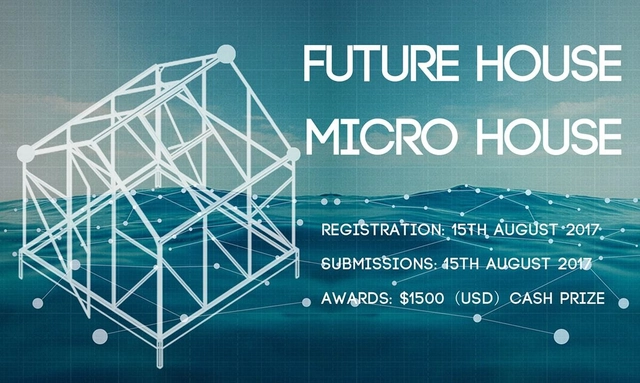
Not everyone aspires to live in a big house — some aspire to do quite the opposite. With a new generation entering the workforce with higher debts and lower wage expectations and another generation retiring on limited incomes with little savings, many people are seeking alternative living arrangements beyond the basements of family members. Micro houses are becoming a new national infatuation as housing costs continue to rise and people scramble to find more affordable housing. Popular shows on cable television also extol the virtues of living in a limited space.
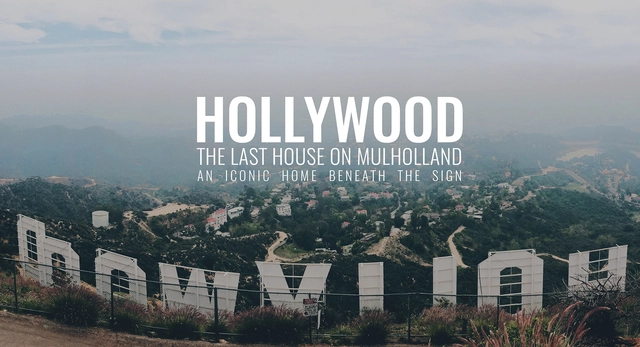
Arch Out Loud is partnering with Last House on Mulholland to host the HOLLYWOOD design competition. The competition asks participants to design a house of the future which demonstrates the use of innovative technology, integrative environmental strategies and capitalizes on the iconic prominence of its site beneath the famed Hollywood sign. The competition serves as a design charette generating ideas about the potential for what the site could become and how it can inspire the future of residential design.



















.jpg?1385468457 "© Marcelo Donadussi")