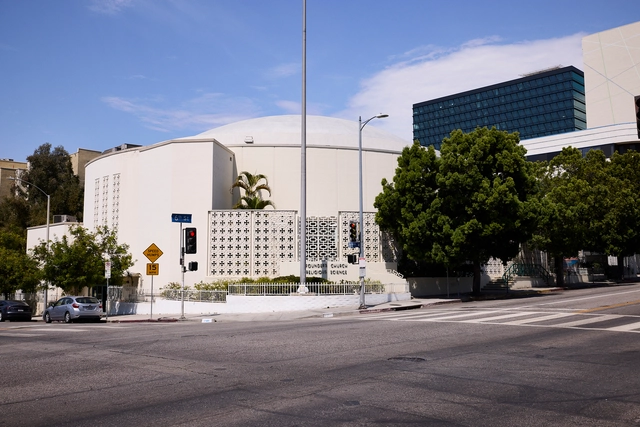
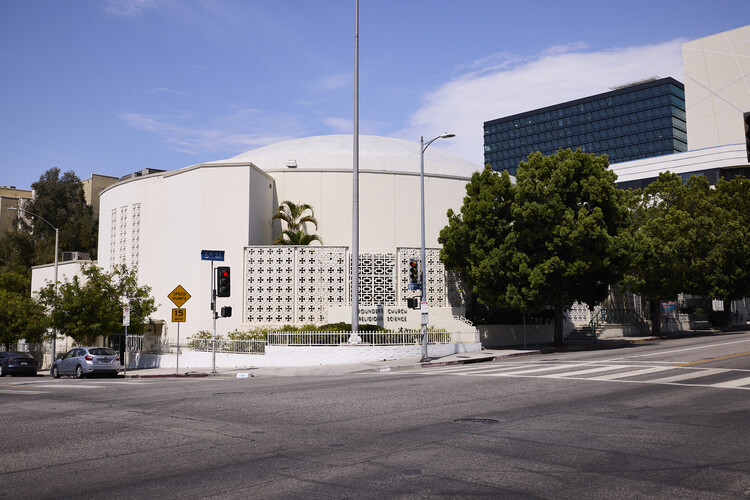
The Getty Foundation's Conserving Black Modernism initiative was launched in 2022 as a grant program to preserve and ensure the legacy of African American architects within the Modernist movement across the United States. In partnership with the National Trust for Historic Preservation's African American Cultural Heritage Action Fund, it supports conservation efforts, training, and educational initiatives to address the historical oversight of significant architectural landmarks and their designers' contribution. For its third funding cycle in 2025, five new buildings will receive critical support, expanding the initiative's reach into new communities with the first projects in Chicago and the Pacific Northwest.
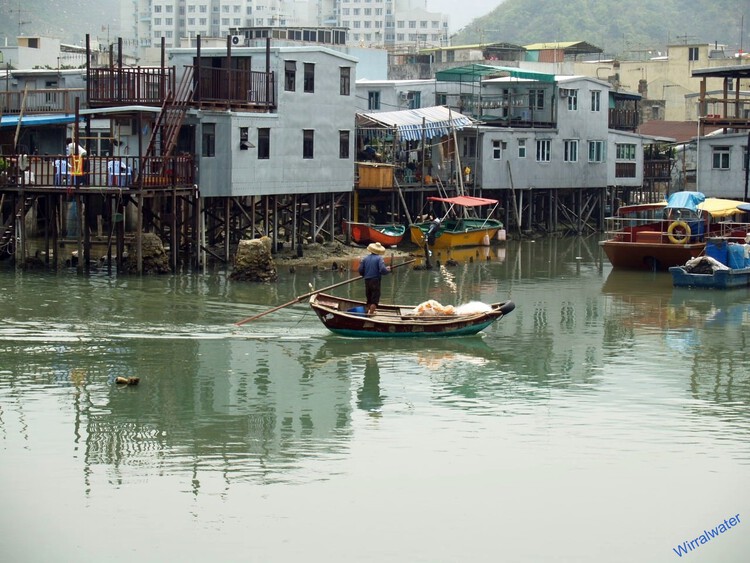
While Hong Kong is widely celebrated for its iconic harbor view, glittering skyline, and fast-paced urban lifestyle, its origins tell a different story—one deeply rooted in its relationship with water. Before transforming into a dense, vertical metropolis, Hong Kong's architectural identity was closely tied to its maritime context. Today, the city is often associated with slender, glass-clad towers that symbolize modernity. While visually striking in their pursuit of height and form, many of these buildings appear disconnected from their immediate environment, often overlooking natural site conditions, ecological responsiveness, and contextual sensitivity.
Historically, however, this was not the case. Hong Kong's earliest built environments—rural fishing villages in areas like Tai O, Aberdeen, and Shau Kei Wan—emerged through organic, community-driven spatial practices that engaged closely with their surroundings. These coastal and riverside settlements developed architectural systems tailored to the marine environment and to the rhythms of fishing life. Villages were sited around water, and construction strategies were adapted to fluctuating tides, terrain, and social use.
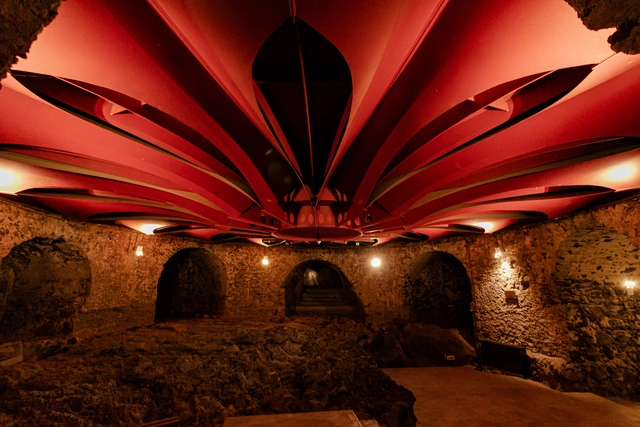
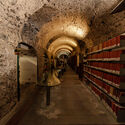
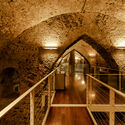
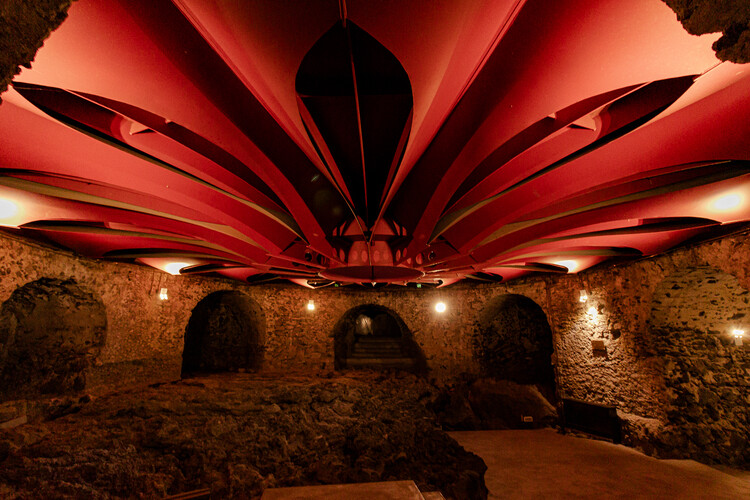
The Benedictine Monastery of San Nicolò l’Arena in Catania, Sicily, holds within its stones the echoes of five centuries, shaped by time, varied uses, violent earthquakes, and the blazing force of Mount Etna. Its walls, silent witnesses to history, were molded both by the fire of nature and by human hands. Yet among all the transformations it underwent, none was as profound or poetic as the one led by Italian architect Giancarlo De Carlo, starting in 1980. After 30 years of dedicated work, time required to truly understand such a complex and awe-inspiring site, the former monastic residence was reborn as a university, not by force, but through revelation.
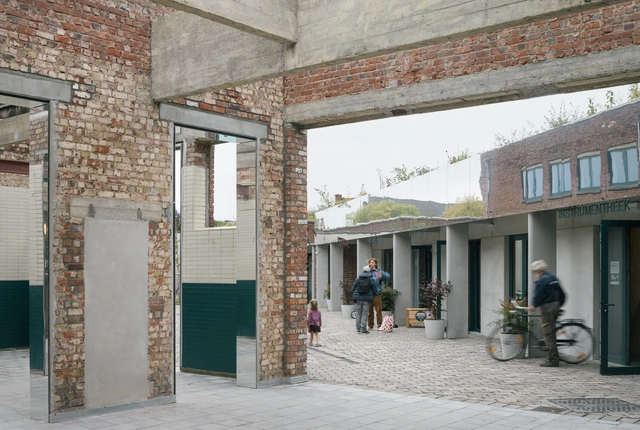
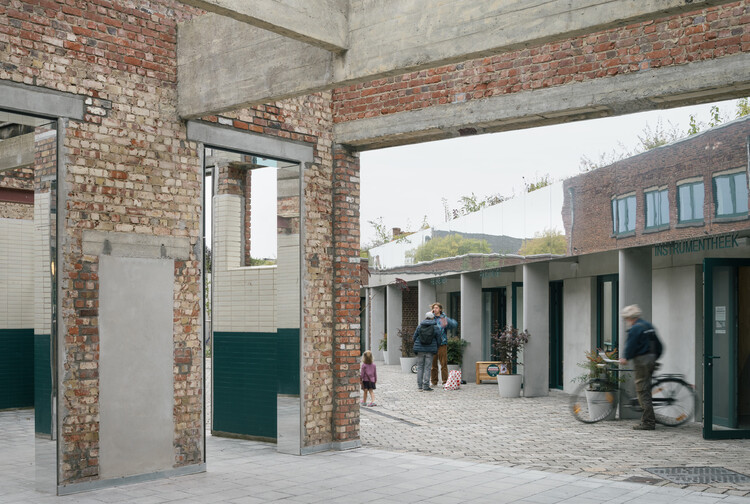
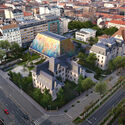
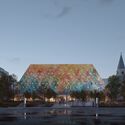
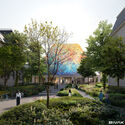
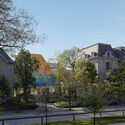
The European AHI Award recognizes architectural heritage interventions across Europe, highlighting their role as a forward-looking model for 21st-century architecture with tangible social, environmental, and economic benefits. In its seventh edition, the award honored six projects, four first prizes and two special mentions, during a ceremony held in early June at the Paranimf Ceremonial Hall of the Escola Industrial in Barcelona. A total of 238 projects from architecture studios in 24 European countries were submitted. The selected winners are located in Antwerp, Kortrijk, Olot, Ancient Corinth, and Milan.
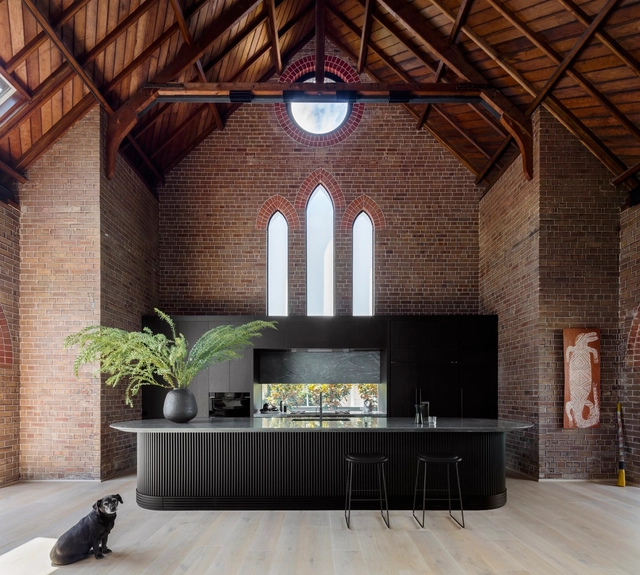
What does a change in use and/or scale in buildings imply? How can a church or chapel be transformed into a home? While the architecture of many contemporary sacred spaces shows a remarkable capacity for adaptation and evolution, the creative boundaries of many professionals extend beyond their conception as structures of spirituality or worship. Globally, the conversion of large churches and small chapels into private residences reveals a wide field for intervention and exploration, one that can preserve, restore, adapt, and/or renew the character of spaces originally conceived for other uses and scales, which for various reasons have been abandoned, become obsolete, or now require transformation.
The residential project Villa San Luis, originally named Villa Compañero Ministro Carlos Cortés, was built between 1971 and 1972 on land that today lies in one of the highest-income areas of Santiago, Chile. Initially designed as an urban center for 60,000 middle-income residents, with staggered buildings and a civic center covering 3.4 of its 50 hectares, the project was redefined in the 1970s to accommodate the unhoused population in the eastern sector of the Chilean capital. The process was not without conflict. During the dictatorship, the new residents of the complex were evicted, and the land was acquired by the military. From then on, the complex entered a process of reappropriation and resignification that now appears to be reaching a new milestone: the conversion of one of its buildings into a memorial site and museum, through a project by UMWELT and Plan Común.
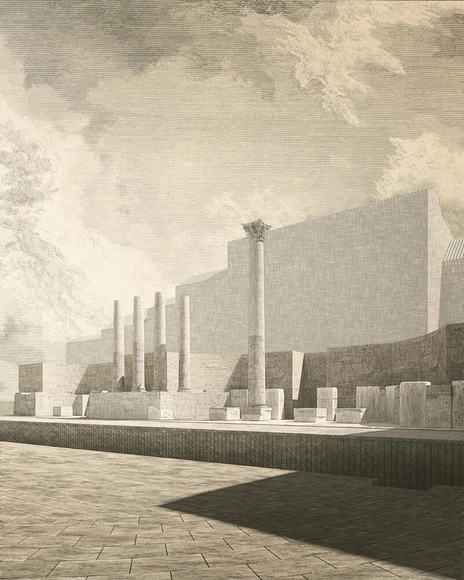
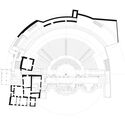
Scaenae view render. Image Courtesy of David Chipperfield Architects
The preliminary design for the architectural restoration and functional redevelopment of the Roman Theatre was presented on Tuesday, April 8, 2025, at the Auditorium of the Santa Giulia Museum in Brescia. The project was developed by the Milan office of David Chipperfield Architects, commissioned by the Fondazione Brescia Musei in collaboration with the Municipality of Brescia and the Brescia Chamber of Commerce, Industry, Handicraft, and Agriculture. Chipperfield was tasked with identifying the essential architectural elements to guide future design phases, leading to the drafting of the Technical-Economic Feasibility Project (PFTE) and the final project, including the necessary authorizations. This initiative is financially supported by the Italian Chamber of Commerce under a 2019 ministerial decree prioritizing cultural heritage, especially where it enhances tourism.
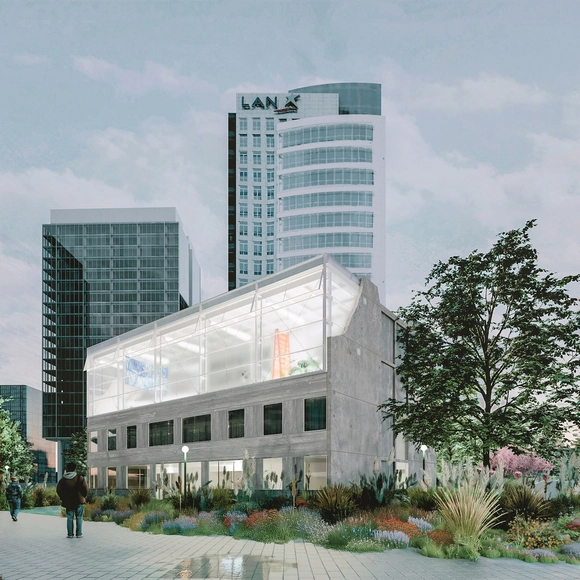
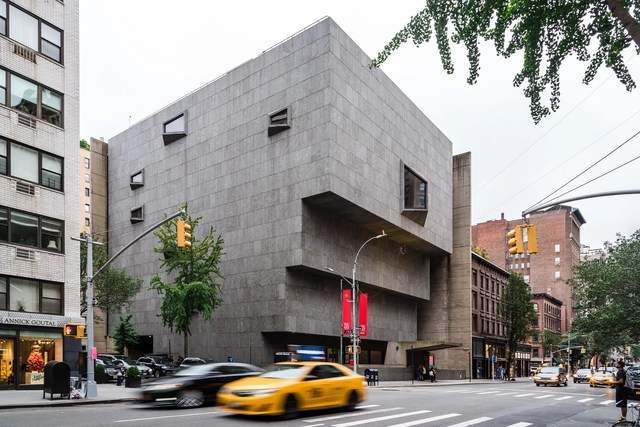
The twentieth century marked a definitive shift in the realm of architecture, as the Modernist movement broke from traditional building styles and encouraged experimentation and innovation. With the help of new materials and technologies, these times represent a crucial moment in the history of architecture as both cities and building styles evolved at an unprecedented rate. The structures that stand testament to this day are, however, nearing the age of a hundred years old. Their stark design features are not always embraced by the public, while the functionalist principles often hinder the adaptability of their interior spaces. Given that they also often occupy central positions within the city, there is increasing pressure to demolish these structures and redevelop the area in its entirety.
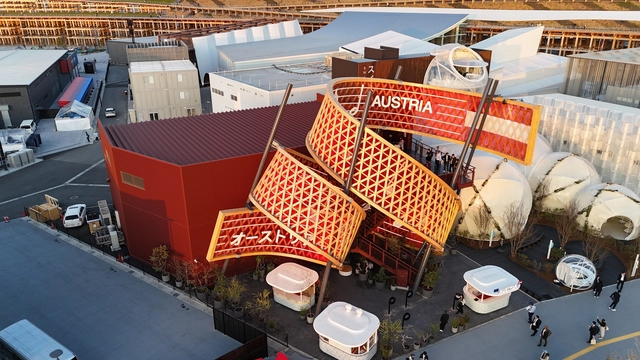
Austrian Pavilion at Expo Osaka 2025. Image Courtesy of Expo Austria
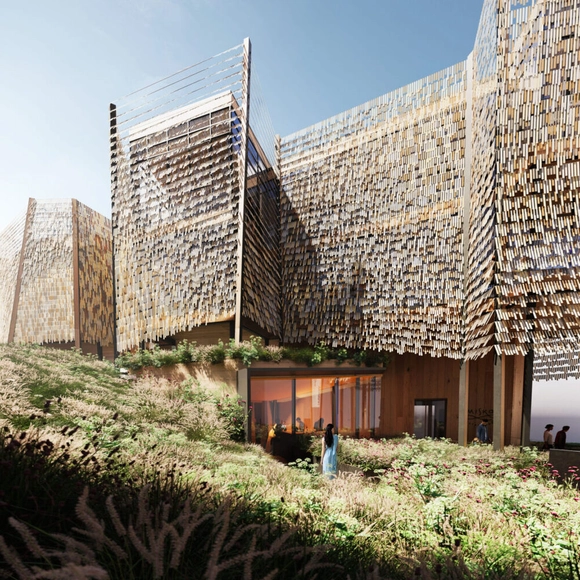
BWM Designers & Architects has just completed the design for the Austrian Pavilion at Expo Osaka 2025. Titled "Austria. Composing the Future," the pavilion reimagines the expo's theme, "Designing Future Society for Our Lives," through a music lens, suggesting a future that is not only designed but also composed. In collaboration with facts and fiction, the pavilion and exhibition embark on a journey through Austria's musical heritage and witness its transition into the future. The 900 square meters pavilion is located between the pavilions of Switzerland and Ukraine in the section "Empowering Lives."
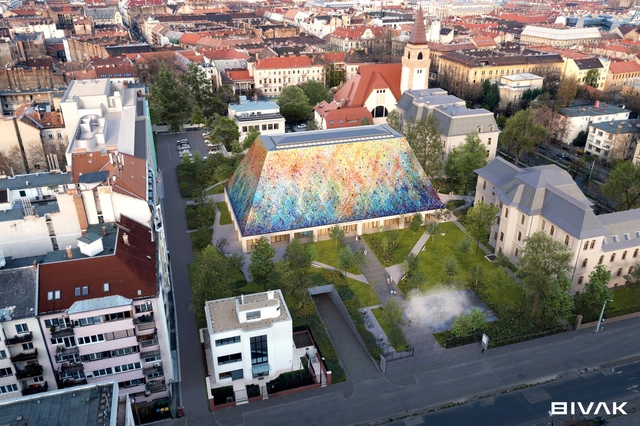
Hungarian Architecture Center and Museum Design. Image Courtesy of BIVAK Studio
The Hungarian Architecture Center and Museum, designed by BIVAK Studio in collaboration with Tér és Forma Szeged Építéstervező Ltd., has received its building permit, paving the way for construction to begin. Located at the corner of Városligeti Fasor and Bajza Street in Budapest, Hungary, the project aims to establish a cultural and professional hub within an urban context. The proposal was selected as the winning entry in an international two-round open design competition, organized by the Hungarian Academy of Arts, held in December 2023.
The use of technology has become vital in the documentation and conservation of heritage, especially in difficult or urgent circumstances. After many landmarks of the historic city of Palmyra were destroyed during Syria's war in 2015, conservators built three-dimensional digital models of the destroyed city to aid its future reconstruction. The destruction of the Buddhas of Bamiyan in Afghanistan in 2001 with very little prior documentation prompted action in the documentation of vulnerable monuments, such as the establishment of CyArk. More recently, detailed digital surveys and a heritage BIM model were essential in the restoration of Notre-Dame Cathedral in Paris after it was devastated by fire in 2019.
The Hungarian Pavilion at Expo 2025 in Osaka is designed to reflect the event's central theme, "Designing Future Society for Our Lives." It explores the relationship between humans and nature, emphasizing cultural heritage and sustainability through its architecture and exhibition. The pavilion will offer an immersive experience centered around music, heritage, and the connection between people and their environment.
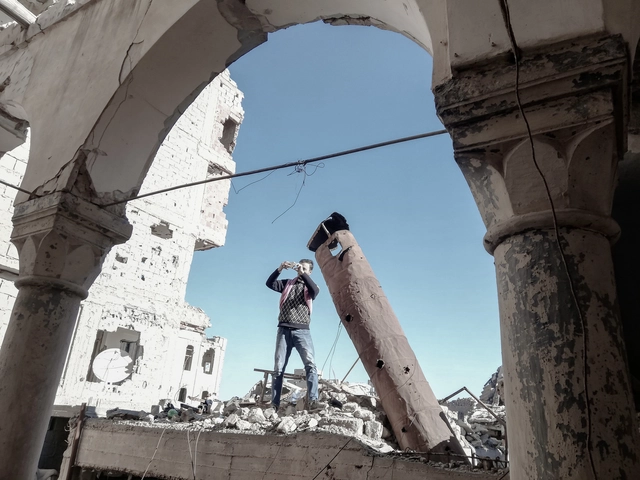
Deir Ez-Zor Heritage Library team on site. Image Courtesy of Deir Ez-Zor Heritage Library
It is common for states to have legislation and institutions that protect their built heritage. It is also common for there to be gaps in the laws themselves or their implementation while certain circumstances may place a country's heritage under specific vulnerabilities. Thus, alongside state institutions, there are locally based architects and researchers establishing independent initiatives to document and conserve aspects of their built heritage. Syria is one example of a place with an extensive history of monuments and buildings of interest as well as active groups of independent conservators.
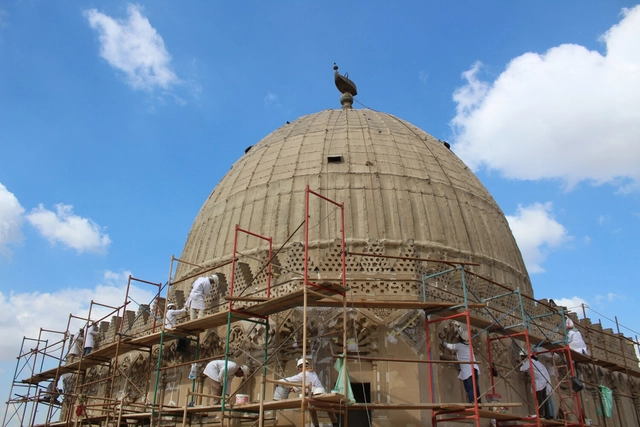
Al-Imam Al-Shafi'i. Image Courtesy of Megawra - Built Environment Collective
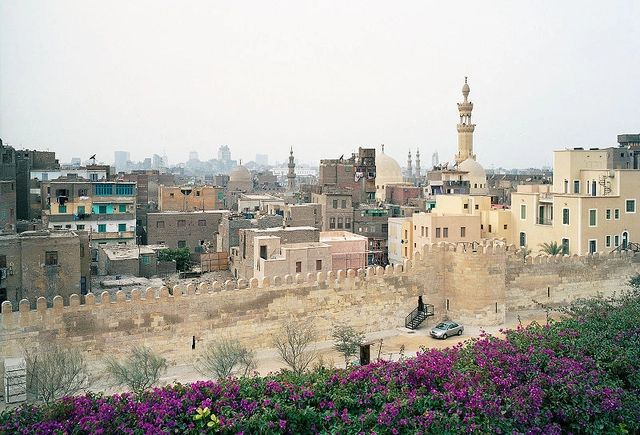
Cairo, often called the "City of a Thousand Minarets," boasts one of the richest cultural and architectural tapestries in the world. Its heritage reflects centuries of diverse influences from Pharaonic monuments to Islamic and Mamluk architecture. However, preserving this legacy is an ongoing challenge in the face of urban pressures, climate change, and socio-economic dynamics. Heritage conservation in Cairo is not just about safeguarding these structures; it's about integrating them into the lives of local communities, ensuring they remain dynamic and accessible spaces.
At the forefront of this mission is Dr. May al-Ibrashy, an architect and conservationist whose innovative and community-driven approach has redefined how heritage is preserved. As the founder of Megawra–Built Environment Collective, she has worked tirelessly in neighborhoods like Al-Khalifa, Al-Hattaba, and Sayyida Zeinab to restore historic monuments while creating vibrant public spaces. Her work bridges the gap between architectural preservation and urban regeneration, ensuring that these historic districts serve both as cultural landmarks and as living, functional spaces for their residents.
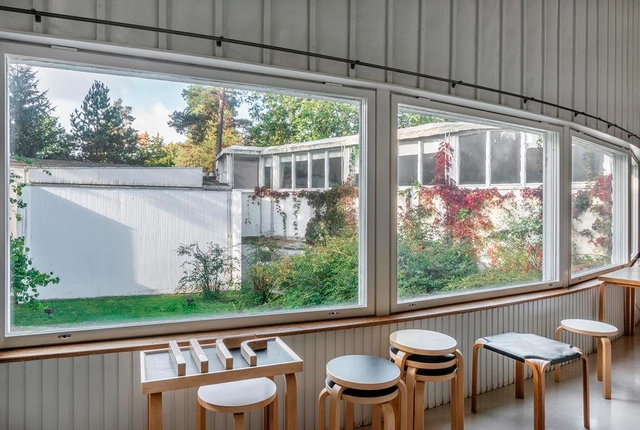
Studio Aalto and its garden area have just been officially granted protection by the Uusimaa Centre for Economic Development, Transport, and the Environment. Originally constructed in 1955 as an architect's office, with an extension in 1962-63, it holds major significance as the workspace where Alvar Aalto's acclaimed architecture was conceived. Additionally, the Studio reflects the architectural-office design ethos of the 1950s and 60s. Its interiors, including layers of furniture accumulated over decades, remain intact and are integral to the site's protected status, marking it as the first Aalto location in Finland to be listed in this way.
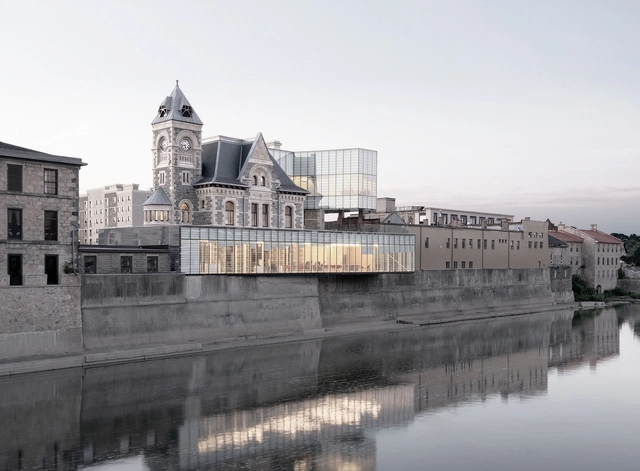
In this context, the adoption of 19th-century Gothic Revival styles and Classical Revival styles of the early 20th century became popular. Today, many of those buildings remain as prominent landmarks across the country and have become integral parts of the urban landscapes. This curated collection explores how Canadians are integrating traditional elements with modern materials like glass and steel. These efforts preserve the historical significance of the buildings while adapting them to meet the functional demands of modern life.