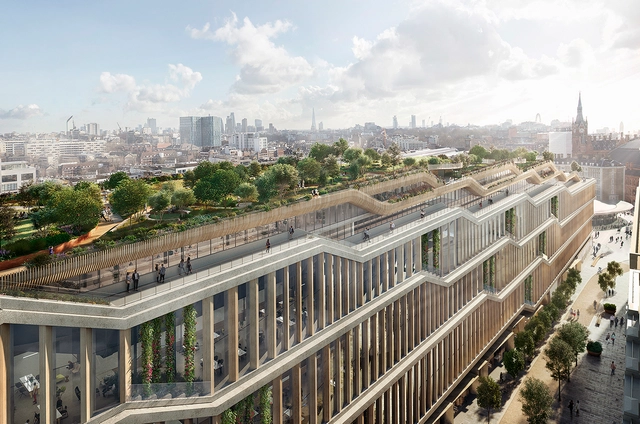
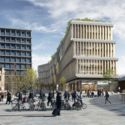
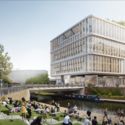
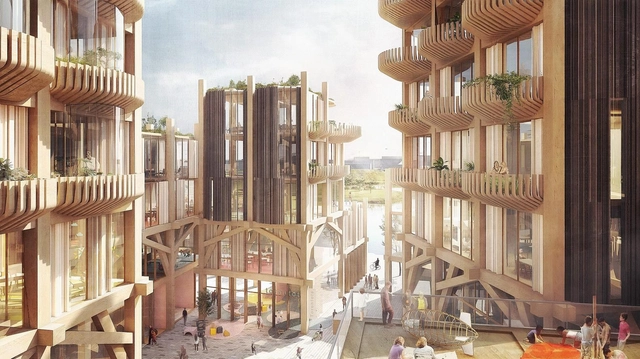
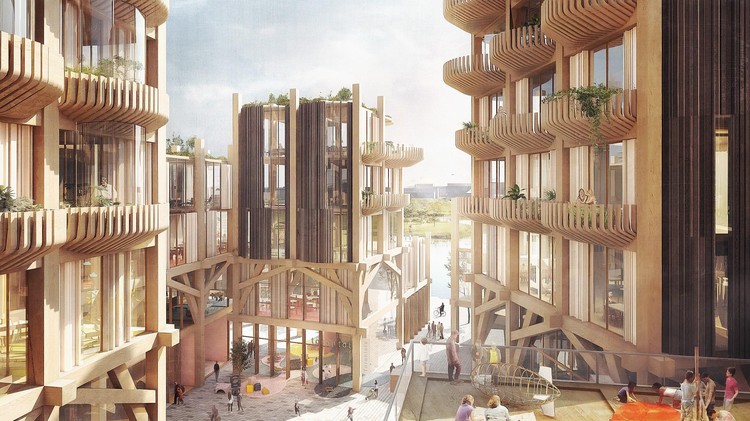
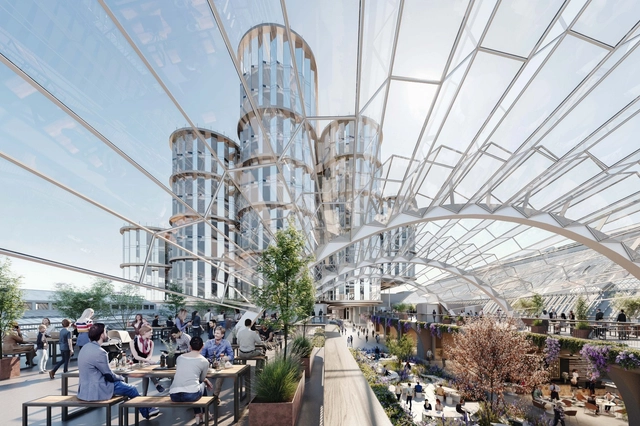
Sidewalk Labs has released new renderings from Snøhetta and Heatherwick Studio of the Quayside neighborhood development in Toronto. After announcing plans to create a model smart city, Sidewalk Labs has been working to pioneer a new approach to future urban developments. Plans for Quayside were first revealed last summer, designed to be interconnected smart neighborhood for the city. The latest renderings were released with further documents outlining how the company plans to pay for the ground-up development.
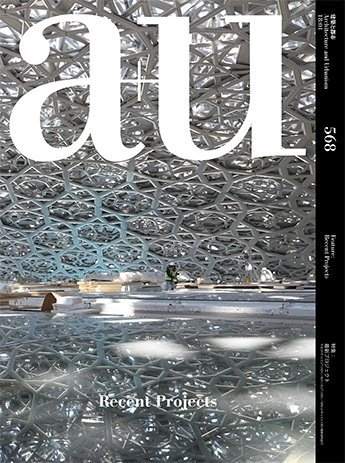
This edition of a+u introduces the 23 recent works of architecture and technology that emerged from their relationship with the urban structure or the development history. In this issue, we focus our attention on the process of conceiving and realizing the projects driven by various motivations and tactics. We invite readers to look beyond the confinement of a single building and examine the works on their possibilities to be in use for a long time.
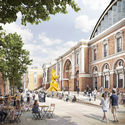
Olympia London. Image Courtesy of Heatherwick Studio
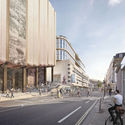
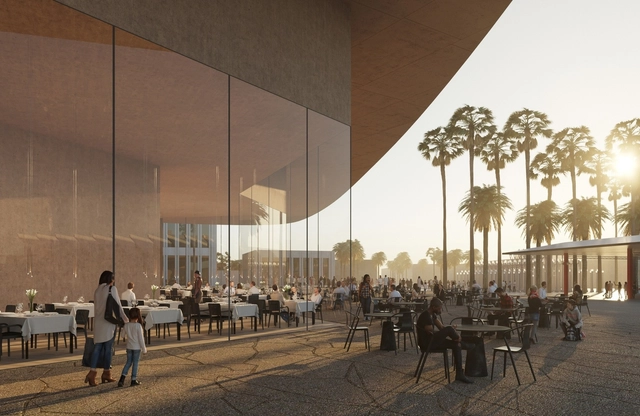
Heatherwick Studio has received planning approval to transform Olympia London, a 150-year old exhibition and event space in West Kensington. Working with SPPARC, the project will transform the 14-acre site into restaurants, hotels, performance venues and office space, as well as create 2.5 acres of new public space. The proposal aims to turn Olympia London into a world-class cultural hub in West London.
The idea for the vessel came from feeling that we shouldn’t just make a sculpture or a monument – it felt to us that rather than building a sculpture, it would be great if something was creating more public space.
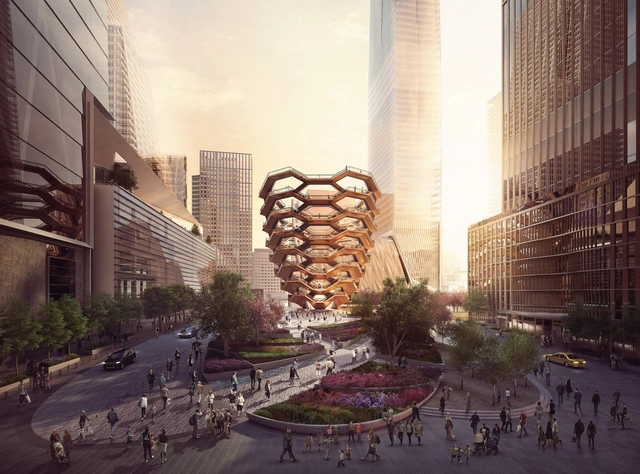
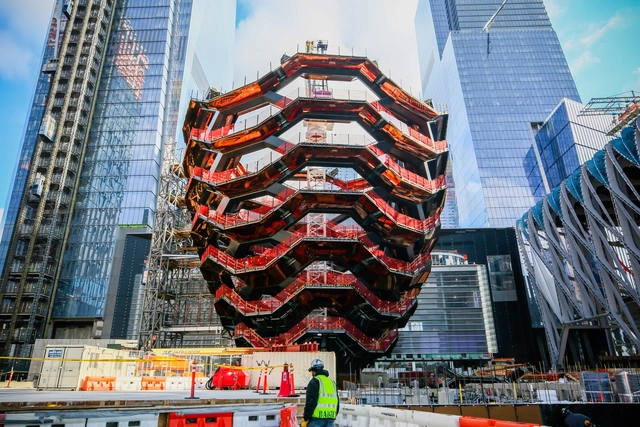
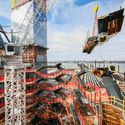
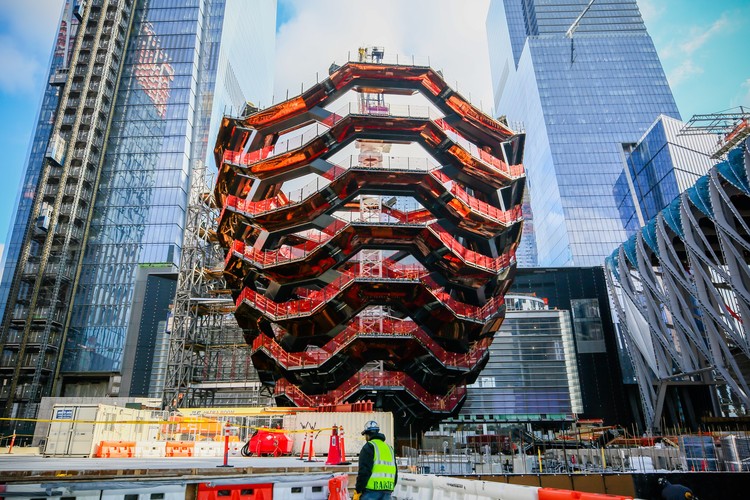
Heatherwick Studio’s glimmering staircase monument, ‘Vessel,’ has topped out after eight months of construction at New York City’s Hudson Yards development. Consisting of 154 flights of stairs, 2,500 individual steps and 80 landings, the sculptural public space has now reached its full height of 150 feet, which will allow it to offer sweeping views of Manhattan’s west side when it opens in early 2019.
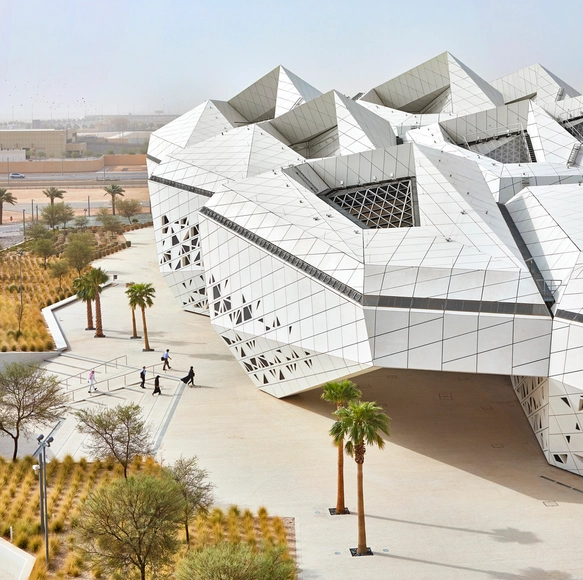
New technological developments in construction have given architects great freedom when designing. Innovations in construction materials and their properties allow for the creation of increasingly original and surprising facades. The buildings constructed as a result can even inspire people to travel thousands of kilometers just to see these masterpieces. This week, we present 15 of most ground-breaking facades through photos by prominent photographers such as Paul Ott, Peter Bennetts and Laurian Ghinitoiu.
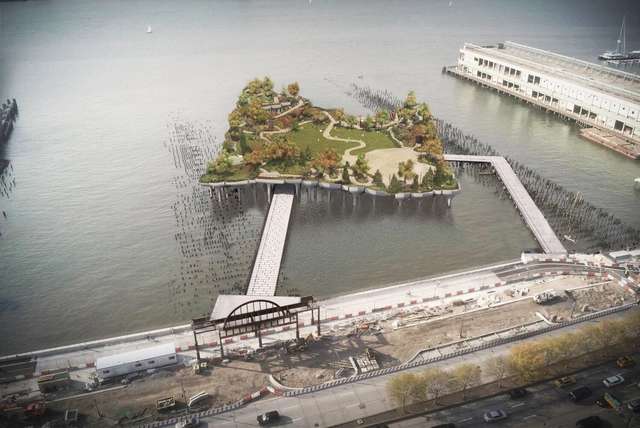
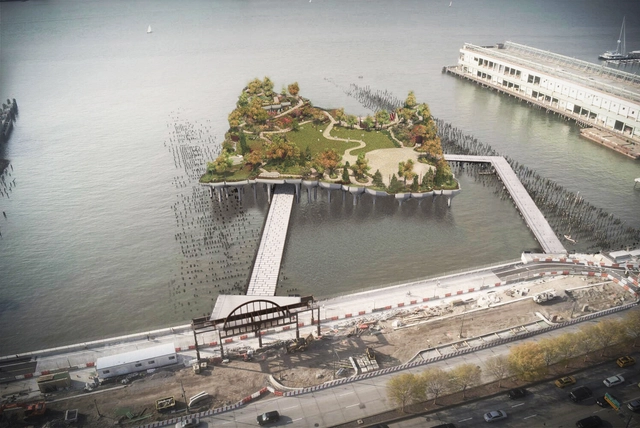
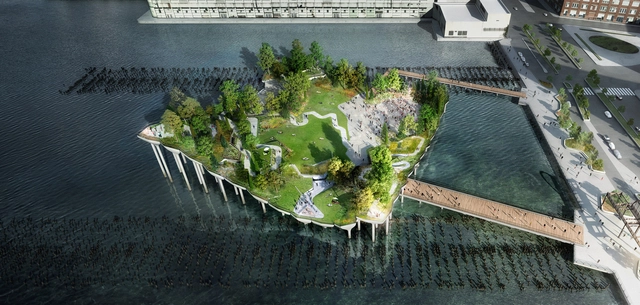
Just one month after the Thomas Heatherwick-designed Pier 55 project in New York City was declared dead in the water, opposing parties seem to have come to an agreement that will allow the project to continue, thanks to the intervention of New York State Governor Andrew Cuomo.
Two large-scale US cultural projects have, this week, announced major updates relating to the renovation of existing buildings – and both involve, to a greater and lesser extent, American business magnate, media mogul, and philanthropist David Geffen.
Primary backer Barry Diller, chairman of IAC/InterActive Corporation, announced the decision yesterday, citing ballooning costs and gear-halting legal worries. Initially estimated in 2011 to cost $35 million, the project had reached a $250 million price tag due to the complexity of the design and unforeseen environmental and legal concerns.
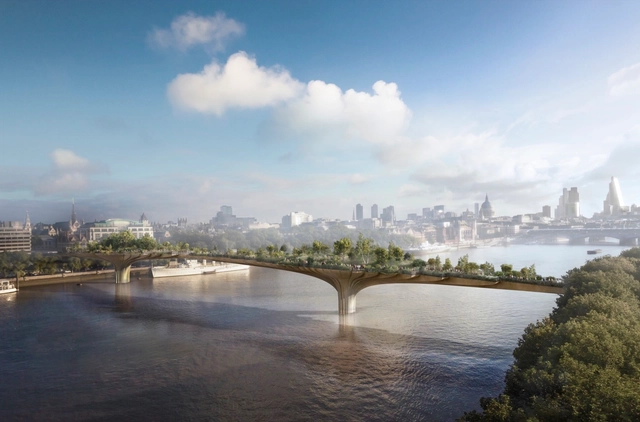
The saga of London’s controversial Thames Garden Bridge project has finally come to end, as the Garden Bridge Trust has announced the official “closure of the project” after losing the support of the public and London Mayor Sadiq Khan.
"It is with great regret that Trustees have concluded that without Mayoral support the project cannot be delivered,” said Lord Mervyn Davies, Chairman of the Garden Bridge Trust in a statement released today.
“We are incredibly sad that we have not been able to make the dream of the Garden Bridge a reality and that the Mayor does not feel able to continue with the support he initially gave us.”
The 300,000-square-meter development is located 20 minutes from downtown Shanghai next to the M50 arts district, taking the form of two “tree-covered mountains.” As the name suggests, the design will feature concrete structural columns that widen at the top to create large planters for 1000 trees. The video captures the building in its half-completed status, showing how it will interacts with its surroundings and the adjacent Wusong (Suzhou) River.
In #donotsettle’s latest video, architects and vlogging provocateurs Wahyu Pratomo and Kris Provoost provide breathtaking footage of one of Shanghai’s most curious projects, M50. The 300,000-square-meter Heatherwick Studio building is an undulating mass of mixed use urban topography.
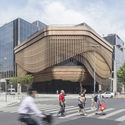
Located in central Shanghai, this multifunctional arts and culture complex is part of the Bund Finance Centre – a joint project between London-based practices Heatherwick Studio and Foster+Partners. Sitting between the old town and the new financial district, this new space combines exhibition and events spaces with a performance venue inspired, according to the architects, "by the open stages of traditional Chinese theatres." Of most visual interest is the building's mechanical "moving veil," captured here by photographer Laurian Ghinitoiu.
Google has submitted the design for its new London office to Camden Council for planning approval. Designed by BIG and Heatherwick Studio, the 11-story "groundscraper" design will be located in King's Cross, and will combine with their existing office at 6 Pancras Square and a third, forthcoming building to create a campus for up to 7,000 Google employees.
Construction has officially begun on Vessel, the 15-story tall staircase sculpture designed by Heatherwick Studio that will serve as the centerpiece of New York’s massive new Hudson Yards development. To build the structure, 75 individual units are being prefabricated by Cimolai S.p.A. in their Monfalcone, Italy facility, then shipped to New York where they will be assembled on site. These first 10 of these pieces have now completed their 15-day overseas journey, with the remaining pieces scheduled to arrive on-site and put into place over the coming year.
A simultaneous celebration of their cultural iconicity and distillation from their various contexts, Beautified China is a photographic essay by Kris Provoost (one-half of the vlogging duo behind #donotsettle) that tracks the evolution of Chinese architectural landmarks over the course of the past 7 years. Beginning his investigation with the 2010 World Expo in Shanghai, Provoost considers a decade of architecture proposed for China by the profession’s biggest names, many of which have been built now with monumental reputations in rising cities.
The 150-foot-tall steel structure has been compared to a bedbug, a beehive, and a döner kebab. Its base is 50 feet wide and its upper span measures 150 feet. Image Courtesy of Forbes Massie-Heatherwick Studio
When Thomas Heatherwick—the nimble London-based designer known for work that defies easy categorization—unveiled his design for a new public landmark called Vessel at Hudson Yards to a crowd of reporters and New York City power players in September, questions abounded. What is it? What will it do to the neighborhood? And what does it say that Stephen Ross, the president and CEO of Related Companies, the primary developer of Hudson Yards, is financing the entire $250 million piece by himself?
It’s natural that Ross chose Heatherwick Studio to design his centerpiece, because the office’s creations stun. For the UK Pavilion at the 2010 Shanghai Expo, it extruded 60,000 clear acrylic tubes from a center space to create a fuzzy, crystalline object whose apparent fragility is as mesmerizing as it is clever. As the studio moves toward ever-larger and ever-more-public commissions, the people who will live with its work will need to seriously consider what it will mean for their neighborhoods and cities.
Construction on Heatherwick Studio’s undulating Pier 55 in New York has come to a screeching halt, following a ruling by a United States District Court judge last week that will require the project to undergo an intense wildlife impact review.
Last April, the U.S. Army Corps of Engineers gave the project, located on the Hudson River in West Chelsea, the go-ahead, allowing initial construction to begin. But the district judge found that the Army Corps of Engineers had failed to properly consider the wide effects of the projects on the river wildlife.
https://www.archdaily.com/867951/construction-halted-on-heatherwicks-pier-55-in-new-yorkAD Editorial Team










.jpg?1496649420 "© Laurian Ghinitoiu")
.jpg?1496649355 "© Laurian Ghinitoiu")
.jpg?1496649434 "© Laurian Ghinitoiu")
.jpg?1496649213 "© Laurian Ghinitoiu")
.jpg?1496649193)