1. ArchDaily
  2. Flexible Housing

Flexible Housing: The Latest Architecture and News

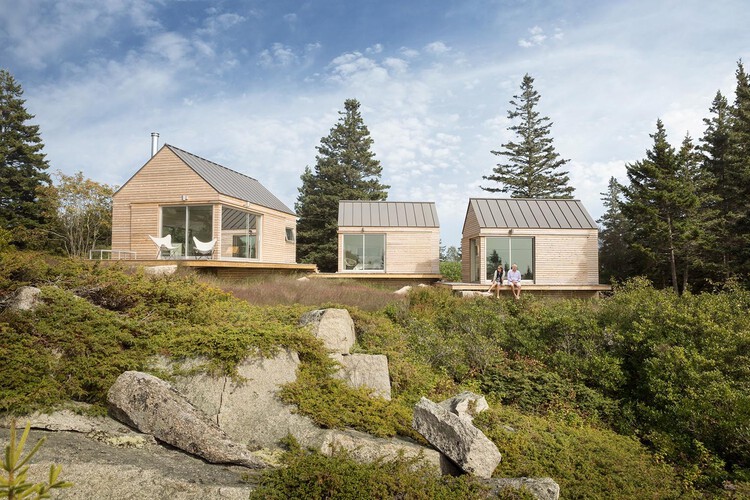
Guesthouses and Lessons in Generosity: Spaces of Hospitality in Rural America

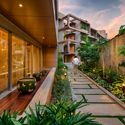
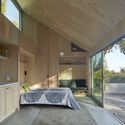
Spaces of hospitality are a mirror to how different cultures articulate generosity, care, belonging, and identity. In busy city settings, this is reflected in hotels, service systems, and curated amenities that directly shape the visitor experience. These spaces translate care into measurable forms, where success is correlated with efficiency, luxury, and brand identity.

In rural America, hospitality operates with a different logic. In these environments, care is grounded in labor and community, while directly responding to the specific ecological and cultural geographies. Distance, limited infrastructure, and close social networks demand forms of architecture that are flexible and self-sufficient. Designs respond to shifting weather, local materials, and a culture where support often begins with neighbors. In this landscape, architectural thresholds of hospitality emerge in responsive, yet unexpected, ways.

Guesthouses and Lessons in Generosity: Spaces of Hospitality in Rural America - Image 1 of 4Guesthouses and Lessons in Generosity: Spaces of Hospitality in Rural America - Image 3 of 4Guesthouses and Lessons in Generosity: Spaces of Hospitality in Rural America - Image 2 of 4Guesthouses and Lessons in Generosity: Spaces of Hospitality in Rural America - Image 4 of 4Guesthouses and Lessons in Generosity: Spaces of Hospitality in Rural America - More Images+ 39

Redefining Urban Domesticity: How SO-IL Transforms the Concept of Home

Subscriber Access | 

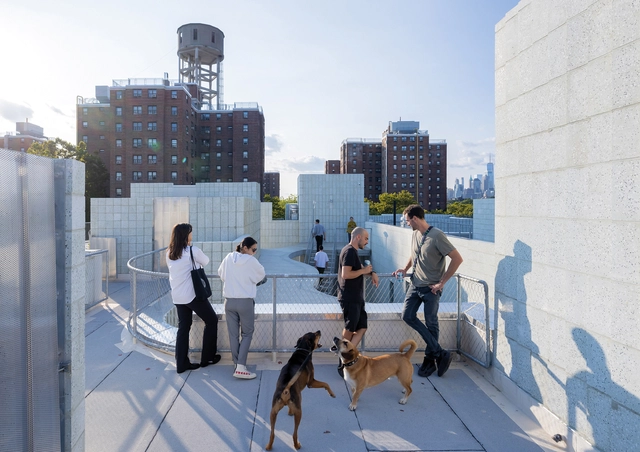
SO-IL (Solid Objectives – Idenburg Liu) is an architectural design firm based in Brooklyn, New York, founded in 2008 by Florian Idenburg and Jing Liu. Known for an architecture deeply engaged with social, cultural, and environmental contexts, the studio focuses on exploring innovative materials, creating fluid spatial experiences, and prioritizing ecological sustainability. SO-IL's work spans various scales and program types, reflecting their versatile approach to design. In 2024, their housing project 450 Warren in Brooklyn was selected as ArchDaily's Building of the Year by the audience in the housing category.

In their latest book, In Depth: Urban Domesticities Today, SO-IL explores the evolving concept of home in contemporary urban contexts, transforming it "from a source of vulnerability into a tool for empowerment." The book redefines domesticity as an active and shared experience and examines how architects can address pressing urban challenges such as affordability, density, and sustainability. SO-IL's work advocates for flexible, resilient housing that fosters community while integrating ecological and social dimensions. ArchDaily spoke with the architects about the innovative solutions and ideas presented in the book, delving into how their projects challenge conventional systems and envision a future where architecture is a tool for empowerment.

Redefining Urban Domesticity: How SO-IL Transforms the Concept of Home - Image 1 of 4Redefining Urban Domesticity: How SO-IL Transforms the Concept of Home - Image 2 of 4Redefining Urban Domesticity: How SO-IL Transforms the Concept of Home - Image 3 of 4Redefining Urban Domesticity: How SO-IL Transforms the Concept of Home - Image 4 of 4Redefining Urban Domesticity: How SO-IL Transforms the Concept of Home - More Images+ 13

How Textiles Shaped Architecture: Prehistoric Structures for Modern Buildings

Subscriber Access | 

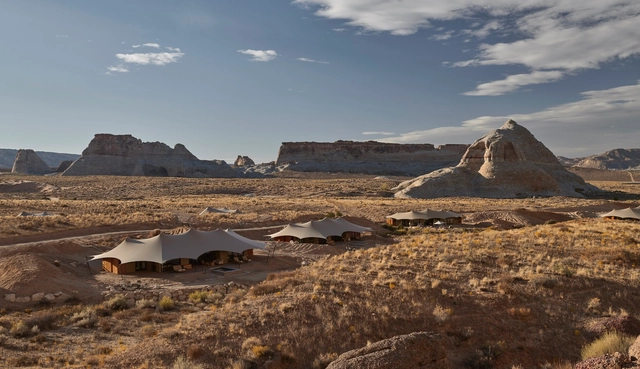
Much before humans constructed their first permanent shelters, they discovered the protective power of animal hides as a barrier against harsh environmental conditions. This fundamental principle of building with flexible materials finds influence in the architecture of today, despite the lack of strong precedents that have been lost to time. Textiles served as humanity's first architectural elements, predating ancient construction methods like stone masonry. The relationship between textiles and shelter would go on to shape the entire history of architecture, from prehistoric settlements to modern skyscrapers. What lessons might these ancient origins of architecture hold for future advancements in building design?

How Textiles Shaped Architecture: Prehistoric Structures for Modern Buildings - Image 1 of 4How Textiles Shaped Architecture: Prehistoric Structures for Modern Buildings - Image 2 of 4How Textiles Shaped Architecture: Prehistoric Structures for Modern Buildings - Image 3 of 4How Textiles Shaped Architecture: Prehistoric Structures for Modern Buildings - Image 6 of 4How Textiles Shaped Architecture: Prehistoric Structures for Modern Buildings - More Images+ 5

Social Modern Housing in Spain: Addressing the Crisis with Adaptable and Sustainable Solutions

Subscriber Access | 

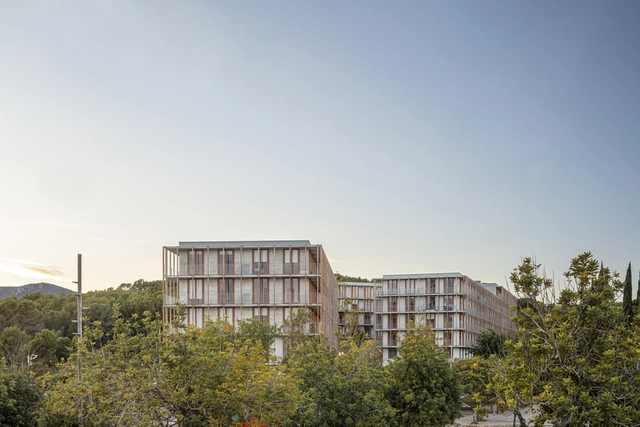
The housing crisis, the need for effective land management policies, and the growing demand for housing aid are global challenges, and Spain has taken significant steps to address these issues in recent years. While this effort is closely tied to rehabilitating obsolete buildings, it also tackles the challenges of densification and gentrification. These factors have prompted the exploration of new housing models and ways of living, leading to the development of affordable residential buildings designed to accommodate large numbers of inhabitants while maintaining high-quality living standards.

Social Modern Housing in Spain: Addressing the Crisis with Adaptable and Sustainable Solutions - Image 1 of 4Social Modern Housing in Spain: Addressing the Crisis with Adaptable and Sustainable Solutions - Image 2 of 4Social Modern Housing in Spain: Addressing the Crisis with Adaptable and Sustainable Solutions - Image 3 of 4Social Modern Housing in Spain: Addressing the Crisis with Adaptable and Sustainable Solutions - Image 4 of 4Social Modern Housing in Spain: Addressing the Crisis with Adaptable and Sustainable Solutions - More Images+ 16

RIBA Awards House of the Year 2024 to Six Columns by 31/44 Architects

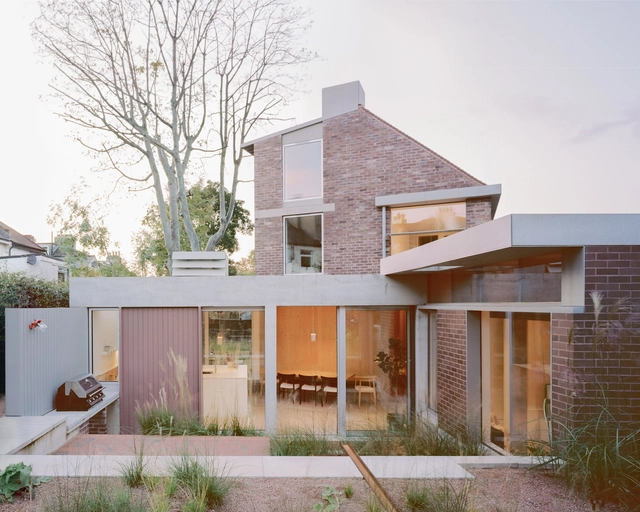
Six Columns, designed by 31/44 Architects has been announced as the winner of the RIBA House of the Year 2024 award. Designed by Will Burges, Director of 31/44 Architects, for his own family, this four-bedroom residence occupies a compact urban plot in Crystal Palace, South London. The home's design, inspired by the six prominent columns that define its structure, integrates with the surrounding terraced houses while retaining a distinctive and compelling architectural identity.

RIBA Awards House of the Year 2024 to Six Columns by 31/44 Architects - Image 1 of 4RIBA Awards House of the Year 2024 to Six Columns by 31/44 Architects - Image 2 of 4RIBA Awards House of the Year 2024 to Six Columns by 31/44 Architects - Image 3 of 4RIBA Awards House of the Year 2024 to Six Columns by 31/44 Architects - Image 4 of 4RIBA Awards House of the Year 2024 to Six Columns by 31/44 Architects - More Images+ 5

Beta Realities Creates 3D Printed Social Housing System for ICON Technologies' Initiative99

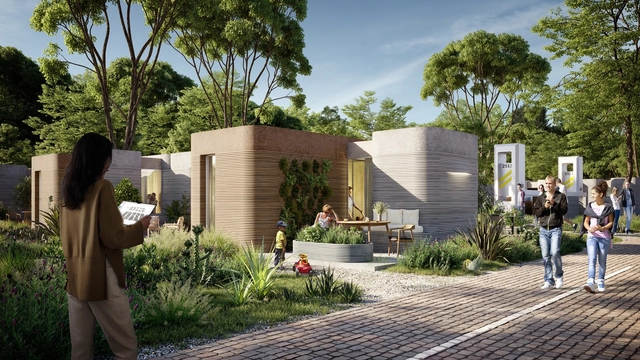
German-based architecture and design studio Beta Realities has developed the “Collective Parts” initiative, a design and technology platform for enabling the construction of affordable 3D printed housing. The project has been recognized as one of the winners of Inititative99 by ICON, a global architecture competition aimed at reimagining affordable housing that can be built for under $99,000. The other winners of the open category are MTspace Studio from New Zealand and For Everyday Life from the United Kingdom. The competition also highlights contributions from students as a separate category, featuring Casa Fami by IAAC from Spain, Juan Felipe Molano from Colombia, and Victoria Roznowski from Germany.

Beta Realities Creates 3D Printed Social Housing System for ICON Technologies' Initiative99 - Image 1 of 4Beta Realities Creates 3D Printed Social Housing System for ICON Technologies' Initiative99 - Image 2 of 4Beta Realities Creates 3D Printed Social Housing System for ICON Technologies' Initiative99 - Image 3 of 4Beta Realities Creates 3D Printed Social Housing System for ICON Technologies' Initiative99 - Image 4 of 4Beta Realities Creates 3D Printed Social Housing System for ICON Technologies' Initiative99 - More Images+ 17

Adaptive Urban Regulations: Navigating Change in Affordable Housing, Infrastructure, and Sustainability in the U.S.

In the ever-evolving landscape of urban development, cities are faced with an array of challenges that demand quick and innovative solutions, ranging from the critical issue of affordable housing to the pressing need for efficient and decongested infrastructure and sustainable energy practices. As the demands of the built environment expand, local authorities worldwide are redefining policies and regulations to shape their cities. These innovative regulations can drive sustainable and consistent progress as cities stand at the intersection between their present challenges and future aspirations.

Adaptive Urban Regulations: Navigating Change in Affordable Housing, Infrastructure, and Sustainability in the U.S.  - Image 1 of 4Adaptive Urban Regulations: Navigating Change in Affordable Housing, Infrastructure, and Sustainability in the U.S.  - Image 2 of 4Adaptive Urban Regulations: Navigating Change in Affordable Housing, Infrastructure, and Sustainability in the U.S.  - Image 3 of 4Adaptive Urban Regulations: Navigating Change in Affordable Housing, Infrastructure, and Sustainability in the U.S.  - Image 4 of 4Adaptive Urban Regulations: Navigating Change in Affordable Housing, Infrastructure, and Sustainability in the U.S.  - More Images

Open Air: New Ways We Can Live Together in Nature

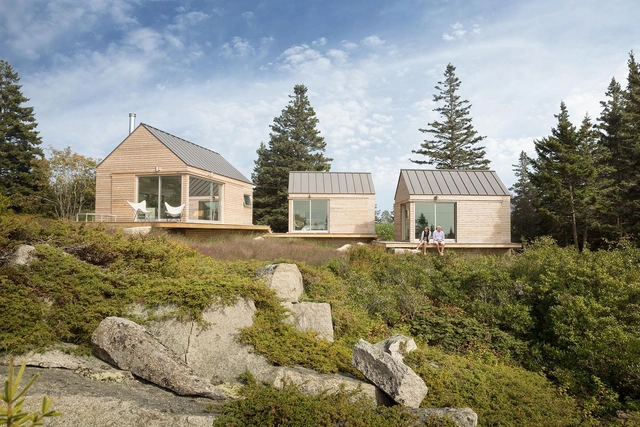
“We need a new spatial contract." This is the call of Hashim Sarkis, curator of the Venice Biennale 2021, as an invitation for architects to imagine new spaces in which we can live together. Between a move towards urban flight and global housing crises, the growth of more low-rise, dense developments may provide an answer in the countryside. Turning away from single family homes in rural areas and suburbs, modern housing projects are exploring new models of shared living in nature.

Open Air: New Ways We Can Live Together in Nature - Image 1 of 4Open Air: New Ways We Can Live Together in Nature - Image 2 of 4Open Air: New Ways We Can Live Together in Nature - Image 3 of 4Open Air: New Ways We Can Live Together in Nature - Image 4 of 4Open Air: New Ways We Can Live Together in Nature - More Images+ 8

San Francisco: Modern Housing in The Golden City

San Francisco is a city defined by its relationship to housing. Since the 90s it has faced an affordable housing shortage, and now, has some of the highest rents of any major US city. As planners and policy makers work to move beyond the city's past and find new paths forward, architects and designers are testing out diverse housing models. From dense residential towers to multi-unit developments, modern housing aims to strike a balance between economy and urbanity.

San Francisco: Modern Housing in The Golden City - Image 1 of 4San Francisco: Modern Housing in The Golden City - Image 2 of 4San Francisco: Modern Housing in The Golden City - Image 3 of 4San Francisco: Modern Housing in The Golden City - Image 4 of 4San Francisco: Modern Housing in The Golden City - More Images+ 6

Urban Visions: How India is Shaping the Future of Housing

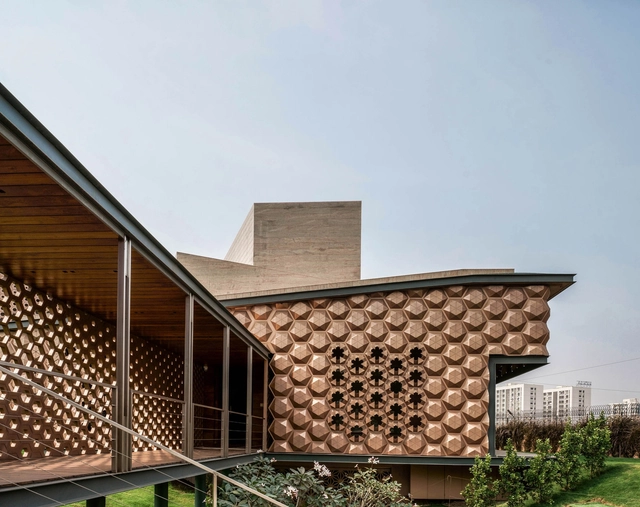
India is rethinking the future of housing through new typologies. Defined by historical and cultural influences, the country's contemporary architecture centers on discussions of how best to modernize. Built over millennia, India's housing projects are made to address diverse scales, programs and functions. Exploring a revitalized urban landscape, these modern housing projects have begun to set a new tone for the future.

Urban Visions: How India is Shaping the Future of Housing - Image 1 of 4Urban Visions: How India is Shaping the Future of Housing - Image 2 of 4Urban Visions: How India is Shaping the Future of Housing - Image 3 of 4Urban Visions: How India is Shaping the Future of Housing - Image 4 of 4Urban Visions: How India is Shaping the Future of Housing - More Images+ 6

UNStudio Introduces New Flexible Urban Living Concept in the Van B Residences in Munich

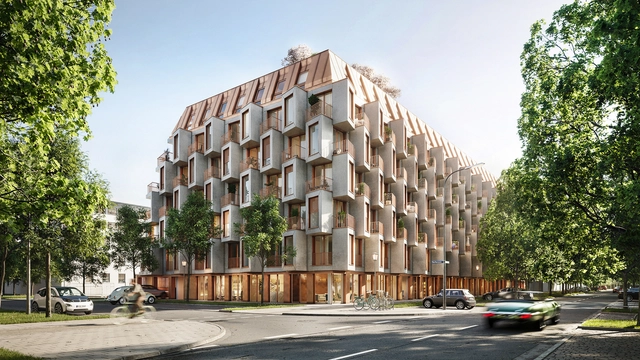
UNStudio and Bauwerk have created a new ‘analog smart’ urban living concept for the Van B residences in Munich, Germany. The completely new form of housing reimagines the future of city living, catering to changing demographics and multiple family constellations. Through adaptable partitions and a system of plugin furniture, the project allows an easy change of configuration. “Quality meters over square meters”.

UNStudio Introduces New Flexible Urban Living Concept in the Van B Residences in Munich - Image 1 of 4UNStudio Introduces New Flexible Urban Living Concept in the Van B Residences in Munich - Image 2 of 4UNStudio Introduces New Flexible Urban Living Concept in the Van B Residences in Munich - Image 3 of 4UNStudio Introduces New Flexible Urban Living Concept in the Van B Residences in Munich - Image 4 of 4UNStudio Introduces New Flexible Urban Living Concept in the Van B Residences in Munich - More Images+ 11

RIBA Publishes 'The Ten Primary Characteristics of Places Where People Want to Live'

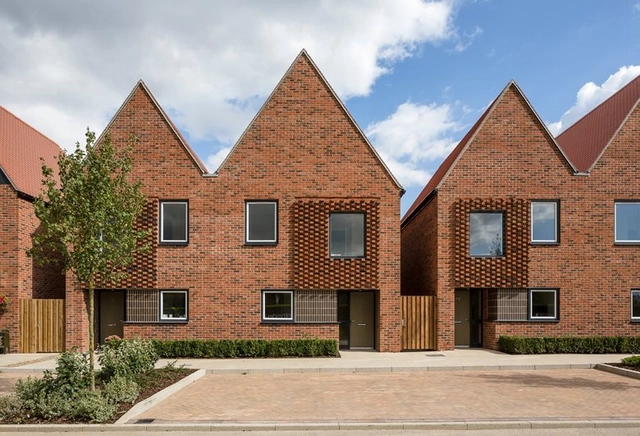
The RIBA's ‘Ten Characteristics of Places Where People Want to Live’ combines a series of case studies that illustrate components of contemporary community housing design. This study was completed to identify and analyze specific, successful elements of past projects that can be easily incorporated into future projects not only in England but also internationally.

The study hopes to demonstrate to its readers the relationship between design quality and the rate of supply in the delivery of much needed well-built affordable housing. Each building example illustrates how appealing and successful design can be easily replicated.

RIBA Publishes 'The Ten Primary Characteristics of Places Where People Want to Live' - Image 1 of 4RIBA Publishes 'The Ten Primary Characteristics of Places Where People Want to Live' - Image 2 of 4RIBA Publishes 'The Ten Primary Characteristics of Places Where People Want to Live' - Image 3 of 4RIBA Publishes 'The Ten Primary Characteristics of Places Where People Want to Live' - Image 4 of 4RIBA Publishes 'The Ten Primary Characteristics of Places Where People Want to Live' - More Images+ 6

Architects Propose 120 Incremental Social Houses for Iquitos, Peru

Building and growing are two actions that should be considered more often than not at the same time. This is how the 2017 "Build to Grow" social housing competition, looked to establish bases that sustain a flexible way of living. The event took place in the Belén district in the city of Iquitos, on 3.7 hectares plot of land. The project that received first place proposed to locate 120 incremental homes, that alternatively allowed users to modify and expand it according to their needs and economic means. In short, a home with a solid nucleus formed by a structure that supports changing activities.