1. ArchDaily
  2. Experimental Architecture

Experimental Architecture: The Latest Architecture and News

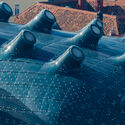
Kunsthaus Graz: A Friendly Alien Among Historic Landmarks

Subscriber Access | 

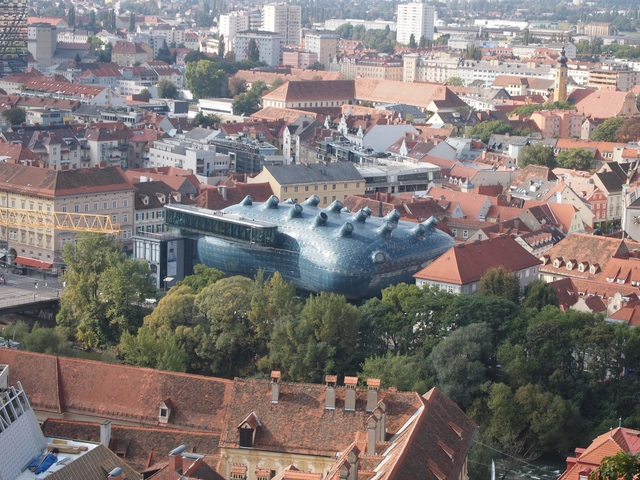
The Kunsthaus Graz, designed by Peter Cook and Colin Fournier, boldly redefines contemporary architecture in a historic city. Completed in 2003 as a centerpiece of Graz's European Capital of Culture celebrations, its biomorphic form, nicknamed the "Friendly Alien", captured global attention. Amidst Baroque and Medieval surroundings, it bridges past and future, standing as a testament to the city's cultural ambitions.

Situated along the River Mur in the Lend district, the Kunsthaus challenges traditional architectural norms with its organic, free-flowing design. Rejecting orthogonal geometry, the museum seamlessly merges art, architecture, and public interaction, redefining the concept of a cultural institution. Its impact extends beyond aesthetics, sparking urban revitalization in a once-overlooked neighborhood, and bringing cultural vibrancy and economic activity.

Kunsthaus Graz: A Friendly Alien Among Historic Landmarks - Image 1 of 4Kunsthaus Graz: A Friendly Alien Among Historic Landmarks - Image 2 of 4Kunsthaus Graz: A Friendly Alien Among Historic Landmarks - Image 3 of 4Kunsthaus Graz: A Friendly Alien Among Historic Landmarks - Image 4 of 4Kunsthaus Graz: A Friendly Alien Among Historic Landmarks - More Images+ 34

Architectural Practice as an Exploration of Contemporary Living: Discover the Work of the Argentine Studio IR Arquitectura

Subscriber Access | 

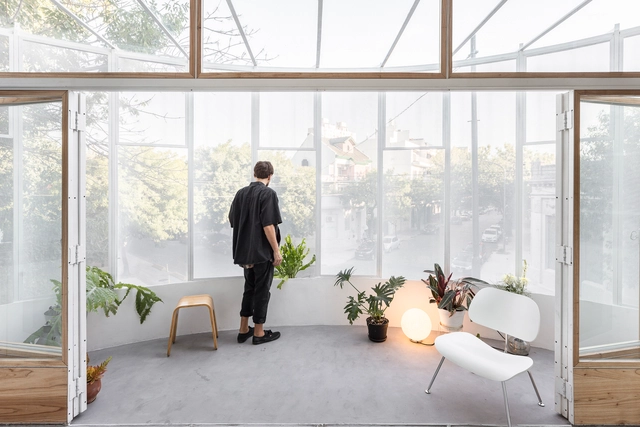
IR Arquitectura is not just a studio; it defines itself as a platform for exploration that integrates architectural practice with tangential topics such as the city, landscape, technology, and sustainability. Founded by Luciano Intile and Enrico Cavaglià, and based in Buenos Aires, Argentina, IR Arquitectura is an interdisciplinary collective comprising architects, designers, and professionals from various fields. Together, they tackle projects of varying scales and natures, seizing each opportunity to explore new solutions and strategies for contemporary living, particularly in urban contexts and in close connection with the environment.

Architectural Practice as an Exploration of Contemporary Living: Discover the Work of the Argentine Studio IR Arquitectura - Image 1 of 4Architectural Practice as an Exploration of Contemporary Living: Discover the Work of the Argentine Studio IR Arquitectura - Image 8 of 4Architectural Practice as an Exploration of Contemporary Living: Discover the Work of the Argentine Studio IR Arquitectura - Image 7 of 4Architectural Practice as an Exploration of Contemporary Living: Discover the Work of the Argentine Studio IR Arquitectura - Image 6 of 4Architectural Practice as an Exploration of Contemporary Living: Discover the Work of the Argentine Studio IR Arquitectura - More Images+ 17

Colin Fournier, Co-Founder of Archigram, Passes Away at 79

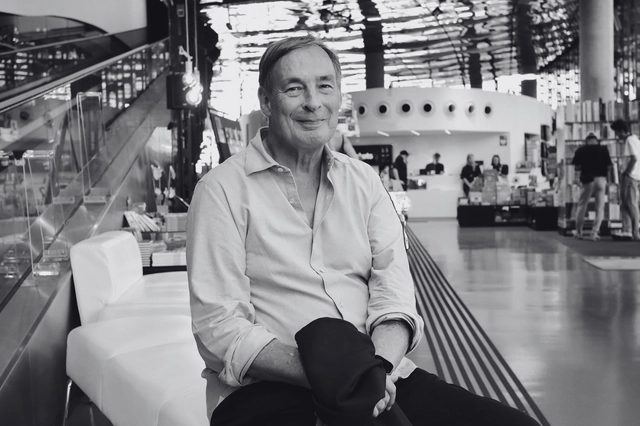
British architect and planner Colin Fournier, co-founder of conceptual architecture studio Archigram and Professor of Architecture and Urbanism at the Bartlett School of Architecture, has passed away at the age of 79. Fournier was best known for his co-design of the Kunsthaus Graz in Austria, also known as the "Friendly Alien." This project, completed together with Sir Peter Cook, is celebrated as one of the most distinctive cultural landmarks of its time. For his contributions to this work, Fournier was awarded Austria's Goldener Ehrenzeichen medal in 2005, a recognition of his impact on the architectural landscape.

Colin Fournier, Co-Founder of Archigram, Passes Away at 79 - Image 1 of 4Colin Fournier, Co-Founder of Archigram, Passes Away at 79 - Image 2 of 4Colin Fournier, Co-Founder of Archigram, Passes Away at 79 - Image 3 of 4Colin Fournier, Co-Founder of Archigram, Passes Away at 79 - Image 4 of 4Colin Fournier, Co-Founder of Archigram, Passes Away at 79 - More Images

Thom Mayne Presents "Constructing the Spontaneous" in Vancouver, Canada

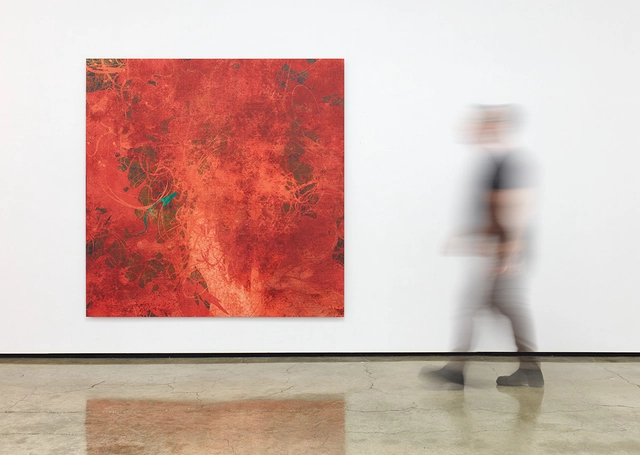
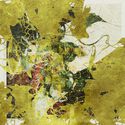
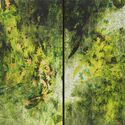
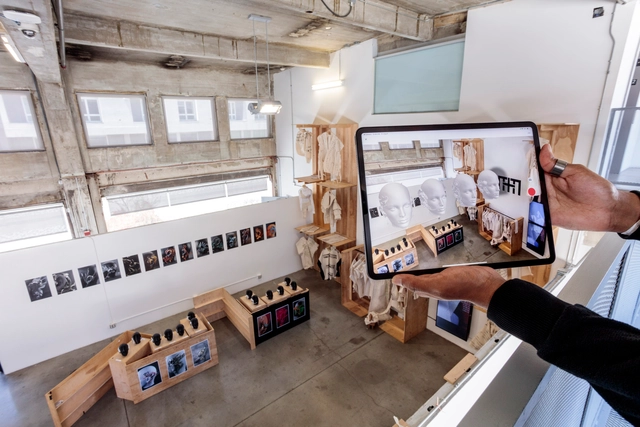
The Pritzker-winning architect Thom Mayne is presenting his display “Constructing the Spontaneous” in the Paul Kyle Gallery in Vancouver, Canada. Known for his contributions to architecture and design, the architect founded Morphosis in 1972, embodying his philosophy of architecture as an ever-evolving, dynamic process. Mayne’s latest display features his artworks, diving into the intricate relationship between cutting-edge technology and timeless human expression.

Thom Mayne Presents "Constructing the Spontaneous" in Vancouver, Canada - Image 1 of 4Thom Mayne Presents "Constructing the Spontaneous" in Vancouver, Canada - Image 2 of 4Thom Mayne Presents "Constructing the Spontaneous" in Vancouver, Canada - Image 3 of 4Thom Mayne Presents "Constructing the Spontaneous" in Vancouver, Canada - Image 4 of 4Thom Mayne Presents Constructing the Spontaneous in Vancouver, Canada - More Images

Rotterdam City Guide: 20 Projects to Discover in Netherlands’ Maritime Hub

Subscriber Access | 

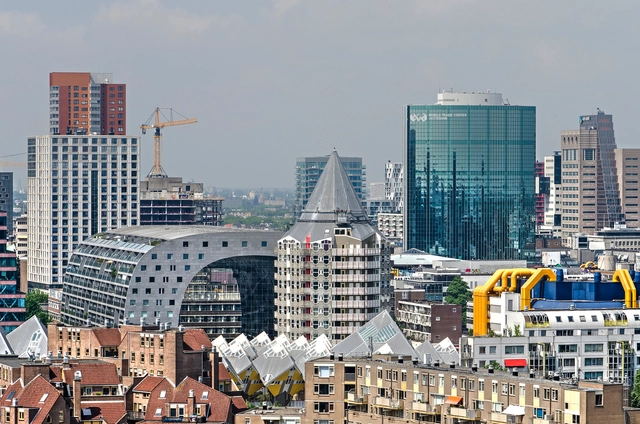
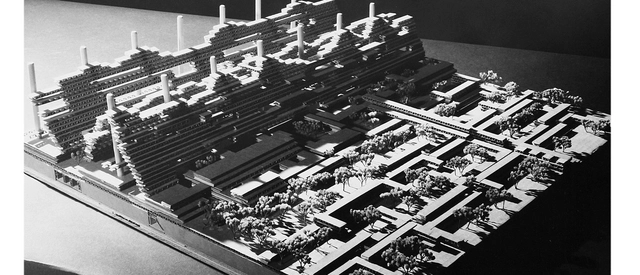
Often referred to as the “Manhattan on the Maas,” Rotterdam is a city unlike any other in the Netherlands. The Dutch metropolis with its striking skyline, tells a unique architectural narrative with chapters filled with the rubble of the devastating bombings of World War II, followed by a story of reconstruction that transformed the city into a hub for experimental architecture and urban planning. Today a mosaic of architectural styles, Rotterdam has embraced innovation, becoming a global showcase for cutting-edge design and sustainable urban development.

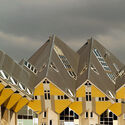
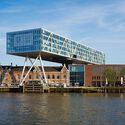
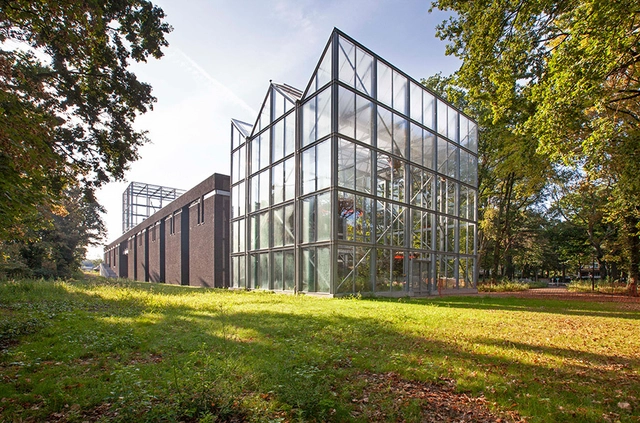
In 1940, almost the entire city center was wiped out by German bombs. Instead of following other European cities’ examples of reconstruction, Rotterdam decided to reinvent itself. Today, the city hosts some of the most well-known Dutch pieces of architecture, such as the Kubuswoningen or the Het Nieuwe Instituut. Its open attitude toward innovation and experimentation continues to attract talent from around the world, as its distinctive skyline continues to change and adapt to contemporary conditions.

Rotterdam City Guide: 20 Projects to Discover in Netherlands’ Maritime Hub - Image 1 of 4Rotterdam City Guide: 20 Projects to Discover in Netherlands’ Maritime Hub - Image 2 of 4Rotterdam City Guide: 20 Projects to Discover in Netherlands’ Maritime Hub - Image 3 of 4Rotterdam City Guide: 20 Projects to Discover in Netherlands’ Maritime Hub - Image 4 of 4Rotterdam City Guide: 20 Projects to Discover in Netherlands’ Maritime Hub - More Images+ 18

Immersive Learning: From Novice to Designer at SCI-Arc's Architecture Program

 | Sponsored Content

Providing an overview of the profession and discipline of architecture can be a complex task given the diversity of people's backgrounds, personal interests, and experimentation techniques. Therefore, many processes related to architecture are based on speculation and innovation, taking the initiative to reimagine established limits. Architecture schools, such as École des Beaux-Arts, Vkhutemas, and Paulista School, were progressive schools of their time that developed their style led by experimental and curious minds. Thanks to these experimental processes, each developed its architectural style, characterized by factors such as philosophy, location, and the era in which the school was born.

Since its creation in Santa Monica in 1972, the Southern California Institute of Architecture (SCI-Arc) has been a world-renowned center of innovation and one of the few independent schools of architecture in the United States. It excels in challenging its students through various programs to stretch their imaginations by experimenting with non-traditional materials and approaches. Through the renowned Making+Meaning program, SCI-Arc provides an immersive introduction to students and creative professionals from diverse disciplines, who have the opportunity to explore the field of design and emphasize the fundamentals of experimentation and architecture. The return to face-to-face teaching this year infuses new energy into the program for both students and instructors, given the value of collaborating in a physical space for the development of studio-based projects.

Rethinking the Role of Experimental Cities in Combating Climate Change

This article was originally published on Common Edge.

In the evolving campaign to combat climate change, big and bold solutions are increasingly easy to find, from the conceptual “water smart city” and ecologist Allan Savory’s vision for greening the world’s deserts to NYC Mayor Bill de Blasio’s plan to turn part of Governors Island into a “living laboratory” for climate research. Oyster reef restoration is occurring at nearly every critical junction along the eastern seaboard, from Florida to Maine. These are worthy efforts, and yet, when considered collectively, the onus for solving our climate crisis is being left largely to municipal governments and private actors, making most solutions piecemeal, at best. The success of one approach has little to no correlation with that of another. But what happens when all related solutions can be applied within a single, controlled ecosystem when environmentalism and urbanism are not at odds, but working in concert? Enter the experimental city.

The High Design of A Happy Meal: What The Evolution of McDonald's Tells Us About Architectural Experimentation

Subscriber Access | 

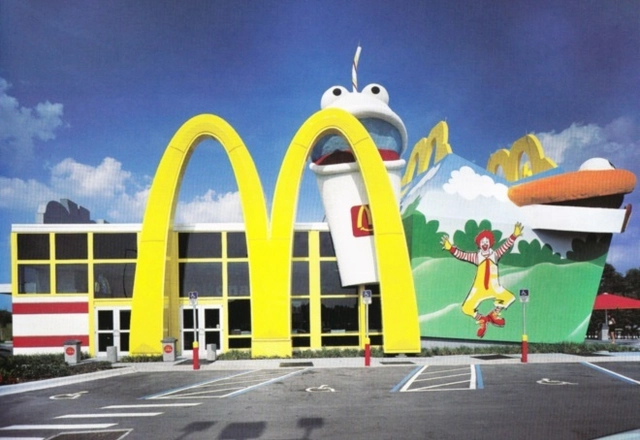
You might not think of McDonald’s as the pinnacle of architectural style, but even the world’s largest fast-food franchise has taken some bold design risks. While the literal “secret sauce” has largely remained the same since the inception of the iconic golden arches, McDonald’s has had its fair share of experimentation and has even hired some of the profession’s most prominent names to put their own spin on the design of these restaurants- turning the repetitive and mundane into one of a kind experiences.
The High Design of A Happy Meal: What The Evolution of McDonald's Tells Us About Architectural Experimentation - Image 1 of 4The High Design of A Happy Meal: What The Evolution of McDonald's Tells Us About Architectural Experimentation - Image 2 of 4The High Design of A Happy Meal: What The Evolution of McDonald's Tells Us About Architectural Experimentation - Image 3 of 4The High Design of A Happy Meal: What The Evolution of McDonald's Tells Us About Architectural Experimentation - Image 4 of 4The High Design of A Happy Meal: What The Evolution of McDonald's Tells Us About Architectural Experimentation - More Images+ 5

Cooking Sections and AKT II Design Water-less Garden for Cities

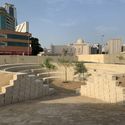
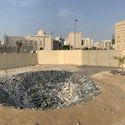
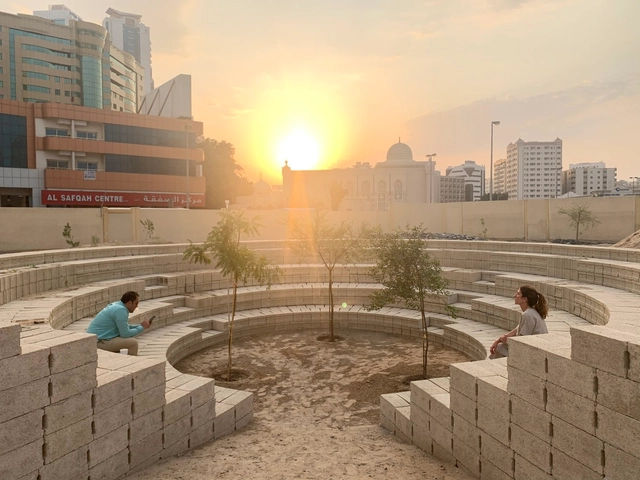
Entitled Becoming Xerophile, Cooking Sections and AKT II have developed a zero-water desert garden, part of the first Sharjah Architecture Triennial in UAE, curated by Adrian Lahoud. The installation explores the introduction of desert landscapes in the urban fabric of the city and everyday life.

Cooking Sections and AKT II Design Water-less Garden for Cities - Image 1 of 4Cooking Sections and AKT II Design Water-less Garden for Cities - Image 2 of 4Cooking Sections and AKT II Design Water-less Garden for Cities - Image 3 of 4Cooking Sections and AKT II Design Water-less Garden for Cities - Image 4 of 4Cooking Sections and AKT II Design Water-less Garden for Cities - More Images+ 5

Experimental Prototype Architecture Exhibited in French Park

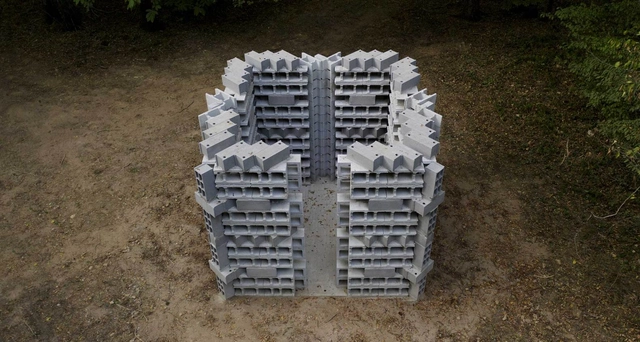
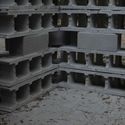
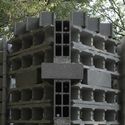
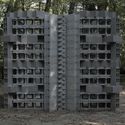
Building / Prototype II is an experimental architectural pavilion designed by architect Marc Leschelier for the Feÿ Arts Festival in Burgundy, France. Created in the middle of the forest, in the park of the Château du Feÿ, the permanent installation is the first of an acquired collection to be always displayed on site.

Experimental Prototype Architecture Exhibited in French Park  - Image 1 of 4Experimental Prototype Architecture Exhibited in French Park  - Image 2 of 4Experimental Prototype Architecture Exhibited in French Park  - Image 3 of 4Experimental Prototype Architecture Exhibited in French Park  - Image 4 of 4Experimental Prototype Architecture Exhibited in French Park  - More Images+ 16

"Reverse Zoo" LABIOMISTA Opening in 2019 Features Mario Botta Building

The public will soon have the opportunity to experience the vulnerability and awe of briefly inhabiting an animal domain at the “Reverse Zoo,” LABIOMISTA. Translating to “mixture of life,” the 60-acre project is spearheaded by Belgian artist Koen Vanmechelen and is set to open in 2019.

Free School of Architecture: Call for Applications

Free School of Architecture Summer 2018 Call for Admissions:

FSA is pleased to announce its call for admissions for both participants and teaching proposals for the Free School of Architecture, Summer 2018.

FSA’s three-page Application Form for participants and teaching proposals will be issued for download from the FSA website (www.freeschoolofarchitecture.org) from Monday, November 27, 2017 at 12 PM PST.

The Free School of Architecture, Summer 2018 will take place between Thursday, June 14, 2018 and Saturday, July 28, 2018 in Los Angeles, California.