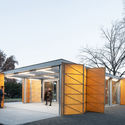
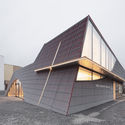
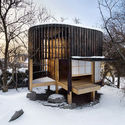
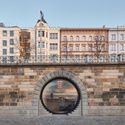
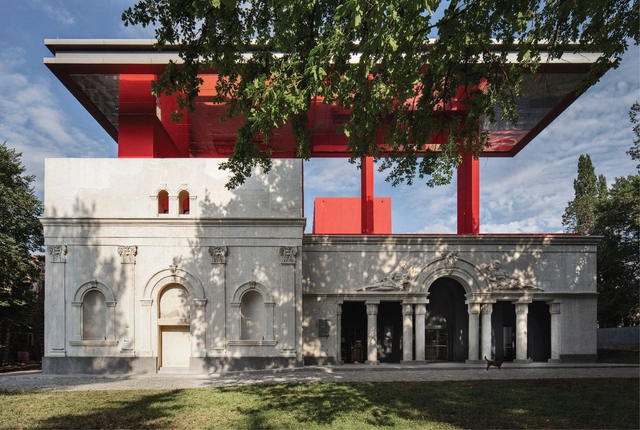
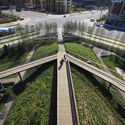
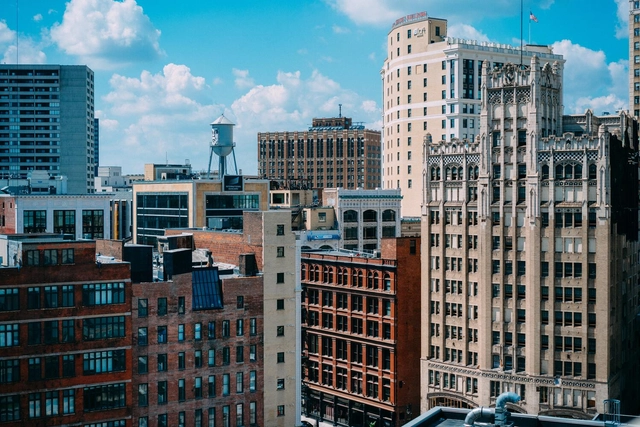
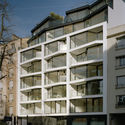
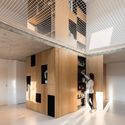
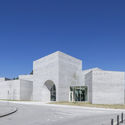
The European Centre for Architecture Art Design and Urban Studies and The Chicago Athenaeum: Museum of Architecture and Design have announced the winners of the "Europe 40 under 40" program for 2021-2022. The selection gathers emerging architectural and design talents spread across Europe from Albania, Austria, France, Greece, Ireland, Italy, Poland, Portugal, Russia, Spain, The Netherlands, and Turkey.
“During these challenging times, it is crucial to keep insightful visions alive. Presenting Europe’s most hopeful personalities in the fields of architecture and design is what gives us hope for a better tomorrow”, explains the official brief. Providing an insight into the architectural scene in Europe, the program initiated by The European Centre highlights the next generation of young architects, landscape architects, urban planners, and industrial designers currently under the age of 40, who will impact future living and working environments, cities, and rural areas.
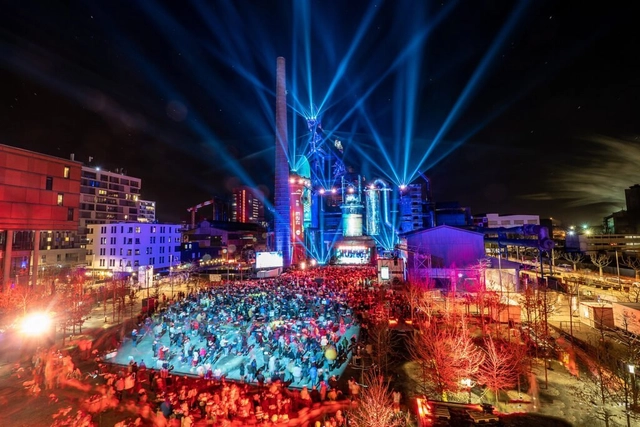
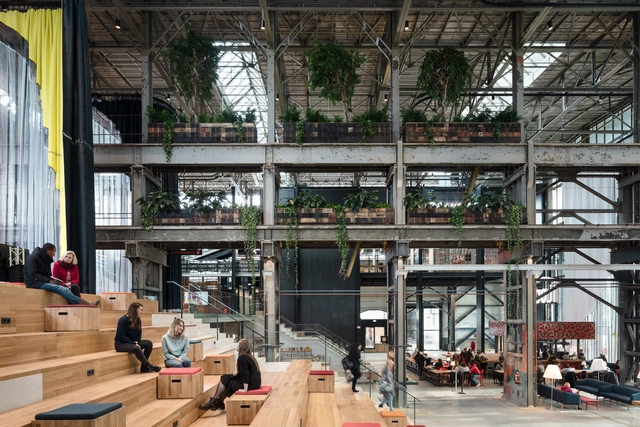
For quaint riverfront views, historical fortifications, and castles, head to Luxembourg. For sky-high remnants of the steel industry, there’s the country’s second largest city, Esch-sur-Alzette. Suffering, until recently, from the 1970’s steel manufacturing exodus, Esch, 10 miles to the northeast of the border of France, is emerging as an unexpected cultural mecca, where industrial infrastructure is being converted en masse into cultural and learning space. This rebirth is being celebrated thanks to a generous flow of cash via its designation as Esch2022: Esch-sur-Alzette European Capital of Culture 2022 (Kaunas, Lithuania and Novi Sad, Serbia, also named European Capital of Cultures this year, share the designation for 2022). For Esch, the title comes with $54.8 million in funds from EU, national, local, and private sources.
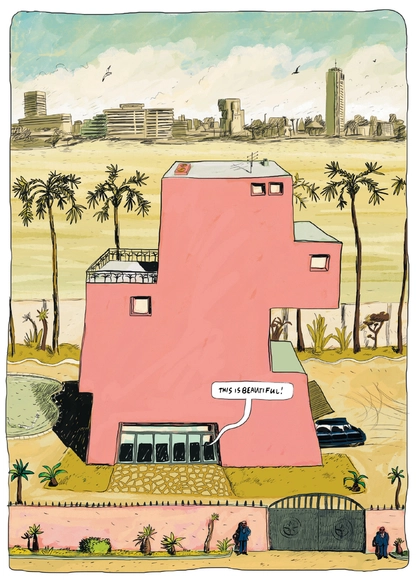
Modernist House - From Aya: Life in Yop City by Marguerite Abouet and Clément Oubrerie, translated by Helge Dasche. Image Courtesy of Drawn & Quarterly
The comic strip, la bande dessinée, the graphic novel. These are all part of a medium with an intrinsic connection to architectural storytelling. It’s a medium that has long been used to fantasise and speculate on possible architectural futures, or in a less spectacular context, used as a device to simply show the perspectival journey through an architectural project. When the comic strip meshes fiction with architectural imagination, however, it’s not only the speculation on future architectural scenarios that takes place. It’s also the recording and the critiquing of the urban conditions of either our contemporary cities or the cities of the past.
Focused on 3 main titles, "the European city: a model for the sustainable smart city", "defining common European culture while reflecting the diversity of expression" and "an architecture that has social impact and transmits a cultural message", we have grouped the selected projects, nominated by a jury formed by Tatiana Bilbao, Francesca Ferguson, Mia Hägg, Triin Ojari, Georg Pendl, Spiros Pengas and Marcel Smets to give a better understanding of the selection criteria and the architectural situation in Europe.
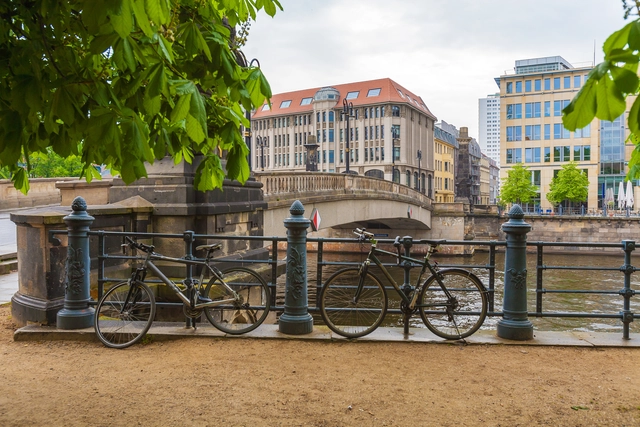
Volksentscheid Berlin Autofrei (People’s Decision for Auto-Free Berlin), has proposed a plan to limit cars within Berlin's Ringbahn, a long circle route around the inner city, making it the world's largest car-free area once approved. The citizen-initiative is aimed mostly at banning the use of private cars in central Berlin, with the exception of emergency vehicles, garbage trucks, taxis, delivery vehicles, and residents with limited mobility, who would all be given special access permits.
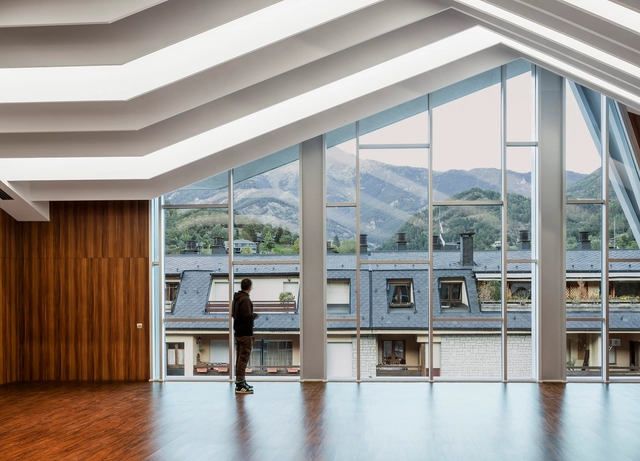
Wedged between France and Spain, Andorra is the sixth smallest nation in Europe. Less than 500 square kilometers in area, the landlocked microstate can be found in the eastern Pyrenees on the Iberian Peninsula. Today, new architecture is being built between Andorra’s rugged mountains and three narrow valleys that combine to form its Gran Valira river.
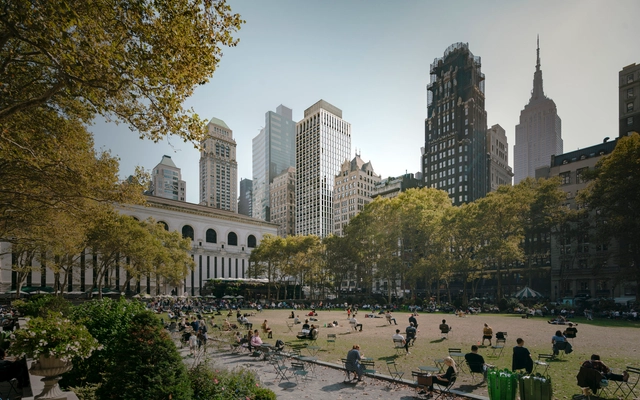
Buildings around the world are getting taller. Since the year 2000, global skyscraper construction has increased by 402%. Cities like Dubai are home to nearly 1000 high-rise buildings, and New York’s vibrant luxury real estate market has shown no signs of slowing down, with more high-rise additions slated to be added to its already towering skyline. There’s good in this – high-rises create much-needed space in already dense cities and can reduce urban sprawl in city centres, allowing for better preservation of natural areas.
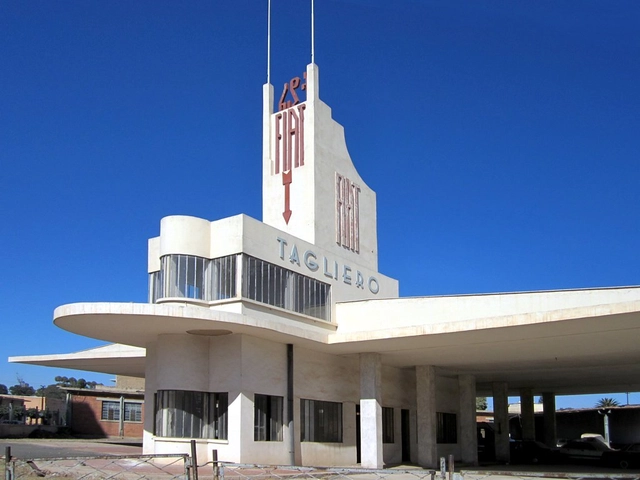
The built environment we all inhabit is part and parcel of global, interconnected processes and systems. When we appraise the historically significant architecture of our cities, the structural integrity and aesthetics of a building merits equal consideration with factors such as the labour conditions of its builders to the existing power structures of its time. Examples of ItalianModernism in Eritrea, for instance, might be worthy of aesthetic praise – but intertwined with the legacy of these buildings hailed as Modernist icons is the sobering fact that they were built to further an imperial project. In the complex fields of architectural conservation, preservation and cultural heritage, democratisation should always remain a key priority.
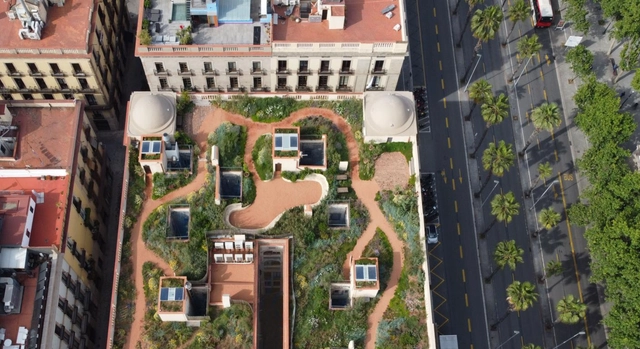
Xifré’s Rooftop: “Floating” Wild Garden (Barcelona, España). Image Cortesía de New European Bauhaus
The European Commission's New European Bauhaus has announced the winners of the 2021 edition at the Ateliers des Tanneurs in Brussels, Belgium.
According to the organization, the main objectives have been to recognize current achievements and help the younger generation to continue developing emerging concepts and ideas that illustrate three values: sustainability, aesthetics, and inclusion. Accordingly, President of the European Commission Ursula von der Leyen has stated that "these projects give a lot of hope for our fight against climate change and the European Green Deal."
We are twenty-one years into the twenty-first century. The world has never been more connected with the advent of new technologies, yet historical inequalities still run rampant. These inequalities manifest themselves in different ways. Global travel, for example – despite the ubiquity of aeroplanes nowadays – is still only widely accessible to citizens of “developed” countries due to prohibitive visa restrictions. In architectural education, many institutions still prioritise a Eurocentric curriculum, the architecture of non-Western populations largely ignored. Another perpetuation of prejudiced systems is Orientalism – and exploring this concept through an architectural lens is useful for interrogating contemporary design approaches and approaches of the future.
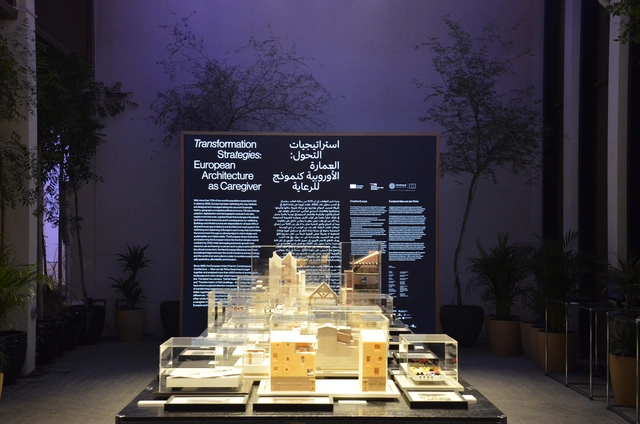
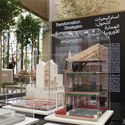
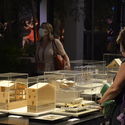
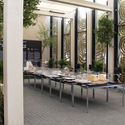
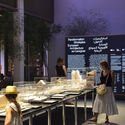
Fundació Mies van der Rohe, the European Commission, and the Irish Pavilion have inaugurated an exhibition titled “Transformation Strategies: European Architecture as Caregiver” which highlights the European Union's participation in Expo 2020 Dubai and showcases its contribution to tackling global challenges in line with the main themes of the event. The exhibition opened to the public on November 2nd at the Irish Pavilion in the Expo's Jubilee Avenue, and will be on display until the end of 2021.
Few cities combine history and contemporary culture like Prague. The so-called "Mother of all Cities" was spared from widespread destruction during World War II, and as a result, its diverse architecture dates back over a millennium. As a political, cultural and economic center of Europe, the city has become a significant metropolis balancing both its past and future as one of the world's most beautiful cities.
Five emerging architecture studio profiles from Switzerland, France, the Netherlands, Austria, the UK, and Slovakia have been chosen by New Generations, a European platform that analyses the most innovative emerging practices at the European level, providing a new space for the exchange of knowledge and confrontation, theory, and production. Since 2013, New Generations has involved more than 300 practices in a diverse program of cultural activities, such as festivals, exhibitions, open calls, video interviews, workshops, and experimental formats.
The European Commission and the Fundació Mies van der Rohe have announced the second list of 85 works competing for the 2022 European Union Prize for Contemporary Architecture – Mies van der Rohe Award. Joining the batch of first nominations announced in February 2021, the full list comprises now of 532 competing works for the EU Mies Award 2022. The shortlist of 40 will be announced in January 2022, the winners in April 2022, and the Award ceremony will take place in May 2022.
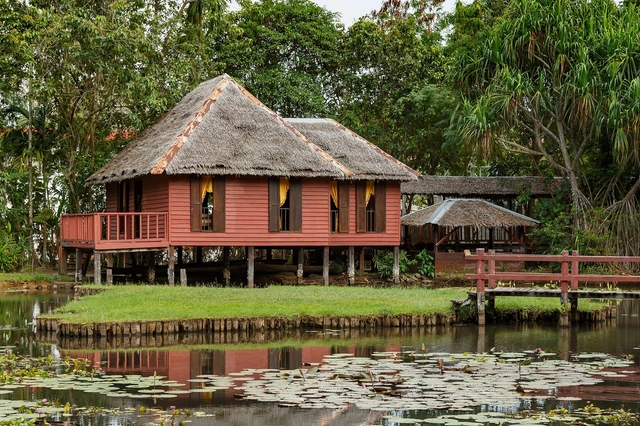
When we talk about vernacular architecture, we’re talking about an architectural style specific to a region – architecture that relies on the use of local knowledge and materials to construct buildings. It’s the Beehive Houses of Harran in Turkey, to the traditional Malay Houses found throughout southeast Asia. The vernacular architecture of various places continues to be a source of inspiration for contemporary architects, as they look to create sustainable architectural responses well-suited for their context.
Recent extreme weather events and the acceleration of climate change, paired with decarbonization efforts that are not on track, make climate-related disruption unavoidable for urban environments, raising the issue of climate-risk adaptation. Moving past what can be done to prevent climate change, there is a strong imperative to develop strategies to prepare urban environments to cope with inevitable challenges such as sea-level rise, floods, water scarcity or extreme heat. The following discusses how cities can build resilience and adapt to undergoing and expected future climate threats.
Urban planning is often based on the assumption of ongoing demographic and economic growth, but as some environments face urban shrinkage, a new array of strategies comes into play.The shrinking city phenomenon is a process of urban decline with complex causes ranging from deindustrialization, internal migration, population decline, or depletion of natural resources. Referencing the existing research on the topic, the following showcases approaches to this phenomenon in different urban environments, highlighting the need to develop new urban design frameworks to address the growing challenge.


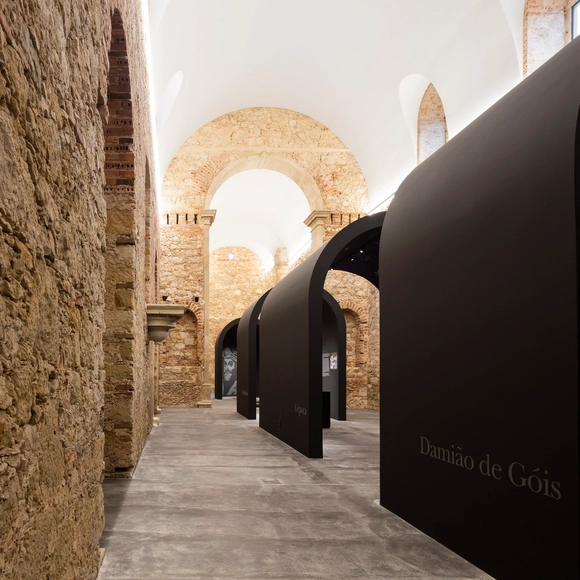

















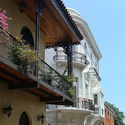
.jpg?1637861666 "Casco Viejo - Panama City, Panama. Image © Wikimedia User David Broad under the Creative Commons Attribution 3.0 Unported license.")