1. ArchDaily
  2. ELEMENTAL

ELEMENTAL: The Latest Architecture and News

PREVI Lima and the Politics of Resident Authorship in Social Housing

Subscriber Access | 

Architects are accustomed to being credited for buildings long after construction ends. Names remain attached to projects through photographs, publications, and histories, often decades after the original drawings were produced. Buildings, on the other hand, rarely remain faithful to that narrative for long. Families grow, technologies change, businesses emerge, and daily life introduces demands that no plan can fully anticipate. Over time, architecture accumulates modifications, repairs, additions, and improvisations that gradually distance it from its original form.

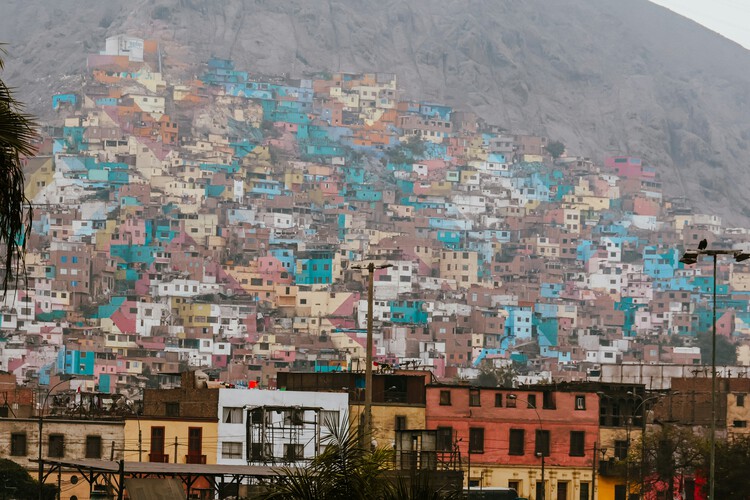
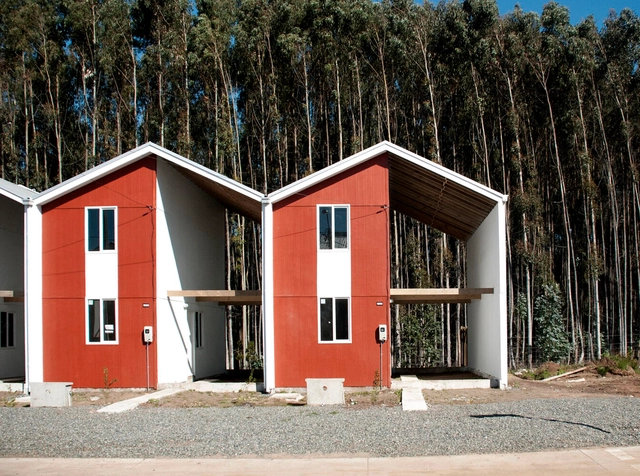
Few projects confront this question as directly as PREVI Lima. Conceived in the late 1960s as Peru's Experimental Housing Project, PREVI invited an international group of architects to develop housing prototypes capable of accommodating growth over time. The project is often remembered for its ambitious roster of designers, which included figures such as James Stirling, Aldo van Eyck, and Christopher Alexander. More than fifty years later, the neighborhood has become a record of resident decisions, revealing a form of architecture designed to remain unfinished.
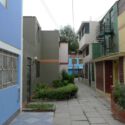
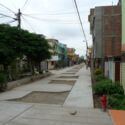
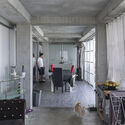
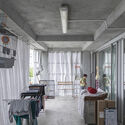
PREVI Lima and the Politics of Resident Authorship in Social Housing - Image 1 of 4PREVI Lima and the Politics of Resident Authorship in Social Housing - Image 2 of 4PREVI Lima and the Politics of Resident Authorship in Social Housing - Image 3 of 4PREVI Lima and the Politics of Resident Authorship in Social Housing - Image 4 of 4PREVI Lima and the Politics of Resident Authorship in Social Housing - More Images+ 14

Meet the 15 Winning Projects of the 2026 ArchDaily Building of the Year Awards

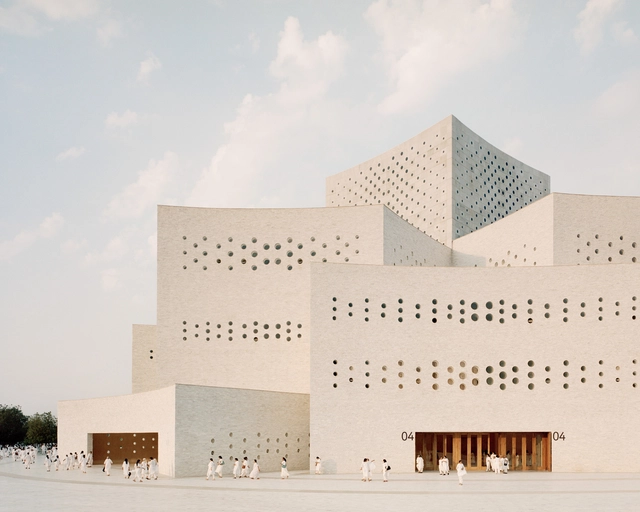
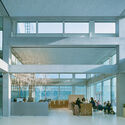
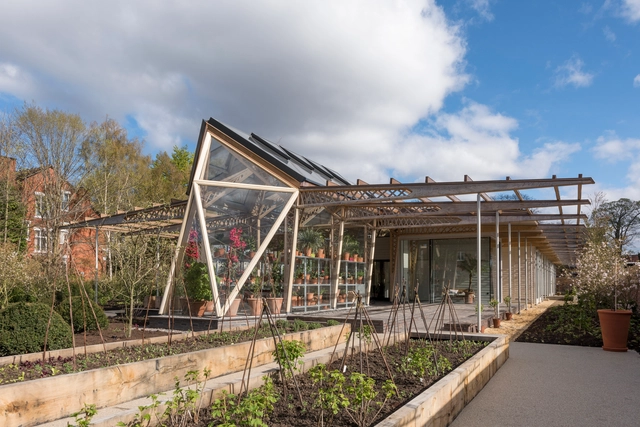
A revitalized canning factory in a coastal Portuguese city, a memorial park in Ethiopia, a small-town Brazilian home, a wooden pavilion evoking Bahrain's heritage, and 11 other visionary projects comprise the winners of the 2026 ArchDaily Building of the Year Awards. Chosen over three weeks of public voting, the winners are representative of the current architectural landscape, reflecting a diversity of approaches, materialities and aesthetics, while also showcasing common threads across cultures.

In its 17th edition, this year's Building of the Year Awards received more than 120,000 votes from over 100 countries, marking a record-breaking year for the world's largest community-driven architecture award. The winners represent 14 different countries, cultures and perspectives, coming from Brazil, Canada, Chile, Colombia, Denmark, Ethiopia, Germany, India, Indonesia, Japan, Portugal, South Korea, United States and Vietnam.

Introducing the 75 Finalists of the 2026 ArchDaily Building of the Year Awards

Two weeks and over 85,000 nominations later, the finalists of this year's Building of the Year Awards are in. The selection is much like the ArchDaily audience that chose it: diverse in geography, generous in ideas, and precise in intent. With projects from 46 countries, in a variety of typologies and scales, they present a beautiful snapshot of the current architectural moment.

We invite you to sit back, browse, and vote for your ultimate favorites. Below, you will find all of the 75 finalists in their respective categories. Voting is open until February 18th at 18:00 EST. Thank you—your participation is key to making this the world's largest community-driven architecture award.

ArchDaily's Best Architectural Projects of 2025

As the year culminates, it's once again time for the ArchDaily team of curators to reflect on the best-performing projects of 2025 and consider what readers were most interested in. Through this diverse overview, we assess the cross-continental similarities and differences in trends and construction development. This year brought us many grand cultural and public spaces by Lina Ghotmeh, BIG, Zaha Hadid Architects, DnA, and Serie Architects, who populated events like Expo Osaka and the Venice Biennale, as well as a surprising number of museums and public or landscape works in China and the rest of the Asian continent. However, while these were sought-after projects, the leading works remained, unsurprisingly, residential projects.

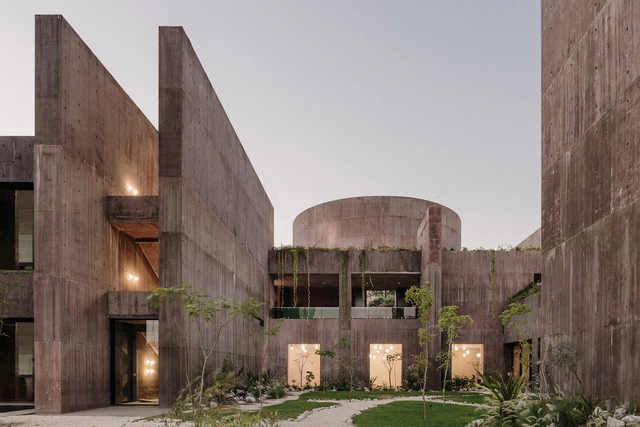
More specifically, the houses that were most viewed on the ArchDaily global site were concrete houses that bore considerable injections of greenery and landscape focus. They propose layouts highlighting voids and double heights, as well as inner courtyards or large openings to the exterior. While some references did suggest traditional or vernacular elements, modernist revivals were still predominant. Material trends are much more tame, with a recurrence of raw concrete use, as wood and stone were common accent elements. Still, the more interesting thing about the works this year is the efforts brought by architects in situating and setting the projects within their surroundings, bringing special attention to landscape and how projects merged with nature.

ArchDaily's Best Architectural Projects of 2025 - SustainabilityArchDaily's Best Architectural Projects of 2025 - SustainabilityArchDaily's Best Architectural Projects of 2025 - SustainabilityArchDaily's Best Architectural Projects of 2025 - SustainabilityArchDaily's Best Architectural Projects of 2025 - More Images+ 96

How Architects Are Responding to Technology That Turns Buildings into Carbon Sinks

 | Sponsored Content

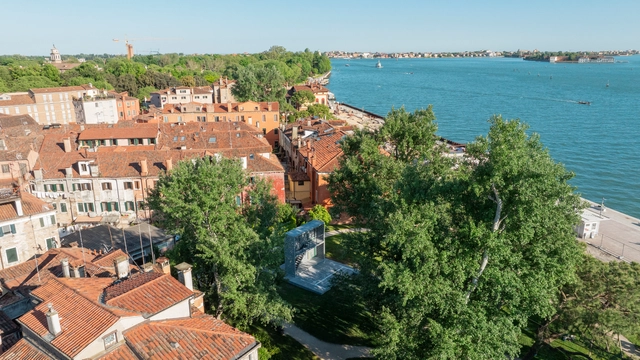
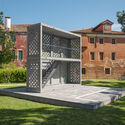
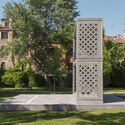
During the Time Space Existence exhibition, organized by the European Cultural Centre in Venice, the building-solutions company Holcim and Pritzker Prize-winning architect Alejandro Aravena, with his firm ELEMENTAL, unveiled a full-scale prototype that introduces a new approach in incremental housing solutions.

The housing prototype—The Basic Services Unit—was built with Hoclim's recently launched biochar technology, which transforms buildings into carbon sinks by permanently trapping carbon in a bio-based material called biochar. This material is used as a component of low-carbon concrete, cement, and mortars.

The European Cultural Centre Announces 21 Shortlisted Projects for the 2025 ECC Awards

The European Cultural Centre Italy has organized the ECC Awards since 2010 to recognize artists, architects, designers, and academics in their respective fields. The Awards highlight projects featured in the Time Space Existence exhibition, which runs in parallel with the Venice Architecture Biennale and showcases tangible approaches to building more sustainably, aiming to position architecture as a force for environmental and social repair. The seventh edition of Time Space Existence is a group exhibition spanning three Venetian venues: Palazzo Bembo, Palazzo Mora, and the Marinaressa Gardens. This year, the exhibition focuses on the themes of Repair, Regenerate, and Reuse, emphasizing the essential role of architects and designers as agents of positive change in shaping sustainable, inclusive, and regenerative ways of living.

The European Cultural Centre Announces 21 Shortlisted Projects for the 2025 ECC Awards - Image 1 of 4The European Cultural Centre Announces 21 Shortlisted Projects for the 2025 ECC Awards - Image 2 of 4The European Cultural Centre Announces 21 Shortlisted Projects for the 2025 ECC Awards - Image 3 of 4The European Cultural Centre Announces 21 Shortlisted Projects for the 2025 ECC Awards - Image 4 of 4The European Cultural Centre Announces 21 Shortlisted Projects for the 2025 ECC Awards - More Images+ 22

An Unfolding Crisis with a Hopeful Outlook: Highlights from the Projects Exhibited at Venice Architecture Biennale 2025

Under Carlo Ratti's curatorship, the Venice Biennale's 19th International Architecture Exhibition delves into the theme "Intelligens. Natural. Artificial. Collective," with the explicit aim of transforming the city of Venice into a "Living Laboratory." In addition to the 65 national participations and a wide range of educational and collateral events, the exhibition features independent projects that directly respond to the overarching theme. With most of the exhibits showcased in the historic Corderie building, stretching along the south side of the Arsenale, the event offers a dynamic exploration of emerging architectural ideas and urban strategies.

An Unfolding Crisis with a Hopeful Outlook: Highlights from the Projects Exhibited at Venice Architecture Biennale 2025 - Image 1 of 4An Unfolding Crisis with a Hopeful Outlook: Highlights from the Projects Exhibited at Venice Architecture Biennale 2025 - Image 2 of 4An Unfolding Crisis with a Hopeful Outlook: Highlights from the Projects Exhibited at Venice Architecture Biennale 2025 - Image 3 of 4An Unfolding Crisis with a Hopeful Outlook: Highlights from the Projects Exhibited at Venice Architecture Biennale 2025 - Image 4 of 4An Unfolding Crisis with a Hopeful Outlook: Highlights from the Projects Exhibited at Venice Architecture Biennale 2025 - More Images+ 41

Between Housing Demand and Environmental Goals: Alejandro Aravena on Incremental Solutions and Net-Zero Concrete

During the Time Space Existence exhibition, organized by the European Cultural Centre in Venice, Pritzker Prize-winning architect Alejandro Aravena and his firm ELEMENTAL unveiled a full-scale prototype for a new approach in incremental housing solutions. Titled the USB Core, standing for Basic Services Unit housing prototype, this proposal aims to demonstrate how efficient construction can provide all the essential housing components in a minimal space. The prototype is also the result of a collaboration between the architecture office and concrete manufacturer and researcher Holcim, and is built out of a newly developed type of net-zero concrete mix. It also incorporates fully recycled aggregates, in alignment with circular economy principles. The collaboration aims to demonstrate a more environmentally conscious yet cost-effective way of providing essential services to at-risk communities without harming the planet.

While on site in Venice, ArchDaily's managing editor Maria-Cristina Florian had the chance to sit down with Alejandro Aravena and discuss the implications of this collaboration, the urgent need for housing, and the role of the architect as the coordinator of a process involving many actors.

Between Housing Demand and Environmental Goals: Alejandro Aravena on Incremental Solutions and Net-Zero Concrete - Image 1 of 4Between Housing Demand and Environmental Goals: Alejandro Aravena on Incremental Solutions and Net-Zero Concrete - Image 2 of 4Between Housing Demand and Environmental Goals: Alejandro Aravena on Incremental Solutions and Net-Zero Concrete - Image 3 of 4Between Housing Demand and Environmental Goals: Alejandro Aravena on Incremental Solutions and Net-Zero Concrete - Image 4 of 4Between Housing Demand and Environmental Goals: Alejandro Aravena on Incremental Solutions and Net-Zero Concrete - More Images+ 29

ELEMENTAL Designs Prefabricated Housing Project for Reconstruction in Viña del Mar, Chile

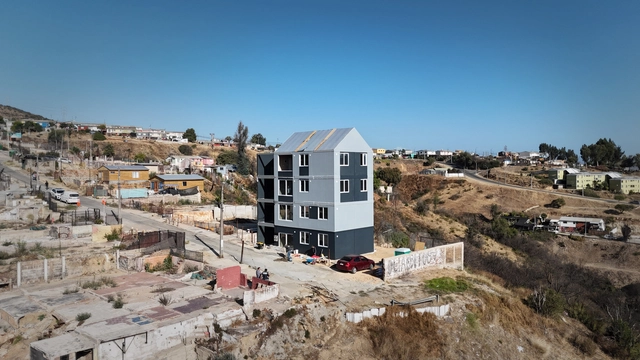
A year after the Viña del Mar mega-fire in Chile and with reconstruction efforts progressing at just 26%, the architecture firm ELEMENTAL and local authorities have begun construction on a prefabricated housing project in one of the residential neighborhoods most affected by the disaster. The project consists of a mid-density residential building with a modular steel structure, intended as a starting point for similar initiatives in response to what is now considered one of the most catastrophic events in Chile's recent history. As stated by Alejandro Aravena and the city's mayor, Macarena Ripamonti, the goal is for the technology and management model behind this project to set a precedent for delivering rapid and permanent housing solutions in emergency situations.

ELEMENTAL Designs Prefabricated Housing Project for Reconstruction in Viña del Mar, Chile - Image 1 of 4ELEMENTAL Designs Prefabricated Housing Project for Reconstruction in Viña del Mar, Chile - Image 2 of 4ELEMENTAL Designs Prefabricated Housing Project for Reconstruction in Viña del Mar, Chile - Image 3 of 4ELEMENTAL Designs Prefabricated Housing Project for Reconstruction in Viña del Mar, Chile - Featured ImageELEMENTAL Designs Prefabricated Housing Project for Reconstruction in Viña del Mar, Chile - More Images+ 19

Alejandro Aravena’s Elemental and Holcim Collaborate on Carbon-Neutral Housing at the 2025 Venice Biennale

From May 10 to November 23, 2025, a carbon-neutral housing project designed by Elemental, the firm led by Pritzker Prize winner Alejandro Aravena, will be showcased at the Venice Architecture Biennale. The project aims to combine the Chilean office's expertise in social housing with the construction products of Holcim (the company behind the Holcim Foundation) to create a prototype for resilient and affordable housing.

The design incorporates a specific type of low-carbon concrete, which aims to emit 30% less CO₂ than standard concrete. The prototype will be featured in the Time Space Existence exhibition, organized by the European Cultural Centre.The goal of the project is to test the sustainability of a housing prototype in response to the ongoing climate and humanitarian crises.

Alejandro Aravena’s Elemental and Holcim Collaborate on Carbon-Neutral Housing at the 2025 Venice Biennale - Image 1 of 4Alejandro Aravena’s Elemental and Holcim Collaborate on Carbon-Neutral Housing at the 2025 Venice Biennale - Image 2 of 4Alejandro Aravena’s Elemental and Holcim Collaborate on Carbon-Neutral Housing at the 2025 Venice Biennale - Image 3 of 4Alejandro Aravena’s Elemental and Holcim Collaborate on Carbon-Neutral Housing at the 2025 Venice Biennale - Image 4 of 4Alejandro Aravena’s Elemental and Holcim Collaborate on Carbon-Neutral Housing at the 2025 Venice Biennale - More Images

Designing with Empathy: Architecture for Social Equity

Architecture has long been understood as a powerful tool for shaping the physical environment and social dynamics within it. However, its potential to foster social equity is often overlooked. Empathy-driven design invites architects to approach their work not only as creators of space but as facilitators of human connection and community well-being. This approach centers on understanding people's lived experiences, struggles, and aspirations — particularly marginalized communities — and responding to their needs through thoughtful, inclusive architecture. It goes beyond aesthetics and functionality, instead focusing on creating spaces fostering dignity, accessibility, and social equity. By prioritizing empathy, architects can design environments that uplift communities, address disparities, and create inclusive spaces that promote positive societal change in a tangible, human-centered way.

Designing with Empathy: Architecture for Social Equity - Image 1 of 4Designing with Empathy: Architecture for Social Equity - Image 2 of 4Designing with Empathy: Architecture for Social Equity - Image 3 of 4Designing with Empathy: Architecture for Social Equity - Image 4 of 4Designing with Empathy: Architecture for Social Equity - More Images+ 13

The Mies Crown Hall Americas Prize Announces 2024 MCHAP Emerging and Outstanding Projects

The Mies Crown Hall Americas Prize (MCHAP) at the College of Architecture at Illinois Institute of Technology has announced the shortlist of 53 Outstanding projects. The 5th cycle of awards celebrates built works completed in North, Central, and South America in 2022 and 2023, striving to bring visibility to those projects that best address the demands of our time and work towards building resilient communities.

The Mies Crown Hall Americas Prize Announces 2024 MCHAP Emerging and Outstanding Projects - Image 1 of 4The Mies Crown Hall Americas Prize Announces 2024 MCHAP Emerging and Outstanding Projects - Image 2 of 4The Mies Crown Hall Americas Prize Announces 2024 MCHAP Emerging and Outstanding Projects - Image 3 of 4The Mies Crown Hall Americas Prize Announces 2024 MCHAP Emerging and Outstanding Projects - Image 4 of 4The Mies Crown Hall Americas Prize Announces 2024 MCHAP Emerging and Outstanding Projects - More Images+ 19

Good Architecture is Considerate

This text was originally published in The ArchDaily Guide to Good Architecture, our first-ever book currently available for purchase.

Besides denoting a show of careful thought, in architectural terms, the word ‘considerate' also suggests an emotional and perhaps even empathetic approach. And why shouldn't it? 

Good architecture can and should be considerate—in all the varied ways the word embodies. While it could start off with the motivation to do good and require an initial moral approach, this sensibility, combined with a meticulous knowledge of individual/communal needs and transparent communication, generates a well-adapted, and accessible built environment that can promote growth. 

Alejandro Aravena Selected to Design a New Space for Architecture, Art, and Design in Mexico

Through a statement from Tecnológico de Monterrey in Mexico, it has been announced that the Chilean architect Alejandro Aravena will construct a new facility on the Monterrey campus, named "Aulas 10." This facility will house the School of Architecture, Art, and Design (EAAD) with the goal of becoming a space that fosters creativity and knowledge.

"Building a Creative Nation": Qatar Presents Documentary about 5 New Cultural Facilities at the 2023 Venice Biennale

At the 18th International Architecture Exhibition – La Biennale di Venezia, Qatar Creates will present the documentary exhibition "Building a Creative Nation”, at the ACP - Palazzo Franchetti, from May 14 through November 26, 2023. This will be the first time that Qatar's newest cultural institutions are highlighted outside their home country.

ELEMENTAL, Herzog & de Meuron, Office for Metropolitan Architecture (OMA), Philippe Starck, and UNStudio are just a few of the internationally renowned architectural firms working with Qatar Museums to establish five new cultural facilities in Qatar. The new constructions will be overseen by Qatar Museums, tasked with maintaining and expanding Qatar's cultural assets through managing the nation's expanding network of museums, heritage sites, festivals, and public art installations.

"Building a Creative Nation": Qatar Presents Documentary about 5 New Cultural Facilities at the 2023 Venice Biennale - Image 1 of 4"Building a Creative Nation": Qatar Presents Documentary about 5 New Cultural Facilities at the 2023 Venice Biennale - Image 2 of 4"Building a Creative Nation": Qatar Presents Documentary about 5 New Cultural Facilities at the 2023 Venice Biennale - Image 3 of 4"Building a Creative Nation": Qatar Presents Documentary about 5 New Cultural Facilities at the 2023 Venice Biennale - Image 4 of 4Building a Creative Nation: Qatar Presents Documentary about 5 New Cultural Facilities at the 2023 Venice Biennale - More Images+ 1

From ELEMENTAL to Emilio Duhart: the Concrete Architecture in Chile through Jakub Sawosko's Lens

Subscriber Access | 

From Taiwan to the Netherlands to Uruguay, Jakub Sawosko has extensively been photographing concrete architecture all over the world and displaying them on Instagram as @sh_sh_welt.

After living surrounded and fascinated by post-war concrete architecture in Europe in his early years, Sawosko moved to Taiwan where he eventually realized that Modernism had heavily influenced Taiwan as well. "I felt that [Taiwan's distinctive style of architecture] deserved more recognition", explains Jakub in conversation with ArchDaily via Instagram.

From ELEMENTAL to Emilio Duhart: the Concrete Architecture in Chile through Jakub Sawosko's Lens - Image 1 of 4From ELEMENTAL to Emilio Duhart: the Concrete Architecture in Chile through Jakub Sawosko's Lens - Image 3 of 4From ELEMENTAL to Emilio Duhart: the Concrete Architecture in Chile through Jakub Sawosko's Lens - Image 4 of 4From ELEMENTAL to Emilio Duhart: the Concrete Architecture in Chile through Jakub Sawosko's Lens - Image 8 of 4From ELEMENTAL to Emilio Duhart: the Concrete Architecture in Chile through Jakub Sawosko's Lens - More Images+ 5

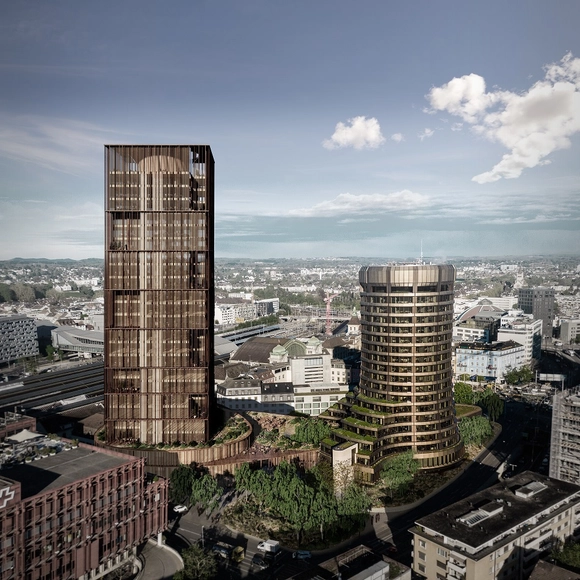
ELEMENTAL and Nissen Wentzlaff Selected to Develop the BIS Headquarters in Basel, Switzerland

The Bank for International Settlements (BIS) has just announced that the collaborative project designed by ELEMENTAL (Santiago, Chile) and Nissen Wentzlaff Architekten (Basel, Switzerland) is the winning entry of its international competition to develop its headquarters in Basel, Switzerland.

Santiago Architecture City Guide: 41 Buildings, Complexes and Parks to Visit in the Chilean Capital

Subscriber Access | 

Founded in 1541 by the Spanish conquistador Pedro de Valdivia on indigenous settlements in the valley of the Mapocho River, Santiago is the capital and most populated city of Chile. This South American city is enframed by the Andes Mountains to the east and the Chilean Coast Range to the west, in addition to 26 island hills (cerros islas) scattered throughout the city. Some of these island hills have been converted into urban parks, such as Santa Lucía and San Cristóbal, while Chena, Calán, and Renca are in the process of expansion.