1. ArchDaily
  2. Ecosystem

Ecosystem: The Latest Architecture and News

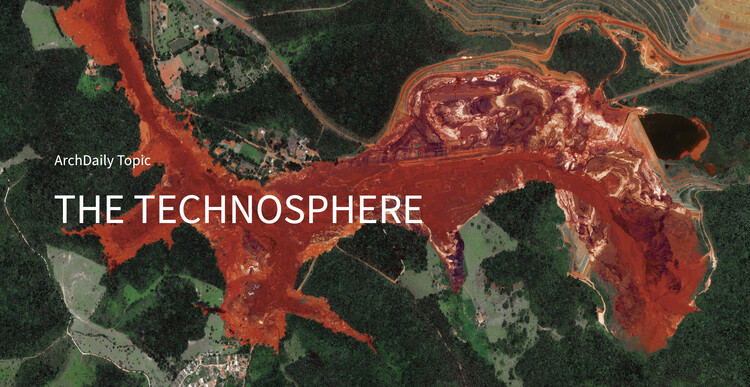
The Technosphere: ArchDaily’s March Editorial Focus

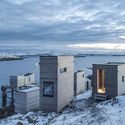
How heavy is a house? In his 1965 essay A Home Is Not a House, Reyner Banham observed that modern American dwellings were becoming structurally lighter while growing heavier in mechanical services, such as plumbing, wiring, heating, and cooling. The true weight of architecture, he argued, was no longer in walls and roofs, but in the energy-intensive systems that sustained comfort.

Decades later, the question was updated at the 7th Lisbon Architecture Triennale. Curators Ann-Sofi Rönnskog and John Palmesino asked: How heavy is a city? The scale shifted from the domestic interior to the territory. The technosphere, materialized in the estimated 30 trillion tons of human-made matter on Earth, reframes the discussion entirely. Cities, data centers, oil fields, logistics hubs, satellites, cables, and waste streams form a planetary system in which architecture is neither object nor backdrop, but participant.

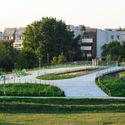
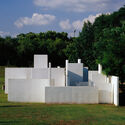
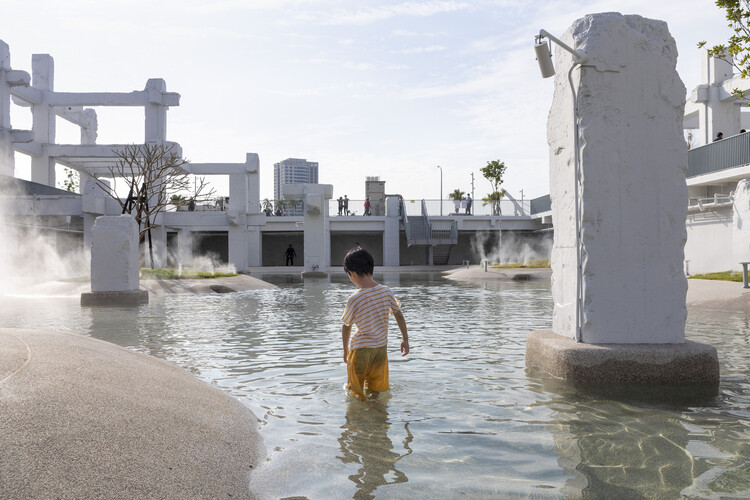
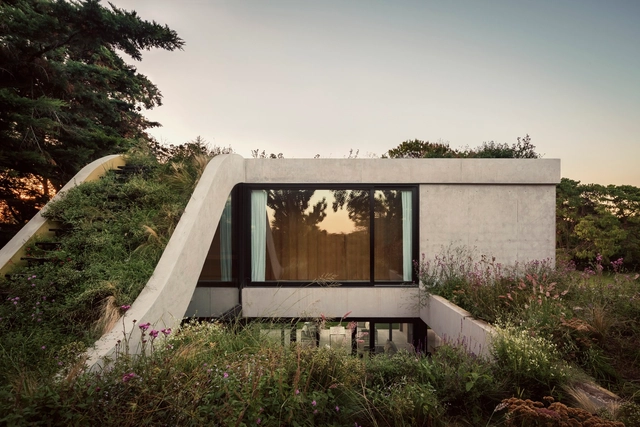
The Technosphere: ArchDaily’s March Editorial Focus - Image 1 of 4The Technosphere: ArchDaily’s March Editorial Focus - Image 2 of 4The Technosphere: ArchDaily’s March Editorial Focus - Image 3 of 4The Technosphere: ArchDaily’s March Editorial Focus - Image 4 of 4The Technosphere: ArchDaily’s March Editorial Focus - More Images+ 7

Designing in Harmony with Nature: Architecture in Urban Wetlands and the Pursuit of Territorial Well-Being

Subscriber Access | 

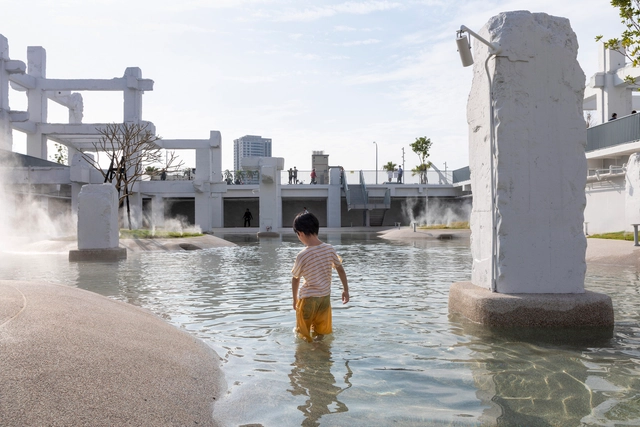
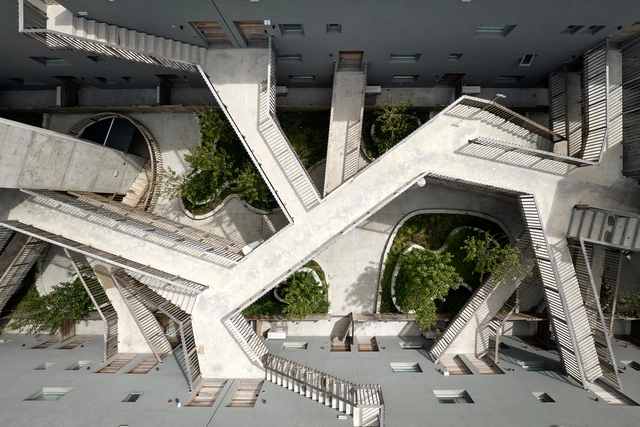
What does it mean to design while considering the rhythms and cycles of nature? What social relationships and connections with the natural environment can cities foster today and in the future? In the face of a triple environmental crisis driven by climate change, biodiversity loss, and pollution, along with zoonotic pandemics, increasing mental and emotional health issues, and digital hyperconnectivity, Fundación Cosmos proposes to explore learnings, experiences, and tools aimed at connecting people with their territories. Through nature-based urban planning, the intervention in urban wetlands presents an opportunity to enhance, learn from, and conserve natural and cultural heritage in pursuit of a sustainable and resilient future.

Designing in Harmony with Nature: Architecture in Urban Wetlands and the Pursuit of Territorial Well-Being - Image 1 of 4Designing in Harmony with Nature: Architecture in Urban Wetlands and the Pursuit of Territorial Well-Being - Image 2 of 4Designing in Harmony with Nature: Architecture in Urban Wetlands and the Pursuit of Territorial Well-Being - Image 3 of 4Designing in Harmony with Nature: Architecture in Urban Wetlands and the Pursuit of Territorial Well-Being - Image 4 of 4Designing in Harmony with Nature: Architecture in Urban Wetlands and the Pursuit of Territorial Well-Being - More Images+ 37

Zaha Hadid Architects Develop 3D-Printed Habitats to Support Marine Ecosystem Restoration

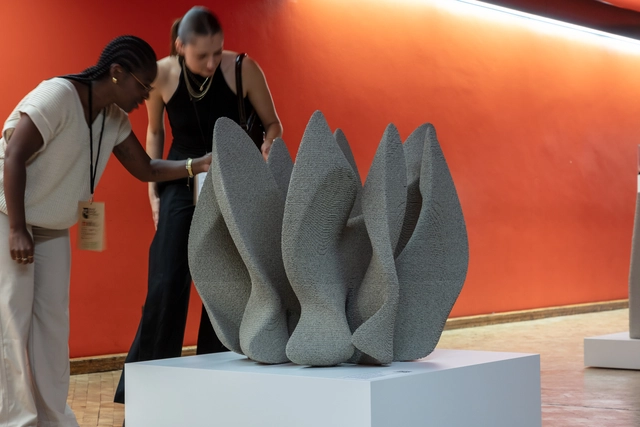
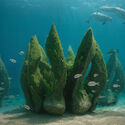
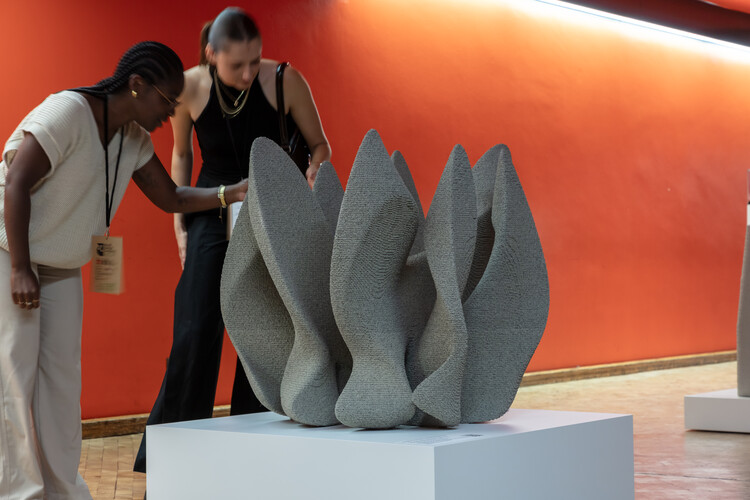
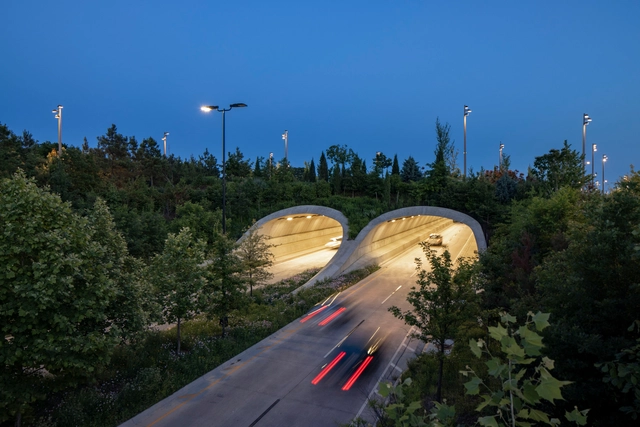
Zaha Hadid Architects' design for a digitally fabricated marine habitat in the North Lantau Marine Park conservation zone in Hong Kong was recently presented at the World Design Congress exhibition in London. The event took place at the Barbican Centre between September 9 and 10, one of the world's most recognized examples of Brutalist architecture. Its theme, "Design for Planet," called on designers and commissioners of design to take on their most critical brief to date: to design a regenerative future in the face of climate change and to examine design's role as a tool for environmental action. In this context, Zaha Hadid Architects presented Nereid, a digitally fabricated habitat developed with advanced 3D printing technologies by D-Shape, aimed at supporting the natural regeneration of marine ecosystems.

Zaha Hadid Architects Develop 3D-Printed Habitats to Support Marine Ecosystem Restoration - Image 1 of 4Zaha Hadid Architects Develop 3D-Printed Habitats to Support Marine Ecosystem Restoration - Image 2 of 4Zaha Hadid Architects Develop 3D-Printed Habitats to Support Marine Ecosystem Restoration - Image 3 of 4Zaha Hadid Architects Develop 3D-Printed Habitats to Support Marine Ecosystem Restoration - Image 4 of 4Zaha Hadid Architects Develop 3D-Printed Habitats to Support Marine Ecosystem Restoration - More Images+ 5

Reimagining Lisbon’s Azulejos: Regenerative Biomaterial Tiles from the Tagus River

Subscriber Access | 

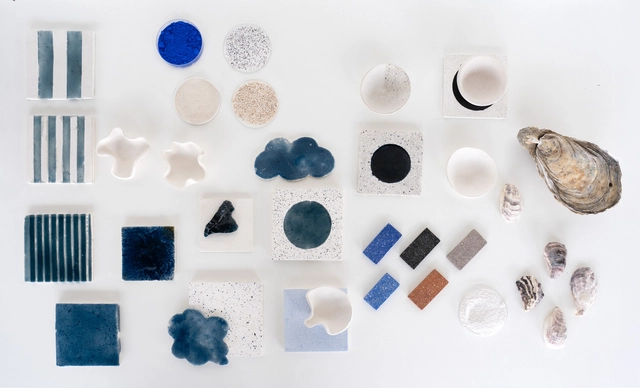
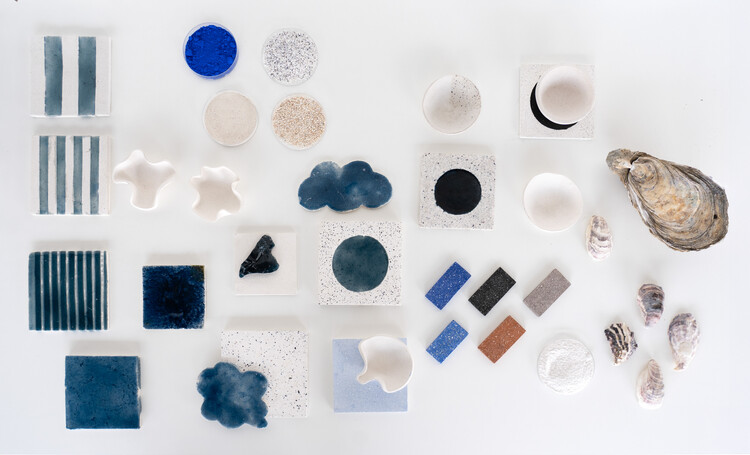
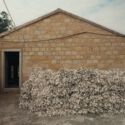
All materials come from somewhere, embedded in a chain of extraction, supply, production, and disposal that, depending on its scale, leaves more or less significant marks on the environment. In architecture, we usually approach this trajectory through the lens of materials' circularity, considering how they can re-enter production cycles rather than become waste. Yet, broadening our view to unexpected places reveals parallel systems where by-products from one industry become resources for another. This approach has found fertile ground in organic waste transformed into biomaterials, with one of the most recent examples being the work of Fahrenheit Works. Through their installation, "From the Tagus to the Tile", they repurpose oyster shells initially discarded by food systems to create a reinterpretation of Lisbon's iconic tiles.

Reimagining Lisbon’s Azulejos: Regenerative Biomaterial Tiles from the Tagus River - Image 1 of 4Reimagining Lisbon’s Azulejos: Regenerative Biomaterial Tiles from the Tagus River - Image 2 of 4Reimagining Lisbon’s Azulejos: Regenerative Biomaterial Tiles from the Tagus River - Image 3 of 4Reimagining Lisbon’s Azulejos: Regenerative Biomaterial Tiles from the Tagus River - Image 4 of 4Reimagining Lisbon’s Azulejos: Regenerative Biomaterial Tiles from the Tagus River - More Images+ 10

A Natural Childhood: How Architecture Connects Landscape, Culture, and Play

How do nature and landscape dialogue within spaces designed for children? How are architecture and urban design capable of shaping natural atmospheres that integrate practices of play, participation, and exploration? From participatory projects that involve children in the design process to built environments that incorporate furniture adapted to their needs, the conception of spaces for childhood entails the creation of places for encounter, learning, and coexistence. At times, these spaces are able to strengthen the relationships between interiors and exteriors, connecting their users with nature and the surrounding environment. Depending on their cultures, customs, and histories of attachment to place, several contemporary projects deploy tools and strategies that integrate architecture, nature, and pedagogy to form broad experiences of learning, play, and discovery.

A Natural Childhood: How Architecture Connects Landscape, Culture, and Play - Image 1 of 4A Natural Childhood: How Architecture Connects Landscape, Culture, and Play - Image 2 of 4A Natural Childhood: How Architecture Connects Landscape, Culture, and Play - Image 3 of 4A Natural Childhood: How Architecture Connects Landscape, Culture, and Play - Image 4 of 4A Natural Childhood: How Architecture Connects Landscape, Culture, and Play - More Images+ 21

Houses in Argentina: Green Roofs That Blend Architecture and Landscape

Subscriber Access | 

Seeking to create a fluid dialogue between architecture and its surrounding landscape, the study of topography embodies an awareness and exploration of the use of materials, self-sufficient strategies, low-maintenance solutions, and landscape designs that integrate into the natural environment and minimize the environmental impact of projects. Beyond recording variations in elevation, sun orientation, prevailing winds, or drainage slopes of the terrain, several architects in Argentina demonstrate a strong interest in developing architectural solutions capable of adapting to natural geographies and restoring the bond between nature and the human being.

Houses in Argentina: Green Roofs That Blend Architecture and Landscape - Image 1 of 4Houses in Argentina: Green Roofs That Blend Architecture and Landscape - Image 2 of 4Houses in Argentina: Green Roofs That Blend Architecture and Landscape - Image 3 of 4Houses in Argentina: Green Roofs That Blend Architecture and Landscape - Image 4 of 4Houses in Argentina: Green Roofs That Blend Architecture and Landscape - More Images+ 14

The Architecture of Rewilding: Designing for Ecosystem Recovery

As climate instability reshapes design priorities, architecture is increasingly drawn into ecological debates not as a spectator but as a participant. Among the concepts gaining traction is rewilding, a practice rooted in the restoration of self-sustaining ecosystems through the reintroduction of biodiversity, the removal of barriers, and the rebalancing of human presence in the landscape. Though often associated with conservation biology, rewilding also opens up new spatial and architectural imaginaries — ones that challenge conventional notions of permanence, authorship, and use.

The Architecture of Rewilding: Designing for Ecosystem Recovery - Image 1 of 4The Architecture of Rewilding: Designing for Ecosystem Recovery - Image 2 of 4The Architecture of Rewilding: Designing for Ecosystem Recovery - Image 3 of 4The Architecture of Rewilding: Designing for Ecosystem Recovery - Image 4 of 4The Architecture of Rewilding: Designing for Ecosystem Recovery - More Images+ 68

Archi/Tree/tecture: Lithuania’s Pavilion at the 2025 Venice Biennale Explores the Relationship Between Identity and Urban Nature

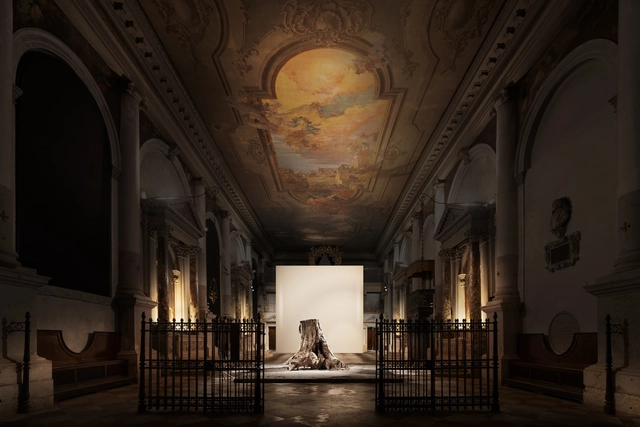
The Lithuanian Pavilion at the 2025 Venice Architecture Biennale presents Archi / Tree / tecture, a project by the National Architects Association. Commissioned by Juratė Tutlyte and curated by architect Gintaras Balčytis, the exhibition invites architects, students, communities, and visitors to reflect on the deep connections between architecture and urban nature. It positions the discipline as an interpretive medium that reveals the layered relationships shaping our cities, which in turn reflect these dynamic interactions. The proposal evokes an urban memory rooted in landscapes where fields and trees once stood, introducing the dimension of time into discussions on city ecosystems, sustainability, and resilience. The exhibition, an indoor installation designed by architects Paulius Vaitiekūnas, Andrius Pukis, and Vika Pranaitytė, will be set within the Church of Santa Maria dei Derelitti. The audiovisual and light installation in the pavilion was designed by the interdisciplinary art duo Lina Pranaitytė and Urtė Pakers, while the sculptural component of the installation was created by Kęstutis Lanauskas.

Archi/Tree/tecture: Lithuania’s Pavilion at the 2025 Venice Biennale Explores the Relationship Between Identity and Urban Nature - Image 1 of 4Archi/Tree/tecture: Lithuania’s Pavilion at the 2025 Venice Biennale Explores the Relationship Between Identity and Urban Nature - Image 2 of 4Archi/Tree/tecture: Lithuania’s Pavilion at the 2025 Venice Biennale Explores the Relationship Between Identity and Urban Nature - Image 3 of 4Archi/Tree/tecture: Lithuania’s Pavilion at the 2025 Venice Biennale Explores the Relationship Between Identity and Urban Nature - Image 4 of 4Archi/Tree/tecture: Lithuania’s Pavilion at the 2025 Venice Biennale Explores the Relationship Between Identity and Urban Nature - More Images+ 2

Forest Futures: Rethinking Architecture of Forest Ecosystems and Ecological Balance

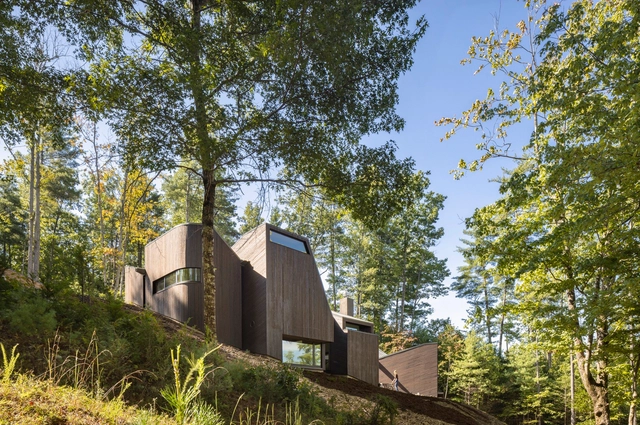
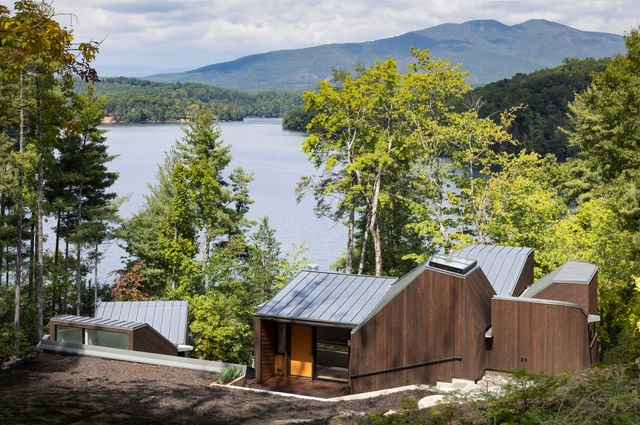
Forests are among the most complex yet vital ecosystems on Earth. They regulate climate, support biodiversity, and sustain human communities. With the growing realities of climate change and environmental degradation, architects, planners, and engineers now face a new imperative: designing within forests in ways that sustain the ecosystems on which they depend.

Forest Futures: Rethinking Architecture of Forest Ecosystems and Ecological Balance - Image 1 of 4Forest Futures: Rethinking Architecture of Forest Ecosystems and Ecological Balance - Image 2 of 4Forest Futures: Rethinking Architecture of Forest Ecosystems and Ecological Balance - Image 3 of 4Forest Futures: Rethinking Architecture of Forest Ecosystems and Ecological Balance - Image 4 of 4Forest Futures: Rethinking Architecture of Forest Ecosystems and Ecological Balance - More Images+ 7

Open-Air Chapels: Integrating Nature and Landscape into Religious Architecture in Latin America

At a global level, contemporary architecture continues to explore tools and design methodologies to integrate nature into habitable spaces, given its proven benefits and contributions to improving people's quality of life. While there are diverse religious beliefs around the world, religious architecture generally expands beyond its uses and functions to connect with the sacred. Senses, memories, and emotions are transmitted in these spaces through the use of certain materials, spatial organizations, and even sounds and aromas that enhance experiences in atmospheres of spirituality, divinity, and reflection. In Mexico, Chile, Ecuador, Brazil, and Uruguay, projects for places of worship open to the outdoors reflect an architecture that adapts to different natural environments while maintaining the premise that each religion is tied to a social identity and requires a particular connection with its community and surrounding landscape.

Open-Air Chapels: Integrating Nature and Landscape into Religious Architecture in Latin America - Image 1 of 4Open-Air Chapels: Integrating Nature and Landscape into Religious Architecture in Latin America - Image 2 of 4Open-Air Chapels: Integrating Nature and Landscape into Religious Architecture in Latin America - Image 3 of 4Open-Air Chapels: Integrating Nature and Landscape into Religious Architecture in Latin America - Image 4 of 4Open-Air Chapels: Integrating Nature and Landscape into Religious Architecture in Latin America - More Images+ 20

On Mountains: Architectural Designs Adjusted for High-Altitude Climates

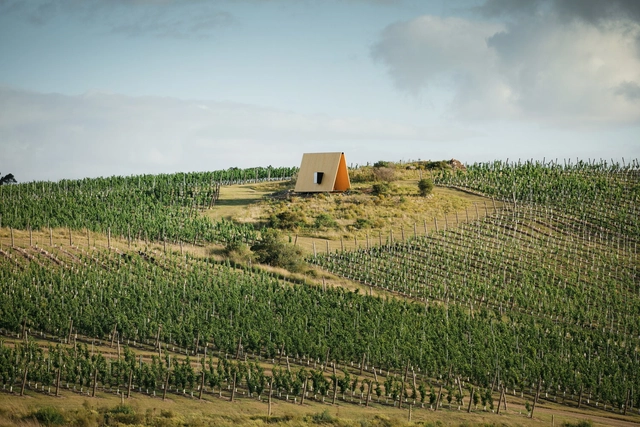
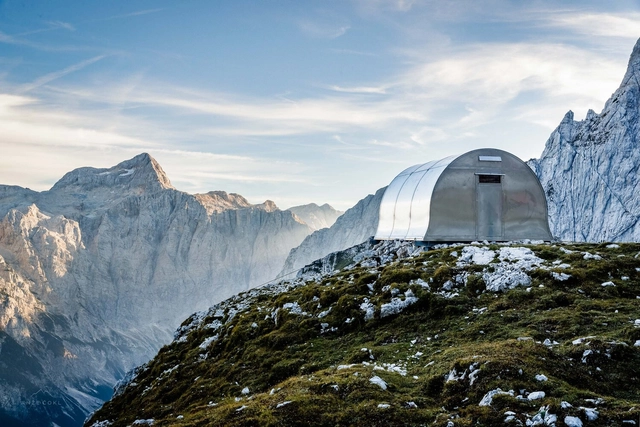
Mountainous and high-altitude regions are considered to be among the most fragile ecosystems on Earth. From melting glaciers to land erosion, these environments face mounting threats from climate change, making it imperative to reimagine how architecture and its supporting infrastructure are designed for such places.

The communities settled in mountain ecosystems are especially vulnerable to the impacts of climate change because of their proximity to early symptoms of changing environments and lack of access to adaptive resources and materials. Beyond all poetic aspirations of building and living in mountain environments, it is an urgent challenge to design solutions that properly resist hostile climatic conditions and promote sustainable and safe human settlements in mountainous regions.

On Mountains: Architectural Designs Adjusted for High-Altitude Climates - Image 1 of 4On Mountains: Architectural Designs Adjusted for High-Altitude Climates - Image 2 of 4On Mountains: Architectural Designs Adjusted for High-Altitude Climates - Image 3 of 4On Mountains: Architectural Designs Adjusted for High-Altitude Climates - Image 4 of 4On Mountains: Architectural Designs Adjusted for High-Altitude Climates - More Images+ 15

Integrating Nature as a Building Material: Exploring the Works of Estudio Planta

Combining experience, knowledge, tradition, innovation, and experimentation, Estudio Planta, based in Buenos Aires, Argentina, focuses on fostering the relationship between architecture and nature by using vegetation as a building material and integrating outdoor spaces into daily life. Addressing the unique characteristics of each site, programmatic innovation, sustainability, care for noble materials, and construction details, the practice defines its identity by proposing ways of living in harmony with its inhabitants and understanding the legacy that architecture can leave for society.

Integrating Nature as a Building Material: Exploring the Works of Estudio Planta - Image 1 of 4Integrating Nature as a Building Material: Exploring the Works of Estudio Planta - Image 2 of 4Integrating Nature as a Building Material: Exploring the Works of Estudio Planta - Image 3 of 4Integrating Nature as a Building Material: Exploring the Works of Estudio Planta - Image 4 of 4Integrating Nature as a Building Material: Exploring the Works of Estudio Planta - More Images+ 5

Design Strategies for Increasing Biodiversity

The world has lost 60 percent of animal populations since 1970. This staggering decline reflects the growing pressures on ecosystems, from habitat destruction to climate change. And 1 million species now face threats of extinction. As these problems continue to escalate, the importance of preserving biodiversity and restoring ecosystems becomes clearer.

Design Strategies for Increasing Biodiversity - Image 1 of 4Design Strategies for Increasing Biodiversity - Image 2 of 4Design Strategies for Increasing Biodiversity - Image 3 of 4Design Strategies for Increasing Biodiversity - Image 4 of 4Design Strategies for Increasing Biodiversity - More Images

DnA's Xu Tiantian Unveils her Comprehensive Design Process in CCA’s Groundwork Debut: 'Into the Island'

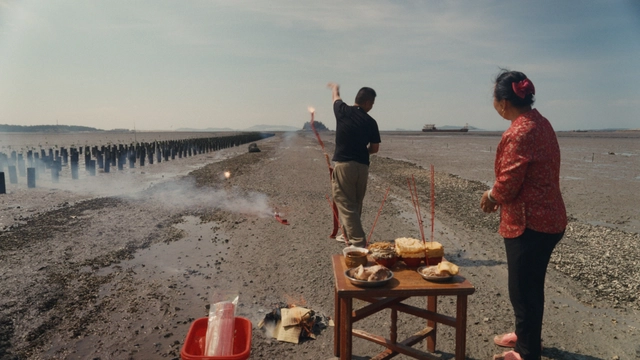
With the heightening of ecological and social crises all around the world, architects have had to re-evaluate their role, impact, and design approach. As the "new needs" of people arise, new architectural processes must be explored to answer them. However, this still comes with much resistance from the standing practices and push for financial gain that often makes it difficult to implement more comprehensive solutions. These notions led the CCA (Canadian Center for Architecture) to launch their new 3-part film and exhibit series called " Groundwork", curated by the associate director, Francesco Garutti. Through this project, the CCA selected and followed three renowned contemporary architects/practices as they developed their concepts and field research, which allowed them to engage respectfully with their site and residing communities. It's an up close and personal look into what motivates the selected architects to examine alternative ways of designing and the challenges they go through as the three parallel stories unfold.

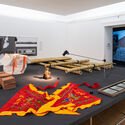
The first exhibit opening and movie screening was held in May 2024, followed by an in-conversation event with the program curator and architect, where the question of "What is architecture today" was discussed. The exhibit and its many showcased elements, channels visitors along to the first site exploration with DnA's Xu Tiantian as she ventures "Into the Island" of Meizhou, China, in the summer of 2022.

DnA's Xu Tiantian Unveils her Comprehensive Design Process in CCA’s Groundwork Debut: 'Into the Island' - Films & ArchitectureDnA's Xu Tiantian Unveils her Comprehensive Design Process in CCA’s Groundwork Debut: 'Into the Island' - Films & ArchitectureDnA's Xu Tiantian Unveils her Comprehensive Design Process in CCA’s Groundwork Debut: 'Into the Island' - Films & ArchitectureDnA's Xu Tiantian Unveils her Comprehensive Design Process in CCA’s Groundwork Debut: 'Into the Island' - Films & ArchitectureDnA's Xu Tiantian Unveils her Comprehensive Design Process in CCA’s Groundwork Debut: 'Into the Island' - More Images+ 7

The Beaten Path: Connecting Towns and Identity through Appalachian Trail Networks

Subscriber Access | 

Every year, over a thousand people complete the 2,192-mile (3528-kilometer) Appalachian Trail between Springer Mountain in Georgia and Mount Katahdin in Maine. Millions more follow the trail for a shorter stretch by spending time at the countless overlooks, walking along the wooded ridges, or meandering through the small town centers, making this network one of the world's most visited and widely recognized trail corridors. However, the proposal for this expansive trail corridor, originally entered in a 1921 Journal of the American Institute of Architects article by Benton MacKaye, was far from a mere recreational outdoor amenity. This "project in regional planning" was a radical critique of the industrializing modernity that sharpened the divide between expanding cities of the Eastern coast and waning towns of the Appalachian mountains.

The Beaten Path: Connecting Towns and Identity through Appalachian Trail Networks - Image 1 of 4The Beaten Path: Connecting Towns and Identity through Appalachian Trail Networks - Image 2 of 4The Beaten Path: Connecting Towns and Identity through Appalachian Trail Networks - Image 3 of 4The Beaten Path: Connecting Towns and Identity through Appalachian Trail Networks - Image 4 of 4The Beaten Path: Connecting Towns and Identity through Appalachian Trail Networks - More Images+ 26

Harvard GSD Inaugurates Polinature, a Plug-In Public Space to Transform Urban Climates

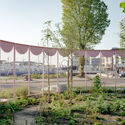
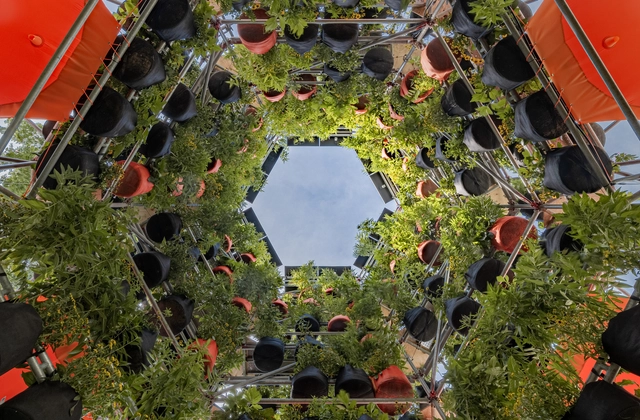
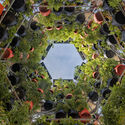
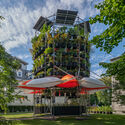
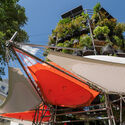
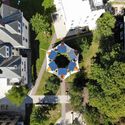
Architects Belinda Tato and Jose Luis Vallejo of Ecosistema Urbano have designed a plug-in public space designed to address the effects of climate change in ill-equipped urban environments. Titled Polinature, the installation has been funded by the Salata Institute for Climate and Sustainability at Harvard, and is now installed in the backyard of the Harvard Center for Green Buildings and Cities. The pavilion, featuring native plans set into a scaffolding, with an inflatable bioclimatic canopy, aims to demonstrate how small-scale interventions can create compound positive effects for the local micro-climate and biodiversity.

Harvard GSD Inaugurates Polinature, a Plug-In Public Space to Transform Urban Climates - Featured ImageHarvard GSD Inaugurates Polinature, a Plug-In Public Space to Transform Urban Climates - Image 1 of 4Harvard GSD Inaugurates Polinature, a Plug-In Public Space to Transform Urban Climates - Image 2 of 4Harvard GSD Inaugurates Polinature, a Plug-In Public Space to Transform Urban Climates - Image 3 of 4Harvard GSD Inaugurates Polinature, a Plug-In Public Space to Transform Urban Climates - More Images+ 14

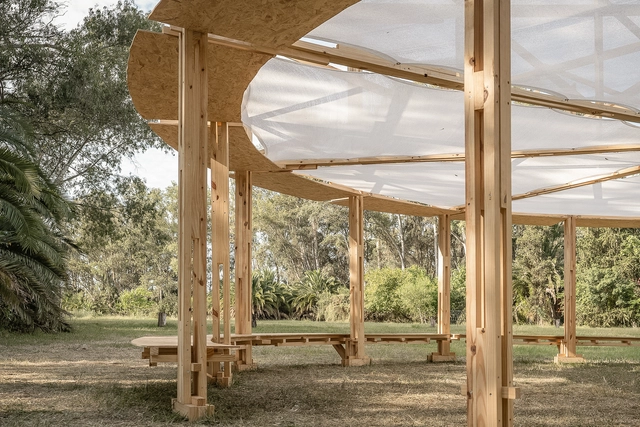
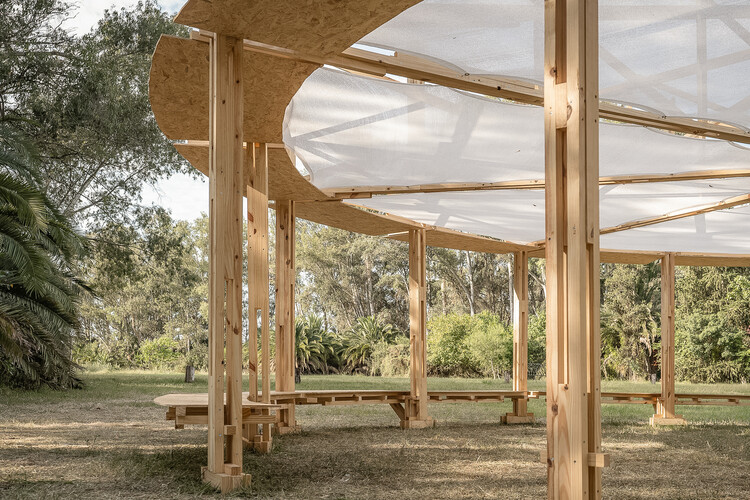
How to Use Wood in Outdoor Installations: Case Studies in Natural Environments of Latin America

Spanning over 20 million square kilometers and featuring nearly all the climates of the world, the Latin American region is home to endemic biological wealth and geographical diversity that ranges from some of the most significant rivers in the world to the mountain range of the Andes, the Amazon rainforests, the plains of Patagonia, the coasts of the Caribbean Sea, and more. In light of a collective effort involving local communities and new generations, the construction of installations and structures in these natural environments is aimed not only at meeting functional needs but also at educational, research, and environmental conservation purposes.

How to Use Wood in Outdoor Installations: Case Studies in Natural Environments of Latin America - Image 1 of 4How to Use Wood in Outdoor Installations: Case Studies in Natural Environments of Latin America - Image 2 of 4How to Use Wood in Outdoor Installations: Case Studies in Natural Environments of Latin America - Image 3 of 4How to Use Wood in Outdoor Installations: Case Studies in Natural Environments of Latin America - Image 4 of 4How to Use Wood in Outdoor Installations: Case Studies in Natural Environments of Latin America - More Images+ 26

Wellness Spaces on Water: 6 Projects in Dialogue with Nature

How does floating architecture relate to nature? How are wellness spaces connected to natural environments? Living in spaces around water continues to be one of the greatest interests and attractions for a large portion of the global population. Beyond the fact that designing on water requires consideration of various structural, economic, construction, material, and technological variables, understanding the region's climate aspects—such as rainfall, currents, winds, temperatures, and more—is essential for creating architectures that coexist with the natural world and do not cause severe damage to ecosystems.
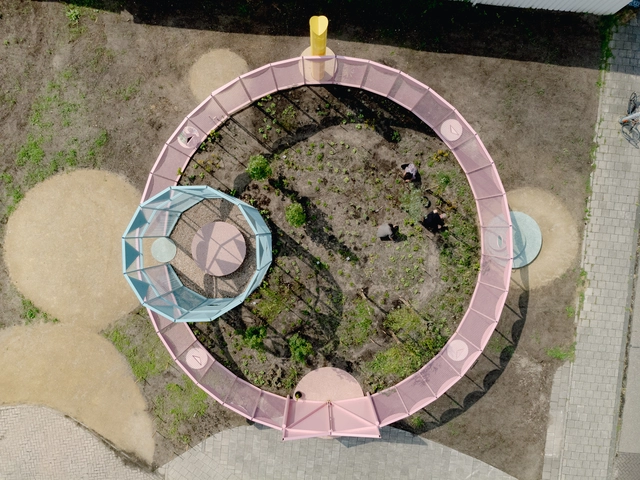
Wellness Spaces on Water: 6 Projects in Dialogue with Nature - Image 1 of 4Wellness Spaces on Water: 6 Projects in Dialogue with Nature - Image 2 of 4Wellness Spaces on Water: 6 Projects in Dialogue with Nature - Image 3 of 4Wellness Spaces on Water: 6 Projects in Dialogue with Nature - Image 4 of 4Wellness Spaces on Water: 6 Projects in Dialogue with Nature - More Images+ 14