1. ArchDaily
  2. Eco-Tourism

Eco-Tourism: The Latest Architecture and News

6 Unbuilt Retreats Exploring Hospitality Through Landscape and Refuge

Subscriber Access | 

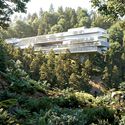
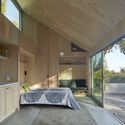
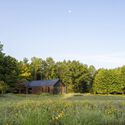
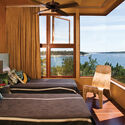
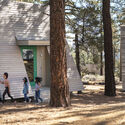
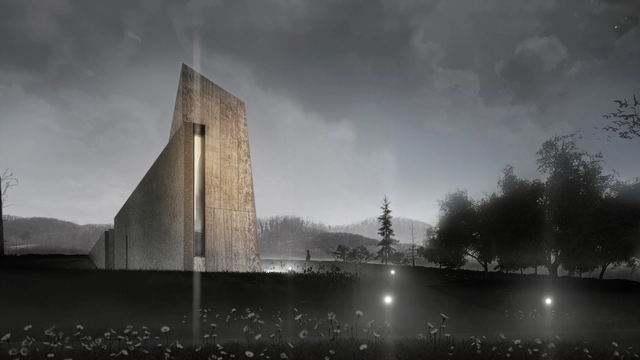
Spaces of retreat continue to offer fertile ground for unbuilt exploration, revealing how architecture can support rest, reflection, and immersion in nature amid shifting environmental and cultural conditions. In this Unbuilt edition, submitted by the ArchDaily community, the selected projects assemble a diverse range of proposals that reconsider hospitality through the lens of refuge. These works position accommodation not as spectacle or excess, but as spatial frameworks shaped by landscape, climate, material restraint, and shared experience.

Across distinct geographies, from Southeast Asian hillsides and Indonesian coastlines to African wilderness, Alpine terrain, Middle Eastern landscapes, and North American forests, the proposals demonstrate varied architectural responses to sensitive sites. They include elevated structures that hover lightly above steep ground, temporary lodge systems embedded in remote ecologies, reconstructed mountain shelters grounded in memory and reuse, courtyard-centered communal stays shaped by lifestyle cultures, contemplative desert retreats, and inclusive woodland camps designed for accessibility and environmental balance.

6 Unbuilt Retreats Exploring Hospitality Through Landscape and Refuge - Image 5 of 46 Unbuilt Retreats Exploring Hospitality Through Landscape and Refuge - Image 31 of 46 Unbuilt Retreats Exploring Hospitality Through Landscape and Refuge - Image 10 of 46 Unbuilt Retreats Exploring Hospitality Through Landscape and Refuge - Image 14 of 46 Unbuilt Retreats Exploring Hospitality Through Landscape and Refuge - More Images+ 35

The Evolving Practice of Designing Light in Scandinavian Environments

Subscriber Access | 

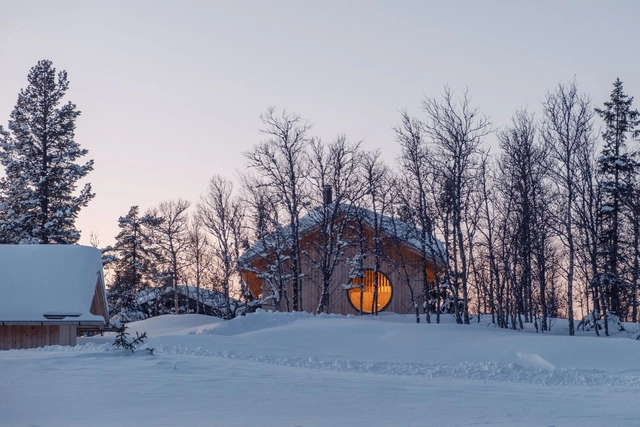
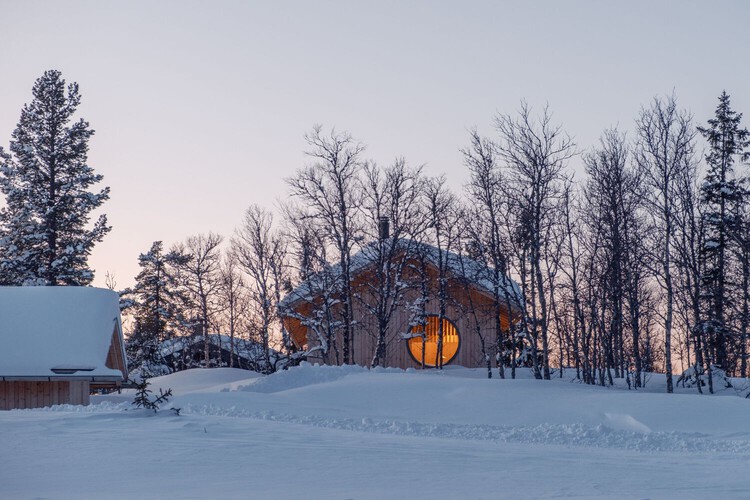
Scandinavia is shaped by environmental conditions that test both human endurance and architectural ingenuity, with long winters defined by limited daylight, low sun angles, deep snowfall, and cold winds that transform everyday movement, gathering, and habitation into deliberate acts. In this context, architecture is never neutral, and hospitality is never incidental. Buildings that welcome visitors across cities, forests, and coastlines must respond directly to darkness and cold, not by denying them, but by creating interior worlds that offer orientation, warmth, and psychological relief. The act of welcoming in Scandinavia is therefore inseparable from the climate, grounded in the understanding that shelter, light, and human presence are fundamental resources in Arctic environments.

The Evolving Practice of Designing Light in Scandinavian Environments - Image 1 of 4The Evolving Practice of Designing Light in Scandinavian Environments - Image 2 of 4The Evolving Practice of Designing Light in Scandinavian Environments - Image 3 of 4The Evolving Practice of Designing Light in Scandinavian Environments - Image 4 of 4The Evolving Practice of Designing Light in Scandinavian Environments - More Images+ 18

From Coast to Countryside: 15 Rural Hotels in Portugal

Subscriber Access | 

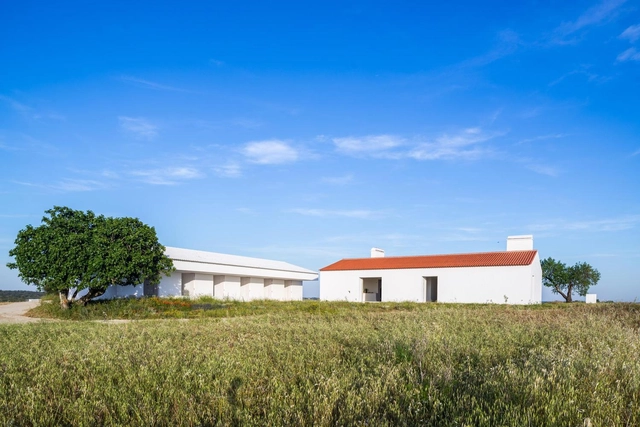
Tourism in Portugal began to develop in the late 1950s, initially centered on key destinations such as the Algarve coast, Lisbon, and the religious hub of Fátima. This focus made tourism largely a coastal activity. However, rapid growth and overburdened infrastructure in these areas led to saturation and a crisis in the sector. To address this, efforts were made to promote alternative destinations, appealing to a new wave of tourists looking for more sustainable, authentic, and locally immersive experiences.

From Coast to Countryside: 15 Rural Hotels in Portugal - Image 1 of 4From Coast to Countryside: 15 Rural Hotels in Portugal - Image 2 of 4From Coast to Countryside: 15 Rural Hotels in Portugal - Image 3 of 4From Coast to Countryside: 15 Rural Hotels in Portugal - Image 4 of 4From Coast to Countryside: 15 Rural Hotels in Portugal - More Images+ 20

Guesthouses and Lessons in Generosity: Spaces of Hospitality in Rural America

Spaces of hospitality are a mirror to how different cultures articulate generosity, care, belonging, and identity. In busy city settings, this is reflected in hotels, service systems, and curated amenities that directly shape the visitor experience. These spaces translate care into measurable forms, where success is correlated with efficiency, luxury, and brand identity.

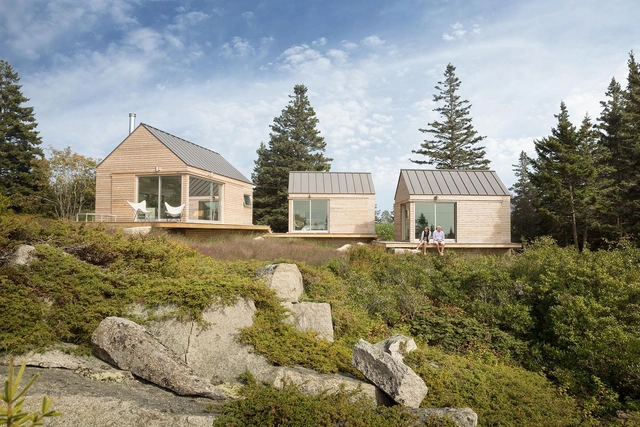
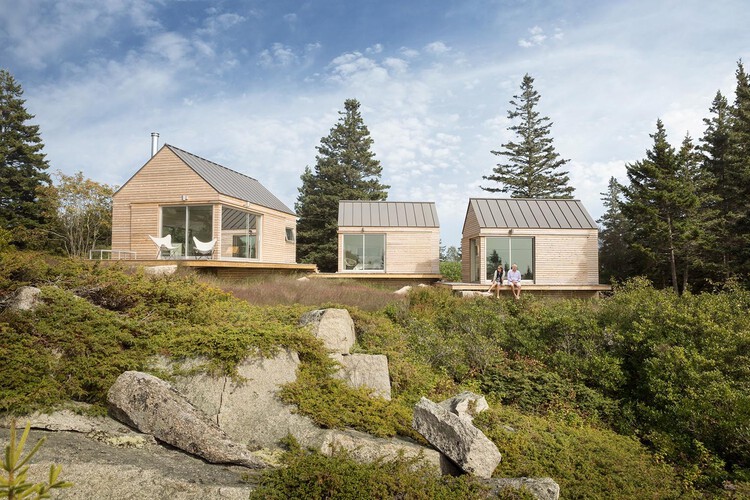
In rural America, hospitality operates with a different logic. In these environments, care is grounded in labor and community, while directly responding to the specific ecological and cultural geographies. Distance, limited infrastructure, and close social networks demand forms of architecture that are flexible and self-sufficient. Designs respond to shifting weather, local materials, and a culture where support often begins with neighbors. In this landscape, architectural thresholds of hospitality emerge in responsive, yet unexpected, ways.

Guesthouses and Lessons in Generosity: Spaces of Hospitality in Rural America - Image 1 of 4Guesthouses and Lessons in Generosity: Spaces of Hospitality in Rural America - Image 3 of 4Guesthouses and Lessons in Generosity: Spaces of Hospitality in Rural America - Image 2 of 4Guesthouses and Lessons in Generosity: Spaces of Hospitality in Rural America - Image 4 of 4Guesthouses and Lessons in Generosity: Spaces of Hospitality in Rural America - More Images+ 39

From Japan to Saudi Arabia: 8 Unbuilt Hospitality Projects Redefining the Future of Hotels and Resorts

Subscriber Access | 

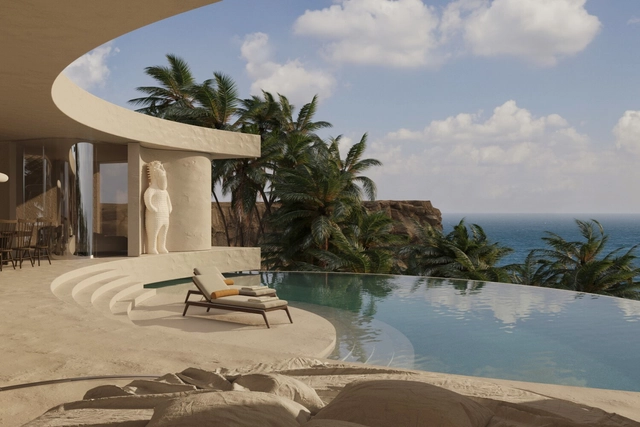
In contemporary architecture, hotel design is no longer defined solely by luxury and accommodation. Instead, it is becoming a platform to explore questions of identity, ecology, and cultural meaning. Beyond providing rooms and amenities, hotels today aim to create immersive experiences that connect travelers to local traditions, landscapes, and communities. In this curated selection of unbuilt hospitality projects, submitted by the ArchDaily community, speculative and competition-winning proposals offer a glimpse into the future of hospitality, where sustainability and storytelling are as central as comfort and style.

From Japan to Saudi Arabia: 8 Unbuilt Hospitality Projects Redefining the Future of Hotels and Resorts - Image 12 of 4From Japan to Saudi Arabia: 8 Unbuilt Hospitality Projects Redefining the Future of Hotels and Resorts - Image 16 of 4From Japan to Saudi Arabia: 8 Unbuilt Hospitality Projects Redefining the Future of Hotels and Resorts - Image 21 of 4From Japan to Saudi Arabia: 8 Unbuilt Hospitality Projects Redefining the Future of Hotels and Resorts - Image 9 of 4From Japan to Saudi Arabia: 8 Unbuilt Hospitality Projects Redefining the Future of Hotels and Resorts - More Images+ 48

Architecture as an Invitation to Explore: 25 Visitor Centers Around the World

Subscriber Access | 

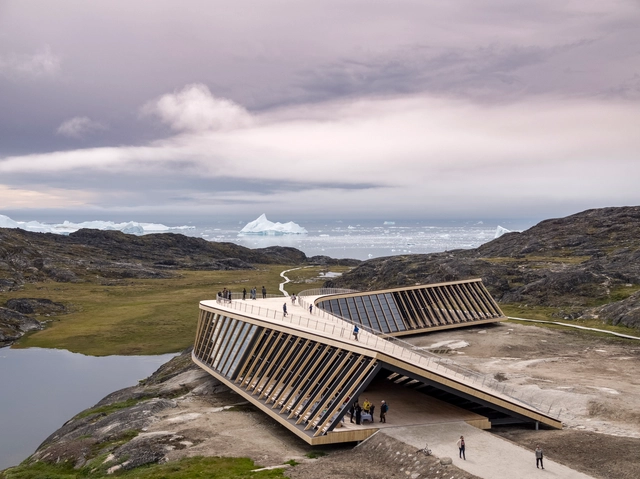
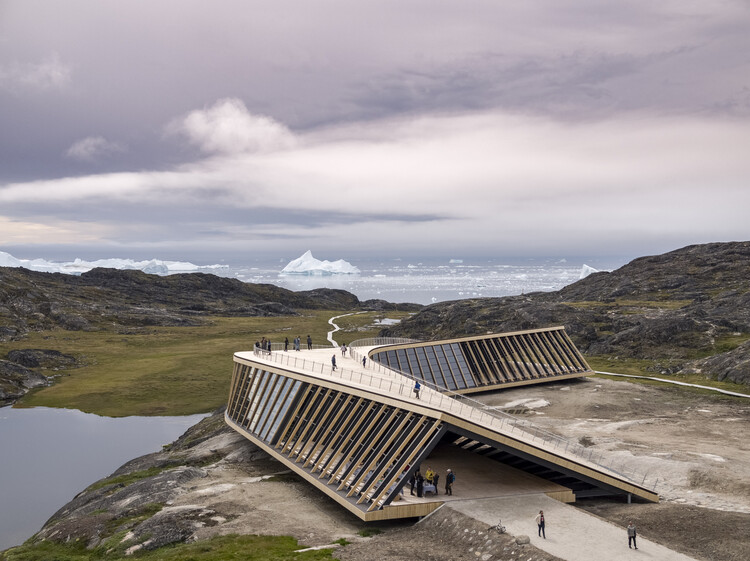
Destinations like ecological reserves, national parks, and historic sites rank among the most visited places worldwide. Motivated by different desires — from aesthetic appreciation to a longing for connection with nature — visitors are drawn to locations marked by historical importance, scenic beauty, or architectural significance. In this context, it becomes essential for the institutions responsible for preserving and managing these sites to adopt thoughtful mediation strategies — both in terms of communication and spatial design. One such strategy is the creation of visitor centers: architectural structures that not only receive guests but also educate and guide them. These buildings act as interfaces between the site and its audience, translating the ecological, historical, and cultural values of the place into architectural form.

Architecture as an Invitation to Explore: 25 Visitor Centers Around the World - Image 1 of 4Architecture as an Invitation to Explore: 25 Visitor Centers Around the World - Image 2 of 4Architecture as an Invitation to Explore: 25 Visitor Centers Around the World - Image 3 of 4Architecture as an Invitation to Explore: 25 Visitor Centers Around the World - Image 4 of 4Architecture as an Invitation to Explore: 25 Visitor Centers Around the World - More Images+ 23

Cabins in Spain: Small-Scale Accommodations in Natural Settings

Subscriber Access | 

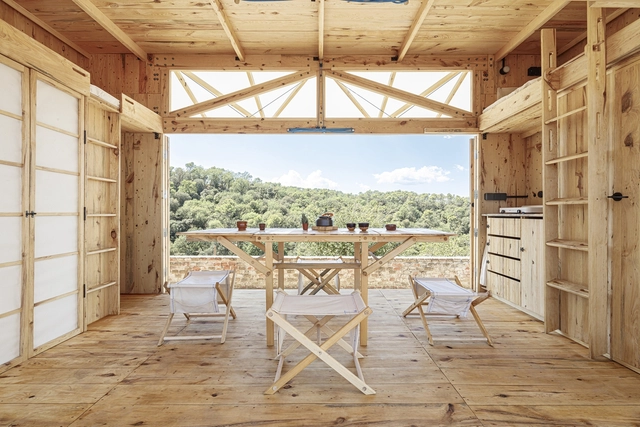
Amid coasts, rivers, lakes, and mountain ranges, Spain’s natural environment encompasses a wide variety of climates, topographies, and vegetation species. Aiming to raise global awareness of the impact of construction on the environment and the importance of addressing climate change through new ways of creating architecture, several architectural practices and research teams are exploring the design of cabins or small-scale lodging prototypes. While capable of integrating harmoniously with their surrounding natural context, they also demonstrate strategies for self-sufficiency, resource utilization, and space maximization, as well as broad applications of innovative technologies and material solutions adapted to each region.

Cabins in Spain: Small-Scale Accommodations in Natural Settings - Image 1 of 4Cabins in Spain: Small-Scale Accommodations in Natural Settings - Image 2 of 4Cabins in Spain: Small-Scale Accommodations in Natural Settings - Image 7 of 4Cabins in Spain: Small-Scale Accommodations in Natural Settings - Image 3 of 4Cabins in Spain: Small-Scale Accommodations in Natural Settings - More Images+ 5

DnA's Xu Tiantian Unveils her Comprehensive Design Process in CCA’s Groundwork Debut: 'Into the Island'

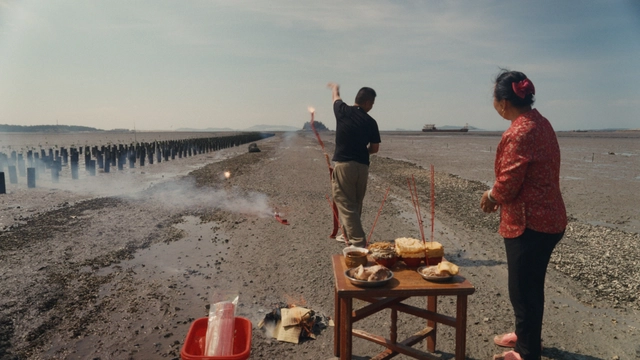
With the heightening of ecological and social crises all around the world, architects have had to re-evaluate their role, impact, and design approach. As the "new needs" of people arise, new architectural processes must be explored to answer them. However, this still comes with much resistance from the standing practices and push for financial gain that often makes it difficult to implement more comprehensive solutions. These notions led the CCA (Canadian Center for Architecture) to launch their new 3-part film and exhibit series called " Groundwork", curated by the associate director, Francesco Garutti. Through this project, the CCA selected and followed three renowned contemporary architects/practices as they developed their concepts and field research, which allowed them to engage respectfully with their site and residing communities. It's an up close and personal look into what motivates the selected architects to examine alternative ways of designing and the challenges they go through as the three parallel stories unfold.

The first exhibit opening and movie screening was held in May 2024, followed by an in-conversation event with the program curator and architect, where the question of "What is architecture today" was discussed. The exhibit and its many showcased elements, channels visitors along to the first site exploration with DnA's Xu Tiantian as she ventures "Into the Island" of Meizhou, China, in the summer of 2022.

DnA's Xu Tiantian Unveils her Comprehensive Design Process in CCA’s Groundwork Debut: 'Into the Island' - Films & ArchitectureDnA's Xu Tiantian Unveils her Comprehensive Design Process in CCA’s Groundwork Debut: 'Into the Island' - Films & ArchitectureDnA's Xu Tiantian Unveils her Comprehensive Design Process in CCA’s Groundwork Debut: 'Into the Island' - Films & ArchitectureDnA's Xu Tiantian Unveils her Comprehensive Design Process in CCA’s Groundwork Debut: 'Into the Island' - Films & ArchitectureDnA's Xu Tiantian Unveils her Comprehensive Design Process in CCA’s Groundwork Debut: 'Into the Island' - More Images+ 7

A Seaside Resort in the Caribbean and a Secluded Hotel in Italy’s Wine Region: 8 Unbuilt Resorts Submitted by the ArchDaily Community

Subscriber Access | 

Tourist facilities such as resorts and hotels are often an engaging case study for architects and architecture enthusiasts, as they strive to combine functional and accessible design with locally-influenced cultural expressions. These structures often require unique solutions to meet the diverse needs of guests, including comfort, aesthetics, and functionality. Their design and construction also impact local economies and environments, providing opportunities for architects to contribute to sustainable tourism and community development.

This week's curated selection of Best Unbuilt Architecture highlights projects submitted by the ArchDaily community that offer tourist accommodation in unique settings, including the beaches of the Caribean, the Caucasus mountain range in Georgia, the urban setting of Oslo, or the wine-making region of Puglia in Italy. Featuring projects from emerging and established architectural offices such as WilkinsonEyre, Oppenheim Architecture, Powerhouse Company, or 3GATTI, the selection showcases architectural designs that reimagine tourist facilities and reflect the diversity of their environmental and cultural contexts.

OODA and MassLab Win Competition for a “Building without Devastating” Master Plan in Portugal

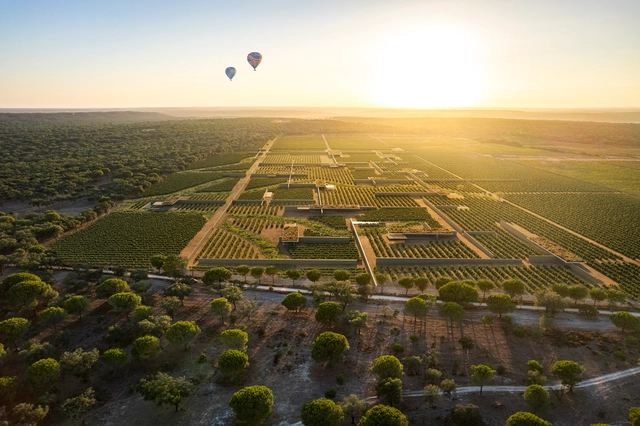
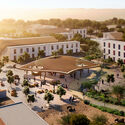
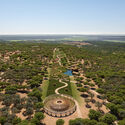
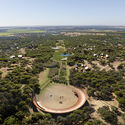
In collaboration with MassLab, OODA has been awarded first place in the Barrosinha Agricultural Company competition, aimed at creating a 2,000-hectare development seamlessly integrated into the agro-forestry heritage of Alcácer do Sal, Portugal. The master plan, covering a variety of functions for tourism, housing, commerce, and leisure, is designed in harmony with the United Nations Sustainable Development Goals, striving to transform Herdade da Barrosinha into a model of sustainable renewal.

OODA and MassLab Win Competition for a “Building without Devastating” Master Plan in Portugal - Image 1 of 4OODA and MassLab Win Competition for a “Building without Devastating” Master Plan in Portugal - Image 2 of 4OODA and MassLab Win Competition for a “Building without Devastating” Master Plan in Portugal - Image 3 of 4OODA and MassLab Win Competition for a “Building without Devastating” Master Plan in Portugal - Image 4 of 4OODA and MassLab Win Competition for a “Building without Devastating” Master Plan in Portugal - More Images+ 13

Venice Launches Entrance Tickets to Tackle Overtourism During Peak Weekends

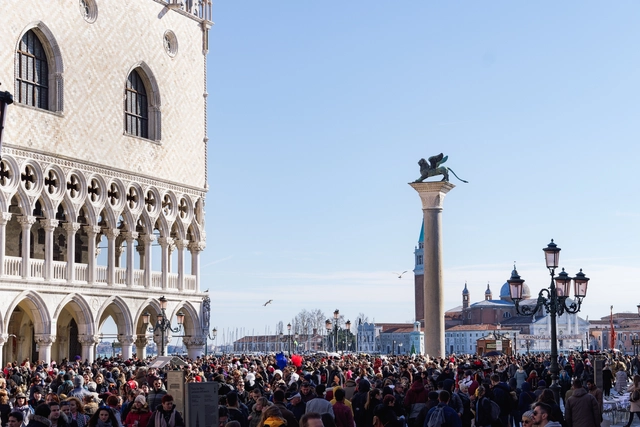
Venice authorities have launched a pilot program for their long-term discussed plan to introduce fees for day-trippers visiting the city. The program, which has been delayed several times citing logistical issues, was officially launched on January 16th, when the online payment platform became operational. While the scope of the program is expected to expand, for now, it will be applied only on certain days during the most crowded season, between April 25 and July 14.

Venice Launches Entrance Tickets to Tackle Overtourism During Peak Weekends - Image 1 of 4Venice Launches Entrance Tickets to Tackle Overtourism During Peak Weekends - Image 2 of 4Venice Launches Entrance Tickets to Tackle Overtourism During Peak Weekends - Image 3 of 4Venice Launches Entrance Tickets to Tackle Overtourism During Peak Weekends - Image 4 of 4Venice Launches Entrance Tickets to Tackle Overtourism During Peak Weekends - More Images

NEOM Unveils Siranna, its Latest Tourist Destination in Saudi Arabia

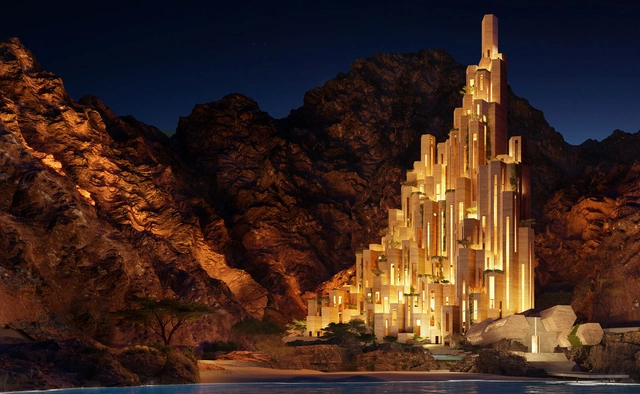
NEOM has just introduced “Siranna,” a new tourism destination within the new sustainable regional development evolving in Northwest Saudi Arabia. Aiming to blend innovation and refinement, while integrating with the coastal terrain, the design seeks to offer a luxury escape, with a 65-key hotel and 35 residences. Prioritizing minimal intervention in nature, Siranna’s development utilizes specific techniques to preserve the local landscape. The architecture pays tribute to the area’s heritage while blending into the mountains and wadi. The initiative aligns with NEOM’s dedication to creating sustainable spaces in nature.

A Micro-Home Holiday Resort in Türkiye and a Wine Cellar Visitor Center in Georgia: 8 Unbuilt Tourist Facilities Submitted by the ArchDaily Community

Subscriber Access | 

Tourist facilities are a significant architectural program as they not only provide essential amenities for travelers but also encapsulate the cultural essence of a destination. Resorts and hotels experiment with ideas of comfort and leisure, restaurants bring visitors into the local culinary culture, while wineries merge craftsmanship, tradition, and modernity. Visitor centers are another facility often provided for travelers, serving as gateways to exploring the city. Besides their flexible program, these architectural interventions most often strive to relate and harmonize with the local context to enrich the narrative of the space and create a memorable experience for every visitor.
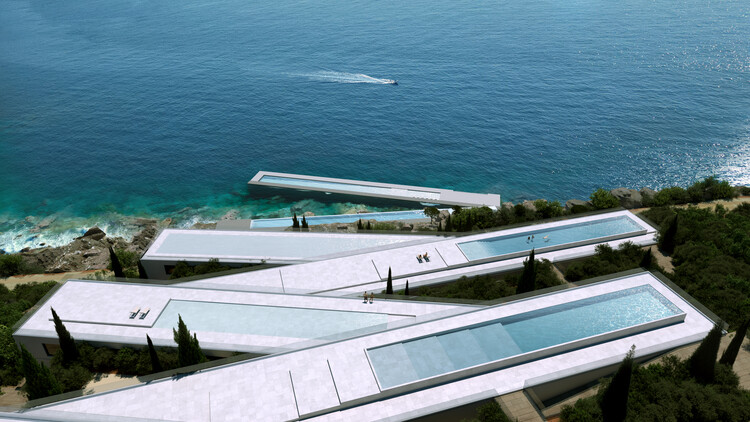
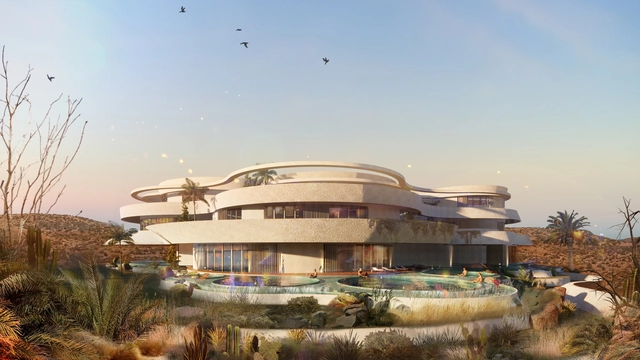
This week's curated selection of Best Unbuilt Architecture highlights projects submitted by the ArchDaily community that showcase various amenities dedicated to tourists, from wine cellars, specialty restaurants, and visitor centers to isolated camping sites in the mountains or lavish spa hotels in the arid areas of the Middle East. Featuring projects from emerging and established architectural offices such as Melike Altınışık Architects, Lockhart Krause Architects, MUA, and OMBI Innovation Lab the selection includes a wide range of programs and scales, showcasing designs that rethink conventional tourist facilities while establishing a connection with their surroundings and cultural context.

A Micro-Home Holiday Resort in Türkiye and a Wine Cellar Visitor Center in Georgia: 8 Unbuilt Tourist Facilities Submitted by the ArchDaily Community - Image 5 of 4A Micro-Home Holiday Resort in Türkiye and a Wine Cellar Visitor Center in Georgia: 8 Unbuilt Tourist Facilities Submitted by the ArchDaily Community - Image 12 of 4A Micro-Home Holiday Resort in Türkiye and a Wine Cellar Visitor Center in Georgia: 8 Unbuilt Tourist Facilities Submitted by the ArchDaily Community - Image 25 of 4A Micro-Home Holiday Resort in Türkiye and a Wine Cellar Visitor Center in Georgia: 8 Unbuilt Tourist Facilities Submitted by the ArchDaily Community - Image 33 of 4A Micro-Home Holiday Resort in Türkiye and a Wine Cellar Visitor Center in Georgia: 8 Unbuilt Tourist Facilities Submitted by the ArchDaily Community - More Images+ 47

National Parks: An Architectural Journey

Subscriber Access | 

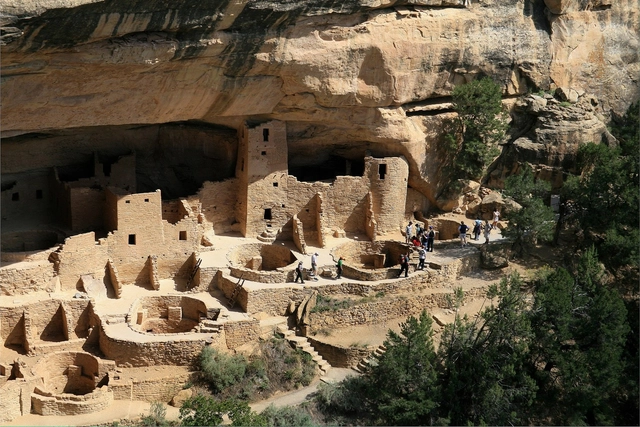
The world is home to thousands and thousands of national parks – spaces allocated for conservation, hosting land usually left in its natural state for people to visit. The term “national park” itself differs in meaning around the world. In the United Kingdom, for example, the phrase simply describes a relatively undeveloped area that attracts tourists. In the United States, this terminology is a lot more rigid, describing 63 protected areas operated by the United States National Park service.

National Parks: An Architectural Journey - Image 1 of 4National Parks: An Architectural Journey - Image 2 of 4National Parks: An Architectural Journey - Image 3 of 4National Parks: An Architectural Journey - Image 4 of 4National Parks: An Architectural Journey - More Images+ 5

An Extreme Sports Park in Russia and a Latvian Eco-Tourism Catalyst: 10 Unbuilt Projects Submitted by our Readers

Subscriber Access | 

10 projects, 10 functions. Featuring a multitude of different programs, this week's curated selection of Best Unbuilt Architecture highlights diverse and innovative conceptual approaches. Submitted by our readers, this variety of proposals includes sports, religious, cultural, educational, and social purposes.

Compiling projects from all over the world, this article puts together a Buddhist temple in Bangkok, Thailand, a ring-shaped experience center and eco-tourism catalyst for Latvia, a cemetery in Bosnia and Herzegovina, and the biggest extreme sports park in Russia. Moreover, unconventional office spaces are underlined with an innovation start-up center in Vietnam, headquarters in Shenzhen, and Tirana's new municipality building.

An Extreme Sports Park in Russia and a Latvian Eco-Tourism Catalyst: 10 Unbuilt Projects Submitted by our Readers - Image 6 of 4An Extreme Sports Park in Russia and a Latvian Eco-Tourism Catalyst: 10 Unbuilt Projects Submitted by our Readers - Image 10 of 4An Extreme Sports Park in Russia and a Latvian Eco-Tourism Catalyst: 10 Unbuilt Projects Submitted by our Readers - Image 20 of 4An Extreme Sports Park in Russia and a Latvian Eco-Tourism Catalyst: 10 Unbuilt Projects Submitted by our Readers - Image 40 of 4An Extreme Sports Park in Russia and a Latvian Eco-Tourism Catalyst: 10 Unbuilt Projects Submitted by our Readers - More Images+ 49

Minimalist Eco-Hotel Set to Open in Italy's Dolomites

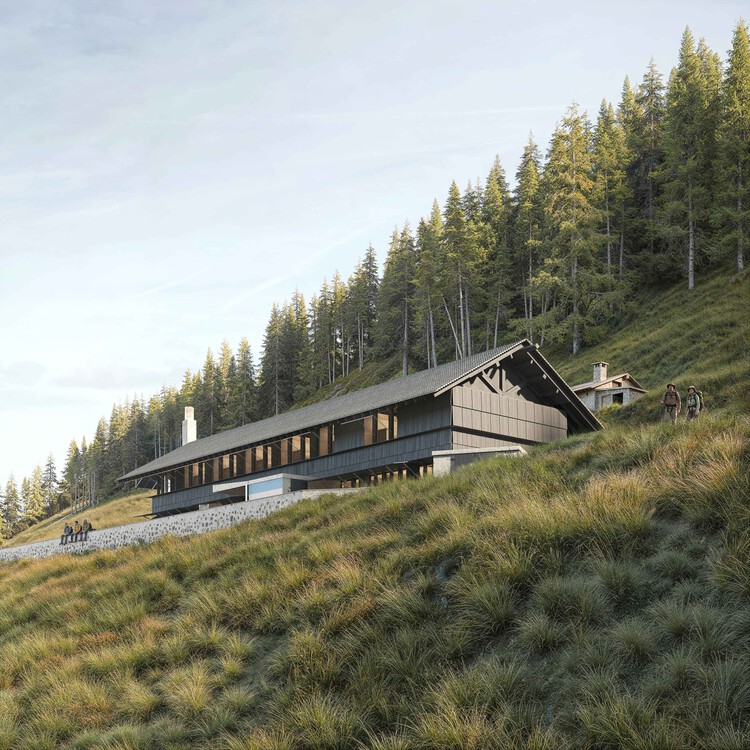
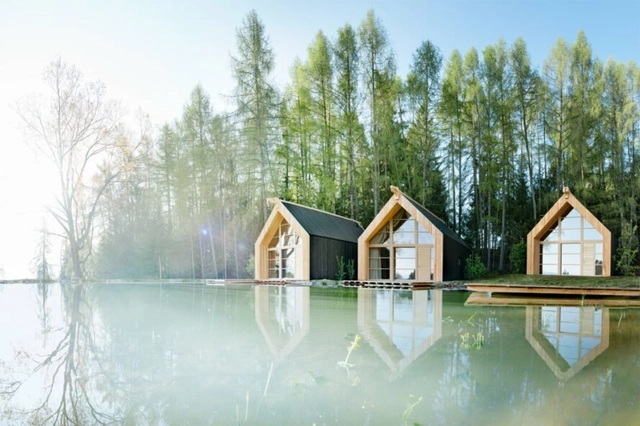
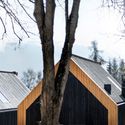
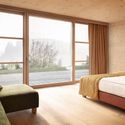
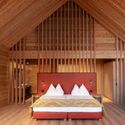
The Adler Hotel Group have completed construction on a new, minimalist eco-hotel in Italy’s Dolomites mountain range. Called Adler Lodge Ritten, the project is located on the Ritten plateau, a short walk from the region’s historic narrow-gauge railway. The retreat was designed to blend into the surrounding forest by taking the form of rural alpine structures.

Minimalist Eco-Hotel Set to Open in Italy's Dolomites - Image 1 of 4Minimalist Eco-Hotel Set to Open in Italy's Dolomites - Image 2 of 4Minimalist Eco-Hotel Set to Open in Italy's Dolomites - Image 3 of 4Minimalist Eco-Hotel Set to Open in Italy's Dolomites - Image 4 of 4Minimalist Eco-Hotel Set to Open in Italy's Dolomites - More Images+ 1

Vincent Callebaut Envisions Shell-Inspired Eco-Tourism Resort in The Philippines

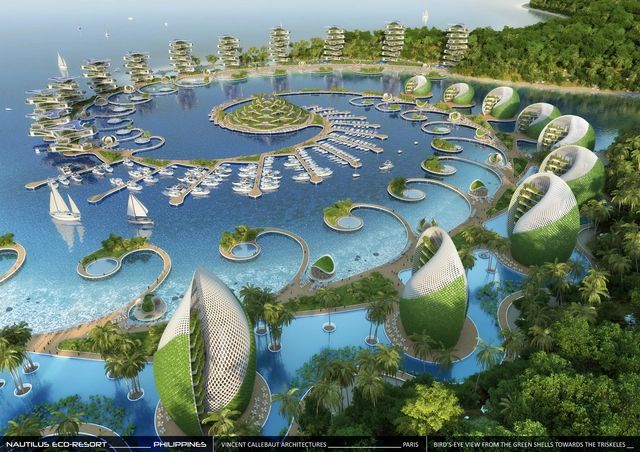
Vincent Callebaut Architectures has released a design proposal for a new eco-tourism resort in The Philippines inspired by natural coastline forms. Making extensive use of cradle-to-cradle and other sustainable design principles, the resort features a series of spiraling apartment buildings and shell-shaped hotel buildings, themselves positioned on two Fibonacci spirals of land in a coastal lagoon. At the center of the ensemble, a mountain-like complex combines a school, recreational swimming pools, sports halls, the resort's kitchens, and a suite of laboratories for environmental scientists.
Vincent Callebaut Envisions Shell-Inspired Eco-Tourism Resort in The Philippines - Image 1 of 4Vincent Callebaut Envisions Shell-Inspired Eco-Tourism Resort in The Philippines - Image 2 of 4Vincent Callebaut Envisions Shell-Inspired Eco-Tourism Resort in The Philippines - Image 3 of 4Vincent Callebaut Envisions Shell-Inspired Eco-Tourism Resort in The Philippines - Image 4 of 4Vincent Callebaut Envisions Shell-Inspired Eco-Tourism Resort in The Philippines - More Images+ 42

Call for Submissions: Blue Clay Country Spa

The Blue Clay Country Spa architecture competition, in partnership with SRED Global real estate developers, is tasking participants with presenting designs for a countryside guest house that would specialise in providing health treatments using this unique and naturally occurring organic product. Blue clay has long been used in restorative treatments, and provides health and beauty benefits in its naturally occurring form. Blue Clay has an exceptionally high mineral content and been used for centuries for medicinal purposes. The research is still being carried out to this day to further understand the clay’s antibacterial properties.