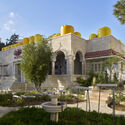
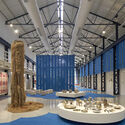
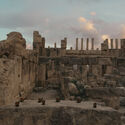
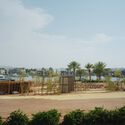
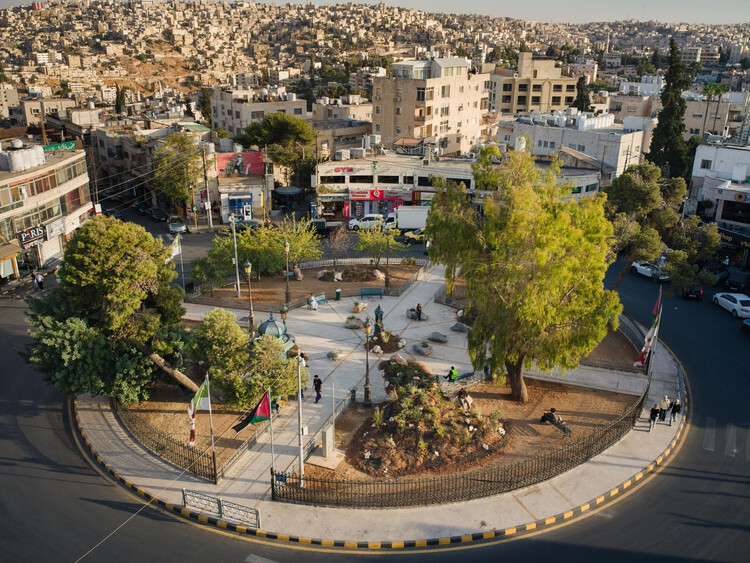
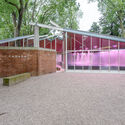
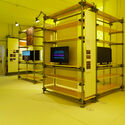
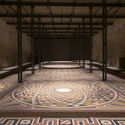
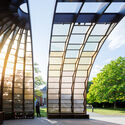
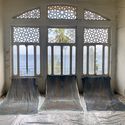
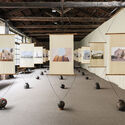
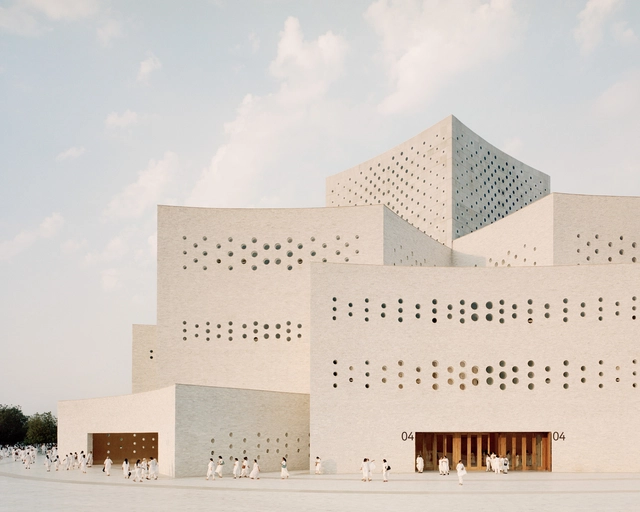
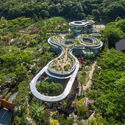
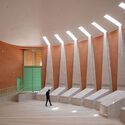
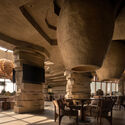
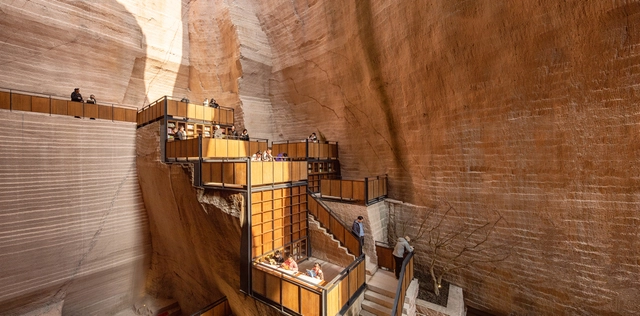
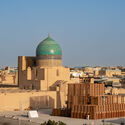
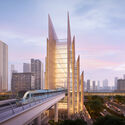
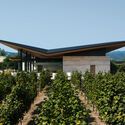
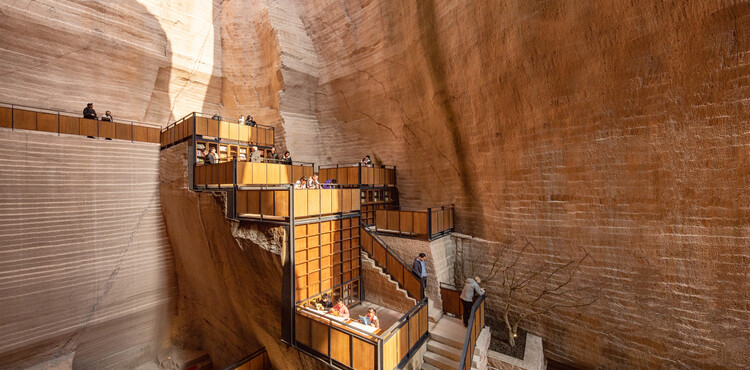
After a seven-year pause, Amman Design Week returned to Jordan with a premise that feels closely tied to the city itself: that nothing is ever entirely new. Under the theme "Accumulations," the fourth edition of the biennial event brought together more than 220 designers, makers, architects, and collectives across exhibitions, public interventions, talks, workshops, and performances from October 2 to 17. The premise was particularly relevant to Amman, a city whose architecture has been shaped by waves of construction, migration, adaptation, and reuse, where accumulation is not simply a metaphor.
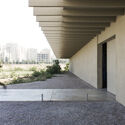
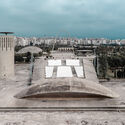
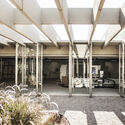
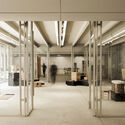
From left to right: Oanh Nguyen Henriksen (Photo: Tuala Hjarnø), Susana Rojas Saviñón (Photo: Estudio Ome), Javier Ors Ausín, Sumayya Vally (Photo: Lou Jasmine), Charles Kettaneh and Nicolas Fayad (EAST Architecture Studio, Photo: Julien Lanoo)
Since its launch in 2020, the ArchDaily Next Practices Awards have spotlighted forward-thinking architecture practices that are redefining the boundaries of the discipline. Over five editions, the initiative has recognized 105 practices from 44 countries, amplifying voices from around the world and fostering a global conversation about architecture's evolving role in society. Across the winning practices, recurring values emerge: contextual sensitivity, sustainable material use, co-creation with communities, experimental and interdisciplinary approaches, memory and heritage, social responsibility, and human-scale interventions.
The program reflects what is next: the ideas, practices, and projects that should be brought forward. 'Next' embodies practices that find solutions to today's urgent challenges while anticipating the needs of tomorrow. By spotlighting these practices, we hope to illuminate the paths that can lead to a more meaningful and resilient future for architecture and beyond.
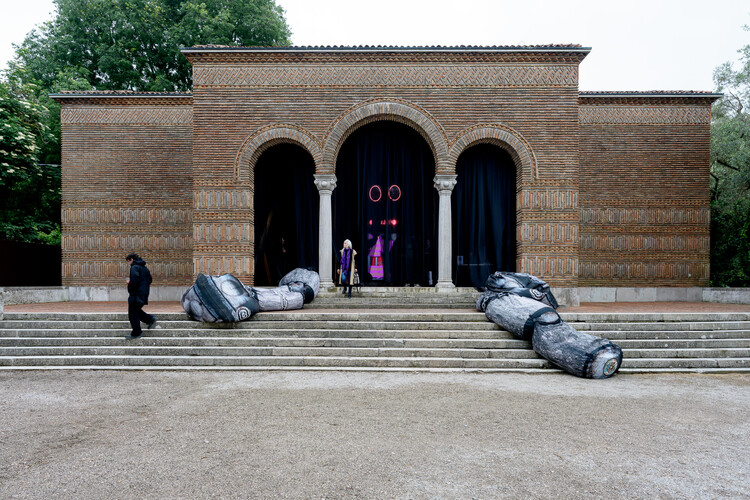
In December 2024, art curator Koyo Kouoh became the first African woman selected to curate the 61st International Art Exhibition of La Biennale di Venezia. She proposed an introspective and sensitive approach to the exhibition, shaped by themes of grief, memory, spirituality, and global exhaustion. Following her premature passing in May 2025, the Biennale decided to continue with the same curatorial project, titled In Minor Keys. Wolff Architects was appointed by Kouoh in early 2025 to realize the exhibition design and scenography, focused on "the transformative spatial power of the threshold as a portal to alternative comprehension and experiences." The event was inaugurated on Saturday, May 9, and will run until Sunday, November 22, 2026, across the Giardini della Biennale, the Arsenale di Venezia, and other locations throughout Venice.
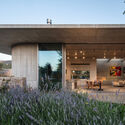
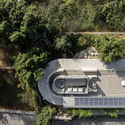
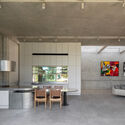
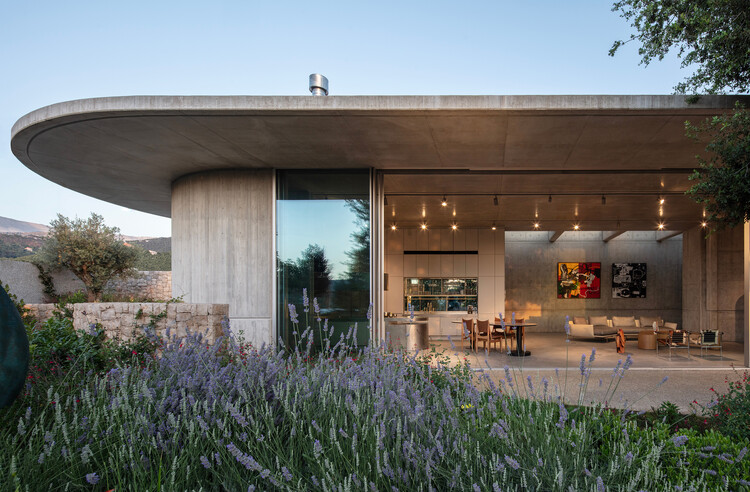
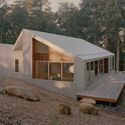
Set within the mountainous landscape of Zabbougha, Lebanon, Capsule Retreat by EAST Architecture Studio is shaped through the process of its making. The project unfolds through material decisions, on-site adjustments, and evolving conditions, allowing construction itself to guide its spatial logic.
The construction process played a central role in defining the project. Built during a period marked by economic collapse, material shortages, and ongoing disruption in Lebanon, the house developed through continuous adaptation. With no general contractor, the architects took on an expanded role, coordinating craftsmen, testing ideas directly on site, and responding to changing constraints. In this context, sociopolitical conditions became not only a challenge but a catalyst for rethinking design. "We were constantly testing ideas on site", say the architects and founders of EAST Architecture Studio, Charles Kettaneh and Nicolas Fayad, "tailoring these decisions economically while exploring what local craft could offer."
Two weeks and over 85,000 nominations later, the finalists of this year's Building of the Year Awards are in. The selection is much like the ArchDaily audience that chose it: diverse in geography, generous in ideas, and precise in intent. With projects from 46 countries, in a variety of typologies and scales, they present a beautiful snapshot of the current architectural moment.
We invite you to sit back, browse, and vote for your ultimate favorites. Below, you will find all of the 75 finalists in their respective categories. Voting is open until February 18th at 18:00 EST. Thank you—your participation is key to making this the world's largest community-driven architecture award.
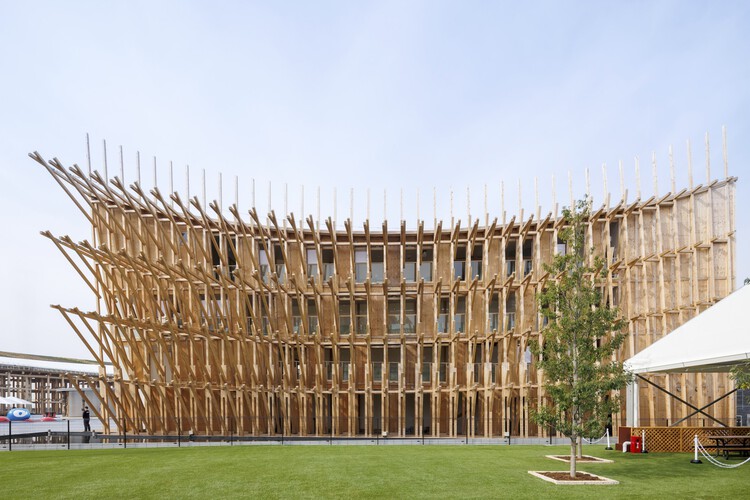
In a global landscape marked by accelerated change, 2025 emerged as a decisive year for architecture—not only because of the major events that animated the international circuit, but above all because of the voices that stood out within them. From the Venice Architecture Biennale to Expo Osaka, pavilions and installations from the Global South ceased to function as mere exhibition gestures and instead asserted themselves as territories of memory, resistance, and imagination, articulating narratives that expand the horizons of contemporary architectural debate.
Across these works, tradition and future move side by side: ancestral materials reappear in reimagined forms, historical wounds are given sensitive expression, and social urgency is translated into proposals that challenge established ways of building and inhabiting the world.
As the year culminates, it's once again time for the ArchDaily team of curators to reflect on the best-performing projects of 2025 and consider what readers were most interested in. Through this diverse overview, we assess the cross-continental similarities and differences in trends and construction development. This year brought us many grand cultural and public spaces by Lina Ghotmeh, BIG, Zaha Hadid Architects, DnA, and Serie Architects, who populated events like Expo Osaka and the Venice Biennale, as well as a surprising number of museums and public or landscape works in China and the rest of the Asian continent. However, while these were sought-after projects, the leading works remained, unsurprisingly, residential projects.
More specifically, the houses that were most viewed on the ArchDaily global site were concrete houses that bore considerable injections of greenery and landscape focus. They propose layouts highlighting voids and double heights, as well as inner courtyards or large openings to the exterior. While some references did suggest traditional or vernacular elements, modernist revivals were still predominant. Material trends are much more tame, with a recurrence of raw concrete use, as wood and stone were common accent elements. Still, the more interesting thing about the works this year is the efforts brought by architects in situating and setting the projects within their surroundings, bringing special attention to landscape and how projects merged with nature.
This week in architecture, global recognitions and new unveilings underscored the field's growing commitment to climate awareness, cultural continuity, and adaptive reuse. From Expo 2025 Osaka's closing ceremonies to international award announcements, the focus turned to architects and designers redefining the relationship between place, material, and community. Alongside these recognitions, major new projects, from Dubai to California, illustrated how design continues to evolve across scales: shaping cities, preserving heritage, and addressing urgent global challenges through context-driven architecture.
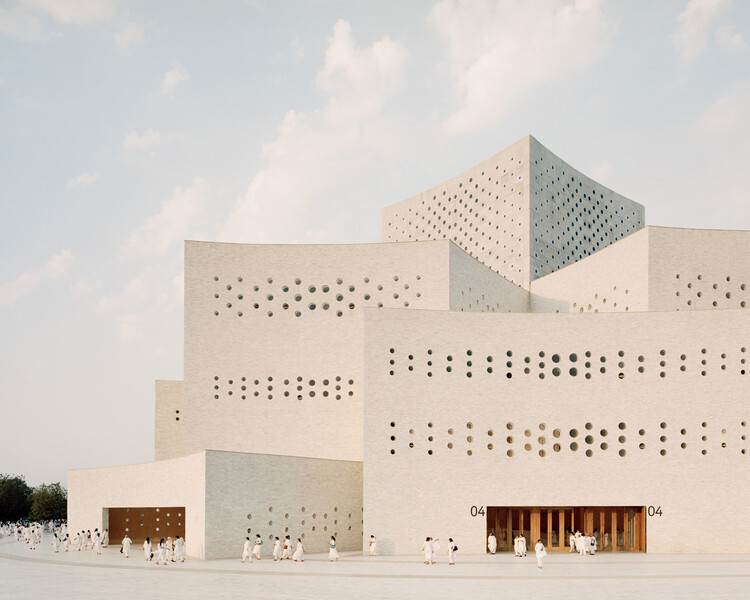
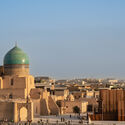
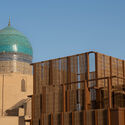
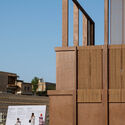
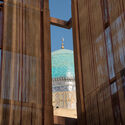
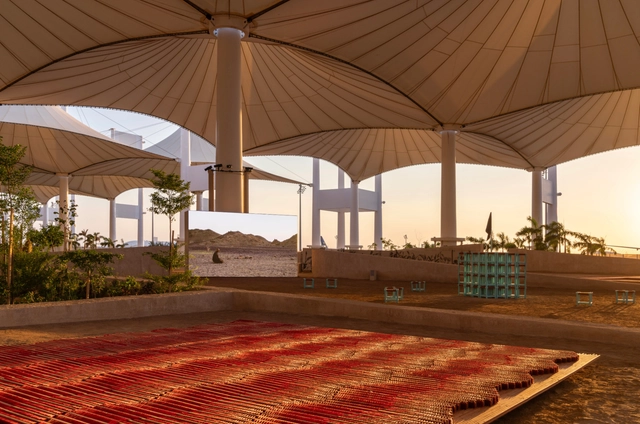
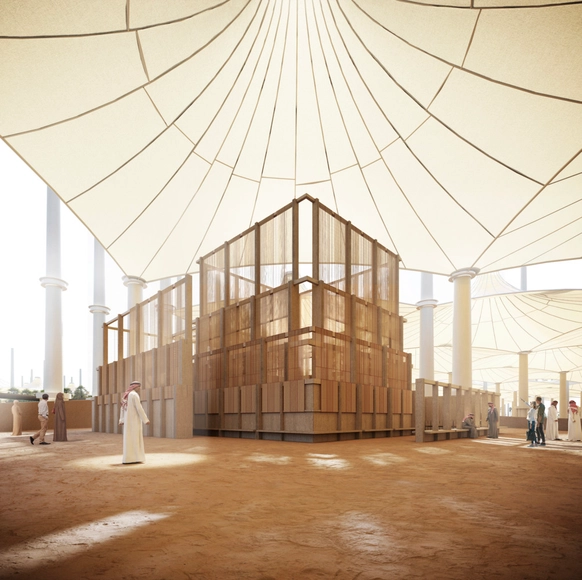
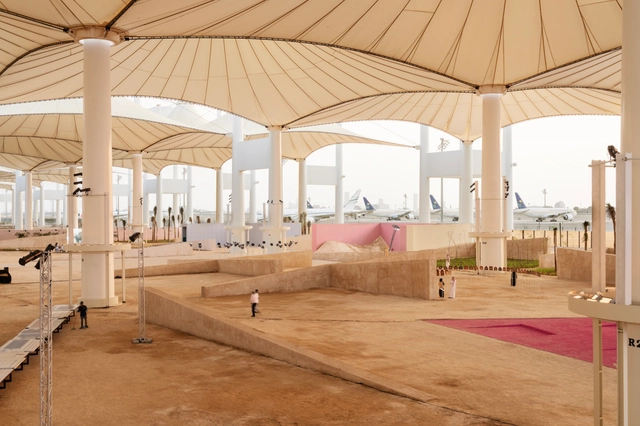
The Diriyah Biennale Foundation has announced Lebanon-based EAST Architecture Studio, in collaboration with artist Rayyane Tabet and engineering firm AKT II, as the winners of the inaugural AlMusalla Prize, a significant new architectural competition launched as part of the Islamic Arts Biennale. Their winning design, a modular structure inspired by regional weaving traditions, uses sustainable materials derived from local date palm waste, including palm fronds and fibers. After the four-month Biennale, the Musalla will be dismantled and reassembled at a new location.
The Diriyah Biennale Foundation has just unveiled the competition details for the AlMusalla Prize, along with the shortlisted architecture studios and the jury. An addition to the Islamic Arts Biennale, this international architecture competition focuses on designing a musalla, a flexible space for prayer and reflection accessible to people of all faiths. Situated in the Western Hajj Terminal of King Abdulaziz International Airport in Jeddah, Saudi Arabia, the musalla will be an integral part of the Biennale’s upcoming edition. The winner of the competition will be announced later this year, and the opening of the musalla will be held on January 25th, 2025.
This year, one of the winners of the Aga Khan Award was the Renovation of the Niemeyer Guest House by East Architecture Studio. The project is located on Tripoli’s outskirts in Lebanon, and it is part of the Rachid Karami International Fair (RKIF), an unfinished masterpiece by Brazilian architect Oscar Niemeyer. ArchDaily’s Managing Editor, Christele Harrouk had the chance to sit with Charles Kettaneh and Nicolas Fayad, founders of the East Architecture Studio, on-site in "the Niemeyer Guest House Renovation" project. Talking about modern heritage and the challenges of renovations, the architects opened the conversation about the role of architecture in building platforms for change.