1. ArchDaily
  2. Developer

Developer: The Latest Architecture and News

Form, Function, and Funding: The High-Tech Urbanism of San Francisco

Subscriber Access | 

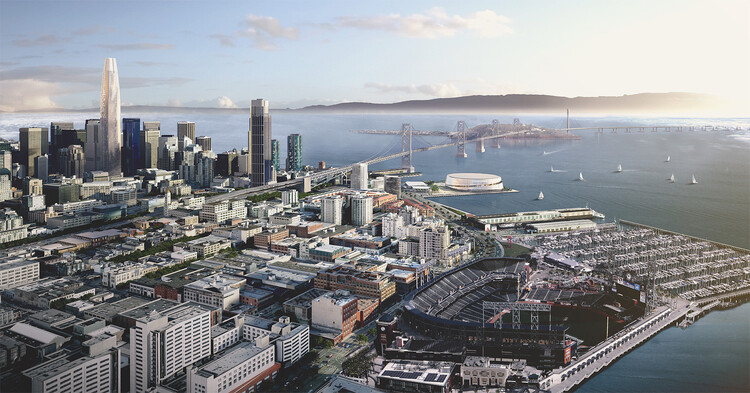
San Francisco is a city that has always remade itself under pressure. Its Victorian streetscapes have survived seismic retrofits and glass towers, its neighborhoods defined as much by change as by its resistance to change. But no force in the city's history has reshaped the built environment as completely, or as quickly, as the technology economy. What began in the postwar sprawl of Silicon Valley migrated north and inscribed its logic onto the skyline and the lives of residents. The result of this logic is an architectural culture of considerable technical refinement and refined material palettes, yet one that remains largely indifferent to the existing population.

The cost of indifference is measurable and mounting. San Francisco must accommodate more than 82,000 additional housing units by 2031 under California's Regional Housing Needs Allocation framework, in a city where median rent already ranks among the highest of any American metropolitan area. Teachers, healthcare workers, and service employees are actively displaced by a real estate market calibrated to a single sector's income levels rather than the city's largest workforce.


Form, Function, and Funding: The High-Tech Urbanism of San Francisco - Image 1 of 4Form, Function, and Funding: The High-Tech Urbanism of San Francisco - Image 2 of 4Form, Function, and Funding: The High-Tech Urbanism of San Francisco - Image 3 of 4Form, Function, and Funding: The High-Tech Urbanism of San Francisco - Image 4 of 4Form, Function, and Funding: The High-Tech Urbanism of San Francisco - More Images+ 25

"Luxury Without Context Is Just Excess": Elisa Orlanski Ours on Bridging Design Vision with Market Realities

Subscriber Access | 

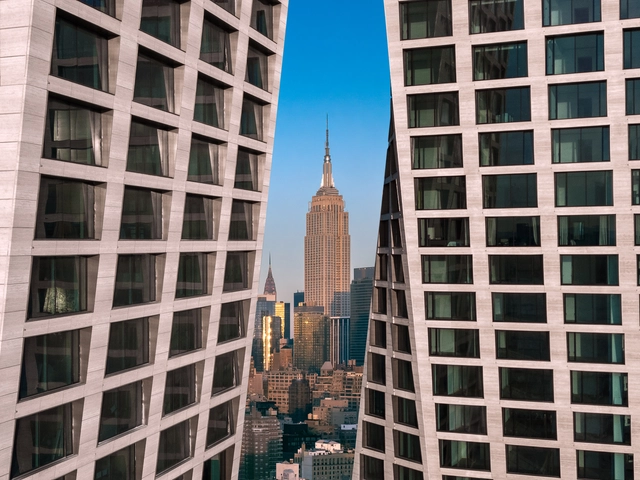
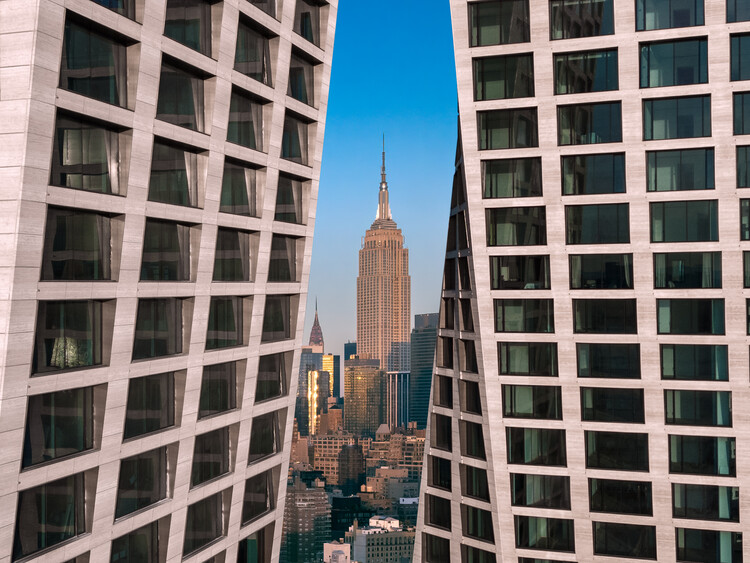
In the complex ecosystem of architectural development, where innovative concepts meet market realities, a distinct role exists to bridge diverse professional interests and realize impactful spaces. Elisa Orlanski Ours exemplifies this function. This is the domain of Elisa Orlanski Ours, a designer, educator, and industry leader. As Chief Planning & Design Officer at Corcoran Sunshine Marketing Group, Elisa founded her department two decades ago. Now, her extensive portfolio spans condominium skyscraper master plans and individual branded villas across continents, including significant New York City developments like Hudson Yards and 220 Central Park South, as well as international developments in collaboration with prominent architectural firms like SHoP Architects, BIG, Herzog & de Meuron, Adjaye Associates, and SO-IL. Her strategic perspective on bringing projects from schematic phase to final sale provides valuable insights into the industry's intricate workings. ArchDaily's Managing Editor, Maria-Cristina Florian, had the opportunity to discuss these critical topics with Elisa in the following interview.

"Luxury Without Context Is Just Excess": Elisa Orlanski Ours on Bridging Design Vision with Market Realities - Image 1 of 4"Luxury Without Context Is Just Excess": Elisa Orlanski Ours on Bridging Design Vision with Market Realities - Image 2 of 4"Luxury Without Context Is Just Excess": Elisa Orlanski Ours on Bridging Design Vision with Market Realities - Image 3 of 4"Luxury Without Context Is Just Excess": Elisa Orlanski Ours on Bridging Design Vision with Market Realities - Image 4 of 4Luxury Without Context Is Just Excess: Elisa Orlanski Ours on Bridging Design Vision with Market Realities - More Images+ 31

Zaha Hadid Architects to Design Discovery City in Johor, Malaysia

Following a competition, Zaha Hadid Architects (ZHA), in collaboration with JLand Group Sdn Bhd (JLG), have been chosen to design Discovery City in Johor, Malaysia. The disctrict is expected to be to be a visionary 582-acre mixed-use precinct within the expansive Ibrahim Technoloplis in Johor. As ZHA’s inaugural project in Malaysia, Discovery City aims to boast a blend of innovative design and sustainability, blending with the region’s landscapes.

Developers Are Dangerously in Control of New York City

This article was originally published on Common Edge.
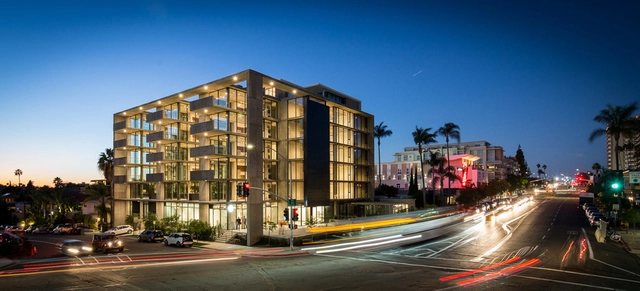
On April 10, 2024, the New York Landmarks Conservancy bestowed the Preservation Leadership Award to author and urbanist Roberta Brandes Gratz. A longtime preservation activist, Gratz served on the City’s Landmarks Preservation Commission. She also led the successful effort to restore the Eldridge Street Synagogue, now the Museum at Eldridge Street. The following is a slightly edited version of the speech Gratz delivered at the 34th annual Lucy C. Moses Preservation Awards.
Developers Are Dangerously in Control of New York City - Featured ImageDevelopers Are Dangerously in Control of New York City - Image 1 of 4Developers Are Dangerously in Control of New York City - Image 2 of 4Developers Are Dangerously in Control of New York City - Image 3 of 4Developers Are Dangerously in Control of New York City - More Images

Saudi Arabia's 2030 Vision Unveiled through Mega Projects

Subscriber Access | 

Saudi Arabia, a country going through a tremendous transition, is not only changing its skyline but also redefining its identity on a global level. As part of their 2030 Vision serving as the compass, the kingdom is moving toward new developments, aiming to revive culture and diversify the economy. In fact, the capital, Riyadh, is leading the transformation by hosting the 2030 World Expo. Representing the country’s dedication to advancement, several mega projects are taking place and transforming the kingdom's fabric.

Amidst the various projects, many world-renowned firms are working on these mega projects at many different scales. For example, the cultural renaissance is shown through Snøhetta’s Opera House in Diriyah, while the Jeddah Tower is on a trajectory that will overtake the Burj Khalifa. In the meantime, Heatherwick Studio’s conversion of a Jeddah desalination plant into a thriving cultural center showcases their repurposing of industrial spaces. From coastal projects by Foster + Partners to city center skyscrapers that are redefining the skyline, the country is undergoing significant transformations in its built environment.

Saudi Arabia's 2030 Vision Unveiled through Mega Projects - Image 1 of 4Saudi Arabia's 2030 Vision Unveiled through Mega Projects - Image 2 of 4Saudi Arabia's 2030 Vision Unveiled through Mega Projects - Image 3 of 4Saudi Arabia's 2030 Vision Unveiled through Mega Projects - Image 4 of 4Saudi Arabia's 2030 Vision Unveiled through Mega Projects - More Images+ 6

URB Reveals Design for Africa’s Largest Sustainable City

URB has unveiled plans to develop Africa's most sustainable city, a development that can host 150,000 residents. Known as The Parks, the city plans to produce 100% of its energy, water & food on-site through biodomes, solar-powered air-to-water generators, and biogas production. The 1,700-hectare project will feature residential, medical, ecotourism, and educational hubs to become one of the significant contributors to the growing green and tech economy in South Africa.

URB Reveals Design for Africa’s Largest Sustainable City - Image 1 of 4URB Reveals Design for Africa’s Largest Sustainable City - Image 2 of 4URB Reveals Design for Africa’s Largest Sustainable City - Image 3 of 4URB Reveals Design for Africa’s Largest Sustainable City - Image 4 of 4URB Reveals Design for Africa’s Largest Sustainable City - More Images

First-Ever NFT Office Building is Sold in New York City

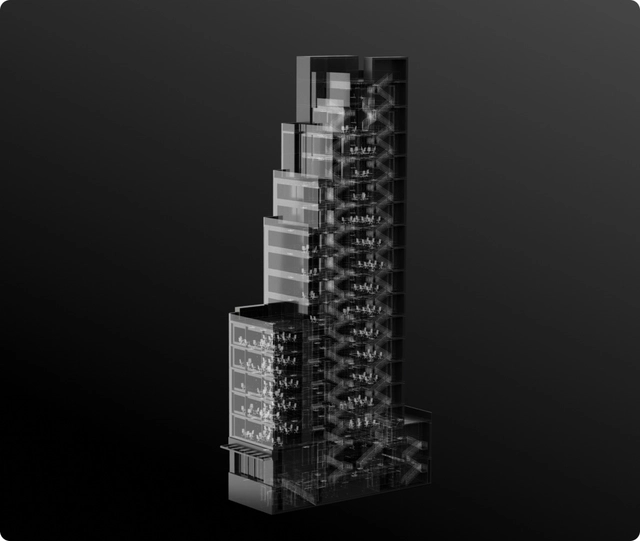
A developer in NYC purchased the first-ever non-fungible token (NFT) Office building in New York City. "Located" at 44 West 37th Street, the 4700 square meters NFT serves as an immutable digital asset that points to transforming how we design, build, operate, and monetize our spaces with only "one-click". The 16-story building was created by spatial intelligence company Integrated Projects and questions the function of architecture in Real Estate and the Metaverse.

First-Ever NFT Office Building is Sold in New York City - Image 1 of 4First-Ever NFT Office Building is Sold in New York City - Image 2 of 4First-Ever NFT Office Building is Sold in New York City - Image 3 of 4First-Ever NFT Office Building is Sold in New York City - Image 4 of 4First-Ever NFT Office Building is Sold in New York City - More Images

Architects as Developers Design Competition

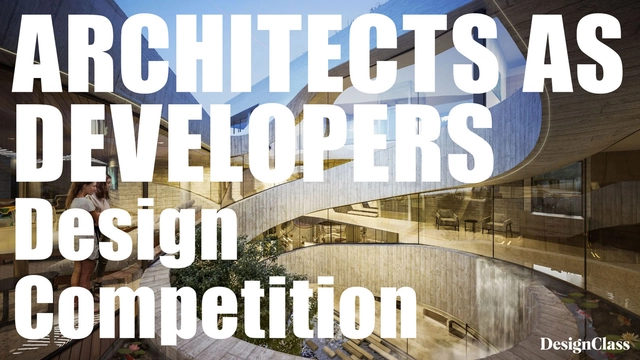
Being a successful architect is very hard. While this is no secret to anyone who has lead a team or studied the profession; the less obvious thing is what to do about it.

CTBUH 2020 Tall + Urban Innovation Conference

The annual Council on Tall Buildings and Urban Habitat's (CTBUH) Tall + Urban Innovation Conference explores and celebrates the very best in innovative tall buildings, urban spaces, building technologies, and construction practices from around the world. Incorporating what was previously known as the CTBUH Annual Awards event, this conference sees the owner/developers, design, and engineer teams for 50+ Awarded projects present in front of an international audience and live juries for winning distinctions across several award categories. Hot topics in the building industry will also be explored through presentations in project rooms.

Spaces of Culture

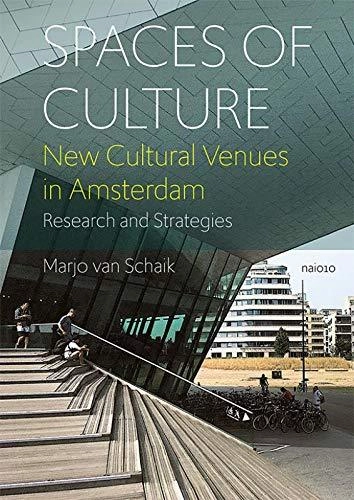
Cultural flagships, from trendy breeding grounds to iconic cultural palaces, form the core of many urban cultural landscapes. Spaces of Culture is about the new construction and redevelopment of cultural buildings in Amsterdam in the period 2000-2016.

Gear Up For Asean’s Leading Architectural Event

The International Architecture, Interior Design & Building Exhibition (ARCHIDEX), Southeast Asia’s premier annual architecture, interior design, and building industry event is back for its 18th year.

Architects As Developers: The Pros & Cons

This article was originally published by Archipreneur as "Reasons Why Architects Can Make Great Developers (or not?)."

Today, a majority of architects work solely on the design end of the development process. It is common knowledge that the net value of architectural services in a projects’ total value amounts to a very small percentage (it’s usually in single digits), which puts architects near the bottom of the financial structure in the AEC industry.

Stuck between developers, clients, contractors, and subcontractors, architects are usually in a role that implies great responsibility but proportionally low compensation for it. When we add to that the grievance of not having full control of a project, it becomes clear as to why an increasing number of architects either transition to real estate development or transform their design offices into design-builds.

Though still in its infancy, this transition seems indicative of an emancipatory trend that’s taking place, where architects take matters into their own hands and thus claim their rightful position within the industry.