1. ArchDaily
  2. Design Guidelines

Design Guidelines: The Latest Architecture and News

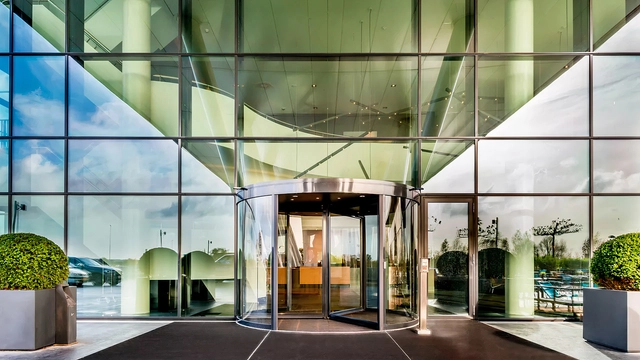
Revolving Doors in Action: Blending Access, Efficiency, and Elegance

 | Sponsored Content

Accessibility in architecture is essential for creating built environments that accommodate of all ages, from young children to the elderly. In both public and private buildings—whether residences, infrastructure, or facilities—the design of internal pathways, circulation areas, and entrances and exits must prioritize safety, clarity and efficiency. This approach enhances daily activities and ultimately improves quality of life. ASSA ABLOY Entrance Systems offers a wide range of products, including automatic, industrial, and commercial doors, as well as digital solutions, to meet user needs.
UN-Habitat Launches “My Neighborhood,” a Practical Guide for Achieving Sustainable Urban Spaces

The UN-Habitat Urban Lab has published “My Neighborhood,” a publication that offers a checklist of urban design principles aimed at creating more sustainable and resilient cities. Containing actions that are applicable at the neighborhood scale, the guide strives to present an integrated approach that responds to key sectors such as transportation, local urban initiatives, housing, public spaces, utilities, and more.
Urban Design Keys to Achieving Real Authenticity: 12 Principles

This article was originally published on Common Edge.

Authenticity seems impossible today, with places and the buildings in them assembled with products from the Industrial Development Complex that could be assembled almost anywhere else on Earth in a debauchery of placelessness, disharmony with nature, and meaninglessness that doesn’t age well. So how is authenticity in the built environment achieved?

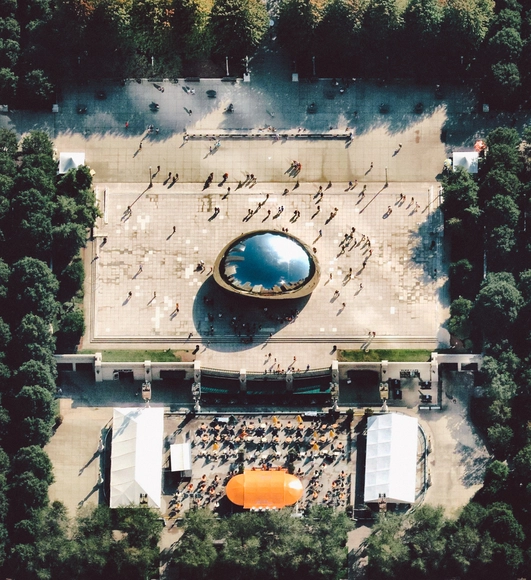
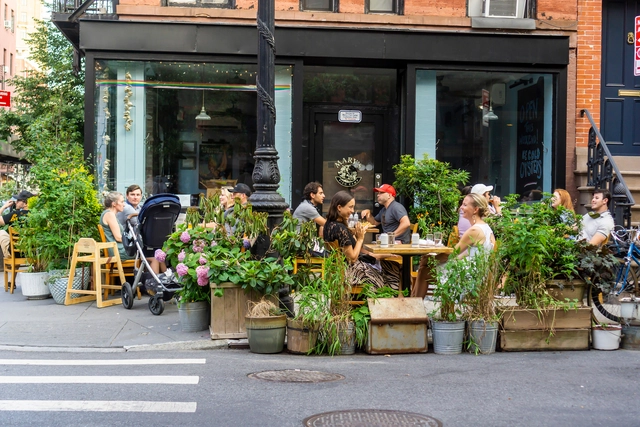
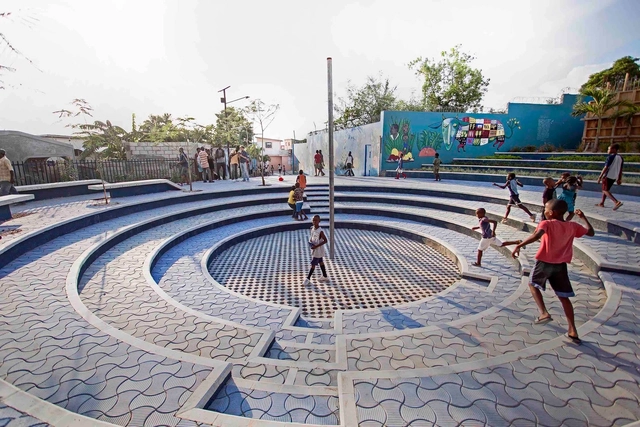
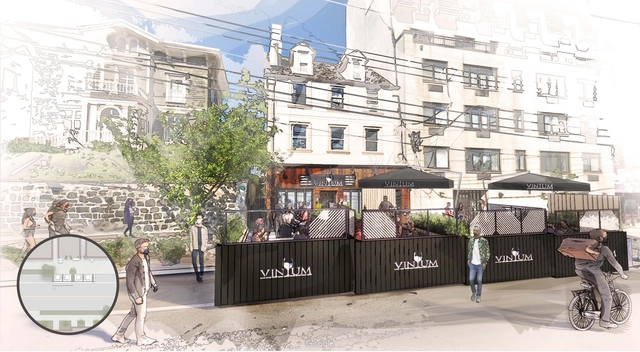
Urban Design Keys to Achieving Real Authenticity: 12 Principles  - Image 1 of 4Urban Design Keys to Achieving Real Authenticity: 12 Principles  - Image 2 of 4Urban Design Keys to Achieving Real Authenticity: 12 Principles  - Image 3 of 4Urban Design Keys to Achieving Real Authenticity: 12 Principles  - Image 4 of 4Urban Design Keys to Achieving Real Authenticity: 12 Principles  - More Images+ 8

World’s Cities Day 2022: Act Local to Go Global

In an effort to expand the debate around the issues and opportunities facing urban environments worldwide, UN-Habitat has designated October 31 as “World Cities Day”, an event celebrated annually since 2014. This year the events are centered around the theme “Act Local to Go Global”, with the aim to share experiences and approaches to local actions, the initiatives that were successful and those that were not, and to seek to understand ways in which local and regional governments can help create greener, more equitable and sustainable cities.

The theme was chosen based on the understanding that local actions are of critical importance in achieving the sustainable development goals set for 2030. The 2030 Agenda sets out the UN ambition to contribute to creating cities and human settlements more inclusive, safe, resilient, and sustainable. The world’s largest cities are often the most unequal. This year’s theme suggests that there is a path forward through incremental changes and localized actions. By adapting to site-specific conditions, these actions can better respond to the individual needs of the communities, and the natural conditions of climate and topography and can help strengthen the cultural identity of urban environments.

World’s Cities Day 2022: Act Local to Go Global - Image 1 of 4World’s Cities Day 2022: Act Local to Go Global - Image 2 of 4World’s Cities Day 2022: Act Local to Go Global - Image 3 of 4World’s Cities Day 2022: Act Local to Go Global - Image 4 of 4World’s Cities Day 2022: Act Local to Go Global - More Images+ 11

World’s Cities Day 2021: Resilience, Climate Crisis and Sustainable Urbanization

Subscriber Access | 

As cities grow in scale, dimensions, and amplitude, taking in 60% of the world population, the United Nations has designated the 31st of October as “World Cities Day”, an opportunity to talk furthermore about global urbanization, addressing challenges, encouraging opportunities across borders and highlighting responses. Focusing this edition on the theme of “Adapting Cities for Climate Resilience”, this day, part of Urban October, seeks to raise awareness about the climate crisis and its repercussions on the built environment.

Cities, at the center of the global challenges, are hubs for institutions, society, economy, commerce, and transportation. Understanding the importance of “Thinking the City”, we have compiled in this roundup, articles published by ArchDaily’s editors that offer planning tools and guidelines, tackle the different components of the urban realm and highlight worldwide as well as contextual questions and responses.

How to Support Fast Growing Small Cities? UN-Habitat's Participatory Incremental Urban Planning Tool

The Un-Habitat or the United Nations agency for human settlements and sustainable urban development, whose primary focus is to deal with the challenges of rapid urbanization, has been developing innovative approaches in the urban design field, centered on the active participation of the community. ArchDaily has teamed up with UN-Habitat to bring you weekly news, article, and interviews that highlight this work, with content straight from the source, developed by our editors.

In order to support local governments in developing countries to implement the New Urban Agenda and the Sustainable Development Goals, UN-Habitat has created the Participatory Incremental Urban Planning Toolbox, “a step-by-step methodology to assess, design, operationalize and implement urban planning processes”. The guideline proposes a timeline of phases, blocks, and activities, helping city leaders, stakeholders, and the community to have a comprehensive and strategic overview of the whole strategy.

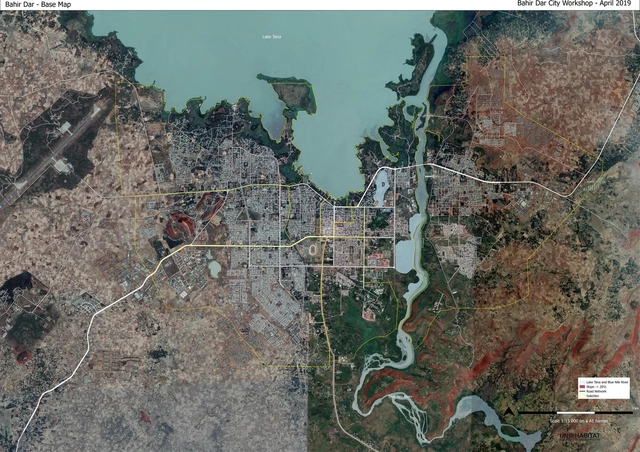
How to Support Fast Growing Small Cities? UN-Habitat's Participatory Incremental Urban Planning Tool - Image 1 of 4How to Support Fast Growing Small Cities? UN-Habitat's Participatory Incremental Urban Planning Tool - Image 2 of 4How to Support Fast Growing Small Cities? UN-Habitat's Participatory Incremental Urban Planning Tool - Image 3 of 4How to Support Fast Growing Small Cities? UN-Habitat's Participatory Incremental Urban Planning Tool - Image 4 of 4How to Support Fast Growing Small Cities? UN-Habitat's Participatory Incremental Urban Planning Tool - More Images+ 18

CRA-Carlo Ratti Associati Designs New Workplaces, Addressing Post-Pandemic Challenges

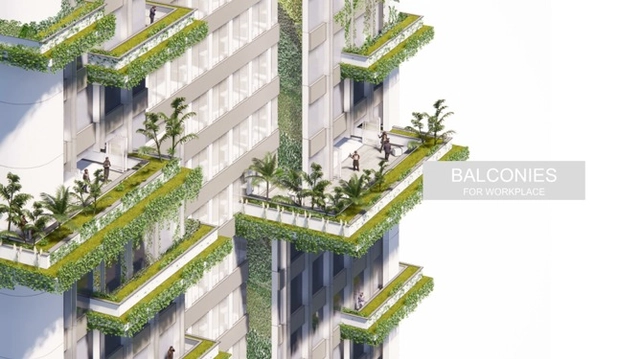
CRA-Carlo Ratti Associati has created a pilot project for Sella Group’s Open Innovation Center in Turin, Italy, addressing post-pandemic challenges. The new workplace design features automated desk sanitizing, collaborative digital platforms, and smart windows to ensure health, safety, and sociability.

Ronald Lu & Partners Imagines Tomorrow’s Workplace, Meeting Post-Pandemic Needs

Ronald Lu & Partners has created in collaboration with BEHAVE, a blueprint for future-ready offices that meet the new needs of the post-pandemic workforce. Reimagining tomorrow’s office and embracing a new working style, the partnership generated “Mindplace”, an office concept that will “improve work efficiency, focus on sustainability and cater to the holistic needs of employees”.

11 Steps to Achieve Quality Public Spaces at a Neighborhood Level: UN-Habitat's Guideline

Subscriber Access | 

The Un-Habitat or the United Nations agency for human settlements and sustainable urban development, whose primary focus is to deal with the challenges of rapid urbanization, has been developing innovative approaches in the urban design field, centered on the active participation of the community. ArchDaily has teamed up with UN-Habitat to bring you weekly news, article, and interviews that highlight this work, with content straight from the source, developed by our editors.

People all over the world are increasingly demanding a say in the way that their cities are planned and designed”.For our third collaboration, discover UN-HABITAT’s guideline on achieving quality public spaces, a site-specific assessment consisting of a series of activities and tools that help understand the quality of the selected area and plan future design and planning solutions on the site through participatory approaches. Focusing on open public space, within a five minutes walking distance, the guide helps users gather and analyze information, creating a logical transition from needs to design.

11 Steps to Achieve Quality Public Spaces at a Neighborhood Level: UN-Habitat's Guideline - Image 1 of 411 Steps to Achieve Quality Public Spaces at a Neighborhood Level: UN-Habitat's Guideline - Image 2 of 411 Steps to Achieve Quality Public Spaces at a Neighborhood Level: UN-Habitat's Guideline - Image 3 of 411 Steps to Achieve Quality Public Spaces at a Neighborhood Level: UN-Habitat's Guideline - Image 4 of 411 Steps to Achieve Quality Public Spaces at a Neighborhood Level: UN-Habitat's Guideline - More Images+ 9

NACTO Releases Streets for Pandemic Response and Recovery in the Fight Against the COVID-19

The National Association of City Transportation Officials (NACTO) has released guidelines to provide cities with strategies “to redesign and adapt their streets for new uses both during the COVID-19 crisis and in the recovery”. Streets for Pandemic Response and Recovery highlights the most updated street design approaches cities are using, around the world.

7 Design Guidelines for a Safe Post COVID-19 Transition

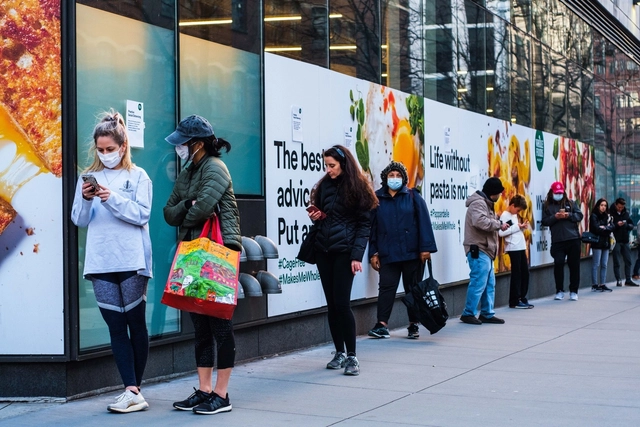
In order to ensure a proper transition into post COVID-19, architects, public health experts, and engineers are generating design guidelines to provide people with new secure, and efficient resources. Finding a balance between optimizing operations and keeping people safe, the strategies tackle the built environment that surrounds us, from restaurants and outdoor dining, to streets, offices, and retail.

Addressed to city officials, owners, and employers, the tools developed help to reopen the world, while reducing the risk of COVID-19 transmission, promoting social distancing standards, and enhancing wellbeing. Discover in this article a roundup of design guidelines securing a safe post coronavirus transition.

AIA Releases Design Strategies for Safer Schools post COVID-19

The American Institute of Architects (AIA) has just released strategies, illustrations, and 3D design models in order to help reduce the risk of COVID-19 in schools. In an effort to assist education officials with reopening schools during the pandemic, the design guidelines are part of the AIA’s initiative “Reopening America: Strategies for Safer Buildings”.

Rockwell Group Releases Design Strategies for Outside Dining post COVID-19

David Rockwell and his team at Rockwell Group proposed an open streets initiative, a template for outdoor dining, in order to help bars and restaurants reopen post-pandemic. The design strategies illustrate practical solutions to make everyone feel safe.

Alternative Healthcare Facilities: Architects Mobilize their Creativity in Fight against COVID-19

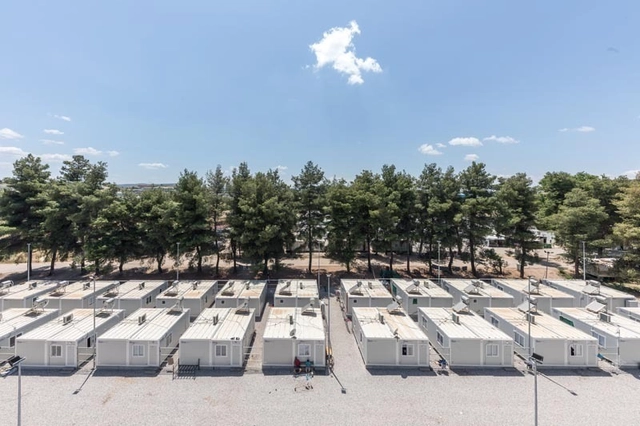
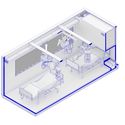
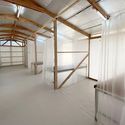
As the healthcare infrastructure is becoming overwhelmed and hospitals around the world are reaching their capacities, new alternative possibilities are emerging. In response to bed shortage and facility saturation, architects around the world are taking action, in the on-going fight against the coronavirus. Focusing their knowhow to find fast and efficient design solutions that can be implemented anywhere, they are proposing flexible, fast assembled, mobile, and simple structures. With a very tight timetable, some projects are already implemented and in service, while others remain on a conceptual level, waiting to be adopted.

Alternative Healthcare Facilities: Architects Mobilize their Creativity in Fight against COVID-19 - Image 1 of 4Alternative Healthcare Facilities: Architects Mobilize their Creativity in Fight against COVID-19 - Image 2 of 4Alternative Healthcare Facilities: Architects Mobilize their Creativity in Fight against COVID-19 - Image 3 of 4Alternative Healthcare Facilities: Architects Mobilize their Creativity in Fight against COVID-19 - Image 4 of 4Alternative Healthcare Facilities: Architects Mobilize their Creativity in Fight against COVID-19 - More Images+ 56

Perkins and Will Creates Guideline for a Safe Return to the Office during COVID-19

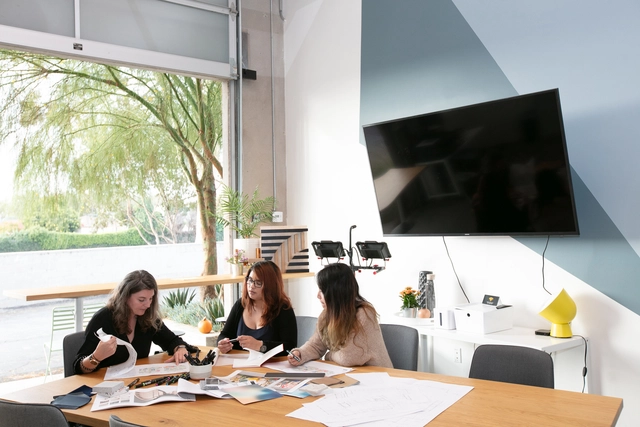
Perkins and Will have generated a set of strategies, grounded in public health guidance, to help offices resume their work during COVID-19. Focusing on the transition phase, the guideline helps employers draw a road map for safe return.

MASS Releases Spatial Strategies for Restaurants in Response to COVID-19

MASS Design Group has released a guideline for restaurants in response to the coronavirus pandemic, to help these business reopen safely, viably, and vibrantly. Based on world health recommendations, the drafted protocols aim to keep both staff and customers safe, as well as facilitate operations.