1. ArchDaily
  2. Democratic Republic of the Congo

Democratic Republic of the Congo: The Latest Architecture and News

Dammed Between Energy and Water Scarcity: The Grand Ethiopian Renaissance Dam and the Nile

Audio available

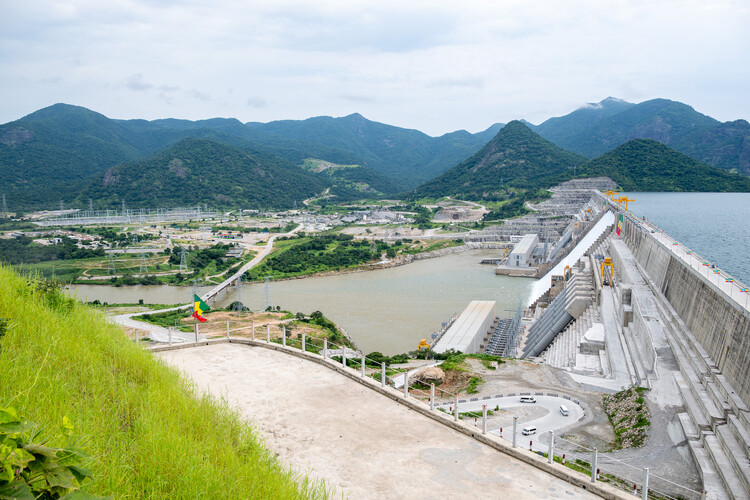
Every large dam divides as much as it connects, and the Grand Ethiopian Renaissance Dam is no exception. A monumental feat of architecture and engineering, the mega-dam has brought everyone together, for better or worse, to interrogate who gets to declare sovereignty over the riches of the river, be it water or momentum, and to challenge colonial-era Nile treaties.

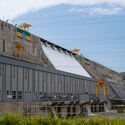
Inaugurated in September 2025, the Grand Ethiopian Renaissance Dam, or GERD, is a grand concrete structure on the Blue Nile, Abay, in western Ethiopia within the Benishangul-Gumuz region, just 30 kilometers upstream along the river and east of the border with Sudan. It is built as a major source of hydroelectric power, generating an estimated 51.5% of total national output in 2025/26, and symbolizes Ethiopia's national sovereignty, rise to exponential economic development, and technological self-determination. So, why has it become the center of a protracted dispute over regional water security and international law between Ethiopia, Sudan, and Egypt?

Dammed Between Energy and Water Scarcity: The Grand Ethiopian Renaissance Dam and the Nile - Imagen 1 de 4Dammed Between Energy and Water Scarcity: The Grand Ethiopian Renaissance Dam and the Nile - Imagen 2 de 4Dammed Between Energy and Water Scarcity: The Grand Ethiopian Renaissance Dam and the Nile - Imagen 3 de 4Dammed Between Energy and Water Scarcity: The Grand Ethiopian Renaissance Dam and the Nile - Imagen 4 de 4Dammed Between Energy and Water Scarcity: The Grand Ethiopian Renaissance Dam and the Nile - More Images+ 10

Subscriber Access

Built to Exclude: Colonial Violence and Urban Ecologies in Africa

Audio available

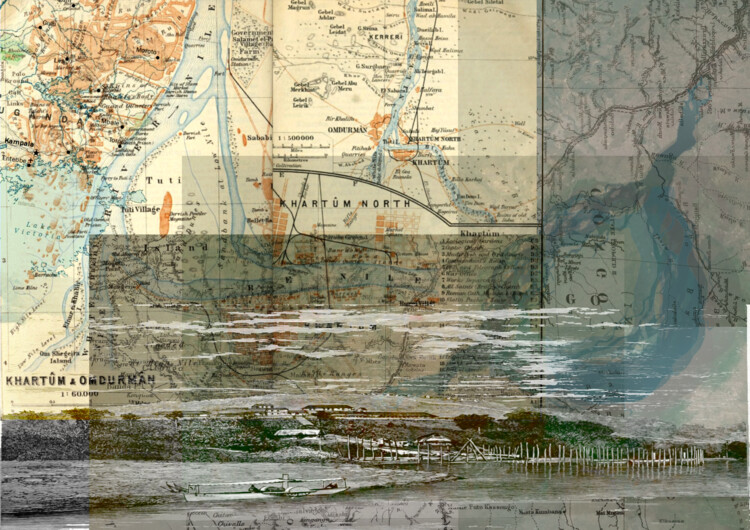
Colonial violence in African cities bled through the political dimensions into the spatial realm. It is infused into street grids, land tenure systems, drainage infrastructure and residential zones that continue to organize inequality and displacement today. Kinshasa, Khartoum, and Kampala each carry this afterlife in their urban morphology, at once historical artifacts and an active structure; shaping who has access to services, who occupies flood-prone land, and catalyzing a deepening climate instability that forces this apparatus into entirely new dimensions - including geological ones.

Built to Exclude: Colonial Violence and Urban Ecologies in Africa - Image 1 of 4Built to Exclude: Colonial Violence and Urban Ecologies in Africa - Image 2 of 4Built to Exclude: Colonial Violence and Urban Ecologies in Africa - Image 3 of 4Built to Exclude: Colonial Violence and Urban Ecologies in Africa - Image 4 of 4Built to Exclude: Colonial Violence and Urban Ecologies in Africa - More Images+ 22