1. ArchDaily
  2. Democratic Design

Democratic Design: The Latest Architecture and News

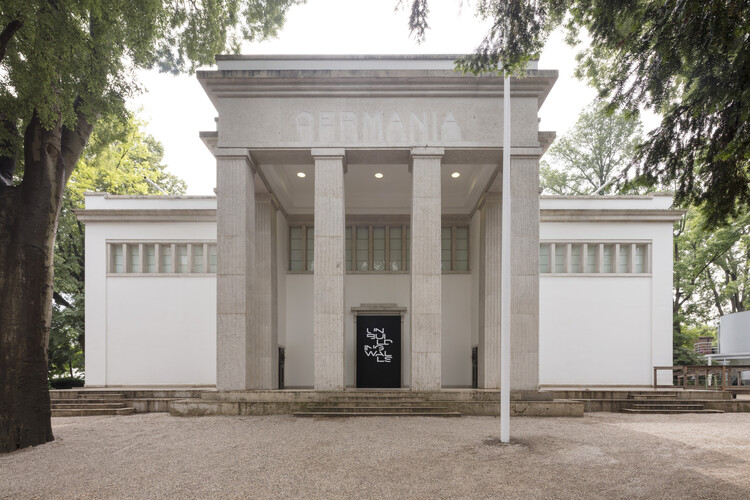
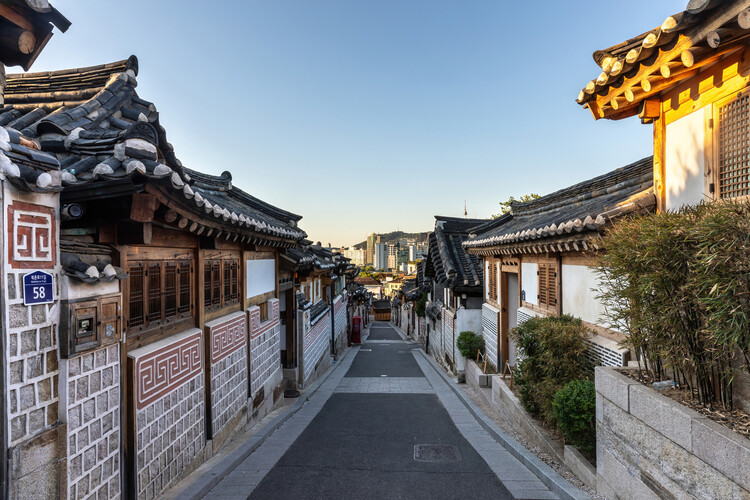
How Open-Source Toolkits Are Democratizing Built Heritage

For monuments worthy of sustained admiration, conservation practices have been selectively mobilized to reinforce their prestige and secure their place at the center of heritage narratives. Structures whose vernacular ought to be passed down miss the discerning eye of the experts. Rowhouses, shopfronts, and neighborhood structures that form the fabric of our cities are often left to deteriorate beyond repair. Much more is lost, apart from aesthetics.

How Open-Source Toolkits Are Democratizing Built Heritage - Image 1 of 4How Open-Source Toolkits Are Democratizing Built Heritage - Image 2 of 4How Open-Source Toolkits Are Democratizing Built Heritage - Image 3 of 4How Open-Source Toolkits Are Democratizing Built Heritage - Image 4 of 4How Open-Source Toolkits Are Democratizing Built Heritage - More Images+ 4

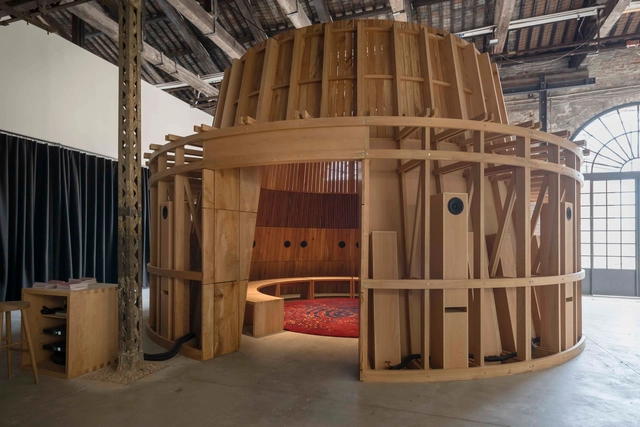
Ireland’s 2025 Venice Biennale Pavilion Showcases an Architectural Prototype to Encourage Dialogue Between Strangers

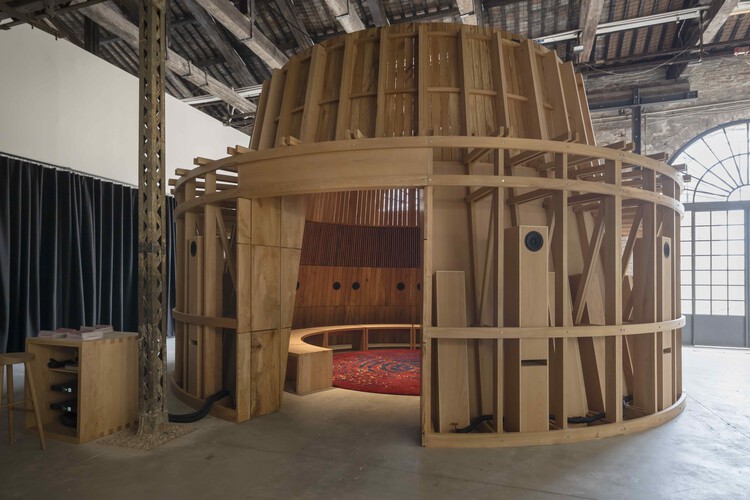
Curated by Cotter & Naessens Architects, the Ireland pavilion at the 19th International Architecture Exhibition - La Biennale di Venezia in 2025 presents Assembly, exploring architecture's role in shaping spaces for gathering, discussion, and democratic exchange. Commissioned by Culture Ireland in partnership with the Arts Council of Ireland the pavilion is officially inaugurated by Yvonne Farrell of Grafton Architects with Sharon Barry, Director of Culture Ireland, and Fionnuala Sweeney, Head of Architecture at the Arts Council.

Ireland’s 2025 Venice Biennale Pavilion Showcases an Architectural Prototype to Encourage Dialogue Between Strangers - Image 1 of 4Ireland’s 2025 Venice Biennale Pavilion Showcases an Architectural Prototype to Encourage Dialogue Between Strangers - Image 2 of 4Ireland’s 2025 Venice Biennale Pavilion Showcases an Architectural Prototype to Encourage Dialogue Between Strangers - Image 3 of 4Ireland’s 2025 Venice Biennale Pavilion Showcases an Architectural Prototype to Encourage Dialogue Between Strangers - Image 4 of 4Ireland’s 2025 Venice Biennale Pavilion Showcases an Architectural Prototype to Encourage Dialogue Between Strangers - More Images+ 27

Laurie Baker’s Legacy and the Democratization of Indian Architecture

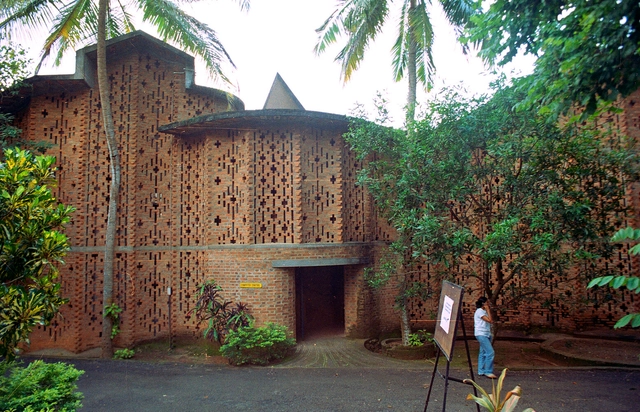
In India, brick as a construction material holds memory, meaning, and modernity. From the aligned fired bricks of the Indus Valley Civilization to the intricate brick jaalis that decorate homes, public buildings, and landmarks, the material's legacy is deeply embedded within the subcontinent's architectural identity. Yet no one has shaped the narrative of brick in modern Indian architecture more eloquently than Laurie Baker.

Laurie Baker’s Legacy and the Democratization of Indian Architecture - Image 1 of 4Laurie Baker’s Legacy and the Democratization of Indian Architecture - Image 2 of 4Laurie Baker’s Legacy and the Democratization of Indian Architecture - Image 3 of 4Laurie Baker’s Legacy and the Democratization of Indian Architecture - Image 4 of 4Laurie Baker’s Legacy and the Democratization of Indian Architecture - More Images+ 9

Cultivating Non-Violent Cities: 10 Examples of Friendly Public Spaces

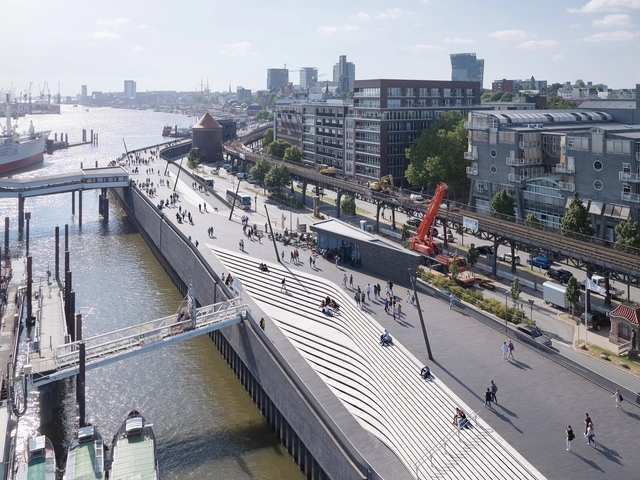
Violent cities result from social and economic inequality, which also affects the urban landscape and the way we live. In honor of International Cities Day, we have selected a series of projects to reflect on non-violent ways of using public space.

Cultivating Non-Violent Cities: 10 Examples of Friendly Public Spaces - Image 1 of 4Cultivating Non-Violent Cities: 10 Examples of Friendly Public Spaces - Image 2 of 4Cultivating Non-Violent Cities: 10 Examples of Friendly Public Spaces - Image 3 of 4Cultivating Non-Violent Cities: 10 Examples of Friendly Public Spaces - Image 9 of 4Cultivating Non-Violent Cities: 10 Examples of Friendly Public Spaces - More Images+ 9

The Shift in India's Cultural Landscape: A Look at Contemporary Projects

Subscriber Access | 

India hosts a multitude of museums, art galleries, public libraries, theaters, and heritage centers. Nevertheless, many of these structures remain abandoned and fossilized like the artifacts they intend to present and protect. The development of cultural infrastructure in India has historically been a government endeavor, often resulting in a state of stagnation. The past two decades have seen a noticeable shift in the country’s cultural landscape. Increased interest from private institutions has paved the way for plenty of cultural projects to be initiated, usually in partnership with city authorities. These contemporary projects aim to celebrate the richness of India’s historical and contemporary culture, becoming prize destinations for the rising middle class.

The Shift in India's Cultural Landscape: A Look at Contemporary Projects - Image 1 of 4The Shift in India's Cultural Landscape: A Look at Contemporary Projects - Image 2 of 4The Shift in India's Cultural Landscape: A Look at Contemporary Projects - Image 3 of 4The Shift in India's Cultural Landscape: A Look at Contemporary Projects - Image 4 of 4The Shift in India's Cultural Landscape: A Look at Contemporary Projects - More Images+ 3

Overcoming Barriers: Social Justice in Latin American Architecture

Subscriber Access | 

February 20th marks a new edition of the World Day of Social Justice. The theme, "Overcoming barriers and unlocking opportunities", is a perfect occasion to reflect on the importance of equity in all areas of society - and especially from architecture and urbanism. And yes: they both have a fundamental role in building accessible cities and are important tools for addressing the challenges of economic inequality and social exclusion.

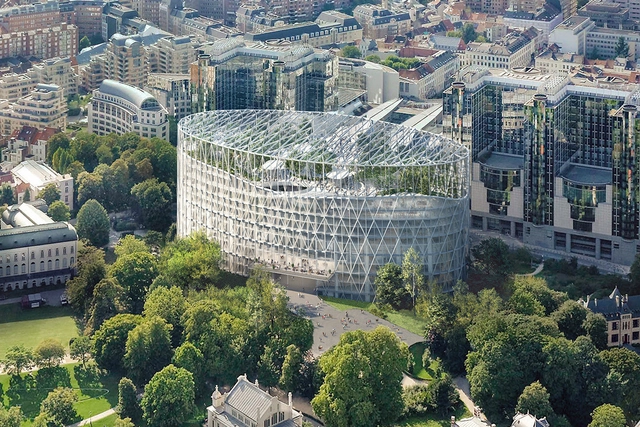
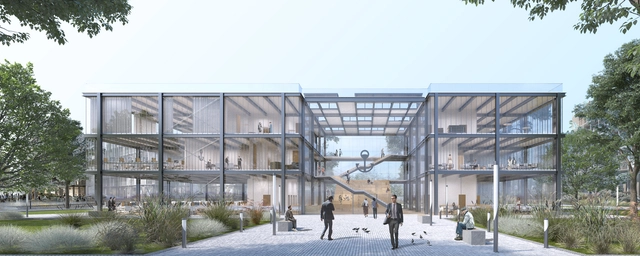
Design Collective EUROPARC Unveils the Winning Proposal for the Renewed European Parliament Building

EUROPARC, a pan-European design collective, has been announced as the winners of the international competition to renew the Paul Henri SPAAK Building in Brussels, Belgium. The building housing the Parliament of the European Union has many shortcomings, yet the winners of the competition recognize that demolishing and replacing it might not be a responsible or sustainable solution. The existing building is, therefore, reimagined and adapted better to fit the needs and the identity of the EU. EUROPARC is made up of five architectural studios from five European countries: JDS Architects (DK/BE), Coldefy (FR), CRA-Carlo Ratti Associati (IT), NL Architects (NL), and Ensamble Studio (SP), with the support of engineering companies from UTIL (BE) and Ramboll (DK).

Design Collective EUROPARC Unveils the Winning Proposal for the Renewed European Parliament Building - Image 1 of 4Design Collective EUROPARC Unveils the Winning Proposal for the Renewed European Parliament Building - Image 2 of 4Design Collective EUROPARC Unveils the Winning Proposal for the Renewed European Parliament Building - Image 3 of 4Design Collective EUROPARC Unveils the Winning Proposal for the Renewed European Parliament Building - Image 4 of 4Design Collective EUROPARC Unveils the Winning Proposal for the Renewed European Parliament Building - More Images+ 2

Ukrainian Emerging Firm Designs Mariupol City Halls for the City's Reconstruction

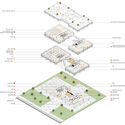
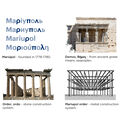
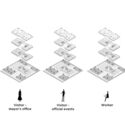
Emerging Ukrainian architecture firm NOVA - New Office of Vital Architecture- designed the new Mariupol City Hall as a proposal to reconstruct the city, almost devastated during the current war in Ukraine. The project seeks to open the discussion on urban democracy and civic life through architecture by replacing traditional hierarchical schemes with an open and accessible government building.

Ukrainian Emerging Firm Designs Mariupol City Halls for the City's Reconstruction - Image 1 of 4Ukrainian Emerging Firm Designs Mariupol City Halls for the City's Reconstruction - Image 2 of 4Ukrainian Emerging Firm Designs Mariupol City Halls for the City's Reconstruction - Image 3 of 4Ukrainian Emerging Firm Designs Mariupol City Halls for the City's Reconstruction - Image 4 of 4Ukrainian Emerging Firm Designs Mariupol City Halls for the City's Reconstruction - More Images+ 1

"Infinite Freedom, A World for a Feminist Democracy" Opens at the 2022 Biennale of FRAC in France

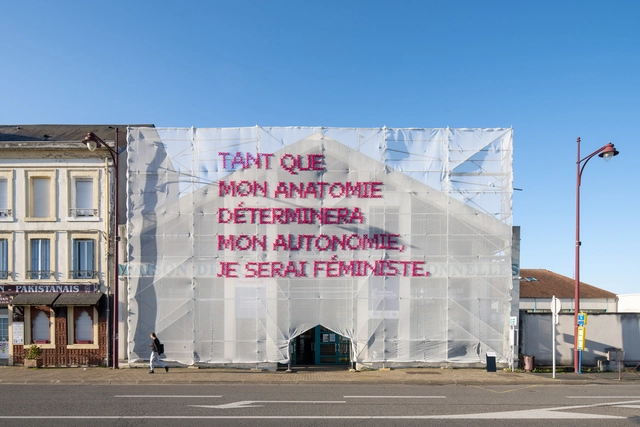
The 2022 Biennale of FRAC in the Centre-Val De Loire Region, France, is exhibiting the work of 55 women for its third edition entitled Infinite Freedom, A World for a Feminist Democracy. The fair showcases pieces from the Center Pompidou and the Cité de l'architecture et du Patrimoine collection and brings special guests such as architect Anna Heringer and Journalist and Director Rokhaya Diallo. From September 2022 to January 1st, 2023, female artists, architects, and politicians will gather to discuss and create a new definition of inclusive and plural democracy in the city, architecture, design, and art.

"Infinite Freedom, A World for a Feminist Democracy" Opens at the 2022 Biennale of FRAC in France - Image 1 of 4"Infinite Freedom, A World for a Feminist Democracy" Opens at the 2022 Biennale of FRAC in France - Image 2 of 4"Infinite Freedom, A World for a Feminist Democracy" Opens at the 2022 Biennale of FRAC in France - Image 3 of 4"Infinite Freedom, A World for a Feminist Democracy" Opens at the 2022 Biennale of FRAC in France - Image 4 of 4Infinite Freedom, A World for a Feminist Democracy Opens at the 2022 Biennale of FRAC in France - More Images+ 16

Accessibility and Equity of Opportunity in 7 Educational Spaces

Accessibility and Equity of Opportunity in 7 Educational Spaces - Featured Image
Jadgal Elementary School / Daaz Office. Image © Deed Studio

As democratizing catalysts, educational spaces play a fundamental role in shaping individuals and entire communities. These places, where students spend a significant amount of time developing their capabilities, skills, and competencies, are more than a background for the promotion of a fundamental right, they are key elements to providing equal opportunities for all. 

Open and common facilities, such as schoolyards, courtyards, and auditoriums are great examples of how spaces can encourage students, teachers, parents, and community members to learn with each other in an active dialogue. Flexibility and accessibility are two other key points to promote the democratization of both design and education, as seen in programs that go beyond school time and encourage communities to participate, for example.

Accessibility and Equity of Opportunity in 7 Educational Spaces - Image 1 of 4Accessibility and Equity of Opportunity in 7 Educational Spaces - Image 2 of 4Accessibility and Equity of Opportunity in 7 Educational Spaces - Image 3 of 4Accessibility and Equity of Opportunity in 7 Educational Spaces - Image 4 of 4Accessibility and Equity of Opportunity in 7 Educational Spaces - More Images+ 10

Democratizing Architecture vs. Aesthetic Apartheid Architecture

Architecture has long been a profession in aesthetic apartheid. The profession’s favored aesthetic, Modernism, has relegated all other “styles” to marginalized insignificance in laud, teaching and publication. The last generation has seen those following an aesthetic deemed “traditional” create an entirely separate system of schools, awards and publication.

Democratizing Architecture vs. Aesthetic Apartheid Architecture - Image 1 of 4Democratizing Architecture vs. Aesthetic Apartheid Architecture - Image 2 of 4Democratizing Architecture vs. Aesthetic Apartheid Architecture - Image 3 of 4Democratizing Architecture vs. Aesthetic Apartheid Architecture - Image 4 of 4Democratizing Architecture vs. Aesthetic Apartheid Architecture - More Images+ 2

Urban Disparities: How Caste Shapes Cities

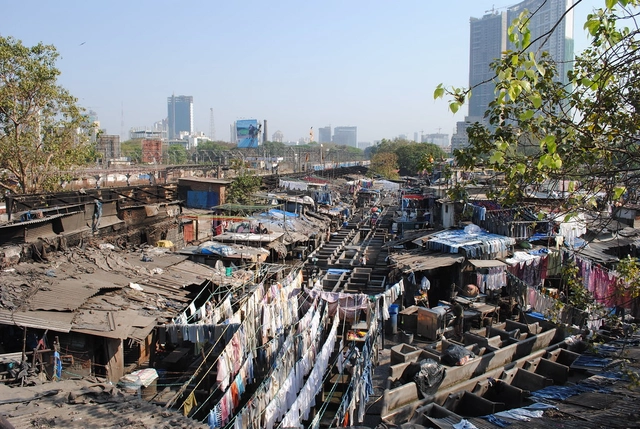
Built environments are a reflection of the social order and dynamic ideals of society. Neighborhoods and cities are cultural relics shaped by diverse communities, some of whose voices are heard louder than others. In the past few decades, Indian metropolitans have been booming with urbanization. Holding cities back from being Utopian hubs of growth is spatial inequality. The residential segregation that patterns the cities of India can be understood through the caste system. The issue, however, is largely intersectional. Forces rooted in class, religion, and gender also structure the country's social landscape.
Urban Disparities: How Caste Shapes Cities  - Image 3 of 4Urban Disparities: How Caste Shapes Cities  - Image 1 of 4Urban Disparities: How Caste Shapes Cities  - Image 4 of 4Urban Disparities: How Caste Shapes Cities  - Featured ImageUrban Disparities: How Caste Shapes Cities  - More Images+ 1

Have Gardens Become a Privilege?

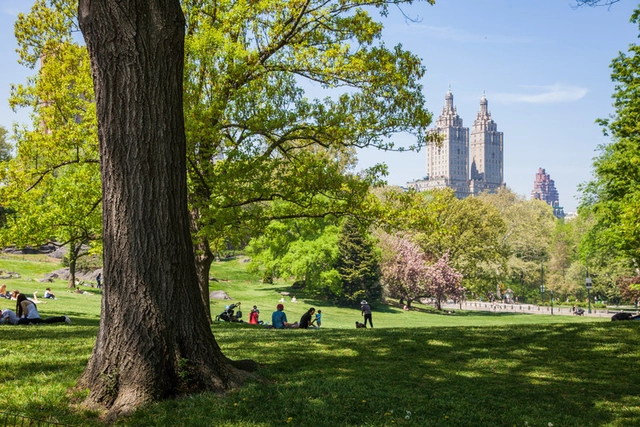
Whether it is a small balcony, access to green space or a private garden, the outdoor space has become a privilege for many, especially upon the dawn of the Covid-19 pandemic and the multiple lock down periods that followed. Green space in the city is constantly under threat, particularly since governments seek to increase housing densities in order to feed a growing demand for suburban development. As a result, the garden and access to green/outdoor spaces has decreased in recent times, as priorities lie in housing as many as possible, often with disregard to beneficial features such as access to outdoor areas in residential developments.

In terms of living conditions the lack of access to these spaces presents evident inequalities, uncovered during periods of lock down and restrictions during the pandemic. People were confined to their homes and local outdoor spaces, where they could exercise. Those who had access to these public spaces and had their own gardens/external space were very lucky in the sense that they were able to enjoy an element of the outside. While those less fortunate in flats and areas of depravity faced claustrophobic and demoralizing conditions, contained within the shell of their homes. 

Have Gardens Become a Privilege? - Image 1 of 4Have Gardens Become a Privilege? - Image 2 of 4Have Gardens Become a Privilege? - Image 3 of 4Have Gardens Become a Privilege? - Image 4 of 4Have Gardens Become a Privilege? - More Images+ 2

The Expert Citizen: A Change of Perspectives in Participatory Design

Participatory design is a democratic process that aims to offer equal input for all stakeholders, with a particular focus on the users, not usually involved directly in the traditional method of spatial creation. The idea is based on the argument that engaging the user in the process of designing spaces can have a positive impact on the reception of those spaces. It eases the process of appropriation, helps create representative and valuable spaces, and thus creates resiliency within the urban and rural environment.

The Expert Citizen: A Change of Perspectives in Participatory Design - Image 1 of 4The Expert Citizen: A Change of Perspectives in Participatory Design - Image 2 of 4The Expert Citizen: A Change of Perspectives in Participatory Design - Image 3 of 4The Expert Citizen: A Change of Perspectives in Participatory Design - Image 4 of 4The Expert Citizen: A Change of Perspectives in Participatory Design - More Images+ 5

Supreme Court Justice Stephen Breyer: "To Understand a Building, Go There, Open your Eyes, and Look!"

Six years ago Susan Szenasy and I had the honor of interviewing Supreme Court Justice Stephen Breyer for Metropolis magazine. While he was a federal appeals judge in Boston, Breyer played a key role in shepherding the design and construction of the John Joseph Moakley United State Courthouse, designed by Pei Cobb Freed & Partners. In 2011 Justice Breyer joined the jury of the Pritzker Prize. Given his long involvement with architecture, I thought it would be fun to catch up with him. So, on the final day of court before breaking for the summer recess, I talked to Justice Breyer about his experience as a design client, how to create good government buildings, and why public architecture matters.