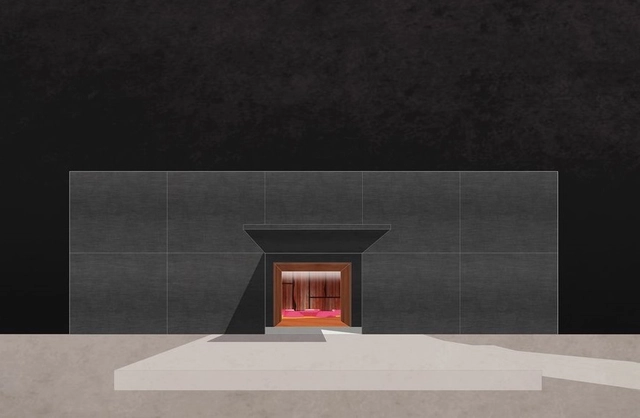
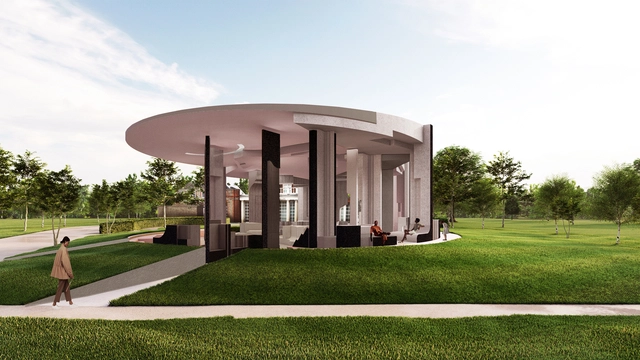
The opening of the 20th Serpentine Pavilion, designed by South African Studio Counterspace, has been postponed to summer 2021. "Counterspace, directed by Sumayya Vally, Sarah de Villiers and Amina Kaskar, will collaborate with the Serpentine on a series of off-site and online research projects throughout 2020, which will culminate with the opening of the Pavilion in Summer 2021," the Serpentine Galleries announced.
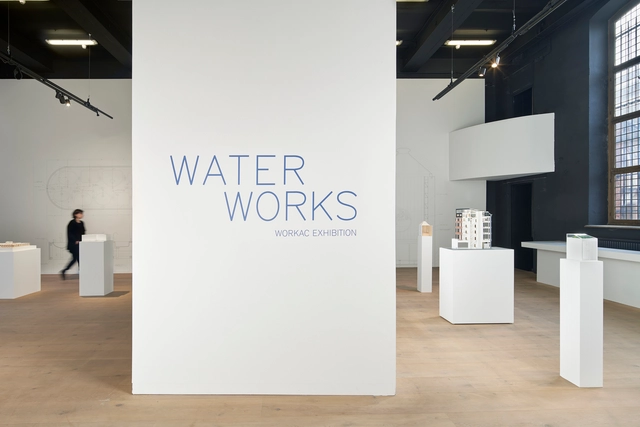
WORKac in collaboration with Musea Brugge and Cultuurcentrum Brugge has created an exhibition entitled Water Works. Set to run initially from March 7th to June 7th, 2020 at the historic Poortersloge in Bruges, Belgium, the exhibition has been temporarily closed to the public due to the ongoing COVID-19 epidemic. However, the New York-based architectural practice has produced a brief video highlighting its six themed rooms and the eighteen projects on display.
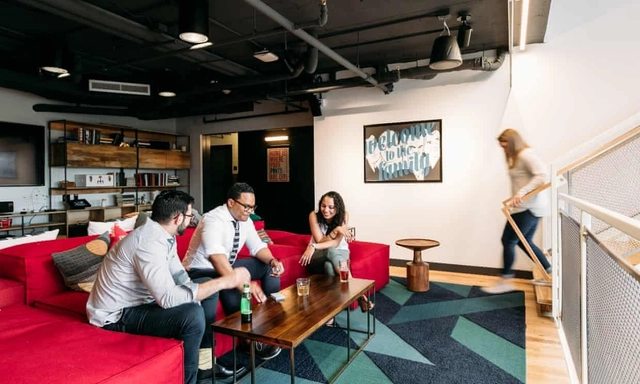
Many of us have already lived, or are currently living in, some sort of shared community housing. Whether it be from a college experience of living in a dormitory or a retirement community filled with other senior citizens, the loosely defined, yet increasingly popular concept of co-living has taken on many forms in society. The co-living market giants, including WeLive, Common, and Ollie, center themselves around participating in a shared economy, offering a financially sensible housing solution, and fostering meaningful social connections. As we continue to battle the COVID-19 pandemic and adapt to the enforcement of social distancing and stay-at-home mandates, co-living tenants have felt compelled to navigate the loopholes in the designs of their communities in order to discover new ways of living with others, while also mitigating health risks. In fact, co-living communities may be better positioned to handle a pandemic while balancing a sense of normalcy more so than traditional residential real estate offerings.
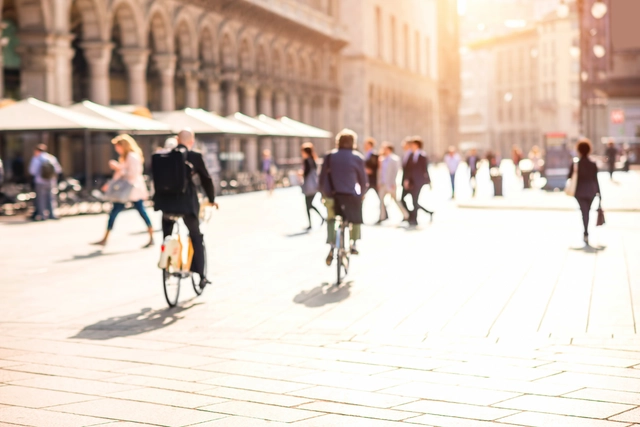
The city of Milan has announced its Strade Aperte plan or “Open streets” plan that favors pedestrians and cyclists over cars. In order to reduce car usage, the Lombardy area will repurpose 35km of roads, over the summer, after the coronavirus lockdown, transforming them into people-friendly streets.
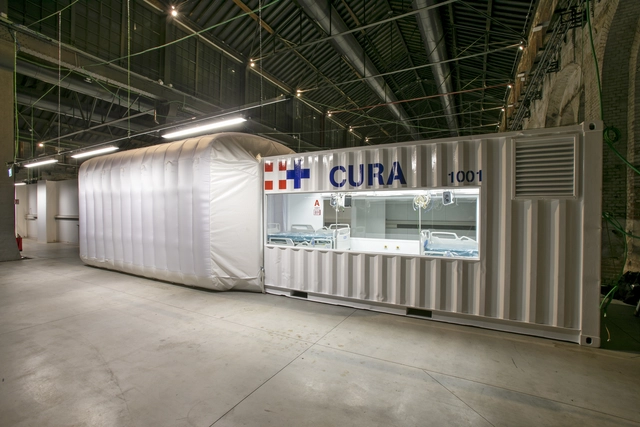
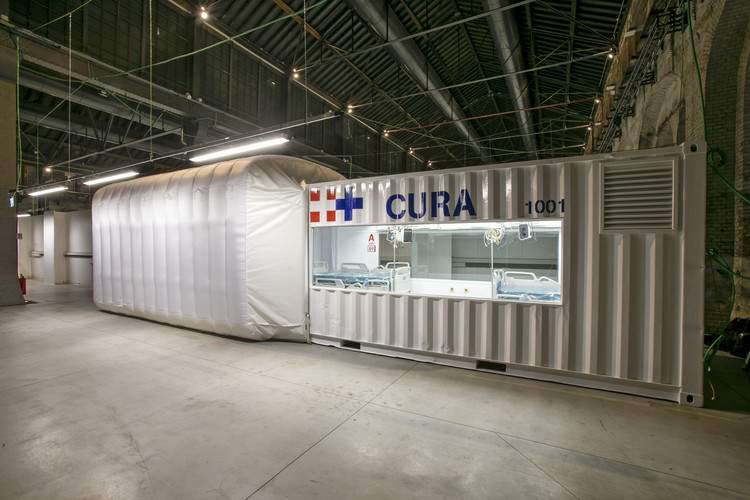
The first unit from Carlo Ratti’s CURA project was built at a temporary hospital in Turin, north of Italy, one of the world’s hardest-hit regions by the pandemic. Launched four weeks ago, the initiative to convert shipping containers into plug-in Intensive-Care Pods for COVID-19 patients was assembled at record speed.
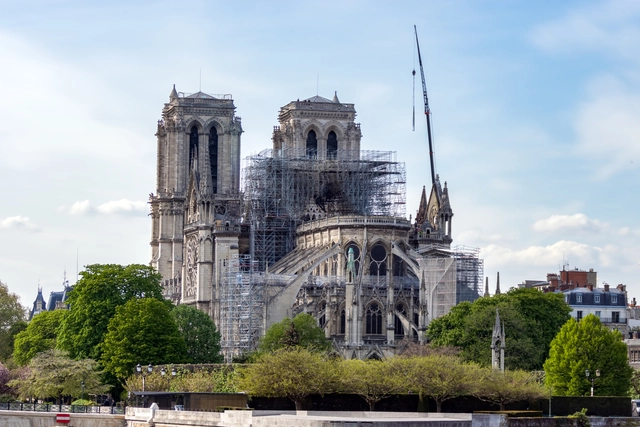
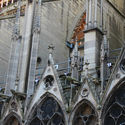
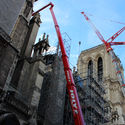
Due to the global pandemic, restoration works of the Notre Dame in Paris have been paused. For security reasons, all operations have been halted by French officials. While the consolidation of the cathedral was completed, the reconstruction of the spire and the roof as well as the removal of the melted scaffolding, have been interrupted.
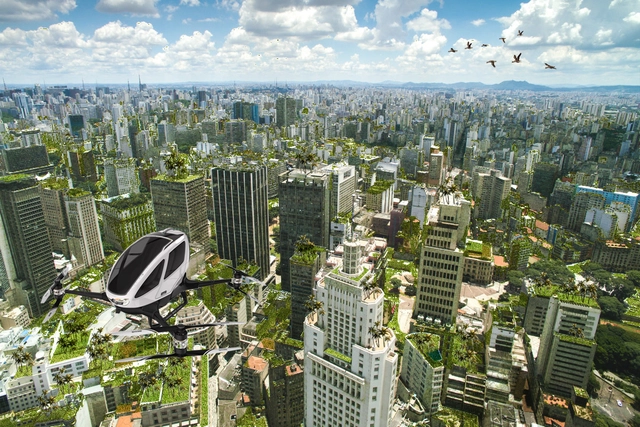
Yesterday, on the 20th of April, we passed the cap of 111 days of the pandemic. During this time, we’ve been busy fighting in supermarket aisles over toilet paper in Australia, lining up for marijuana purchases in Amsterdam and boosting gun demand in the USA. We are conscious none of those will help in fighting the virus, but we do it, nonetheless. Beyond the bizarre human psyche, this pandemic unveils interesting trends that will, whether we like it or not, impact on Architecture and Cities.
https://www.archdaily.com/937928/introducing-an-illustrated-series-architecture-and-cities-post-virusZaheer Allam, Gaetan Siew and Felix Fokoua
Our entire civilisation is facing one of our most challenging times since WWII.
The results caused by the COVID-19 outbreak are unimaginable and unpredictable yet, but we are already feeling the drastic effects. Richard Kozul-Wright, Director of the UNCTAD, estimates an impact that will cost the world economy around $1 trillion, expecting the worst scenario than the financial collapse in 2008.
The impact of COVID-19 has disrupted daily life as we know it and caused a shift in technology trends within the workplace. Over recent weeks, businesses have found themselves hastily searching for and implementing temporary solutions to help them deliver an uninterrupted service. These solutions are highlighting the significant role technology plays in helping companies adapt to the situation and maintain daily operations. But what happens once the crisis is over?
Hashim Sarkis, the curator of the 17th International Architecture Exhibition organized by La Biennale di Venezia, launched a striking visionary theme at the beginning of this year: “How will we live together?”. This fundamental question finally transcends all disciplines and opens an existential portal for humanity. It does not refer only to humans but all species, the nonhuman organisms as well.
While public parks and gardens have closed down their doors around the world, in fear of the COVID-19 spread, Studio Precht has proposed a green space designed around the rules of physical distancing. Entitled “Parc de la Distance”, the project introduces an outdoor space that encourages social distancing and short-term solitude.
In the midst of a pandemic that has already affected 184 countries and infected more than a million people around the world, we seek to cover all topics that relate the coronavirus within architecture and space, and ways to make social distancing less painful.
The Australian Institute of Architects has announced it will no longer participate in the 2020 Venice Biennale. Last month, organizers postponed the event's opening until August in light of the recent COVID-19 pandemic. Australia’s exhibition, titled In Between, was to be curated by creative directors Tristan Wong and Jefa Greenaway, and it aimed to explore connections between indigenous cultures across Australia and the South Pacific.
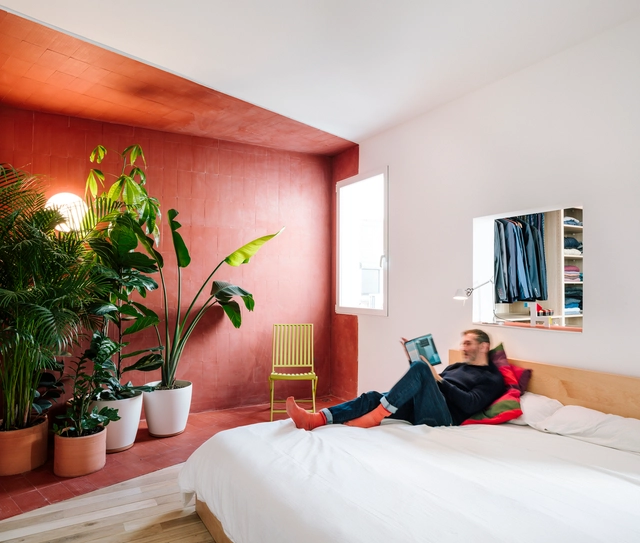
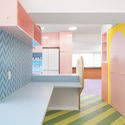
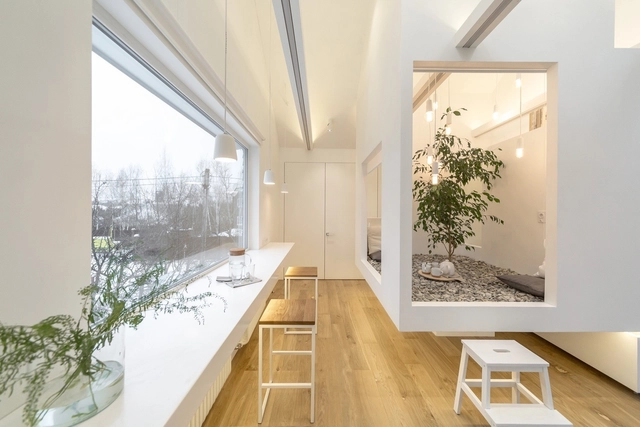
Apartment for a Bachelor in Madrid / gon architects + Ana Torres. Image
As cities around the world go on lockdown in response to the COVID-19 outbreak, most individuals have been asked to stay at home, leaving only essential workers - EMTs and other healthcare professionals, grocery workers, bus drivers, deliverymen, and more - continuing to go out to keep the world running. Other families and individuals have found themselves spending most of their time at home, permitted to leave only to buy groceries or exercise for limited periods of time. With many no doubt searching for ways to pass the time in replacement of social interaction, we suggest several ways to brighten up your home while practicing social distancing, both improving the space you’re in and giving possible activities to pass the time.
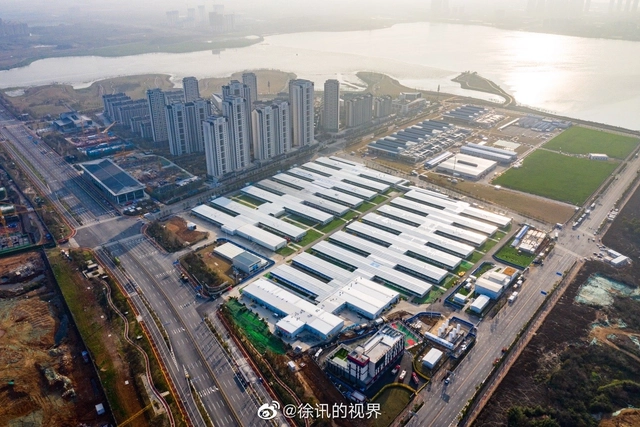
While an overwhelming majority of the world is still fighting against COVID-19, the economic and social situation in China has shown beginning signs of a return to a new normal way of life in recent weeks. In another sign of good news, the Chinese government recently announced that the two hospitals in Wuhan that were built from ground up within 10 days would close on April 15th and the remaining 30 patients will be transferred to other hospitals in Wuhan to receive further treatment. Other regions of China have followed similar steps, also announcing the closure of temporary hospitals, showing a positive sign that the COVID-19 pandemic is finally being defeated where it first began.
We've compiled a list with the temporary hospitals constructed in the first two months of 2020, designed specifically to treat patients with COVID-19 symptoms. In total, China constructed more than 30 temporary hospitals built across the country. The speed at which these medical facilities were built was achieved through the hard work of tens of thousands of people working around the clock.
https://www.archdaily.com/937579/a-closer-look-at-the-chinese-hospitals-built-to-control-the-covid-19-pandemicMilly Mo
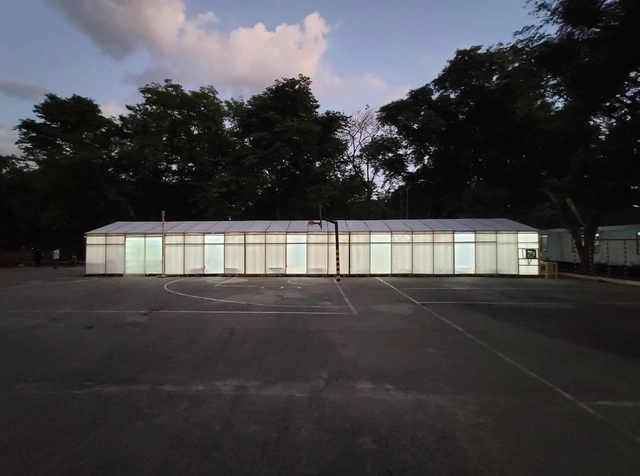
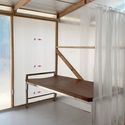
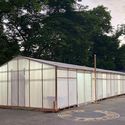
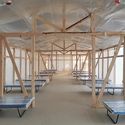
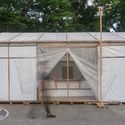
As hospitals around the world are reaching their capacity, the architecture and design community is developing new alternatives to fight COVID-19. In order to build 60 Emergency Quarantine Facilities (EQF), WTA was inspired by their pavilion developed last year, part of the Anthology Festival. A viable quarantine structure, the Boysen Pavilion “embodied speed, scalability and simplicity in its structure”.
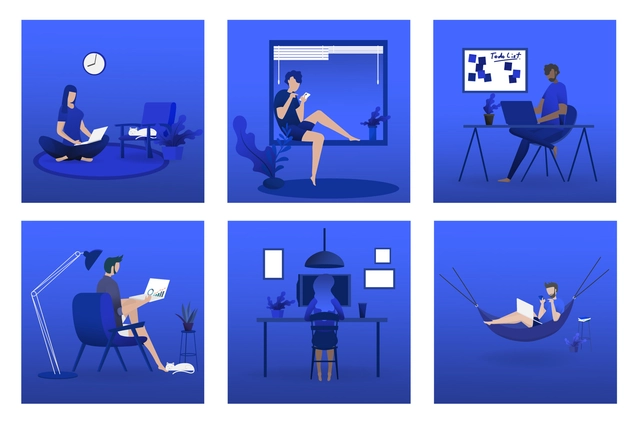
The outbreak of COVID-19 has caused an estimated 900 million people around the world to remain at home. Among them are architects and designers who have been asked to work remotely to prevent the virus from spreading through the workplace. For many architects, this is undoubtedly a new territory. However, for ArchDaily, it is not, and we can assure you that it is possible not only to work from home, but to use this time to greatly enhance your skills, knowledge, and development as an architect.
https://www.archdaily.com/936082/tips-for-architects-working-at-home-during-covid-19Niall Patrick Walsh
Father of Iraqi architecture Rifat Chadirji has passed away at 93, on April 10 in London, after contracting the novel coronavirus. Born in 1926 in Baghdad, he is responsible for more than 100 buildings across Iraq.
Some of his most iconic works include the Tahrir Square's Freedom Monument, the Tobacco Monopoly Headquarters in 1965, the Central Post Office in Baghdad in 1975 and the Unknown Soldier Monument, one of his most culturally significant intervention designed in 1959, demolished in 1982 and then replaced by a statue of Saddam Hussein in 2003.











.jpg?1587069293&format=webp&width=640&height=580)
.jpg?1587069383 "Courtesy of Studio Precht")
.jpg?1587071981 "Courtesy of Studio Precht")
.jpg?1587073654 "Courtesy of Studio Precht")
.jpg?1587072870 "Courtesy of Studio Precht")
.jpg?1587069293)