1. ArchDaily
  2. Coop Himmelb(l)au

Coop Himmelb(l)au: The Latest Architecture and News

Farewell to Masters: Remembering the Architects We Lost in 2025

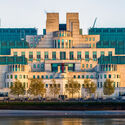
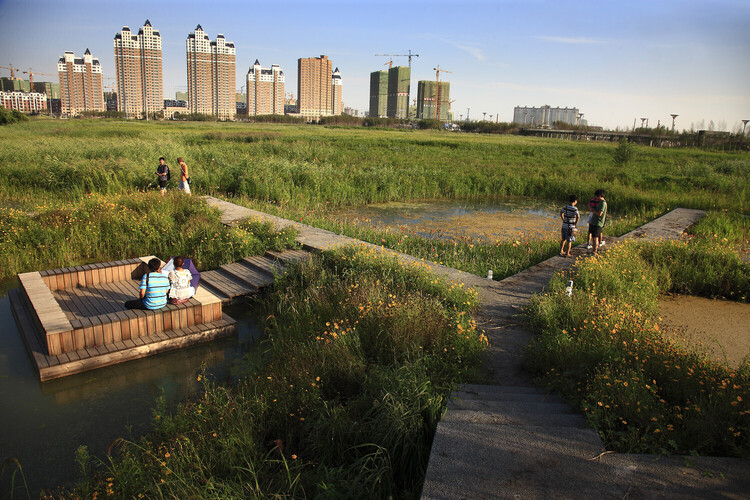
Every year brings new ideas, projects, and shifts in architectural culture, but it also marks the loss of voices that have shaped the discipline across decades. Architecture moves forward, but it also advances through absence. When figures who helped articulate its language and its ambitions disappear, they leave behind more than completed works or influential texts. Their absence becomes a threshold, a moment in which the discipline pauses to understand what remains, what evolves, and what continues to guide us. These moments of loss remind us that architecture is a long, collective construction, carried not only by those shaping the present but also by those whose visions continue to orient how we think about cities and landscapes.

The architects and thinkers we lost in 2025 came from remarkably different worlds, yet the questions that shaped their work often intersected. Some approached the city through identity, symbolism, and historical continuity, seeking to ground the built environment in cultural memory. Others interpreted it through engineering precision, ecological systems, or radical experimentation, expanding what architecture could be and how it could be experienced. Their work spans contexts as diverse as postwar Britain, rapidly urbanizing China, Central European avant-gardes, and the evolving cultural institutions of Berlin and New York. Together, they form a spectrum of responses that defined, and continue to define, architectural culture over the last half-century, revealing the multiplicity of ways in which architecture can engage with society, technology, and the environment.

Farewell to Masters: Remembering the Architects We Lost in 2025 - Image 1 of 4Farewell to Masters: Remembering the Architects We Lost in 2025 - Image 2 of 4Farewell to Masters: Remembering the Architects We Lost in 2025 - Image 3 of 4Farewell to Masters: Remembering the Architects We Lost in 2025 - Image 4 of 4Farewell to Masters: Remembering the Architects We Lost in 2025 - More Images+ 33

From Rapidity to Specificity: Multiple Dimensions of Shenzhen's Architectural Development

Subscriber Access | 

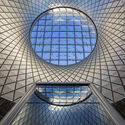
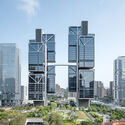
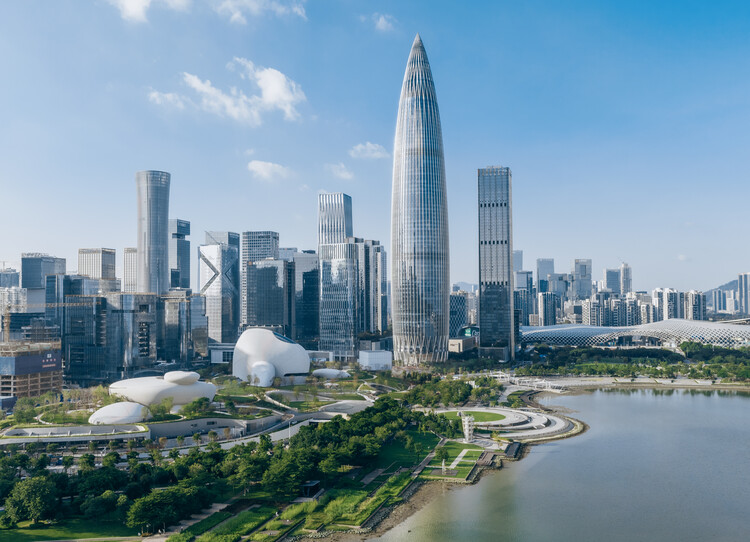
Shenzhen is China's first Special Economic Zone(SEZ), serving as a window for China's Reform and Opening-up and an emerging immigrant city. It has evolved into an influential, modern, and international metropolis, creating the world-renowned "Shenzhen Speed" and earning the reputation of the "City of Design." Architectural design stands as the most intuitive expression of Shenzhen's spirit of integration and innovation. Over the past decade (2015-2025), the development of urban architecture in Shenzhen has closely integrated with its open and inclusive urban character, ecological advantages of being nestled between mountains and the sea, and the local spirit of blending traditional culture with innovative technology, showcasing Shenzhen's unique charm and robust vitality across multiple dimensions.

From Rapidity to Specificity: Multiple Dimensions of Shenzhen's Architectural Development  - Image 1 of 4From Rapidity to Specificity: Multiple Dimensions of Shenzhen's Architectural Development  - Image 2 of 4From Rapidity to Specificity: Multiple Dimensions of Shenzhen's Architectural Development  - Image 3 of 4From Rapidity to Specificity: Multiple Dimensions of Shenzhen's Architectural Development  - Image 4 of 4From Rapidity to Specificity: Multiple Dimensions of Shenzhen's Architectural Development  - More Images+ 51

Frankfurt Architecture City Guide: 20 Projects Tracing a Skyline Between History and Modernity

Subscriber Access | 

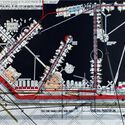
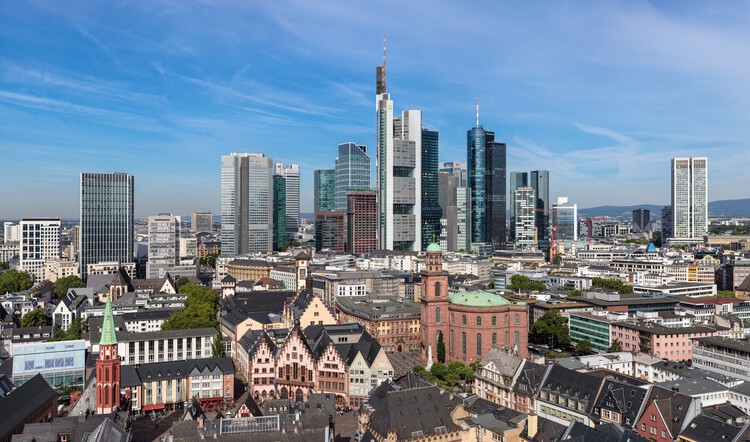
Frankfurt is often recognised for its distinctive skyline, a rare feature in European cities. Towering glass skyscrapers mark its role as a global financial hub, yet beneath this vertical image lies a city layered with centuries of history, destruction, and reconstruction. From medieval timber-framed houses to post-war modernism and contemporary high-rises, Frankfurt has consistently reinvented itself through architecture, producing a built environment where different periods coexist in dialogue.

The city's transformation accelerated after World War II, when much of its historic core was destroyed and planners sought to balance rapid economic growth with the need for cultural reconstruction. Landmarks such as the Römerberg square were meticulously rebuilt, while modernist interventions and infrastructural projects introduced new scales and languages. More recently, projects by internationally renowned offices have reshaped the riverfront and business districts, adding architectural icons that express Frankfurt's global role.

Frankfurt Architecture City Guide: 20 Projects Tracing a Skyline Between History and Modernity - Image 1 of 4Frankfurt Architecture City Guide: 20 Projects Tracing a Skyline Between History and Modernity - Image 2 of 4Frankfurt Architecture City Guide: 20 Projects Tracing a Skyline Between History and Modernity - Image 3 of 4Frankfurt Architecture City Guide: 20 Projects Tracing a Skyline Between History and Modernity - Image 4 of 4Frankfurt Architecture City Guide: 20 Projects Tracing a Skyline Between History and Modernity - More Images+ 23

Helmut Swiczinsky, Co-Founder of the Coop Himmelb(L)AU, Passes Away at 81

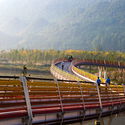
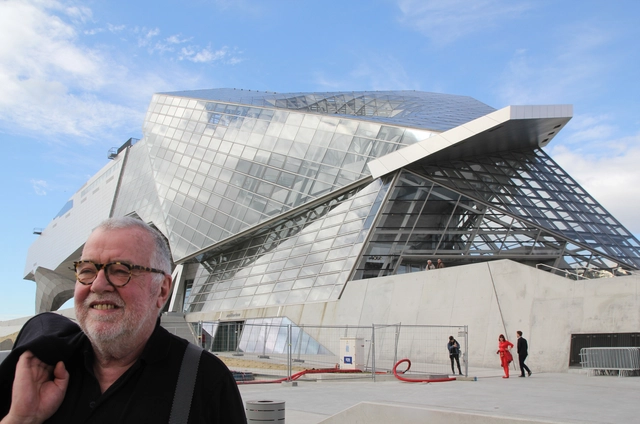
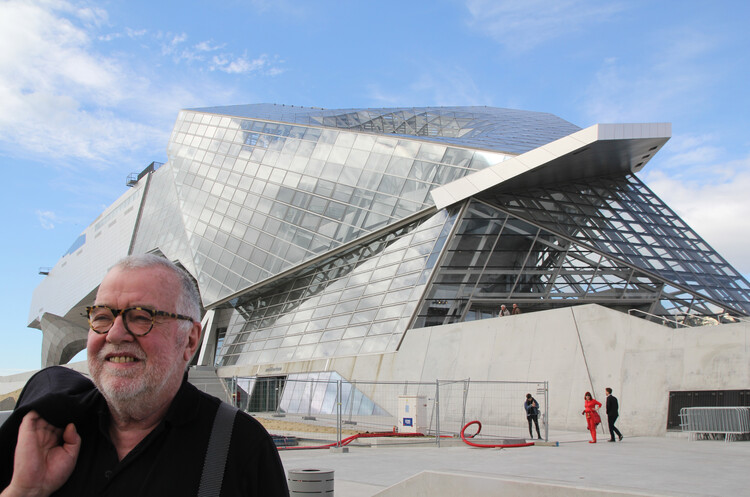
Helmut Swiczinsky, co-founder of the Viennese architecture collective Coop Himmelb(l)au and a key figure in experimental and deconstructivist architecture, passed away on July 29, 2025, at the age of 81. Born in 1944 in Poznań, Poland, he studied architecture at the Vienna University of Technology and the Architectural Association in London.

In 1968, Swiczinsky co-founded Coop Himmelb(l)au alongside Wolf D. Prix and Michael Holzer. The studio quickly gained international recognition for its radical design approach, defined by fragmented geometries, exposed structural systems, and spatial complexity. After Holzer's departure in 1971, Swiczinsky and Prix continued to lead the practice through the 1980s and 1990s, establishing it as one of the most prominent voices of the deconstructivist movement.

Helmut Swiczinsky, Co-Founder of the Coop Himmelb(L)AU, Passes Away at 81 - Image 1 of 4Helmut Swiczinsky, Co-Founder of the Coop Himmelb(L)AU, Passes Away at 81 - Image 2 of 4Helmut Swiczinsky, Co-Founder of the Coop Himmelb(L)AU, Passes Away at 81 - Image 3 of 4Helmut Swiczinsky, Co-Founder of the Coop Himmelb(L)AU, Passes Away at 81 - Image 4 of 4Helmut Swiczinsky, Co-Founder of the Coop Himmelb(L)AU, Passes Away at 81 - More Images

Coop Himmelb(l)au Designs New Al Maktoum International Airport in Dubai, UAE

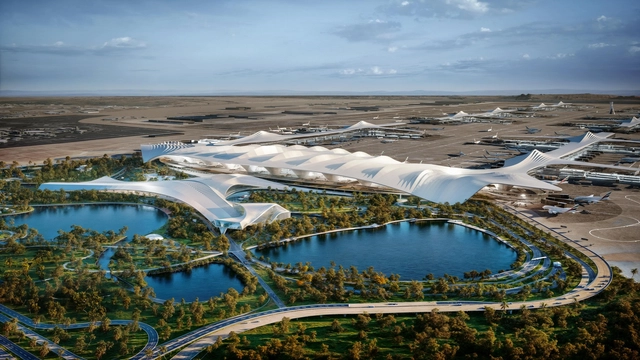
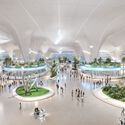
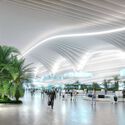
Coop Himmelb(l)au has been selected to lead the architectural design for the new Al Maktoum International Airport in Dubai, United Arab Emirates. Working in collaboration with Dubai Aviation Engineering Projects (DAEP) and Dar Al-Handasah, the design integrates advanced structural solutions, energy efficiency, and modern technologies to create a facility of global significance.

Coop Himmelb(l)au Designs New Al Maktoum International Airport in Dubai, UAE - Image 1 of 4Coop Himmelb(l)au Designs New Al Maktoum International Airport in Dubai, UAE - Image 2 of 4Coop Himmelb(l)au Designs New Al Maktoum International Airport in Dubai, UAE - Image 3 of 4Coop Himmelb(l)au Designs New Al Maktoum International Airport in Dubai, UAE - Image 4 of 4Coop Himmelb(l)au Designs New Al Maktoum International Airport in Dubai, UAE - More Images

Munich Architecture City Guide: From Skyscrapers to Small Pavilions, Brutalism to Art Nouveau

Munich – Bavaria’s capital since 1506 – is a city with layers and layers of history. Its many years as a rising architectural epicenter have left an interesting and unique mix of buildings. From Middle Age churches and cathedrals to contemporary synagogues. From skyscrapers to small pavilions. Brutalism to Art Nouveau. Munich’s architecture is truly extensive and marvelous.

Though not acknowledging Munich’s beer wonders would be wrong, the only mention of this substance would be in the stunning buildings (like the new Paulaner HQ by Hierl Architekten) that contain them. Yes, other aspects of the city are grandiose, but let’s focus on Munich’s top attraction: its architecture.

Munich Architecture City Guide:  From Skyscrapers to Small Pavilions, Brutalism to Art Nouveau - Image 1 of 4Munich Architecture City Guide:  From Skyscrapers to Small Pavilions, Brutalism to Art Nouveau - Image 2 of 4Munich Architecture City Guide:  From Skyscrapers to Small Pavilions, Brutalism to Art Nouveau - Image 3 of 4Munich Architecture City Guide:  From Skyscrapers to Small Pavilions, Brutalism to Art Nouveau - Image 4 of 4Munich Architecture City Guide:  From Skyscrapers to Small Pavilions, Brutalism to Art Nouveau - More Images+ 20

Who Was Günther Domenig, the Unknown Deconstructivist?

Subscriber Access | 

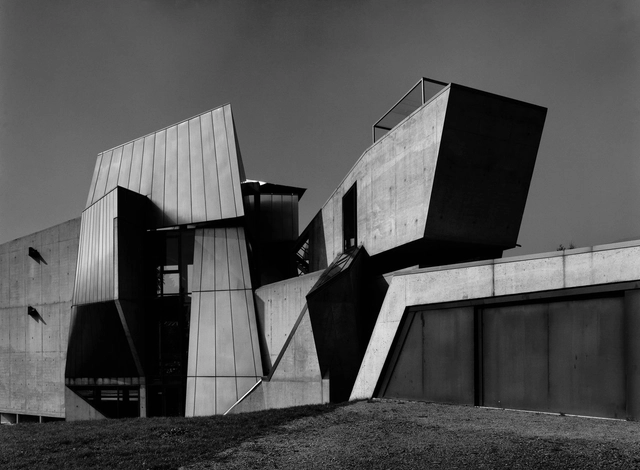
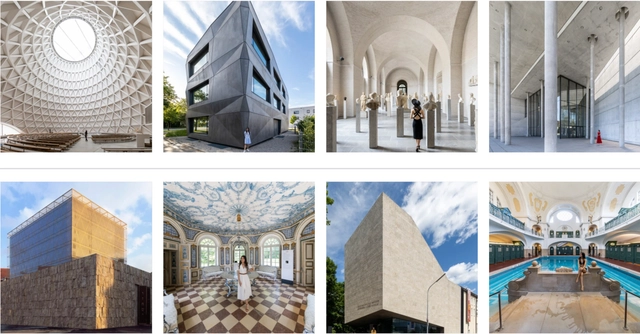
Domenig was one of Austria’s most radical architects and a major influence on many of architecture’s leading lights but remains widely unknown. A new exhibition aims to change that.
Who Was Günther Domenig, the Unknown Deconstructivist? - Image 1 of 4Who Was Günther Domenig, the Unknown Deconstructivist? - Image 2 of 4Who Was Günther Domenig, the Unknown Deconstructivist? - Image 3 of 4Who Was Günther Domenig, the Unknown Deconstructivist? - Image 4 of 4Who Was Günther Domenig, the Unknown Deconstructivist? - More Images+ 4

A New Book Chronicles the Turbulent History of Architectural Complexity

The marquee-busting title says it all: Joseph Giovannini’s Architecture Unbound is an ambitious attempt to explore the wilder shores of design and explain how and why maverick architects have dared greatly. It’s also a wide-ranging introduction to artists who laid the groundwork for architectural innovation a century ago; to the philosophers and theorists who mapped new ways of thinking, and to the complexities of chaos theory, parametric and software programs that have shaped exceptional buildings over the past few decades.

A New Book Chronicles the Turbulent History of Architectural Complexity - Image 1 of 4A New Book Chronicles the Turbulent History of Architectural Complexity - Image 2 of 4A New Book Chronicles the Turbulent History of Architectural Complexity - Image 3 of 4A New Book Chronicles the Turbulent History of Architectural Complexity - Image 4 of 4A New Book Chronicles the Turbulent History of Architectural Complexity - More Images+ 4

Kengo Kuma Wins Competition to Design the New Kamal Theatre

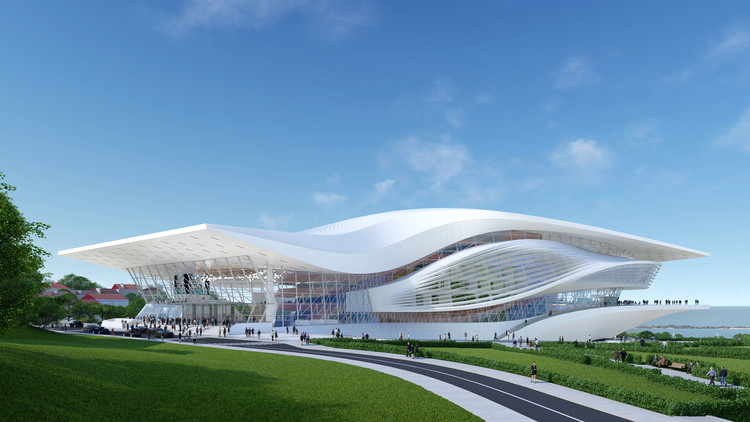
The Open International Competition for the Development of an Architectural Concept for the Galiasgar Kamal Tatarian State Academic Theatre has announced its results. The consortium including Kengo Kuma & Associates was granted the first place, while the second place went to a proposal led by Asif Kahn Studio and the third place to Coop Himmelb(l)au and his team.

Kengo Kuma Wins Competition to Design the New Kamal Theatre  - Image 2 of 4Kengo Kuma Wins Competition to Design the New Kamal Theatre  - Image 4 of 4Kengo Kuma Wins Competition to Design the New Kamal Theatre  - Image 7 of 4Kengo Kuma Wins Competition to Design the New Kamal Theatre  - Image 12 of 4Kengo Kuma Wins Competition to Design the New Kamal Theatre  - More Images+ 9

The Galiasgar Kamal Tatar State Academy Theatre Competition Announces Finalists

The jury of the Galiasgar Kamal Tatar State Academy Theatre's open competition has announced its list of 8 international finalists. The competition called for the development of an architectural concept that takes into account sustainable development and Kazan's history, creating a theatre that blends harmoniously into its surroundings while becoming a new unique landmark.

The Galiasgar Kamal Tatar State Academy Theatre Competition Announces Finalists - Image 1 of 4The Galiasgar Kamal Tatar State Academy Theatre Competition Announces Finalists - Image 2 of 4The Galiasgar Kamal Tatar State Academy Theatre Competition Announces Finalists - Image 3 of 4The Galiasgar Kamal Tatar State Academy Theatre Competition Announces Finalists - Image 4 of 4The Galiasgar Kamal Tatar State Academy Theatre Competition Announces Finalists - More Images+ 16

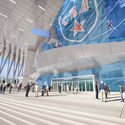
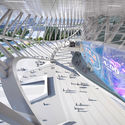
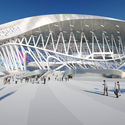
Coop Himmelb(l)au to Build Constructivism-Inspired CKA Arena and Park

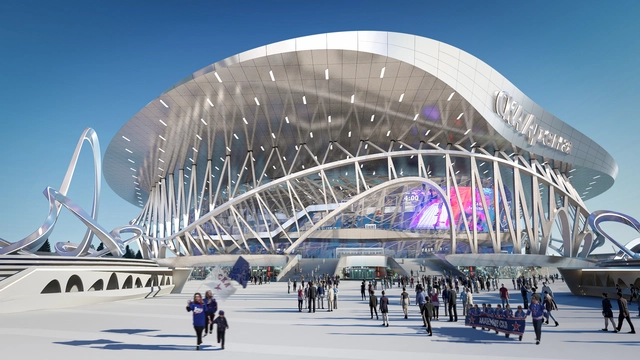
Vienna-based architecture firm Coop Himmelb(l)au has won an international competition to redesign the CKA Ice Hockey Arena and Park in St. Petersburg, Russia. The design of the complex is inspired by Russian Constructivist architecture, an era that redefined architecture with the works of Tatlin and El Lissitzky, and removed the limitations of construction and movement. The structure and general layout of the arena is based on Tatlin's “Monument to the Third International,” where it is translated as the flowing, dynamic movement of a person skating around the stadium.

Coop Himmelb(l)au to Build Constructivism-Inspired CKA Arena and Park - Image 1 of 4Coop Himmelb(l)au to Build Constructivism-Inspired CKA Arena and Park - Image 2 of 4Coop Himmelb(l)au to Build Constructivism-Inspired CKA Arena and Park - Image 3 of 4Coop Himmelb(l)au to Build Constructivism-Inspired CKA Arena and Park - Image 4 of 4Coop Himmelb(l)au to Build Constructivism-Inspired CKA Arena and Park - More Images+ 4

What is Architecture? Concepts from Coop Himmelb(l)au, Lina Ghotmeh, Liam Young and Topotek 1

Subscriber Access | 

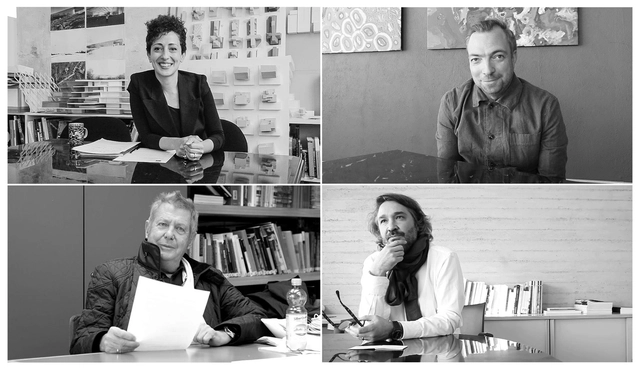
Simple in form but complex in substance, “What is Architecture?” remains an existential question for a lot of architecture students and young professionals. In an attempt to define this ever-changing interrogation and expose the different visions out there, the interview series: WIA – What is architecture? asks four, straightforward, questions to world-leading architectural designers and thinkers. Seeking to uncover their opinion on what architecture is and what it can do, these short videos reveal responses to “What is architecture? What can architecture do? What is your architectural position? and What is your design method?”.

ArchDaily has collaborated with WIA to release every week, 4 of these conversations, and to invite you to take on the challenge and answer these questions. The fourth and last article of the series presents the ideas and visions of Lina Ghotmeh, Wolf D. Prix from Coop Himmelb(l)au, Liam Young, and Martin Rein-Cano from Topotek 1.

Creative Spaces: Rainer Taepper Captures Series of Architectural Offices

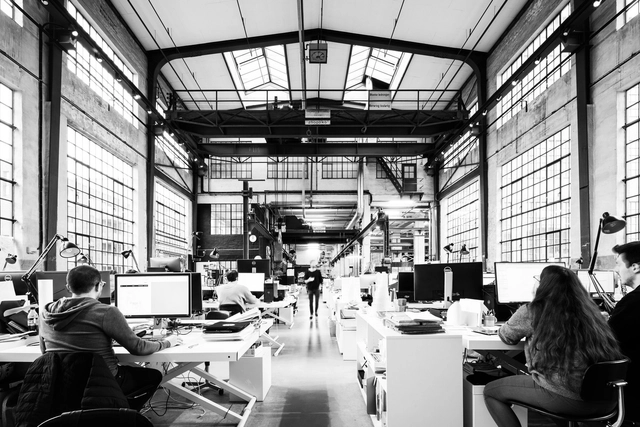
Seeking to give insights into the architectural creative centers of the world, Rainer Taepper created an architectural book that doesn’t feature buildings and plans. Looking behind the scenes, the architecture photographer highlighted both the working spaces of international design firms and the creative people, who contribute to the conception of a building.

Creative Spaces: Rainer Taepper Captures Series of Architectural Offices - Image 1 of 4Creative Spaces: Rainer Taepper Captures Series of Architectural Offices - Image 2 of 4Creative Spaces: Rainer Taepper Captures Series of Architectural Offices - Image 3 of 4Creative Spaces: Rainer Taepper Captures Series of Architectural Offices - Image 4 of 4Creative Spaces: Rainer Taepper Captures Series of Architectural Offices - More Images+ 28

Coop Himmelb(l)au Unveils New Kemerovo Museum and Theater Complex in Russia

Architecture and design practice Coop Himmelb(l)au has shared the new vision for the Kemerovo Museum and Theatre Complex in Russia. Located east of the city center between Sovetskiy Prospekt and Pritomskiy Prospekt, the proposed project is part of the Iskitimka river landscape. The complex is made to create a new cultural hub and future architectural landmark within the cityscape.

Coop Himmelb(l)au Unveils New Kemerovo Museum and Theater Complex in Russia - Image 1 of 4Coop Himmelb(l)au Unveils New Kemerovo Museum and Theater Complex in Russia - Image 2 of 4Coop Himmelb(l)au Unveils New Kemerovo Museum and Theater Complex in Russia - Image 3 of 4Coop Himmelb(l)au Unveils New Kemerovo Museum and Theater Complex in Russia - Image 4 of 4Coop Himmelb(l)au Unveils New Kemerovo Museum and Theater Complex in Russia - More Images+ 1

The Early Days and the Enduring Legacy of Coop Himmelb(l)au

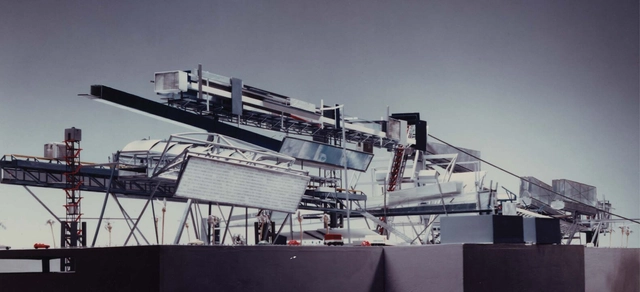
Europe in the 1960s was an incubator for emerging provocative architecture radicals who defied traditional architecture dogma in favor of counterculture that transcended time and space. Coop Himmelb(l)au, a Vienna-based faction of this movement, questioned the clean lines, rigidity, and literal nature of modernist architects of the time. While the firm is known for their rebellious spirit and aggressive forms that are generated through state-of-the-art 3D software and technologies, it’s important to acknowledge the work that the firm did shortly after their inception in 1968, and how their early oeuvre still relentlessly breaks the status quo of modern-day practice and academic discourse.

Dominique Perrault Wins Urban Design Competition to Transform and Revive an Industrial Heritage in China

Dominique Perrault’s proposal has won “the transformation and revival of industrial heritages” or the Hangang district urban design international competition, in Handan, China. Six teams from world-renowned architectural firms, including Coop Himmelb(l)au and UNStudio Team, were invited to participate in the contest and envision the future of the city, through their creative designs.

Dominique Perrault Wins Urban Design Competition to Transform and Revive an Industrial Heritage in China  - Image 1 of 4Dominique Perrault Wins Urban Design Competition to Transform and Revive an Industrial Heritage in China  - Image 2 of 4Dominique Perrault Wins Urban Design Competition to Transform and Revive an Industrial Heritage in China  - Image 3 of 4Dominique Perrault Wins Urban Design Competition to Transform and Revive an Industrial Heritage in China  - Image 4 of 4Dominique Perrault Wins Urban Design Competition to Transform and Revive an Industrial Heritage in China  - More Images+ 11

Recent Poll Shows that Only 5% Approve Zumthor LACMA Scheme

Conducted by The Citizens’ Brigade to Save LACMA, a recent poll revealed that only 5% approve of the current Peter Zumthor-designed scheme for a new LACMA, 50% Support the renovation of the existing buildings, and 85% favor encyclopedic collection in one location. The public survey also highlighted 3 designs selected out of the shortlisted six proposals of the “LACMA Not LackMA” competition.

Six International Firms Including Coop Himmelb(l)au, Barkow Leibinger, Reiser + Umemoto Propose New Ideas for LACMA

The Citizens’ Brigade to Save LACMA, had organized a competition entitled “LACMA Not LackMA”, in order to collect ideas “that could contribute to an alternate design for a new Los Angeles County Museum of Art”. The selected six designs are from renowned international firms: Barkow Leibinger, Coop Himmelb(l)au, Kaya Design, Paul Murdoch Architects, Reiser + Umemoto, and TheeAe.

Six International Firms Including Coop Himmelb(l)au, Barkow Leibinger, Reiser + Umemoto Propose New Ideas for LACMA - Image 1 of 4Six International Firms Including Coop Himmelb(l)au, Barkow Leibinger, Reiser + Umemoto Propose New Ideas for LACMA - Image 2 of 4Six International Firms Including Coop Himmelb(l)au, Barkow Leibinger, Reiser + Umemoto Propose New Ideas for LACMA - Image 3 of 4Six International Firms Including Coop Himmelb(l)au, Barkow Leibinger, Reiser + Umemoto Propose New Ideas for LACMA - Image 4 of 4Six International Firms Including Coop Himmelb(l)au, Barkow Leibinger, Reiser + Umemoto Propose New Ideas for LACMA - More Images+ 9