-
Architects: COOKFOX
- Area: 30000 ft²
- Year: 2026
-
Professionals: DeSimone Consulting Engineering, Dagher Engineering, Timberlab, Pure Project Management, Langan, +9

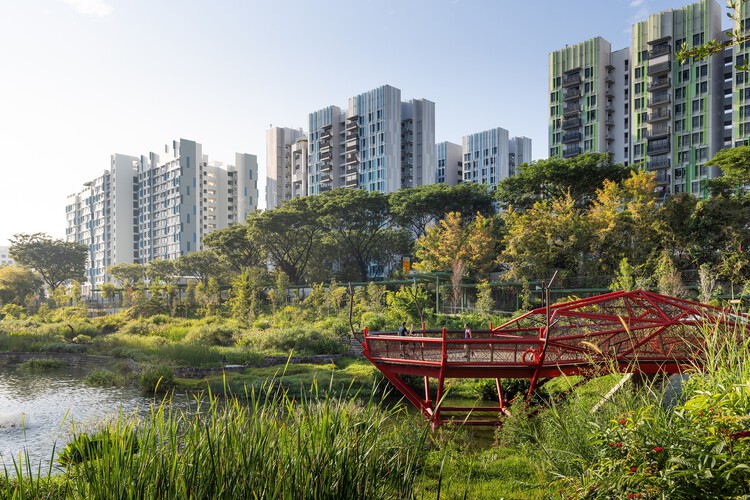
Biodiversity, defined by the World Wide Fund for Nature (WWF) as the different kinds of life found in an area, is in a state of crisis all across the world, with declines in the numbers of organisms and many species declared as at risk of extinction. All types are affected, from plants and fungi to large mammals, and there is a clear link to human activity being the cause. Although farming methods and climate change due to greenhouse gases play a major role, cities and buildings can play a small but important role in countering this decline.

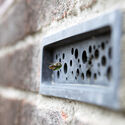
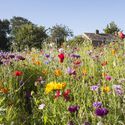
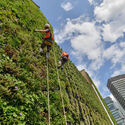
Biodiversity has become ubiquitous in project descriptions as yet another mark of the design's environmental accomplishments. The increasing focus on sustainability, the standard inspired by the UN Sustainable Development Goals, prompts a deeper understanding of what biodiversity in urban environments means and how can architecture and urban design actively contribute to it. With species extinction rates soaring and urbanization over natural land continuing, cities become an essential factor in sustaining biodiversity, and the following explores how the built environment can foster multi-species habitats.


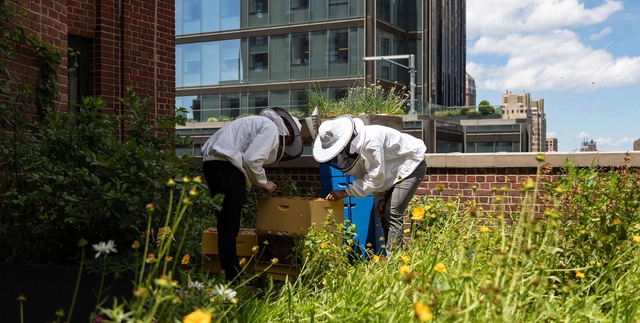
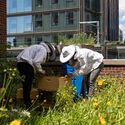
Food production is directly reliant on bees, and their disappearance could lead to catastrophic effects on humanity. There are alarming reports all over the internet about how these little insects are dying. According to the Food and Agriculture Organization of the United Nations (FAO), 75% of the world's food crops rely on bees. For example, it is only possible to have a juicy and well-developed strawberry if dozens of bees go by the flower at the right time and pollinate it. Without them, it would look more like a raisin.
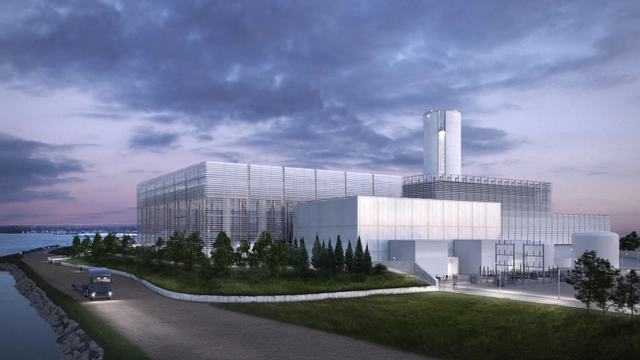
The Salem Harbor Station, built between 1948 and 1951, is a coal fired power station which occupies a 65-acre site in Salem, Massachusetts. One of the region’s dirtiest coal- and oil-burning power generators, the 748 megawatt station sits within the historical maritime hub of Salem’s waterfront. The facility is topped by three towering smokestacks that pierce the skyline, and can be seen from many parts of Salem as well as the neighboring communities of Beverly and Marblehead.
Learn more about the station's transformation after the break...
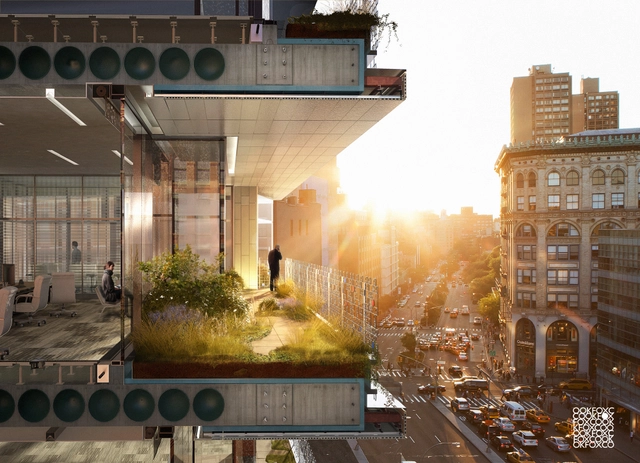
Planned to transform former gas station site at the entrance of SOHO by mid-2015, this COOKFOX-design was labeled as one of the most “erudite and captivating” presentations the Landmarks Preservation Commission has seen in years. The seven-story office and retail building is centered around the idea of connecting users to nature. Softening the building’s modern steel and glass facade will be a cloak of lush balconies topped with prime penthouse office space.