1. ArchDaily
  2. Concrete Blocks

Concrete Blocks: The Latest Architecture and News

More Than Gray: 15 Projects That Explore Red Pigmented Concrete

Subscriber Access | 

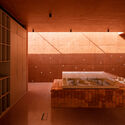
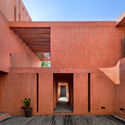
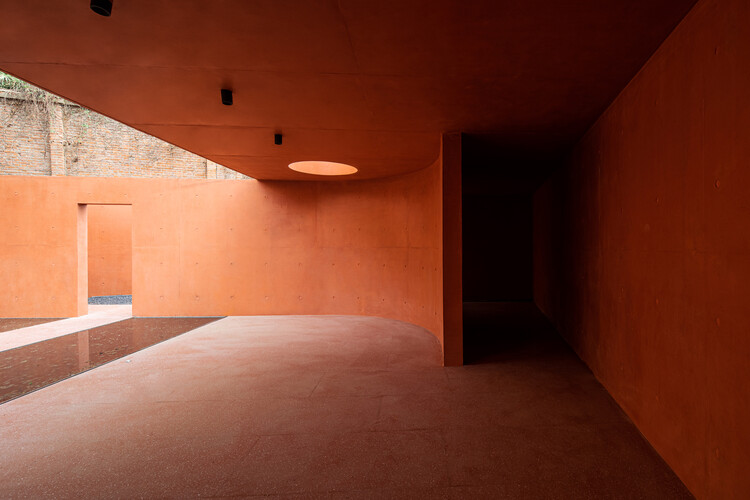
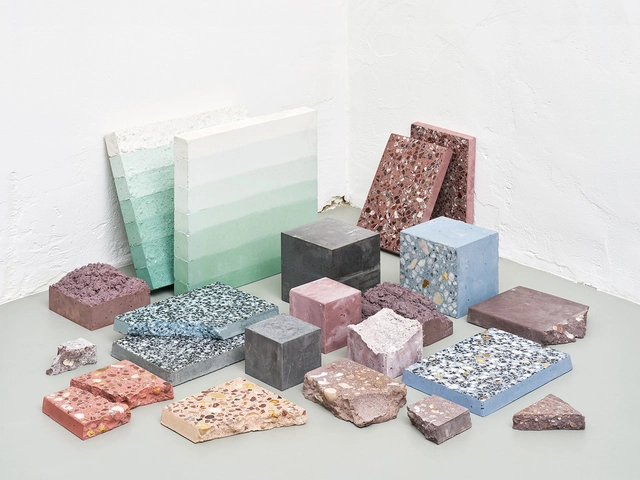
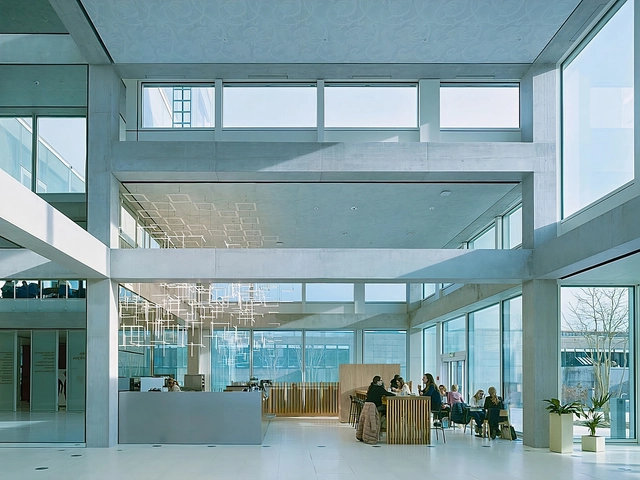
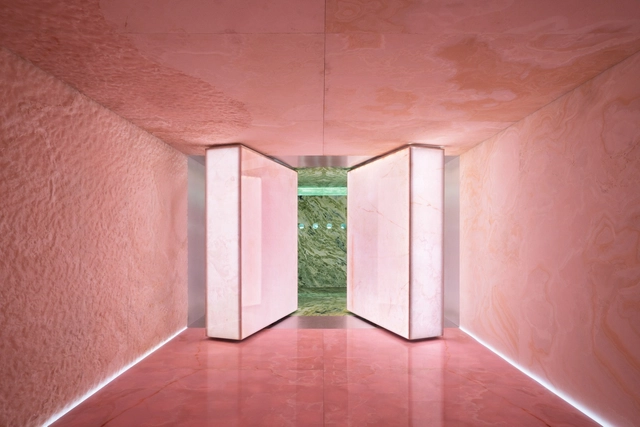
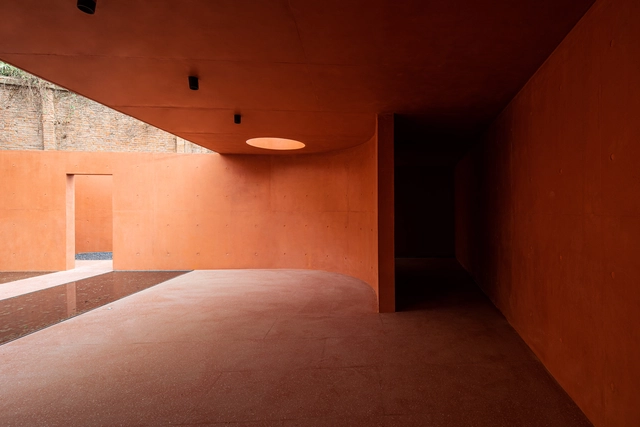
Concrete is often seen as the material of modernity, defined by its structural strength, raw finish, and unmistakable gray tone. It became the default palette of 20th-century architecture, a symbol of functionality and permanence. Yet, concrete is not bound to this chromatic identity. Its color is a byproduct of the cement, aggregates, and chemical composition used in its mix, and it can be intentionally altered through pigmentation. Among the many hues explored, red stands out — not only for its visual intensity, but for its ability to root buildings in place, evoke cultural references, and imbue architecture with a material presence that feels both elemental and expressive.

Pigmenting concrete involves the addition of mineral-based colorants — usually iron oxides — during the mixing process. Unlike paints or coatings applied to the surface, these pigments are integrated directly into the concrete mass, ensuring the color permeates the material and remains stable over time. Red pigments in particular are often derived from iron oxide (Fe₂O₃), a naturally occurring compound found in clay, hematite, and other iron-rich minerals. Their deep, earthy hue connects contemporary construction with ancient techniques — from Roman pozzolana mortars to the red earth buildings of West Africa and South America.
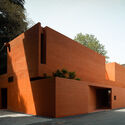
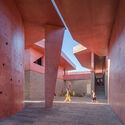
More Than Gray: 15 Projects That Explore Red Pigmented Concrete - Image 1 of 4More Than Gray: 15 Projects That Explore Red Pigmented Concrete - Image 2 of 4More Than Gray: 15 Projects That Explore Red Pigmented Concrete - Image 3 of 4More Than Gray: 15 Projects That Explore Red Pigmented Concrete - Image 4 of 4More Than Gray: 15 Projects That Explore Red Pigmented Concrete - More Images+ 27

How to Save a Building from Demolition: Emerging Procedures to Uncover the Potential of Existing Structures

The twentieth century marked a definitive shift in the realm of architecture, as the Modernist movement broke from traditional building styles and encouraged experimentation and innovation. With the help of new materials and technologies, these times represent a crucial moment in the history of architecture as both cities and building styles evolved at an unprecedented rate. The structures that stand testament to this day are, however, nearing the age of a hundred years old. Their stark design features are not always embraced by the public, while the functionalist principles often hinder the adaptability of their interior spaces. Given that they also often occupy central positions within the city, there is increasing pressure to demolish these structures and redevelop the area in its entirety.

How to Save a Building from Demolition: Emerging Procedures to Uncover the Potential of Existing Structures - Image 1 of 4How to Save a Building from Demolition: Emerging Procedures to Uncover the Potential of Existing Structures - Image 2 of 4How to Save a Building from Demolition: Emerging Procedures to Uncover the Potential of Existing Structures - Image 3 of 4How to Save a Building from Demolition: Emerging Procedures to Uncover the Potential of Existing Structures - Image 4 of 4How to Save a Building from Demolition: Emerging Procedures to Uncover the Potential of Existing Structures - More Images+ 8

Raw, Refined, and Resilient: 14 Projects Showcasing Concrete Block as a Design Language

Subscriber Access | 

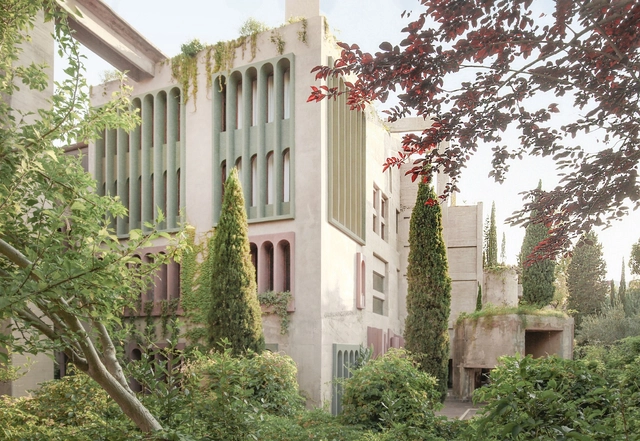
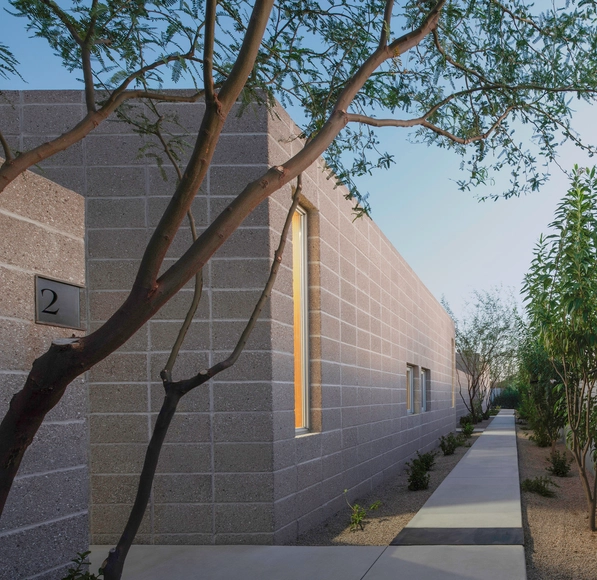
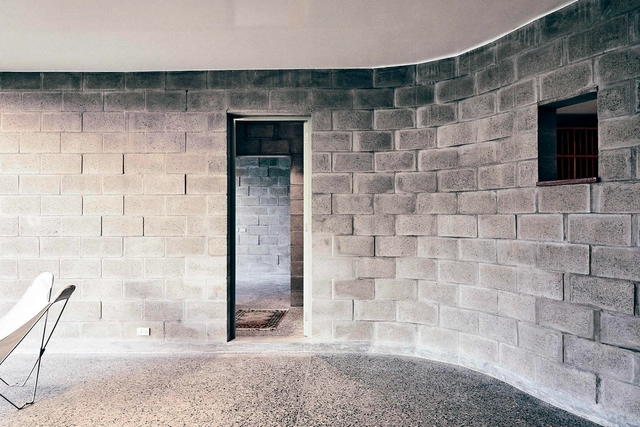
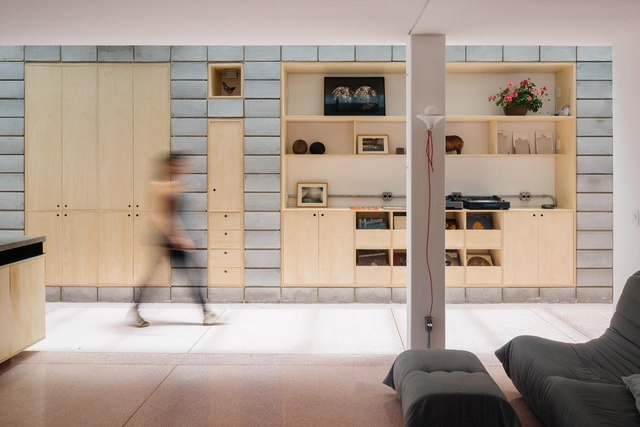
Once seen as purely utilitarian, bare concrete blocks have increasingly become part of an architectural transformation. In regions where warm climates make insulation unnecessary, this material can be left exposed, free of cladding, finishes, or embellishment. In doing so, texture, bond, and form can define the building's character and simplify construction while creating new opportunities for expression and identity. This also creates a platform to explore the concept of material honesty. Beyond its aesthetic value, using a material "as is" can significantly reduce construction costs and minimize maintenance during the building's lifespan.

 Raw, Refined, and Resilient: 14 Projects Showcasing Concrete Block as a Design Language - Image 1 of 4 Raw, Refined, and Resilient: 14 Projects Showcasing Concrete Block as a Design Language - Image 2 of 4 Raw, Refined, and Resilient: 14 Projects Showcasing Concrete Block as a Design Language - Image 3 of 4 Raw, Refined, and Resilient: 14 Projects Showcasing Concrete Block as a Design Language - Image 4 of 4 Raw, Refined, and Resilient: 14 Projects Showcasing Concrete Block as a Design Language - More Images+ 11

Frank Lloyd Wright’s Mayan Revival Houses in Los Angeles: Creating Atmosphere and Perception of Space

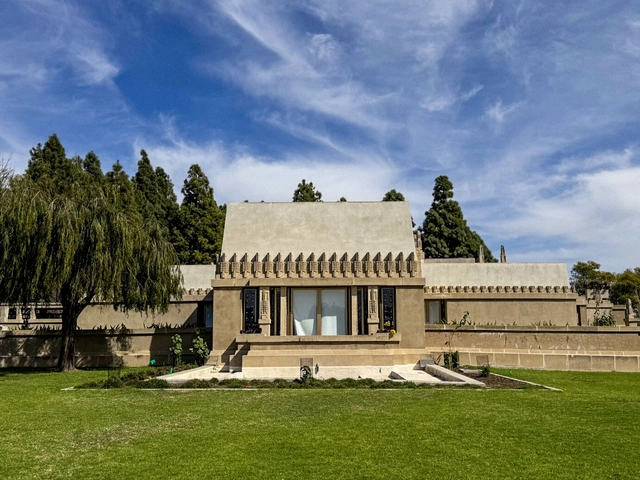
Frank Lloyd Wright's architectural legacy is vast, but among his most enigmatic and atmospheric works are his Mayan Revival houses in Los Angeles, California. Residences such as the Hollyhock House redefine the interplay of light, materiality, constructive innovation, and spatial perception. By using modular concrete blocks in an ornamental and structural way, Wright developed a unique aesthetic deeply rooted in both the past and the future.
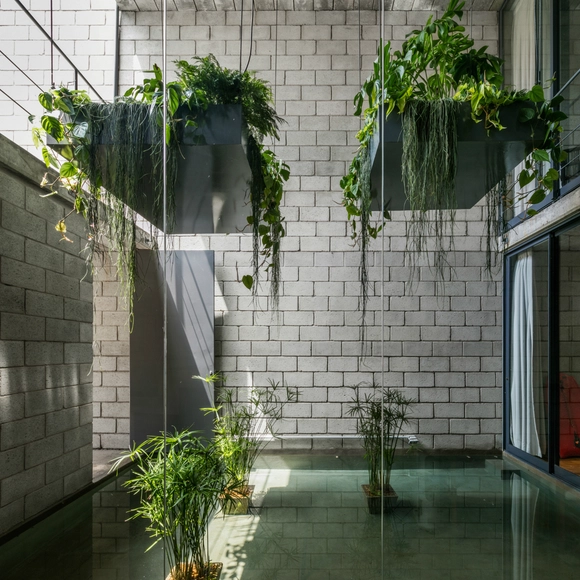
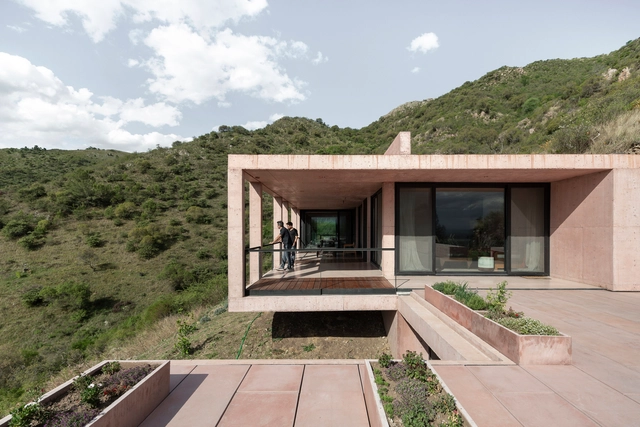
Frank Lloyd Wright’s Mayan Revival Houses in Los Angeles: Creating Atmosphere and Perception of Space - Image 1 of 4Frank Lloyd Wright’s Mayan Revival Houses in Los Angeles: Creating Atmosphere and Perception of Space - Image 2 of 4Frank Lloyd Wright’s Mayan Revival Houses in Los Angeles: Creating Atmosphere and Perception of Space - Image 3 of 4Frank Lloyd Wright’s Mayan Revival Houses in Los Angeles: Creating Atmosphere and Perception of Space - Image 4 of 4Frank Lloyd Wright’s Mayan Revival Houses in Los Angeles: Creating Atmosphere and Perception of Space - More Images+ 6

Sustainable Heating: Explore 4 Projects Featuring Trombe Walls that Enhance Thermal Efficiency

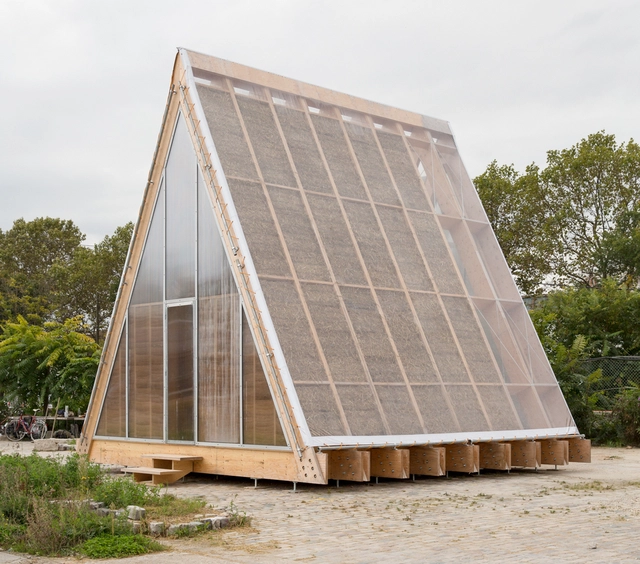
A Trombe wall is a passive solar building feature that enhances thermal efficiency. Positioned on the sun-facing side of a structure, it consists of a wall made from materials like brick, stone, or concrete, and a glass panel or polycarbonate sheet placed a few centimeters in front of it. Solar radiation penetrates the glass during daylight hours and heats the masonry wall. This wall then slowly releases the stored heat into the building during the cooler nighttime hours, maintaining a more consistent indoor temperature without the need for active heating systems.

Sustainable Heating: Explore 4 Projects Featuring Trombe Walls that Enhance Thermal Efficiency - Featured ImageSustainable Heating: Explore 4 Projects Featuring Trombe Walls that Enhance Thermal Efficiency - Image 2 of 4Sustainable Heating: Explore 4 Projects Featuring Trombe Walls that Enhance Thermal Efficiency - Image 3 of 4Sustainable Heating: Explore 4 Projects Featuring Trombe Walls that Enhance Thermal Efficiency - Image 4 of 4Sustainable Heating: Explore 4 Projects Featuring Trombe Walls that Enhance Thermal Efficiency - More Images+ 5

Houses in Peru: 5 Projects That Use Cement Blocks in Their Construction

Subscriber Access | 

Beyond being a prefabricated material currently produced in large quantities, the use of concrete blocks in architecture continues to evolve to meet the demands and needs of contemporary societies that are constantly changing. Whether in interior or exterior spaces, their use can align with concepts of circular economy, resource efficiency, sustainability, and more, with the goal of creating habitable spaces while also understanding their constructive advantages and disadvantages, their expressive and aesthetic qualities, and so on.

The Expressiveness of Exposed Concrete: Exploring the Works of Luciano Kruk

Subscriber Access | 

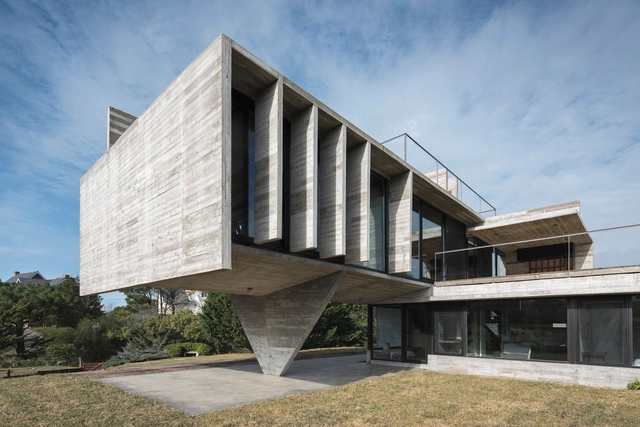
In response to the diverse topographies and natural conditions throughout the Argentine territory, the works of Luciano Kruk propose an architecture that works in harmony with the environment, the landscape, and the nature in which they are situated. Whether immersed in a forest, on sloping terrain, or on a rural plain, among other geographies, his intention is to enhance the relationship between the interior and exterior of the architecture, using concrete as the main material in most of his projects.

Between Modular and Vernacular: How Combining Construction Techniques Can Bring Agility and Identity to Social Housing in the Global South

The opening scenes of the award-winning Brazilian film "City of God" (2002) portray a newly constructed housing complex situated on the outskirts of Rio de Janeiro. Subsequently, this complex evolves into a hub of poverty and violence. Despite the film being set in the 1960s, the housing development depicted was a recent construction.

This choice made no difference because, despite the 40-year difference between the depicted era in the film and the time of filming, the architectural solutions employed by housing programs in the country remained stagnant. They continued to replicate outdated models, showcasing a lack of progress in the sector.

Between Modular and Vernacular: How Combining Construction Techniques Can Bring Agility and Identity to Social Housing in the Global South - Image 1 of 4Between Modular and Vernacular: How Combining Construction Techniques Can Bring Agility and Identity to Social Housing in the Global South - Image 2 of 4Between Modular and Vernacular: How Combining Construction Techniques Can Bring Agility and Identity to Social Housing in the Global South - Image 3 of 4Between Modular and Vernacular: How Combining Construction Techniques Can Bring Agility and Identity to Social Housing in the Global South - Image 4 of 4Between Modular and Vernacular: How Combining Construction Techniques Can Bring Agility and Identity to Social Housing in the Global South - More Images+ 8

Concrete Pigmentation in Architecture: Beyond Neutral Bases

Subscriber Access | 

Is it possible to assert the existence of a timeless material in architecture from an aesthetic standpoint? Undoubtedly, wood and concrete emerge as strong contenders, not only due to their representation of the solidity, volume, and mass of buildings but also because they provide a broad range of aesthetic possibilities in projects. Concrete, in particular, exhibits greater malleability in comparison to wood. While wood already offers flexible solutions, such as through CLT systems, concrete is derived from a blend of liquid, powder, and an aggregate—a paste that can be poured into a mold, spread over a surface and shaped into various forms.

Concrete Pigmentation in Architecture: Beyond Neutral Bases - Image 1 of 4Concrete Pigmentation in Architecture: Beyond Neutral Bases - Image 2 of 4Concrete Pigmentation in Architecture: Beyond Neutral Bases - Image 3 of 4Concrete Pigmentation in Architecture: Beyond Neutral Bases - Image 4 of 4Concrete Pigmentation in Architecture: Beyond Neutral Bases - More Images+ 7

Cement Can Be A (More) Sustainable Material

Subscriber Access | 
Cement Can Be A (More) Sustainable Material - Featured Image
Centro de Interpretação do Românico / spaceworkers. Image © Fernando Guerra | FG+SG

"If the cement industry were a country, it would be the third-largest emitter of carbon dioxide in the world, with about 2.8 billion tons, surpassed only by China and the United States." This statement in Lucy Rodgers' BBC report on the ecological footprint of concrete stands out as quite shocking. With more than 4 billion tonnes produced each year, cement accounts for around 8 percent of global CO2 emissions and is a key element in the production of concrete, the most manufactured product in the world. To give you an idea, about half a ton of concrete is produced per person in the world every year, enough to build 11,000 Empire State buildings. With these huge numbers, is there any way to reduce this impact?

Julio Vargas Neumann on the Future of Materials: 'Today's Reinforced Concrete will Disappear'

Subscriber Access | 

With an air of simplicity and wisdom, engineer Julio Vargas Neumann welcomes us. His two dogs accompany us as we descend after the necessary ascent to enter, and we are also accompanied by the stone walls defining the lot. We sit down and begin - or continue - the interview and conversation regarding the value of 'shicras', local materials, and earth construction. We also discuss criticisms of cement, aluminum, and steel, as well as perspectives on the future of materials in Peru and the world. Likewise, we delve into the long-neglected and recurrent rural problem in South America, discussing the inexorable need to change paradigms and priorities.

Julio Vargas Neumann on the Future of Materials: 'Today's Reinforced Concrete will Disappear' - Image 1 of 4Julio Vargas Neumann on the Future of Materials: 'Today's Reinforced Concrete will Disappear' - Image 2 of 4Julio Vargas Neumann on the Future of Materials: 'Today's Reinforced Concrete will Disappear' - Image 3 of 4Julio Vargas Neumann on the Future of Materials: 'Today's Reinforced Concrete will Disappear' - Image 4 of 4Julio Vargas Neumann on the Future of Materials: 'Today's Reinforced Concrete will Disappear' - More Images+ 23

Innovations and Potential of CPC Panels in Decarbonizing Concrete Construction: Interview with Josef Kurath

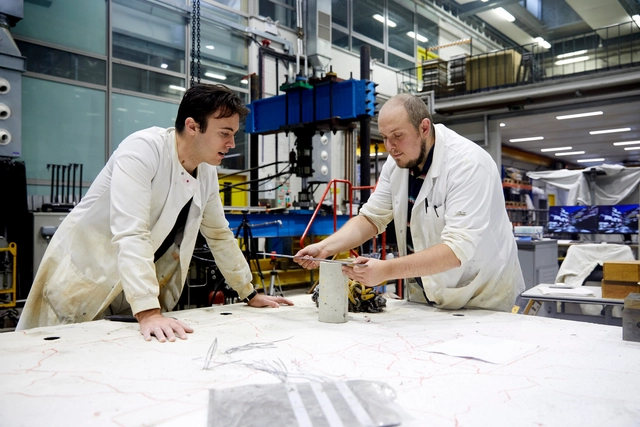
CPC concrete slabs are based on the technology of "carbon pre-stressed concrete," which originated from a long-term research project conducted by the Zurich University of Applied Sciences Winterthur (ZHAW) and Silidur AG, Andelfingen. These panels are reinforced with thin, pre-stressed carbon strands, allowing them to be three to four times thinner and lighter while maintaining the same load-bearing capacity as traditional reinforced slabs.

CPC's innovative approach to concrete panel production reduces material usage by 75% and minimizes the carbon footprint of concrete production. ArchDaily interviewed Professor Josef Kurath from the Department of Architecture Design and Civil Engineering at the Zurich University of Applied Sciences (ZHAW), who collaborated with CPC Construction in developing these concrete panels. We discussed his perspectives on decarbonizing architecture, the inspiration behind the development of CPC panels, a comparison with traditional concrete, and the potential for scalability and accessibility in the future.

Innovations and Potential of CPC Panels in Decarbonizing Concrete Construction: Interview with Josef Kurath - Image 1 of 4Innovations and Potential of CPC Panels in Decarbonizing Concrete Construction: Interview with Josef Kurath - Image 2 of 4Innovations and Potential of CPC Panels in Decarbonizing Concrete Construction: Interview with Josef Kurath - Image 3 of 4Innovations and Potential of CPC Panels in Decarbonizing Concrete Construction: Interview with Josef Kurath - Image 4 of 4Innovations and Potential of CPC Panels in Decarbonizing Concrete Construction: Interview with Josef Kurath - More Images+ 7

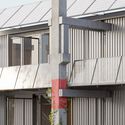
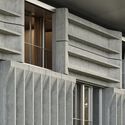
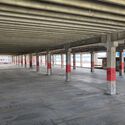
Parabase Reuses Prefabricated Concrete Elements for a Radical Housing Development in Basel, Switzerland

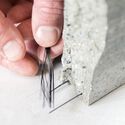
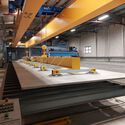
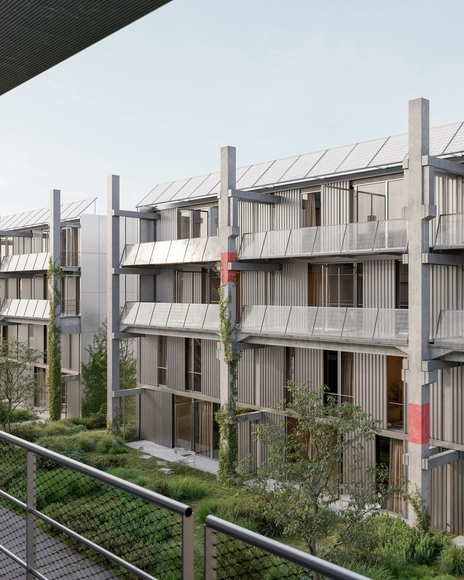
Architectural studio Parabase has been chosen for the development of several plots of Areal Walkeweg in Basel for the purpose of creating affordable apartments and an integrated migration center. The design solution, titled “Elementa,” reuses components from deconstructed cantonal properties, transforming the former columns and floor plates into walls and façade elements. The project was chosen following an open competition, where the international jury favored Parabase’s solution for its strong aesthetics combined with the creative reuse of prefabricated concrete elements.

Parabase Reuses Prefabricated Concrete Elements for a Radical Housing Development in Basel, Switzerland - Image 1 of 4Parabase Reuses Prefabricated Concrete Elements for a Radical Housing Development in Basel, Switzerland - Image 2 of 4Parabase Reuses Prefabricated Concrete Elements for a Radical Housing Development in Basel, Switzerland - Image 3 of 4Parabase Reuses Prefabricated Concrete Elements for a Radical Housing Development in Basel, Switzerland - Image 4 of 4Parabase Reuses Prefabricated Concrete Elements for a Radical Housing Development in Basel, Switzerland - More Images+ 6

Building Walls with Demolition Waste: The Poetry of Cyclopean Concrete

Subscriber Access | 

Ancient cyclopean walls were built by overlapping raw stones, supported one on the other, without the use of mortar. The name derives from the Cyclops, the giants of Greek mythology, as their construction required seemingly superhuman effort due to the weight and difficulty of lifting and fitting each wall piece. Cyclopic concrete, in turn, mixes this ancient constructive technique with contemporary materials and techniques. What sets it apart from traditional concrete is essentially the size of the coarse aggregate, which is traditionally composed of stones but can also include brick or concrete remains. Our Projects section includes examples of this constructive technique, which, unlike the cyclopes, clearly carries traces of the workers who built it. We talked to Rafic Jorge Farah, from São Paulo Criação Office, about his experience with this technique in recent works.

“Achieving Sustainable Construction Is First Using the Right Material for the Right Job”: In Conversation With Seratech

Subscriber Access | 

Seratech's technology, developed by Sam Draper and Barney Shanks, eliminates the CO₂ footprint of concrete and reduces carbon emissions in construction. This innovative process uses silica, a waste product from flue gases, as a carbon-negative cement replacement in concrete. By incorporating silica, the required amount of Portland cement is reduced by 40%, resulting in the production of carbon-negative concrete. This groundbreaking technology won the 2022 Obel Award for its focus on embodied emissions.

The Obel Award is an international award that promotes architecture in the service of both people and the planet. Seratech was the fourth winner of this new international prize for architectural achievement, preceding this year's 'Living Breakwaters' by SCAPE Landscape Architecture. ArchDaily had the chance to interview Sam Draper, CEO of Seratech, about the company's role in building a sustainable construction industry and their plans for scaling their innovative process.

“Achieving Sustainable Construction Is First Using the Right Material for the Right Job”: In Conversation With Seratech - Image 1 of 4“Achieving Sustainable Construction Is First Using the Right Material for the Right Job”: In Conversation With Seratech - Image 2 of 4“Achieving Sustainable Construction Is First Using the Right Material for the Right Job”: In Conversation With Seratech - Image 3 of 4“Achieving Sustainable Construction Is First Using the Right Material for the Right Job”: In Conversation With Seratech - Image 4 of 4“Achieving Sustainable Construction Is First Using the Right Material for the Right Job”: In Conversation With Seratech - More Images+ 3

Is it Possible to Grow Cement? Prometheus Materials and the Transformation of Concrete

Subscriber Access | 

Innovation thrives when we pause to observe, question, and reimagine the world around us, turning challenges into opportunities for progress. Nature, in particular, serves as a rich source of inspiration. By observing it, studying its daily challenges, and contemplating its processes, we can discover valuable insights that inspire innovative solutions.

One of these current challenges is the production of concrete, an ancient and extremely popular material that is now accountable for a significant portion of global CO₂ emissions, due to the energy-intensive process of cement production and the chemical reactions involved. It is estimated to be responsible for approximately 8% of the world's annual CO₂ emissions, pumping 11 million tons of CO₂ into the atmosphere every day and consuming 9% of the world's annual industrial water usage. In addition, the world's building stock is expected to double by 2060—the equivalent of building an entire New York City every month for the next 36 years, which means an incredible increase in demand for cement and concrete. Faced with this daunting situation, is there anything we can do? In this article, we speak with Loren Burnett, CEO of Prometheus Materials, which has developed a material that mimics nature's processes to recreate concrete as we know it.

Innovations in Cement and Concrete That Are Making Construction More Sustainable

 | Sponsored Content

The need to reduce the construction industry's carbon footprint and its reliance on virgin natural resources is the most pressing issue facing the sector. It is therefore extremely important to foster innovation that can improve existing building materials and make them environmentally friendly, in order to successfully tackle its sizable carbon footprint and close the material loop.

Concrete, for example, has been used since the times of the ancient Romans and has proven to be a durable, strong, affordable and versatile building material. Today, it is the most widely used man-made resource in the world. However, its production methods raise environmental concerns: firstly, due to the high consumption of natural resources such as sand and gravel; and secondly —and more importantly— because of the CO₂ emissions associated with the production of its key ingredient: cement.

Brazilian Apartments: Interiors That Combine Concrete and Wood

Subscriber Access | 

Today, we are increasingly aware of the environmental harm caused by building with concrete. One approach to using it more sustainably is to repurpose existing buildings, exposing their structural elements and integrating concrete into the surface. While concrete can sometimes give off an austere or overly cold vibe for a residential space, wood provides an alternative to soften this impression, transforming what might seem industrial into a warm and inviting home environment. By doing so, they can impart distinct qualities to the same space through the interplay of their textures and colors, evoking different sensations in occupants. There are various ways to explore the interaction between these materials, and we illustrate some of these possibilities through six Brazilian apartment examples.

Brazilian Apartments: Interiors That Combine Concrete and Wood - Image 1 of 4Brazilian Apartments: Interiors That Combine Concrete and Wood - Image 2 of 4Brazilian Apartments: Interiors That Combine Concrete and Wood - Image 3 of 4Brazilian Apartments: Interiors That Combine Concrete and Wood - Image 4 of 4Brazilian Apartments: Interiors That Combine Concrete and Wood - More Images+ 10