1. ArchDaily
  2. CPC panels

CPC panels: The Latest Architecture and News

From Agro-Waste to Decarbonization: The Innovative Materials Featured in 2023

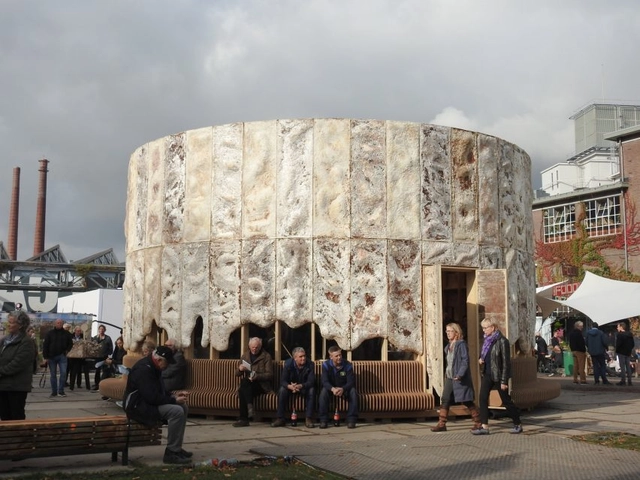
Innovative materials play a crucial role in shaping the future of architecture. They offer not only novel ways to craft buildings but also sustainable and efficient solutions to address pressing environmental challenges. Architects and designers are now more than ever exploring and integrating innovative materials into their projects. By harnessing the unique properties of these materials, they create structures with new visual languages while also being environmentally friendly.

As part of our year-in-review, we reflect on the innovative materials that were featured. These materials delved into the concepts of recycling agro-waste, adapting bio-based products, transforming local materials, and decarbonizing concrete. The objective was not only to offer alternatives to traditional construction practices but also to help reduce carbon emissions and promote a more sustainable built environment. In this dynamic field, these materials demonstrate the potential to revolutionize building design and construction in diverse contexts, paving the way for a more sustainable and resilient future.


From Agro-Waste to Decarbonization: The Innovative Materials Featured in 2023  - Image 1 of 4From Agro-Waste to Decarbonization: The Innovative Materials Featured in 2023  - Image 2 of 4From Agro-Waste to Decarbonization: The Innovative Materials Featured in 2023  - Image 3 of 4From Agro-Waste to Decarbonization: The Innovative Materials Featured in 2023  - Image 4 of 4From Agro-Waste to Decarbonization: The Innovative Materials Featured in 2023  - More Images+ 5

Innovations and Potential of CPC Panels in Decarbonizing Concrete Construction: Interview with Josef Kurath

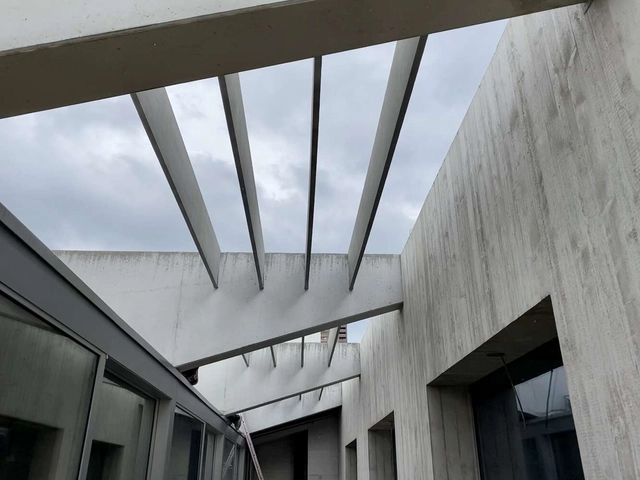
CPC concrete slabs are based on the technology of "carbon pre-stressed concrete," which originated from a long-term research project conducted by the Zurich University of Applied Sciences Winterthur (ZHAW) and Silidur AG, Andelfingen. These panels are reinforced with thin, pre-stressed carbon strands, allowing them to be three to four times thinner and lighter while maintaining the same load-bearing capacity as traditional reinforced slabs.

CPC's innovative approach to concrete panel production reduces material usage by 75% and minimizes the carbon footprint of concrete production. ArchDaily interviewed Professor Josef Kurath from the Department of Architecture Design and Civil Engineering at the Zurich University of Applied Sciences (ZHAW), who collaborated with CPC Construction in developing these concrete panels. We discussed his perspectives on decarbonizing architecture, the inspiration behind the development of CPC panels, a comparison with traditional concrete, and the potential for scalability and accessibility in the future.

Innovations and Potential of CPC Panels in Decarbonizing Concrete Construction: Interview with Josef Kurath - Image 1 of 4Innovations and Potential of CPC Panels in Decarbonizing Concrete Construction: Interview with Josef Kurath - Image 2 of 4Innovations and Potential of CPC Panels in Decarbonizing Concrete Construction: Interview with Josef Kurath - Image 3 of 4Innovations and Potential of CPC Panels in Decarbonizing Concrete Construction: Interview with Josef Kurath - Image 4 of 4Innovations and Potential of CPC Panels in Decarbonizing Concrete Construction: Interview with Josef Kurath - More Images+ 7